keeping watch for dragons #2 – house dragon
You have to keep your eyes open to see what humans down the ages have seen. The trick is to be awake to the metaphor. And to cheerfully allow confusion of reality and myth.
Although I have seen many dragonflies, I have never seen a dragon. Or have I …?
~
~
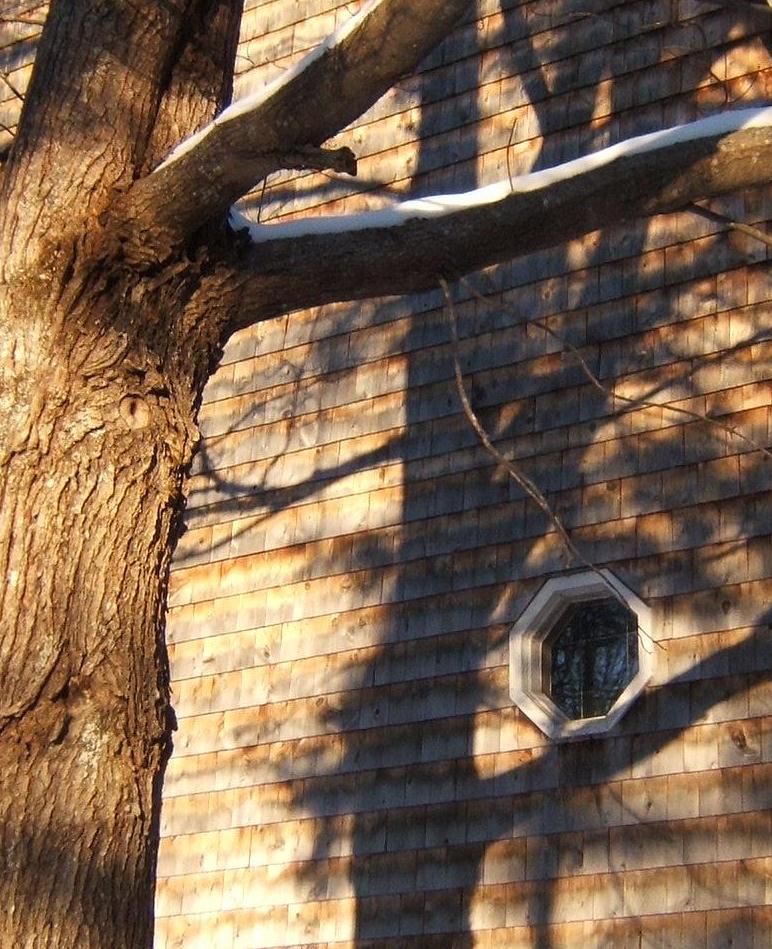
House Dragon
~
a dragon disguises
herself as our house
icicles drool from her eaves
smoke from her chimney
her scales age grey
and her nostrils
breath us
in
~
~
© Jane Tims 1998
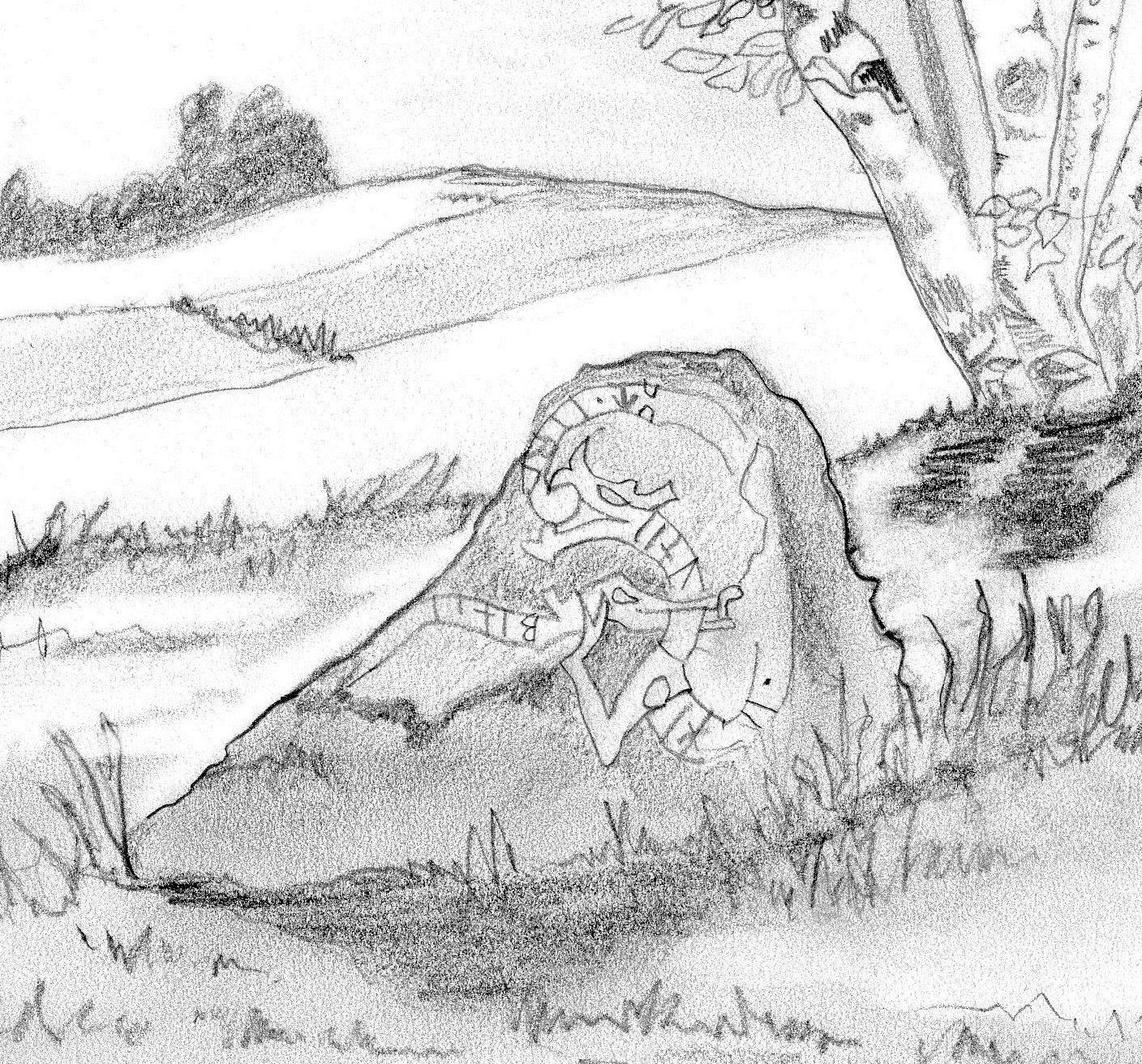
detail of 'stone marking property' Copyright Jane Tims 2012
maple syrup time
Well, the time has finally arrived. The nights are cold and the days this week are predicted to be sunny and warm. In our house the combination of cold days and warm nights means the sap is moving in our maple trees.
We tap Red Maple (Acer rubrum L.), although Sugar-maple (Acer saccharum Marsh) is preferred by commercial syrup producers. Last year we tapped 12 trees, about at the edge of our low-tech capability. This year we are tapping 10 trees.
We usually use the ‘old-fashioned’ spile and aluminum bucket method. This year, for the first time, my husband is trying a plastic spile and pipe system for 5 of our taps. It seems a little easier since the sap drips directly into a plastic reservoir and this eliminates one step in the endless pouring process.
For those of you unfamiliar with tapping trees for sap, the basic idea is to collect the sap and boil it down to make maple syrup. We select a tree, bore a hole, insert a spile and hang a bucket on the spile hook. The spile is a cleverly designed spigot which channels the sap from inside the tree into the bucket. The bucket is fitted with a cover to keep out rainwater or snow and reduce insect access.

So far this year, we have collected 25 liters of sap. This will boil down at about 40 to 1 to make a little more than 500 ml of syrup (about 2 cups). Last year, from a season total of 329 liters of sap, we made about 40 pint jars of syrup. If you try to calculate that at 40 to 1, it will never come out correctly since we don’t boil all of the sap to the same concentration and we drink some of the sap as a sweet drink.
Collecting maple sap is so much fun. It is good exercise and a great way to get your dose of warm spring sunshine. And, we have enough maple syrup to last for the year.
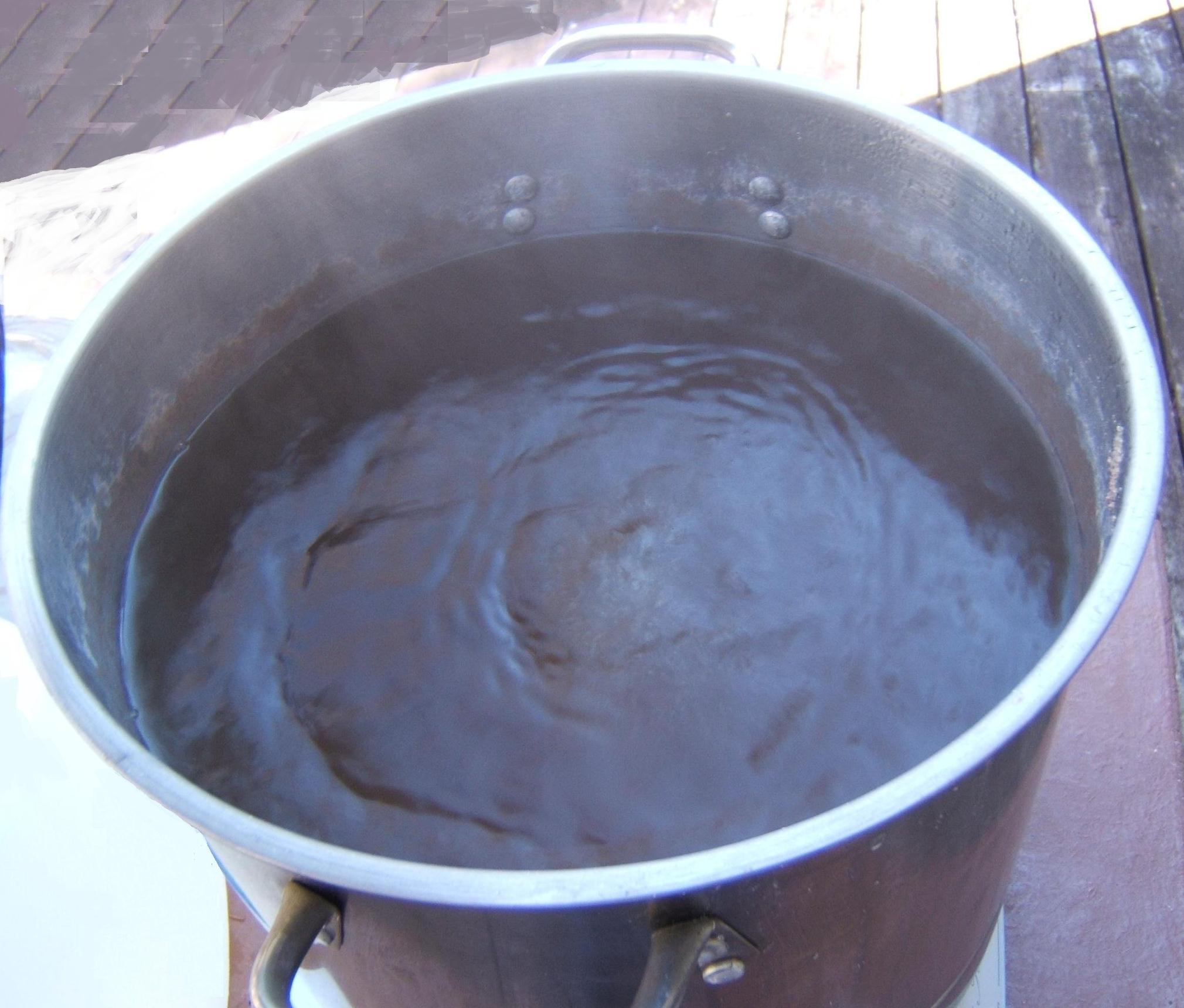
I’ll be keeping you up to date on our maple syrup adventures this year. Right now, the pot full of sap is boiling on the deck.
~
~
sugar song
~
cold nights
warm days
cold nights
~
sap plucks stainless steel
different rhythm, every tap
quick and dead slow
in sync
with the downy woodpecker
or the bird with the round warble in its throat
~
~
© Jane Tims 2012

keeping watch for dragons #1 – woodland dragon
Sometimes our grey woods are a mysterious place. Something about the slant of the light, the way the trees stand like pillars supporting the sky, or the way pale moths climb on the forest dust, conjures myth from reality.
Last year as I walked on one of the paths, my eye was drawn to the single scale of a seed cone, lying on the forest floor. Perhaps it had been dropped as a Grey Squirrel in the tree above nibbled on a pine cone.
Perhaps…
~
~
Woodland Dragon
~
~
in the blackened stand
of jack pine
~
a single
crimson
scale
~
~
© Jane Tims 1998
from the pages of an old diary – words and phrases
My great-aunt’s diaries are very easy to read. Her handwriting is neat and her words, though brief, clearly convey her meaning. Occasionally, she uses unfamiliar words. What do you think these words mean? My answers, assisted by the Internet, are given below…
~
‘tidies’
‘silence cloth’
‘pizza’
‘layette’
‘snaps’
‘snow pudding’
~
~
April 18, 1957 She washed the curtains and ‘tidies’ from the upstairs rooms.
The Free Online Dictionary defines a ‘tidy’ as ‘a decorative protective covering for the arms or headrest of a chair.’ ‘Tidies’ could also have been her name for the hold-backs on curtains, or the small linen cloths used to cover dressers and other surfaces.
March 12, 1957 She bought a ‘silence cloth’ for the table ($2.00)
The Merriam-Webster Online Dictionary defines a ‘silence cloth’ as ‘a pad (as of flannel or felt) used under a tablecloth.’ This cloth would have protected the table from scratches and marks from dishes.
July 31, 1956 She and her husband sat out on the ‘pizza’
This was a frequent entry. I think it was her word for ‘piazza’ and referred to the front porch or a small sitting area in their side-yard.
Feb. 1, 1957 Her Red Cross group made a ‘layette’ for a local woman and her baby.
Wikipedia says this is a collection of clothing for a newborn and can include many items, including sleepwear, cloth diapers, wash cloths and receiving blankets.
June 29, 1967 She received ‘snaps’ of their anniversary party.
I know this one, but some in the digital generation may not. It is short for ‘snapshot’ and refers to processed photographs.
December 18, 1967 She made a ‘snow pudding’ and took it to a neighbour who had a sore tongue.
I am not a cook, so many recipe names are not familiar to me. I looked at the Internet for a modern recipe and found the following:
Snow Pudding
2 T. unflavored gelatin
1/4 C. cold water
1 C. boiling water
1/2 C. lemon juice
1 C. sugar
3 egg whites
soften the gelatin in cold water;
dissolve the gelatin in boiling water;
add lemon juice and sugar and stir until the mixture thickens;
add stiffly beaten egg whites;
beat until the mixture ‘stacks’ (holds firm peaks).
The finished dessert looks like snow, hence the name. I don’t know if using raw egg whites is OK today, but the equivalent from a carton of egg whites would be safe to use.
~
© Jane Tims 2012
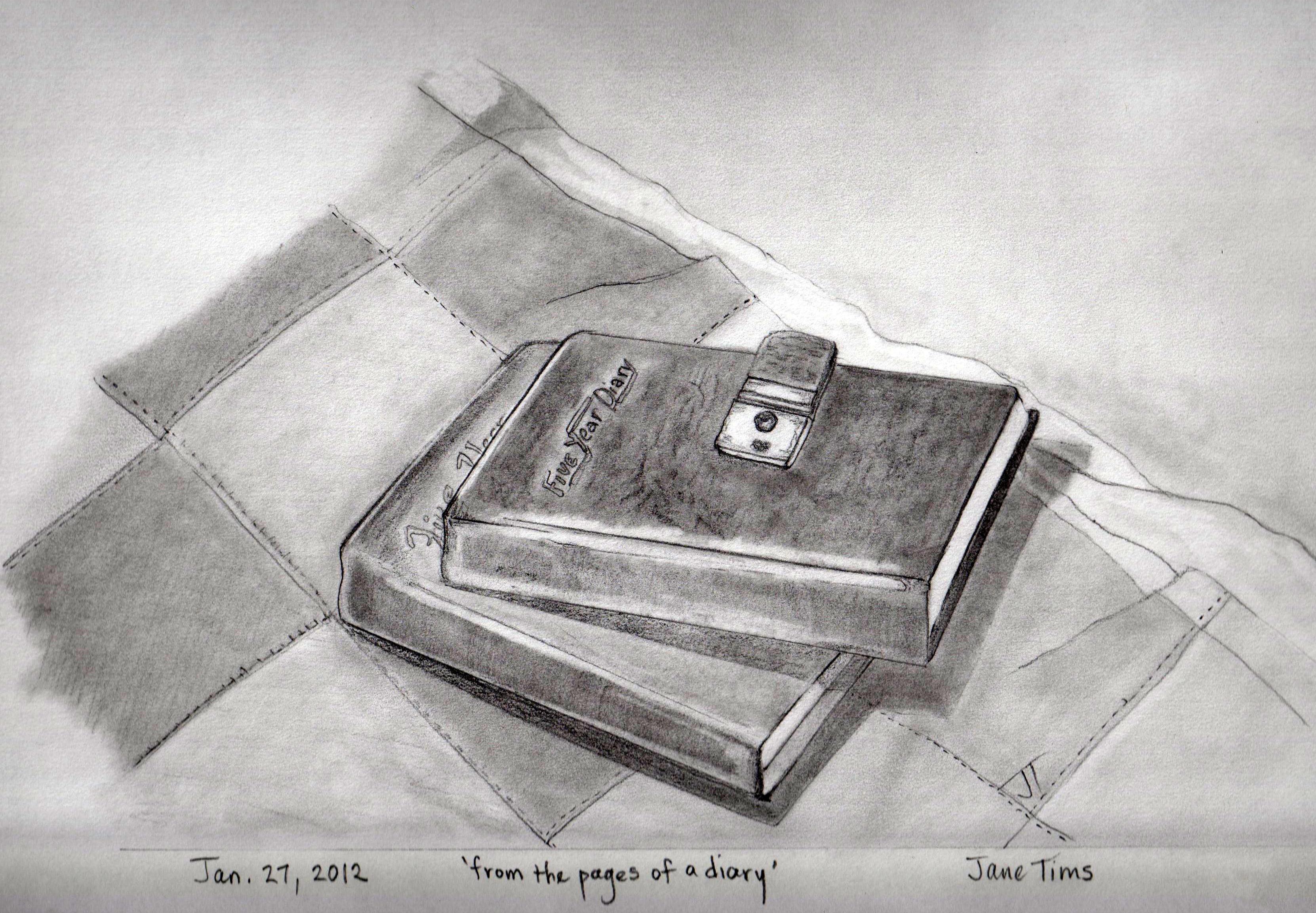
two of the six diaries my great-aunt wrote from 1944 to 1972 ... the quilt is one she made during the last years of her life
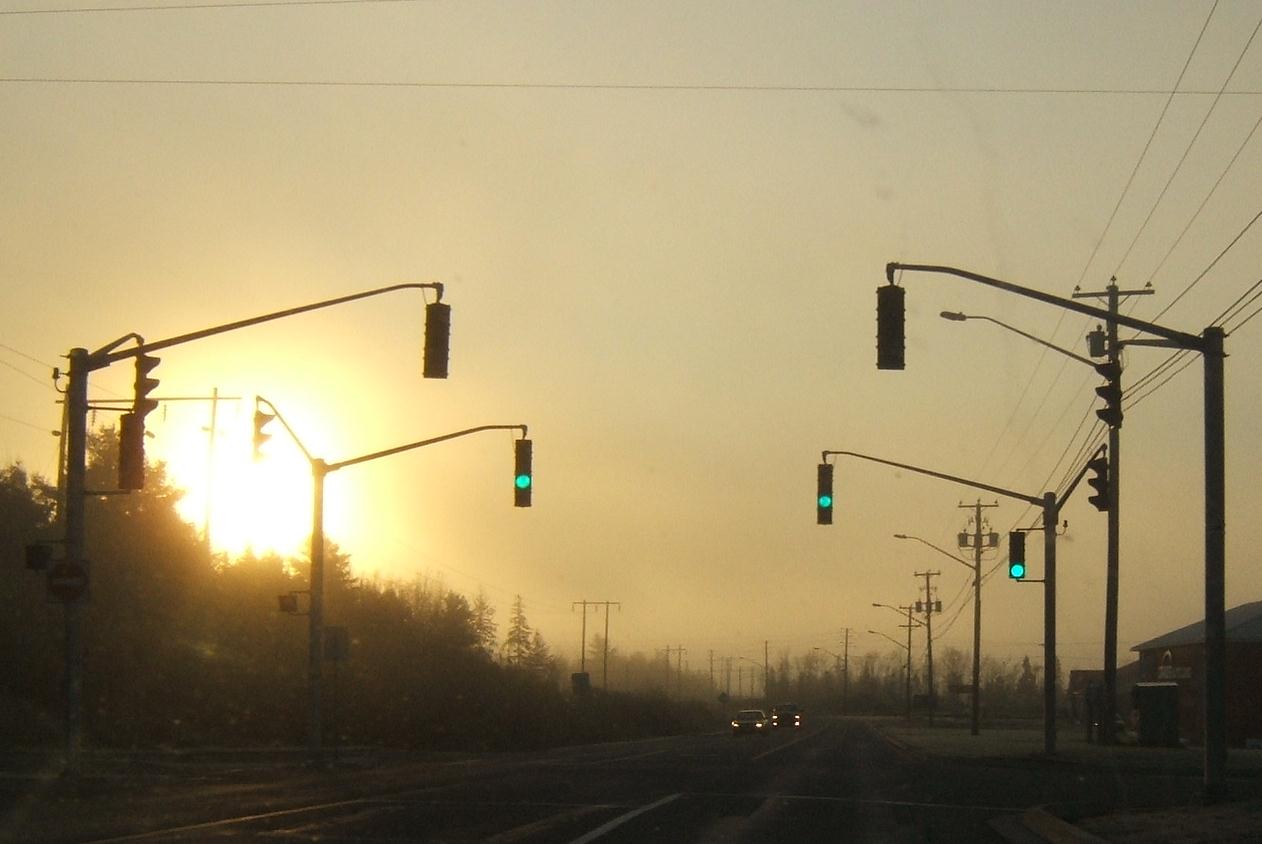
a moment of beautiful – traffic lights
the space: above the roadway, at an intersection, in the fog
the beautiful: green, yellow and red traffic lights, seeming to hover, like jewels in the fog
~
Traffic lights!!! Beautiful??? Perhaps you will never agree. But I think those lights, when seen on a foggy day, suspended as if from the sky itself, are as beautiful as jewels. Emerald, topaz and ruby.
~
~

Copyright Jane Tims 2012
from the pages of an old diary – cost of living
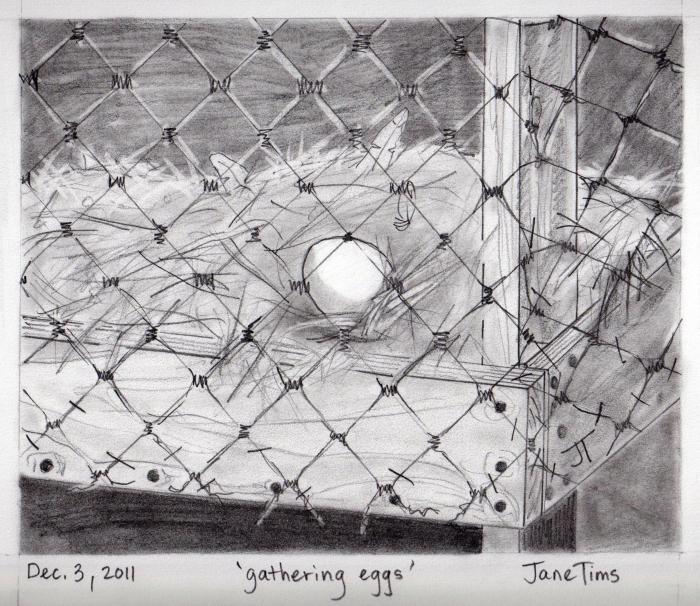
Some of the most interesting entries in my great-aunt’s diaries concern the cost of living. She often recorded the prices of food, goods or services they obtained. I read through her entries for 1954, 1955, 1957 and 1967 and noted some of these. By comparing the amounts for the same items in the 1950s and 1967, you can see that prices were on the rise!
| Date | Item | Cost |
| food | ||
| Nov. 22, 1954 | chicken | $3.00 per chicken |
| Nov. 10, 1967 | chicken | haircut (barter system) |
| June 30, 1955 | eggs | $0.40 per dozen |
| Dec. 14, 1957 | eggs | $0.50 per dozen |
| July 12 and July 14, 1967 | strawberries | $0.35 per box |
| July 19, 1967 | strawberries | $1.40 for 4 boxes |
| Oct. 22, 1967 | oysters | $2.00 per pint |
| Nov. 17, 1967 | box of chocolates | $1.29 per box |
| entertainment | ||
| June 5, 1957 | lobster supper at church | $1.00 |
| June 7, 1967 | lobster supper (community function) | $1.50 |
| November 1, 1957 | turkey dinner (community function) | $1.00 |
| October 25, 1967 | turkey dinner (community function) | $1.25 |
| Feb. 13, 1954 | Valentine Tea at church hall | $0.60 |
| June 22, 1957 | tea in church hall | $0.50 |
| July 9, 1957 | show (movie theatre) | $0.50 |
| goods | ||
| May 7, 1957 | T.V. from Simpsons | $269.95 |
| March 12, 1957 | ‘silence’ cloth for table | $2.00 |
| Sept. 10, 1954 | new shoes | $6.95 |
| April 23, 1957 | black Oxfords (White Cross) | $9.95 |
| June 14, 1954 | shingles for barn | $50.18 |
| May 17, 1967 | house shingled | $163.00 |
| May 17, 1954 | wood for stove | $40.00 (probably total for year) |
| services | ||
| July 8, 1954 | hair permanent | $4.00 |
| Dec. 16, 1957 | hair permanent | $3.25 |
| Sept. 20, 1967 | hair permanent | $6.00 |
| March 13, 1957 | tailoring – a ‘Black Watch’ skirt | $4.94 for material and sewing |
| Sept. 6-10, 1967 | vacation accommodation (room in house) | $8.00 per night |
| Sept. 6-10, 1967 | vacation accommodation (motel) | $14.00 per couple |
~
~
© Jane Tims 2012
snippets of landscape – ice falls on rock walls
When highways are built, they often cut through the bedrock, leaving rock walls along the margins of the road. If these intersect a brook or seep of water, the result is a waterfall on the face of the rock. In spring or summer, rains can create wild cataracts. In winter the water freezes, building frozen walls of blue-shadowed ice. In sunlight, especially when they begin to melt, these ice falls are dazzling.

~
~
one warm hand
~
icicles seep between
layers of rock frozen
curtains separate
inner room from winter storm
glass barrier between blue
light and sheltered eyes
memory of water flows
along the face of the rock
one warm hand melts ice
consolation, condensation
on the inward glass
~
~
© Jane Tims 2012

at the bird feeder #7 – Pine Siskin
After our heavy snow last week, the birds were all looking for perches and easy feeding. A few Chickadees and Pine Siskins were at the feeders early. Pine Siskins (Carduelis pinus) are fidgety little birds, staying at the feeder to get their fill, but ever vigilant and looking over their shoulders. They are heavily striped, sometimes with yellow bars on their wing feathers. They also have sharp beaks.
Because the Pine Siskins are striped, I confused them at first with female Purple Finches. The female Purple Finch is also striped, but is a slightly bigger, chunkier bird. Its beak is large and wedge-shaped, and it has no yellow coloration.
~

Pine Siskin at the feeder
~

female Purple Finch - wedge-shaped beak and stripes around eye (a male Purple Finch at left)
~
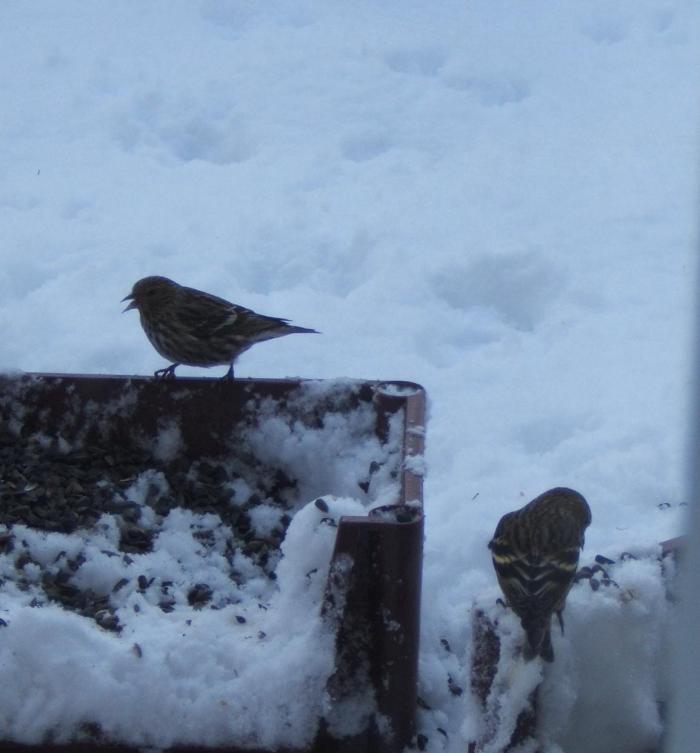
two Pine Siskins at feeder - sharp beaks and yellow wing bars

© Jane Tims 2012
snippets of landscape – the bogan
Along the St. John River are sluggish side-streams, flooded in spring to form full tributaries of the river, but isolated and stagnant in low-water conditions, sometimes completely cut off from the main river. These are known as bogans, a word of Algonquian origin. The words logan and pokelogan have a similar origin and meaning.
My favorite bogan is a strip of water next to the Trans-Canada Highway near Jemseg. The bogan creates an island, Thatch Island, in the St. John River. Old Silver Maple trees lean over the still water, creating reflections and shadows.

bogan along Thatch Island
On maps of the St. John River, a bogan on Sugar Island, just north of Fredericton, is called the Sugar Island Padou.

bogan (padou) on Sugar Island
~
~
bogan
~
appendage of river
footnote on water
predictable as the day we walked
the dead-end backroad
and retraced our steps to return
~
in spring, by canoe, at high water
or on ice skates in winter
in summer sluggish
stagnant, secluded
~
we lurk, eavesdrop on whispered
conversation
we are river folk
unwelcome
~
~
© Jane Tims 2012
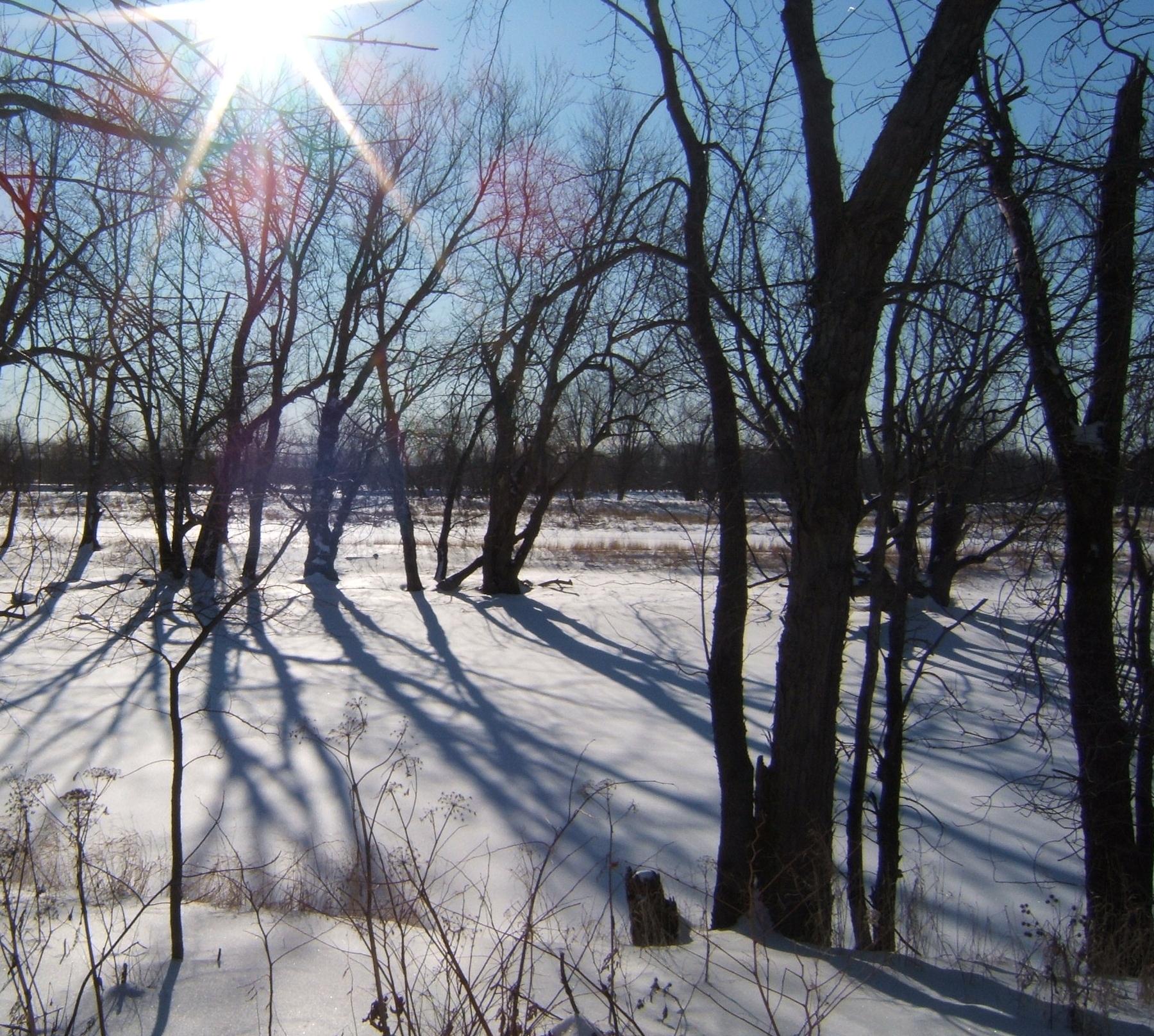
snow-bound bogan to the north of Thatch Island on the St. John River
a moment of beautiful – tracks in the snow
the space: new fallen snow
the beautiful: a Red Squirrel’s tracks
~
An expanse of new fallen snow is like an unwritten page. When you find something written there, it is a message of beauty.
In our driveway, after the last snow, a Red Squirrel was the first to write on the ‘page’. The prints were delicate, traced in blue shadows.
~

Our Red Squirrels are certainly not afraid of the snow.

digging for sunflower seeds

red squirrel with snow accumulating on his head
~
~
a love letter, unsigned
~
the meadow in winter
a sheet of paper
folded
where the stream
flows under the ice
~
the sky
an envelope
lined in blue
~
tracks on the snow
cautious
afraid
words
pressed to the page
~
erased
(erased)
by melting
or a dusting
of new snow
~
~
Published as: ‘a love letter, unsigned’, 1999, Green’s Magazine XXVII (2): 44.
Copyright Jane Tims 1999




 nichepoetryandprose