Archive for the ‘along the shore’ Category
the skater
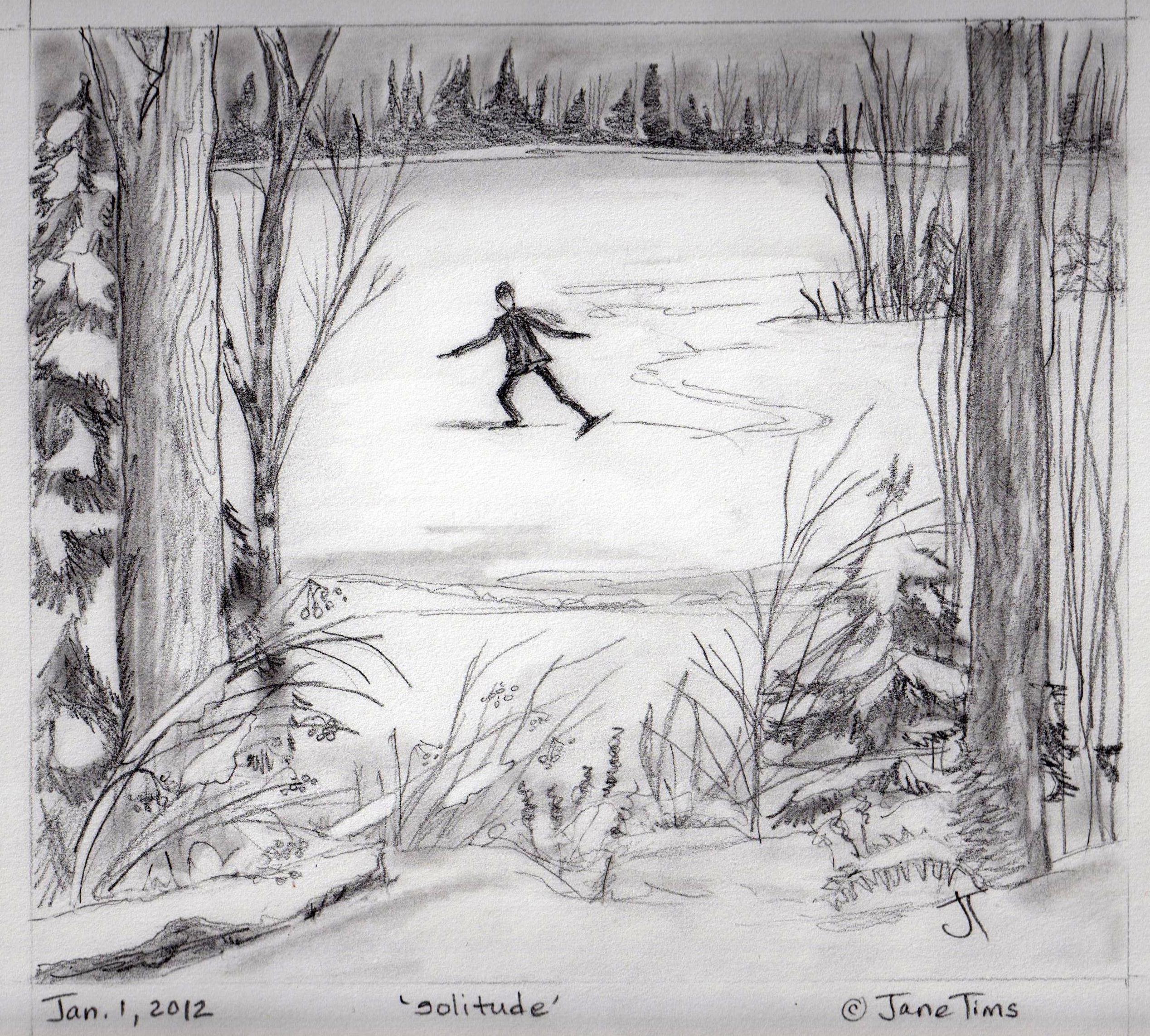
One winter day in the early 1970’s, I took a walk, alone, down to the shore of one of the chain of lakes extending from Dartmouth to Fall River in Nova Scotia. Near the edge of the lake, I sat down on a log to watch the snow fall. As I sat there, I had a memorable experience. A lone skater, on racing blades, skated into the cove. He had no idea I was there and skated with the abandon of solitude. This event remains unique in my experience and will always be one of the loveliest happenings of my life.
~
~
solitudes
~
shortest hour
shortest day
hike to the lake
on the rail line
~
stunted stride
grey rails
grey sky
blue mittens
~
2.
the cove is a glimpse
between branches
birch and maple support the sky
expectant with snow
~
I wiggle to warm
a place on a log
to watch
snowflakes like mayflies
~
bark cracks
twigs snap
mittens, knees and elbows
tucked
~
3.
the cove is an oh!
of unspoilt ice, black
smooth, bound
by ice-skinned cobbles
~
last summer I turned one
found a salamander, red as berries, crushed
beneath the weight of air
skin panting in dapples of sun
~
today all colour is trapped
in the droop of high bush cranberries
fat sickles of ice
and the electric blue of mittens
~
the snow sifts down
I lift my mitt to catch a flake
clings to the wool, white jigsaw
puzzles with atmospheres between
~
dark ice dwindles
~
4.
a cymbal rings on heavy air
not the crack of hardened bark
but the ring of steel, the scratch
ice shaved by a metal edge
~
a lone man skates
round the curve of the shore
long-limbed as a spider he strides
on racing blades
stretches his arms
~
turns one toe and leans, a compass
marks a circle on the empty page
three quick strides and a figure
he touches a hand to ice
to steady the turn
~
alone, he dances
and I am nothing
a stump, bent vibernum
berries under snow
~
neither breath nor mittened hands
only eyes, watching
and in a while
closed
~
5.
fines of snow
ease the heavy sky
the trees lean
the skater gone, the cove unwritten
~
white on the lake, the shore
the tree bark
the berries
even the mittens, white
~
~
© Jane Tims 2000
ice is nice
Our snow is slow in coming this year. We have had three snowfalls, but each, in its turn, has been rained or warmed away. If our ups and downs of temperature continue, the scant layer of snow on the ground this morning will be gone by Saturday.
However, winter is manifesting itself in other ways. I am wearing another sweater-layer this week. Our grey woods are muttering with chill cracking sounds. And ice is forming on the river and along the lake edge, gradually covering the surfaces with white and grey.
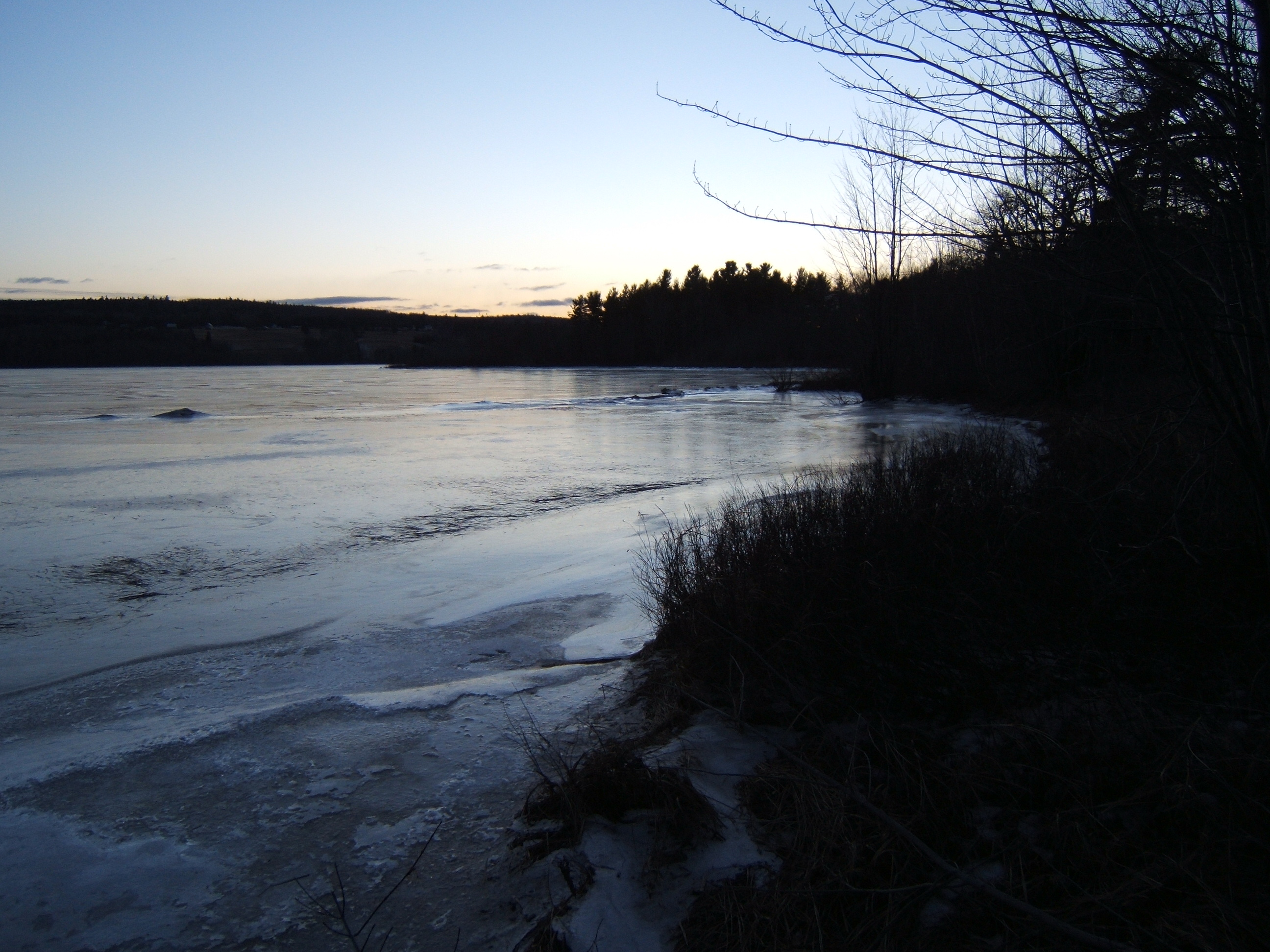
Ice – the frozen state of water… water is critical because it is a key component of our ecosystem and we need water to drink. Also, an unusual property of ice is responsible for keeping our ecosystem healthy.
Frozen water is about 8% less dense than liquid water. This means ice floats. As a result, bodies of water such as rivers, ponds and lakes, do not freeze from the bottom up. Instead, when water freezes at the surface, critical habitat is left under the ice for living things to survive and thrive. This is especially important for the bacterial and algal colonies at the base of the food chain.
Ice, therefore, is nice.
~
~
river ice
~
ice builds in shallows
at the rim of river, incremental
embellishment to glass, surrounds
willow stem and reed, thickness
increased as frost penetrates, sharp
edges cauterized by cold
~
© Jane Tims 2011

Fringed Loosestrife (Lysimachia ciliata L.)
In any season, I think it is important to slow down and look closely at the ground to catch a glimpse of the natural diversity occurring there. This time of year, in our snowy climate, there are tracks to find, evergreens to notice, and seeds and berries to discover.
Since I am trained as a botanist, looking down is the norm for me. Often, I fail to look up and see the landscape and horizon. When we first bought our lake property, it was quite a while before I looked across the lake and realised there were farms and a church on the opposite shore!
As a result, I identify strongly with Fringed Loosestrife (Lysimachia ciliata L.), a yellow flower we find growing along the lakeshore in early summer. It has a downward-facing flower and can only ‘see’ the ground. Its shy demeanour encourages close inspection, but you have to get your own eyes quite low to see a view of its ‘face’.
Fringed Loosestrife has five yellowish-green petals and a reddish center and blooms from May to July. The petals are fringed and each is tipped with a ‘tooth’.
The genus is called after King Lysimachus of Thrace who, in legend, used the plant to calm a maddened bull. Ciliata comes from the Latin word cilium meaning eyelash, referring to the hairs on the stem of each leaf.
Fringed Loosestrife grows in thickets and along shorelines like ours.
~
Fringed Loosestrife
(Lysimachia ciliata L.)
~
at the edge of lake are two perspectives:
distant and near
horizon and shore
~
horizon
low hills and orchard
a farm, a steepled church
the flat of the lake
three waterfowl
~
the shore
yellow Loosestrife
Fringed petals
look down
~
red eye studies
flat rock and sticky bedstraw
a wood frog, a feather fern
winterberry petals new-fallen
shoe leather, shoe laces
~
© Jane Tims 2011

Winterberry Holly (Ilex verticillata (L.) Gray)
In contrast to October, November is a colorless month. The exception – November’s red berries.
They punctuate the roads and ditches – Highbush-cranberry, Staghorn Sumach, American Mountain-ash, Hawthhorn and Rose. Eventually the birds claim every one for food, but through most of early winter, the berries remain to cheer us.

Highbush Cranberry in November
Last November, my husband and I took a walk in the thicket of saplings above the lake. As we came around the edge of a clump of alder, we were surprised to see a sturdy bush of Winterberry Holly. It glowed with orange-red berries, set off by sprays of bronze-coloured leaves, not yet fallen. We are used to seeing Winterberry along the lake, but in the grey and white thicket, the little bush was a gift. We went there again this past Saturday, and there it was, glowing in the morning sun.

our bush of Winterberry Holly
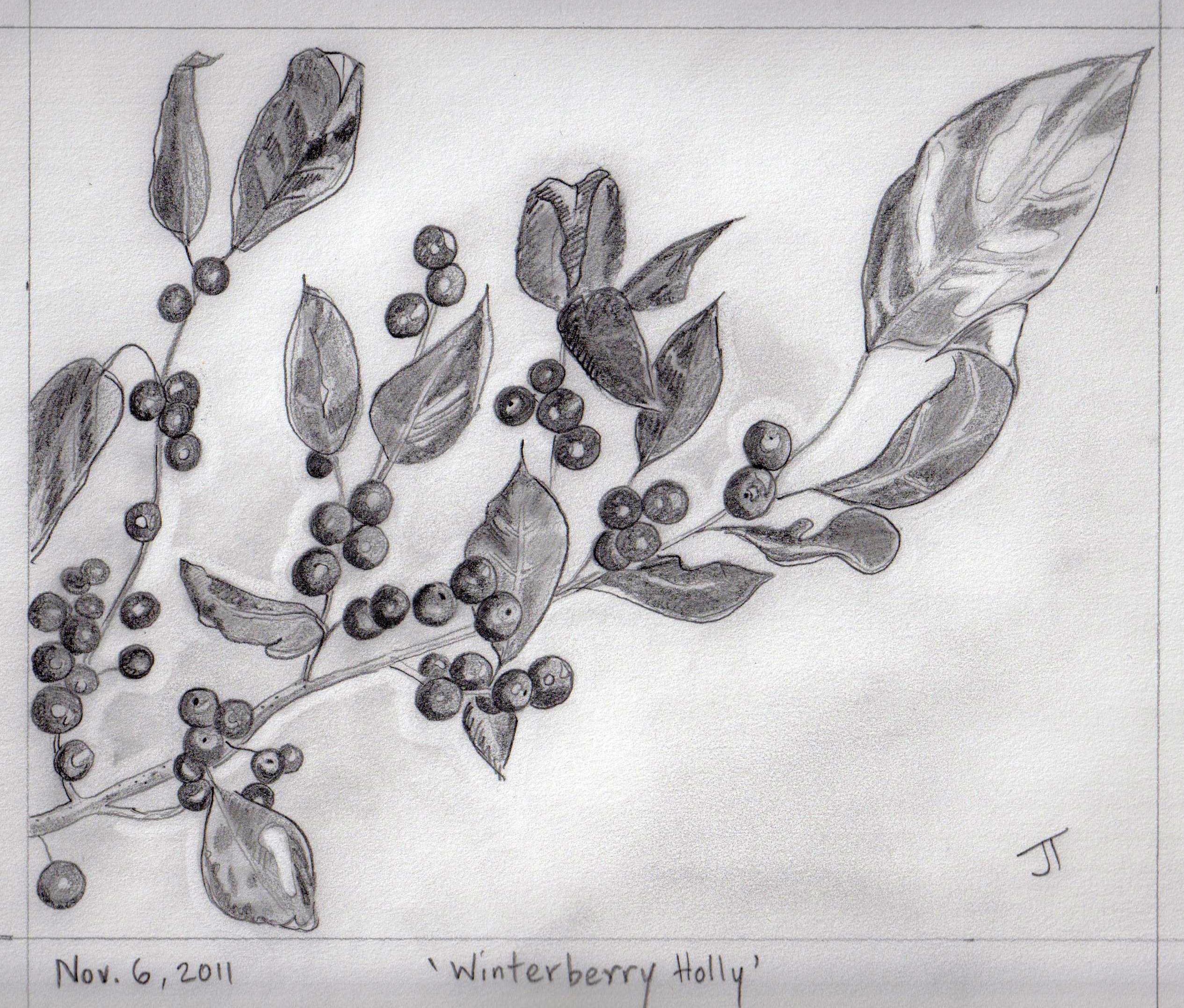
Winterberry Holly (Ilex verticillata (L.) Gray) is also known as Canadian Holly, Swamp Holly, Inkberry, Black Alder and Feverbush. The shrub is usually found in wet areas, including wetlands, damp thickets, moist woods and along waterways. The leaves turn a brassy purple-brown before they fall. The fruit is a small, hard orange-red berry, remaining on the bush until January.

In my poem, the words ‘lexicon’ and ‘exile’ are included as imperfect anagrams for Ilex (ilex).
Canadian Holly
(Ilex verticillata (L.) Gray)
~
drab November
and lexicon
expires
umber leaves
grey verticals
dull stubble
~
winterberries
astound the wetland
red ink on page
and words explode
from exile
~
fever flush and holly
above December snow
icicles vermillion
~
© Jane Tims 2011
reflection
reflection n. 1: reflecting or being reflected; reflect light, heat, colour or image;
2: reflex action;
3: censure; thing bringing discredit on;
4: reconsideration;
5: mental faculty dealing with products of sensation and perception;
6: idea arising in the mind, mental or verbal comment.
Oxford dictionary, 1950.
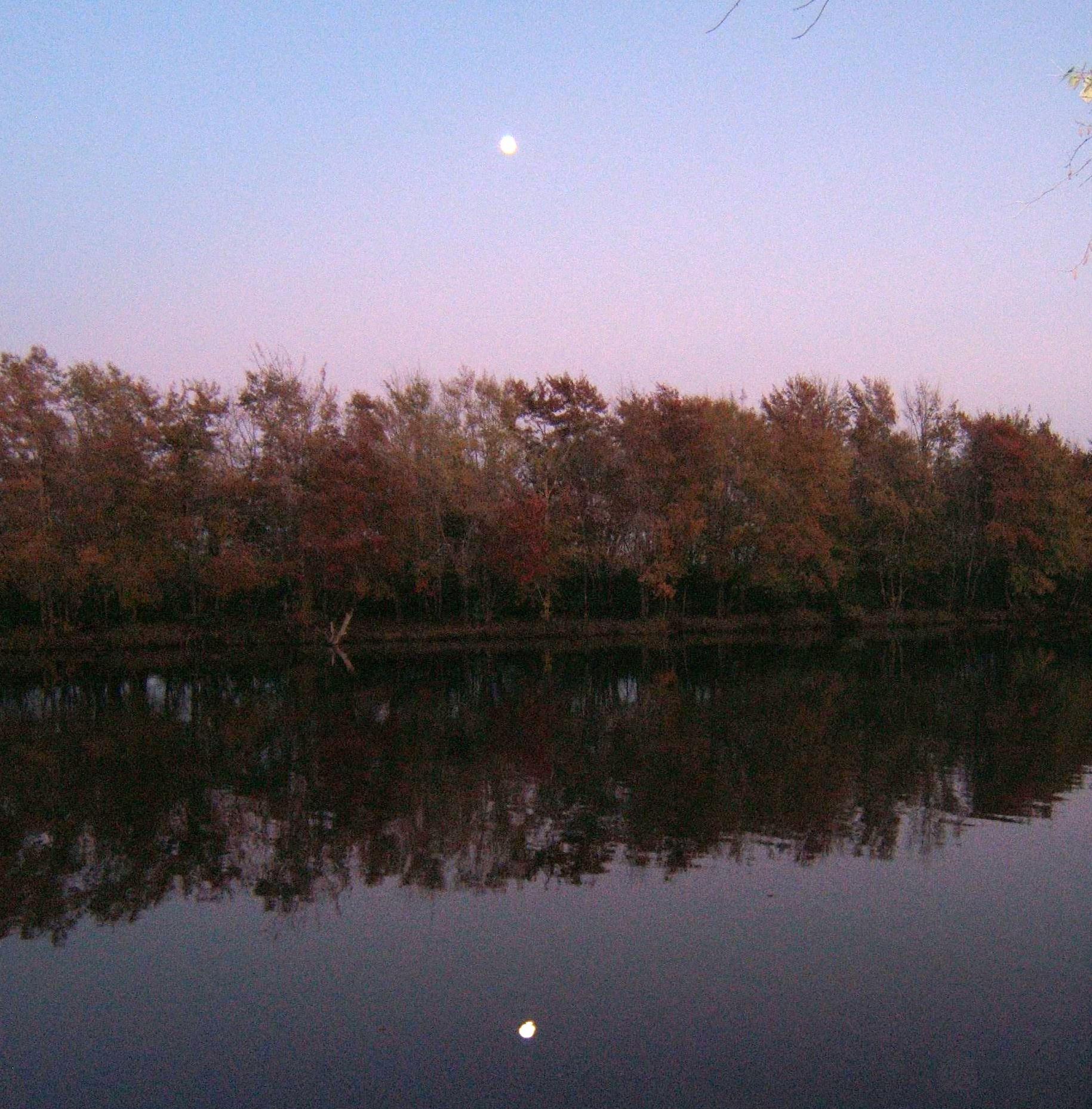
In autumn, I seek out rivers and lakes because they reflect the colour of the trees and magnify the effect of autumn fire.

Reflections are tricky. Sometimes they are so clear, you can turn a picture upside down and be momentarily confused about which way is up. Reflections are true, but show the inverse of self… the left side is on the right, the right side on the left. Refections take on the characteristics of the mirroring surface… in a mirror, a flaw in the glass will create a distorted image… in the water this results in wavy or doubled images as the water is disturbed.
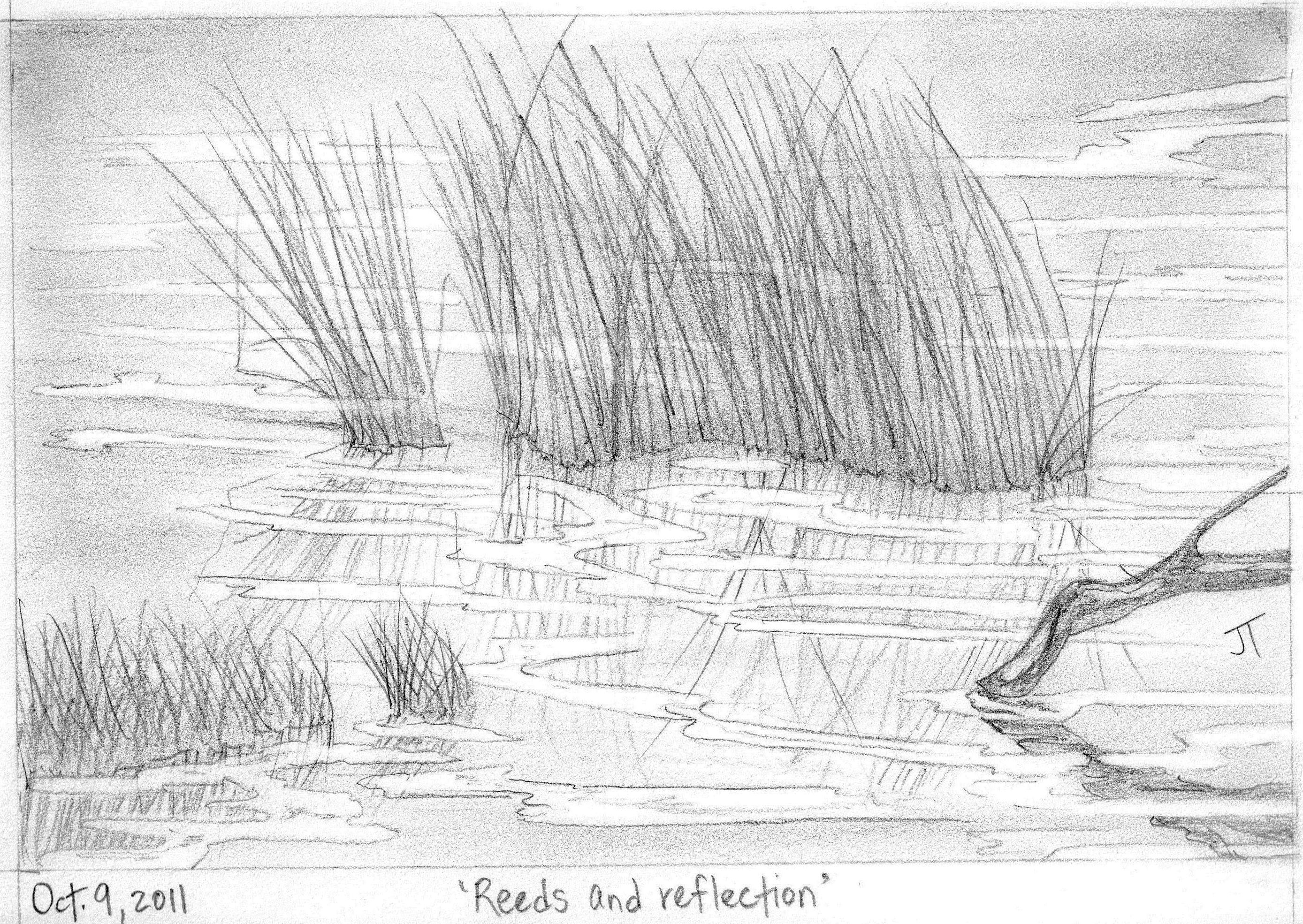
search for the essence of sun
~
1.
~
the river is molten
brimming with sunset
part water part sun imprisoned
by river reeds
~
2.
~
I am empty
less the thickness of reflection
~
the hollow
in begging hands
the void in the pipe
after the note has faded
darkness in the cradle of the moon
~
3.
~
if I had a straw
I could drink this sun
if the light would lift in folds
I could wrap it around my brain
tie it like a bandana
or I could scoop it into my hands
let it run honey and golden
along my arms
cut it with a knife
keep one half
to show my lover
~
I could sink into the river
rise through the sun’s reflection
slip it over my shoulders like raiment
~
4.
~
I could take the sun
in all these ways
weave it through me
like ribbon
~
but that would be only
the image of sun
not warm
~
© Jane Tims 1990
returning to the shore
Each summer we try to include a visit to the seashore in our vacation plans. This year we explored the coast of Maine and discovered Acadia National Park. Last year, we followed the South Shore of Nova Scotia, stopping at its many public beaches and byways.
The seashore is a magical place. One of the beaches we visited in 2010 was Crescent Beach, near Lunenburg. At the far end of the two kilometre long beach was an outcrop of calcareous rock. This rock had been eroded and pitted by wave action over the millennia. At one spot, the erosion had worn a small hole in the rock, just big enough to put my finger through. For that moment, I was wearing the whole earth as a ring on my finger!!
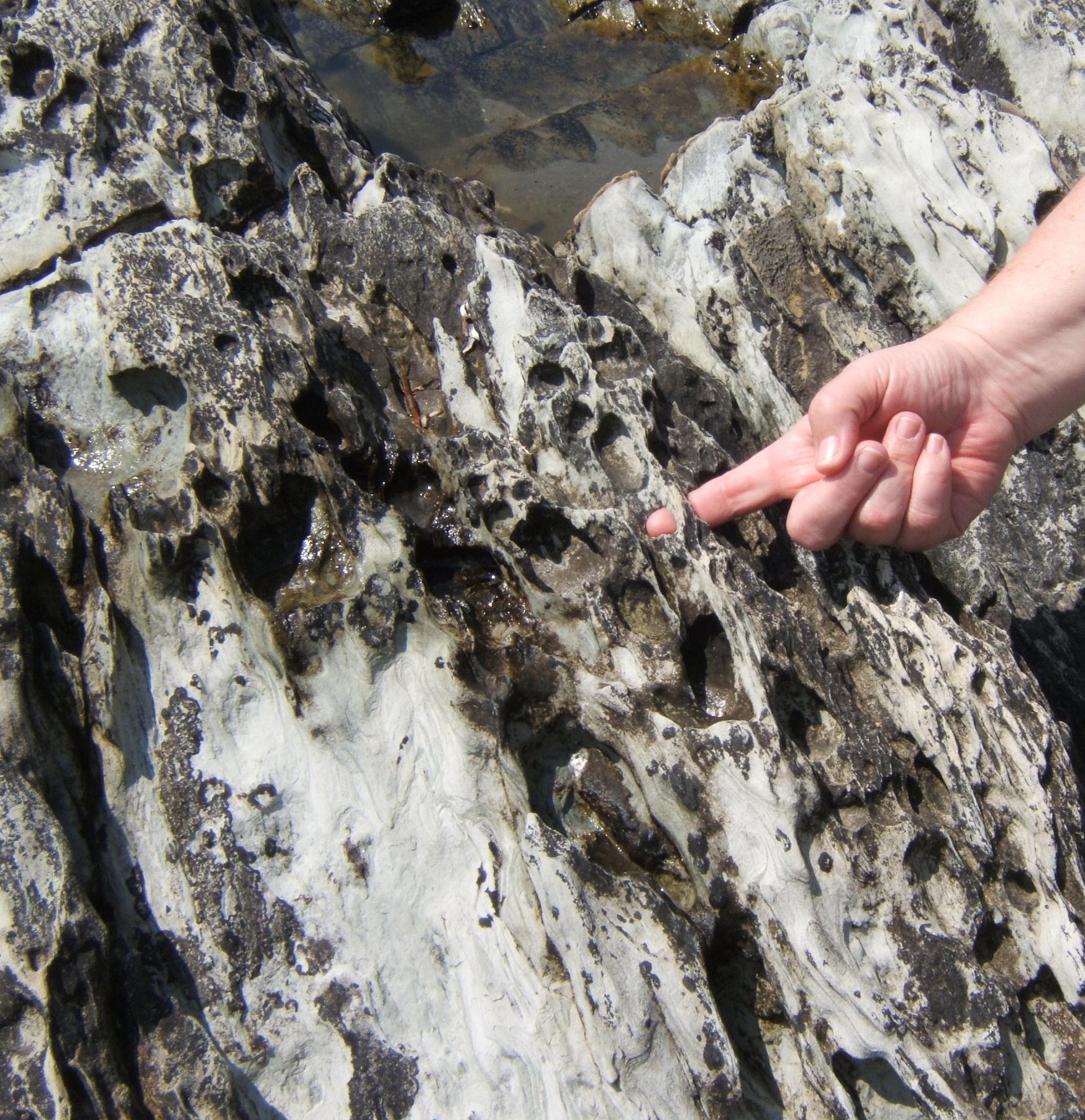
wearing the world on my finger!
The other magical aspect of the seashore is its changeability. In 2009, we followed the Eastern Shore of Nova Scotia and made our second visit to Tor Bay, near Larry’s River. When you stand on the beach at Tor Bay, the energy of the ocean and the drama of the wave action occupies all of your senses, all of ‘self’. The drama had also changed the beachscape significantly between our two visits, shortening its depth and exposing rocks I had not seen on our first visit.

It was as though we were not in the same place at all, but remembering a fable about a beach we had once known. No matter how hard we tried, we could never return to the same beach we had visited before.
fable
~
1.
~
stone
eroded
~
the fragments
layered by water
forged by fire
thrust and folded
into
stone
~
2.
~
this morning
the moon is real
sculpted in wavefoam
smooth as a pebble
random in the clatter
~
real
not a fable of moon
~
the rocks are folded
half-buried in sand
~
on the shore
an igneous man
in his lap a puddle of water
salt crystals
and stars
~
a quartz river
seams his forehead
~
real
not a fable of river
~
3.
~
I place quartz stones
too heavy for the gulls
to gather
~
these stones will shine
in darkness
a long line leading home
~
4.
~
I choose small stones
with smooth and shine
~
stones like eggshell
or potatoes pushed
into ground
~
pearl buttons
turned by a clumsy hand
rice pelting the window
lanterns shining in the dark
~
5.
~
at midnight
I run to the shore
the white pebbles
gather me to the moonlight
a dotted line
on the asphalt road
~
6.
~
the pebbles do not
wait for me
they fade
and scatter
roll over and over
lost
among so many
common stones
~
the wave edge
unravels behind me
~
7.
~
the path home is a fable
not real
~
in my lap is a pool
salt water
and stars
~
© Jane Tims 1998
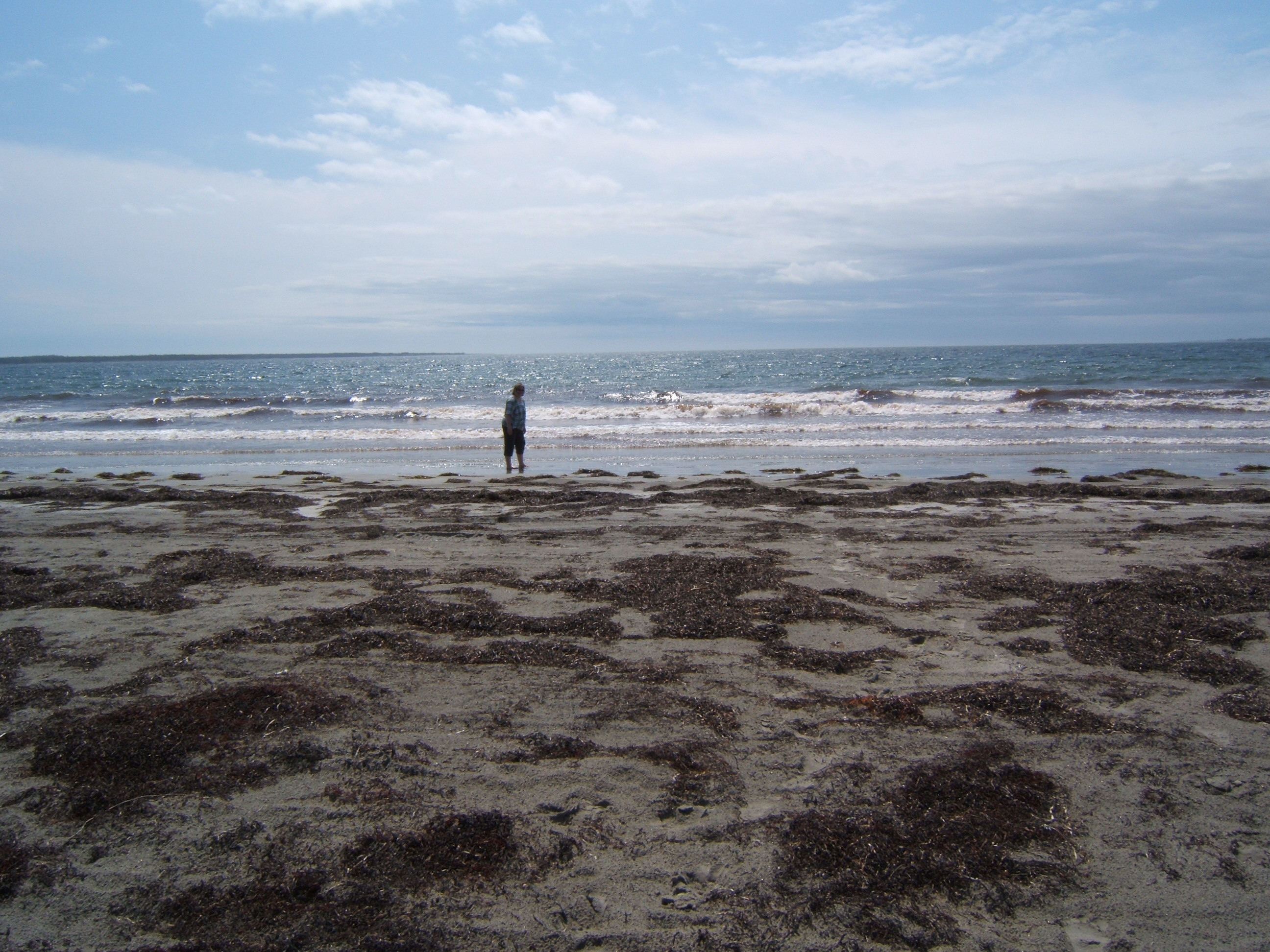
Crescent Beach near Lunenburg, Nova Scotia
course of the creek
Our small cabin is near a lake, an offshoot of the Saint John River. We have what some would consider poor access to the lake, since there is a marsh between us and the lake shore edge. But that marsh is a very special place, ever changing and always interesting.
One way it changes, almost daily and certainly seasonally, is with respect to water level. You could say we are downstream of the entire Saint John River, meaning we are receiver of every fluctuation of the water level in the system. The situation is made complex by the influence of a major hydroelectric dam at Mactaquac.
In spring, the river floods, and the marsh is covered by water…
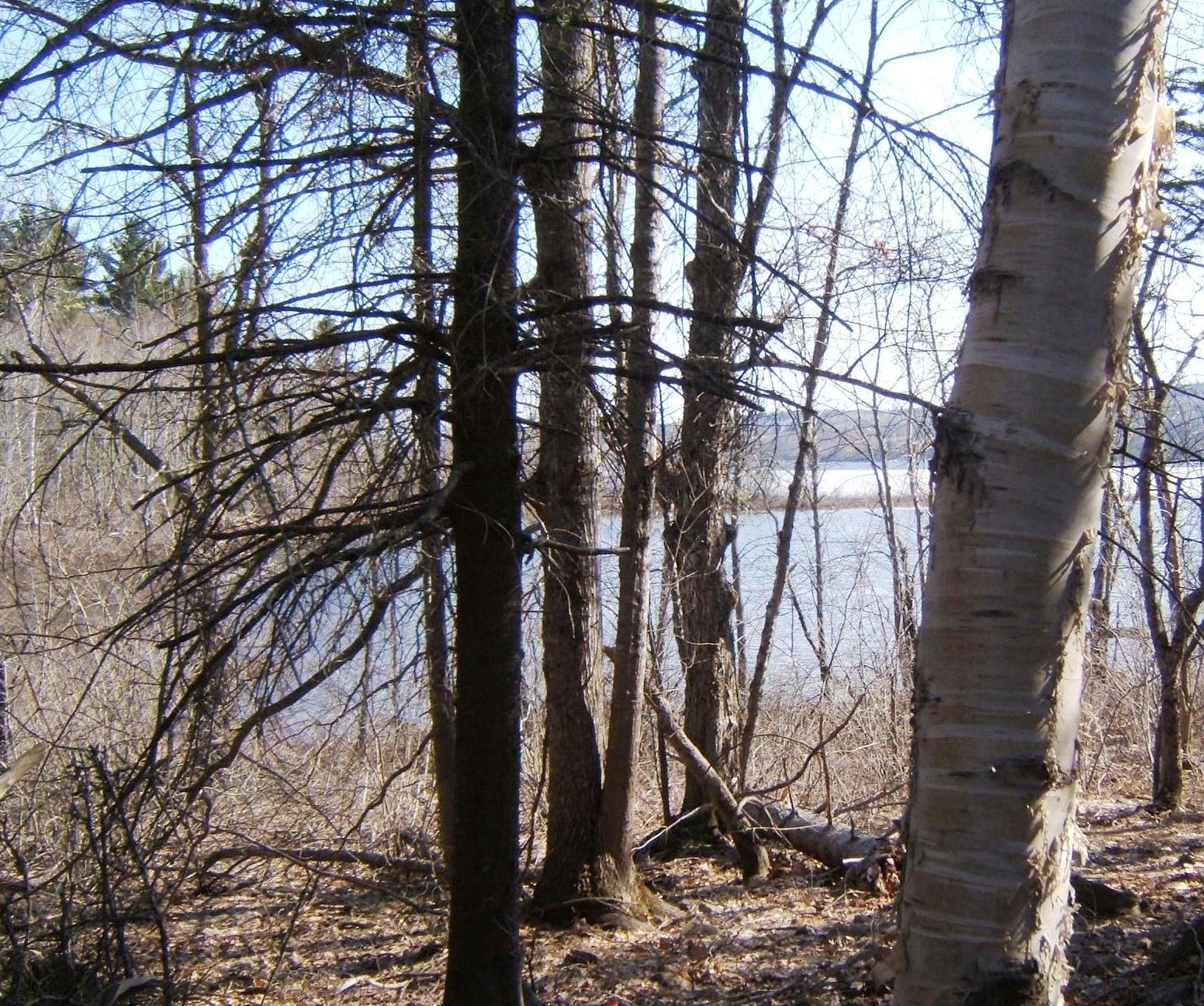
In normal years, the water levels become quite low, and our marsh is high and dry. We can walk on it, to reach the outer shore of the lake…

the green in the foreground is the marsh
In wet years, like this has been, the water stays high and there is a pond between us and the main lake…
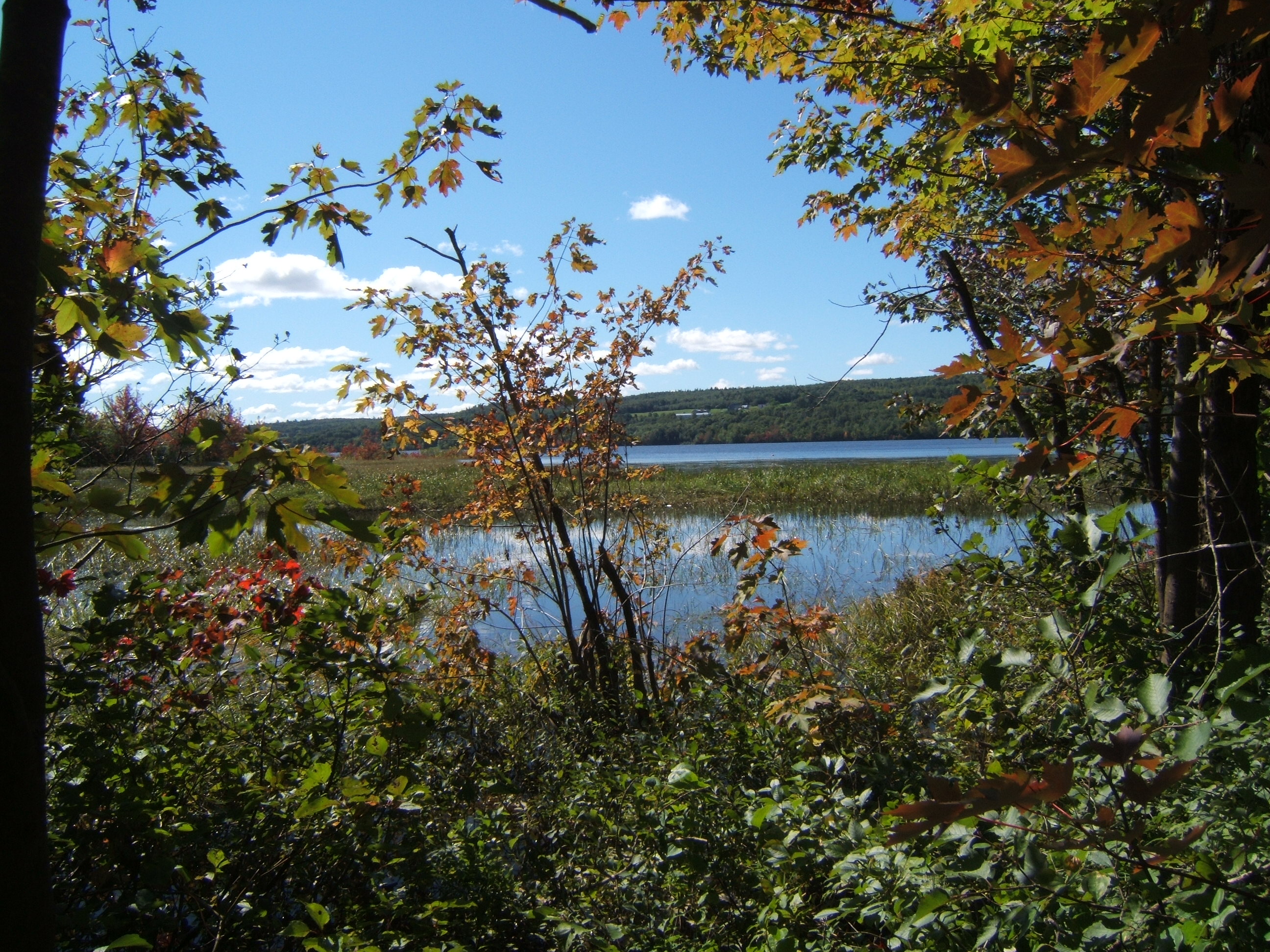
On Saturday, I went rowing on the pond in my small red rowboat. I rowed out to the edge of the lake and then followed the deeper waters of the small winding creek back into the marsh as far as I could go without grounding the boat. Last year I could see pumpkinseed sunfish in the creek water, but not this time.
Most of the grasses in the marsh are Spartina pectinata Link., broad-leaf cord-grass, ordinarily associated with salt marshes. Actually, salt water is characteristic of the lower parts of the Saint John River – the salt water wedge extends as high as Washademoak Lake, and the tidal influence is measurable to above Fredericton!
At the outer shore of the pond, where the creek enters the lake, I was surprised and delighted to find a few stems of wild rice (Zizania aquatica L.). This is not native to New Brunswick, but is often planted along shores to attract waterfowl and is now found all along the Saint John River and in many lakes. The grass is distinctive because the pistillate (female) flowers are in a group near the top of the plant while the staminate (male) flowers are on horizontal banches below.
I am an awkward rower. Usually, to improve my control and reduce my speed, I row the boat backward, stern first! In spite of my lack of speed, it is an adventure to be on the water, to become a bit of an explorer. My need to know the ways of the pond reminds me of my attempts to understand the path my life has taken.
characteristics of creek
~
clumsy row in the marsh pond
to seek the course of the creek
the strand of water’s flow
to nourish pond define
its shape conduit
to the lake
~
a slender S through grass emergent
pondweed and cord-grass vague
deviation from clarity hyaline the interface
of freshwater and salt and pumpkinseed
turn their flat bodies to intercept
the flow find the break in the mat of sedge
narrow simplicity of weed-free bottom
~
search
and find
the inevitable
thread in flow of
story the theme to bind
the words and water into one
~
© Jane Tims 2011
between the tides – sea glass
Walking on the beach at low tide creates a two-way competition for the eyes.
First there is the pull of the sea – the vistas of distant shores, islands, boats and buoys to contemplate, and the crash and retreat of the ocean waves…

Second is the compulsion to watch the beach as you walk, searching for shells and patterned rocks…
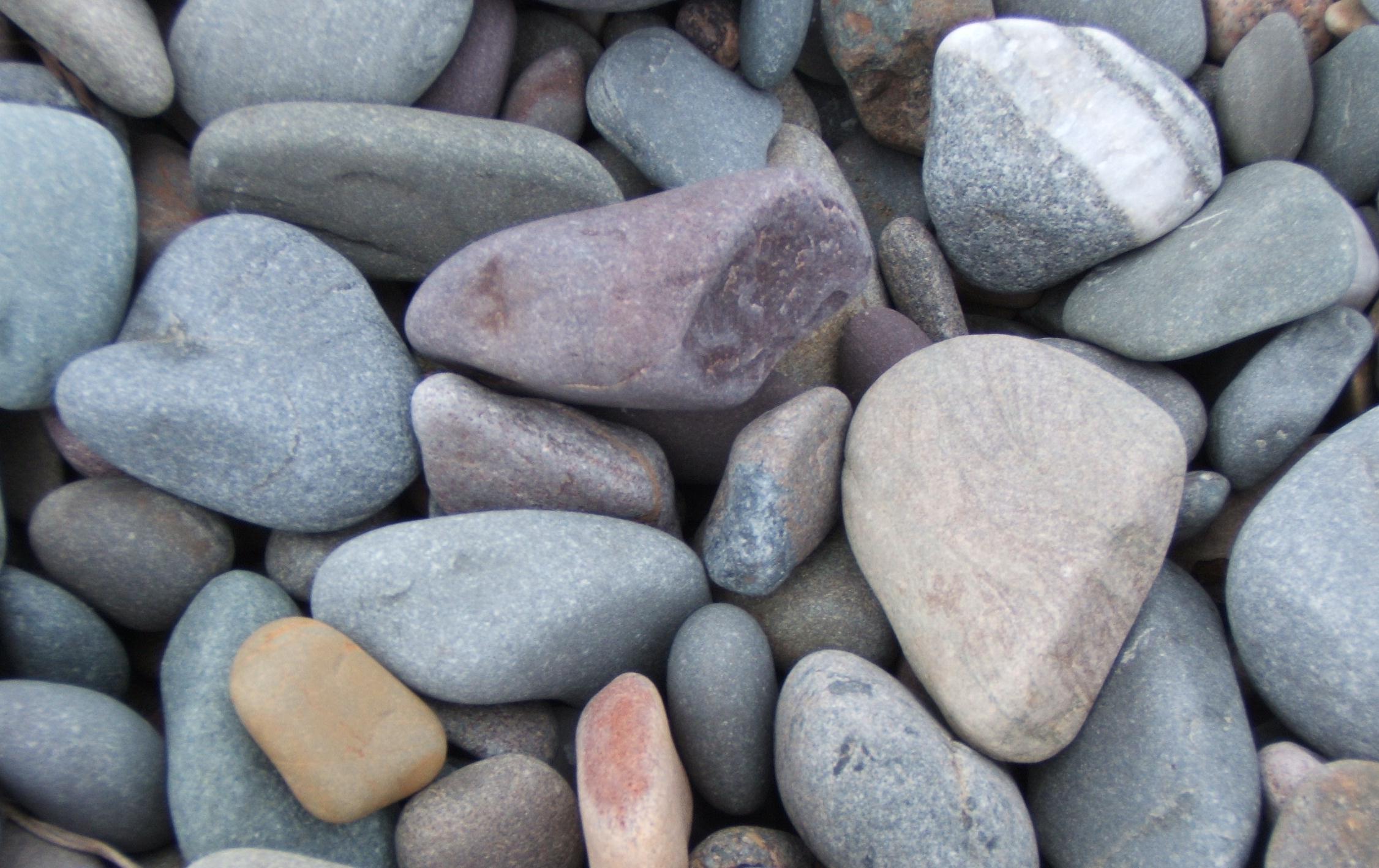
or the gem of beachcombers, sea glass…

When the tide comes in, we collectors come home from the sea, our pockets full of treasures we have found.

sea glass
~
tide turns
sea withdraws
we walk on the ocean floor
heads down
eyes conditioned to color
of sea glass translucence
of fog softened edges muffled
greens and bottle blues
rare ambers and reds
tide turns
ocean swells
glass and stone together
etched by sea
~
© Jane Tims 2011

edge of lake
Water is essential to my health, not only because I need it to drink. I also need to see water. Whether it’s the water of a stream, river, lake or ocean, being near water comforts and enlivens me.
I like the transitions too, the places where land and water meet – the seashore, the margins of a brook, or the shoreline of a lake. Birds and other animals love ‘edge’ – places where the food is plentiful and cover is available. We go to the lake shore to watch loons diving for fish, deer wading in the marsh grass and ducks ‘dabbling’ along the shore.
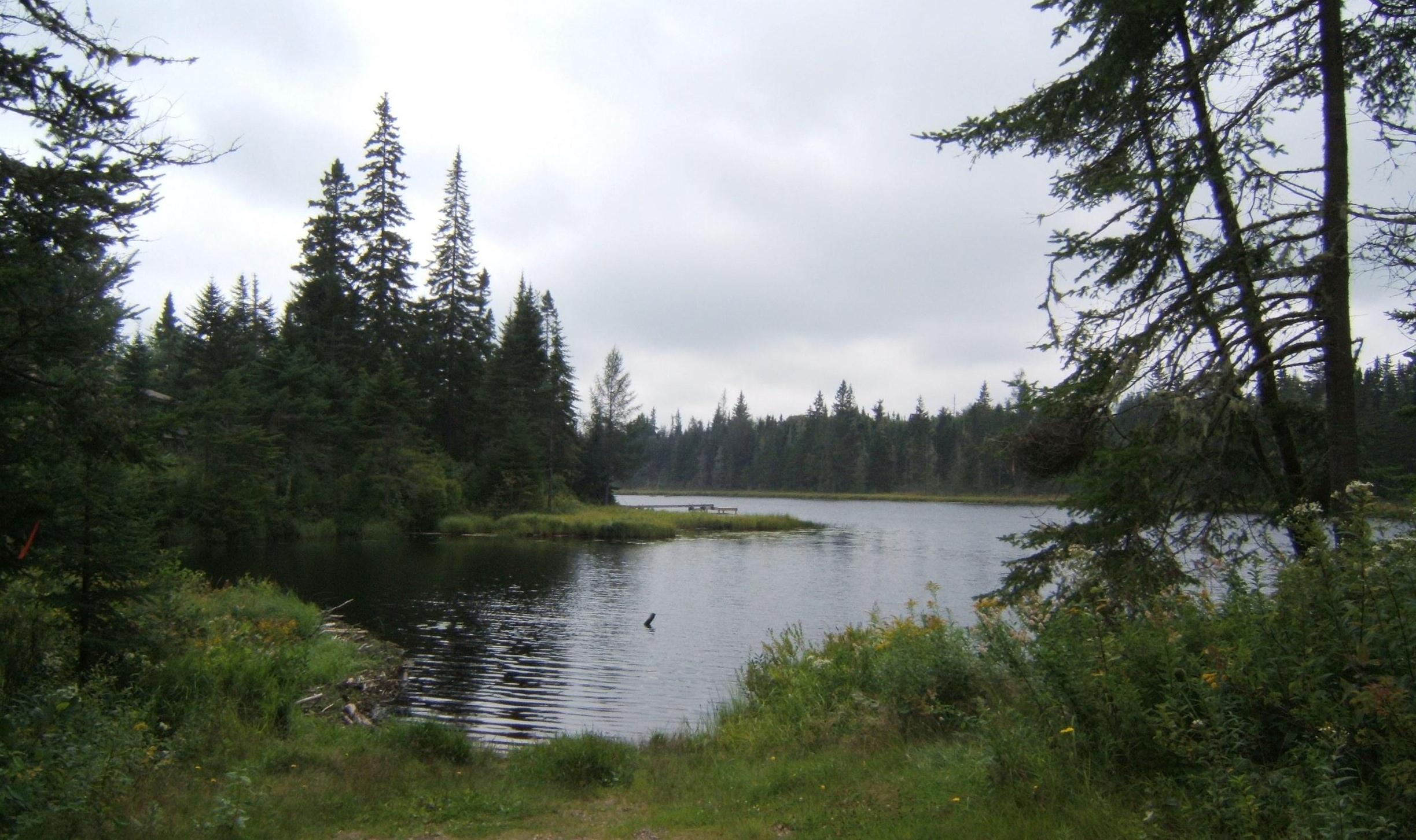
edge of lake
evening edge
~
of lake
a corner torn
from the loaf of hills
red with setting
~
faint click
sun gone
dusk and bread crumbs scattered
~
nasal chuckle
from the farther shore
arrows etched on glass
~
blue-winged teal
under wings a glimpse
of summer night
~
greedy for crust and crumbs
~
© Jane Tims 1998

evening edge of lake
‘niche’ on a rock
In July, we went to the Saint Martins area for the day and spent some time exploring the caves and beach-combing. We also took the short drive to the lighthouse at Quaco Head. The lighthouse is perched on the cliff overlooking Quaco Bay.

the Quaco Head Lighthouse ....... “The present Quaco Head Lighthouse was constructed in 1966 and consists of a square tower rising from one corner of a concrete fog signal building. The light in its lantern room produces a white flash every ten seconds, while the fog signal emits a three-second blast every thirty seconds, when needed.” from http://www.lighthousefriends.com/
If you look out over the Bay, you can see some exposed rocks where sea birds make their home, and, to the north-east, Martin Head, about 30 kilometers away.

the view to the north-east ...... Martin Head is on the horizon, to the left
Wildflowers were everywhere, but what caught my eye was a lichen on a flat rock at the base of the lighthouse. It was bright orange, like a splash of paint.
There are two orange lichens that live on rocks in the coastal area of New Brunswick, Xanthoria and Caloplaca. The orange lichen I found at Quaco Head is likely one of two species: Xanthoria sorediata (Vain.) Poelt or Xanthoria elegans (Link) Th. Fr.
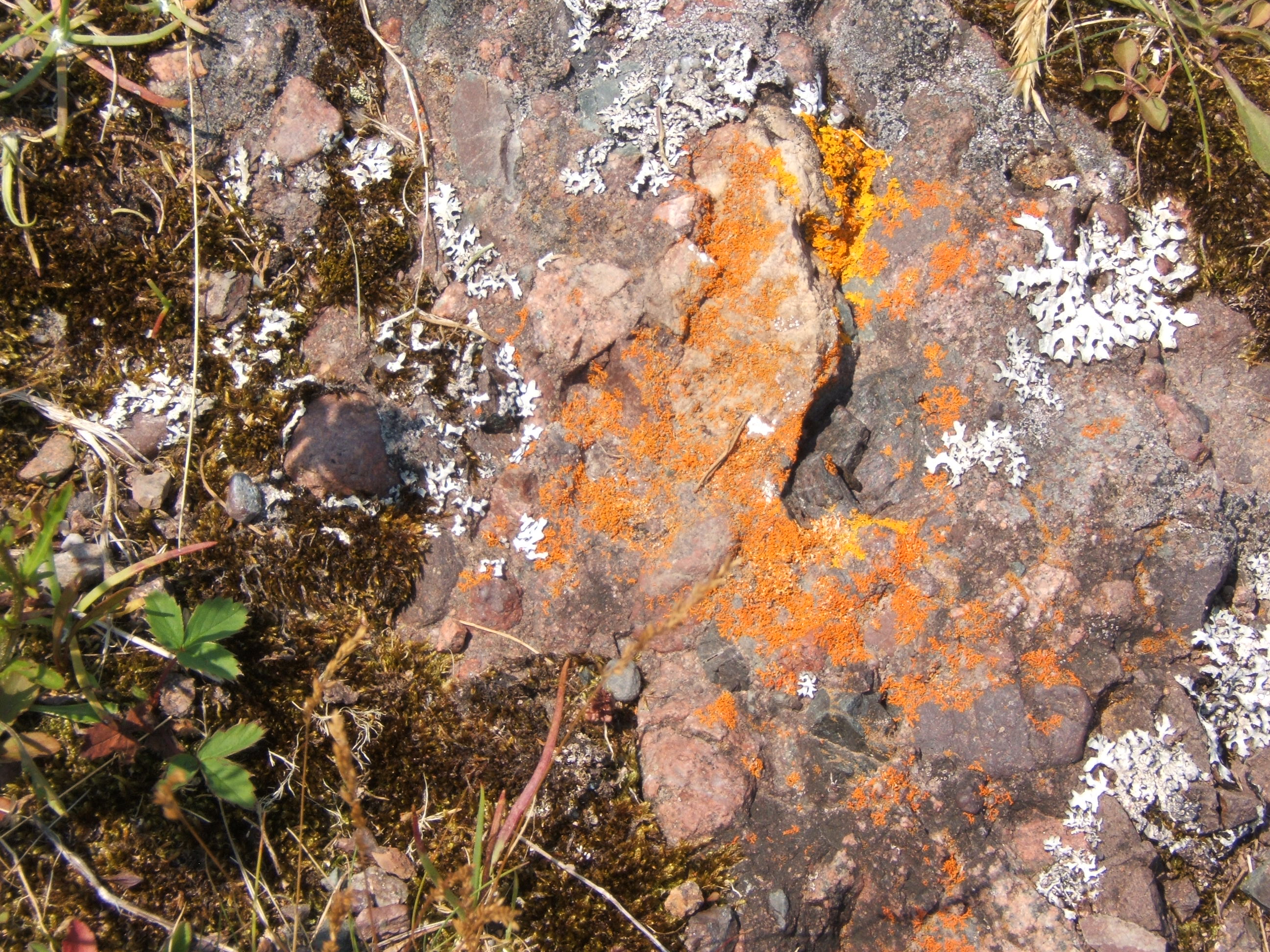
bright orange Xanthoria lichen on a rock .... there are also two or more other species of lichen present
A lichen is not a plant, but a composite organism, consisting of an algae and a fungus, living together in a symbiotic, mutually beneficial, relationship.
Ringing
Swallow Tail Lighthouse, Grand Manan
air saltfresh and balsam
walls lapped by a juniper sea
pale mimic of the salt sea
battering its foundations
its endurance
a mystery
until I found
an iron ring
anchored deep
in rock
almost lost
in lichen
Xanthoria orange
lifted and dropped
run round
its axis
clashing on stone
creak and clank of the metal door
echoes climbing the welded stair
ground glass grit of the light
fog washed clang of the channel bell
rock lashed to the lighthouse
salt breakers turned to stone
Published as: ‘Ringing’, Spring 1995, The Cormorant XI (2)
(revised)
© Jane Tims





 nichepoetryandprose