Posts Tagged ‘edible plants’
update: ‘within easy reach’
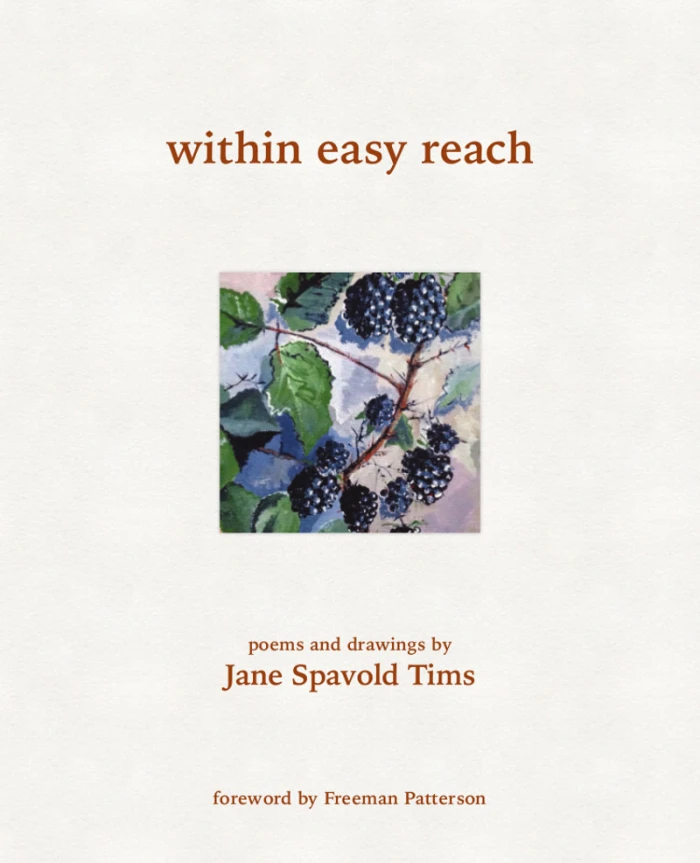
The date for the release of my poetry book ‘within easy reach’ is very soon! The book includes my poems and drawings about edible wild plants and other local foods. It will be available through my publisher Chapel Street Editions and through Amazon. I’ll be posting details of how and where to order the book and information on where I will be reading during the next weeks.
~
During the first month of ‘within easy reach’ book sales, I will be offering you an opportunity to win the painting on the front cover of the book. The painting, called ‘brambles’, measures 10″ by 10″. It is done in acrylics and has gallery edges.
~
I will post the details about how to get a chance to win the painting within the next few days.
~
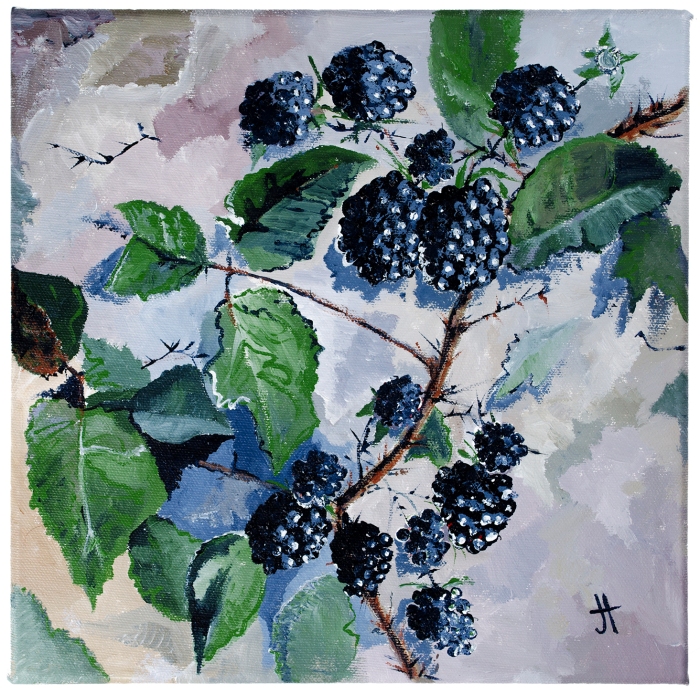
February 29, 2016 ‘brambles’ Jane Tims
~
I hope you will love my book, as much as I loved creating the poems and drawings!
~
Copyright 2016 Jane Tims
‘within easy reach’ – the history of a writing project
As I prepare for the publication and launch of my poetry book within easy reach, I am thinking about how long it takes to see a writing project through from beginning to end.
~
Of course, the time depends on the writer, the project and many circumstances beyond the writer’s control. But the way to a book of poems can be long … for me it has not been days or months, but years.
~
2010
For my book, the first idea came in 2010 when my husband and I were exploring our new lake property. We knew so little about the property and were delighted to find blackberries, growing in profusion along the ridge above the lake. I can still taste those plump indigo berries and remember how quickly we filled my husband’s hat (the only container we had for picking). I wrote the first poem for the project (‘berries in brambles’) at the end of the summer. By then I was thinking about combining my interests in local food and botany to write a manuscript of poems about ‘growing and gathering’.
~

blackberries at our lake property
~
2011
The second step in the project came with an application to artsnb for a Creation Grant. Not every writer seeks funding, but I knew, after 35 years of work, that I would produce my best work with a clear purpose and deadlines. I applied to artsnb in March 2011, in time for their April 1st deadline. When I was not successful, I tried again for the October 1st deadline and in December, a few weeks before my retirement, I received the letter saying my project had been approved. I would be able to transition from work into an endeavor I knew I would love!
~
2012
The writing of ‘growing and gathering’ continued through the spring and summer of 2012. I was determined to base my poems on experience, so I spent lots of time hiking and driving to locate and pick the various plants I wanted to write about. That spring we tapped twelve of our red maple trees and planted a small garden. Many of the plants I harvested grow on our properties at home and at the lake, but for some of the plants, we drove the countryside, poking about in the right habitat to find the plants I sought. My best memory is of a spring day along the Dunbar Stream north of Fredericton, discovering mounds of trout lily leaves growing on the floodplains along the brook.
~
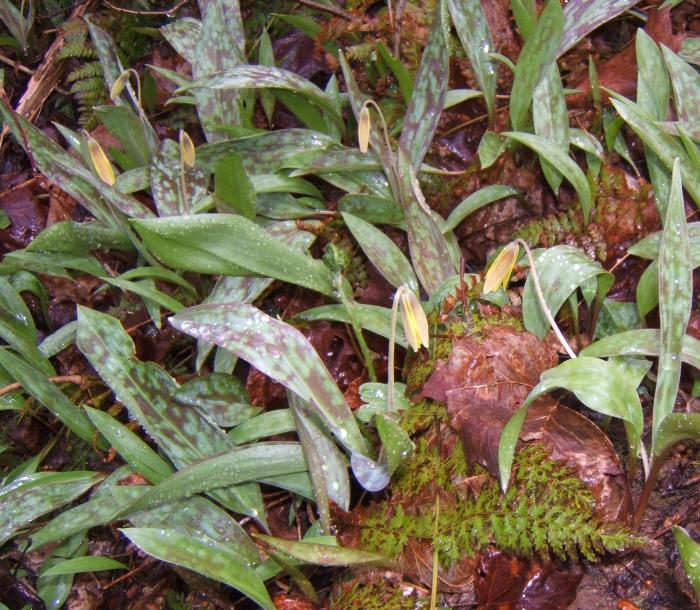
Trout Lily, also known as Dog’s Tooth Violet or Yellow Adder’s-tongue
~
For the next months, I harvested leaves and roots and nuts and berries. I chopped greens. I boiled, simmered and sautéed. I competed, unsuccessfully, with squirrels for hazelnuts. I scraped gum from spruce trees and peeled wild sarsaparilla roots. And, of course, I ate my fill of raspberries, blueberries, dandelion greens, fiddleheads, samphire greens, orach leaves and apples. From my own garden, I harvested rhubarb and herbs, onions and tomatoes. I visited Farmers Markets and roadside stands, sampling the best local produce in the world. I stirred memories from my own family history, recalling days when my dad kept bee hives and when my mom and I went blueberry picking. Really doesn’t sound like work, right?
~

salad ingredients from the garden and market
~
And then I wrote. And did research about the edibility of plants. And wrote some more. And did lots of pencil drawings. As I wrote, I consulted my Floras of New Brunswick and Nova Scotia. I completed my project with a manuscript of 135 poems and 29 pencil drawings. I submitted my manuscript to artsnb in October 2012.
~
2013
For me, the writing is only part of the process. I try to read my poems as often as possible, and I submit regularly for publication. For the ‘growing and gathering’ project, I read poems at eleven events and submitted poems to 12 literary journals. I had some success and, of the poems in the book, twelve have been previously published in seven literary journals. I also submitted the manuscript to the New Brunswick Writers’ Federation writing contest in 2013, winning Honorable Mention. Now that all sounds like work!
~

Orach growing among the rocks at the upper end of the Minister’s Island causeway
~
2014
From the beginning, I knew I wanted a published book of the ‘growing and gathering’ poems. So in 2014, after revisions and paring the poems to a reasonable book length, I began to submit to publishers. I submitted to three publishers and received three kind rejections. Then, in the fall of 2014, at the New Brunswick Writers’ Federation WordsFall, I met Keith Helmuth and Brendan Helmuth of Chapel Street Editions in Woodstock. They were interested in publishing books about the natural and human history of the Saint John River and I wondered if they might be interested in my book. I sent them my manuscript and soon began one of the best partnerships of my life.
~
2015 – 2016
During the last months, Keith and Brendan have worked to prepare my manuscript for publication. I have read every poem 20 times, revisited sources, squinted at Latin names to make certain they are spelled correctly and considered every comma and every line break.
~
Within a few weeks, my poetry book, within easy reach, will be a reality. When I first hold the finished book in my hands, I know I will be experiencing a milestone in my life. I will probably melt into a puddle. And the work will not yet be done! Ahead of me are readings and marketing and signing copies. I hope the rooms where I present my book are crowded with people eager to buy and read, but I know there may be places where I will be hoping a lone bystander will purchase a copy.
~
From beginning to end, my book has taken almost six years to complete. This may sound a bit daunting for a new writer reading this, but it is also encouraging. Your goal, like mine, may be publication. But it may also be to create a body of work representative of your life as a writer. My experience shows that every line, every paragraph, every poem you write, is part of a path towards your goal, whatever it may be. ‘A writer writes.’
~
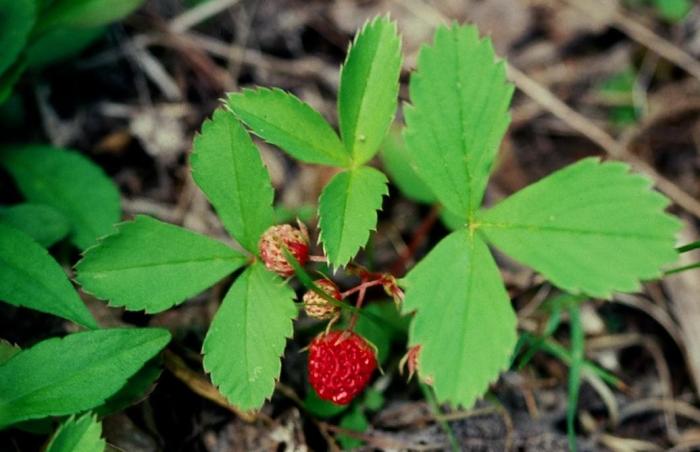
wild strawberries at our lake property
~
Copyright 2016 Jane Tims
‘within easy reach’ – a painting for the front cover
As the release date for my book of poetry ‘within easy reach’ draws near, I have been doing some painting.
~
I began my project ‘growing and gathering’ and the poems for my book ‘within easy reach’ after my husband and I discovered blackberries on our new property at the lake. For this reason, blackberries seem a fitting subject for a cover painting.
~
I think blackberries are fun to paint:
- a basic berry-shape of Payne’s Grey
- a highlighting of each seed in the drupe with Payne’s Grey mixed with Titanium White
- a spot of white to highlight berries on one side of the drupe
- a background of blues and purples to simulate the shadow in the thicket
- leaves and a stem
~
This is my ‘practice painting’, in acrylics, 5″ by 10″.
~

~
I’ll be showing you the final cover painting soon – 10″ by 10″, a perfect shape for the cover of my book.
~
On a windy, wintery day, it is hard to be patient, waiting for blackberry season!!
~
Copyright Jane Tims 2016
edible wild – spruce gum
In my part of North America, we have freezing temperatures and snow on the ground from December to March. With a few exceptions, most plants go into sleep mode during these months and foraging for edible plants is difficult. You can dig beneath the snow to find a few evergreens, but most of the edible wild is above ground.
~

~
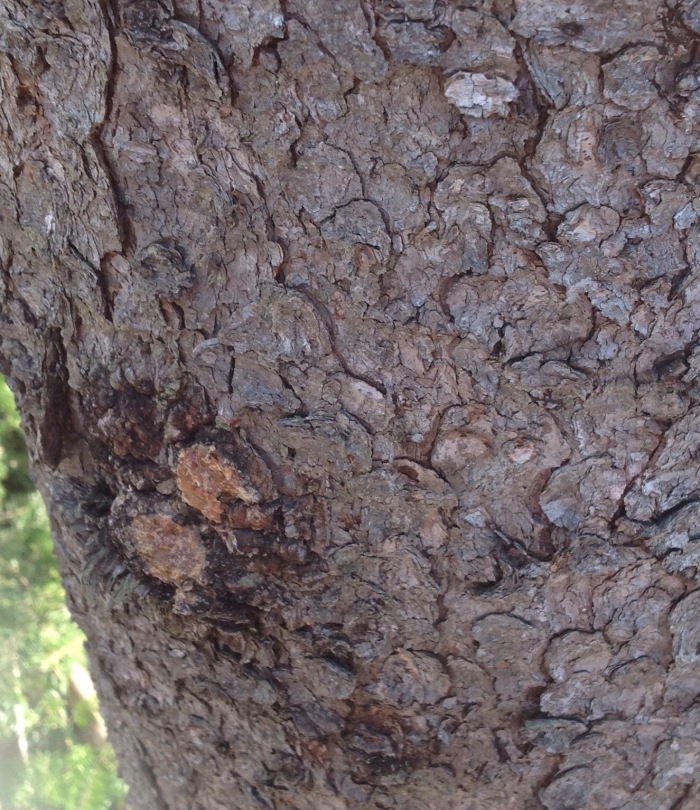
When I am in the woods, even in winter, I am always on the look-out for spruce gum, a natural sugar-free treat from the forest. Spruce gum is found, as the name suggests, on spruce tree bark. We have a large stand of spruce in our grey woods, but the tree below grows, conveniently, beside our driveway. For a map of our woods, see the right hand column ‘map of the grey woods’.
~

~
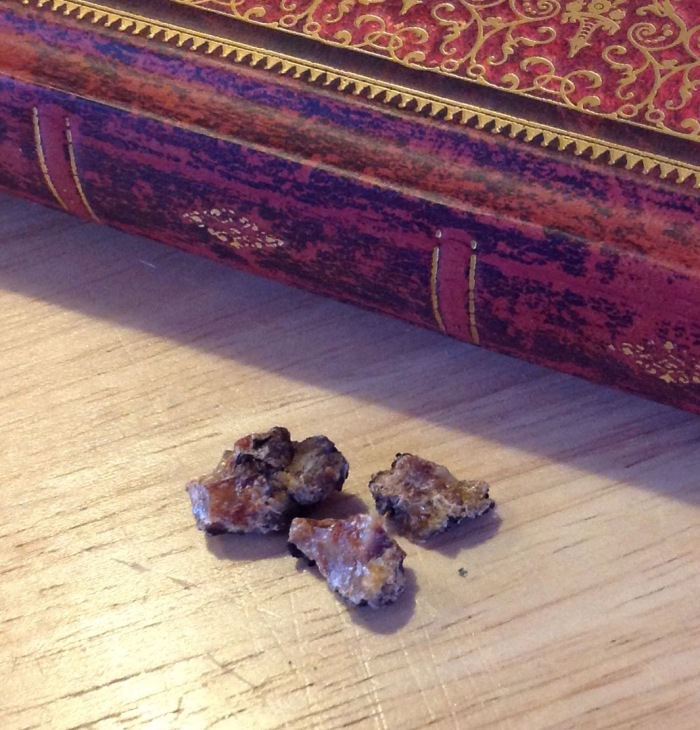
When a branch is broken or the bark is wounded in some way, the spruce oozes a sticky resin that eventually dries to a hard amber-coloured nodule. These nodules can be harvested and chewed like gum. My mom taught me about spruce gum, how to identify the spruce tree and to look for the sticky dark lumps where resin is hardening.
~

~
It is possible to collect a quantity of spruce resin, pulverize, melt and strain the substance, and solidify it, cracking it into bite-sized pieces. I chew the nodules right from the tree, with a little scraping to get rid of any rough bits. At first the gum is hard and crumbly, sticky and intensely aromatic, a little risky for dental work and made interesting by the accidental inclusion of bark bits. After a few minutes of chewing, the gum becomes pliable, woodsy-tasting and orange to pink in colour!
~
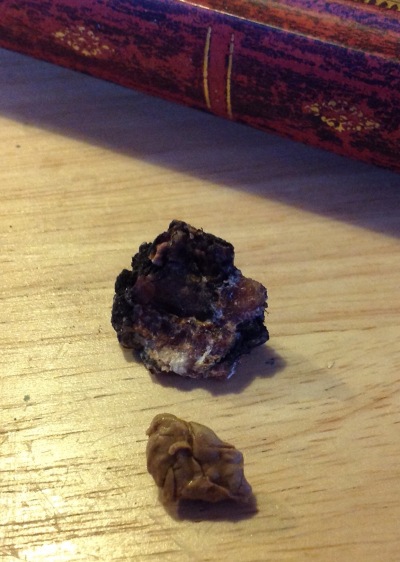
photos of chewed gum are a bit disgusting, but I want to show what normal-looking gum a two-minute chew produces. A rough nodule is shown above the chewed gum for comparison.
~
People of the First Nations have always known about this woodland edible and used it for medicinal purposes. In the nineteenth century, spruce gum was harvested with long handled spruce scrapers and sold commercially. Woods-workers made small carved boxes with sliding tops (gum books) to carry and store the resin nodules.
~
Robert Frost, wonderful poet of all things rural, wrote about spruce gum (‘The Gum Gatherer’. Mountain Interval. New York: Henry Holt and Company, 1916):
He showed me lumps of the scented stuff
Like uncut jewels, dull and rough …
~
You can find the rest of the poem at Project Gutenberg http://www.gutenberg.org/files/29345/29345-h/29345-h.htm
~
~
My upcoming book of poetry within easy reach includes a poem about spruce gum. The poem begins:
Black Spruce weeps if wounded
oozes to heal, embeds
pain in amber …
~
As I wait for spring, I intend to ration my small store of spruce gum and use it as a kind of countdown toward the end of our winter weather.
~

some very clean seeps of resin – these will harden eventually and make great spruce gum !
~
~
Copyright 2016 Jane Tims
‘within easy reach’ – why did I write these poems?
Later this spring I will have a book of poems and drawings in publication – ‘within easy reach’. The poems and art in the book are about gathering local, mostly wild, foods. I have been fortunate to work with a wonderful publisher, Chapel Street Editions, interested in books about the natural history, human history, and cultural life of the St. John River Region of New Brunswick, Canada. http://www.chapelstreeteditions.com/about_chapel_street_editions.html
~
As a botanist, I loved making this book. Identifying plants is a skill learned in university and during years of enjoying the out-of-doors. Many of the plants are found on my own property, but my husband and I travelled throughout the region to find some species. We found edible trout lily along the banks of the Dunbar Stream, salty orach on the beaches of Saint Andrews, and dangerous-to-eat water dragon in a wetland on the Renous highway. On our own property we tried to out-smart the squirrels for hazelnuts, tapped twelve trees for maple syrup and discovered partridge berries growing in the woods behind our house. As you can see, part of my enthusiasm for the subject is about spending time with my husband!
~

~
I also did a little time-travelling to write these poems. Although most of the plants I write about are found in the St. John River Region, I looked into my own past to remember some edible plants in other parts of Canada. This included eating cactus berries on the Alberta prairie, buying cloud berries from children along the Trans-Canada in Newfoundland, and picking blueberries with my Mom and Dad in Nova Scotia. I also looked to the diaries of my Great-Aunt to get a glimpse of the growing and gathering habits of an earlier generation.
~
I am sure many of my poems will echo memories of your own experiences with local foods.
~
Eating near to home has so many benefits – these foods are often free and have not travelled far to your table. Many wild foods go unharvested although they are ‘within easy reach’. Just think of those apples in the abandoned orchard at the edge of town, the dandelion greens on your brother’s lawn, or the choke-cherries growing along the fence down the road. Although you should use care when eating wild foods, many are easy to harvest and can add variety and taste to your meals.
~

~
In my next post, I’ll say more about why you might enjoy reading my book. And very soon, I’ll be starting a count-down on my blog to let you know how many days you have to wait until publication. I’ll have a contest and a give-away. Shameless self-promotion!
~
Copyright Jane Tims 2016
‘within easy reach’
This spring, I will celebrate the publication of my first book of poetry!
~
‘within easy reach’ is a result of my 2012 project ‘growing and gathering’ supported by artsnb (the New Brunswick Arts Board). The poems focus on harvesting and eating local foods, especially wild foods. My book will be published by Chapel Street Editions, Woodstock, New Brunswick.
~
The book will include about sixty poems as well as some of my black and white pencil drawings. These are poems about picking blackberries and blueberries, eating coastal favorites like goose tongue greens and samphire, buying smelts from a truck at the roadside and fishing for landlocked salmon. Every poem is based on a personal experience of harvesting and using local foods.
~
During the next few posts, I will tell you more about my book and its poems and drawings. I can’t wait to show it to you!
~

‘fiddleheads’ – a wild food eaten every spring in New Brunswick
~
Copyright 2016 Jane Tims
local eating … sprout sandwich
Winter in New Brunswick – snow, frozen ground, temperatures far below zero. Not a time to be thinking about growing your own food? Not quite true!
~
Anyone can grow sprouts. I have a great sprouter, the 8 X 10 Sproutmaster from Sprout People.
https://sproutpeople.org/sproutmaster-8×10-tray-sprouter/
~
I have also used a one pint mason jar for growing sprouts. For me, a twice daily water rinse and careful draining is key to growing the best sprouts.
~
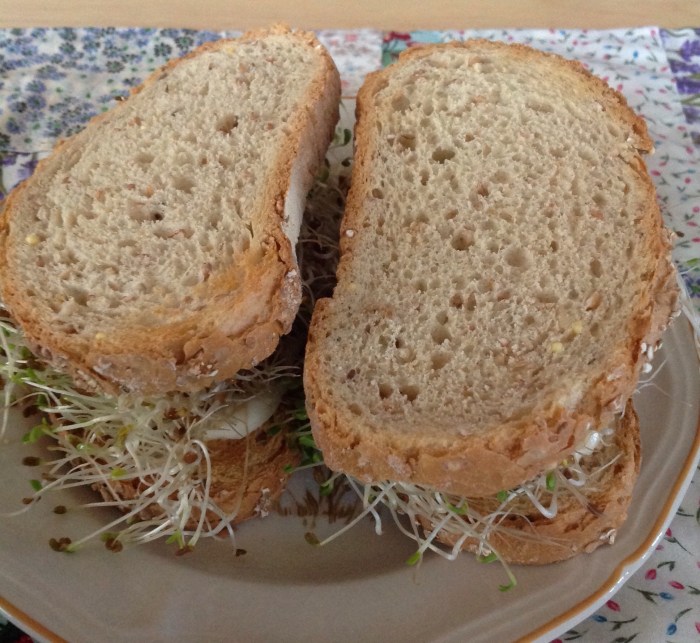
Today, I had a couple of sprout sandwiches for breakfast. Sprouted alfalfa, multi-grain bread from Real Food Connections in Fredericton, and mayo. Yum!
~
~
sprout sandwich
~
sprouts peek
between sheets
of whole wheat
green baby beaks
~
stems tickle lips
as though I kissed
a man with a mobile
mustache
~
satisfying crunch
crisp bunch
of alfalfa
delight
~
green and white
and mayo
daub of mustard
sprig of thyme
~
a sprinkle
from my stash of seed
a little time
sprouts did all the work
~
swell, burst seed coat, grow
rinse, dry , fluff
pluck and toss
and wow! what a kiss!
~
~
Copyright 2016 Jane Tims
linden – linden in shade

almost 20 years old, our linden refuses to grow in all the shade we have provided … the linden is the low ‘tree’ with the heart-shaped leaves
~
It sprawls by the garage, our linden. Its leaves are heart-shaped, and its small yellow-green flowers are held in leafy bracts. Hardly a tree, about four feet tall, but twenty years old, surely beyond sapling stage. An adult linden is fifty feet tall, heart-shaped in sillouette, a shape-clone of its leaf.
~
We dug the linden as a seedling in 1997. Not a happy year. We were attending a funeral in a series of funerals. We decided to remove ourselves from the crowd, salvage some living thing from the day. We dug sprouting horse chestnuts and young linden saplings, growing snug in the grass.
~
If I had planted my seedlings in sun, they would have flourished and today we would have two lovely trees. But, because our yard is a crowded place, only the shade-tolerant survive. My horse chestnut seedling died from lack of sun. And our linden sprawls by our garage, stunted and misshapen. Wanting light, it may never grow to a full-sized tree.
~
~
Copyright 2015 Jane Tims
walk on the shore
~
ignition
Sea-rocket (Cakile edentula Hook.)
~
clumps of Sea-rocket
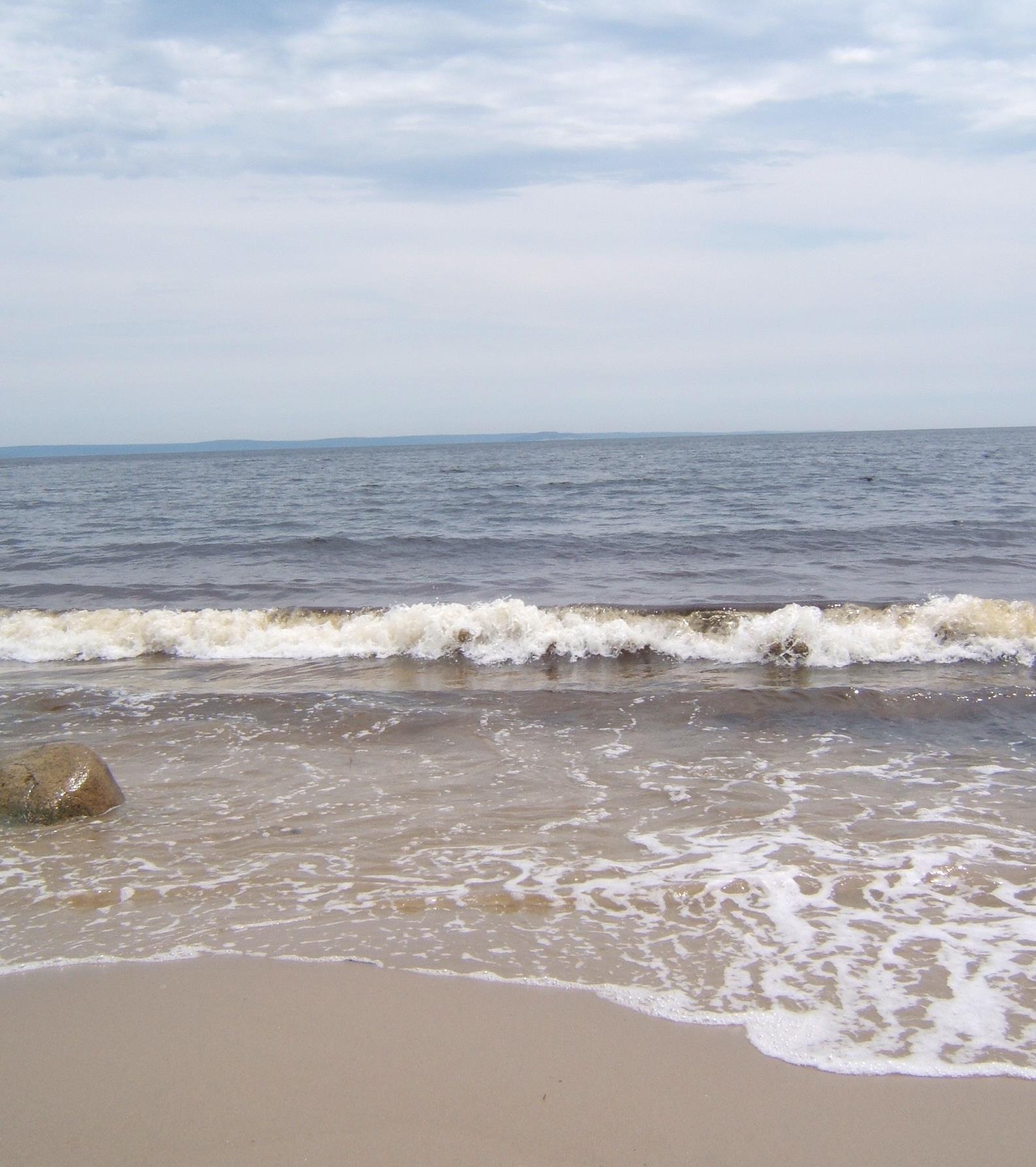
are splashes of lime on sand
missiles from lavender flowers
~
pepper to tongue
pungent breath of Cakile
cardamom and caraway
~
flavour our laughter
giggles of gulls cross sober sand
intervention in sluggish lives
~
launches from Cape Canaveral
moon-walking on the beach
splash-downs in Sargasso Seas
~
most days are moth-eaten –
paper cuts, missives, e-mails to answer
problems, resolutions without teeth
~
the seawind smooths its sand
begs for someone to take a stick
scratch out a love song
~
~

~
Copyright 2015 Jane Tims
harvesting colour – the vegetable stand
Gardens are bursting with fresh produce and we have gone to the farmer’s vegetable stand every couple of days to get our fill of locally grown food. We usually look for new potatoes, yellow wax beans, beets, carrots, green onions and zucchini.
~

vegetables at the farmer’s stand
~
This year, as a result of my ‘harvesting colour’ project, I am more anxious than ever to collect those carrot tops and the abundant leaves of beet and radish. Cooking these leaves in my dyeing ‘cauldron’ fills the air with the savory smell of vegetable soup, and makes me wonder what colour will emerge from the dye pot.
~
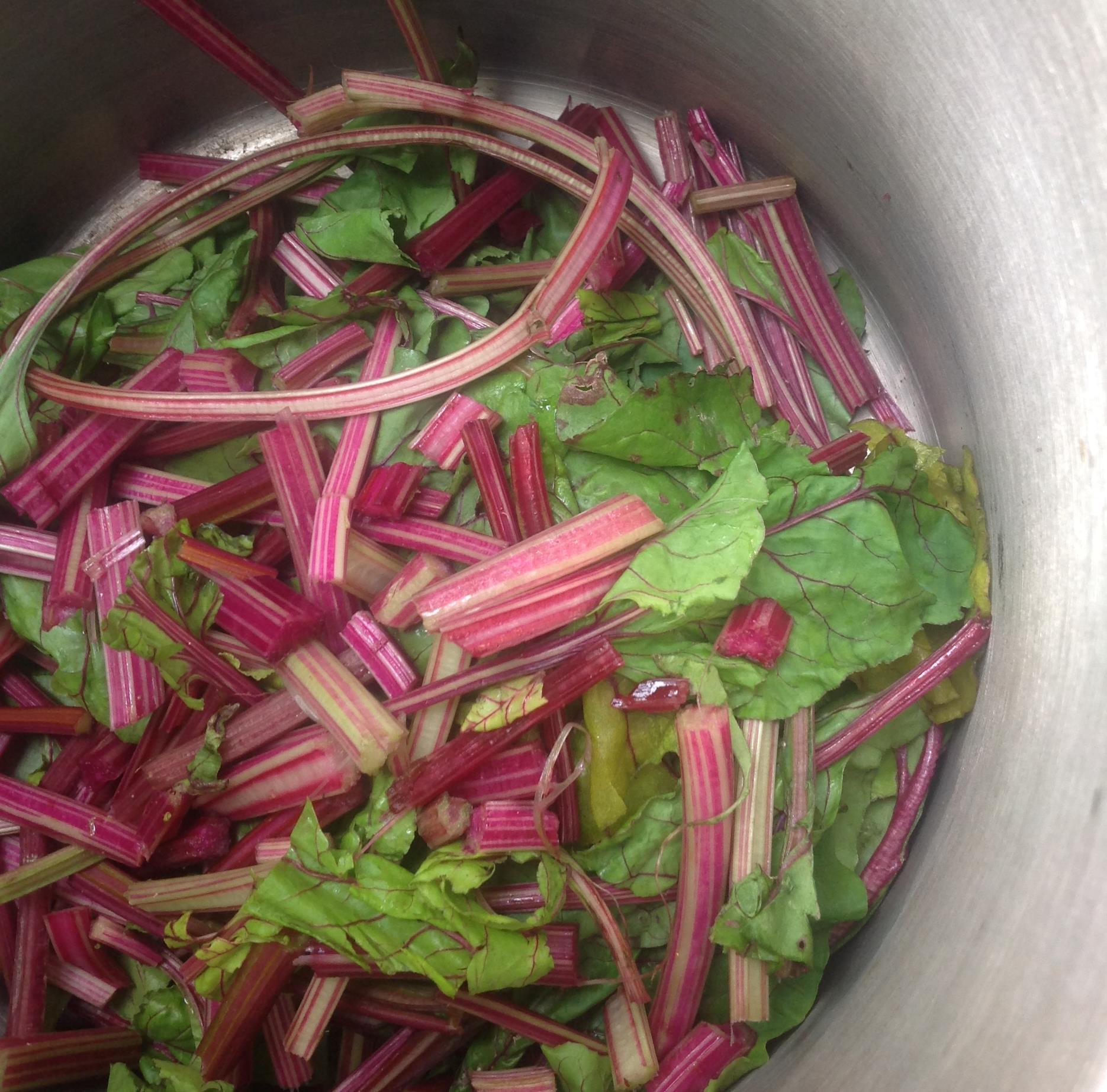
beet leaves and stems ready for the boil
~
Orange carrots, red beets and scarlet radishes … I am sad to say my expectations were low. I was certain every batch of leaves would yield yet another shade of brown. For radishes and beets, I was correct. Beautiful browns.
~
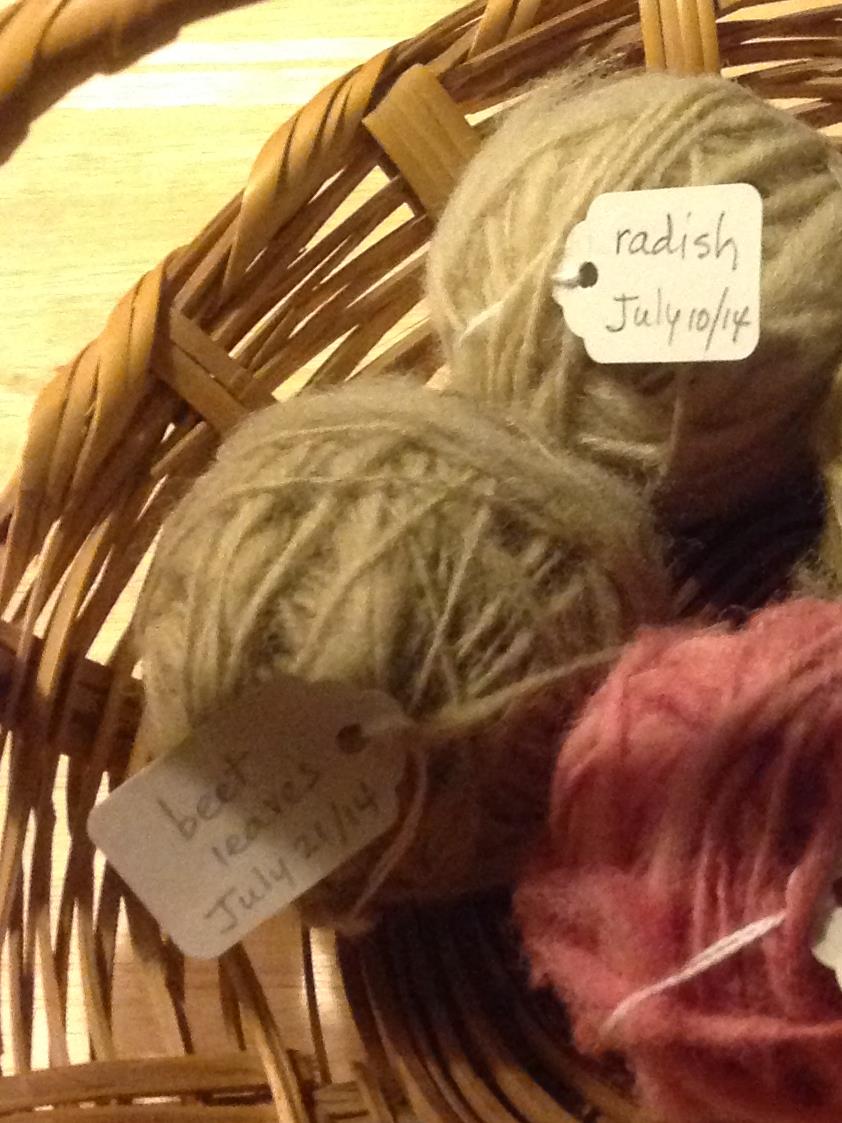
my hand-spun balls of wool from radish and beet leaves … the pink is from my earlier tests with pickled beets
~
Imagine my delight when the carrot leaves yielded a bright celery green!
~
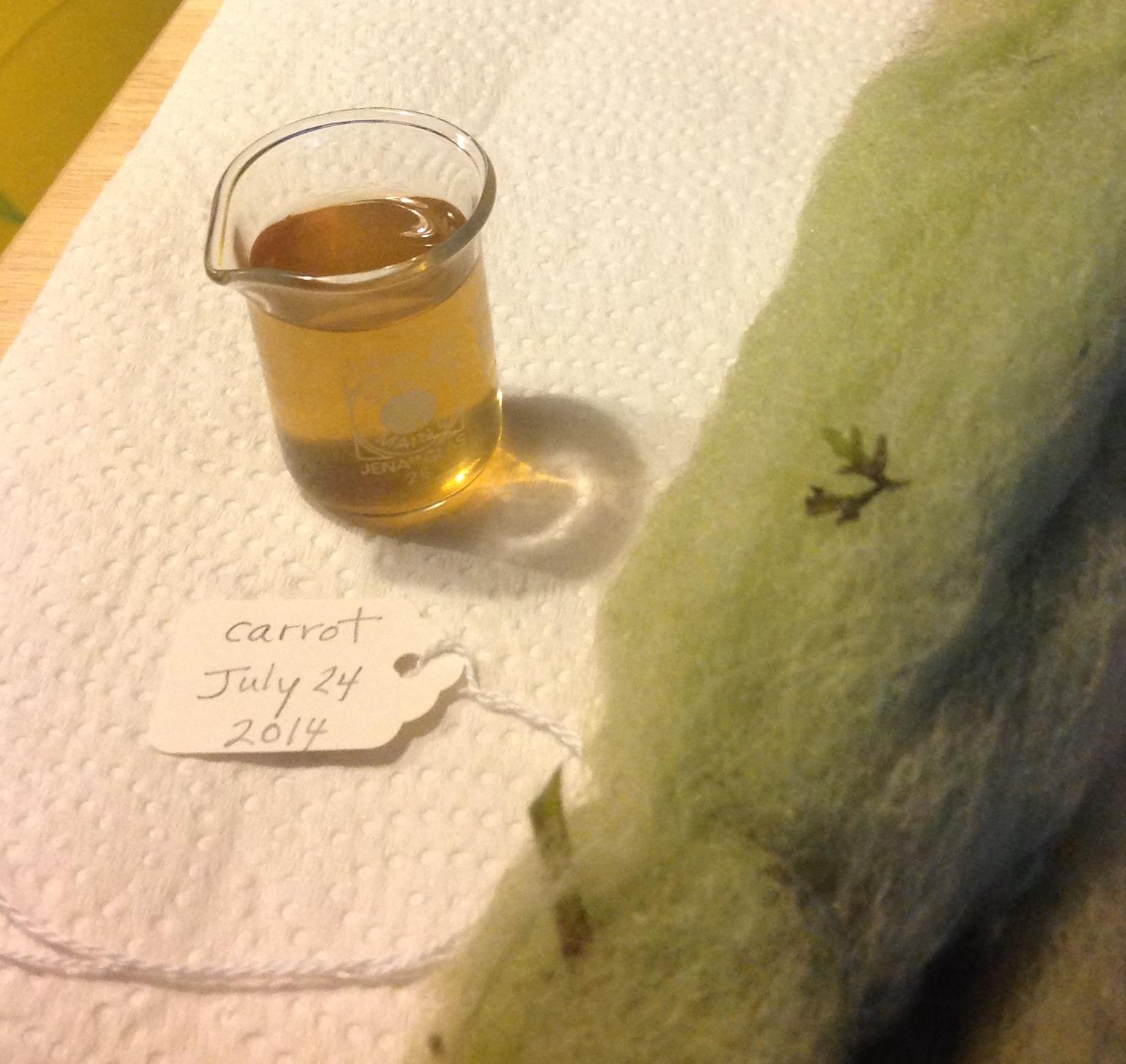
dye and wool roving from a boil of carrot tops
~
I tried to repeat the colour on a second length of wool roving, but the second simmering gave me a gold shade of brown. The dyestuff had offered up all its green colour in the first boil!
~

colours of wool obtained from the first and second boil in a dyestuff of carrot tops
~
vegetable bin
~
most look for
vitamins and
anti-oxidants
seek the colourful plate
look at the farmer’s display and see
carrot orange
radish red
spinach green
~
a dyer looks
for juicy leaves
and the possibility of yet
another shade
of brown
~
~
Copyright 2014 Jane Tims




 nichepoetryandprose