harvesting colour – mordants and modifiers
Dyeing textiles involves more than just the dyestuff. Simmering cloth in a dye bath may initially produce a beautiful colour, but without help, the colour may fade in sunlight, or over time.
~
Mordants: Mordants are substances that assist the dyeing process by improving the colour-fastness of dyes (to washing and light), and by modifying the strength and quality of colour. Mordants bond with both dyestuff and fibre so the resulting colour is more permanent. Mordants include metals such as aluminum, copper and iron. I have a quantity of a safe mordant, alum (aluminum sulphate) and I may try other mordants as I become more experienced.
Colour modifiers: After a fibre is dyed, colour modifiers can be used to increase the range of colour possibilities. In some cases this means changing the pH with modifiers such as vinegar. Modifiers also include after-mordants (additions of copper or iron). Adding iron as a modifier results in ‘saddening’ of the colour … for example, a brown obtained from a tannin-rich dye can become almost black.
~
My reading about mordents and modifiers made me think about keeping colours vivid in memory. Perhaps, when we remember a particular scene in full vibrant colour, there is some ‘memory-mordent’ involved !!! In the poem, the mordants aluminum, copper and iron are there in the coastal environment, strengthening memory …
~
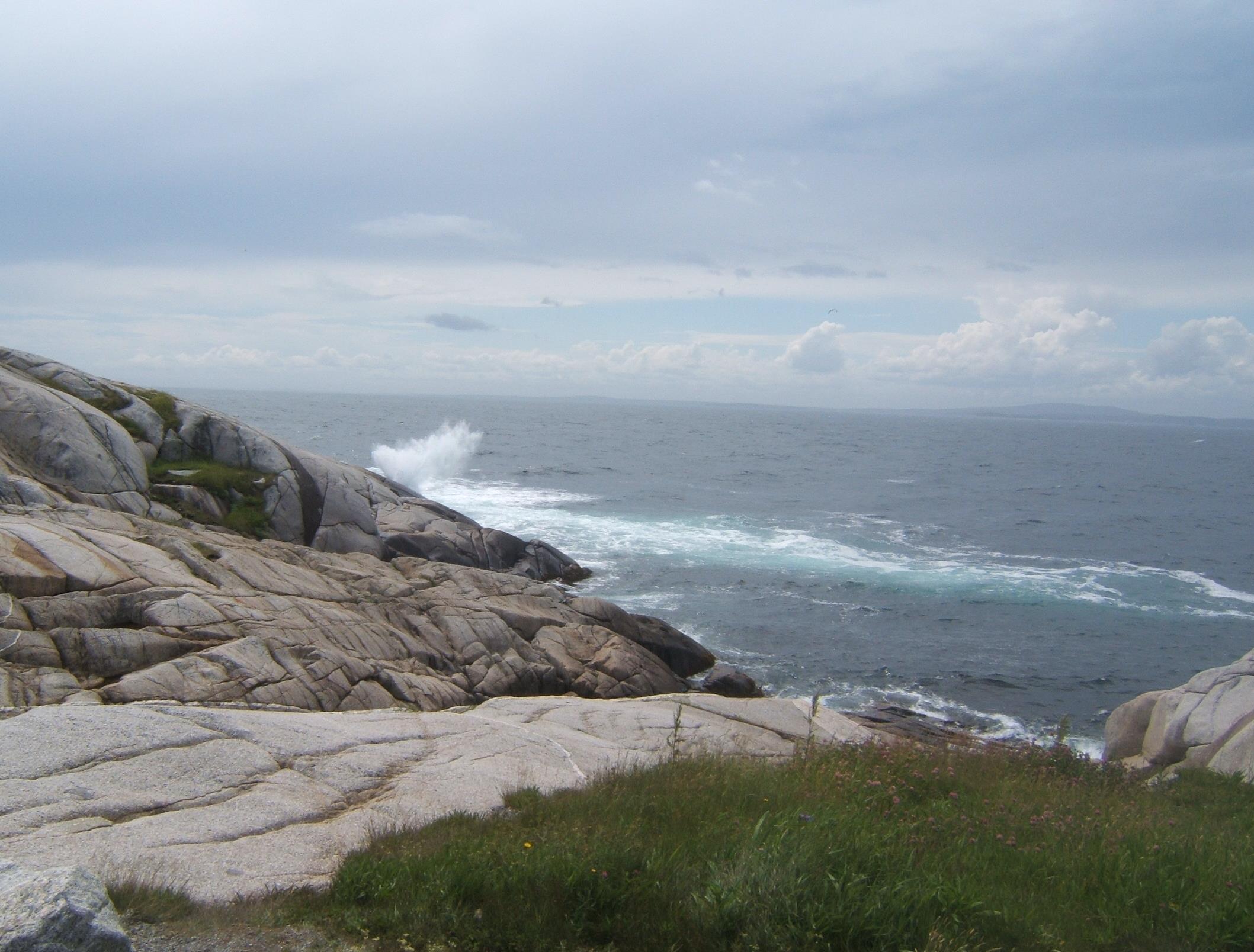
Peggy’s Cove, Nova Scotia
~
~
colourfast
~
how do I explain
the being present
the exquisite memory
the precise phthalo
of ocean, the cobalt
of sky, salt breeze,
viridian horizon
~
perhaps some mordant made
this memory strong – aluminum
from my morning tea, copper sulphate
patina from the weathervane
pointed landward
~
and the boathouse
mooring, rusted
saddened the colour
~
~
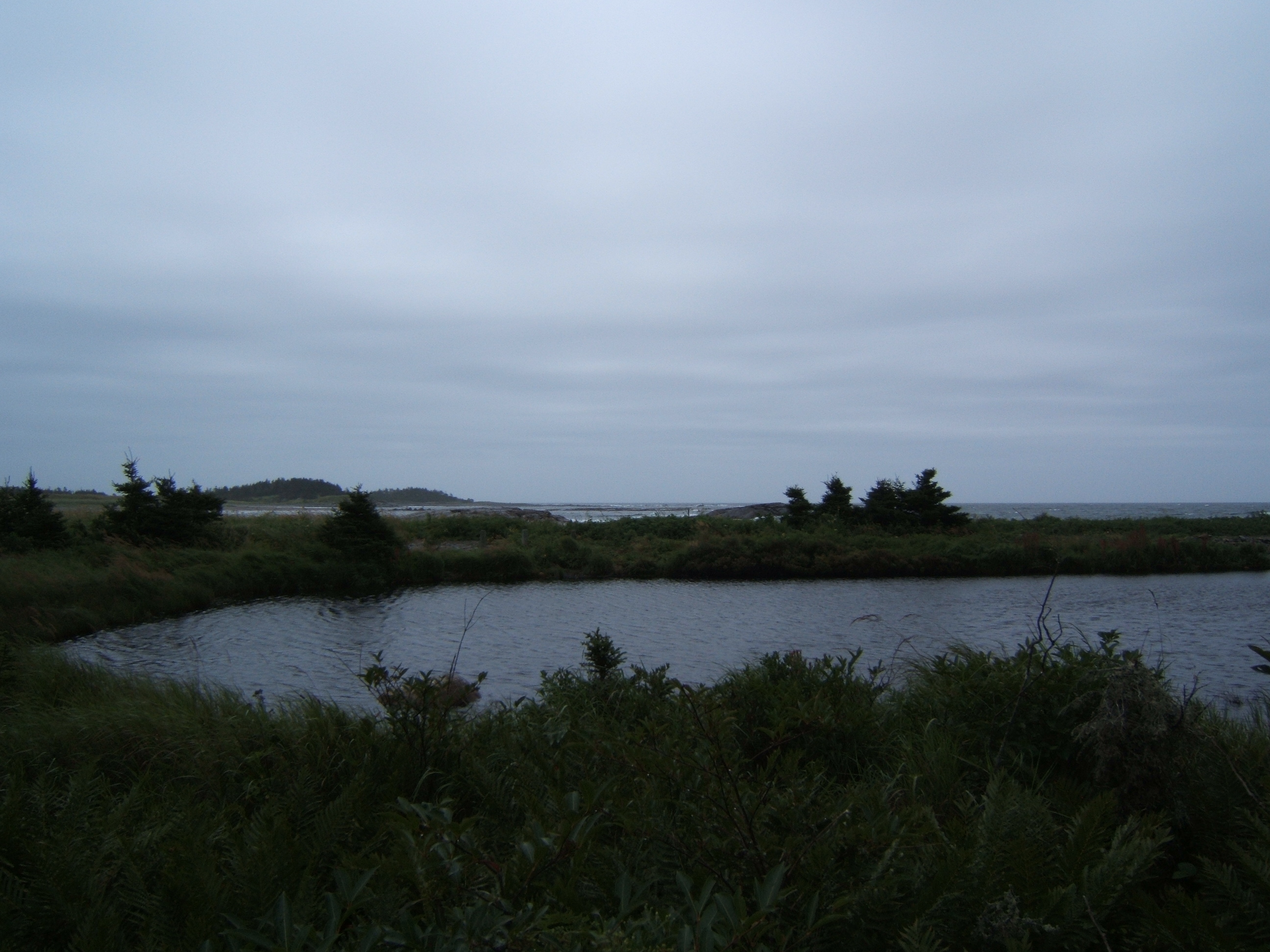
near Torr Bay, Nova Scotia
~
Copyright 2014 Jane Tims
winterberries
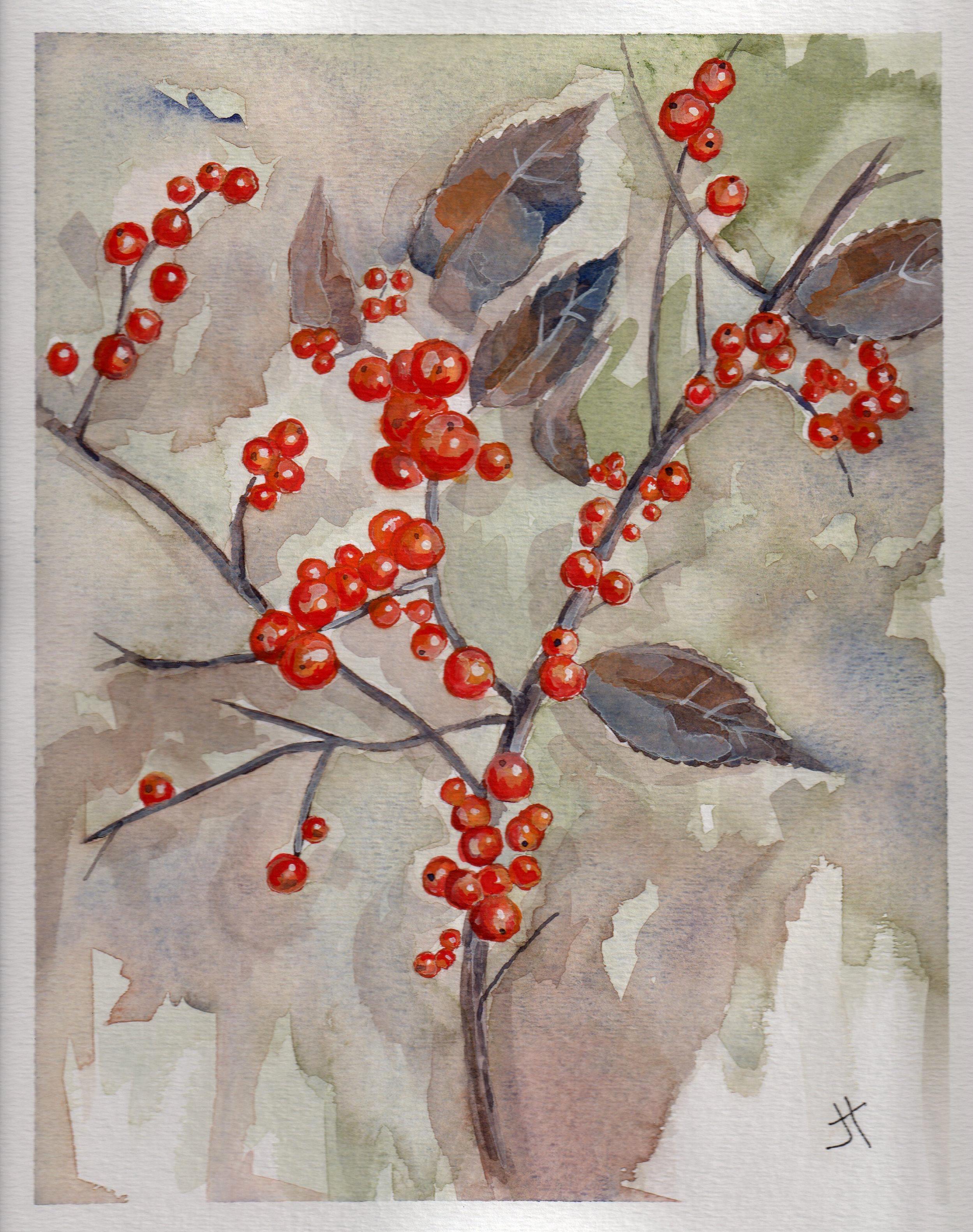
Before the winter snows are entirely gone, I want to share this poem. All through the winter months, winterberry holly clings to its bright orange-red berries, refusing to let go …
~
~
~
winterberries
~
berries of holly persist
long into winter, cling to
the bough, after leaves have fallen
~
grief refuses to let go
~
but what is one berry among
so many – in the end all
berries desiccate and die
~
birds wheel in limitless sky
look below and see
one red pixel punctuates
vast emptiness of snow
~
~
Copyright 2014 Jane Tims
fencing us in (day 19 and 20)
When I first moved to New Brunswick, rail fences could be seen almost everywhere in rural areas. The design was simple – stacks of very long cedar logs in a zigzag without posts at the junction. The logs were piled from 3 to 4 high and were very weathered. These fences used cedar in the construction because of its natural ability to withstand rot.
~
As the years go by, these fences have gradually disappeared from the landscape. Part of this is because the fences eventually deteriorate. Also, people salvage the rails for landscaping and other projects.
~

distance travelled (map from Google Earth)
~
8-19 February 25, 2014 30 minutes (Petit-Rocher-Nord to Petit-Rocher)
8-20 February 27, 2014 30 minutes (Petit-Rocher to Petit-Rocher-Sud)
~
Although I haven’t seen the zigzag style of rail fence on my virtual bike trip along the northern New Brunswick coast, I have seen other rail fence designs. These fences are also built of cedar, but the rails are supported at the junctions by short lengths of cedar …
~

rail fence near Nash Creek (image from Street View)
~
or on a sort of ladder, consisting of two posts and cross-members …
~

rail fence near Pointe Verte (image from Street View)
~
When I was younger, sitting on a fence like any of these was on my list of favorite things to do. Today, our property is fenced with a zigzag style cedar rail fence, built by my husband who is proud to say not a nail is used in the construction …
~
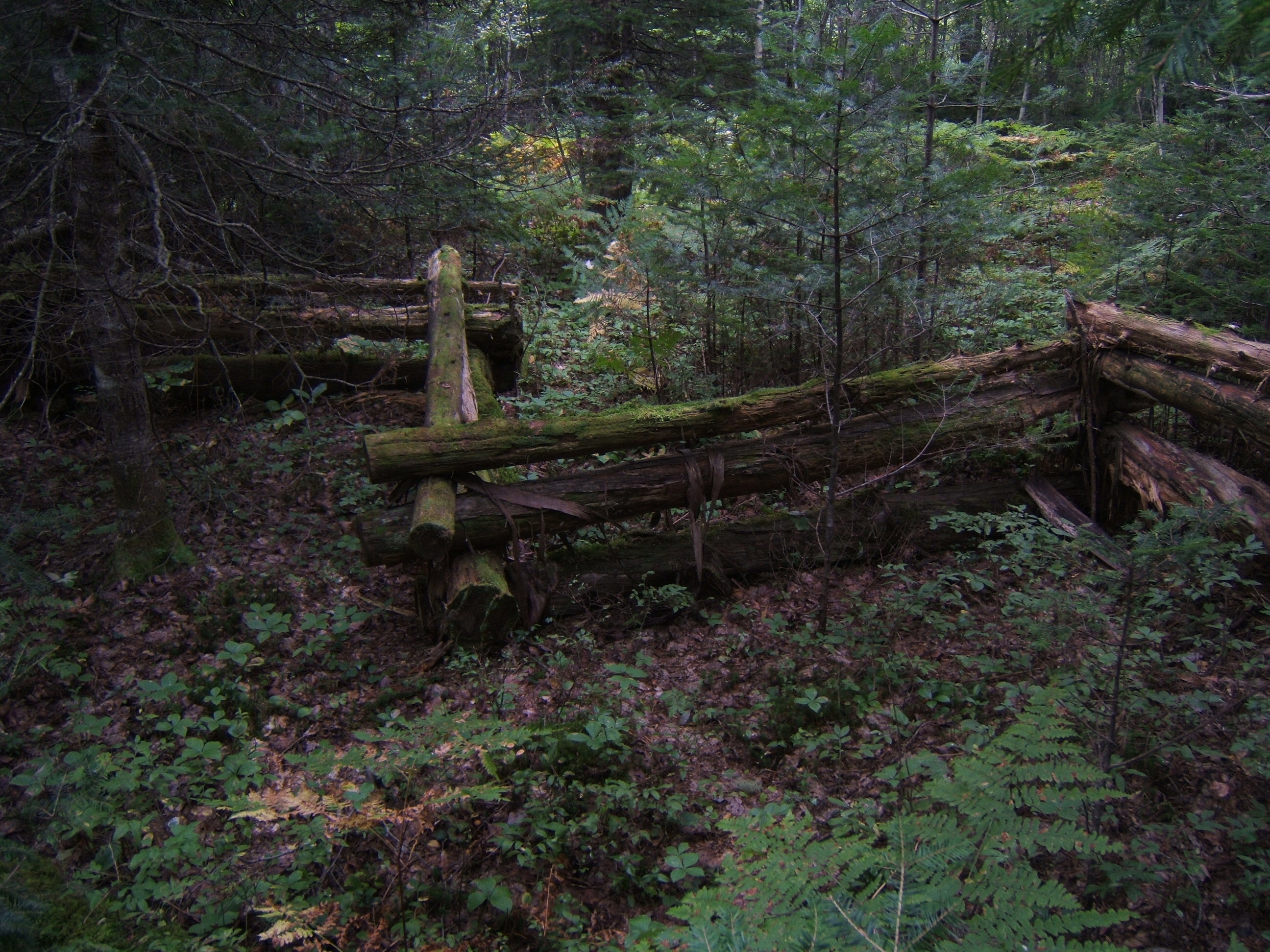
zigzag rail fence round our property
~
I wonder if there are nails used in this rail fence …
~
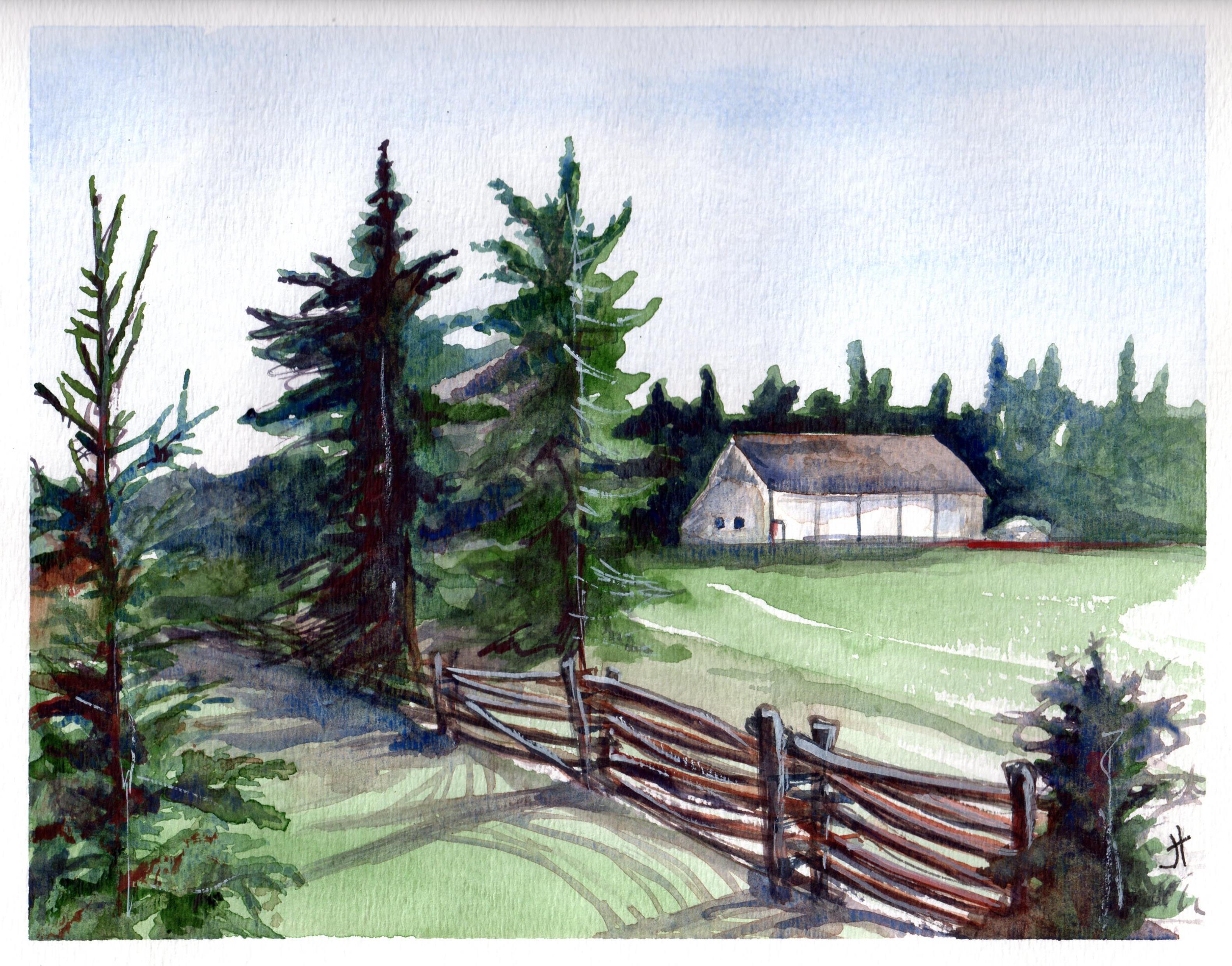
March 5, 2014 ‘rail fence’ Jane Tims
~
Copyright 2014 Jane Tims
harvesting colour – the chemistry of colour
I have done a lot of reading this week, mostly to brush up on some basic chemistry in preparation for my project on using plant dyes.
~
It took me a couple of years in university to discover that chemistry was not my forté. I loved the mathematics of first year inorganic chemistry but I met my match with organic chemistry in my second year. I came to the conclusion that chess, music theory and organic chemistry have something in common … Jane cannot win a chess match against a cat. Jane cannot transpose music. And Jane cannot figure out elimination and substitution reactions in organic chemistry. I did try.
~
In spite of my theoretical difficulties, I loved the labs in chemistry. Creating little quantities of limonene and caffeine and aspirin was fun. And I loved the visuals of the chemistry lab – the colours of the various chemicals, the architecture of the glassware and the various drips and sizzles and, occasionally, puffs of smoke.
~
My first introduction to chemistry lab was a simple titration demonstration, showing a way to use the colour of an indicator to determine an unknown concentration. It seemed magic as I swirled the flask and watched for the solution to change its colour from clear to pink. I saw the parallels to botany right away. Today, I never look at a shrub of Hydrangea without thinking about the connection between the colour of the flowers and the acidity of the soil. Alkaline soils promote pink flowers. Increased acidity makes more aluminum available to the plant and the flowers turn blue as the aluminum associates with the plant pigment anthocyanin. These are the kinds of interactions I expect to see in my dyeing projects.
~
And so, here is my first offering of poetry in the theme of ‘harvesting colour’. It is not about dyeing fabric, but explores the idea of colour change as a metaphor for trying to understand human emotion.
~
~
titration
– to determine the concentration of an unknown solution, we watch for change
~
all summer she sits, the sag of a meniscus
on the stair of the veranda, tucked,
at the start-point of the burette,
into stems of hydrangea
~
mopheads droop and rain adjusts
the soil, basic to acidic, drop by drop
pink petals turn violet
first titration always an estimate
~
as the corymb favours blue, we realise –
basic words and helpful anecdotes will not be
enough, the situation is complex, not merely a matter
of pH, but the interaction, aluminum with anthocyanin
~
titration demands a practiced hand, a careful
eye to mark the end-point when colour prevails
and makes sad chemistry, on the last day of August
when hydrangea succumbs to blue
~
~

detail of Aug. 10, 2013 `hydrangeas, Carlyon Bay` Jane Tims
~
Copyright 2014 Jane Tims
apple pie, no apples
~
~
apple pie, no apples
~
fooled a lot of people –
aunts with PhDs
friends from school
my father
~
now I lift the crust
from every slice of apple pie
look for evidence –
pin-holes, punched by a machine
~
the recipe, simple as substitution
pie crust
sugar
~
a shot of lemon, flour to thicken
cream of tartar (to fool taste buds)
a generous dusting
of cinnamon
~
and
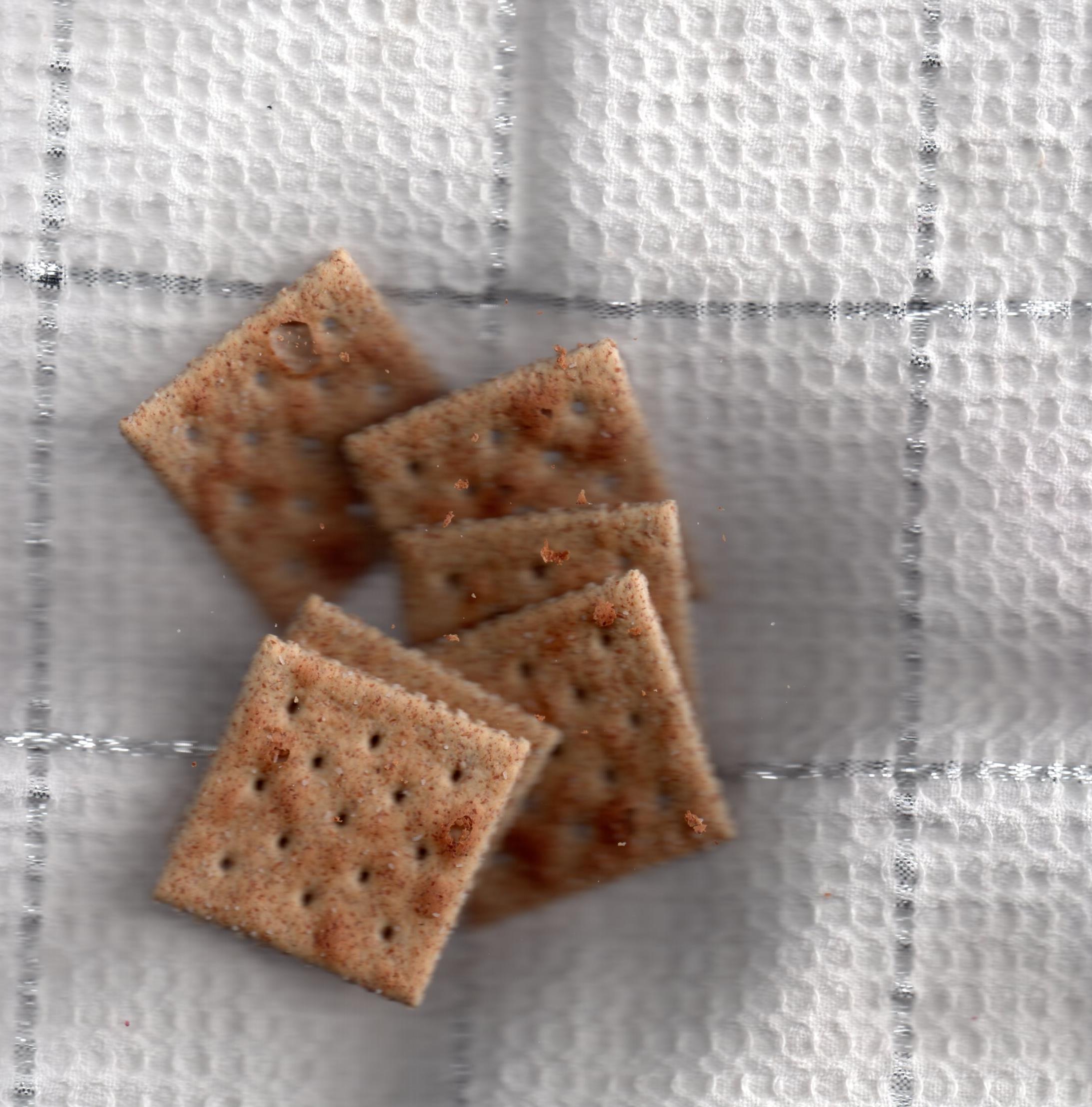
a stack of soda crackers
snapped in two (hand-broken facsimile
of apple)
~
no one ever seemed to notice
the pin-holes, punched by a machine
~
~
Published as ‘apple pie, no apples’, Canadian Stories 17 (95), February/March 2014
For a recipe for Mock Apple Pie, see https://nichepoetryandprose.wordpress.com/2012/08/06/growing-and-gathering-learning/
Copyright 2014 Jane Tims
flags all flying (day 17 and 18)
During my virtual travelling along the north shore of New Brunswick I often see flags flying, representing the esteem of people for their country and their heritage …
~

distance travelled (map from Google Earth)
~
8-17 February 21, 2014 30 minutes (Belledune to Devereau)
8-18 February 25, 2014 35 minutes (Devereau to Petit-Rocher-Nord)
(I also took a quick sidetrip on the highway south to Madran – the beauty of travelling virtually)
~
All along the coast of northern New Brunswick, people are proud to display their flags. As I ‘cycle’ along the road I see three flag designs …
~
The red and white Canadian flag with its maple leaf …

a Canadian flag near Campbellton (image from Street View)
~
the New Brunswick flag (based on the province’s Coat of Arms and depicting a red lion and a ship) …

the yellow, red and blue New Brunswick flag showing the ship from the Coat of Arms (image from Street View)
~
and the Acadian flag …

the blue, white and red Acadian flag showing its gold star (image from Street View)
~
The Acadians are the descendants of French colonists of the 17th century who settled in Acadia (the Maritime Provinces, parts of Quebec and Maine). Today, over 1/3 of New Brunswickers are Acadian and New Brunswick is officially bilingual (French and English).
~
The Acadian flag represents Acadians all over the world. The flag is blue, white and red, like the flag of France. On the blue field is a gold star, the Stella Maris (Star of the Sea). The star represents the Virgin Mary, patron saint of the Acadians.
~
Along the north shore of New Brunswick, the colours of the Acadian flag are represented on various objects, including telephone poles in some communities …
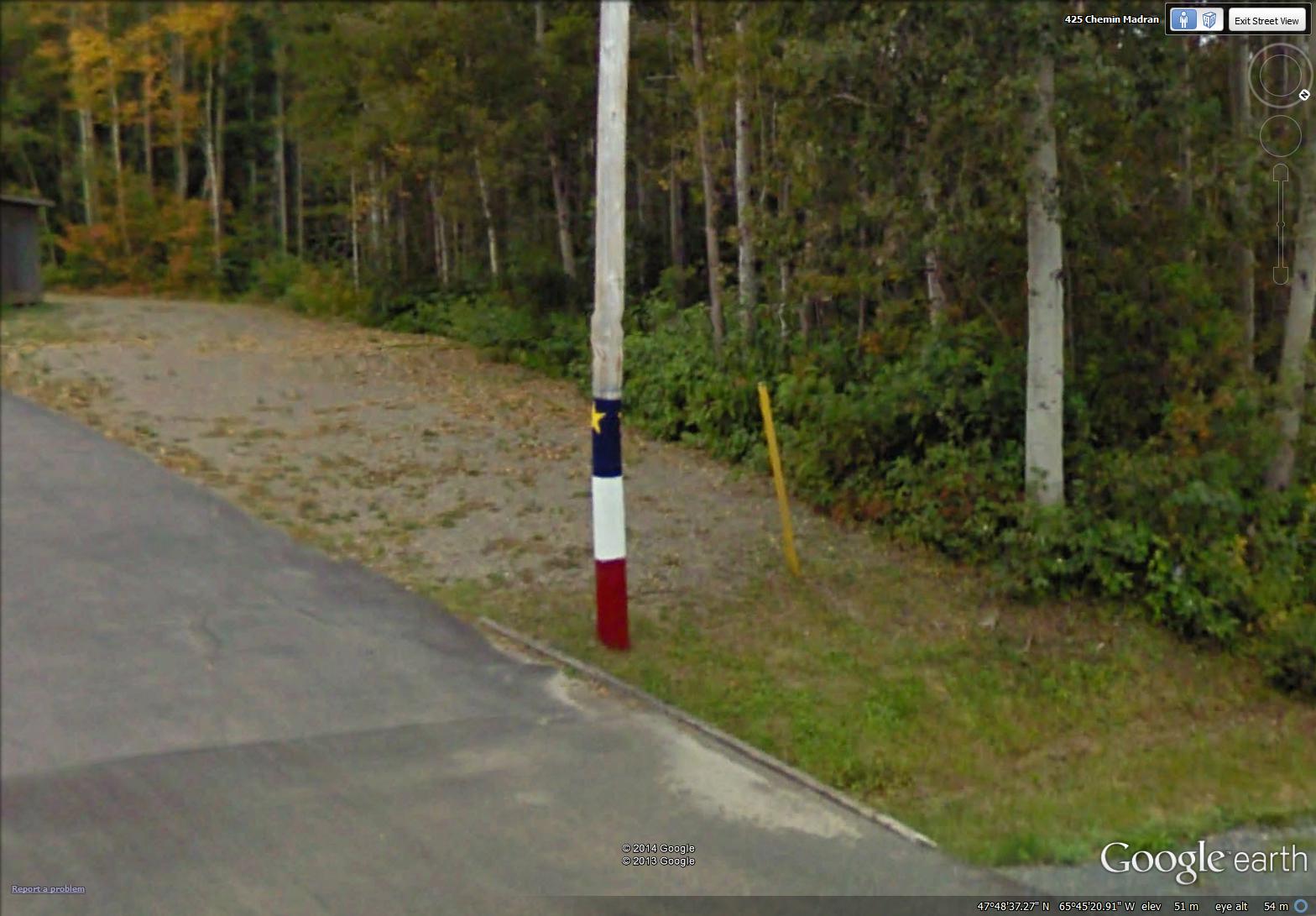
a painted telephone pole in Madran (image from Street View)
~
on lobster traps …

colours of the Acadian flag on a lobster trap (image from Street View)
~
and on rocks …

February 25, 2014 ‘roche Acadienne’ Jane Tims
~
The Acadian flag and its representations remind me how proud I am to live in a province that includes the rich culture and history of the Acadian people.
~
Copyright 2014 Jane Tims
harvesting colour – gathering more materials
As I get ready for my first experiences with dyeing, I have thought about the materials I will be using. I don’t want to get too complicated and sabotage my real aim, the poetry I will write. I will try to keep it simple and generate lots of fuel for my writing.
Textile fibre: As I explained in my previous post on ‘harvesting colour’, I will use both plant (three old cotton shirts) and animal fibres (unspun wool and silk fabric).
Source water: I will be using our well water – slightly acidic and high in several minerals. Our water is so acid, it reacts with the copper piping in our house to stain all the drains in our house a copper sulphate blue. I know that the acidity of the source water influences the colour outcome. For some of the plant dyes I will use (for example madder), I will want to adjust the water acidity to get a full range of possible colours.
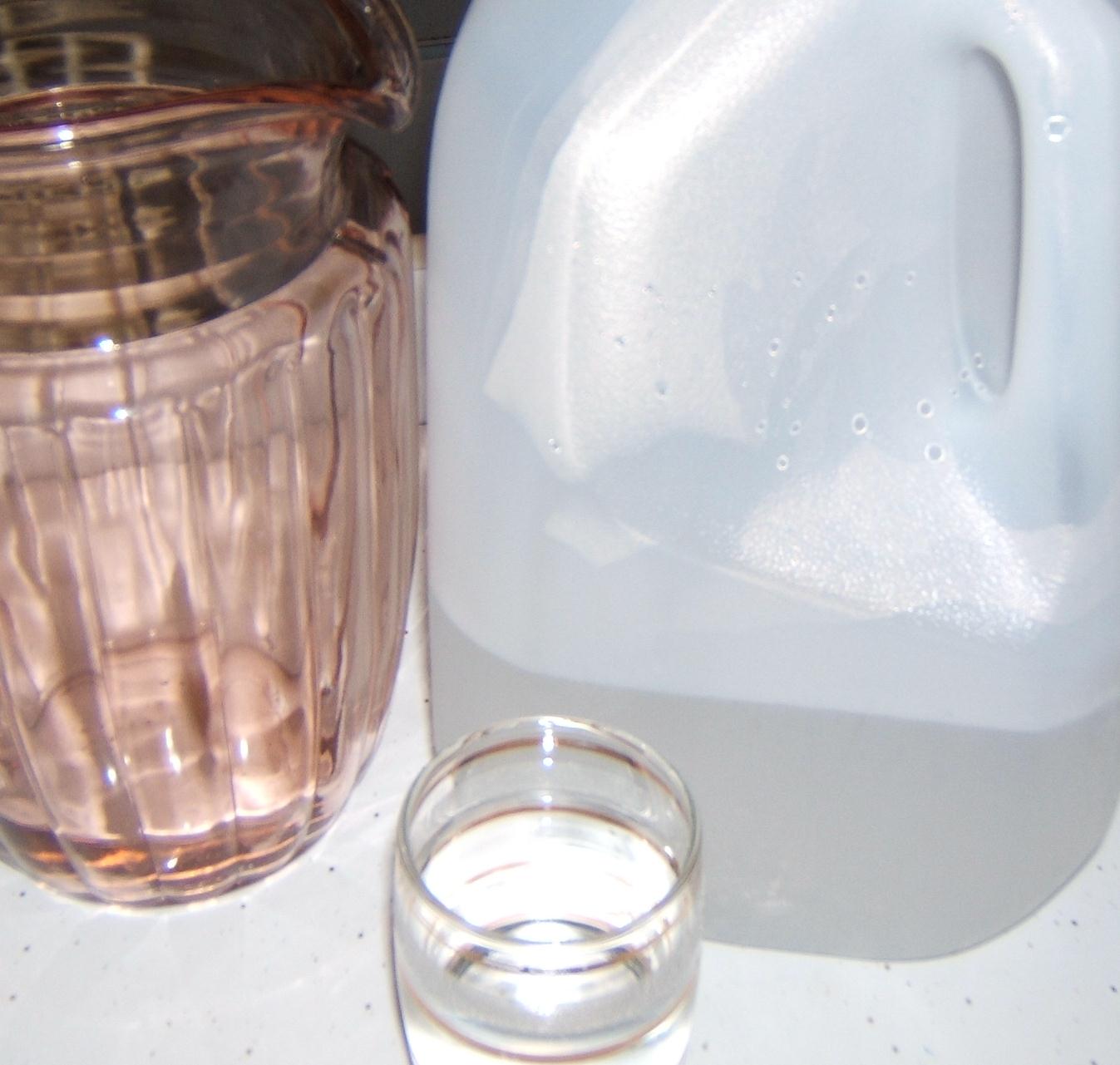
during our problems with our pump and well in 2013, we missed our tasty well water
~
Utensils: Last fall I bought myself a large stainless steel pot for my dyeing projects since I know it is important to keep my dying utensils separate from our cookware. I also have my Mother-in-law’s copper teapot if I want to add some ‘copper kettle’ to my dye projects (copper is a mordant, an addition that helps keep textiles colourfast).
~

my mother-in-law’s copper kettle – since my husband doubts it is solid copper, I may have to add some copper pennies to get the mordant effect of copper
~
Plant material: Even in winter, I have access to many plant materials for dying. I have various flower petals and other plant material from my various botanizing adventures. The drying line in my kitchen has a bouquet of tansy gathered last fall and a net bag of onion peelings I have collected since Christmas. I have acorns collected last fall and, outside, access to the bark of various trees, including birch (I am anxious to try this since I understand birch bark can dye in hues of red). In my freezer, I have frozen berries, including a tub of red currents picked by my Mom over ten years ago – I plan to use her berries to dye material for my weaving, after I have gained a little experience. As for in-season plants, I know my husband is looking forward to being dragged all over the countryside in search of various kinds of plants (he was a very helpful participant in my ‘growing and gathering’ project.
~

oak leaves with a cluster of acorns
~
For next Friday’s ‘harvesting colour’ post, I’ll talk a little about mordants and colour modifiers and I think I’ll post my first poem in the series!
~
Copyright 2014 Jane Tims
yet another Cornwall gate
As you may have seen on my ‘accomplishments’ page, I have sold the painting ‘rainbow gate in Falmouth’. It was on display as part of an art auction at Isaac’s Way Restaurant in Fredericton.
~
The art at auction at Isaac’s Way helps local children’s charities, in this case providing opportunities for summer theatre. Once I have sold a painting, I can replace the painting with another and now ‘gate in Ponsanooth’ is up for auction! You can see the painting at https://nichepoetryandprose.wordpress.com/2014/01/24/another-cornwall-gate/ .
~
I am continuing to paint in my Cornwall gates series. This past weekend, I painted another gate from Ponsanooth entitled ‘enter’. Gates are meaningful to me, as metaphors for change and as representative of possibility. And the various building materials, stone, cement, wood and metal, are very enjoyable to paint …
~
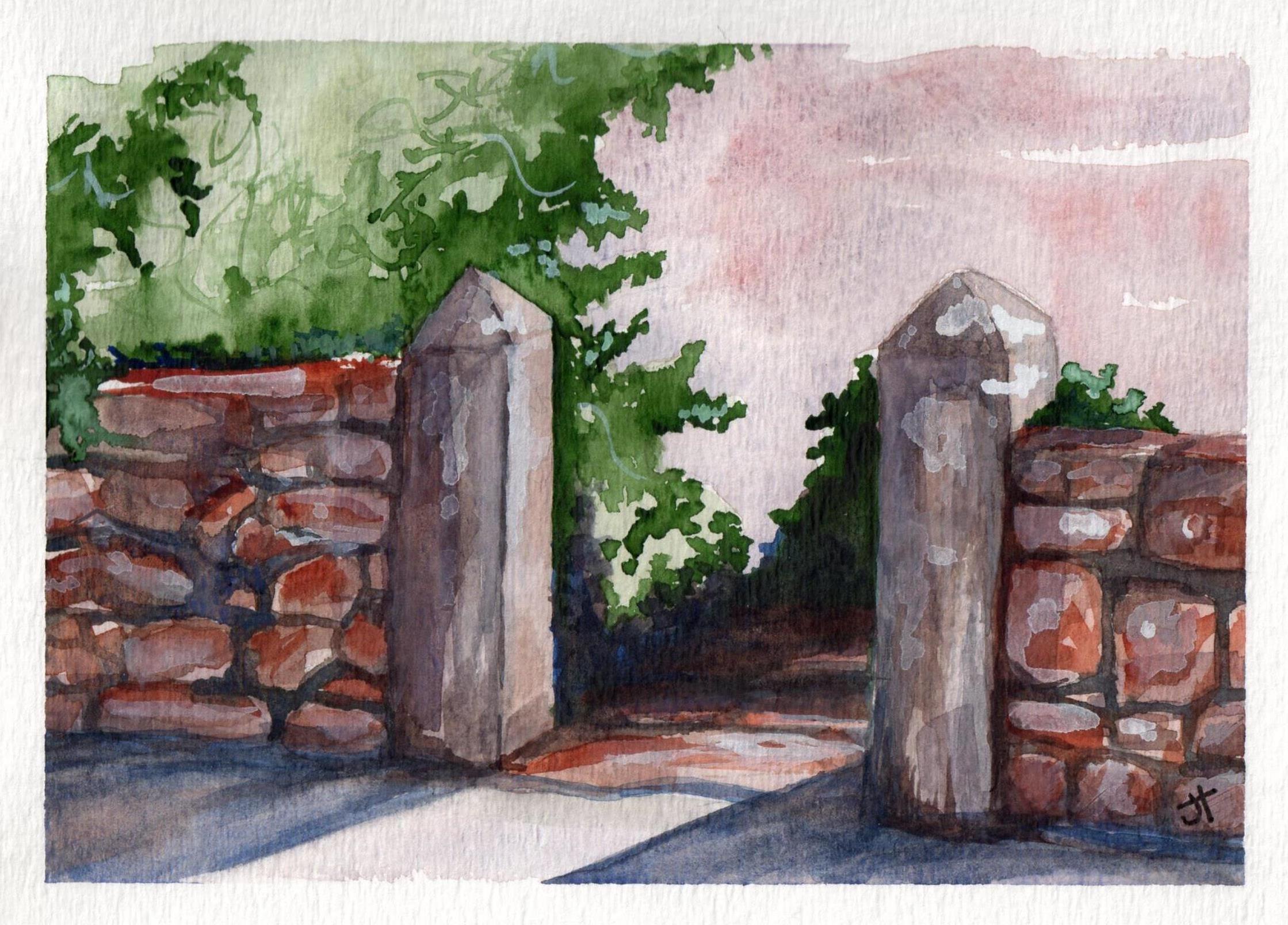
February 22, 2014 ‘enter’ Jane Tims
~
Copyright 2014 Jane Tims
industry and old barns (day 15 and 16)
One of the best things about ‘biking’ a new section of road every time I exercise is – I never know what theme is going to suggest itself …
~
~
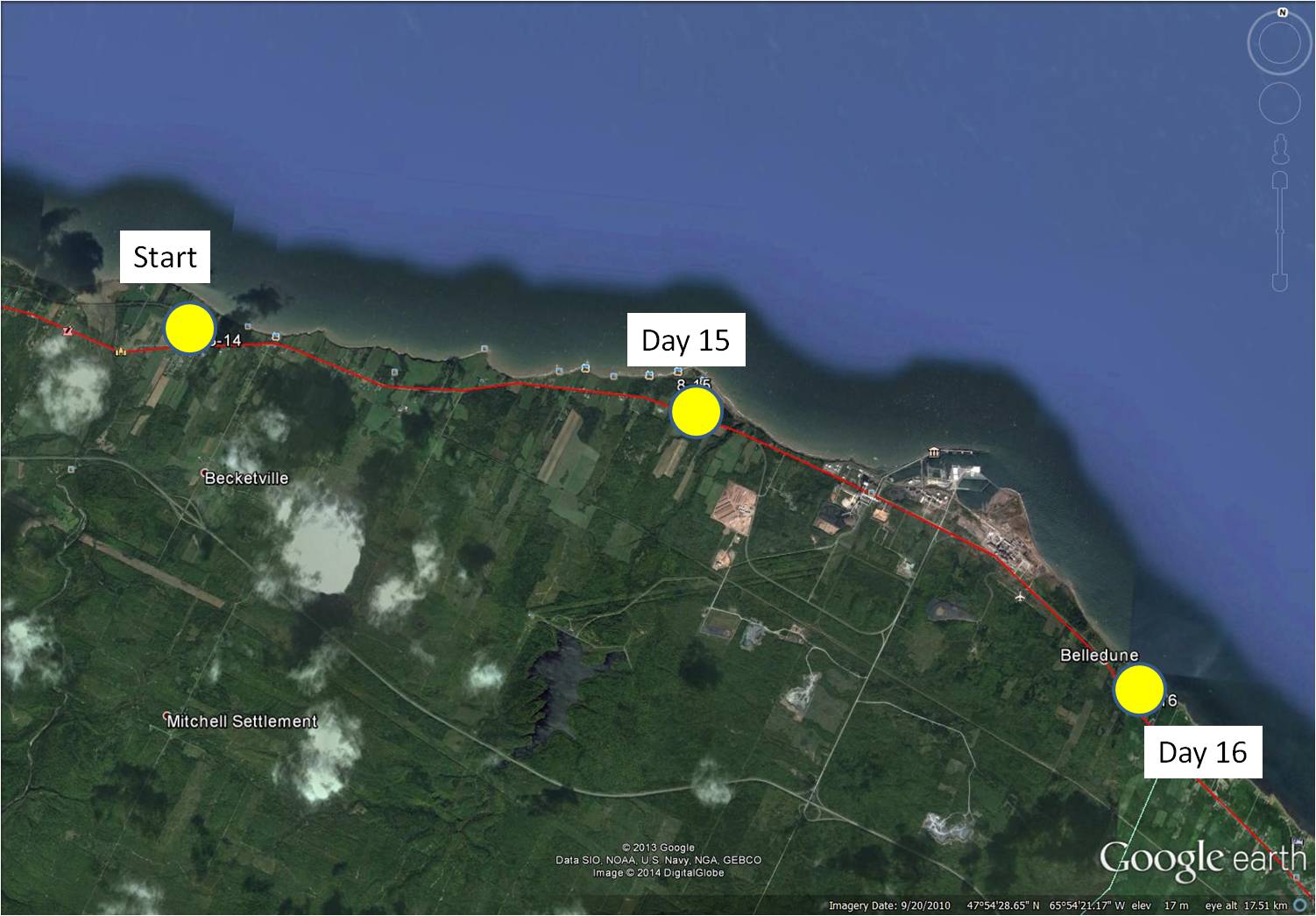
8-15 February 12, 2014 30 minutes (Jacquet River to Culligan)
8-16 February 16, 2014 35 minutes (Culligan to Belledune)
~
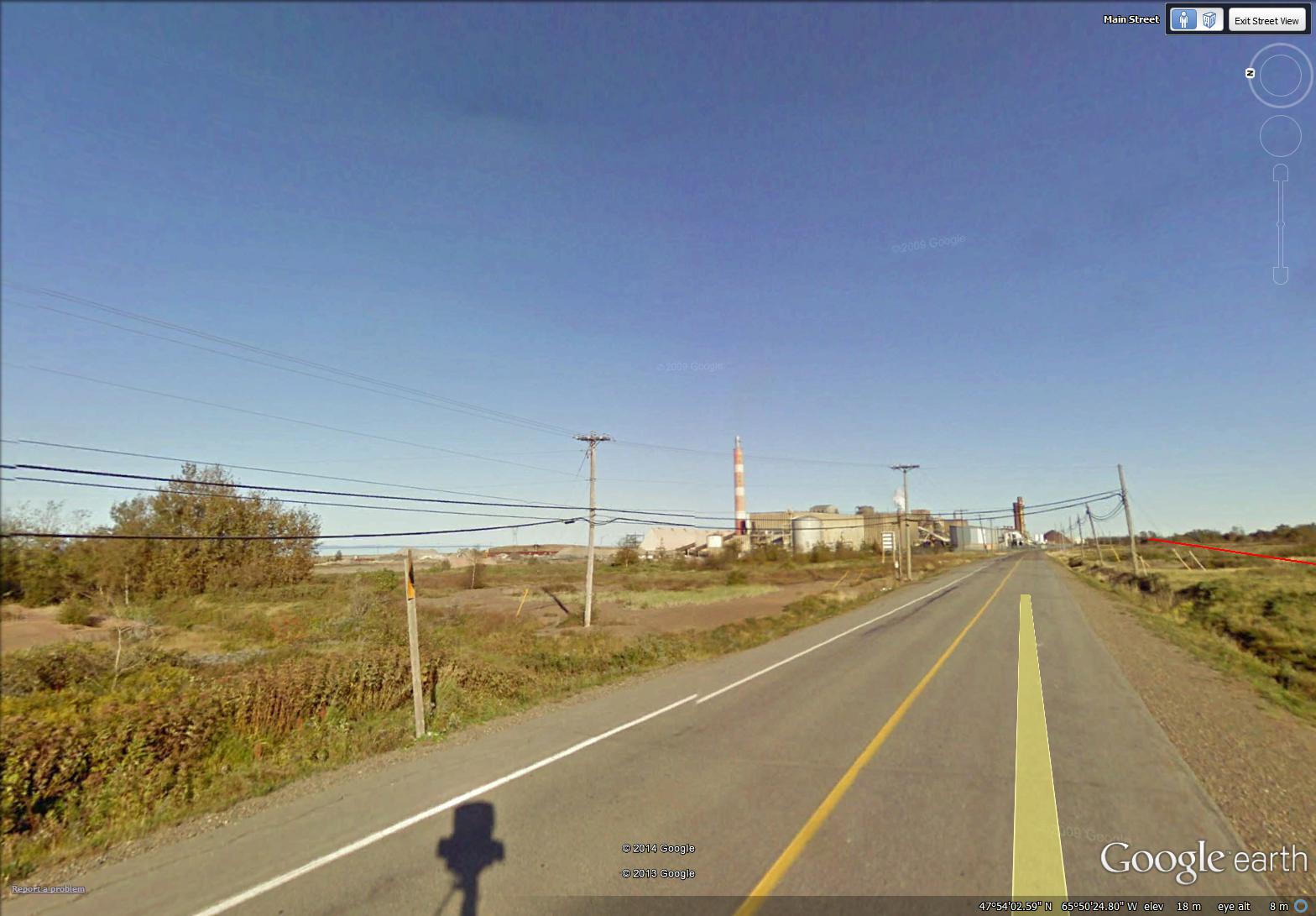
This session of virtual touring took me to Belledune. The area is quite industrialized, since it is the site of the Xstrata Zinc Canada Brunswick Smelter …
~
~
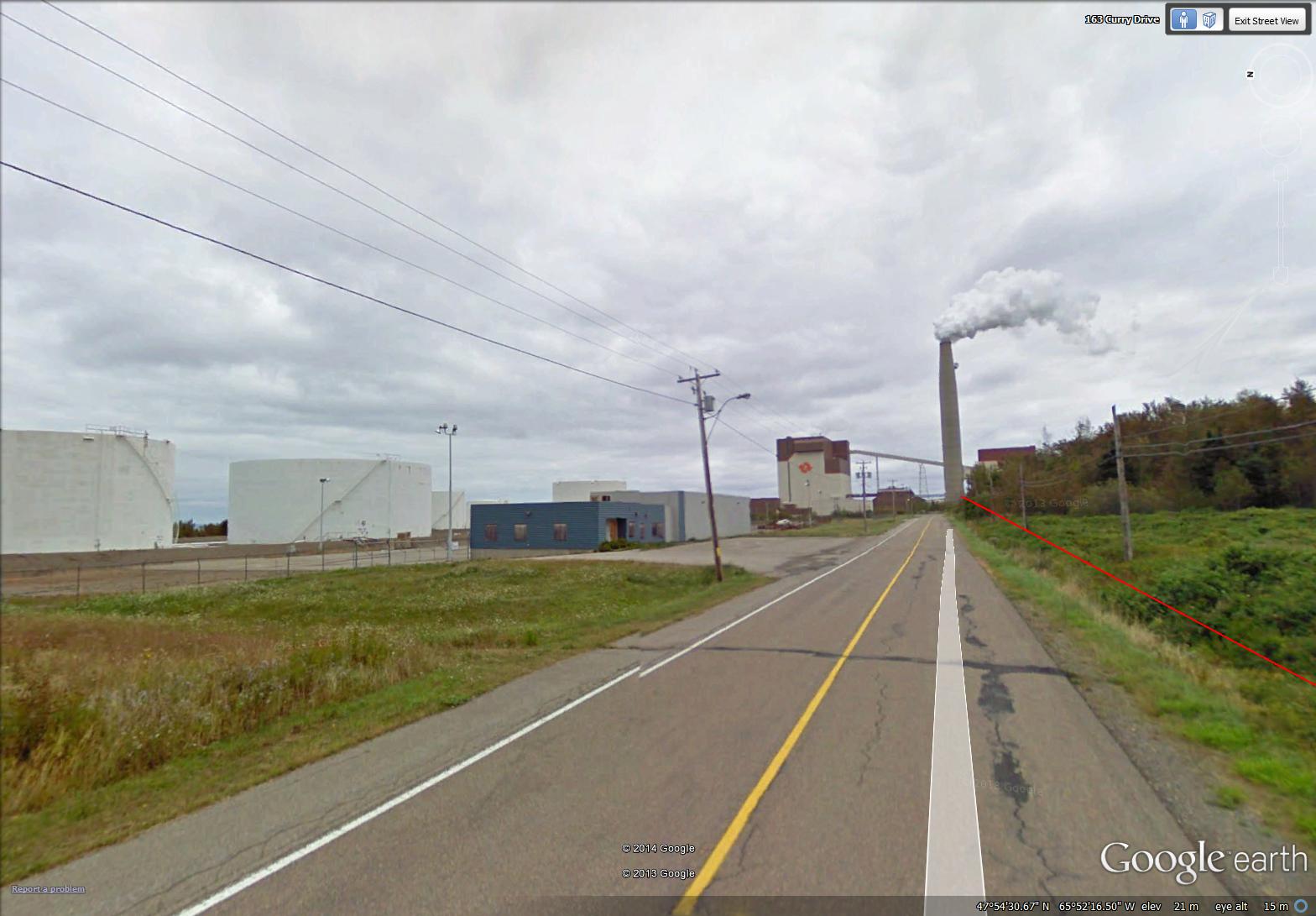
and the location of the Belledune Thermal Generating Station …
~
~
The smelter is a primary lead smelter and refinery. Its air emissions are controlled by various process-specific pollution control equipment including a scrubber and baghouse facilities.
The 450 MW (megawatt) generator burns coal and has a ‘scrubber’ to help remove sulphur dioxide emissions. At the present time, there are only two thermal generating stations still operating in New Brunswick. Most of the rest of our power comes from hydroelectric and nuclear stations; we also have some wind power.
I studied the air emissions of both the thermal generating station and the smelter at Belledune.
~
At first glance, this industrial activity in a mostly rural area may seem out-of-place. However, the smelter and generating station use the Port of Belledune. This is a world-class deep water port in the Baie-des-Chaleurs with year-round cargo handling ability. The port, one of Atlantic Canada’s most successful, offers a gateway to North America.
~
In the midst of all this industrial activity, in my search for paintings to represent my ‘travels’, I chose images of the rural landscape …
~
an old barn with red doors …
~
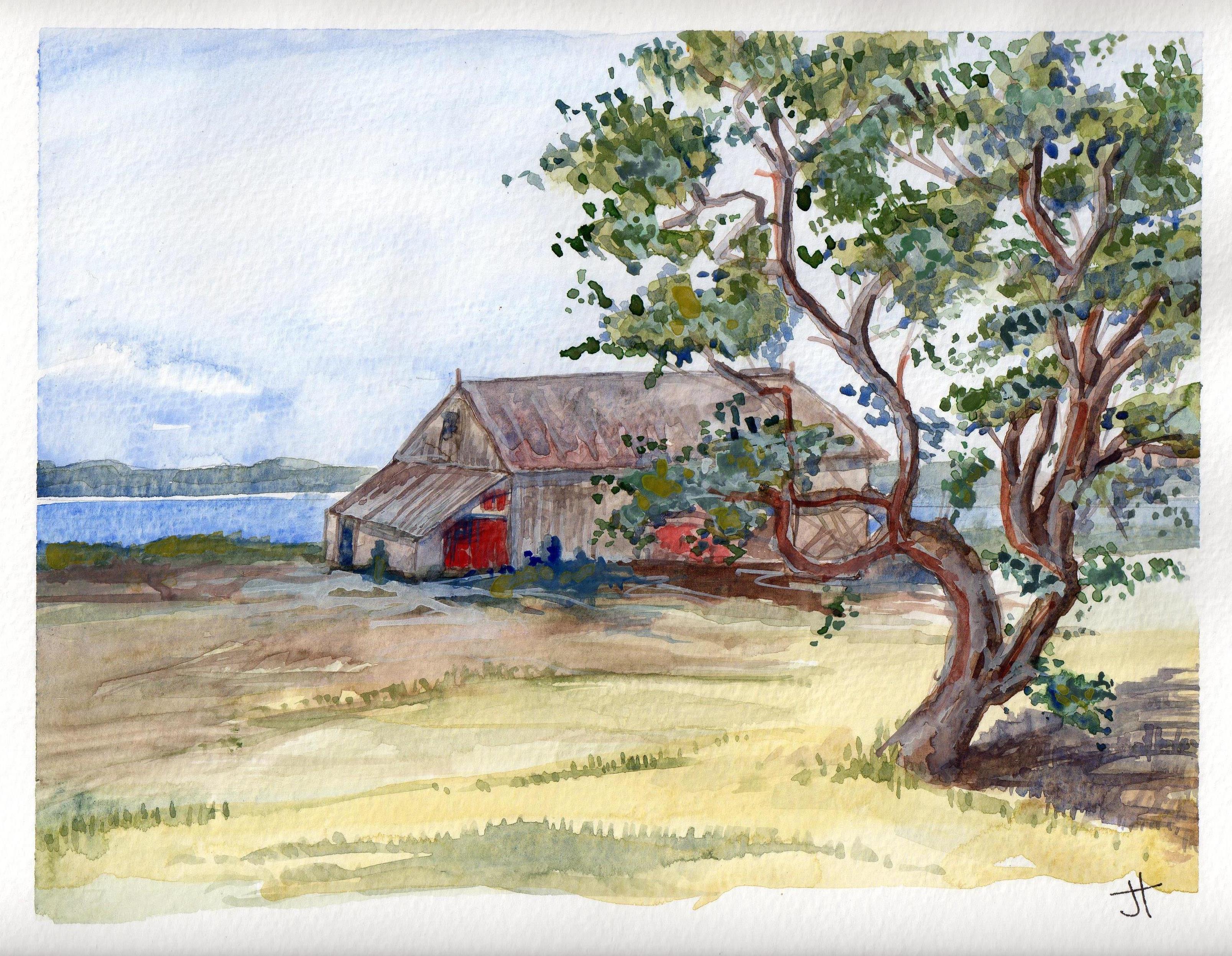
February 21, 2014 ‘barn along the bay’ Jane Tims
~
and a barn near a huge Mountain Ash, its red berries magnificent …
~
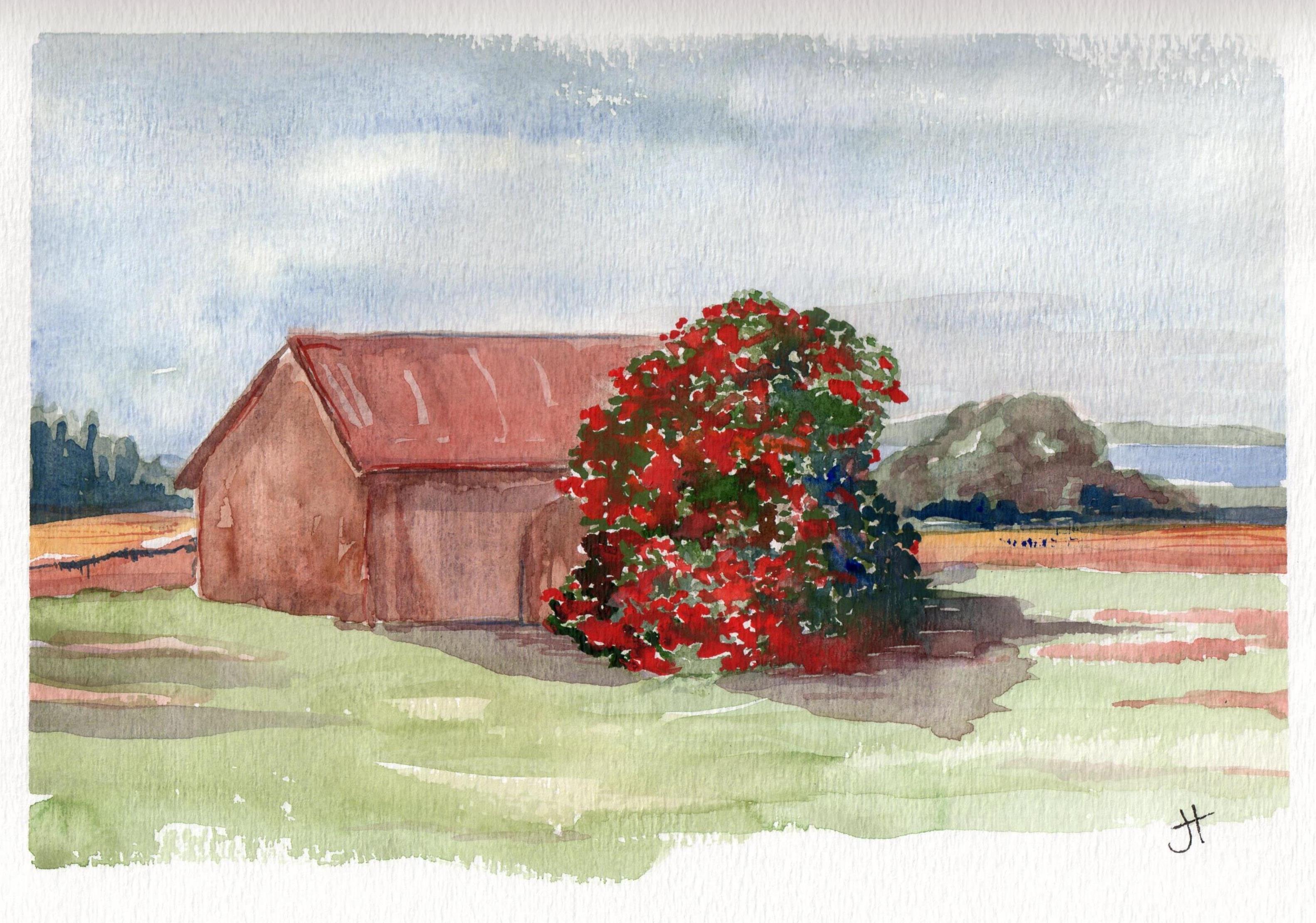
February 22, 2014 ‘red berries – Mountain Ash’ Jane Tims
~
Copyright 2014 Jane Tims
harvesting colour – onion skins in a pickle jar
According to India Flint (Eco Colour: Botanical Dyes for Beautiful Textiles, Interweave Press, 2010) the principal ingredient in any natural dyeing project is time (and patience). Now, while I am still getting organized, I have decided to begin with a simple project that can take all the time it needs.
I have chosen a cotton shirt for this project. I wore it for a couple of years and loved its iridescent buttons, rows of ruffles and embroidered details. Then it became stained and I put it away.
~

my 100% cotton shirt
~
Today, I scattered the onion skins I have saved across its surface – some from Yellow Onions and some from Red Onions. As I worked, I sprayed apple cider vinegar to wet the fabric. Then I rolled it up tightly and poked it into a big pickle jar. For at least a month, I will leave the jar to sit on my window sill and cook in the sun. If it starts to grow mold, I am going to stuff it in the freezer. The biggest challenge was getting all that material to fit in the jar!
~
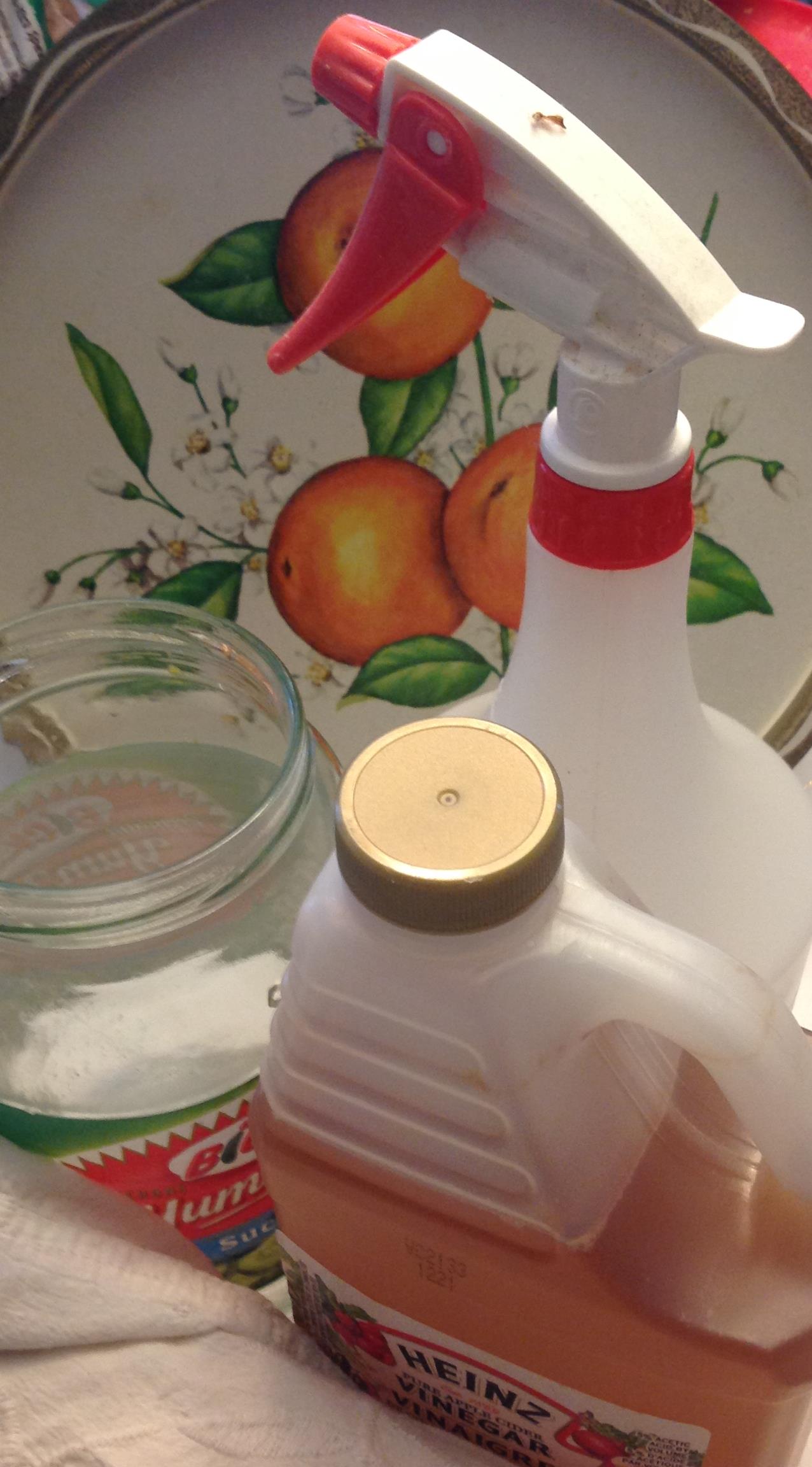
materials for my onion skin dyeing project – the platter is so you cannot see my messy kitchen …
~

all I can say is ‘yum’ …
~
If you hear of a smelly house for sale in rural New Brunswick, you will know something went terribly wrong. I will show you the results, as well as the poem this generates, in about a month’s time …
~

detail of the machine embroidery on my cotton shirt
~
Copyright 2014 Jane Tims




 nichepoetryandprose