crossing the river
In New Brunswick, the Saint John River watershed accounts for more than one-third of the province. It is a majestic river, almost 700 kilometers long, beginning in Maine and Quebec as small tributaries and gradually gaining in width and volume as it flows towards the Bay of Fundy.
One of the best things about living near the Saint John River is its cable ferries.

There are several bridges, of course, but no means of transport across the Saint John River can compare with the mini-voyage experience of crossing the river on a summer day with the wind in your hair and the dazzle of water in your eyes. It is always interesting watching the ferryman packing the cars in like sardines on the busy days. There is usually some interesting local event posted on the bulletin board. And New Brunswick’s river ferries are free to ride!
In 1978, I made several trips on a ferry that was only in operation for a short time. This was the car ferry at Cambridge-Narrows on Washademoak Lake, part of Washademoak River, one of the large tributaries to the Saint John River. It operated for a few months after the covered bridge there was flattened in the Groundhog Gale of February 2, 1976. The new bridge was built shortly afterward in 1978 and only local people remember the ferry.
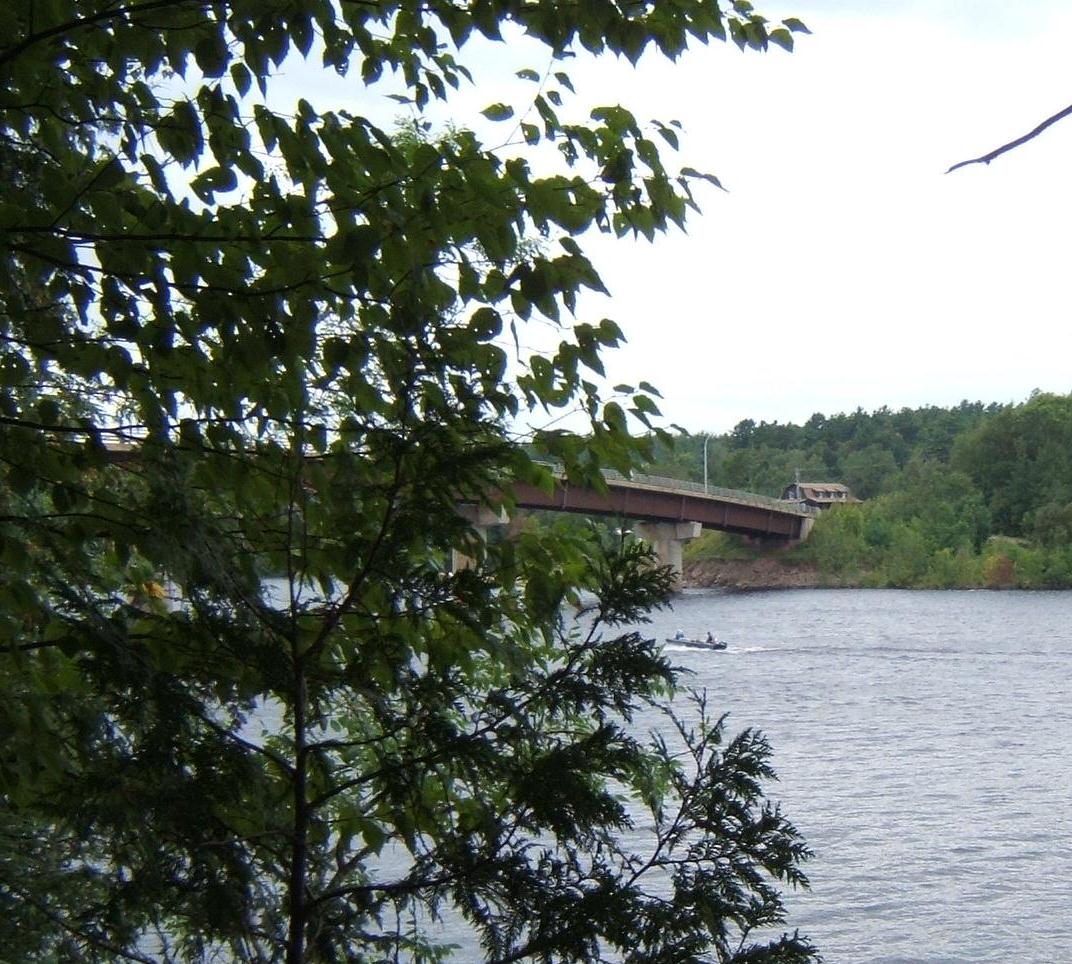
However, I remember the ferry at Cambridge-Narrows very well. I wrote the poem ‘Lights on the Lake’ one evening as I took the ferry across the Narrows and felt the peacefulness of the small community winding down from the summer season.
For a short history of Cambridge-Narrows and a photograph of the covered bridge after it was destroyed by the Groundhog Gale, see
http://www.imagine-action.ca/IAAppContent/274/BookletVII_Legacy%20of%20HistoryFinal.pdf
Lights on the Lake
~
1.
~
twilight
fairy bulbs on masts
sunset on sail
amber to trace
the ferry’s quiet crossing
~
dusk
leaded porch lights
propane glow
twin headlights
joust along the cottage road
~
darkness
strings of lantern
patio voices, clinking and laughter
fires on the beach
sparks stirred toward the sky
~
moonlight
waves flirt with stars
Aurora Borealis leaps
fireflies blink
brief messages of love
~
2.
~
comes an evening at summer’s end crowd and fireflies are gone night storms shuttered windows
darkened doors the charred remains of fires
on the shore
~
and through the trees a ruby gleam
a choir practices its song
~
© Jane Tims 1978
between the tides – sea glass
Walking on the beach at low tide creates a two-way competition for the eyes.
First there is the pull of the sea – the vistas of distant shores, islands, boats and buoys to contemplate, and the crash and retreat of the ocean waves…

Second is the compulsion to watch the beach as you walk, searching for shells and patterned rocks…

or the gem of beachcombers, sea glass…

When the tide comes in, we collectors come home from the sea, our pockets full of treasures we have found.

sea glass
~
tide turns
sea withdraws
we walk on the ocean floor
heads down
eyes conditioned to color
of sea glass translucence
of fog softened edges muffled
greens and bottle blues
rare ambers and reds
tide turns
ocean swells
glass and stone together
etched by sea
~
© Jane Tims 2011

cascade across the rock
Earlier this summer, in July, we visited Little Sheephouse Falls, northwest of Miramichi. The Falls are part of the watershed of the South Branch of the Big Sevogle River.
To see Little Sheephouse Falls requires a short hike through mixed woods. The trail to the Falls is very well maintained by the forest company who manages the area and was an easy walk in spite of my arthritic knees.
The woods were green with ferns and other woodland plants. My favourite of these was a little vine of Mitchella repens L. cascading across a lichened rock. Commonly known as Partidge-berry, Mitchella is a small vine with roundish opposite leaves, often found growing in shady, mossy woods. It has pinkish flowers and small red berries. The Flora I consulted says it is found where it can be free from the competition of more vigorous plants.

Mitchella repens growing across a rock in the woods
We did not go to the base of the falls, but kept to the trails navigating the escarpment. The falls are about 20 meters high, with a large pool and a cave at the base. They were a white torrent on the day we visited, making a rumbling thunder in striking contrast to the quiet woods.

Little Sheephouse Falls
Directions to Little Sheephouse Falls, and other waterfalls in New Brunswick, are contained at Nicholas Guitard’s website http://www.waterfallsnewbrunswick.ca and in his 2009 book Waterfalls of New Brunswick (see ‘books about natural spaces’).
Waterfalls are spaces to soothe the soul and inspire love for natural areas. They engage the senses… the sounds of the gurgling stream and the roar of the waterfall, the feel of cool, clean water, and the sight of water bubbling and boiling, following the contours of the landscape.
the three fates, spinning
~
1.
wound on the rock
mended by waterfall thread
~
2.
at last I touch
the water
real, wet water
(not a report or diagram
but the flavor feel and smell
of water)
~
it pours through my fingers
delivers to me
the mosses
the lichens
(the moth on the pin where she has always
wanted to be)
~
3.
the doe must feel this
as she crosses
the road-to-nowhere
when the birch and aspen enfold her
~
or the ant
as she maps the labyrinth
on the rotting morel
when she touches the ground
(blessed ground)
~
or the needles of white pine
when they find the note
split the wind into song
~
4.
the three fates
spinning
~
the waterfall
diverted by the rock
~
Published as: “the three fates, spinning”, The Antigonish Review 165, Spring 2011.
(revised)
© Jane Tims

needles of white pine...split the wind into song
horizons
Landscape is a fundamental driver in our lives. The spaces around us shape our experiences, our thoughts and our perspectives.
I was born and raised on the Alberta prairie. Although I love the woods and hills where I now live, I think my eyes are never satisfied when they seek the horizon.
When we drove across Canada in 2002, my husband, who was born in New Brunswick, was appreciative of the prairie landscape, but when we finally turned toward home, he was glad, so glad, to see the trees.
In southern Alberta, on the Trans-Canada Highway, we tried to measure the distance to the horizon. We took note of the oncoming lights and timed how long it took them to reach us on the road. One car, we estimated, was 17 kilometers away when we first saw it on the prairie horizon! On the Trans-Canada in New Brunswick, we rarely see cars more than 2 or 3 kilometers distant.
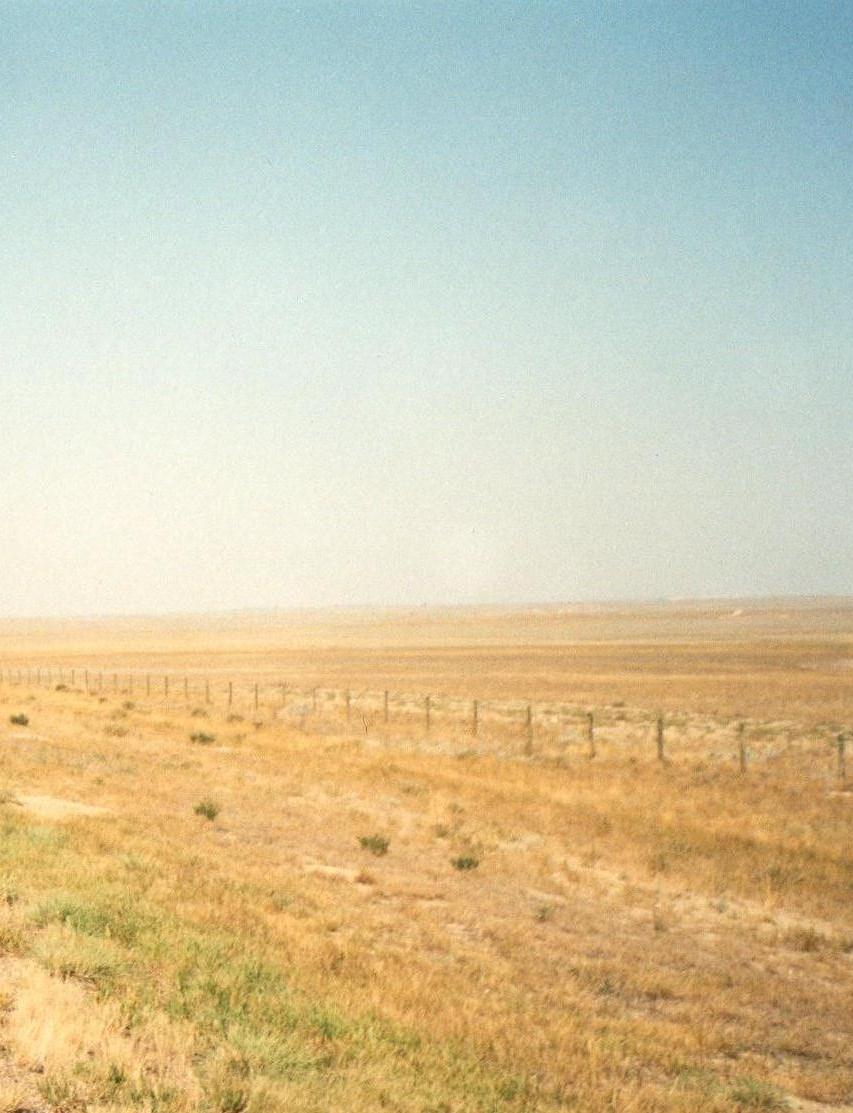
the prairie horizon of southern Alberta (2002)
What was the landscape of your childhood? Do you live in a different landscape now? How are these landscapes different and how are you different in each?
a longing for prairie
~
1.
what subtle psychoses
plague women
who grow on the prairie
and leave
to die in the forest
2.
memories a few words long
the chinook coulees at sunset the odd red of prairie mallow grasshoppers without aim
spears of foxgrass gophers beside their burrows willows by the slough
the rattle of the Texan Gate the tarnished dry of August
I want to run on the prairie
3.
I narrow my eyes at the ditches
imagine the weeds tumbling
to cover the forest with shortgrass
and sedges
the clearcut
and the barrens of blueberry
have the lie
but not the essence of prairie
4.
piled by the roadside
nine bales of hay
burst from the baler twine
left to the rain
piled three high into landscape
mountains, foothills, flatland
this last has sprouted me prairie
5.
trees form a tunnel
shut out the spaces around me
some days I can’t summon the words
the hay and the corn fields are all I have
and the hayfield shows the tines of the tiller
deep into summer
~
Published as: ‘a longing for prairie’, Whetstone Spring 1997
(revised)
© Jane Tims

a glimpse of prairie landscape in New Brunswick ... just a glimpse
defining our spaces
Fences have always been my favourite type of human architecture. I like them because they are a place to sit and observe the landscape.
The reasons for building fences are varied. They mark the boundaries between properties, keep domestic and other animals in or out, create a visual edge to property, prevent uncontrolled movement of vehicles, provide privacy, and so on. Did I mention they are also fine places to sit?
Types of fences are as varied as the reasons for building them.
On our vacation to Maine, we encountered some unfamiliar types, although I have seen examples of these in New Brunswick. The fences I liked the best were made of stone, sometimes so much a part of the local landscape they could have been natural, not human-made…

poles and sturdy metal cable…

wood with mortise and tenon…
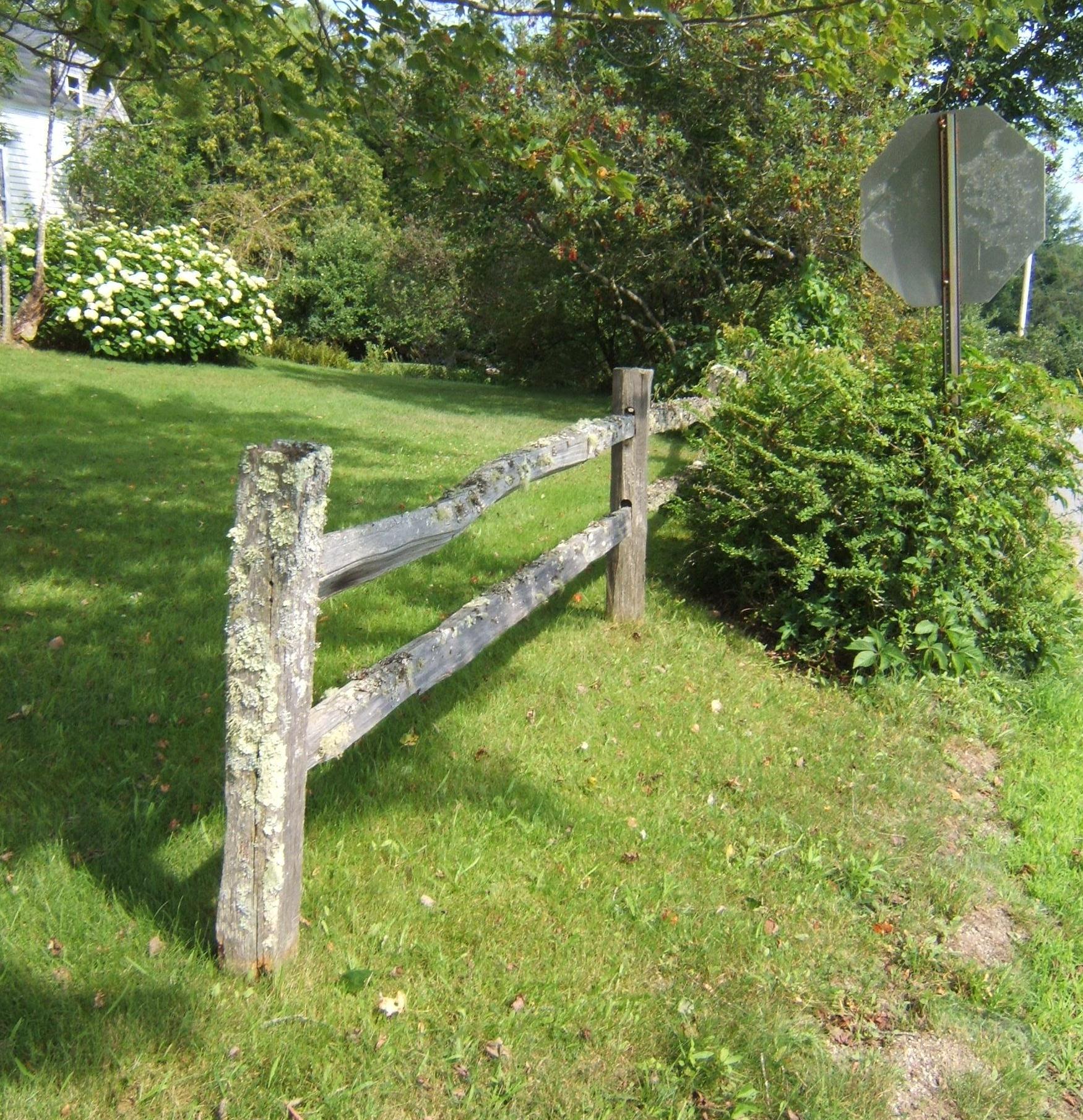
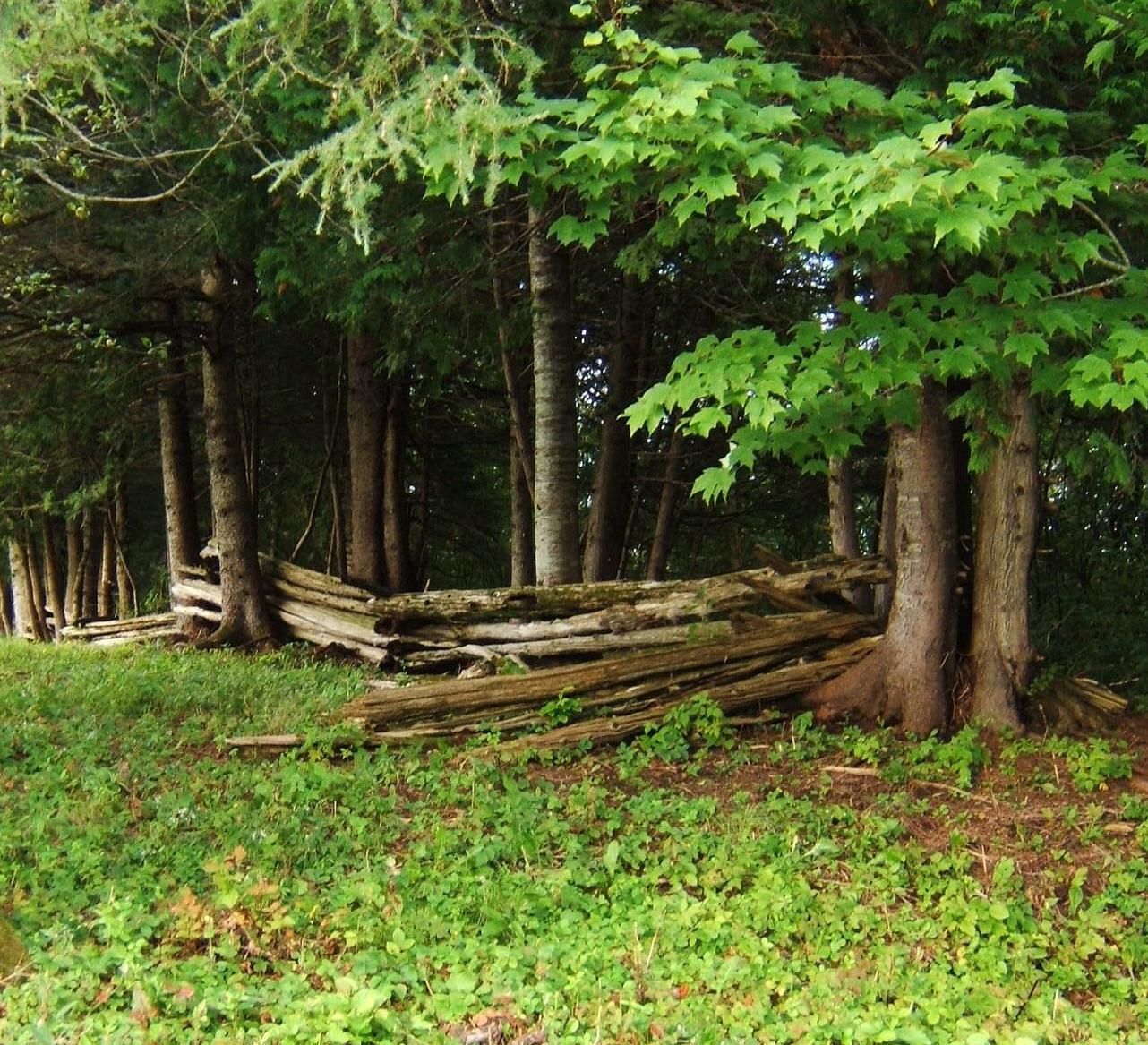
In New Brunswick, a familiar traditional fence is made with cedar, the rails fitted together in a zigzag…
Stone fences, put together with mortar, are common around churchyards…

Farm fences are usually of the post and wire type…

My favourite fence is the type my husband builds, a modern version of the traditional cedar rail fence, held together by gravity and no nails…

lethargy
~
on the breathing side
of the window
beyond the curtain
limply lifted
is a pleasant day
a dandelioned field
a sloe-eyed cow
sumac leaning on the fence
a weary hitch-hiker beside
a carless road
~
reminds me
of a basket of patches
a quilt to assemble
hems to stitch
perennials to weed
letters to crumple
and stars to count
in a cinnamon
and saccharine
apple-crumble
sky
~
more to do
than prop one arm
on the window sill
and lift the muslin
barely higher
than the hitch-hiker’s
wilted shoulders
unslung pack
or knee-supported head
~
© Jane Tims 2010
inside the covered bridge
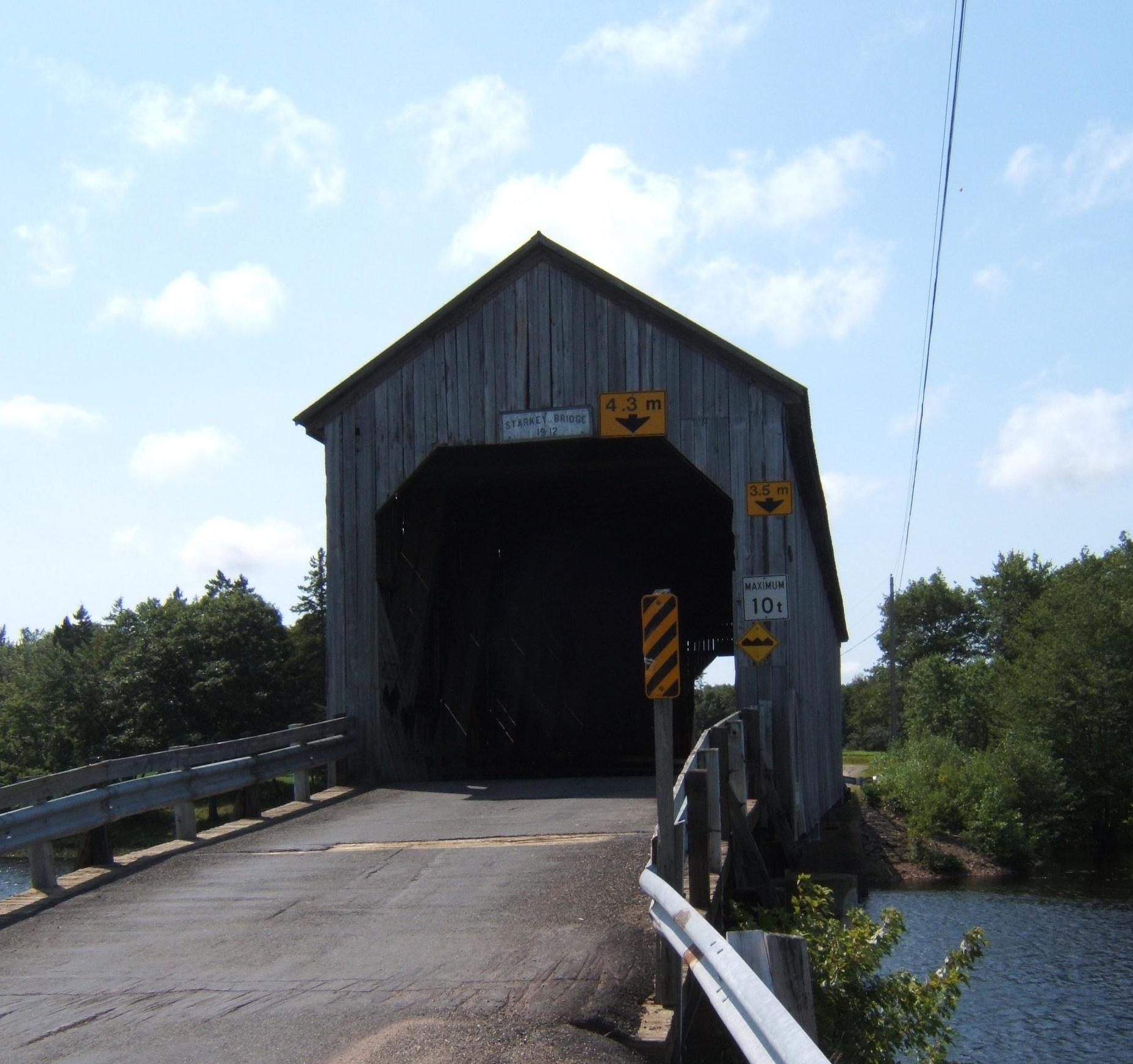
the Starkey Bridge over Long Creek
One of New Brunswick’s ‘claims to fame’ is its covered bridges. A covered bridge is a bridge constructed with high sides and a roof, made to cope with winter snow loads. The covered bridge was designed to be easier to cross in winter. Also, these bridges don’t have to be shovelled free of snow after storms.
There are 60 covered bridges in New Brunswick, one less after the Mangrum Bridge, crossing the Becaguimec River, was destroyed by vandals earlier this month. Communities really love their covered bridges and try to keep them safe by holding watches at Halloween and other times of the year. It is a huge disappointment to anticipate driving across a covered bridge you have visited in the past, only to find it has been burnt and replaced with a metal Bailey Bridge.
Visiting covered bridges is a favourite pastime for many New Brunswickers. On a hot day, the bridges are cool inside and there are usually open ‘windows’ to encourage breezes and allow a view of the river. When a car drives through the bridge, the whole structure vibrates and the car tires make a deep-toned rumble. The floor timbers in a covered bridge are pleasant to walk on and the rafters make interesting study for the carvings and writings people have left as mementos of their visits.
In 1992, my husband and son and I began a project to celebrate Canada’s 125thbirthday. We intended to visit all the covered bridges in the province and make a record of the carvings and graffiti inside each bridge.

we promised to include the ‘Canada 125’ logo whenever we reported on our project, so here it is!
We explored many of the bridges, and made pencil rubbings of some of the more memorable carvings. I particularly remember the girl’s name ‘Phoebe’ carved in elegant lettering in the Wheaton Bridge (bridge installed 1916) over the Tantramar River, and a carving of an old car and the date 1910 in the Maxwell Crossing Bridge over the Dennis Stream (bridge installed 1910).

some of the notations in our record for the Maxwell Crossing Bridge over the Dennis Stream
Other markings were also noteworthy. Inside the Falls Brook Bridge at Nortondale over the Nackawic River were the following words in India ink: ‘Ptarmigan Hunter Ray Brown May 12th 1896 Horse had bad leg”. An expert birder in the area told me Ptarmigan have never been recorded in New Brunswick and this could be a valid record.
Another bit of graffiti I particularly liked were the words I AM THE WIND, printed in yellow in at least three of the bridges in Charlotte County, including the covered bridge on Stillwater Road over the Digedeguash River. This bridge is now gone and a Bailey Bridge was in its place the last time we visited.
I am the wind
~
I am the wind
of the Digedeguash
shaped by valley walls
~
I race trout
lift ferns
blow quick kisses
under the wings of butterflies
~
I am the wind
spoken in the beams
of the covered bridge
slipped into space
between
boards
I rattle the roof, the reeds
vibrate with my breath
~
I am the wind
from the County line
to the Passamaquoddy Bay
I race
~
refreshed by the waterfall, salted
by the rising tide
~
carve my name
on the boards, block
my name in yellow
chalk
~
I am the wind
~
Published as: ‘I am the Wind’, Spring 1995, The Cormorant XI (2)
(revised)
© Jane Tims
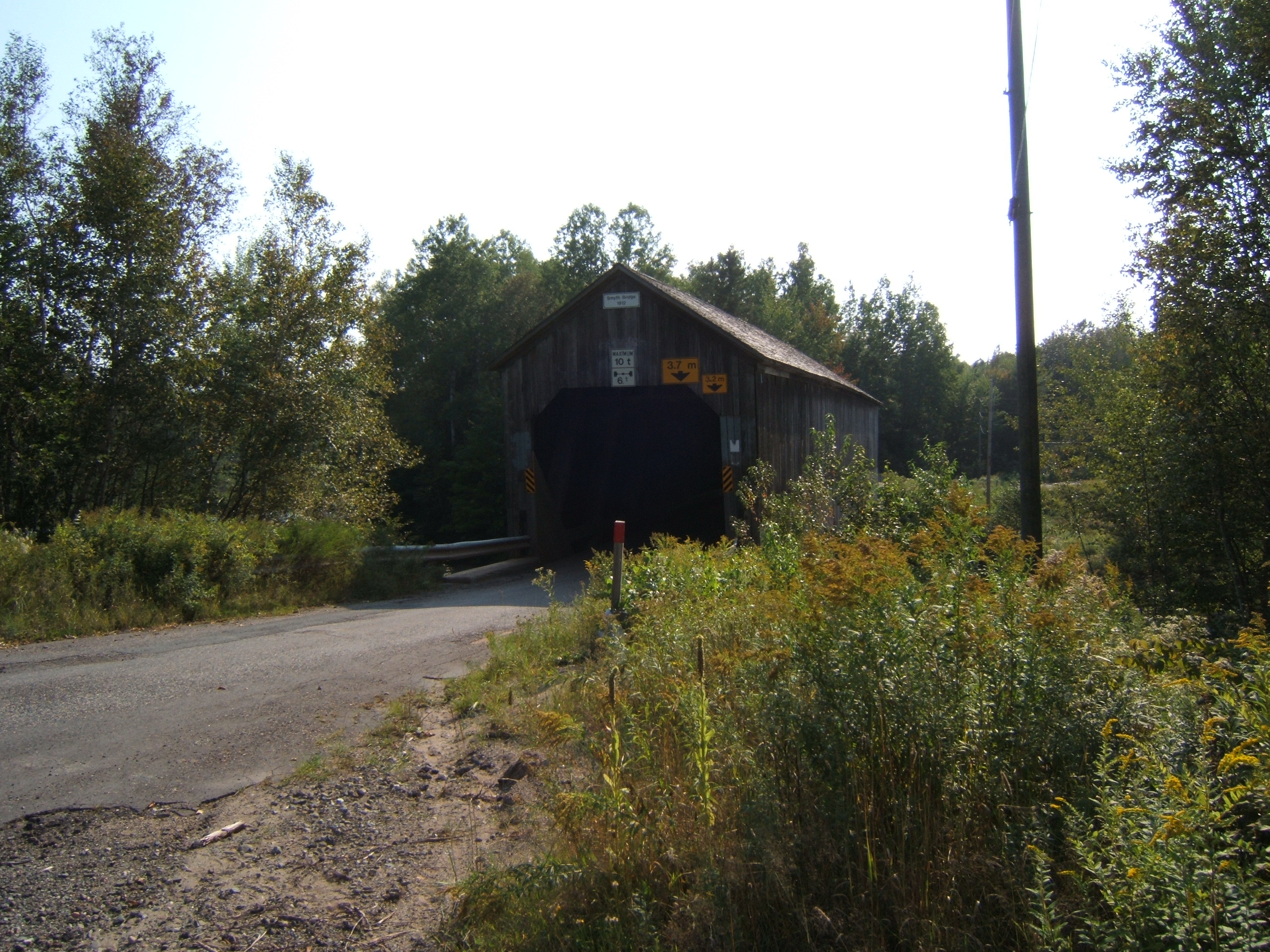
Smyth Bridge, crossing a small tributary of the South Oromocto River
holding on to our space
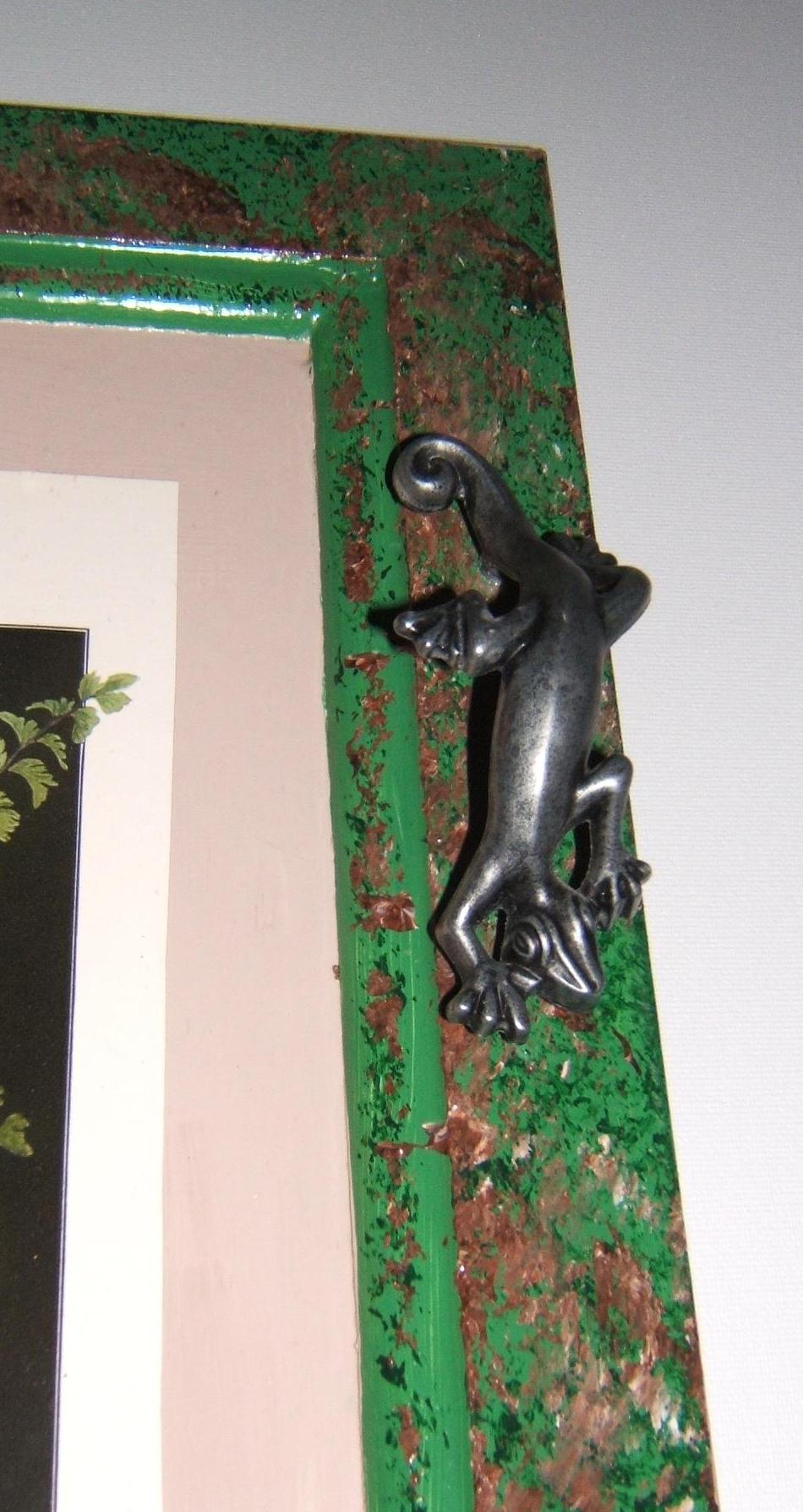
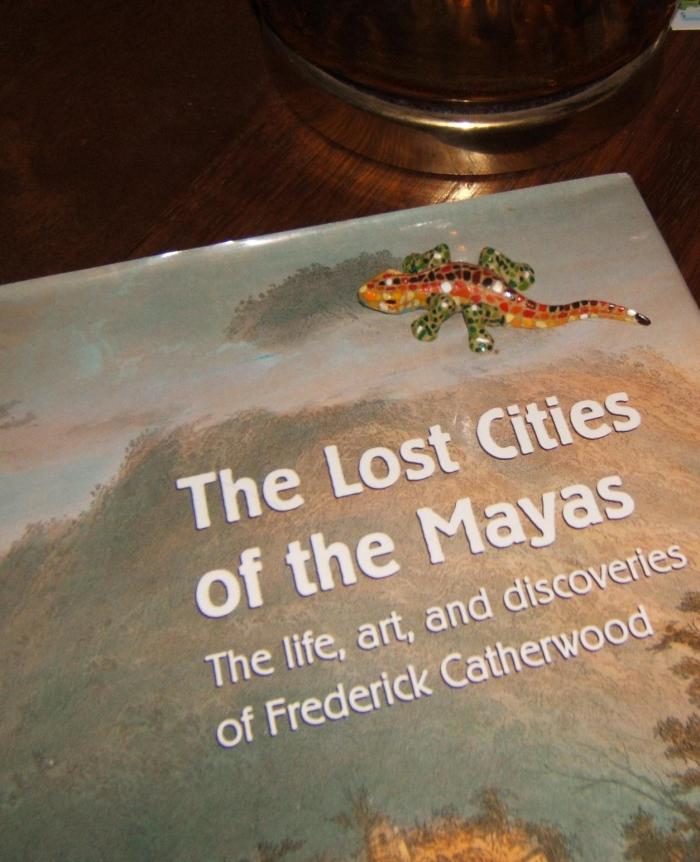
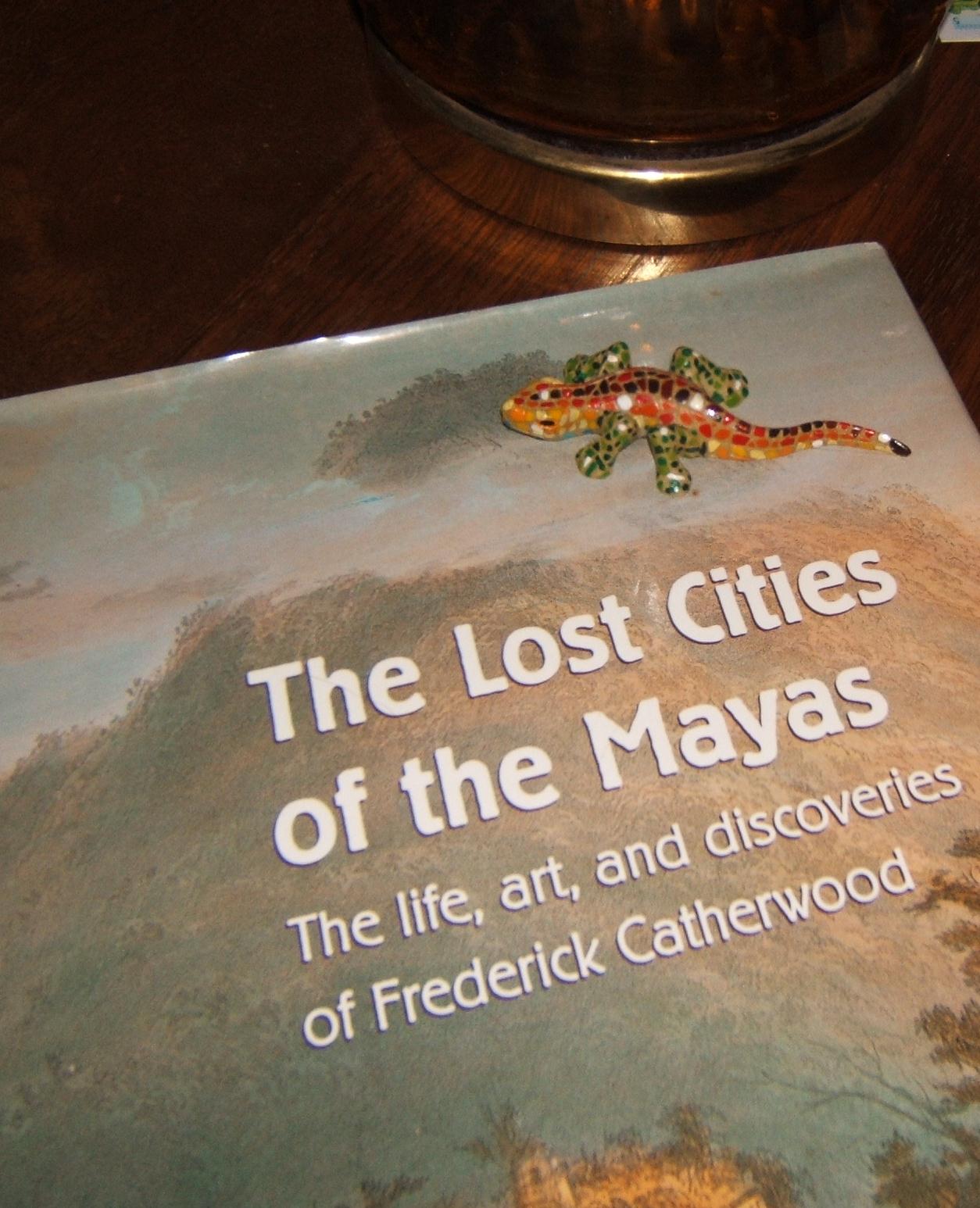
We are in a competition for space. A population of geckos has moved into our house. They are everywhere:
on the wall…
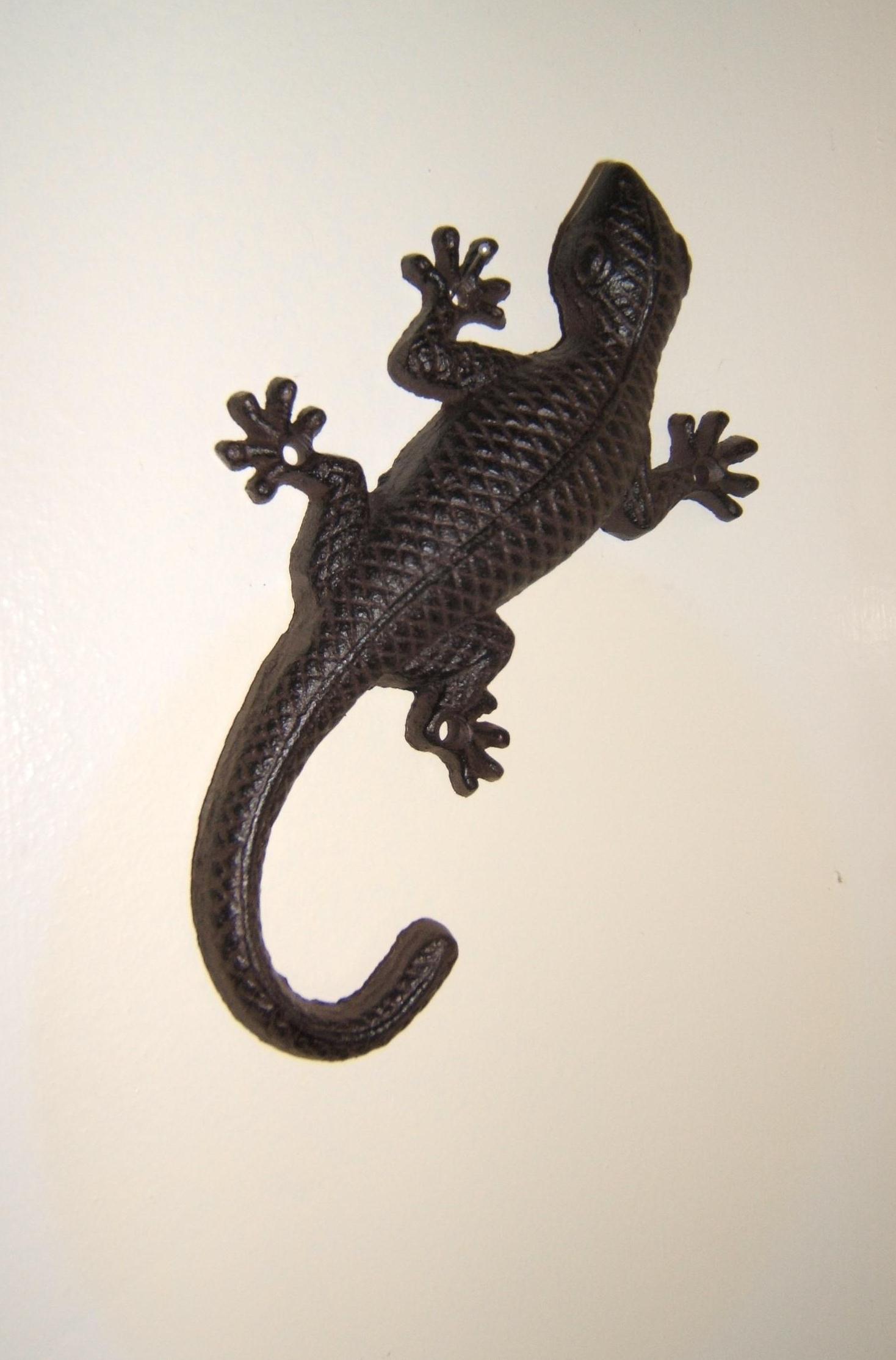
under the cupboard in the kitchen…

on the post in our stairway…
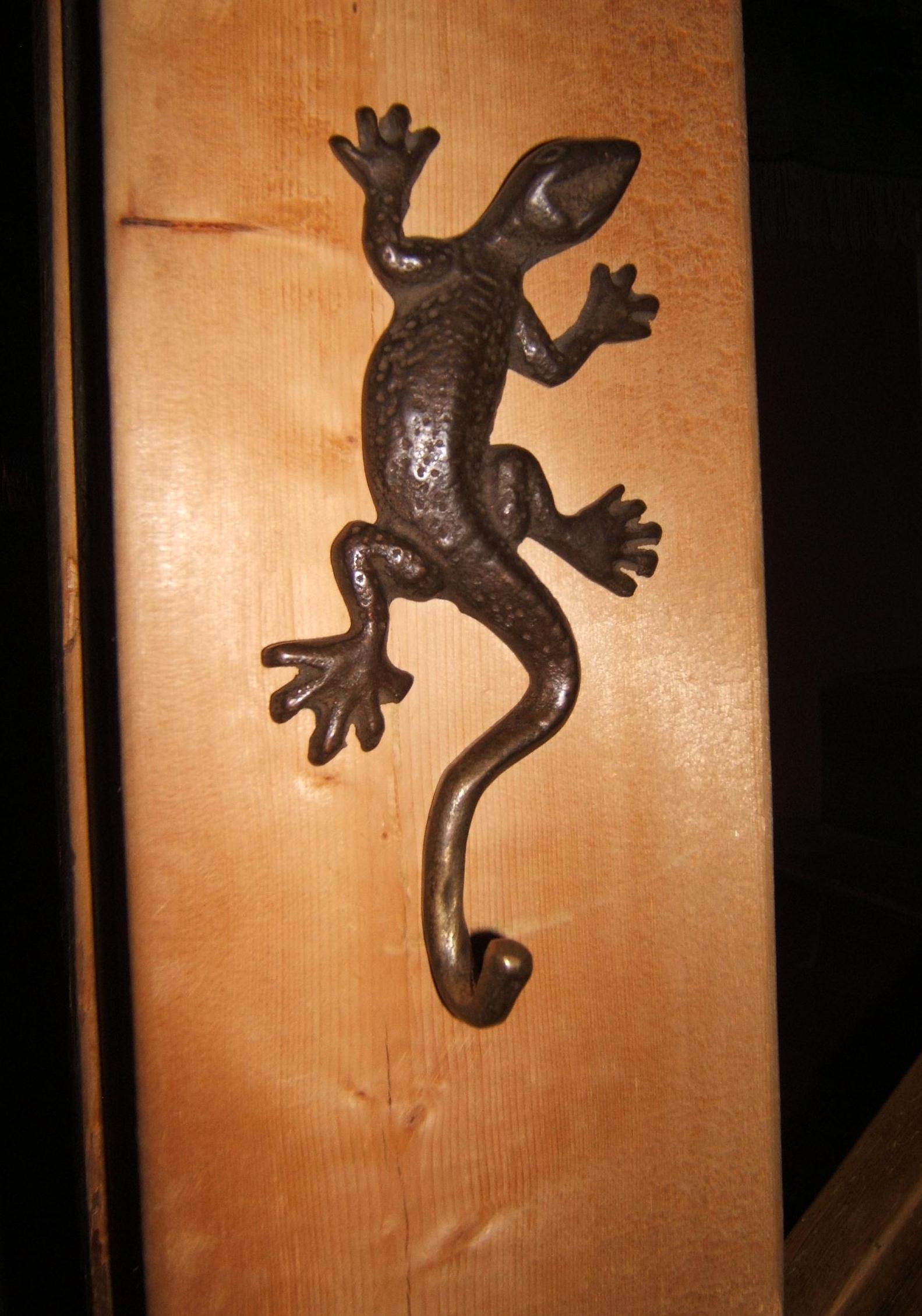
climbing down our picture frames…
on the books in my study…
- this little fellow came all the way from Barcelona in Spain
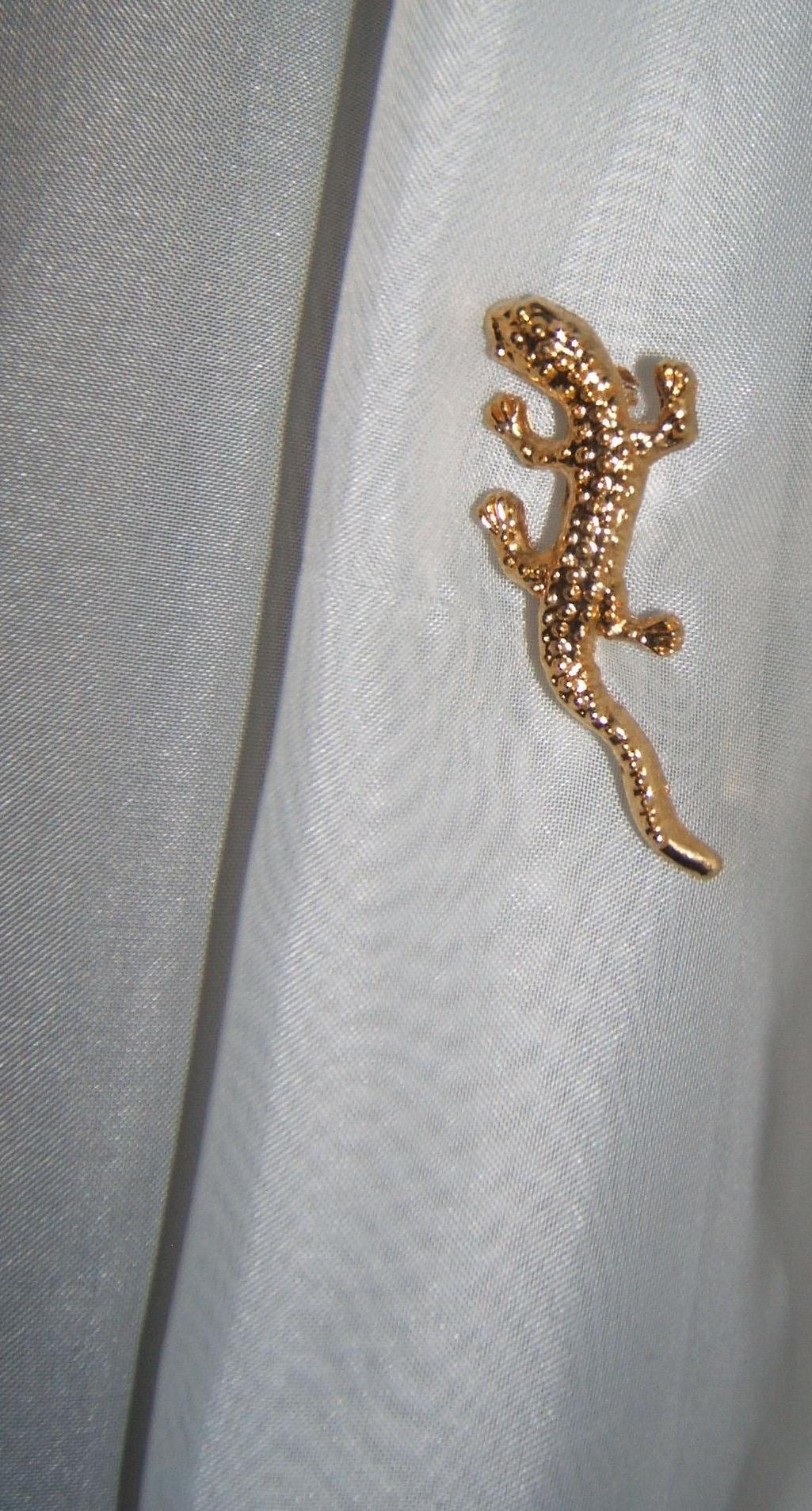
holding on
~
flex knee
reach
determined to stick
~
one foot on wall
will the molecular bond
to adhere
~
reluctant release
of rear foot
now dedicated to
surface past
~
flex knee
reach
~
© Jane Tims 2011
landscape
landscape: inland scenery (Oxford dictionary)
When I see the beaches and headlands of coastal New Brunswick…
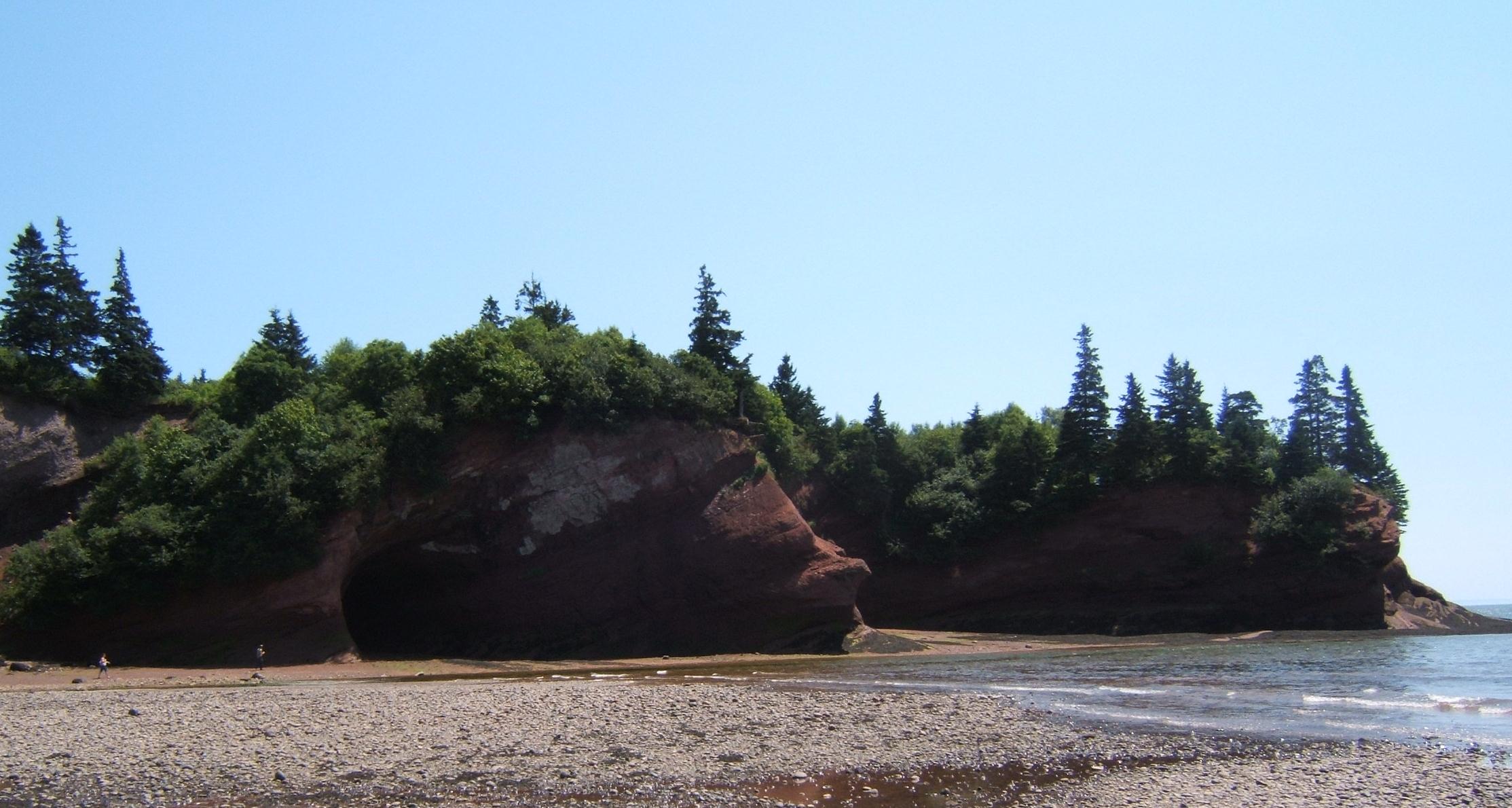
Saint Martins, New Brunswick
or the flatland and grasses of the western Canadian prairie…

prairie in southern Saskatchewan.. a dust storm on a salt lake bed
… I know landscape influences my life.
I also know my life has a landscape of its own, with hills and valleys, places to celebrate and places to hide, paths and roads moving ever forward. When I take the time to be aware of my landscape, to notice the detail and understand nature, I experience the best life has to offer.
landscape
~
a veil
draped across
bones of the earth
pointed tents
supported by forest
and the bent stems of grasses
soft settles in pockets
lichens and mosses
~
beneath the veil
texture
the ways I follow
quick or crawl
hollows elevations
clear eyes
or sorrow
~
the only way to understand
form follows function follows form
is repeated observation
lay myself on the landscape
allow my bones to conform
feel its nuance
~
see a field of grasses
see also awns and panicles and glumes
~
© Jane Tims, 2011

the parts of a grass plant (from Roland and Smith, 1969, page 68)
under the haystack
In our area, late summer is haymaking time. During the past two weeks, almost every field has been at some stage of mowing, bailing, or gathering. Farmers tried to bring their hay in before the August 28 tropical storm (Hurricane Irene), so most fields are now cut and cleared.
Haymaking is a picturesque activity. The cut hay is formed into parallel windrows in the fields, an artist’s lesson in perspective. The cutting and bailing and drying of hay are all fascinating to watch.
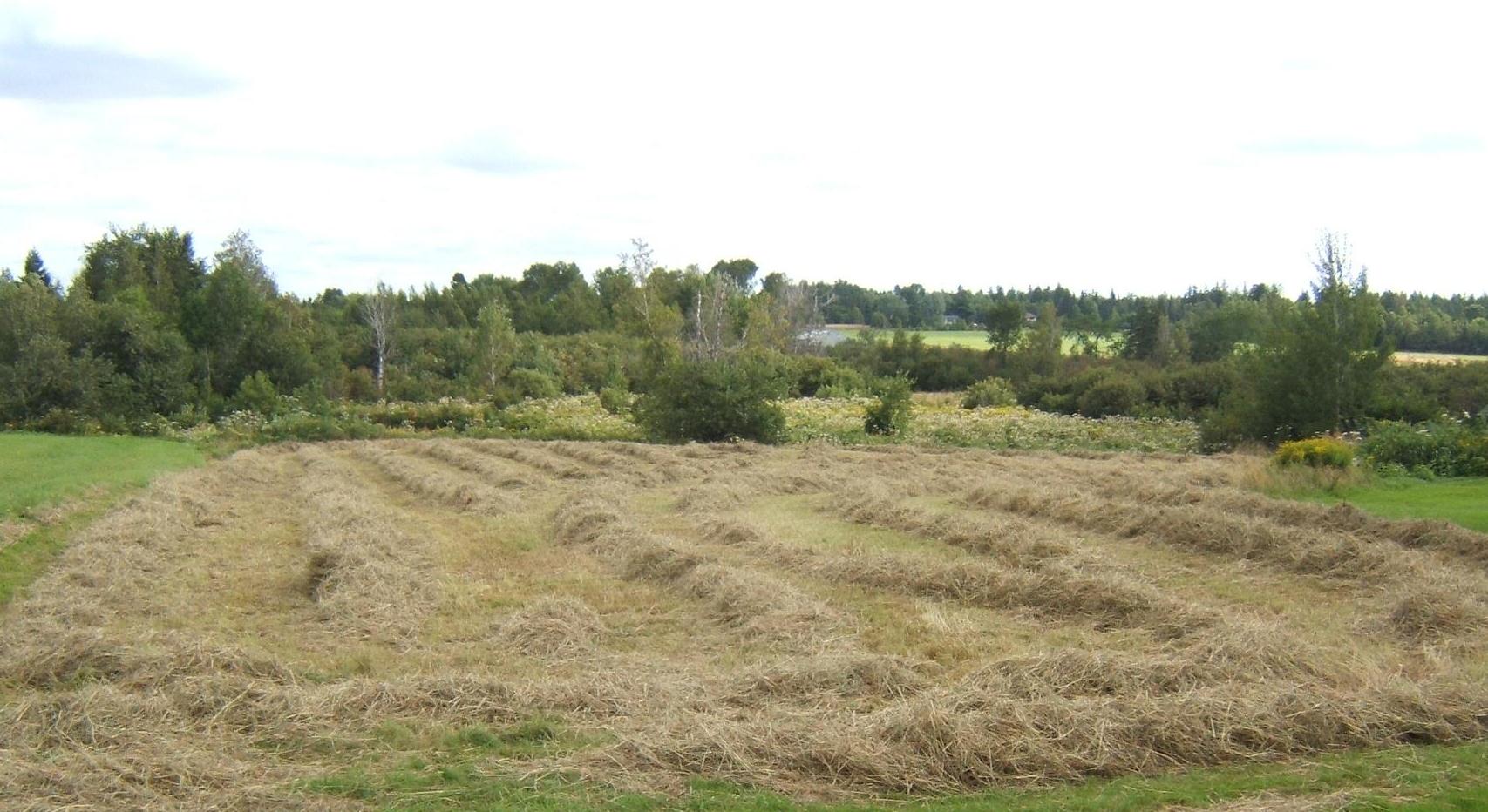
In the 1960s, at my grandfather’s farm, hay was gathered loose into a horse-drawn hay wagon and stored unbailed in the barn. One summer, I was thrilled to be asked to help ‘tramp hay’. As the fluffy hay was forked into the wagon, our work was to compress it by rolling and stomping and jumping.
Haying methods have changed, of course. Collecting loose hay is almost non-existent. Even the smaller square bails are hard to find. The most common are the cylindrical ‘round’ bails or the white plastic-wrapped silage bails.
The round bails look like plump shredded wheat…

and the silage bails are giant marshmallows.
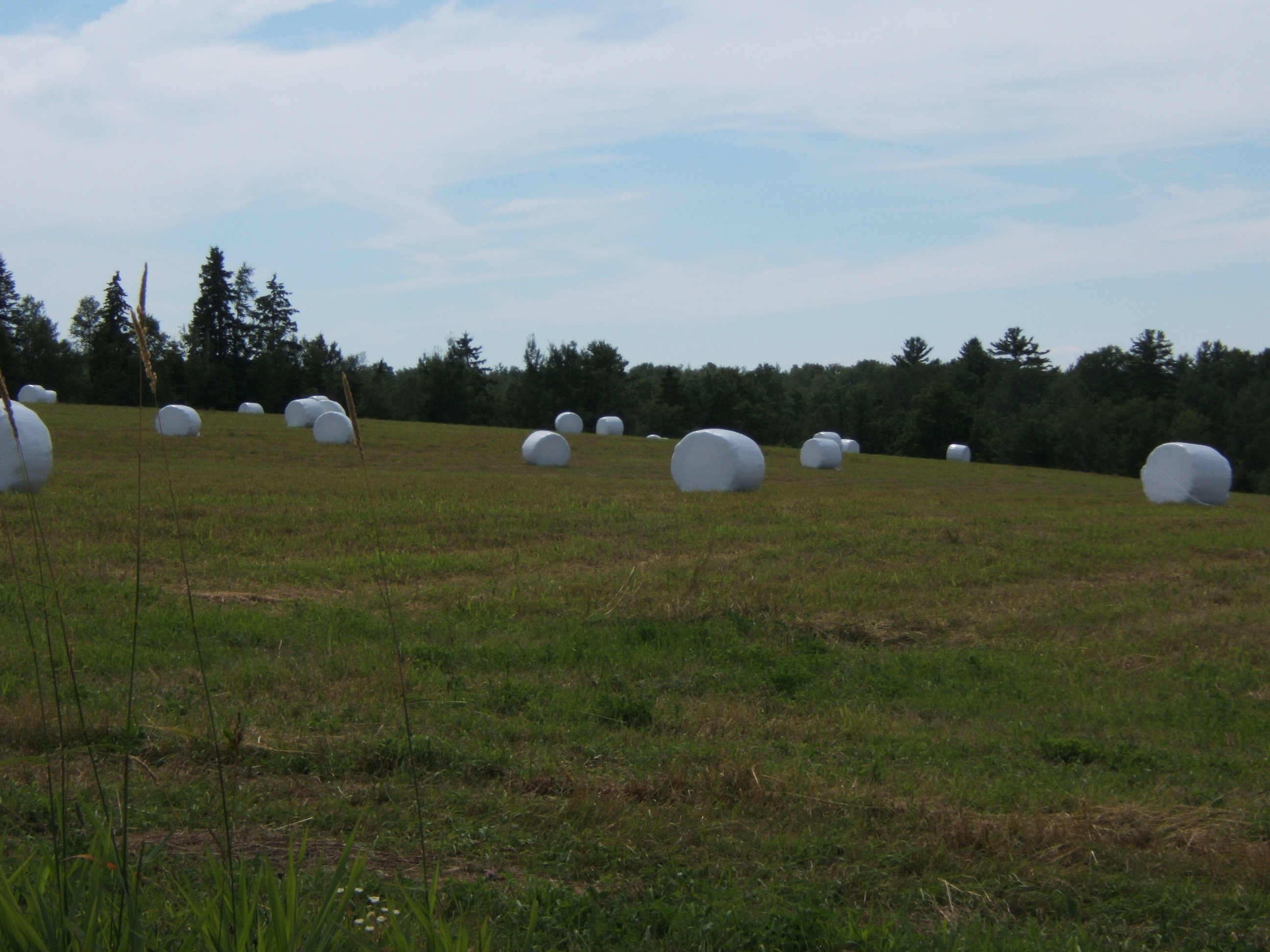
At sunset, the shadows of the round bails make musical half notes on the fields.

'half notes'
Summer Song
~
Sunbury County
sings in its sleep
purple vetch
hop clover
bluegrass
at the roadside
~
hay in rows
a staff
empty of song
awaiting
round bails and their shadows
half notes for an oboe
~
honey bee
ditty in the pink and red-hipped
old fashioned roses
bid country roads
enter the covered bridge
glimpses between planking
rock music on the water
tires drum on loose boards
~
deer look up
cattle low in the meadow
owl to whitethroat
counterpoint
goldenrod pollens the air
rushes by the Rusagonis River
north and south
~
over Sunpoke
big moon crescendo
~
trembles of aspen
diminish
~
Published as: Spring 1995, “Summer Song”, The Cormorant XI (2)
(revised)
© Jane Tims
along the country road #6
How are the giant statue of a Canada goose at WAWA, Ontario, and the roadside plant White Clover associated? Read on…
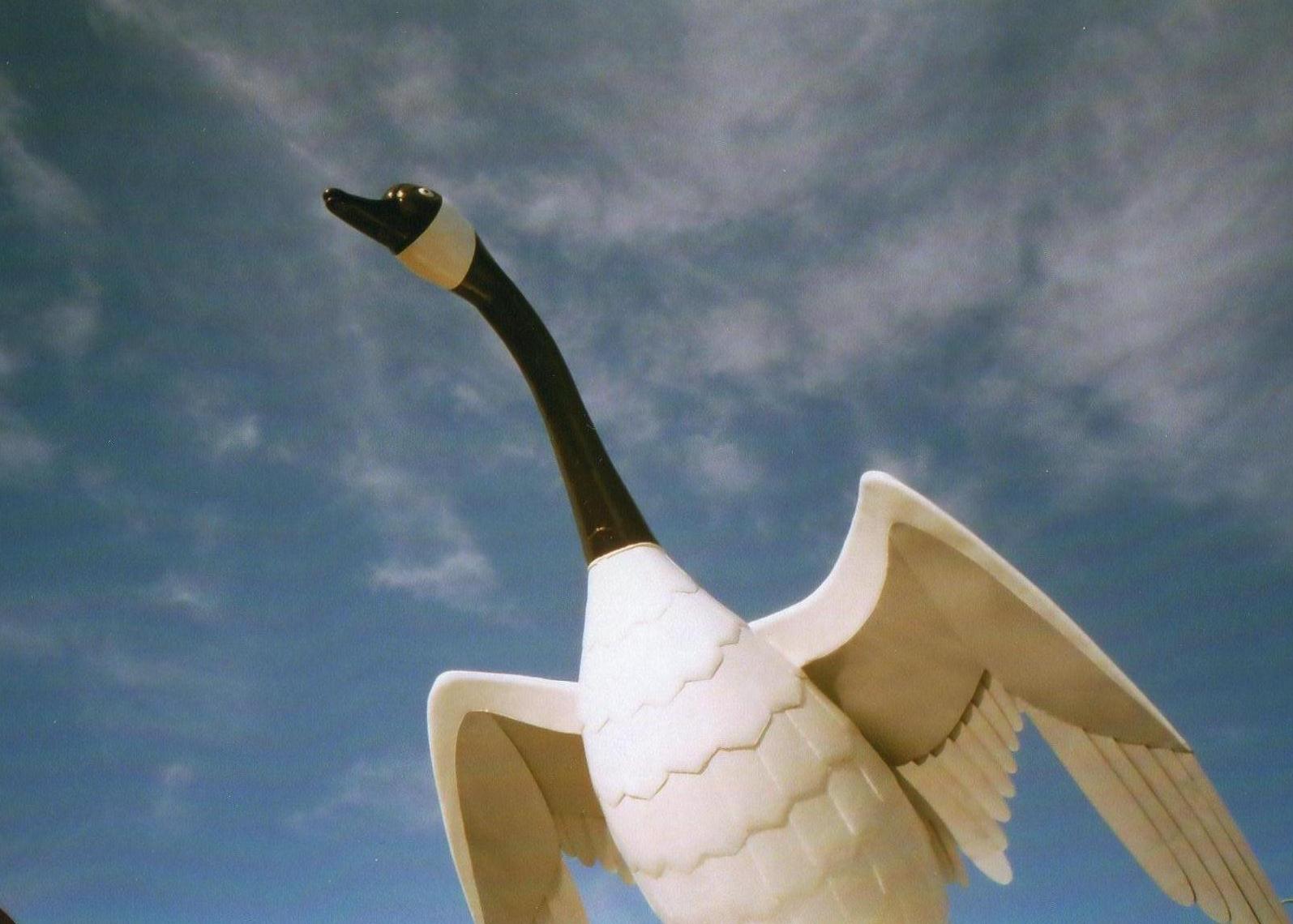
the giant statue of a Canada goose at Wawa, Ontario
White Clover is a common perennial herb of fields, lawns and roadsides. The plant is also called White Clover or, in French, trèfle blanc. Flowers are borne in globular heads, pure white or tinged with pink. The name Trifolium is from tres meaning three and folium meaning leaf. Repens means creeping, a reference to the long, prostrate stems.
The leaves of clover are in threes, palmately compound, and are occasionally found in fours. According to superstition, finding a four-leaved clover gives good luck to the finder. In the 1960’s, my Dad found a five-leaved clover in the grassy field in front of the giant statue of the Canada goose at WAWA, Ontario.
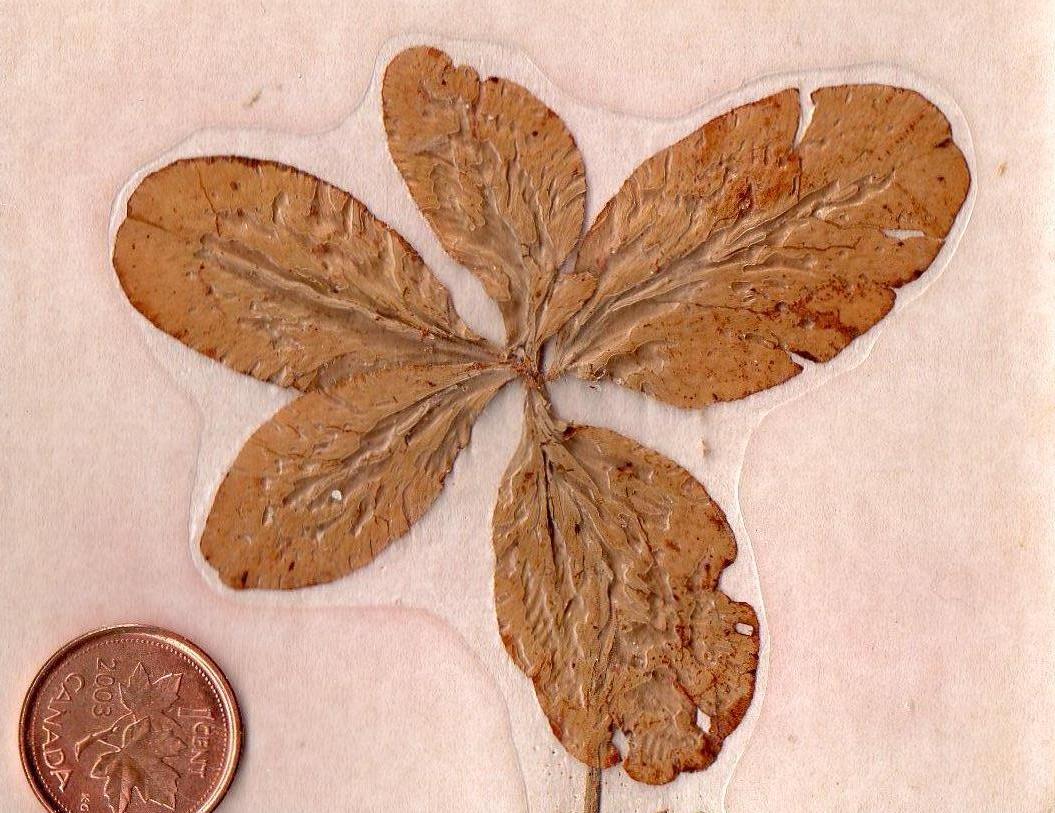
the five-leaved clover my Dad found on the lawn in front of the Canada goose at Wawa almost 45 years ago
Dad pressed the leaves and covered them in a laminating film. The pressed plant is still among my treasures.
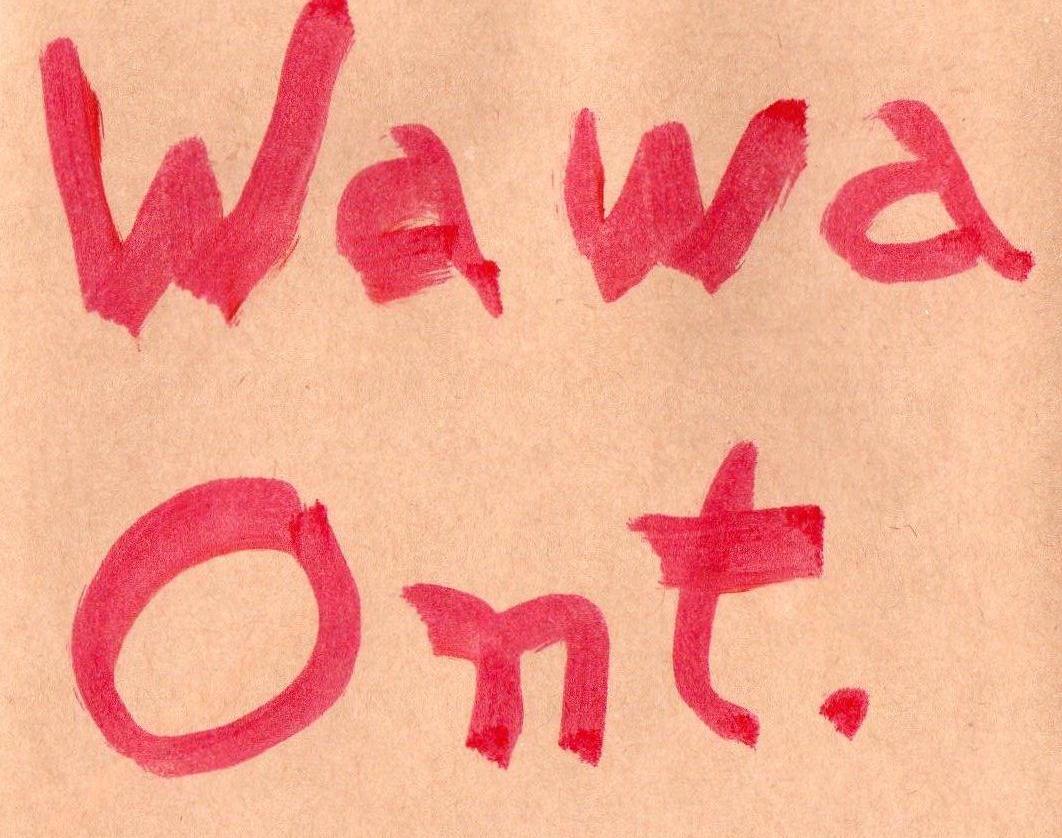
the reverse side of the specimen of five-leaved clover, with my Dad’s printing
We returned in 2002 and searched, but the three-leaved variety was all we found.
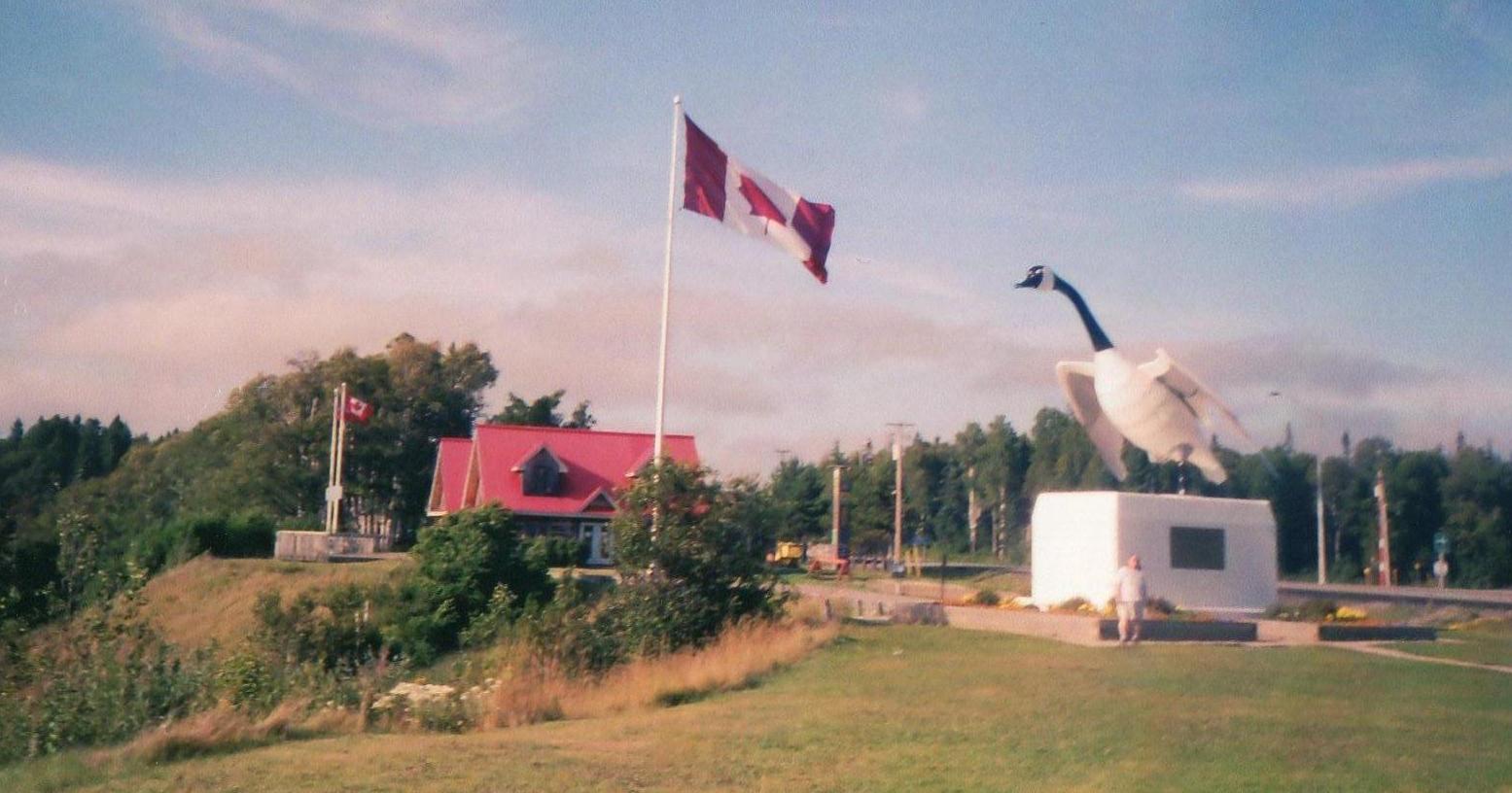
we searched in 2002, but I think the lawn had been replaced
Clover is a useful plant. It ‘fixes nitrogen’, meaning it takes nitrogen from the atmosphere and introduces it into the soil as it grows. The flowers are a source of honey for bees, and I’ve tasted honey made from an infusion of clover flowers. Dried leaves can be used for making tea.
Have you ever found a clover leaf with more than three leaflets? Did it bring you luck?
White Clover
Trifolium repens L.
(Three Leaves and Wishes)
~
only to lie
sweet dreaming in the clover
to pull blossoms
from long stems
toss soft snowballs
at blue-bottle flies
~
bees to visit me
florets for nectar
hair splashed on the clover
scented sweet honey
~
to search three leaves for four
creeping across the lawn
to the roadside
to roll in the fields
of white clover
trèfle blanc
blushing
~
Warning: 1. never eat any plant if you are not absolutely certain of the identification; 2. never eat any plant if you have personal sensitivities, including allergies, to certain plants or their derivatives; 3. never eat any plant unless you have checked several sources to verify the edibility of the plant.
© Jane Tims 2005




 nichepoetryandprose