Archive for the ‘myth and mystery’ Category
keeping watch for dragons #8 – campfire dragon
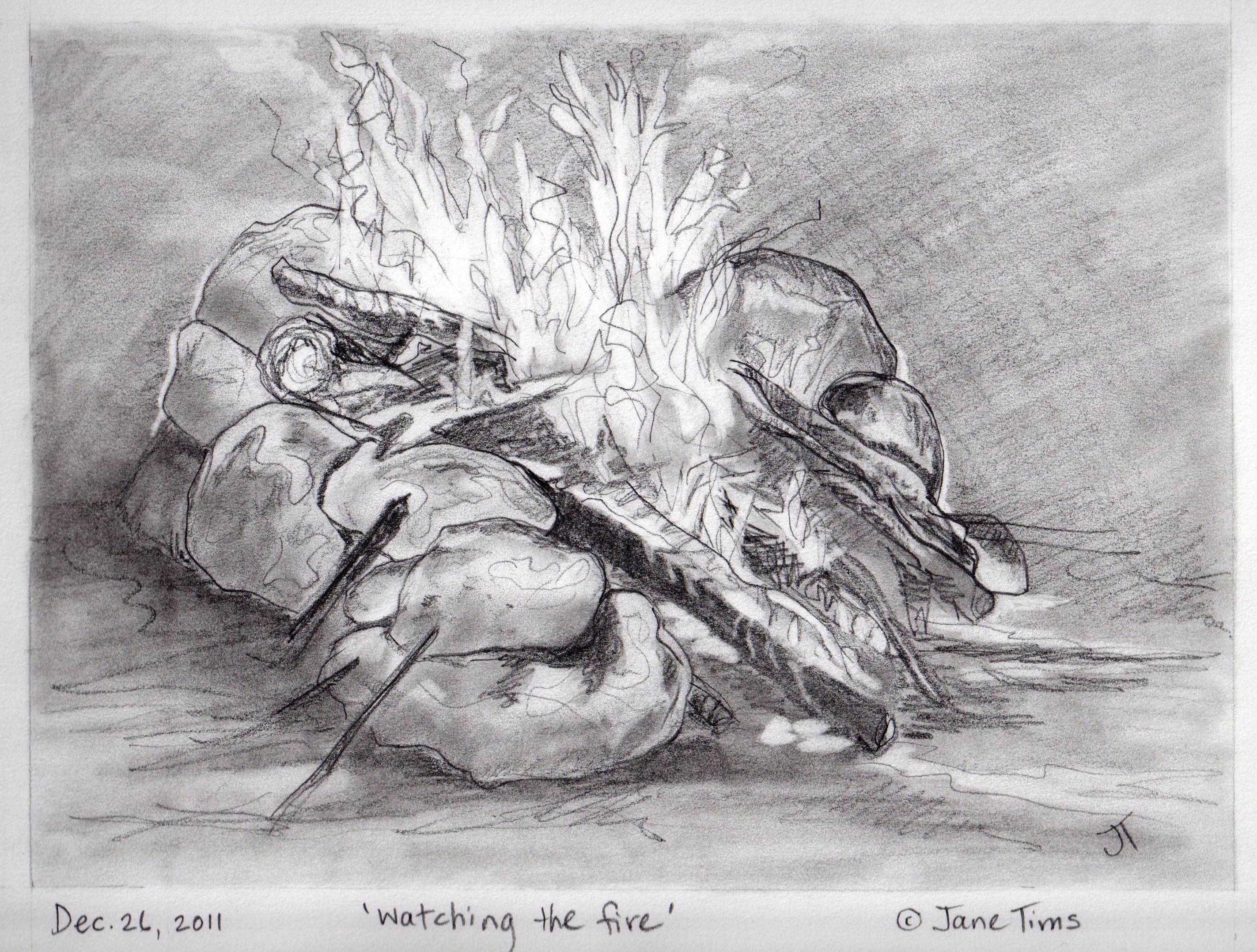
Late summer is the time for campfires. We have to be careful, of course, to make sure there is no risk of forest fire and campfires are permitted. But on an evening when the fire index hotline says OK, and we have a small stack of wood beside the fire pit and a bench for sitting, there is no better way to pass an evening.
Campfires are great places for telling stories. They are also good places to dream and remember. A campfire means getting smoke in your eyes, so the images can be a little blurry. You can watch the sparks lift from the fire and ascend into the dark night. The question is, are they also watching you … ?
~
~
campfire dragons
~
dragons prowl
in balsam
back crawl in amber
blisters of pitch
~
dragons lurk
under mantles of smoke
blacken the stones
spurt throatfuls of fire
~
dragons leap
to the Drago sky
watch us grow small
with sparking eyes
~
close their lids
and sleep in flight
~
~
© Jane Tims 1998
keeping watch for dragons #7 – Bog Dragon
Some dragons like to live in bogs.
When we were in Nova Scotia, near Peggy’s Cove, imagine my delight when I found, among the Pitcher-plants, a species of the orchid family, Arethusa (Arethusa bulbosa L.), also known as the Dragon’s Mouth Orchid.
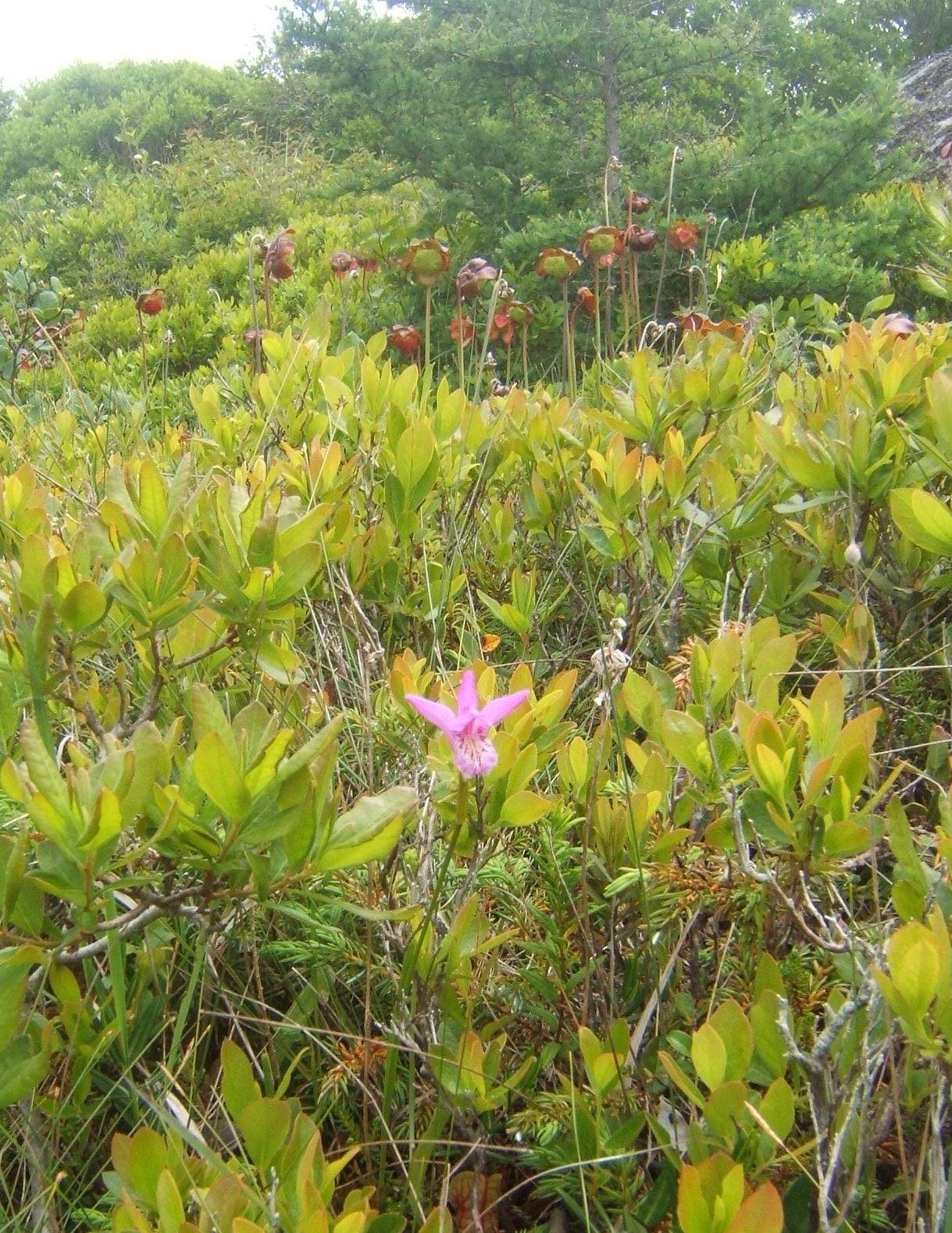
Arethusa loves wet, boggy conditions. Among the greens and reds of the low-lying bog, it surprises a visitor with its splash of pink. Even the Pitcher-plants in the photo above look a little over-come with the beauty of the Dragon’s Mouth!
This orchid has a complex flower, with three thin flaring upper petals, two in-turned petals guarding its ‘mouth’ and a lower lip with yellow and white fringed crests.

Arethusa is named after a Naiad in Greek mythology. The Naiads were nymphs associated with fresh water features such as springs, wells, fountains and brooks. Nymphs, like plants, were dependant on their habitat… if the water where they lived dried up, they perished.
Perhaps a Bog Dragon is also absolutely dependant on the water held within the bog!!!
~
~
Bog Dragon
Arethusa bulbosa L.
~
naiad
masquerades as dragon,
claps her hands across her mouth,
sorry to have spoken –
her voice, her pink, her petals
lure them,
their large feet and tugging hands
too near
~
~
© Jane Tims 2012
keeping watch for dragons #6 – Water Dragon
The last full week in May, we took a day to drive the Plaster Rock-Renous Highway. This is an isolated, but paved, stretch of road, called Highway 108, connecting the sides of the province through a large, unpopulated area. The highway runs from Plaster Rock in the west, to Renous in the east and traverses three counties, Victoria, York and Northumberland. It takes you across more than 200 km of wetland, hardwood, and mixed coniferous forest, some privately owned, and some Crown Land. A large part of the area has been clearcut, but the road also passes through some wilderness of the Plaster Rock-Renous Wildlife Management Area and the headwaters of some of our most beautiful rivers.
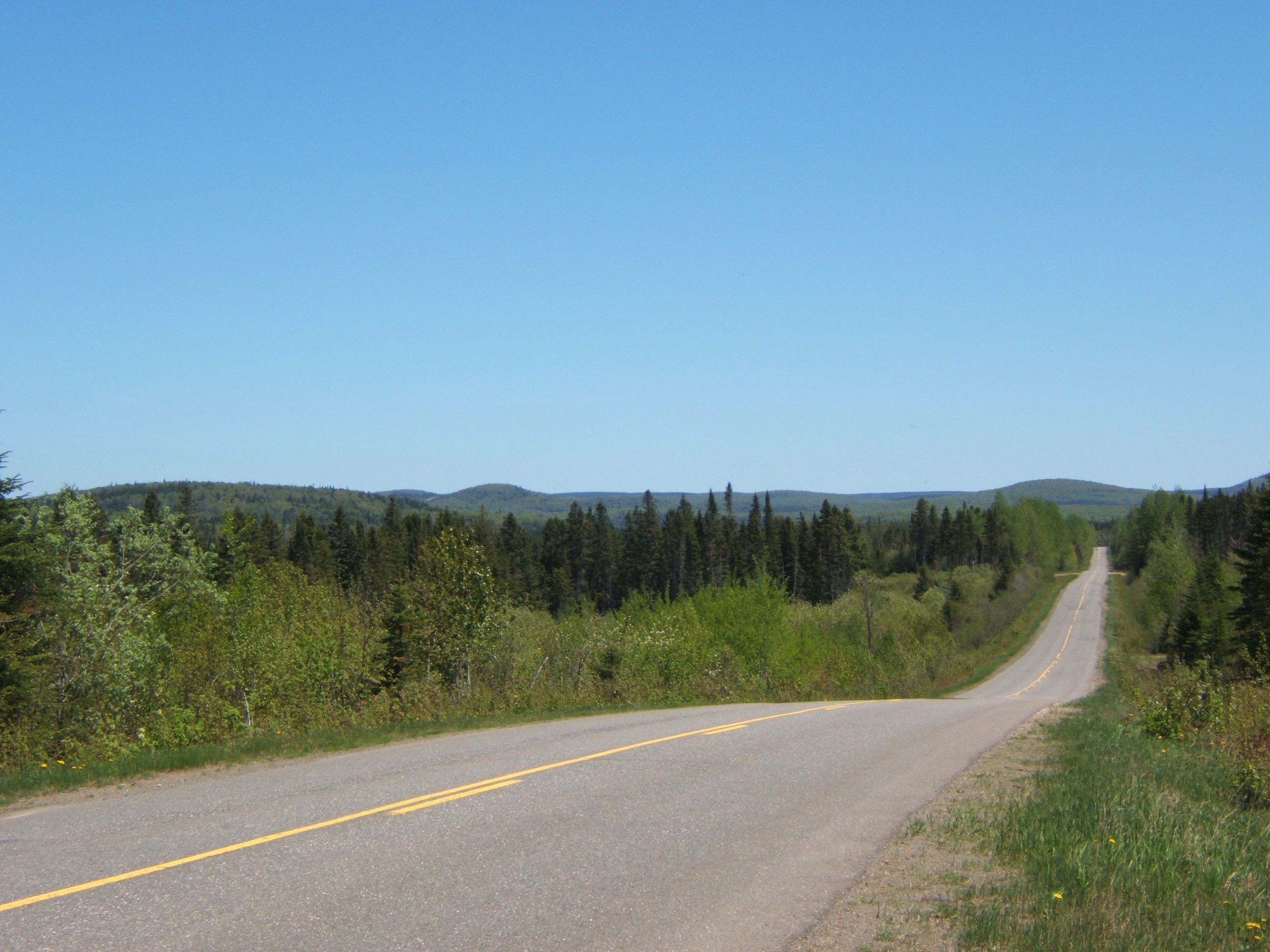
From the east, the highway first runs along the waters of the Tobique River, across the Divide Mountains, and into the drainage of the Miramichi River, crossing the Clearwater Brook, and running along the South Branch of the Dungarvon River and the South Branch Renous River.
Along the way, we stopped at a boggy pond next to the road between Clearwater Brook and the Dungarvon, to listen to the bull frogs croaking. There among the ericaceous vegetation filling most of the pond was a dragon for my collection.


look closely near the center of the photo… the single white spot is the spathe of a Wild Calla or Water Dragon
Water Dragon, more commonly known as Wild Calla or Water Arum, was present in the shallow, more open waters of the pond, appearing as startling white spots on an otherwise uniform backdrop of green and brown.
Wild Calla (Calla palustis L.) is also known as Female Dragons, Frog-cups, Swamp-Robin and, in French, calla des marais, arum d’eau, or aroïde d’eau. It lives in wet, cold bogs, or along the margins of ponds, lakes and streams.
The Wild Calla belongs to the Arum family, along with Jack-in-the-Pulpit (Arisaema Stewardsonii Britt.) and Skunk Cabbage (Symplocarpus foetidus (L.) Nutt.). These plants have tiny flowers along a thick spike known as a ‘spadix’. The spadix is enclosed by a leafy bract called the ‘spathe’. The spathe of Wild Calla is bright white, ovoid and abruptly narrow at the tip. The leaves are glossy green and heart-shaped. The flowers growing among them are often overlooked. On the pond, there were about ten visible spathes, and likely many more hidden among the plentiful leaves.
The various parts of the Wild Calla are considered poisonous since they contain crystals of calcium oxalate. These cause severe irritation of the mouth and throat if eaten. However, there is a twist to this story of a poisonous plant. Scandanavian people, in times of severe hardship, prepared flour for ‘Missen bread’ from the dried, ground, bruised, leached, and boiled seeds and roots of Wild Calla. Do I have to warn you not to try this at home!!!!????
Warning: 1. never eat any plant if you are not absolutely certain of the identification; 2. never eat any plant if you have personal sensitivities, including allergies, to certain plants or their derivatives; 3. never eat any plant unless you have checked several sources to verify the edibility of the plant.Linnaeus, the botanist who invented the binomial (Genus + Species) method of naming plants, described the laborious process the Swedish people used to remove the poisonous crystals from the Water Dragon in order to make flour. To read Linnaeus’ account, see Mrs. Campbell Overend, 1872, The Besieged City, and The Heroes of Sweden (William Oliphant and Co., Edinburgh), page 132 and notes (http://books.google.ca/books?id=IAsCAAAAQAAJ&pg=PA222&lpg=PA222&dq=missen+bread&source=bl&ots=ZO8cl_2nBl&sig=Gtr5Lq6PvG3DXV_l-kfECNuhWfo&hl=en&sa=X&ei=gGLFT-79B4OH6QG1m-nOCg&ved=0CC8Q6AEwAA#v=onepage&q=missen%20bread&f=false Accessed May 29, 2012).
~
~
~
desperate harvest
‘… they can be satisfied with bark-bread, or cakes made of the roots of water-dragon, which grows wild on the banks of the river…’
– Mrs Campbell Overend, 1872
~the pond beside the road
simmers, a kettle
of frog-croak and leather-leaf
~
spathes of Water Dragon
hug their lamposts, glow white
lure the desperate to the pond
~
bull-frog song deepens the shallows
the way voices lower when they speak
of trouble, of famine
~
people so hungry, harvest so poor
they wade in the mire
grind roots of Wild Calla for flour
~
needles to the tongue
burns to the throat
crystals of calcium oxalate, poison
~
worth the risk –
the drying,
the bruising,
the leaching,
the boil,
the painful test to know
if poison has been neutralized
~
the toughness of
the Missen bread
~
~
© Jane Tims 2012

keeping watch for dragons #5– river dragon
It’s like getting an old song stuck in your head… I am now seeing dragons… everywhere.
Yesturday, as I crossed the bridge on the way to my work, I saw the piers of the old bridge and their reflections in the water. To me they were the protruding plates along the spine of a river dragon, resting in the water.

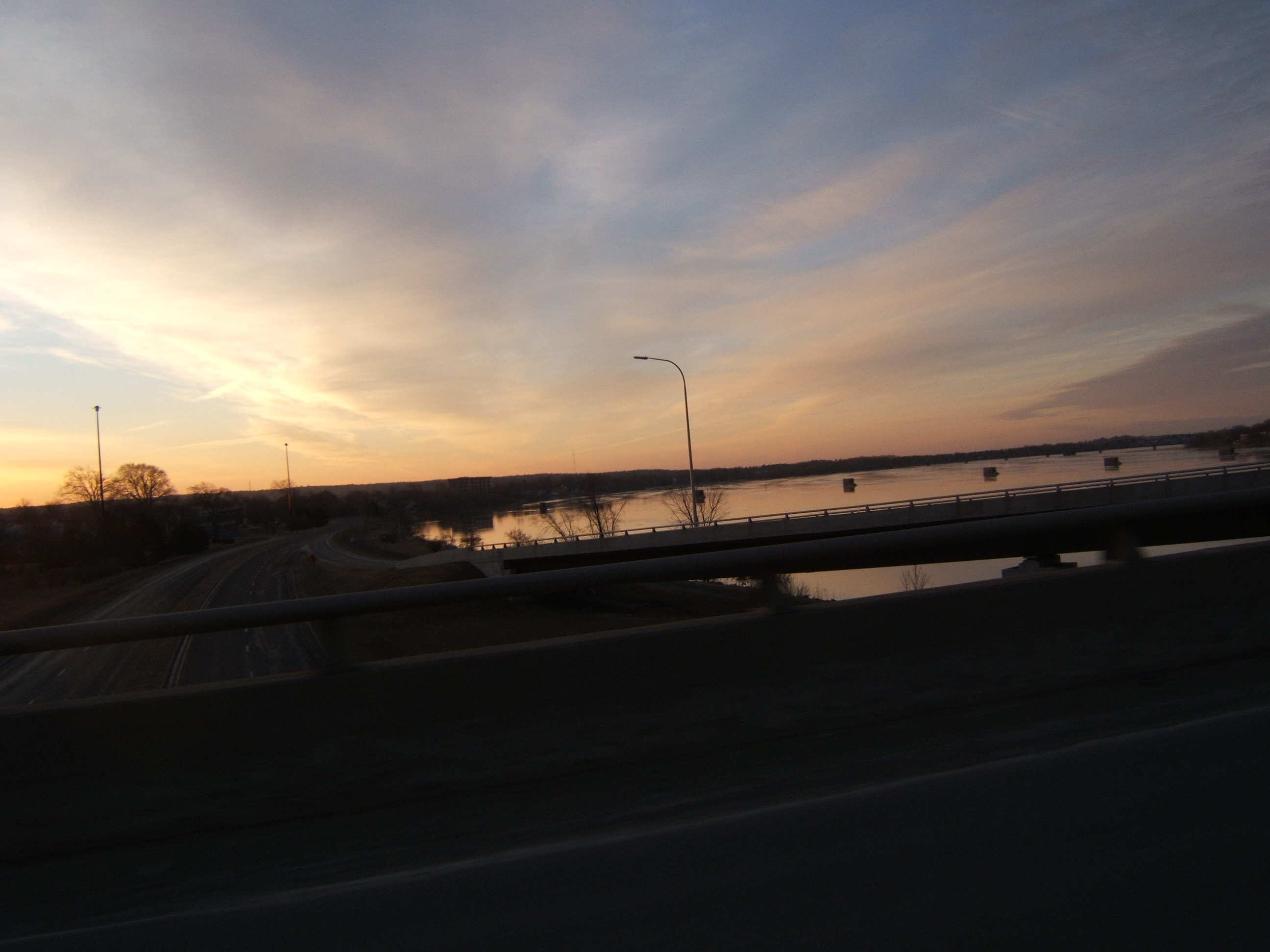
Have you seen any dragons lately?
~
~
river dragon
~
eight bevelled piers
(only remains of the old bridge)
idle in still water, reflections rigid
plates along the spine of a spent dragon
lolling on his side
taking a break in the river
~
~
© Jane Tims 2012
keeping watch for dragons #4 – a dragon overhead
Have you ever had a raven fly directly over your head? If so, you have heard the rhythmic compression of air, too intense to have been made by feathers…

~
~
a dragon overhead
~
a raven flies over
thrashes the air
percussion of dragon wing
~
~
© Jane Tims 2012
keeping watch for dragons #3 – beechwood dragon
This time of year, the only leaves still clinging in the forest are the dry, golden leaves of young beech trees. Every drop of moisture has been withdrawn and the leaves rustle and whisper in the woodland. Something about the way the wind moves through the leaves, and catches the sound of their tremble, makes you wonder…

~
~
beechwood dragon
~
scales rattle
as he tiptoes through the thicket
peeks between the trees
wingwebs transparent
armoured in gold
~
~
© Jane Tims 2012

keeping watch for dragons #2 – house dragon
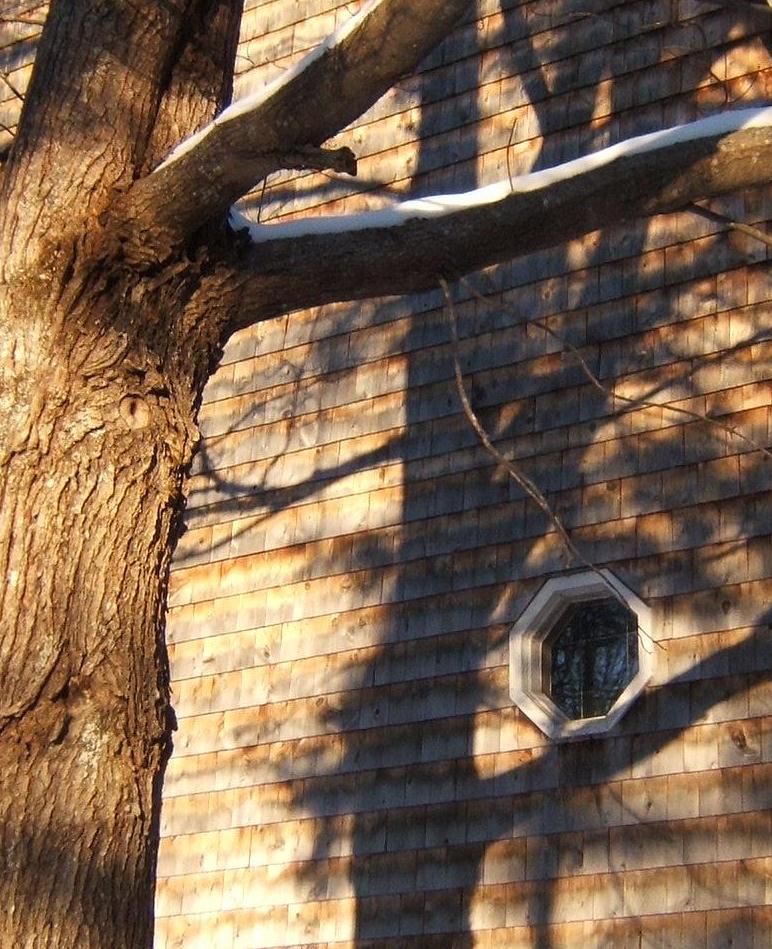
You have to keep your eyes open to see what humans down the ages have seen. The trick is to be awake to the metaphor. And to cheerfully allow confusion of reality and myth.
Although I have seen many dragonflies, I have never seen a dragon. Or have I …?
~
~
House Dragon
~
a dragon disguises
herself as our house
icicles drool from her eaves
smoke from her chimney
her scales age grey
and her nostrils
breath us
in
~
~
© Jane Tims 1998
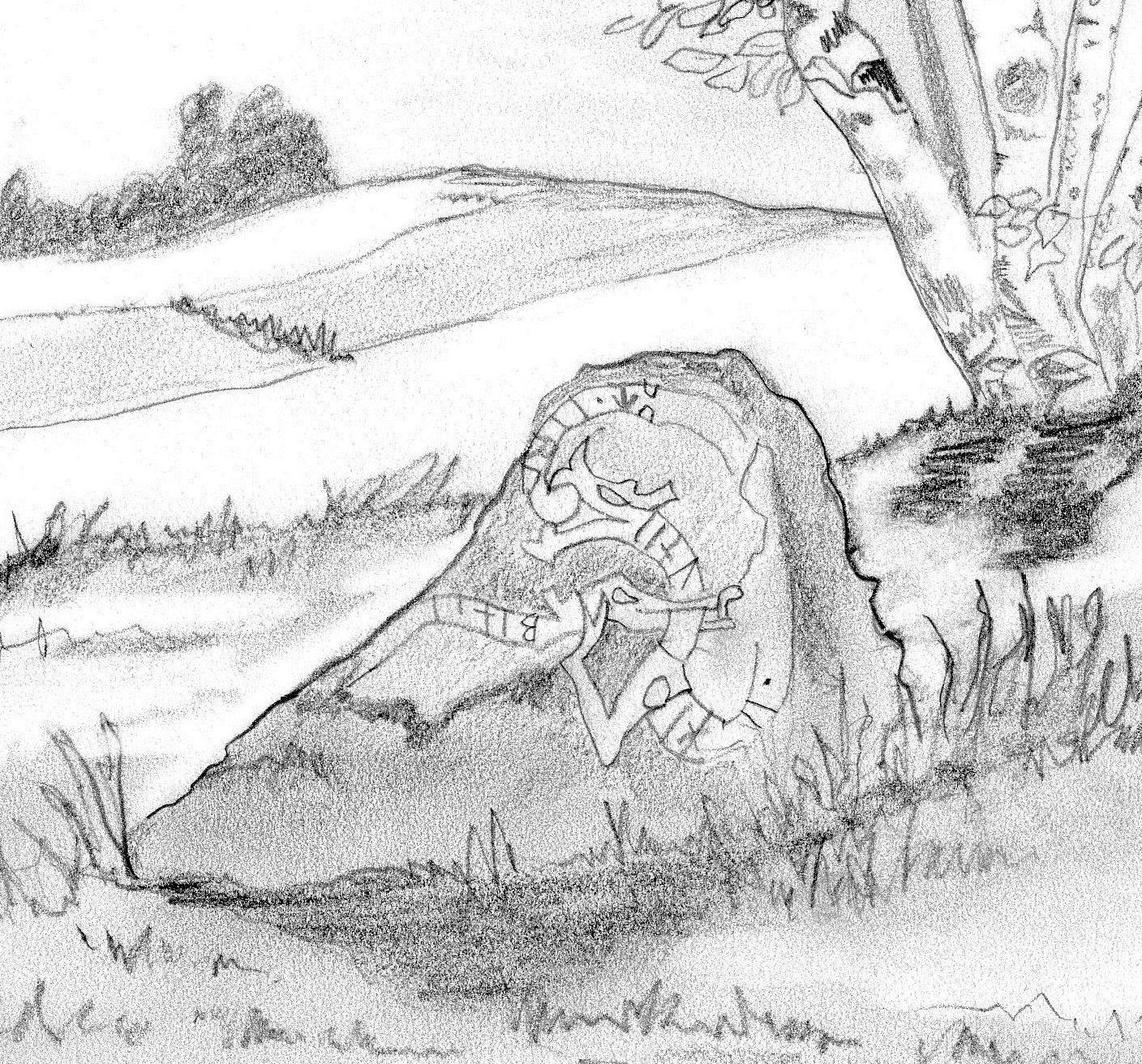
detail of 'stone marking property' Copyright Jane Tims 2012
keeping watch for dragons #1 – woodland dragon
Sometimes our grey woods are a mysterious place. Something about the slant of the light, the way the trees stand like pillars supporting the sky, or the way pale moths climb on the forest dust, conjures myth from reality.
Last year as I walked on one of the paths, my eye was drawn to the single scale of a seed cone, lying on the forest floor. Perhaps it had been dropped as a Grey Squirrel in the tree above nibbled on a pine cone.
Perhaps…
~
~
Woodland Dragon
~
~
in the blackened stand
of jack pine
~
a single
crimson
scale
~
~
© Jane Tims 1998




 nichepoetryandprose