Posts Tagged ‘orange’
covering the pumpkins
This year our garden was an unqualified failure. Between the slugs and the shade, none of my poor pumpkin vines made it to the orange pumpkin stage. But in the past, we have had worthy pumpkin patches. One year our pumpkins were so prolific, one of the vines even strayed upward, into a maple tree. In October, we had an orange pumpkin in the tree, about four feet above the ground.

my son with pumpkins from our garden, about 22 years ago
This year, my pumpkin sightings have been in other people’s gardens and in the bins at the grocery store. At least I am spared the desperate efforts of the past, to squeeze one more day of growing from the season, by covering the pumpkins before the frost.
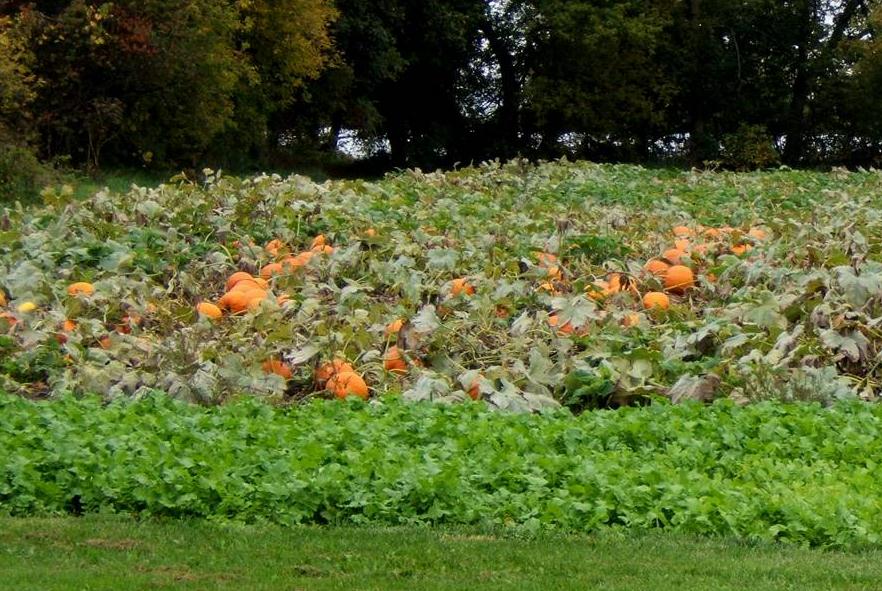
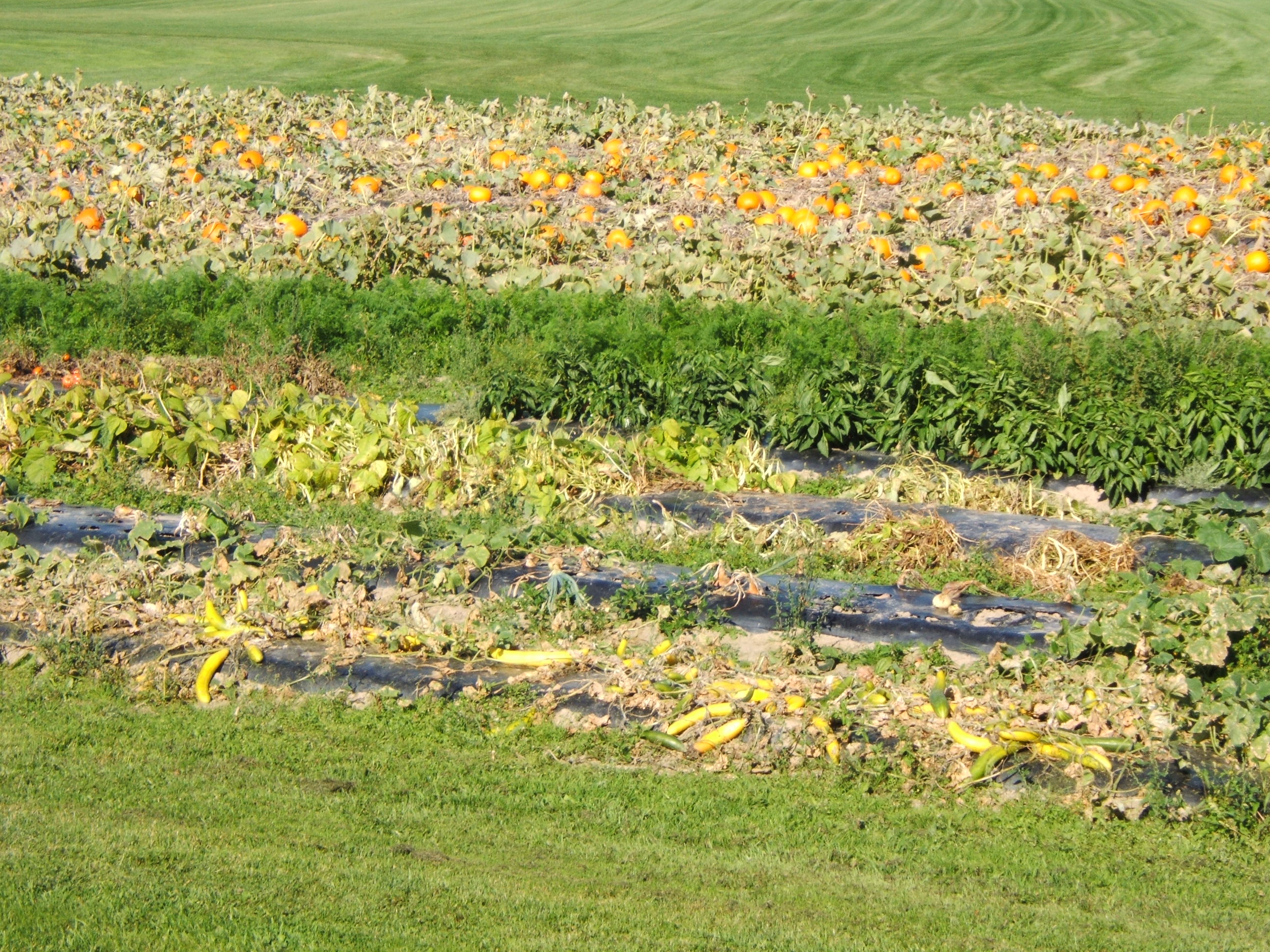
a prolific pumpkin patch, photographed during our visit to Ontario in 2011
~
covering the pumpkins
~
on the mattress, these sheets
are ample, enough for warmth
and twist and tumble
~
spread here, on low-lying ground
they barely cover one of twenty
pumpkins, one loop of vine
~
weather channel warns of frost
will wilt these leaves, cold-kiss
this perfect orange with brown
~
vines stretch, toes creep
from under, beg more time
~
~
Copyright Jane Tims 2012
a moment of beautiful – sunset over the St. John River
the space: the St. John River at dusk
the beautiful: sunset over the river
Last evening as we drove home after a visit to my sister’s home, orange was on my mind. I was thinking of the bright orange pumpkins in the gardens, the orange of Japanese Lanterns, the orange of the turning leaves, and the orange of the running lights on the trucks on the highway. Then, as the sun went down, we were treated to the most beautiful orange, the color of the sunset over the St. John River.

A lovely introduction to the month of October……………..

~
~
hauling sun
~
eighteen-wheeled tractor pulls,
hauls the loaded b-train
~
gears down for the grade, snags
light from the sunset, wanes
~
and leaks from the headlamps
pushed forward into night
~
ahead, on the dark road,
a cone of borrowed light
~
~
Copyright Jane Tims 2012
rescuing a turtle
On a recent drive to St. Stephen, we took the cross-country Route 785, a haul-road, recently upgraded and chip-sealed (this creates a hard, smooth pavement-like surface). For us, it is the perfect short-cut to the Bay of Fundy coast.

Since it is so far from ‘civilization’, cars travel a little fast on this road. Sometimes this is a peril for wild life.
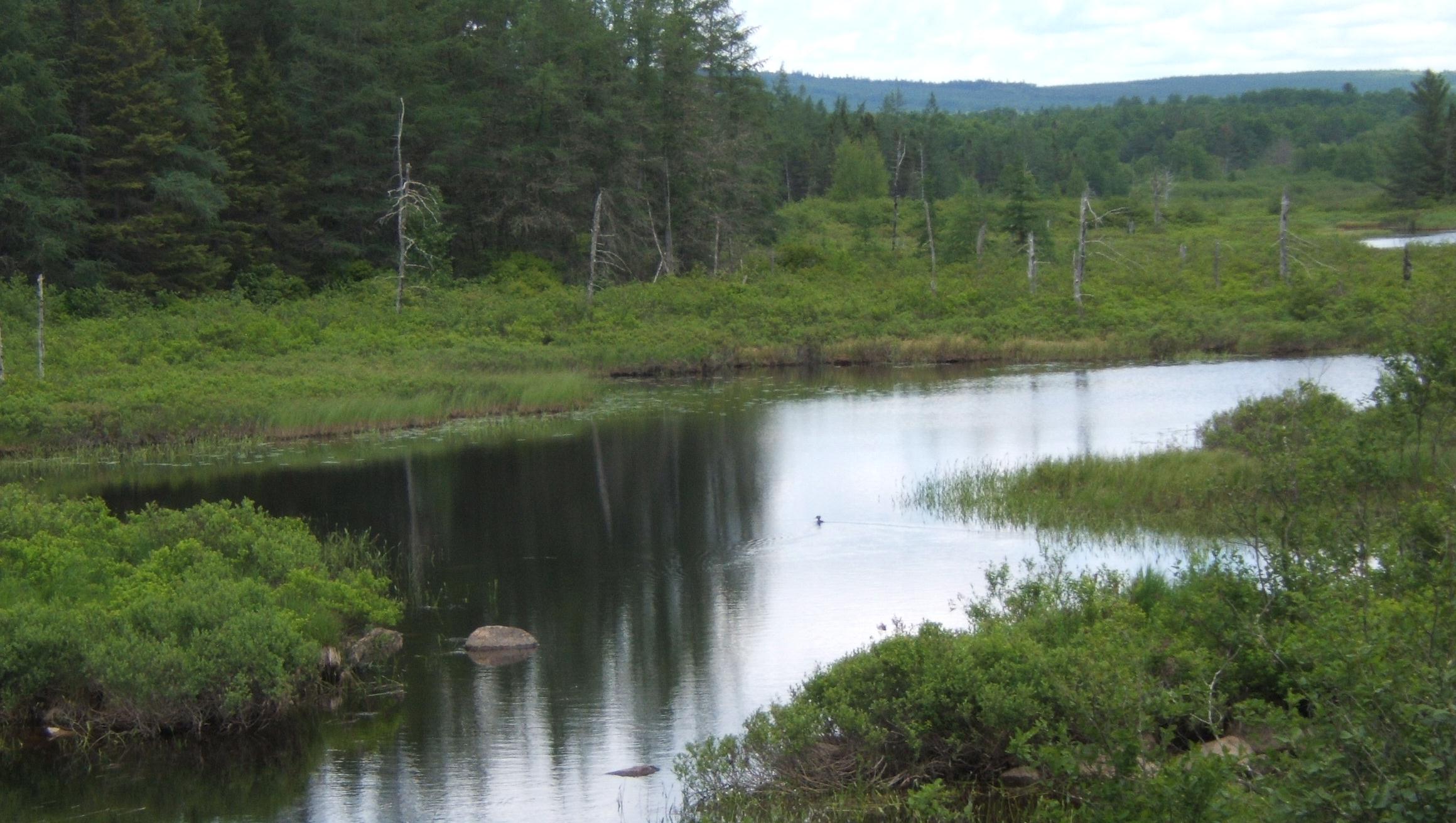
Along the way, we helped a Painted Turtle (Chrysemys picta) in its desperate attempt to cross the road.

He was certainly suspicious of my help and my camera angle, and retreated into his shell rather than be properly photographed.

In the end, I helped him over a steep bank of gravel left by a grader, and he was on his way to the pond on his preferred side of the road.
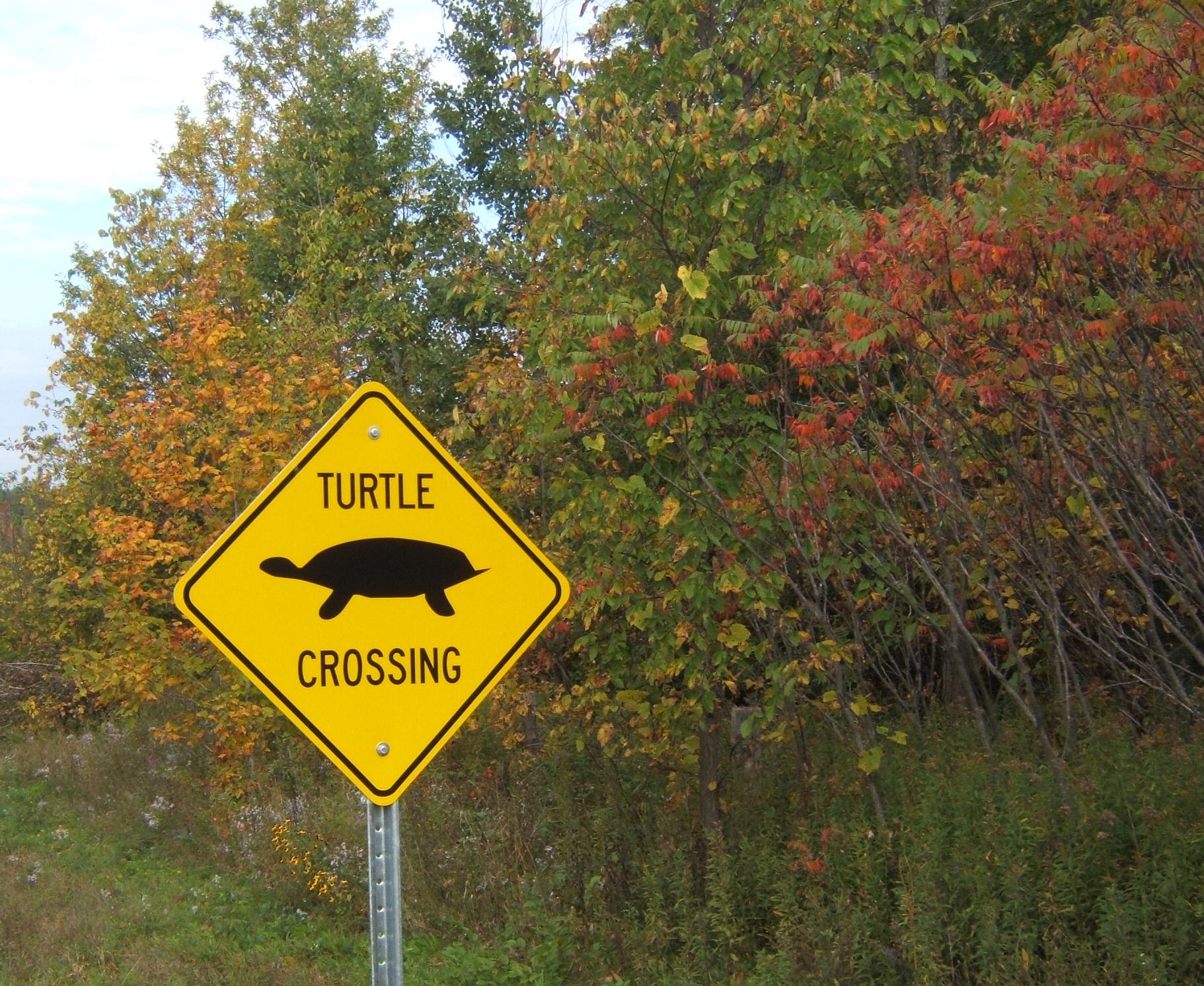
‘Turtle-Crossing’ sign in southern Ontario
© Jane Tims 2012
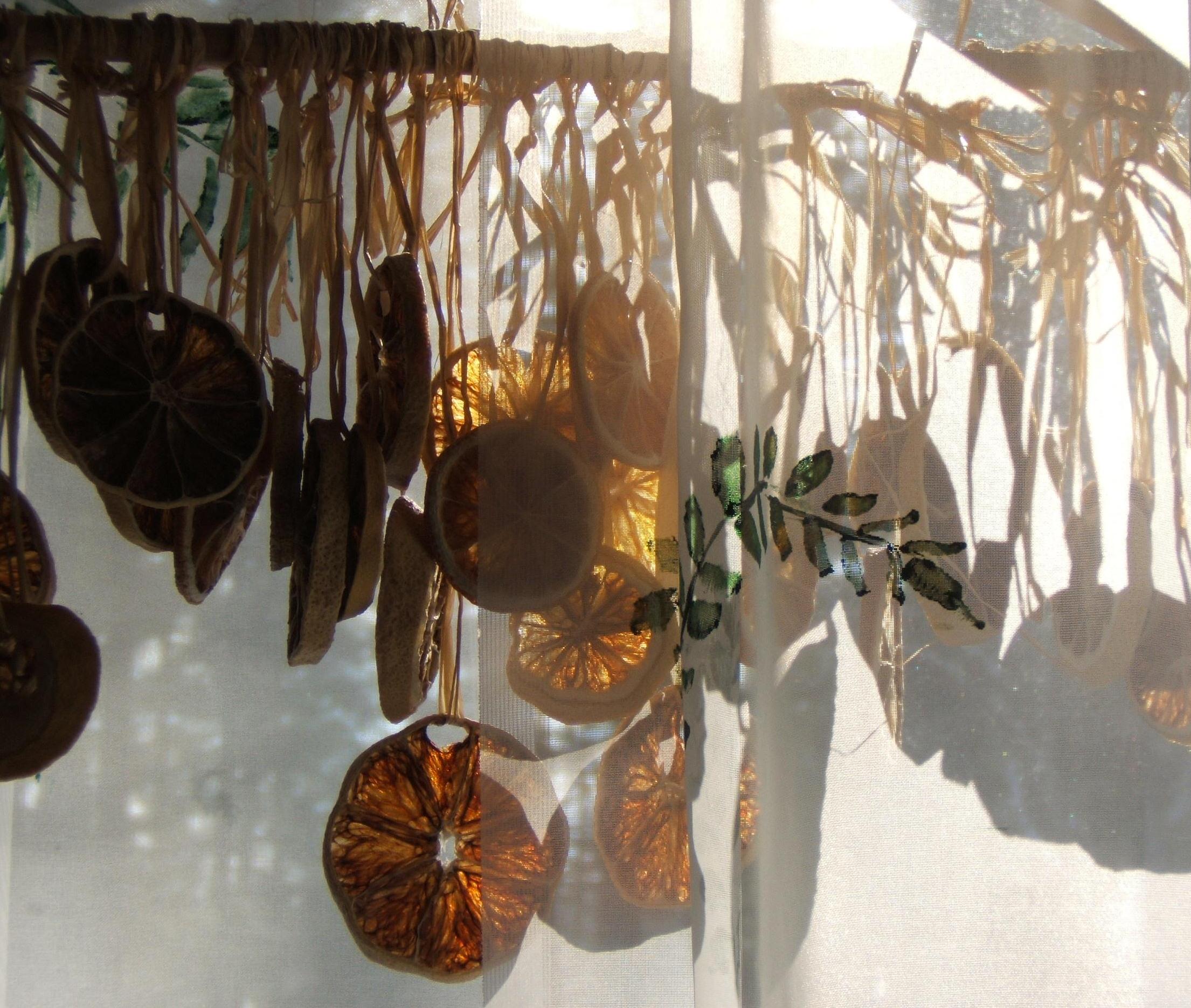
a moment of beautiful – slices of orange
the space – a window with curtains
the beautiful – dried slices of orange
~
Yesterday I came into the house just as the sunlight was beaming through the window and experienced a moment so beautiful – a dazzling display of light and shadow.
Last Christmas, I sliced oranges and lemons and dried them as decorations for our tree at work. When Christmas was over, they were too pretty to throw away, so I strung them on raffia and hung them on a wooden coat hanger in the front window.
The sunlight shining through those dried orange slices, in combination with the shadows on the sheer curtains, was magical.
~

~
~
sunlight shines
through a slice of orange
~
sliced sunlight
rays transparent
membrane cellophane orange
juice fossilized
rose window
lustrous
citrus
~
~
© Jane Tims 2012

© Jane Tims 2012
‘blue’berry fields in autumn
This time of the year, the only thing ‘blue’ about our blueberry fields is the blue sky above them. The fields themselves are a blanket of scarlet and orange.
These are a few scenes of the October blueberry fields in south-west New Brunswick…


legacy
~
remaining in the room
a well-used blanket
red with two black stripes
inexpensive facsimile of
~
a white
three-beaver blanket
stripes red, yellow, green
~
a blue sky
two vapor contrails
~
the yellow double line
on an asphalt road
~
a band of stars
across a light-starved sky
~
a red leather book
with black ribbons
mark passages for giving
thanks:
look down from heaven
upon the fields, now white
unto the harvest
~
a crimson blueberry field
in October, draped across bones
of the landscape
double tracks leading away
over the horizon
~
© Jane Tims 2011

under the red maple
We have a huge red maple (Acer rubrum L.) in front of our house. It forces a turn in the walkway, but I love to greet it every morning and watch it through the seasons. When we first lived here 30 years ago, the tree was small enough to encircle with thumb and finger. Now I can’t fit my arms around its girth.

Autumn inspires this tree. It takes its time, gradually turning yellow, red and orange over several days. Then it gives up all its leaves within a day.
When I drive my car away the next morning, a dark rectangle of driveway remains, within the circle of new-fallen leaves.
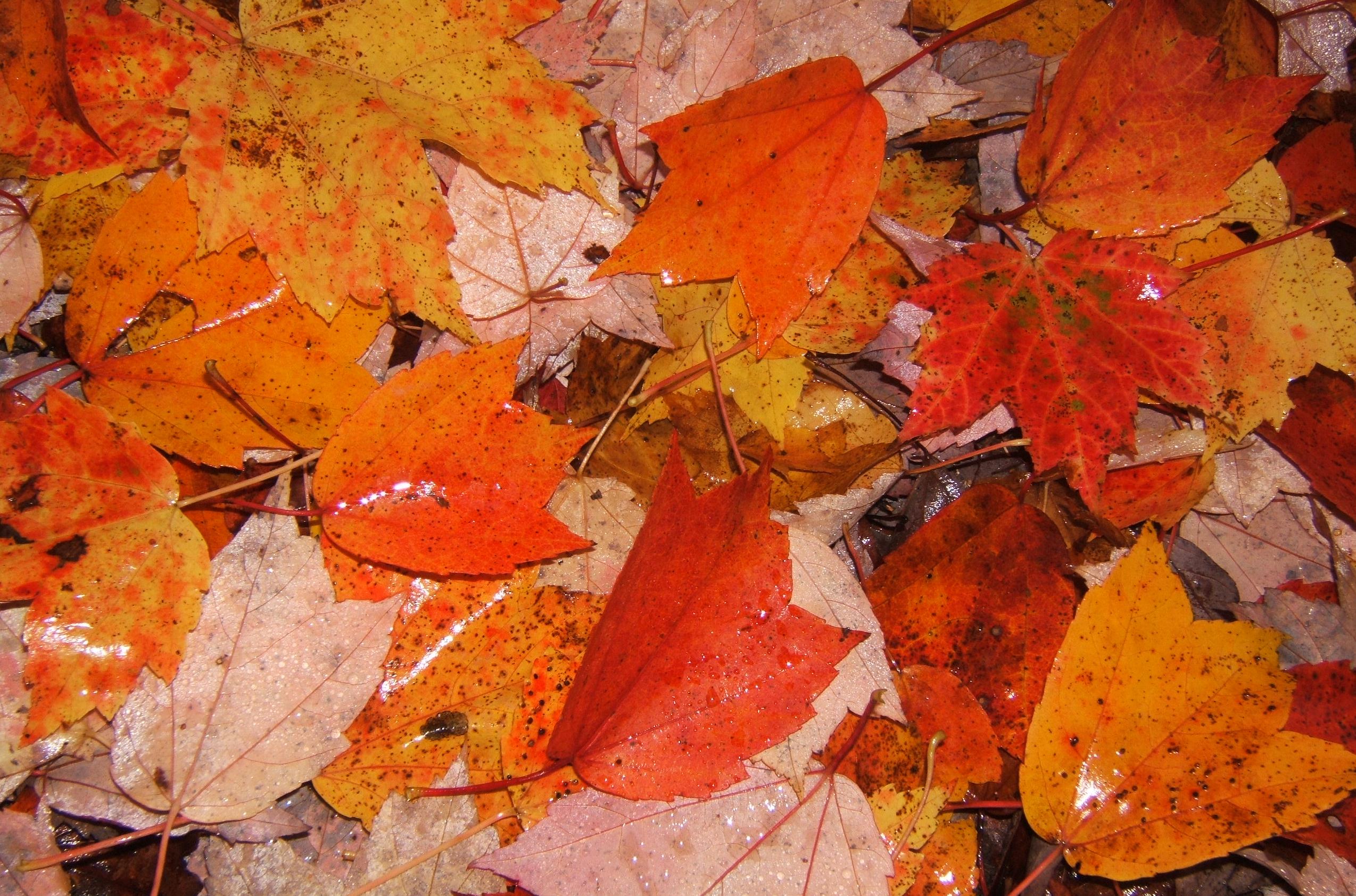
summer in flames
~
suddenly
leaf fall
embers settle
on the walkway
patio table and chairs
~
suddenly
impossible
to walk in silence
red flames
and careful steps
a conflagration
~
suddenly
shadows lost
and branches
scratch the sky
sun bright
hands warm before the fire
~
© Jane Tims 2011

breakfast niche
niche \ ‘nich\ n (F, fr. MF, fr. nicher to nest, fr. (assumed) VL nidicare, from L nidus nest)
1 a : a recess in a wall, especially for a statue;
b : something that resembles a niche;
2 a : a place, employment, or activity for which a person is best fitted;
b : a habitat supplying the factors necessary for the existence of an organism or species;
c : the ecological role of an organism in a community especially in regard to food consumption.
– Webster’s New Collegiate Dictionary, 1979
My niche includes breakfast.
I look forward to my breakfast, sometimes planning it in detail the night before.
The best breakfast, for me, includes all the food groups: protein, grain, milk, fruit, vegetable and fat.
I usually settle for cereal, or toast on days when the cereal box is empty. But the best breakfast involves a piece of whole wheat toast, some yogurt and almonds, stir-fried green peppers, onions and mushrooms…
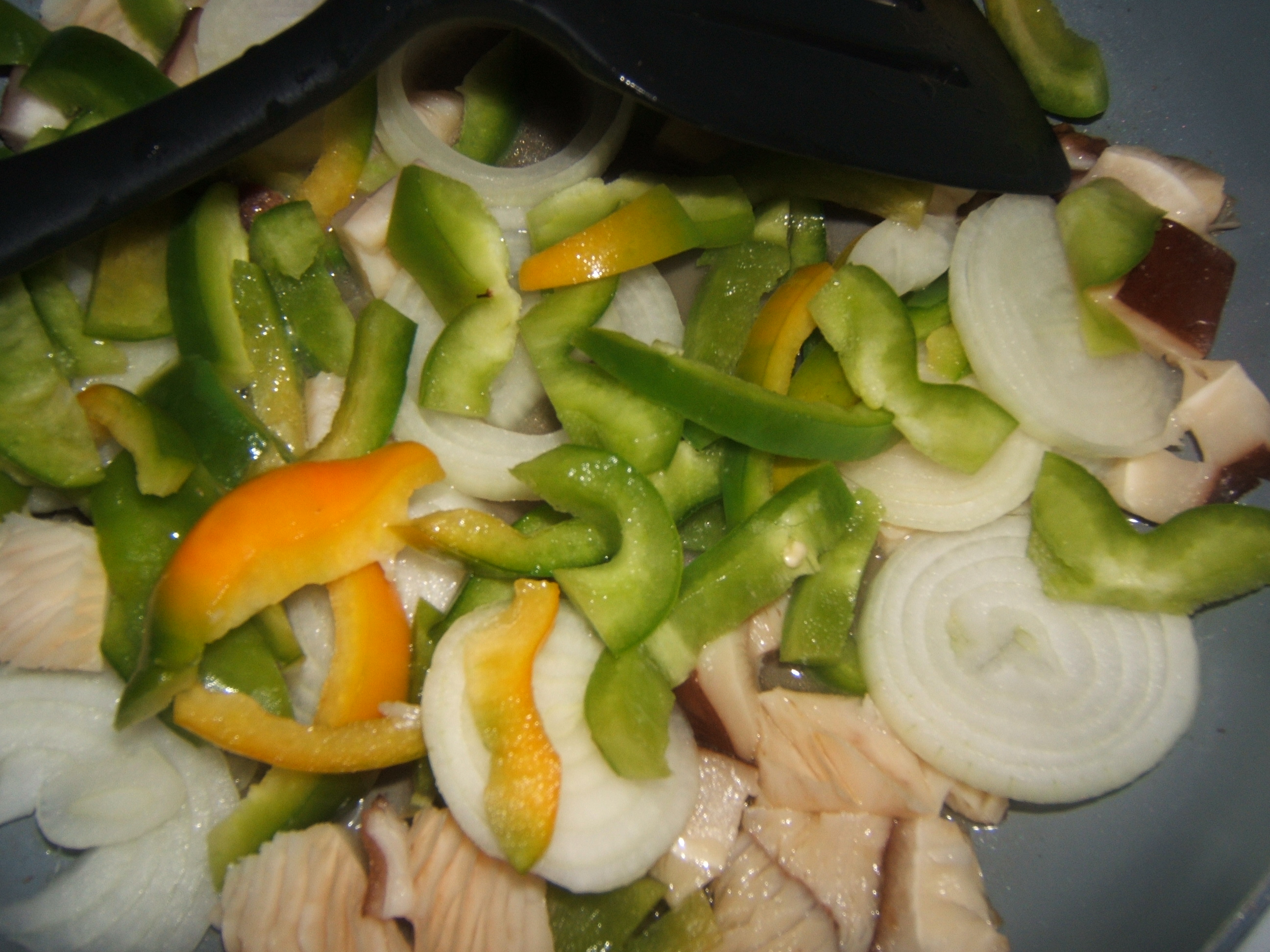
the shitake mushrooms in the stir fry were grown on a log in a friend's woodlot
and an orange…
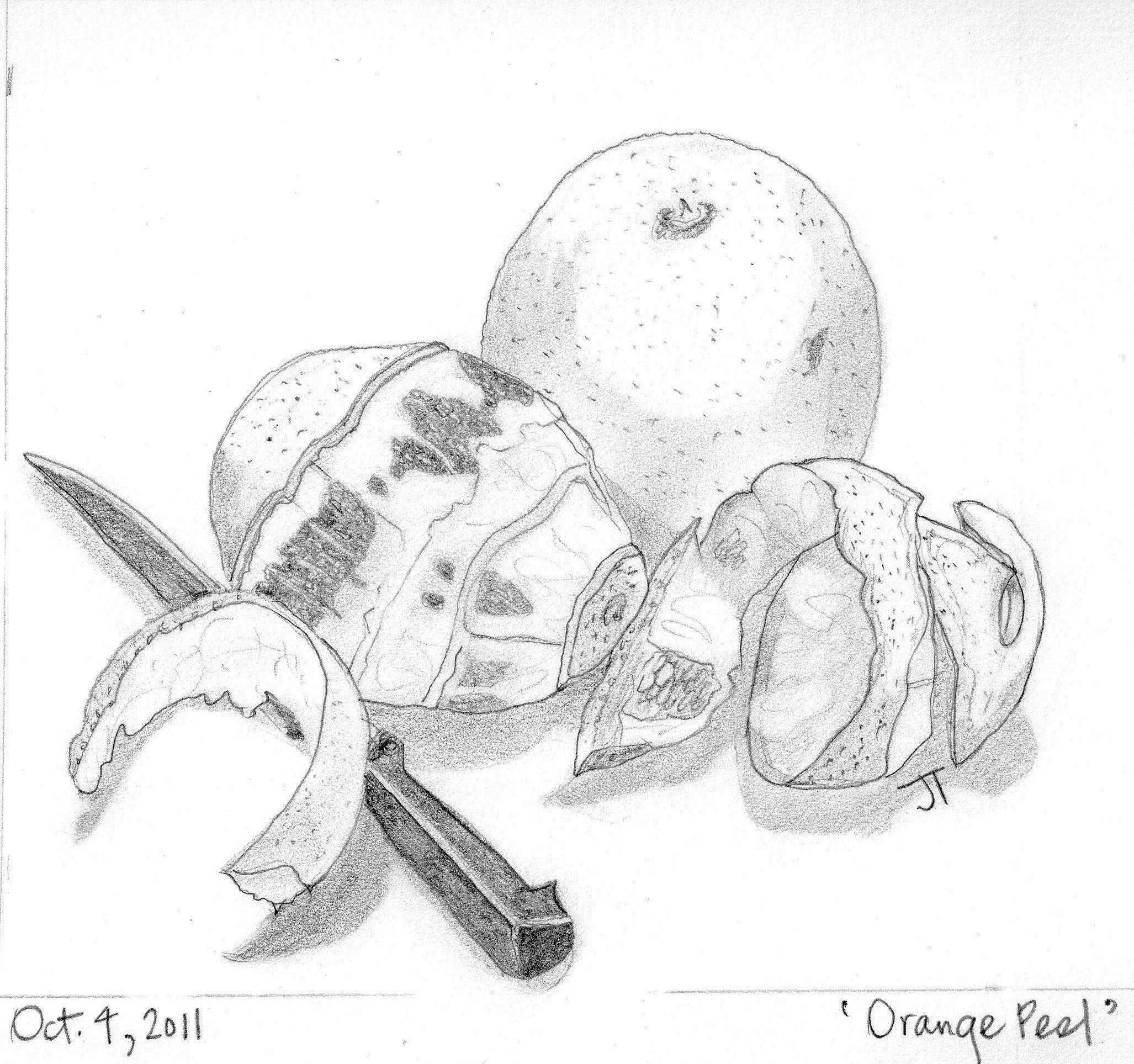
breakfast sun shower
~
clouds pulled apart
thumbs between
sections of sky
sun flashes
from a flat grey knife
light peels back from shadow
~
curl of orange rind forecasts
tart vapour of rain
~
© Jane Tims 2010
butterfly spaces

Viceroy butterfly on the rail of a little-used track

- ‘Viceroy butterfly on a rail’

butterfly
~
scrap of paper
plucked from my hand
wind a tease
always one wing beat
beyond the finger tip
attempts to read
delicate code
of dots
and dashes
~
a yellow Post-it note
folded on the tower
of a blue sky flaxflower
a tatter
a musical note
set to the panic
of butterfly flight
~
a curtsy and away
across the field
~
pursued by a butterfly net
~
and a killing jar
~
© Jane Tims 2007
autumn along the brook
Behind our house, in the grey woods, is a narrow little brook. It is not much to look at but I like its simplicity. This brook has steep sides (a cross-section like a ‘U’) and grassy banks, and it creates charming little riffles over fallen logs. Until this moment, I have never realised … we have not given this brook a name!

I walked to the brook last Monday evening, to see how high the water was and to look for signs of the changing season.
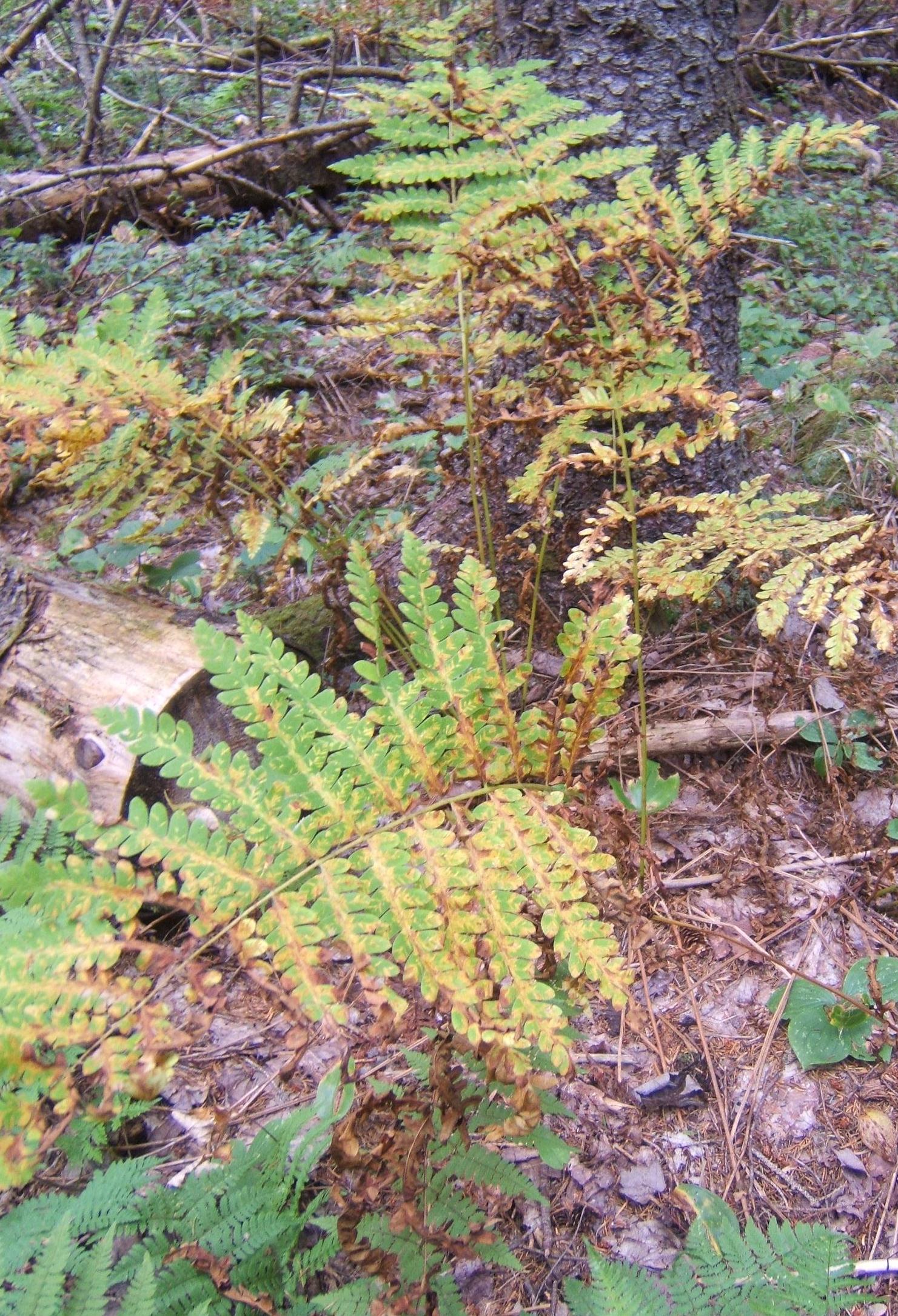
Autumn is showing its color everywhere. Some of the ferns have turned yellow with the first frost…
There are fallen red maple leaves on the trail and in the brook…

And the berries of Bunchberry (Cornus canadensis L.) are brilliant red…

- ‘red berries’

end of summer
~
on the path along the brook
one leaf bleeds into water
in town the walks are stony
chaff of linden, seeds
dry ditches overflow with flowers
~
I shrug
(no matter
summer is ended)
~
yellow rattle
pods and grasses
rehearse an incantation
wind sulks in corners of the shed
warmth and sun
paint the orange of pumpkins
knit winter mittens
~
I gather signs of autumn
asters, windfalls, flocks of red wings
frantic in the alders
acorns, hollow galls from oak
~
Orion peeks above the trees
time forgotten, found
and summer with rain never ends
~
I ask for rain
(arms loaded with everlasting)
~
© Jane Tims 2010

'oak leaves and acorns'
the color of niche
What are the color characteristics of niche? Are humans the only species to prefer certain colors for their spaces?
Other species also have color preferences. The best example I know is the preference of insects for color in their interactions with plants. Some insect pollinators, for example, prefer certain colors over others. Bumble bees have been shown to prefer the color purple. Also, flowers appearing monochromatic to us may be perceived quite differently by insects since they also see in the ultraviolet range of the spectrum. Some flowers, such as the yellow Evening-Primrose (Oenothera biennis L.), have ‘runway markers’ on their petals, to help insect pollinators to find their way to the nectar-producing parts of the plant.
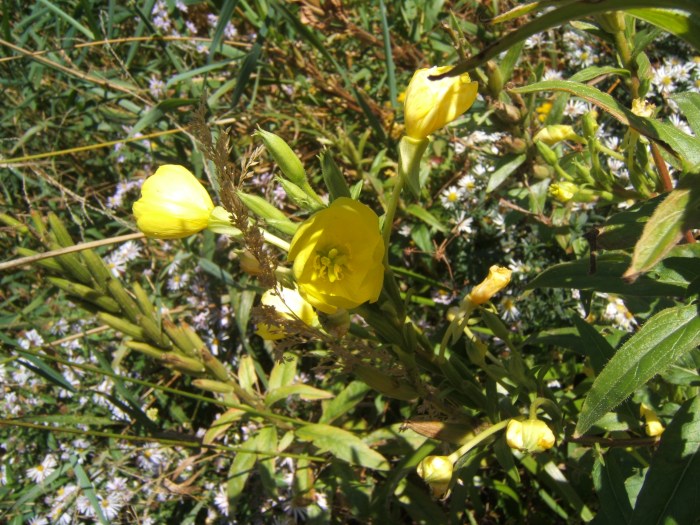
- Evening- Primrose (Oenothera biennis L.) Under uptra-violet light, the central area of the inner petals shows dark ‘runway markers’… if you look closely, you can see some vein-like variation in the yellow of the inner petals

Knowing about color-preference in insects can help us to spend more time in the out-of-doors. Science has shown us that mosquitoes prefer black or other dark colors over lighter colors. Greens, yellows and white are the colors to wear to reduce your attractiveness to mosquitoes.
An early paper on color preference of insects is A.S. Packard, 1903, ‘Color Preference in Insects’, Journal of the New York Entomological Society 11: 132-137. This paper is over one hundred years old but has charming anecdotes of the color preferences of houseflies, butterflies, moths and other insects. It is available on-line at:
http://www.jstor.org/stable/25003044
In the article, Packard reports mosquitoes are attracted to navy-blue, dark red and reddish brown.
My favorite color is definitely green, followed closely by orange. I also find I associate these colors strongly with the seasons: autumn with orange, summer with green. Although I would not select red as a favorite color, I notice my house, not at all color-coordinated, has definite red accents in almost every room.
What is the preferred color of your niche?
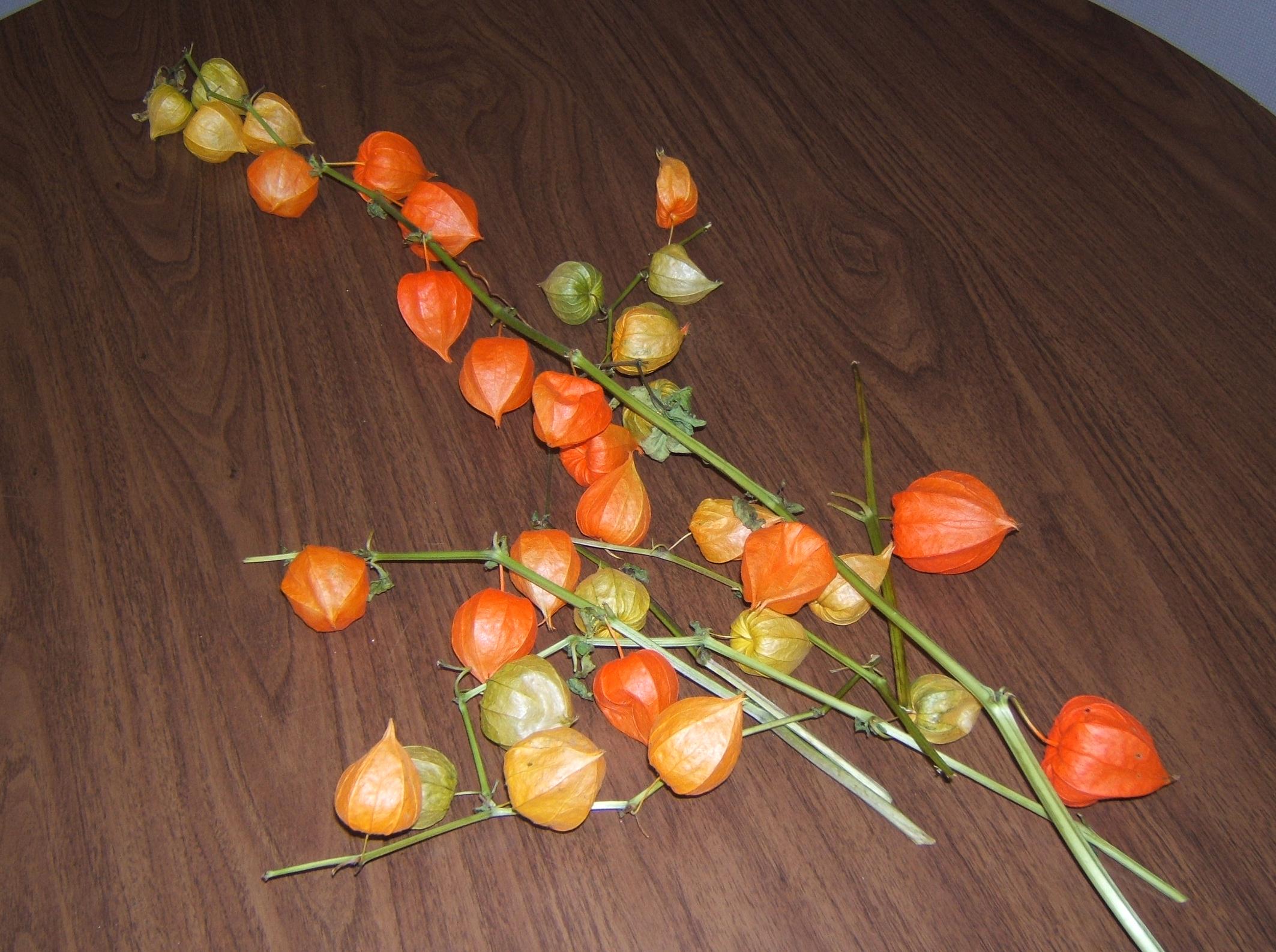
Chinese lanterns (Physalis alkekengi L.) from a friend's garden... also called Bladder cherry or Japanese lantern
orange peel
~
orchard bees
wings of monarch or viceroy
citrus oil, flames spurted in dark
weightlessness of Chinese lanterns, evolution of green
~
jack-o-lantern grin on the compost heap
taste and root-thread trace of carrot
pumpkins on the vine
~
furniture polish stain
on an empty page
~
nothing rhymes
with orange
~
© Jane Tims 2011




 nichepoetryandprose