Posts Tagged ‘writing’
‘within easy reach’ – a chance to win the cover art
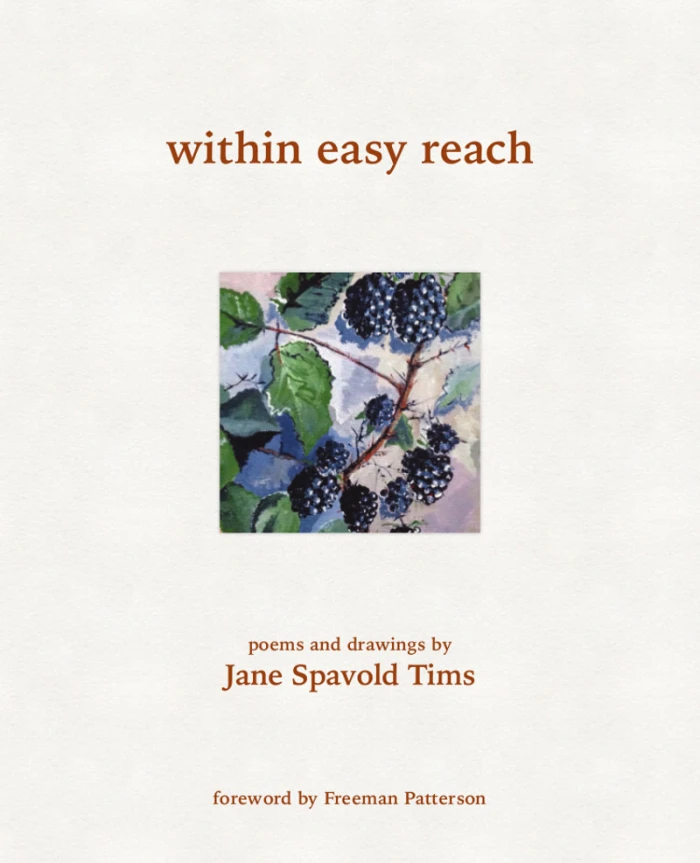
This is reminder that I am offering a chance to win the painting on the cover of my book ‘within easy reach’.
~

~
To win this painting, you have to do three things.
- Purchase my book through my publisher’s website (www.chapelstreeteditions.com)
- Leave a comment on any of my Blogs (www.nichepoetryandprose.wordpress.com or www.janetims.com or www.janetimsdotcom.wordpress.com) with the words ‘within easy reach’ somewhere in the comment
- Be prepared to send me, via email, a scan of your purchase receipt.
~
The cover painting ‘brambles’ is done in acrylics, size 10″ by 10″, with gallery edges.
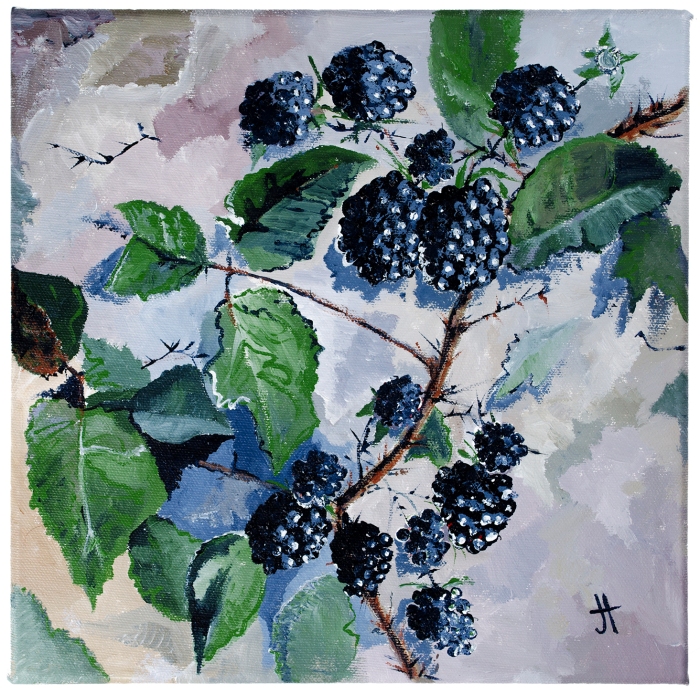
February 29, 2016 ‘brambles’ by Jane Tims
~
Your name will be entered once for each book purchased. The contest will run for the first five weeks following the publication date of within easy reach (until June 7, 2016). At the end of the contest, anyone who has purchased a book from the publisher and left the comment as described above will be entered for the draw. I will notify the winner and let the readers of the blog know who has won.
~
I hope you will enjoy my book. And some reader will be the winner of the painting ‘brambles’!
~
Copyright Jane Tims 2016
old schools in the landscape
In my last few posts, I have focussed on my research toward a new poetry project I will be beginning. I know there are interesting stories to be told about the ‘inside’ of the one room school. Because of my interests in botany and community history, I would like to reflect on the ‘outside’ of the one room school – its surroundings and geographic location.
~
I still have to do some thinking about this project. I know that people who attended one room schools will have stories to tell about how the local terrain and landscape influenced their schooling.
~
A school’s surroundings would have impacted learning in many ways. For example, the view of a lake from the school window may have caused many a pupil to settle into daydreams. Interesting fields, hills, and watercourses would provide the teacher with opportunities for nature study.
~
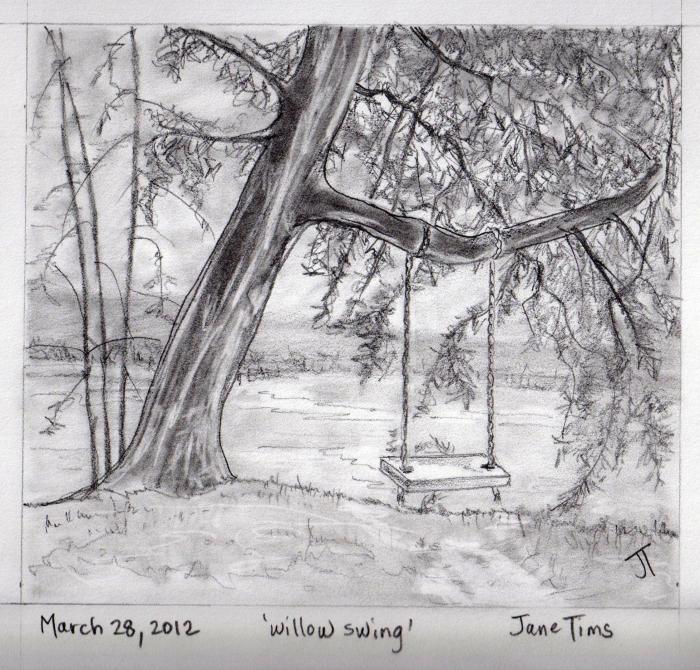
The location of the school would also influence recess and lunch-time activities. My Dad wrote about damming a local stream so they could skate in the winter months. The same stream meant fishing in May and June. A nearby hillside would be great for sledding in January and February. Trees in the school yard? – A place to climb or to hang a swing.
~
~
Students walked to school before the 1950s. The study I made of schools in Upham Parish, New Brunswick suggests that students walked as many as three miles to school in the late 1800s. Hills made the long walk to school more difficult. The winds by a lake or other shore land would be bitter on a winter day. Rivers, lakes and wetlands meant a place to hunt tadpoles. A spring by the road? – A cool drink. My Uncle, forced to wear a hat/scarf he hated, used the bridge on the way to school as a place to hide his headgear!
~
One room schools were located near clusters of houses and various community activities. The walk to school may have passed a church, a post office or a community store. Hardwood forests meant lumber mills and, in spring, maple syrup and the sugar shack. Good land meant farms; grazing land meant cows to outstare.
~
On a drive last weekend, we found an older building along the Saint John River that may have been a school. The Upper Queensbury Community Hall has all the characteristics of a one room school – the steep roof, rectangular footprint, and tall side windows.
~
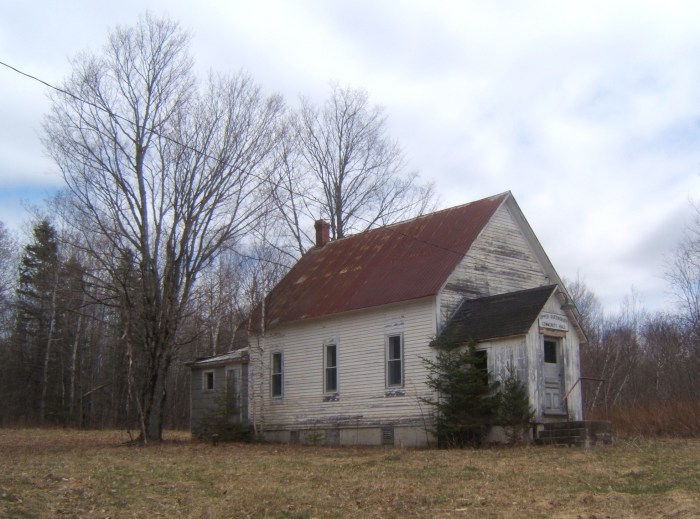
Upper Queensbury Community Hall near Nackawic, New Brunswick. I will have to make some inquiries to find out if it was a school house at one time.
~
A look at a map shows some of the landscape features in the area.
~

Map showing landscape features of part of Queensbury Parish, near Nackawic, New Brunswick. The yellow dot is the location of the Upper Queensbury Community Hall which may have been a one room school.
~
The Saint John River was nearby, although further than it is today since the Mactaquac Dam (built in 1968) has raised the level of the water. The river’s possibilities for fishing, skating and boating were only a downhill trek away. The terrain is gently undulating, as the names of nearby communities (Day Hill and Granite Hill) suggest. Local geographic points the community children may have known include the many-tiered Coac Falls and Coac Lake (an old road runs past the community hall back through the woods to the lake, about a mile away). The aerial photo (taken near the end of September) shows the red of the cranberry bog – picking cranberries may have been a well-known activity. Sugar maples are common in the area, as are old ‘sugar shacks’. When I interview people who went to the one room school I will have to remember to ask them about their memories of these places.
~
Writing poetry about these ideas will be so much fun!
~
~
Copyright 2016 Jane Tims
one room school houses – hiding in the landscape
Last Friday, we took a drive along the west side of Grand Lake, in the Youngs Cove area of Queens County, New Brunswick. We were searching for old one room school houses. As far as I know, there is no list for these buildings in Queens County, New Brunswick, although a list does exist for nearby Kings County.
~
I had seen one old school in the Whites Cove area, so we began there. This school was operated as a local craft store for a few years but is now a private cottage. The one room school is in good shape, painted bright red. The round plaque in the gable of the roof says 1837. The building had two front doors – one for boys and one for girls.
~
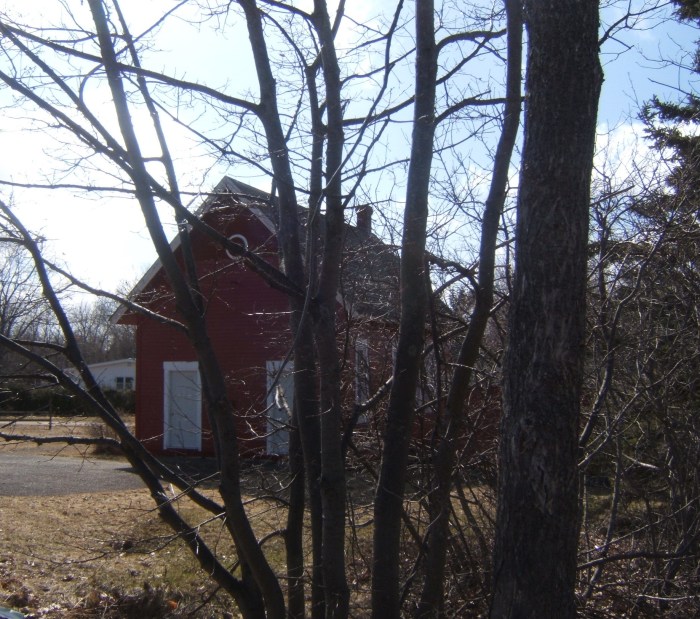
Whites Cove school house
~
We then continued toward Chipman, taking old roads when possible. I know that in the late 1800s and early 1900s, each small community (each Parish) had its own school, so we watched for the tell-tale design of the one room school house – a small, rectangular, one-storey building with a steep-sloped roof and rather high side walls. Each school had two or three tall rectangular windows on each side and one or two front doors. Some New Brunswick schools had a small anteroom or vestibule on the front. The bell-tower common on school houses in the United States was not typical of one room schools in New Brunswick.
~
We followed the road along the shoreline of the peninsulas extending into Grand Lake. In particular, we were watching for the older homes that show what the community may have looked like a hundred years ago.
~
As we came over a hill, we first saw the Rees school house. It had some of the characteristics I describe above. However, I am new to one room school hunting, so I was not really certain this little building had once been a school. And then my husband pointed to the sign on the small road opposite the building – School House Lane. The school house was being used as a cottage and was in poor condition with broken windows and a crumbled brick chimney. But I was happy to see the original stone foundation, a straight roof line, a large flat stone as a threshold, original clapboard on the front of the building, and evidence of the original vestibule.
~

Rees school house
~
Thrilled by our discovery, we continued to the next community and followed a side road. Almost immediately, we saw the Cumberland Bay School, announced by a sign above the door. It was a typical school house design, built on a hill. There was a rock foundation (with some brick) and a straight roof. The building was in good shape with evidence of regular maintenance and use, perhaps as a hall. A cold wind was howling and I felt sorry for the kids who must have come to school in all kinds of bitter weather.
~
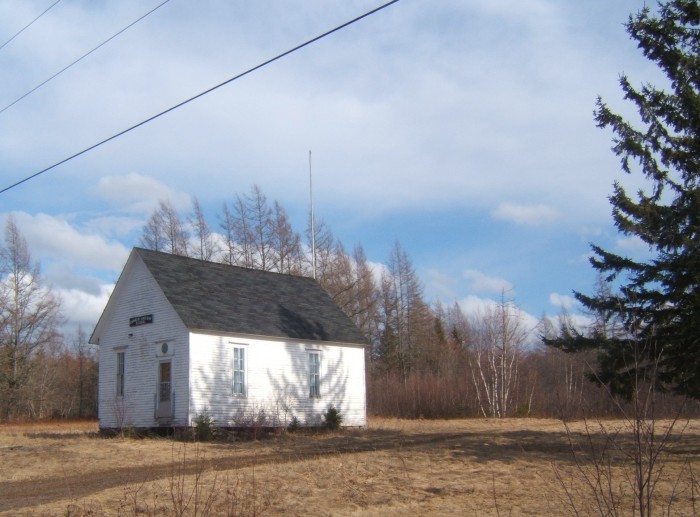
Cumberland Bay school house
~
After seeing three school houses, we felt like pros. We took the next road along the shore, toward Cox Point, and found a school house outside the community of Range. It was set back from the road, used in conjunction with a family cottage. The roof was straight, the side windows were intact and the shingles were in good repair.
~
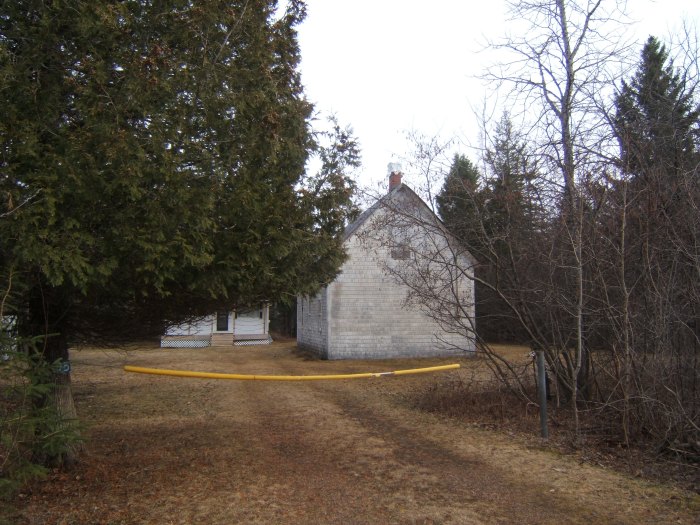
Range school house
~
I was delighted with our drive – we had discovered three school houses we did not know about! I also got a feel for some of the characteristics of these buildings and how they fit into the local landscape.
~

a map showing the old school houses we found … you can see a pattern emerging … I expect there were once school houses in some of the other communities indicated on the map
~
Why am I interested in this topic? My interests in landscape, the environment and history all come into play. I am also beginning to think about my next poetry project and have decided to explore the idea of school houses in the landscape.
~
To do this project, I will think about the setting of the school house in the community and how topography (hills and lakes and rivers), vegetation (fields and forests, orchards and big old swinging-trees) and other built landscape (bridges, churches, stores and farms) would have influenced the students, teachers and members of the community. Visits to old schools, some talk with people who remember attending these old school houses and reading at the Provincial Archives would give me lots of material for my writing.
~
Do you have examples of old one room school houses in your area? Did you attend school in a one room school house? I would love to hear your stories!
~
Copyright 2016 Jane Tims
‘within easy reach’ – the history of a writing project
As I prepare for the publication and launch of my poetry book within easy reach, I am thinking about how long it takes to see a writing project through from beginning to end.
~
Of course, the time depends on the writer, the project and many circumstances beyond the writer’s control. But the way to a book of poems can be long … for me it has not been days or months, but years.
~
2010
For my book, the first idea came in 2010 when my husband and I were exploring our new lake property. We knew so little about the property and were delighted to find blackberries, growing in profusion along the ridge above the lake. I can still taste those plump indigo berries and remember how quickly we filled my husband’s hat (the only container we had for picking). I wrote the first poem for the project (‘berries in brambles’) at the end of the summer. By then I was thinking about combining my interests in local food and botany to write a manuscript of poems about ‘growing and gathering’.
~

blackberries at our lake property
~
2011
The second step in the project came with an application to artsnb for a Creation Grant. Not every writer seeks funding, but I knew, after 35 years of work, that I would produce my best work with a clear purpose and deadlines. I applied to artsnb in March 2011, in time for their April 1st deadline. When I was not successful, I tried again for the October 1st deadline and in December, a few weeks before my retirement, I received the letter saying my project had been approved. I would be able to transition from work into an endeavor I knew I would love!
~
2012
The writing of ‘growing and gathering’ continued through the spring and summer of 2012. I was determined to base my poems on experience, so I spent lots of time hiking and driving to locate and pick the various plants I wanted to write about. That spring we tapped twelve of our red maple trees and planted a small garden. Many of the plants I harvested grow on our properties at home and at the lake, but for some of the plants, we drove the countryside, poking about in the right habitat to find the plants I sought. My best memory is of a spring day along the Dunbar Stream north of Fredericton, discovering mounds of trout lily leaves growing on the floodplains along the brook.
~
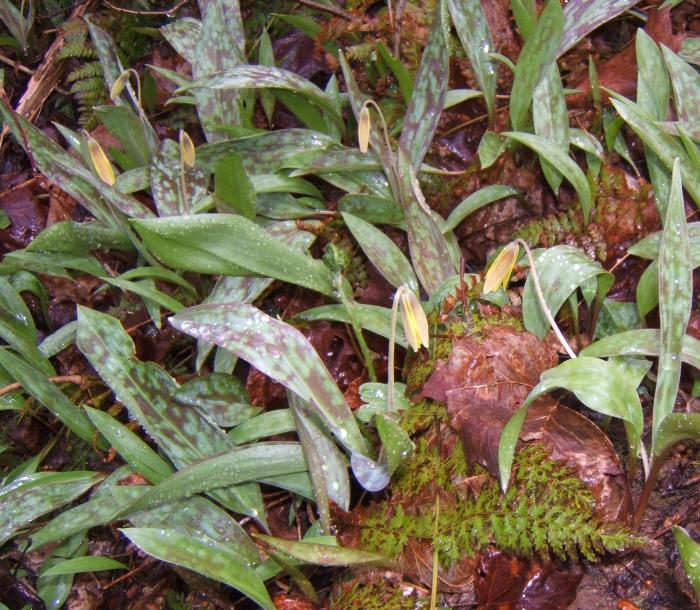
Trout Lily, also known as Dog’s Tooth Violet or Yellow Adder’s-tongue
~
For the next months, I harvested leaves and roots and nuts and berries. I chopped greens. I boiled, simmered and sautéed. I competed, unsuccessfully, with squirrels for hazelnuts. I scraped gum from spruce trees and peeled wild sarsaparilla roots. And, of course, I ate my fill of raspberries, blueberries, dandelion greens, fiddleheads, samphire greens, orach leaves and apples. From my own garden, I harvested rhubarb and herbs, onions and tomatoes. I visited Farmers Markets and roadside stands, sampling the best local produce in the world. I stirred memories from my own family history, recalling days when my dad kept bee hives and when my mom and I went blueberry picking. Really doesn’t sound like work, right?
~

salad ingredients from the garden and market
~
And then I wrote. And did research about the edibility of plants. And wrote some more. And did lots of pencil drawings. As I wrote, I consulted my Floras of New Brunswick and Nova Scotia. I completed my project with a manuscript of 135 poems and 29 pencil drawings. I submitted my manuscript to artsnb in October 2012.
~
2013
For me, the writing is only part of the process. I try to read my poems as often as possible, and I submit regularly for publication. For the ‘growing and gathering’ project, I read poems at eleven events and submitted poems to 12 literary journals. I had some success and, of the poems in the book, twelve have been previously published in seven literary journals. I also submitted the manuscript to the New Brunswick Writers’ Federation writing contest in 2013, winning Honorable Mention. Now that all sounds like work!
~

Orach growing among the rocks at the upper end of the Minister’s Island causeway
~
2014
From the beginning, I knew I wanted a published book of the ‘growing and gathering’ poems. So in 2014, after revisions and paring the poems to a reasonable book length, I began to submit to publishers. I submitted to three publishers and received three kind rejections. Then, in the fall of 2014, at the New Brunswick Writers’ Federation WordsFall, I met Keith Helmuth and Brendan Helmuth of Chapel Street Editions in Woodstock. They were interested in publishing books about the natural and human history of the Saint John River and I wondered if they might be interested in my book. I sent them my manuscript and soon began one of the best partnerships of my life.
~
2015 – 2016
During the last months, Keith and Brendan have worked to prepare my manuscript for publication. I have read every poem 20 times, revisited sources, squinted at Latin names to make certain they are spelled correctly and considered every comma and every line break.
~
Within a few weeks, my poetry book, within easy reach, will be a reality. When I first hold the finished book in my hands, I know I will be experiencing a milestone in my life. I will probably melt into a puddle. And the work will not yet be done! Ahead of me are readings and marketing and signing copies. I hope the rooms where I present my book are crowded with people eager to buy and read, but I know there may be places where I will be hoping a lone bystander will purchase a copy.
~
From beginning to end, my book has taken almost six years to complete. This may sound a bit daunting for a new writer reading this, but it is also encouraging. Your goal, like mine, may be publication. But it may also be to create a body of work representative of your life as a writer. My experience shows that every line, every paragraph, every poem you write, is part of a path towards your goal, whatever it may be. ‘A writer writes.’
~
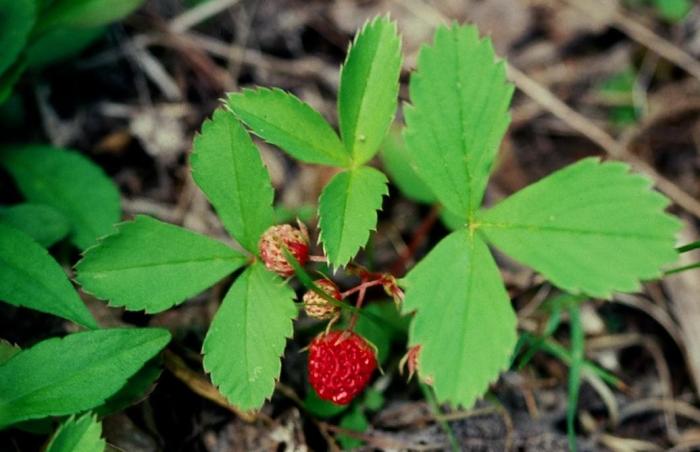
wild strawberries at our lake property
~
Copyright 2016 Jane Tims
writing a novel – professional editing
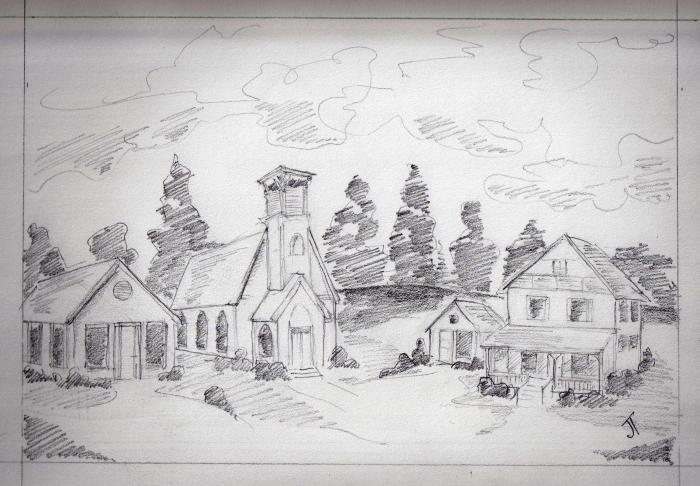
‘a writers’ retreat’
Jane Tims, November 29, 2012
~
Remember my first novel? – ‘Saving the Landing Church’ aka ‘Open to the Skies’. The book is the story of how a woman tries to preserve an abandoned church with unexpected consequences for herself and for the community. The setting of the novel is a writers’ retreat in rural New Brunswick.
~
I began the book three years ago and worked on it, on and off, for a year. Since then, I have been working on two more novels in the series: ‘Crossing at a Walk’ and ‘Shore to Shore’.
~
In the last year, I sent ‘Open to the Skies’ to three publishers. Eventually I heard back from each one: ‘interesting but does not meet our publishing needs’. Disappointing but expected. However I intend to accomplish my goal of getting my novel published!
~
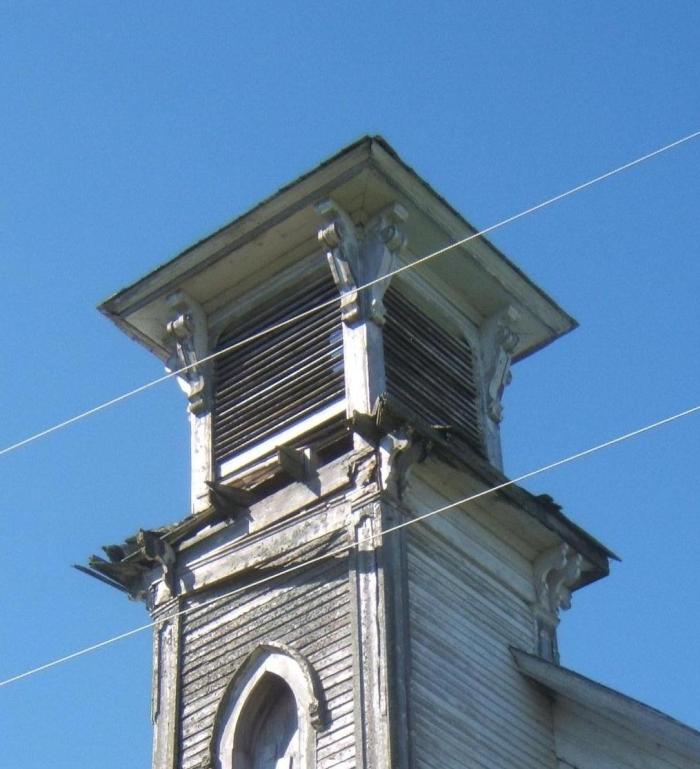
~
I decided to take another step and ask a professional editor to look at my novel and offer comments. I hired Lee Thompson of ‘Lee Thompson Editing +’ ( http://leethompsonediting.com/ ) to read my book and comment. I knew Lee from his role as Executive Director with the New Brunswick Writers’ Federation and took him up on one of the editing specials he occasionally offers. Lee read my novel and provided me with chapter-by-chapter notes about dialogue, plot pace and voice. He helped me most by pointing out areas where he felt characters were not contributing enough to the story.
~
The following is my commentary on Lee’s editing services:
One of the hardest aspects of writing is overcoming subjectivity. Hiring Lee to read and assess my novel helped to overcome this problem since Lee is not only a skilled editor, but is able to provide his comments in a way that encourages a writer’s objectivity. Lee provided a chapter-by-chapter analysis of my novel, including his assessment of what worked, what didn’t and suggestions for improvements. First, I knew by his synopsis that he had read the novel thoroughly and understood what I was trying to achieve. His comments on dialogue, plot pace and voice were specific and not only improved this book but helped me to look at my writing in a new way. Most important, his insightful thoughts on gaps in the story led me to discover story areas and directions that had previously eluded me but waited just below the surface to be discovered. Thanks to Lee I am now in the last stages of a final draft and almost ready to submit the novel to some of the publishers he suggested. I have realized that obtaining the services of a professional editor is one of the most important steps a writer can take – Lee’s confidence and skill made this part of the process painless and productive!
~
I am realising that writing a novel is a story of its own, consisting of many parts, each with its own consequences:
~
- First ideas about story and plot – a place to begin
- First Draft – the novel takes shape
- Second Draft – revision
- Third Draft and so on – more revision
- Beta Reader – someone to cast a reader’s eye on the draft and provide feedback
- Professional Editor – someone to cast an editor’s eye on the draft and provide feedback
- Publisher – someone to read and reject the novel
- Publisher – someone to read and accept the novel for publication
- Readers – someone to read the words and discover the story
~
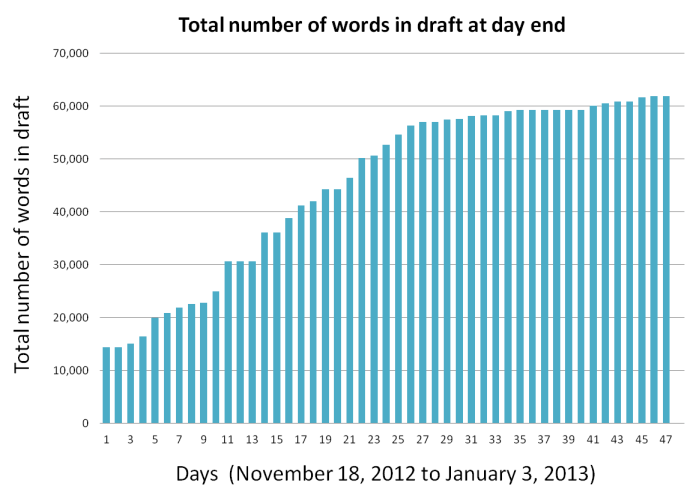
~
Copyright 2015 Jane Tims
in the shelter of the covered bridge – a ghazal
Yesterday, we drove to see a few bridges in north-western New Brunswick. One of these was the North Becaguimec River #4 (Ellis Covered Bridge) in Carleton County.
~
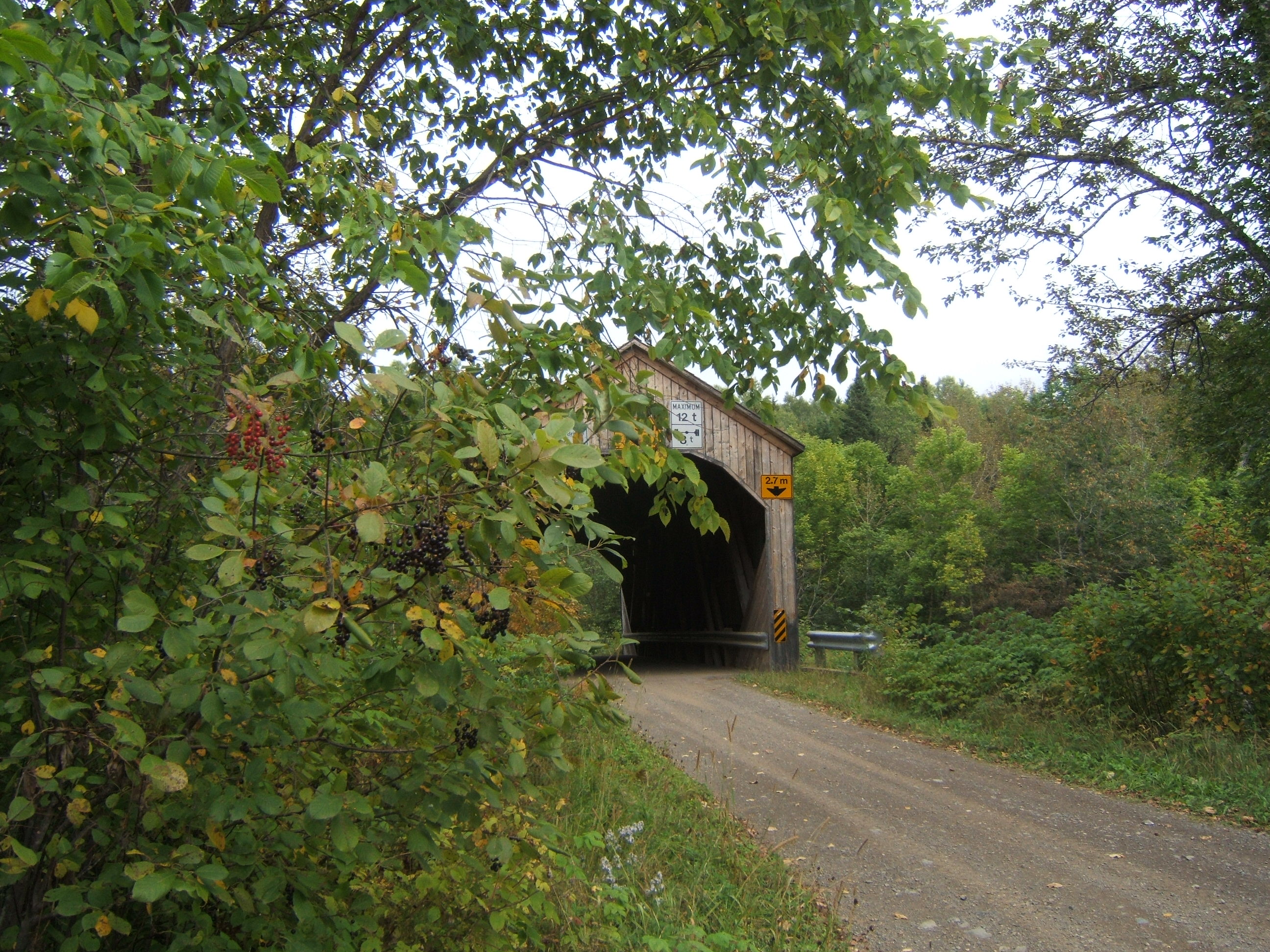
the North Becaguimec River #4 (Ellis Covered Bridge) in Carleton County (Sept 2015)
~
The bridge was built in 1909 and is 18.3 meters long. It shows lots of recent maintenance, including a shingled roof and new timbers and boards in the roof area.
~
The late summer season dominates the atmosphere of the bridges we are visiting. At this bridge, the choke cherries are black, the purple asters are the dominant flower and clematis has set its fuzzy balls of seed.
~

the North Becaguimec River
~
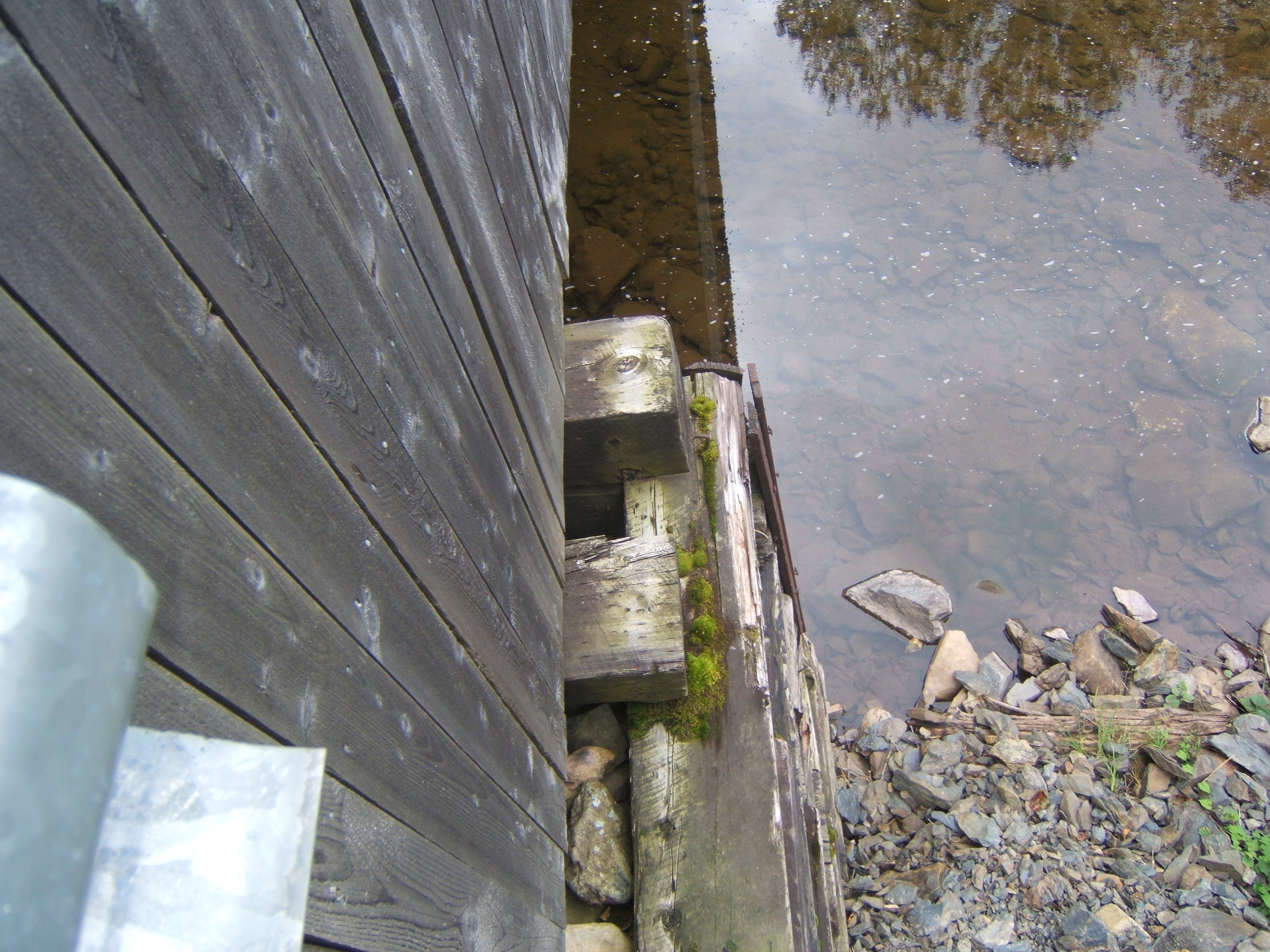
The North Becaguimec is a rocky brook, very shallow after a dry summer.
~
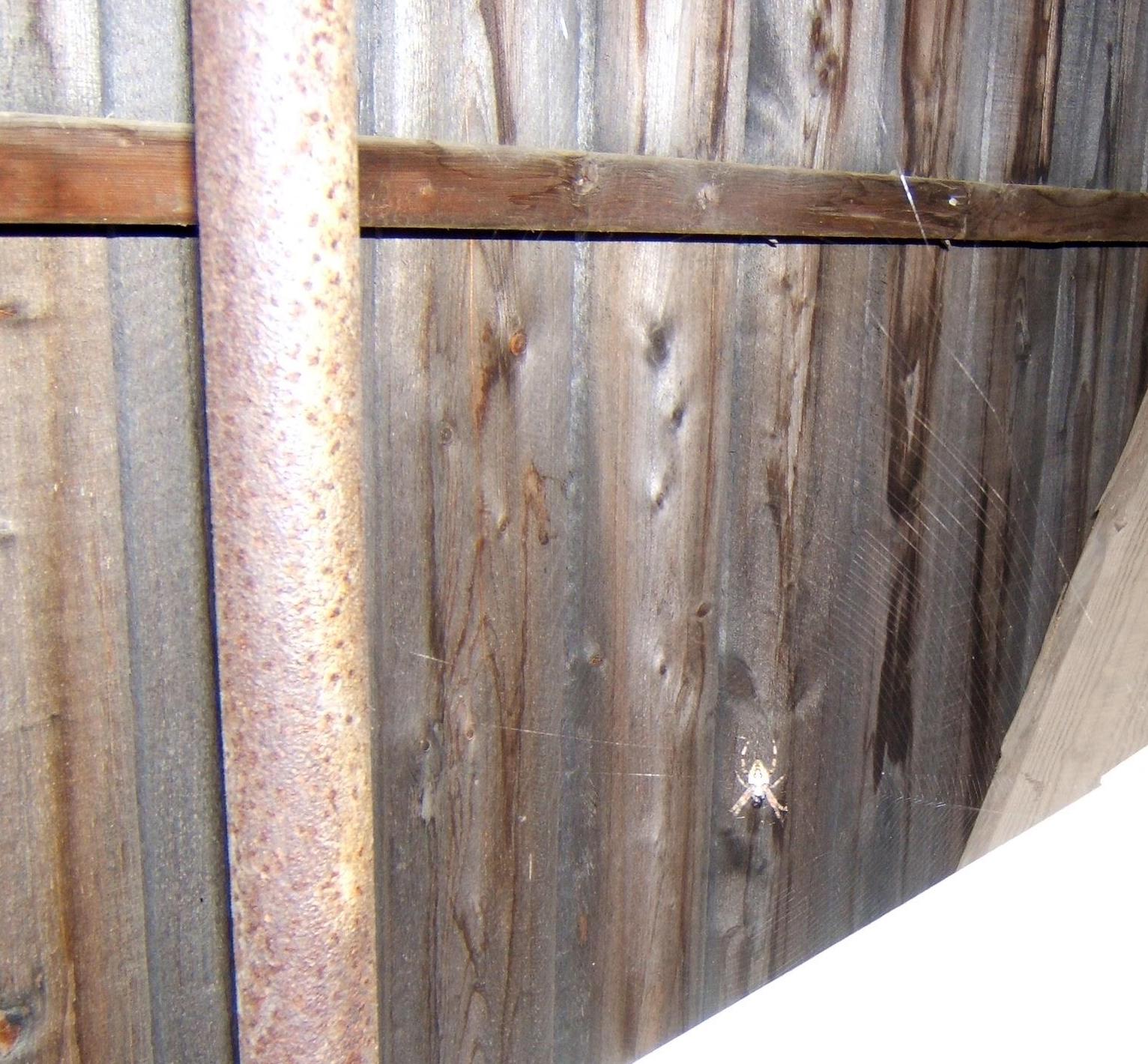
Although there are usually lots of spider webs in a covered bridge, this was the first time I saw a spider. The spider was still and stubborn, not moving for me or my camera.
~
~
As I have said before, in making my manuscript of poems about plants and animals living in the shelter of the covered bridge, I have been trying some different poetic forms. This is my first ghazal.
~
Ghazals are meant to tell of the pain of loss and the triumph of love in spite of loss. A ghazal consists of 5-15 couplets. The second line of each couplet repeats a refrain established in the first couplet. The poem can follow any meter but the meter must stay consistent in every line of the poem.
~
~
the spider waits
~
North Becaguimec River #4 (Ellis Covered Bridge)
~
in the covered bridge a spider weaves and sets its bait
between the beams, and confident, the spider waits
~
cedar shingles, boards replaced and rafters new
but traffic sparse, and in the web the spider waits
~
aster, shepherd’s purse and mullein crowd the road
no risk from the press of tires, and the spider waits
~
after the flood, drifts of birch and maple high
on the river shore, the spider mends its web and waits
~
a skater bug steps and skips on the river’s skin and fears
the water’s dry, and in its web the spider waits
~
on aging crib work velvet moss and lichens grow
landscape formed on rotting wood, and the spider waits
~
years since they wrote their names on the wall of the covered bridge
crickets sing, and in its web the spider waits
~
~
Copyright 2015 Jane Tims
~
contemplation

contemplation
~
still
as though cast
in bronze
mounted on rock
she watches
a strider
skate across
the surface
tension of water
ponders
his agility
the soundless stretch
of the meniscus
dimples on the water
thoughts
barely touch
the shallows
faded as the gentle
brush
of patina
~
~
Copyright Jane Tims 2015
grant from artsnb
I am so pleased to announce – I have recieved a grant in the field of literary arts (B Category) from artsnb – the New Brunswick Arts Board. The Board has supported my work before, for my poetry manuscripts about ‘growing and gathering local foods’ and ‘harvesting colour’.
~
This new project will be to write a manuscript of poems about plants and animals growing in, around and under covered bridges. ‘In the shelter of the covered bridge’ will explore the natural history of these covered bridges, looking at how covered bridges modify the landscape and create a special environment for plants and animals. Because of my interest in human history, I’ll include poetry about the people who make use of the spaces of the covered bridge.
~
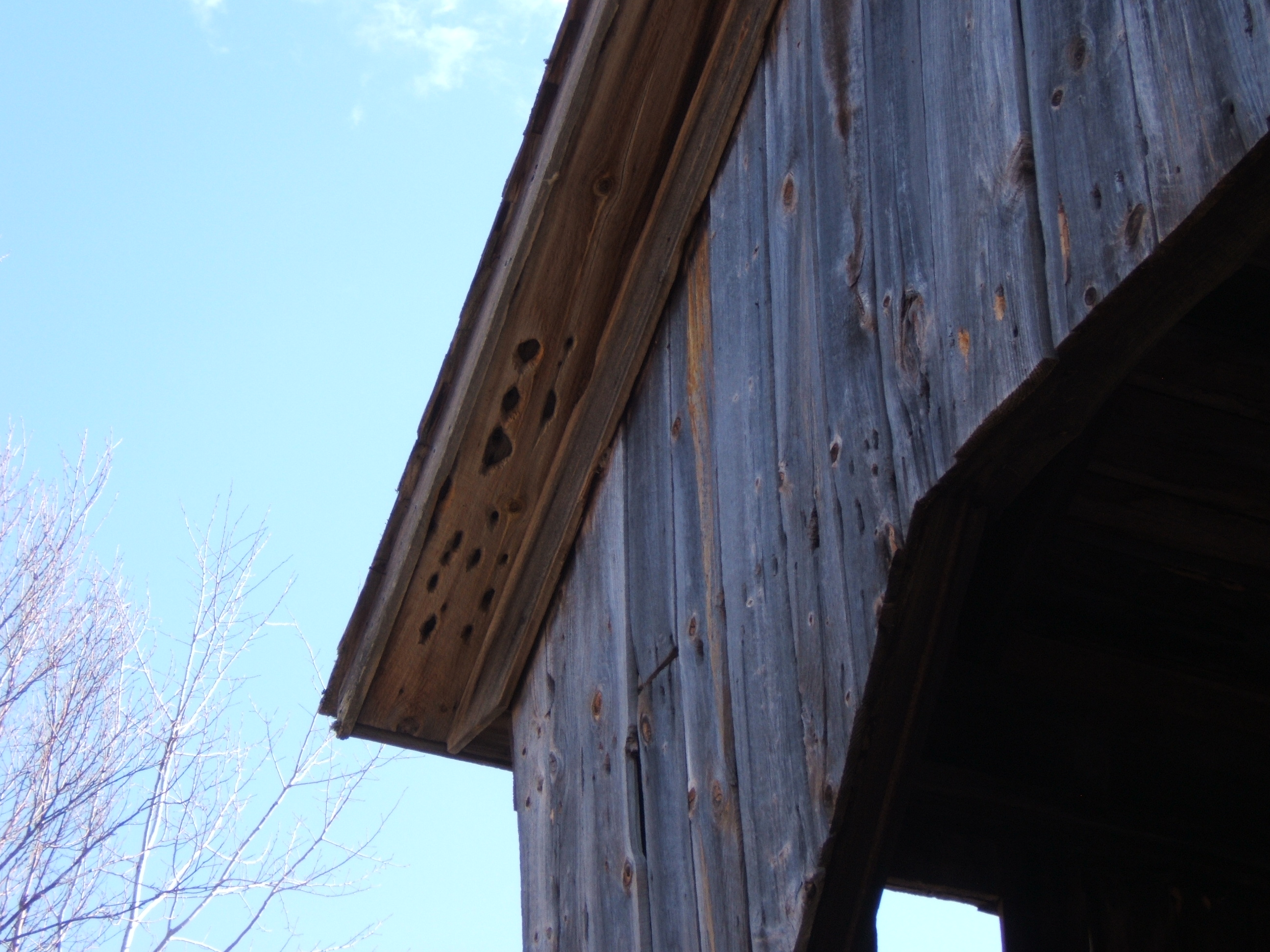
woodpecker holes in an end of the Mill Settlement Covered Bridge – all sorts of possibilities for poetry
~
Since experience is so important to the writing of poetry, one part of my project will be to continue my travels to the covered bridges in the province, especially the 31 covered bridges in the St. John River watershed. Every visit will suggest new subject matter for me to explore with words.
~
Of all the elements of this project, I think I will most enjoy the chance to show how important these bridges are to our natural and cultural history in New Brunswick.
~
Copyright 2015 Jane Tims
writing a novel – draft by draft
Title: Unknown
Working Title: ‘Crossing at a Walk’
Setting: a writers’ retreat – the renovated Landing Church, the hall and the rectory – now used as a Learning Center, a Sleeping Hall and a home/base of operations
Characters: main character Sadie, a writer and manager of a weekend writers’ retreat; her husband Tom, a retired welder; people from the community; writers participating in the first weekend of the writers’ retreat
Plot: Some of the participants in the writer’s retreat become interested in the carving of a woman’s name in a local covered bridge
Story: Sadie works to make the first writers’ retreat go smoothly, but forgets to keep her own life on track
~

Wheaton Bridge (Tantramar River #2) in Westmorland County, New Brunswick. This is the bridge where I found the PHOEBE carving in 1992. We re-visited the bridge in early June and the carving no longer exists, probably lost to necessary bridge maintenance.
~
As I complete work on the fifth draft of my novel ‘Crossing at a Walk’, I am planning how to further improve the book. I am now at about 82,000 words. I have defined the story and the plot. Now I have to complete the editing phase.
~
This blog has proven to be a valuable tool in writing. It helps me to check my progress against my first book, and to make sure I don’t forget steps in the editing process. To help with this process, I have made the table below to chart my progress through the various drafts.
~
| Number of words | Tools used | Objectives | |
| Draft #1 | 32,000 |
|
|
| Draft #2 | 54,000 |
|
|
| Draft #3 | 65,000 |
|
|
| Draft #4 | 77,000 |
|
|
| Draft #5 | 83,000 |
|
|
| Draft #6 |
|
|
|
| Draft #7 |
|
|
|
~
During Draft #5, I began reading my book to my husband and to the members of my two writing groups. Reading aloud is the first test of my audience and helps me find many errors. In particular, I am able to hear words I have repeated in near proximity to one another.
~
Also during Draft #5, I have used a tool I found useful in the writing of my first book. This is SmartEdit for Word (http://www.smart-edit.com/) a ‘first-pass-editing tool’ designed to help identify errors and problems with writing. It is Word compatible and works directly with my Word documents. It identifies clichés, adverbs, repeated words and phrases, punctuation errors and so on. Although it doesn’t take the place of a human editor, it shows the writer possible areas for improvement. SmartEdit for Word can be used free for 10 days or can be purchased for a reasonable price. I have found it to be trouble-free and worth the cost.
~
As I begin Draft #6, my objectives are to make elements in the book consistent. This includes listening for the way characters speak, making certain settings are described completely, and ensuring the story arcs are coherent. I also have to think a little about the third book in the series, so I know what characters I will need and know if I have to make small plot adjustments.
~
Have you ever used editing software to help with your writing?
~
Copyright 2015 Jane Tims

Carving of the name Phoebe on a beam of the Tantramar #2 Covered Bridge near Sackville, New Brunswick
nest of the Eastern Phoebe
This time of year, I hear a wheezy call in our maple tree. The Eastern Phoebe has arrived, to build a nest under the eaves of our shed.
~
The Phoebe makes an appearance in the book I am writing – ‘Crossing at a Walk’. I have just reached Draft #5 of the writing, a time when I edit for adverbs, sentence length, repeated phrases and so on. I also work to clarify the plot and the story, making certain my characters are true to their missions in the book. At this stage, the editing is a bit of a blur.
~
Here is an excerpt from the book. The Eastern Phoebe has come to check out the Whisper Wind Writers’ Retreat (the setting for my story). Tom will encounter three Phoebe’s in the book: the shrill ‘fee-bee’ song of the Chickadee in spring, the Eastern Phoebe with its nasal ‘phee-bee’, and the name ‘Phoebe’ carved in the covered bridge …
~
I am in our garage, cutting leaves from a sheet of copper for a new wind sculpture. I glimpse a quick flutter outside the window and hear knocking in the eaves.
I put the tin snips down on the workbench and step outside to investigate. At one corner of the garage, up under the edges of the roof, is the nest of a bird, constructed within the last few days.
As I lean to get a better look, the mighty construction worker flies out and swoops up to the height of one of our birch trees. It tilts its black head and says, in two raspy, out-of-tune syllables, ‘phee-bee’. The sound is nasal and cheerless, quite different from the bright ‘fee-bee’ of the chickadee in spring.
An Eastern Phoebe! A charming grey bird with a puffed black hairdo and a dirty white throat. The phoebe sits in the tree and wags his tail. He says, again, ‘phee-bee.’
Every morning in June he wakes me.
‘What on earth is that annoying bird song?’ says sleepy Sadie.
‘You could hardly call it a song,’ I answer.
~
For more about the three Phoebes, see my post for May 4, 2015 ‘spring orchestra – fee-bee’.
~

the nest of the Eastern Phoebe – notice this Phoebe has found a few strands of tinsel from our Christmas tree to decorate his home!
~
Copyright 2015 Jane Tims




 nichepoetryandprose