Posts Tagged ‘plants and animals’
snow hollow at the base of a tree
Words are the tools of a writer’s craft. I literally wallow in words when I write a poem. Sometimes the right word comes immediately to mind. Sometimes I have to search for it, sometimes for days or weeks. When I do the final edits for a poem, I ‘press’ on every word, to make sure it is absolutely right.
Sometimes, I encounter an idea or image that seems to have no word. For example, I have searched for a word referring to the charming hollow that builds next to the base of a tree when the snow falls. Sometimes small animals use this hollow for a temporary den. Sometimes it’s a place where debris gathers, as it does in the corners of alleyways. Sometimes it is a calm, beckoning place where snow shadows rest in shades of olive green and blue.

I wonder if there is a name for these elusive places, perhaps in another language.
~
~
snow hollow
~
snow shuns the tree
manifest in the hollow
the empty gather of wind
at the base of the fir
~
where snow-shoe hares find
shelter or dry leaves skipping
across a crust of snow
assemble and rest
~
inside curve to fit
the spine of an animal
the heart of a man
curled against the cold
~
a place where shadows meet
select blue from the prism of all
indigo to illustrate the space
of no snow, no warmth, no light
~
~
© Jane Tims 2011

jane 9 squirrels 1
Again, I am in competition with the squirrels (see ‘competing with the squirrels #1 and #2’, in the Category ‘competing for niche space’).
Christmas is coming and this year, I am decorating with natural elements. One of these is a ceramic bowl of large pine cones.
We have several large White Pine (Pinus Strobus L.) on our property and from time to time, they produce masses of beautiful pine cones, perfect for my decorations. White Pine are easy to remember in this area, since they have their needles in bundles of five. The cones are between 10 and 15 cm long and are a favourite food for squirrels.
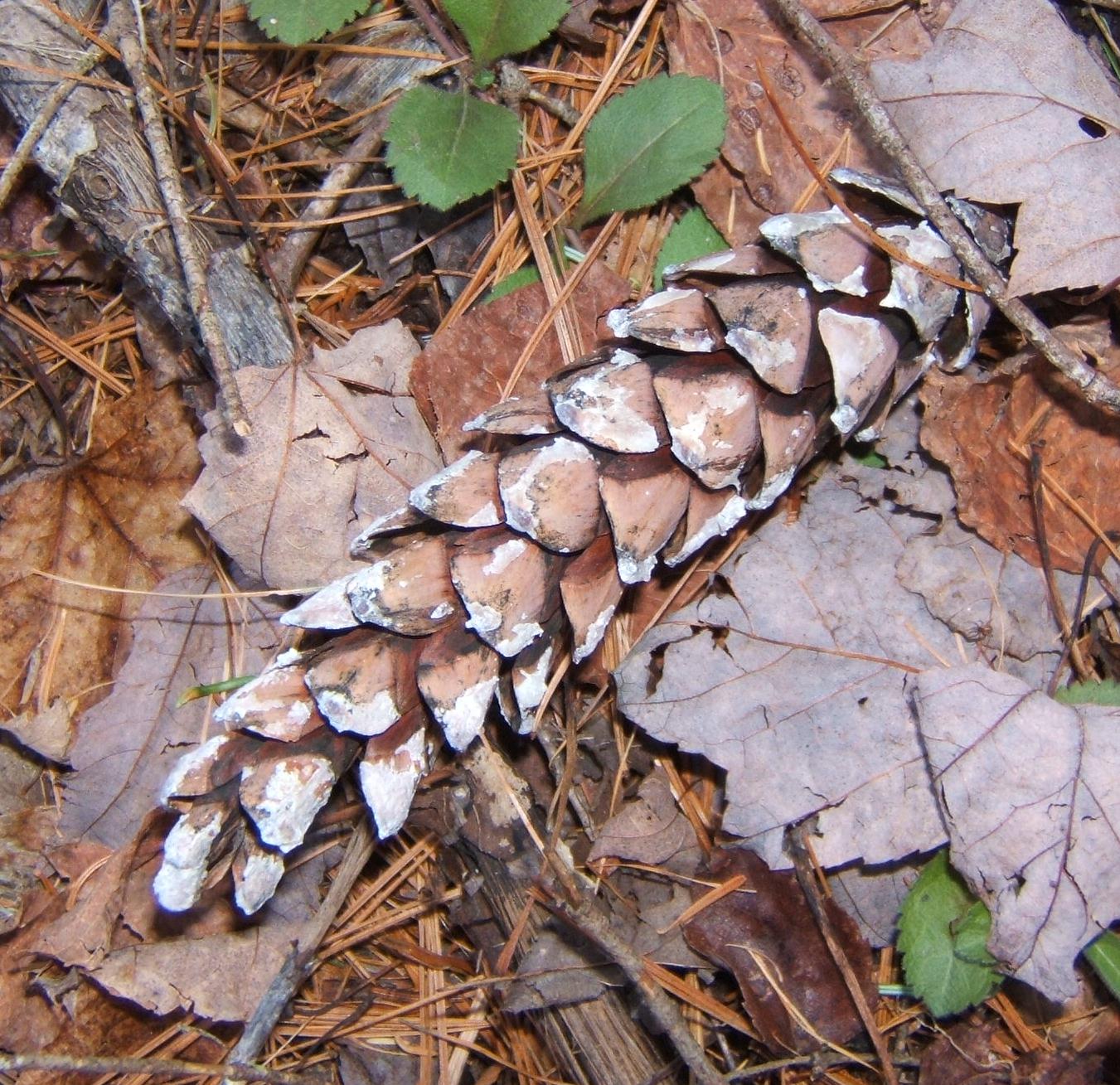
My husband came in last weekend and announced there were lots of the big cones in the pine tree next to our lawn. “Watch for them to fall, and then you should hurry to collect them,” said my savvy husband (he remembers the sad tale of the ripening hazelnuts).
I waited a couple of days and then went scavenging. And now, I am supreme. I have gathered enough cones for our Christmas. I saw a few cones with the lower scales and seeds nibbled away, but I found plenty for me. My hands were sticky, true, but I was so happy. All I can say is, with an emphasis approaching smug, “CH-CH-Ch-chchchchch-ch.”

- just to show that the squirrels do have lots of pine nuts… these cones are about half eaten

in November
~
we gather pine cones
snakes of lion’s paw
hawthorn
cedar boughs
and holly
~
we walk the wild ways
pruners and scissors
baskets and stout cord
bind bunches
of branches
~
balsam and cedar
blood berries
and evergreen
garlands of fir
rosehips and acorns, gilded
needles
and prickles
and thorns
~
© Jane Tims 2011
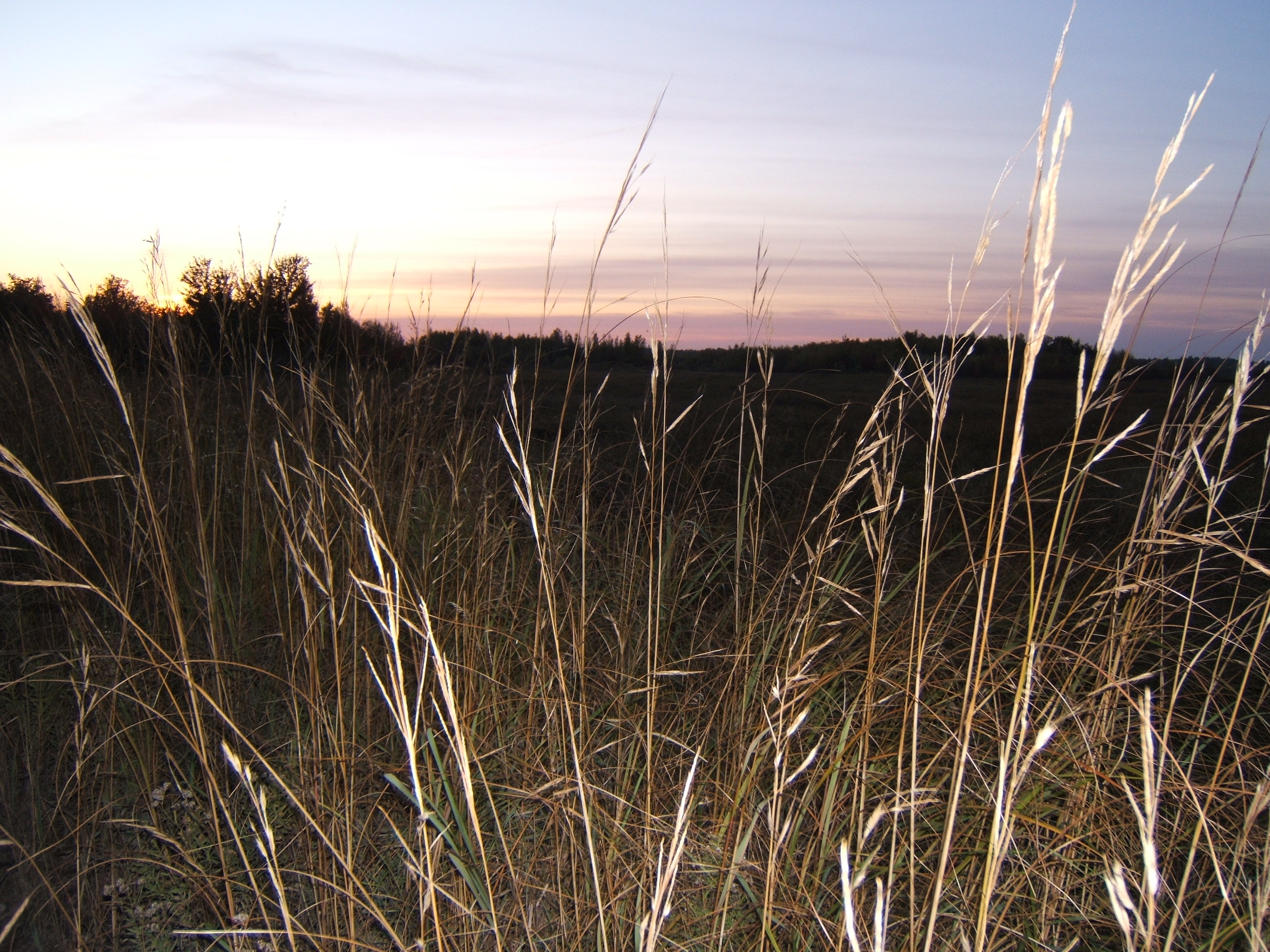
drive at dusk
Saturday evening we took a drive along Sunpoke Lake, a low part of the landscape where you can see, simultaneously, the marsh of Sunpoke Lake, the Lake itself, and the Oromocto River.
Along the road were tracks of moose and bear, and the very smelly carcass of a bear. In each of the tracks, there was a fair sprinkling of seeds, so we surmised the bear tracks were those of the dead bear.

notice the seeds in the tracks... the bear travelled by quite a while ago
The tracks gave us a hint at the drama that must have played out along the road, probably on a night earlier in the week.
The moose tracks were also full of seeds. I like to think of it, ambling along the road.

At the turn of the road where it runs along the Oromocto River, we stopped to take some photos of the moon and its reflection.

And on the opposite side of the road, I caught the sunset at its peak, and the silhouette of a very spooky tree.

Fears
~
I saw a light in the woods tonight
low, through tangled branches of spruce
and crowded stems of fir
~
white in the dark
a gleam where only black should stir
~
like the lamp of a stranger
lost
~
but the glow was steady and still
and in less than the catch of a breath I knew
all I saw was the rising moon
beyond the hill
~
I heard a cry in the woods tonight
soft and low through the tangle of spruce
and the thicket of fir
~
a moan in the dark
a sob where only wind should stir
~
like frightened tears of a child
alone
~
but the cries held no human word
and in less than the catch of a breath I knew
the wail of a wildcat on the prowl
was all that I heard
~
© Jane Tims 1992

sounds in the silence #1
If niche has colour, it also has sound. Some of those sounds are soothing, the sound of a babbling brook, or the wind in the Red Pine. Some sounds are alarming, the cry of a child, or the squeal of brakes. At my office, there are multiple sounds in the background – people talking, computers whirring, copiers copying, printers printing. When there is a power outage, I am amazed at the silence of the building, and wonder how I can possibly work with all the noise.
When I can’t sleep, I turn to a trick my Mom taught me – I count the sounds in the sleeping house. Last week, a welcome sound was added to the usual repertoire, the three part hoot of a Great Horned Owl. Hoo-Hoo-Hoo Hoo-o Hoo-o. It was a gentle but penetrating sound and it ruled the night. The owl hooted three times at about five minute intervals and then I fell asleep.
Not long ago I went for a walk in the grey woods and heard a sound I have heard so often before, the grating squeal of two trees rubbing together. These trees, a Balsam Fir and a Grey Birch, have tried to grow into the same space and now they reproach one another in an endless competition.
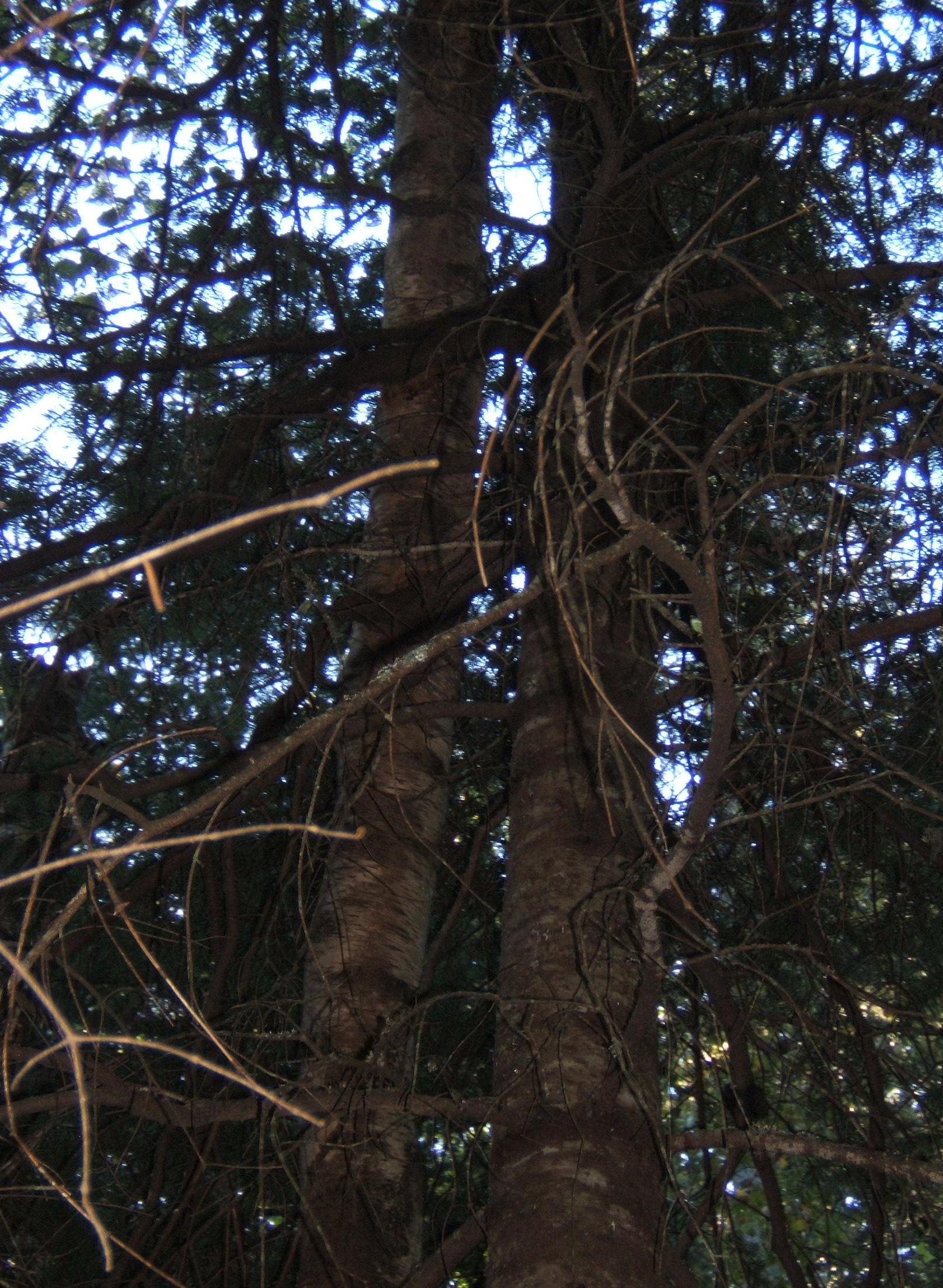
the branches of one tree grate against the bark of the other
fear of heights
~
as dizzying to look up
in the forest
as down
into the abyss
the trees taper so
~
they lean
birch
against fir
rubbed raw
where branches touch
and reach for one another
~
and sudden, wrenching sounds
a branch swings back or breaks
loosened by a squirrel
or burdened where crows complain
~
or where a warbler scolds
teacher teacher teacher
~
© Jane Tims 1996
the color of niche
What are the color characteristics of niche? Are humans the only species to prefer certain colors for their spaces?
Other species also have color preferences. The best example I know is the preference of insects for color in their interactions with plants. Some insect pollinators, for example, prefer certain colors over others. Bumble bees have been shown to prefer the color purple. Also, flowers appearing monochromatic to us may be perceived quite differently by insects since they also see in the ultraviolet range of the spectrum. Some flowers, such as the yellow Evening-Primrose (Oenothera biennis L.), have ‘runway markers’ on their petals, to help insect pollinators to find their way to the nectar-producing parts of the plant.
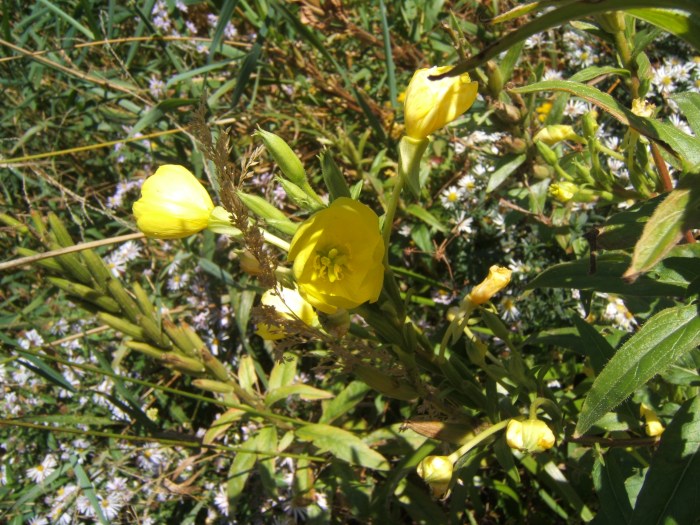
- Evening- Primrose (Oenothera biennis L.) Under uptra-violet light, the central area of the inner petals shows dark ‘runway markers’… if you look closely, you can see some vein-like variation in the yellow of the inner petals

Knowing about color-preference in insects can help us to spend more time in the out-of-doors. Science has shown us that mosquitoes prefer black or other dark colors over lighter colors. Greens, yellows and white are the colors to wear to reduce your attractiveness to mosquitoes.
An early paper on color preference of insects is A.S. Packard, 1903, ‘Color Preference in Insects’, Journal of the New York Entomological Society 11: 132-137. This paper is over one hundred years old but has charming anecdotes of the color preferences of houseflies, butterflies, moths and other insects. It is available on-line at:
http://www.jstor.org/stable/25003044
In the article, Packard reports mosquitoes are attracted to navy-blue, dark red and reddish brown.
My favorite color is definitely green, followed closely by orange. I also find I associate these colors strongly with the seasons: autumn with orange, summer with green. Although I would not select red as a favorite color, I notice my house, not at all color-coordinated, has definite red accents in almost every room.
What is the preferred color of your niche?
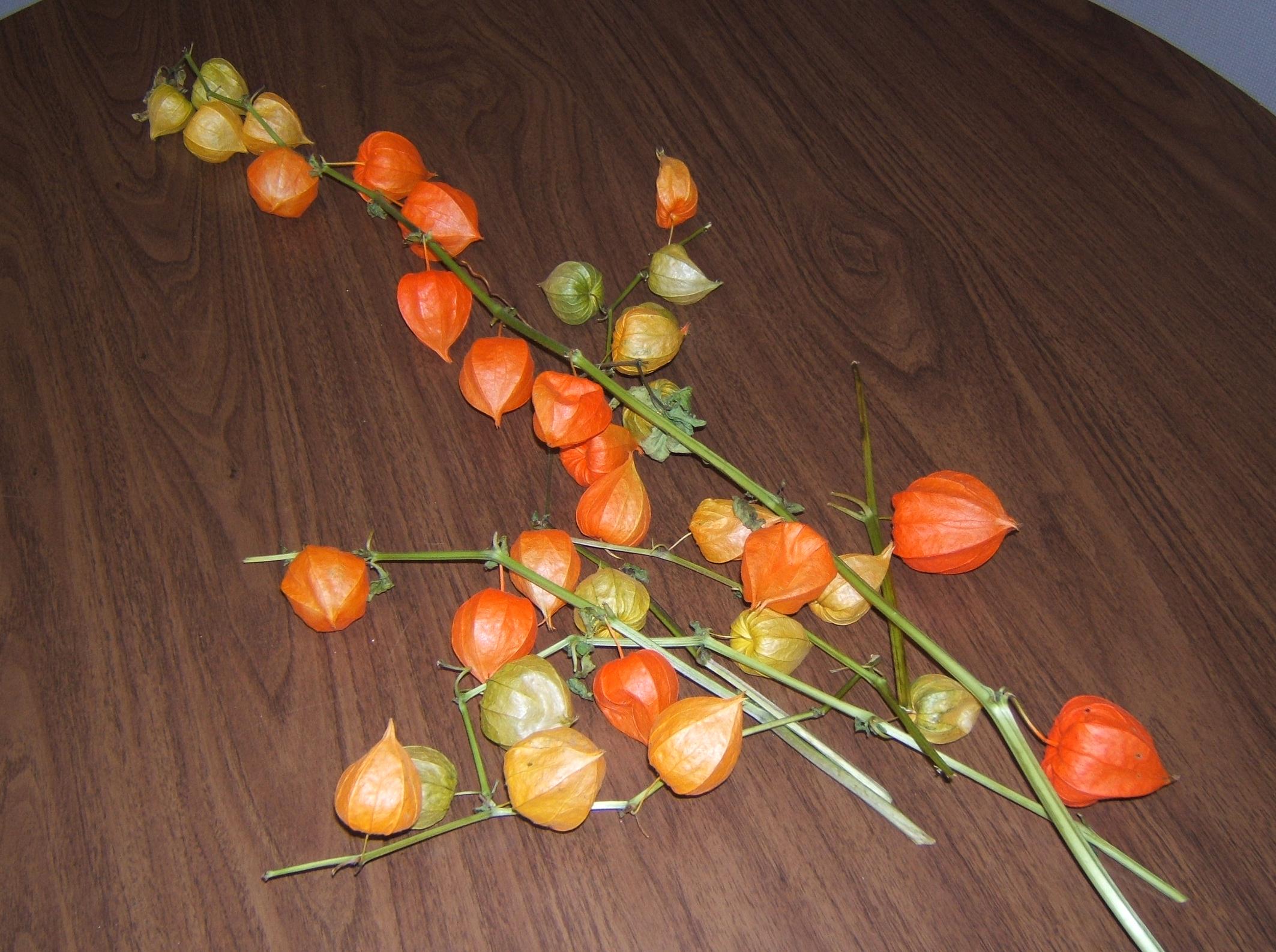
Chinese lanterns (Physalis alkekengi L.) from a friend's garden... also called Bladder cherry or Japanese lantern
orange peel
~
orchard bees
wings of monarch or viceroy
citrus oil, flames spurted in dark
weightlessness of Chinese lanterns, evolution of green
~
jack-o-lantern grin on the compost heap
taste and root-thread trace of carrot
pumpkins on the vine
~
furniture polish stain
on an empty page
~
nothing rhymes
with orange
~
© Jane Tims 2011
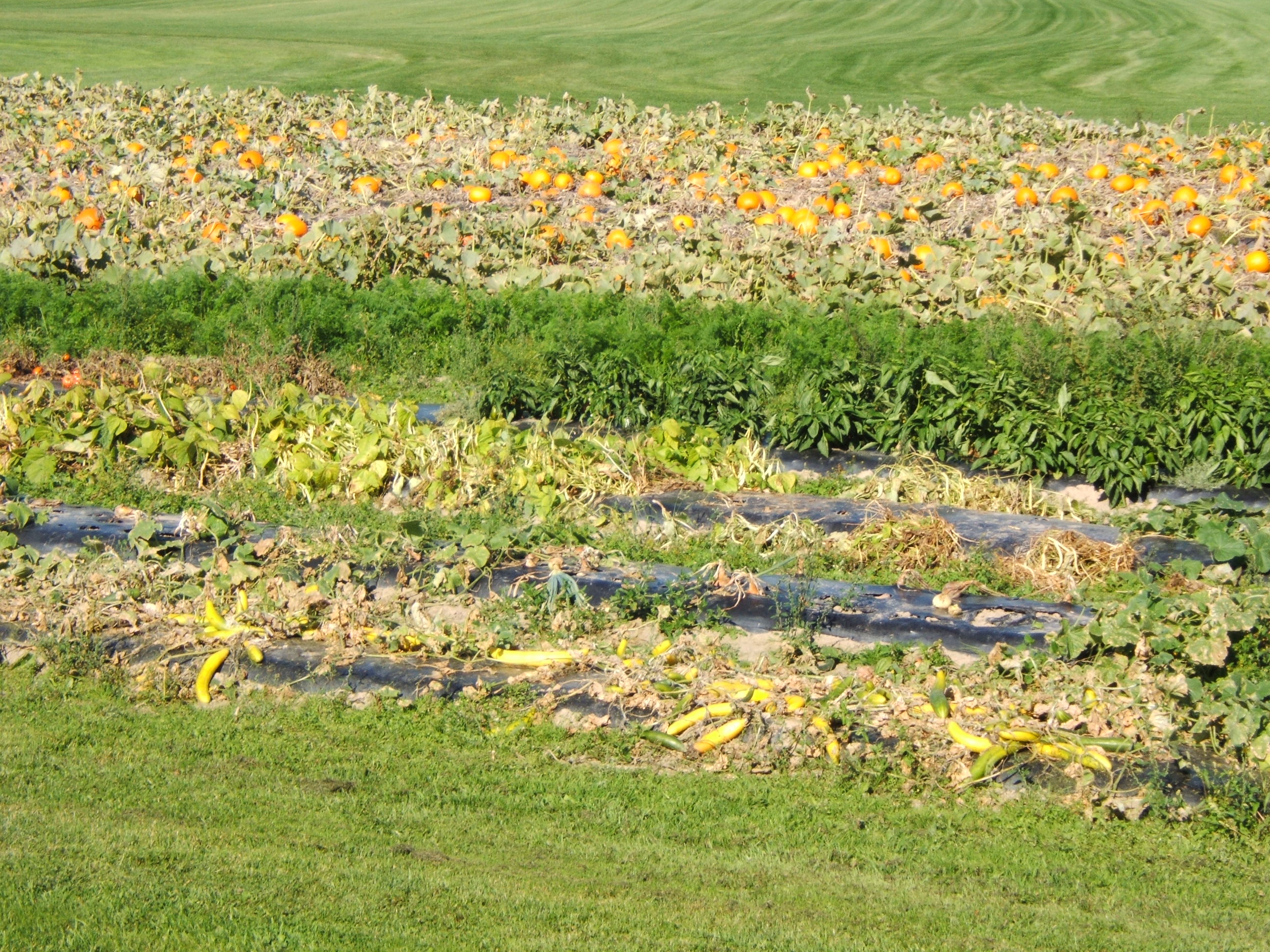
trampled grass on a flat-topped hill
I change the spaces I enter, even when I enter only for a moment. I am an intruder. I am certain feet have scurried into hiding just as I arrive. Sounds have ceased. Scents and tastes have been altered.
Once in a while, my difference can be disguised. I can enter before the space can know I am there. If I am quiet, if I walk softly, some agent will help me pass through the veil and remain unnoticed, just long enough to see and hear and taste the true essence of the place. Often, the generous agent is the wind.
It was a favorite hike, an old cart track winding up the side of a dome-shaped hill in the Elkwater Lake area of the Cypress Hills in southern Alberta. The hill had a flat top and a thick bristle of conifers along the sides. On the flat top was a fescue grass meadow, a bit of prairie perched a layer above the mixed grasslands.
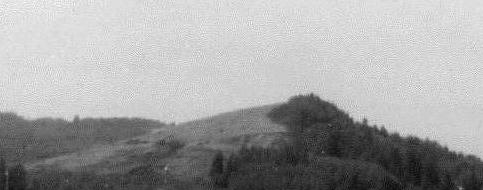
a hill at Elkwater Lake ... coniferous woods and grassland on the same hill
The track was not much more than two ruts, worn into the grass. It curved up the side of the hill, so the approach was gentle, gradual. Then, abruptly, the hilltop. If the wind was right, I could surprise the deer. They yarded there, grazing the grasses, etching paths into the meadow.
If the wind stayed in my favor, the deer would linger, chewing their cuds, watching me, but not registering my difference. As long as the wind blew I could watch, but if it settled, my scent would reach the deer. They would lift their heads and tails and be off in a few zigzag bounds.
deer yard
on a flat-topped hill
~
1.
below the hill is the distant prairie
speargrass and grama grass
and the sweetgrass hills of Montana
~
the grass at my feet is different
fescues of the Cypress Hills
flat-topped remnants of the Great Plateau
untouched by glacier scour
~
2.
bless the wind
it sorts the grasses
lifts each hair
ruffles the limp and fine
~
wind nudges the stubble
the artist’s bristle
the tail hairs of the doe
the chop of fresh grass
~
her gentle cud
her watchful eyes
wind in the spokes
of the mule deer wheel
~
the trampled paths
a game of fox and geese
or the part teased by wind
into sun-blond hair
~
3.
if the wind takes a breath
if the grass or the hair
settles on the shoulder
of the hill
she runs!
~
seeks the safety
of the downslope
downwind
trees
~
4.
fescue
curious on this flat-topped hill
its rightful place
the ancient prairie
~
Published as: “deer yard on a flat-topped hill”, 2010, Canadian Stories 13 (76)
(revised)
© Jane Tims

deer on the grasslands of Nebraska (2002)
the location of our picnic table
Back in our grey woods is a place we don’t visit regularly any more. Our picnic table is there, in a mossy area among mature spruce and fir, at the top of a slope. It overlooks a wet spot in the woods. In the spring the wet area becomes an ephemeral stream, and a series of vernal pools among the mosses and ferns.
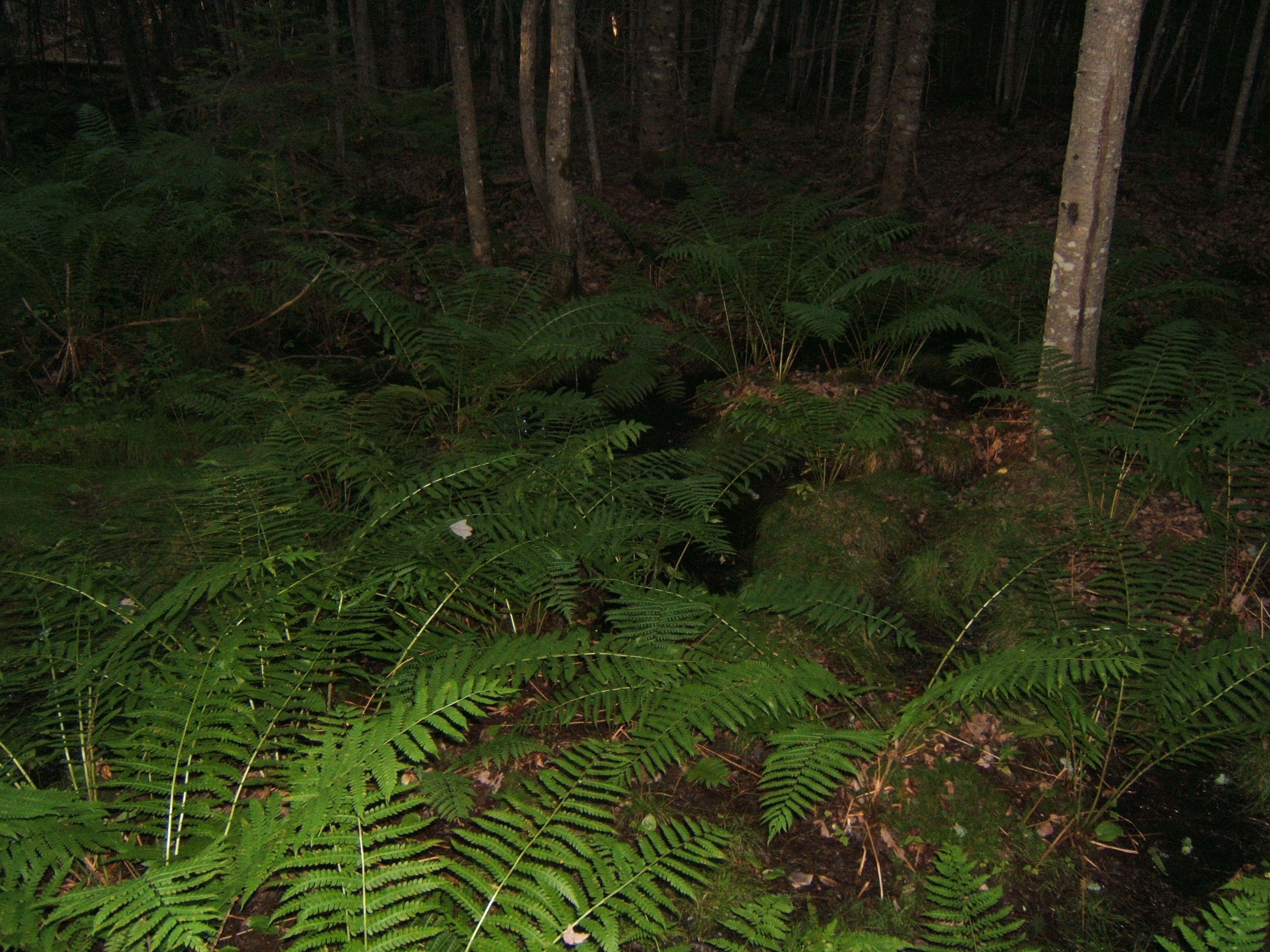
down-slope of the picnic table is a ferny area with an ephemeral stream... the dark areas in the photo are pools of water
Once, almost 28 years ago, the space was perfect for our new picnic table. The table was given to my newborn son by his Great-Aunt Jane and we took considerable care in choosing its location.

our picnic table in the woods
In years past, we took a picnic lunch there regularly. Sometimes I went there to write.
Today I pass the table when I follow the path through the woods, but I haven’t stopped to eat a picnic there in years. Another family has taken over, probably of Groundhogs (Marmota monax). They have built a labyrinth of burrows among the tree roots in the soft soil of the slope. Where each burrow exits is a mound, the remains of deep-earth excavation. One of the six burrow openings is larger than the others. My reading tells me this complex of burrows and exits provides quick escape from predators, a place to store food, and a place to hibernate.

the main entrance to the burrows, under the roots of a fir
Once this place was the ideal location for our new picnic table and our family picnics. Now the same site is perfect habitat for the Groundhog family.
concerning the location
of our new picnic table
~
share a meal with the unknown
to make it your friend
~
we find a clearing
near the path
where the sun will shine at noon
where we will not have to cut the trees
where the neighbours’ voices
and the passing cars
are quiet
~
we load the picnic table
into the cart
haul it through the woods
behind the Yamaha
~
we eat peanut butter sandwiches
and applesauce
drink cola
and sunshine
~
we laugh
make friends with the woods
and with each other
~
© Jane Tims 1983
hidden in the hollow heart of an oak
Hollow trees create mysterious spaces in the woods.
When I was young, a hollow in a tree was a secret hiding place for treasures, and one of my favourite books was a Nancy Drew mystery – “The Message in the Hollow Oak”. In the story, a hollow tree is used as a secret mailbox between long lost lovers.
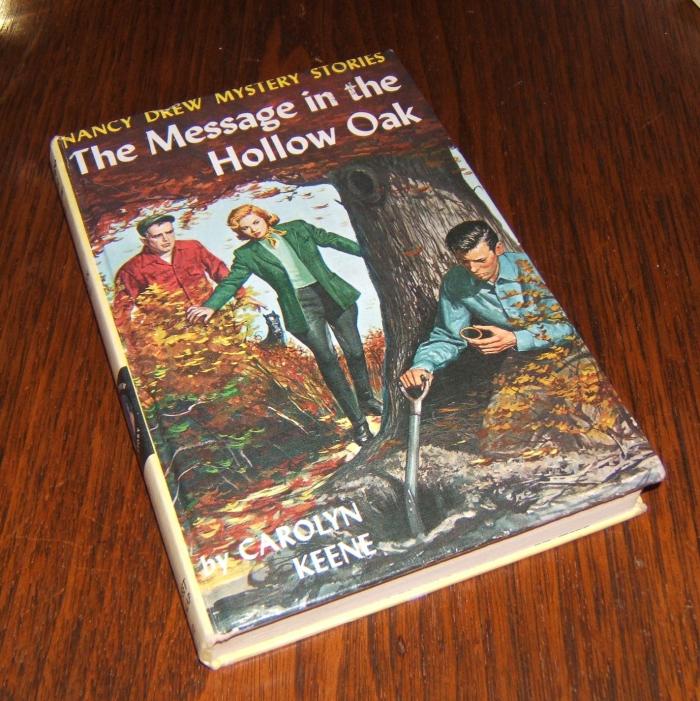
- Carolyn Keene 1935 The Message in the Hollow Oak (a later edition, probably around 1965)

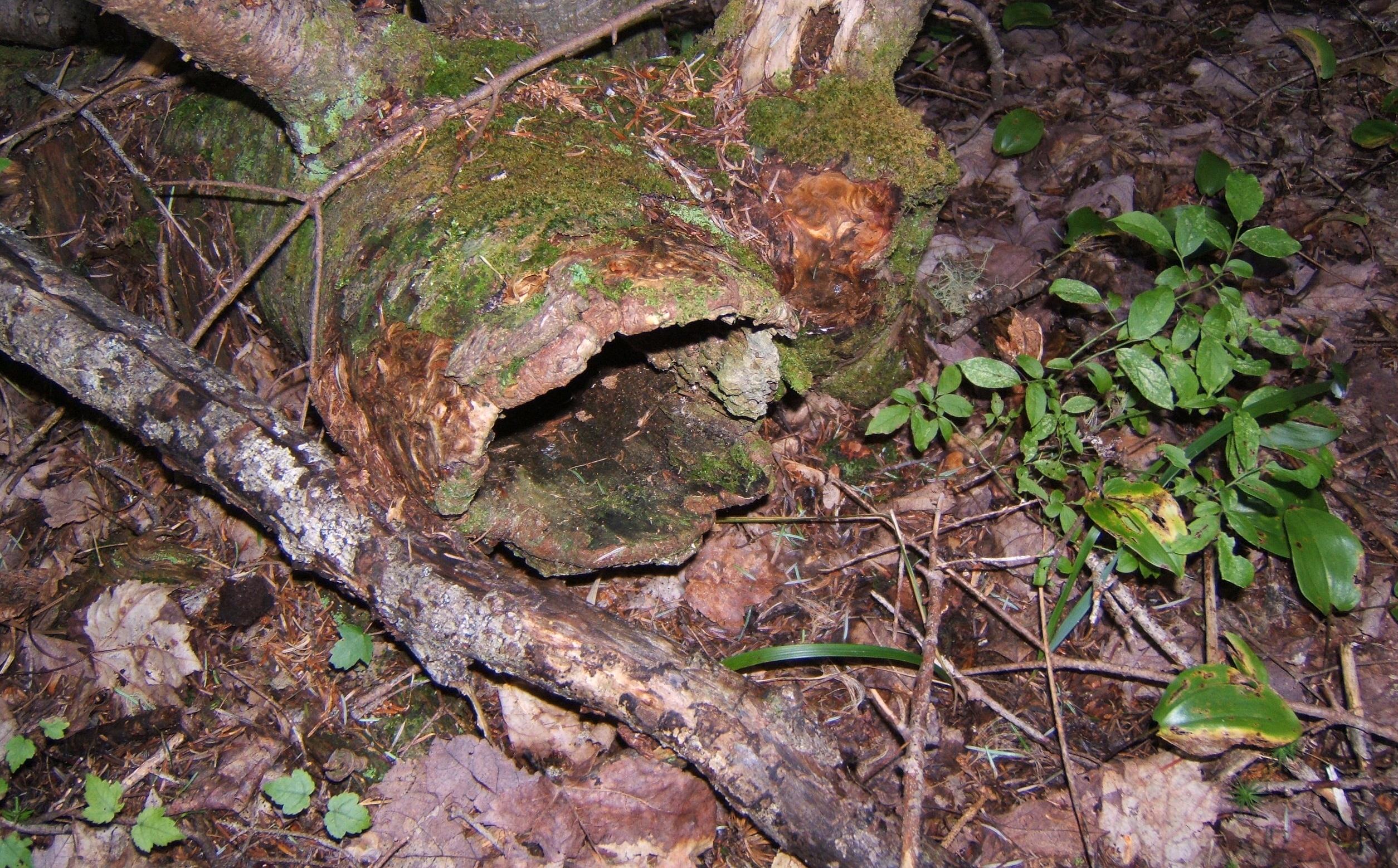
a hollow log in the woods
Cavities are usually found in mature trees. Their importance as habitat is a good reason for protecting older, mature trees in the woodlot. When my son was young, we made wooden signs saying “DEN TREE” for the older hollow trees in our woods, so we would remember not to cut them down.
Do you know a hollow tree and would you reach into the cavity to retrieve a letter???
requesting the favour of a reply
~
these leafless trees
brush against
a linen sky
ink strokes
on rice paper
letters
penned at midnight
~
hidden in the hollow
heart of an oak
afraid to reach in
to feel only
curls of bark
desiccated leaves
~
these trees
all seem the same
empty envelopes
parchment ghosts
~
branches tangled
messages
lost
~
black spruce scribbled on sky
~
Published as: ‘an answer in silence’, Spring 1995, The Cormorant XI (2)
(revised)
© Jane Tims
competing with the squirrels #2
We watched our hazelnuts carefully every day until August 11, certain the squirrels would not get them ahead of us.

our hazelnuts, almost ready to pick
Then, as humans do, we went on a small vacation, and returned on August 14, only three days later.
As soon as I was out of the car, I went to have a look at my hazelnuts.
And not one remained.

no hazelnuts
The squirrels got the hazelnuts.
No poem can express my dismay.
Next year…
Warning: 1. never eat any plant if you are not absolutely certain of the identification; 2. never eat any plant if you have personal sensitivities, including allergies, to certain plants or their derivatives; 3. never eat any plant unless you have checked several sources to verify the edibility of the plant. © Jane Tims 2012along the country road #3
A few years ago, I became interested in pressing flowers as a craft. I discovered a secret – one of the best flowers to press is Queen Anne’s Lace. Laid out on the page, it has the look of intricate crochet.
Queen Anne’s Lace, also called wild carrot, devil’s-plague, and carotte sauvage, is a tall weed with an umbrella-like cluster of lacy white flowers. The flowers are an umbel, meaning that the individual flowers all radiate from the same point on the stem to form a head. The flower is commonly seen in hayfields and waste places, and along roadsides.

Queen Anne's Lace (Daucus carota L.)
Daucus is the ancient Greek name for carrot; carota is the old generic name for carrot.
Don’t let the name ‘carrot’ fool you, as the roots are said to be somewhat poisonous. Also, beware of look-alikes. There are many flowers that can be described as a ‘white umbel’, some of them poisonous to the touch. Use an identification guide before you investigate too closely!
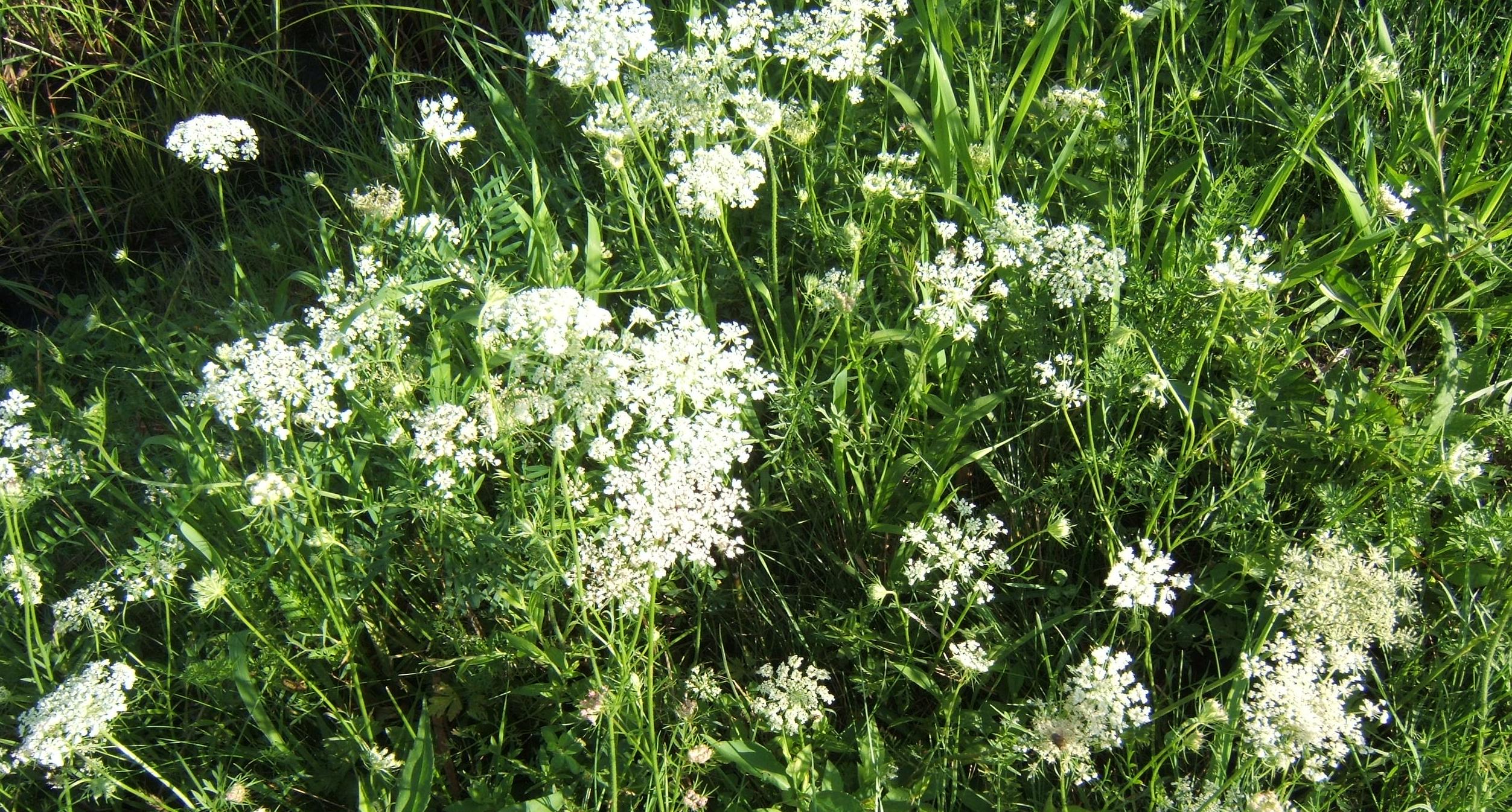
like snowflakes in summer
Queen Anne’s Lace
Daucus carota L.
wild carrot
inedible
no colour
unsuitable
as a vegetable
(poison probable)
white lace
three dimensional
tatted for Anne
‘Not Suitable’
for a Queen
(too usual)
umbrella
non-functional
(leaky)
unsuitable
for the rain
(or even drizzle)
in moonlight
unforgettable
common words
unsuitable
devil’s-plague?
ethereal!
Published as: ‘Queen Anne’s Lace’, Winter 1993, The Antigonish Review 92:80-81.
(revised)
© Jane Tims




 nichepoetryandprose