Posts Tagged ‘art’
playing the parlour organ
Within my grandfather’s house were rooms we were not allowed to enter, except under very special circumstances. One of these was the parlour.
My ‘need’ to practice the piano allowed me access to this sanctum. For each day of our vacation, I was allowed to practice on the old pump organ. The organ belonged to my grandmother and my Dad could remember sitting on her lap while she played.

I was not an eager player and spent a lot of time testing the effect of the various ‘stops’ on the organ. These were white knobs with mysterious black words printed on each. When you pulled a stop, various connections were created to make the organ sound a certain way. Now for a memory I am not sure is true or only something I imagined – one of the stops, if pulled, would make the keys play an octave below where I was playing. They moved of their own accord and made me feel I was playing a duet with a ghostly partner!

One of the songs I chose to play on the organ was Evening Chimes. It was an easy song and made a good impression.
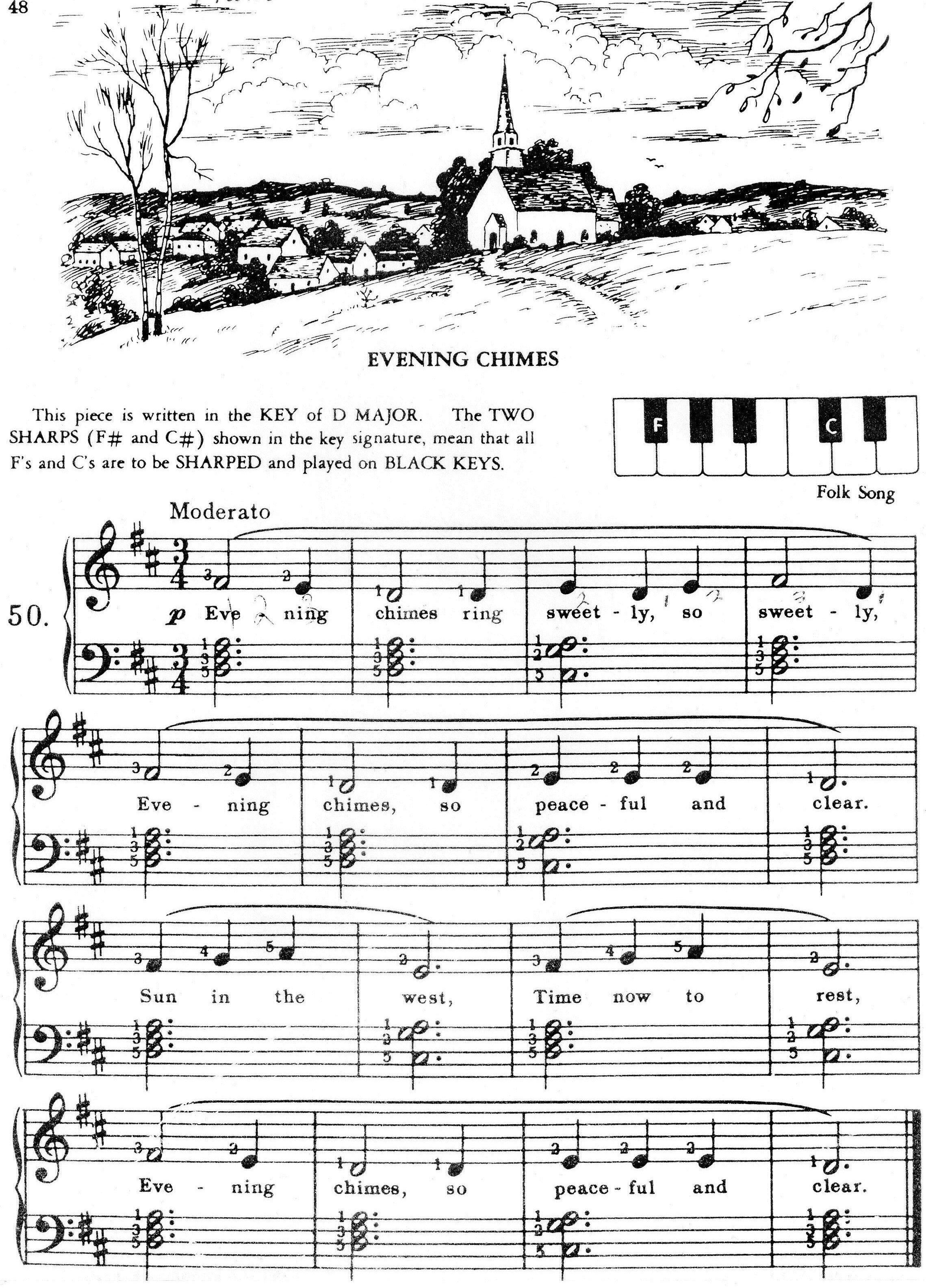
'Evening Chimes', Michael Aaron Piano Course - Grade One. Mills Music Inc., New York. 1945.
Since I knew Evening Chimes by heart, my eyes could wander over the embellishments of the Victorian-aged organ as I was playing. Its designs included flowers, leaves, exclamation marks, serpent-like creatures and four stylised figures of an octopus! This last I could ascribe to a childish imagination, but since my sister now has my grandmother’s parlour organ, I can verify the existence of those odd oceanic figures on the front of the organ!
~
~
Vox Angelica 8 Fţ
~
practice required
repeated bars and D.C. al fine
the E flat I could never
remember, stretch that little
finger, make it behave, do
tricky slurs and grace notes
~
to coax these from the organ
was like pounding on felt
and my feet
unused to pumping
supplied inappropriate pace
~
so I played Evening Chimes, folk song
over and over
rang church bells
imitated angels, impressed
my pious grandfather
and demonstrated piano prowess
~
© Jane Tims 2011

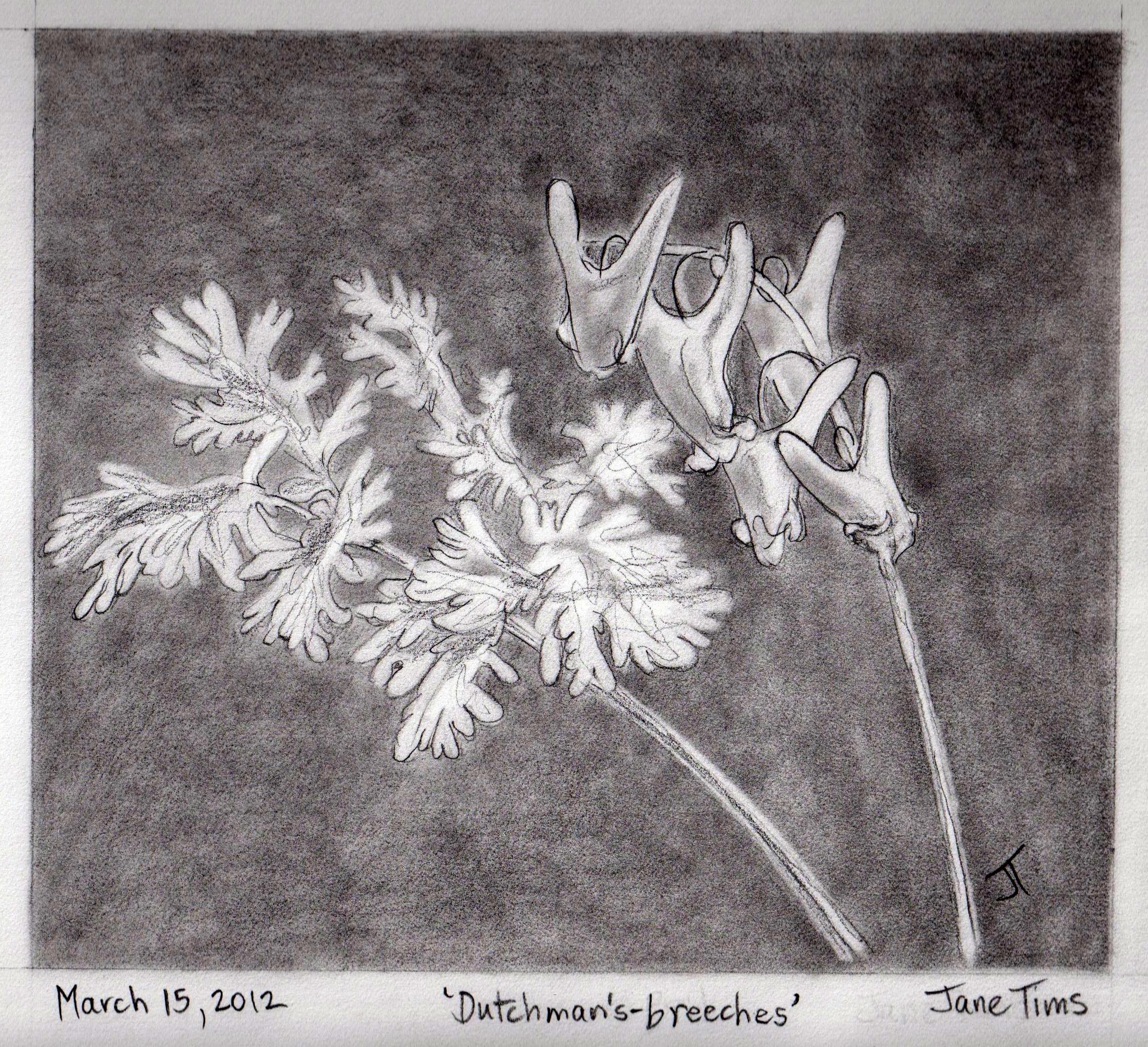
Dutchman’s-breeches (Dicentra Cucullaria (L.) Bernh.)
Our first summer home was located in a rich hardwood of Sugar-Maple (Acer saccharum Marsh.), Beech (Fagus grandifolia Ehrh.) and White Ash (Fraxinus Americana L. ). In these woods, in early spring, as the snow melted, wildflowers found ideal habitat. Many plants take advantage of the few days when the leaves of the overstory trees are still developing, and there is bright light in the understory of the woods.
One of these wildflowers is Dutchman’s-breeches (Dicentra Cucullaria (L.) Bernh.). This charming little plant blooms early in spring, in rich, rocky hardwoods. The white flowers are two-spurred, in groups of four to ten along a stem held just above finely divided, feathery leaves.
The plants is also known as breeches-flower, cullottes de Hollandais, and dicentre à capuchon. The generic name is from the Greek di meaning twice and centron meaning a spur. Cucullaria is the old generic name meaning hoodlike. The plant was named by Johann Jacob Bernhardi.
The flowers of Dutchman’s-breeches are an example of plant adaptation for pollination. The flower has a clever mechanism, in the form of fused flower parts, to ensure only certain insects (such as the bumblebee) can access the nectar and pollen.
In my copy of Roland and Smith (The Flora of Nova Scotia), I recorded my first encounter with this little plant – April 28, 1985, during one of our first visits to our property before we purchased it. We called our cabin Whisperwood, in part because of the subtle breezes in those wildflower-dotted spring woods.
~
~
Dutchman’s Breeches
Dicentra Cucullaria (L.) Bernh.
~
~
Dutchman’s breeches
brighten in sun
woodland washdays
have begun
~
spring-clean trousers
hung in rows
inflated with breath
the May wind blows
~
sprites are playing
tossing their hoods
above the damp
in the spring-fed woods
~
little fairy laundry
trembles on the line
before greening trees
block spring sunshine
~
~
© Jane Tims 1993
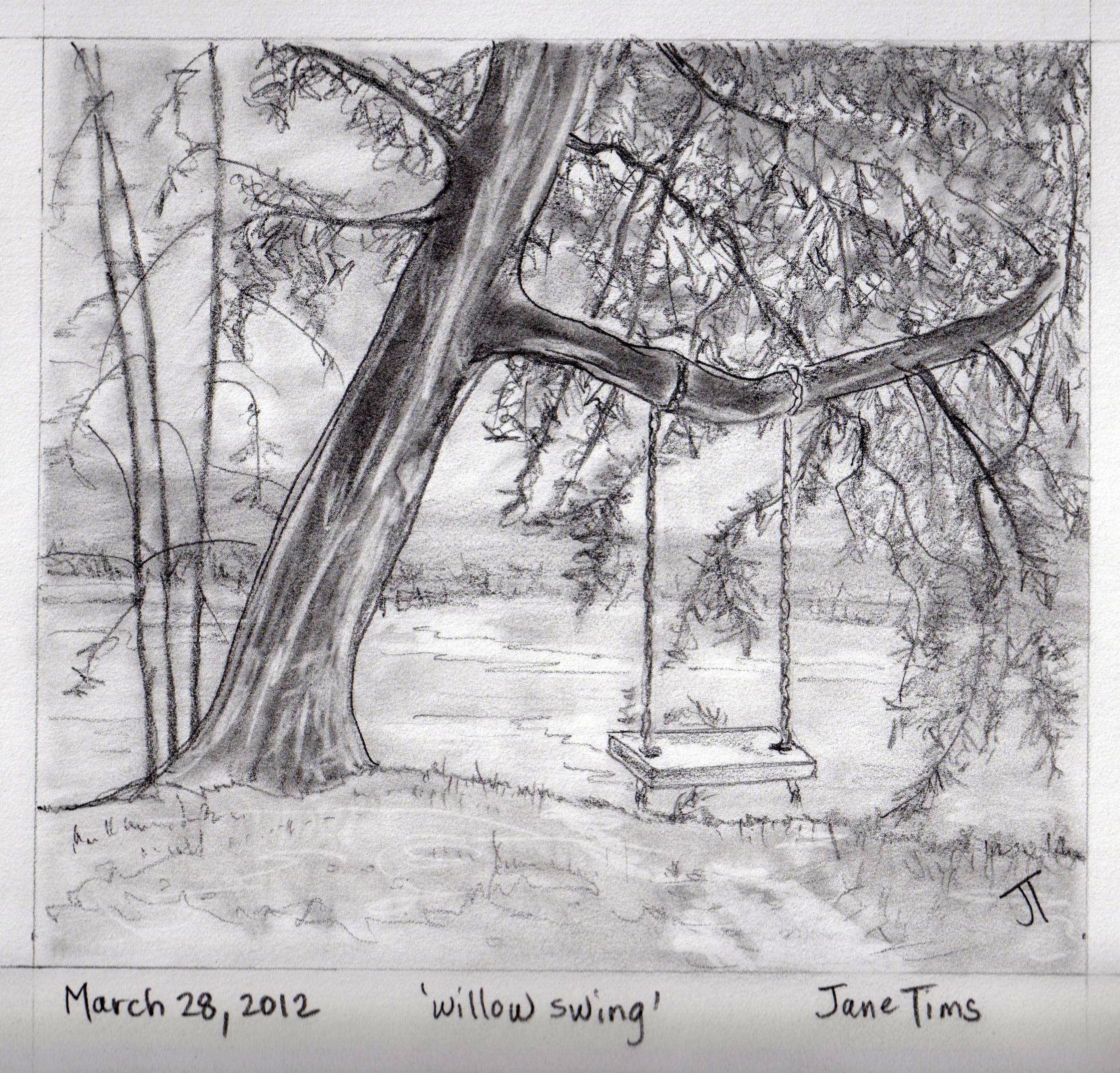
a moment of beautiful – a swing in the orchard
the space: in the shade of a tree
the beautiful: an old wooden swing
The sight of a swing hanging from the solid limb of an old tree recalls happy hours of swinging when I was a child.
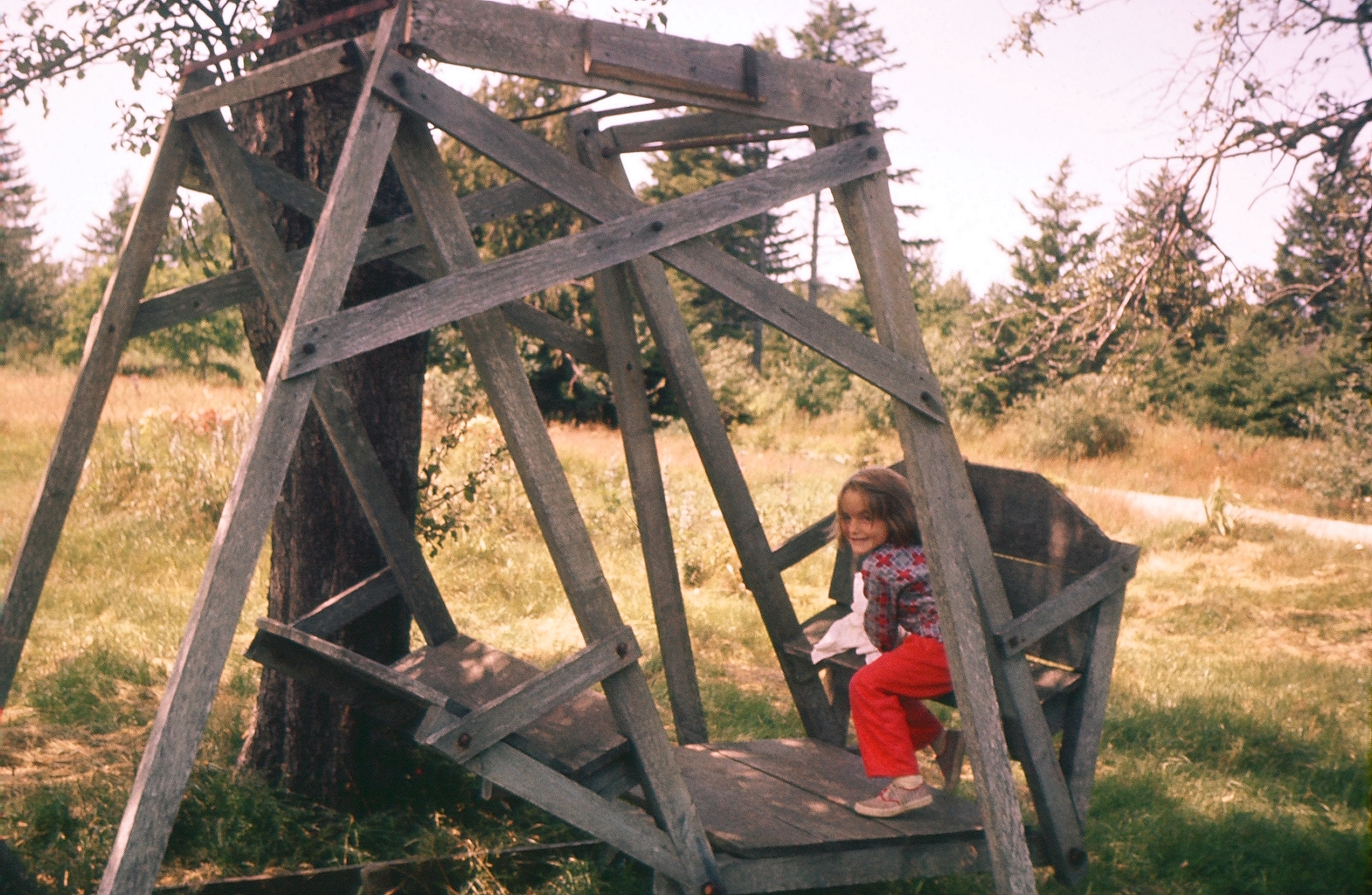
On my grandfather’s farm, the swing was a swing-chair, and I spent hours pushing the old swing to its limits (see ‘in the apple orchard’ the post for August 9, 2011, under the category ‘my grandfather’s farm’). At home in Ralston, Alberta, the community playground had an adult-sized swing set, strong enough to withstand our approach of ‘stand on the seat and pump’. And, when my son was little, we had an old-fashioned board and rope swing – it was a little off-kilter and seemed to go side-to-side rather than forward-and-backward but I remember he and I had lots of fun.
My own childhood story about board and rope swings is bitter-sweet. My Dad built me a swing and hung it from the rafters in the basement of our house in Medicine Hat. I loved it, but … one day I let go of the ropes and fell backwards, hitting my head on the concrete floor. I can still remember the intense pain and the big black star that dominated my vision for a moment. People who know me will say this explains a lot.
~
~
swing sway
~
the old swing
hangs frayed from a limb
of the apple tree
sways
hips as she waits
for the downtown bus
rocking learned
in baby years
when rhythm brought peace
and a quiet evening
~
~
© Jane Tims 2012
keeping watch for dragons #4 – a dragon overhead
Have you ever had a raven fly directly over your head? If so, you have heard the rhythmic compression of air, too intense to have been made by feathers…

~
~
a dragon overhead
~
a raven flies over
thrashes the air
percussion of dragon wing
~
~
© Jane Tims 2012
maple syrup ups and downs
It may be a short maple syrup season this year. The weather has not been cooperative. In order for the sap to run, warm days are great, but the nights need to be cold. When the temperatures fall below zero, the sap in the tree runs from the crown to the roots. When the day is warm and sunny, the sap runs back up to the canopy. If there is no cold night, no sap.
So far we have collected about 40 liters of sap from our 10 trees and I have 3 bottles (each 500 ml or two cups) of lovely dark syrup! This compares to 136 liters of sap last year on the same date, from 12 trees.
~
~
Cold night, warm day
~
Icicles build
from the spile
sweet sickles of sap
~
~
© Jane Tims 2012

keeping watch for dragons #3 – beechwood dragon
This time of year, the only leaves still clinging in the forest are the dry, golden leaves of young beech trees. Every drop of moisture has been withdrawn and the leaves rustle and whisper in the woodland. Something about the way the wind moves through the leaves, and catches the sound of their tremble, makes you wonder…

~
~
beechwood dragon
~
scales rattle
as he tiptoes through the thicket
peeks between the trees
wingwebs transparent
armoured in gold
~
~
© Jane Tims 2012

Coltsfoot (Tussilago Farfara L.)
Although it has been snowing sporadically this month, our recent days of very, very warm weather tell me spring has arrived. As a result, I am watching the roadsides for the first flowers of spring. Even before the snow is out of the woods, it begins to melt along the roadsides as they warm in the lengthening hours of sun. And the cycle of bloom begins again.
Coltsfoot (Tussilago Farfara L.) is one of the first plants seen in early spring. It forms large patches in waste areas, beside brooks and roads, and on damp hillsides. People often mistake Tussilago for Dandelion, but it is quite different. Its yellow flowers are borne on scaly, leafless stems. The large, woolly leaves don’t appear until later in the season. In spite of its early appearance in spring, Tussilago actually has late flowers. The flower buds are formed in autumn at the base of the plant, and pass winter underground, flowering in the first spring sunlight.
Other names for the plant are Son-before-the-Father, which refers to the appearance of flowers before the leaves, and pas-d’âne (literally donkey-steps). The scientific names are from the Latin tussis, meaning a cough, referring to the use of the plant as a remedy for such ailments, and the Latin word for coltsfoot, farfarus. The plant was named by Linnaeus, the Swedish botanist who established the present day system of naming plants.
Although the plant was used by pioneers for its medicinal effects, it is now known that Tussilago contains harmful alkaloids. Tea made from Coltsfoot has caused health problems in infants and pregnant women, so its use as a cough remedy is not recommended. In some States, Coltsfoot is considered a noxious weed.
~
~
Coltsfoot
Tussilago Farfara L.
~
Gold-
splashed beside the road
like prints
of a frisky colt’s feet
~
at first glance-
an early dandelion!
but-
too early
stem scaly
no leaves below the bloom
no perfume.
~
Coltsfoot,
Son-before-the-Father
(flowers before the leaves).
Introduced from
far, far away.
Old wives say
boiled greens
will ease
a cough.
~
Long ago
Tussilago
sprang from where
a burro trod
among the palms
(pas-d’ane)
~
~
Published as: ‘Coltsfoot’, Winter 1993, The Antigonish Review 92:76-77.
Revised
© Jane Tims 1993
~

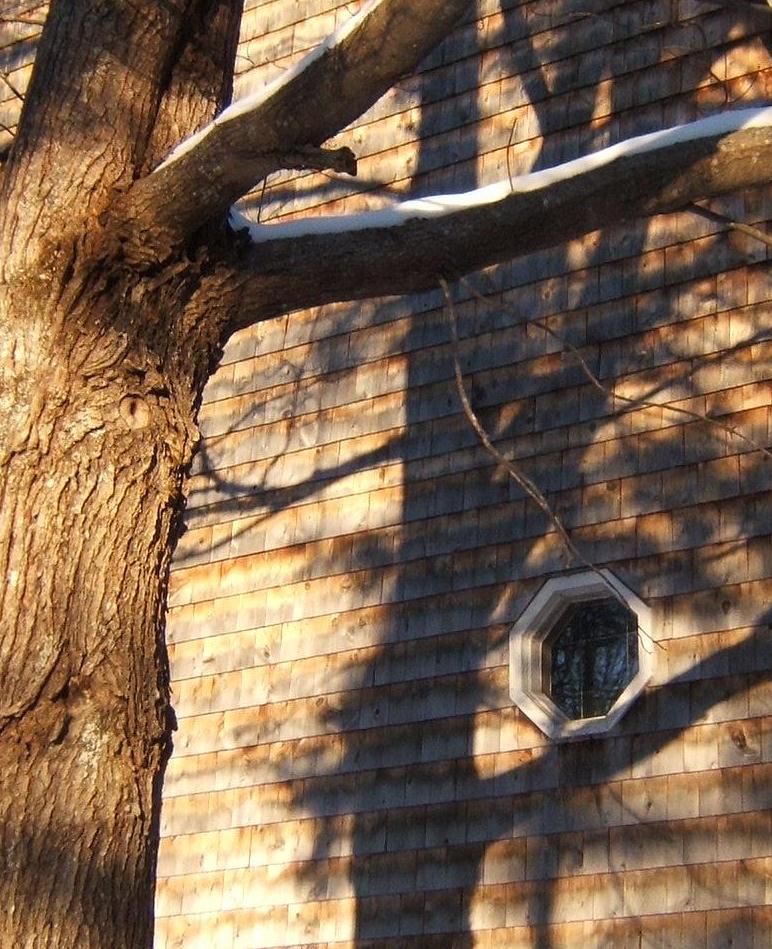
keeping watch for dragons #2 – house dragon
You have to keep your eyes open to see what humans down the ages have seen. The trick is to be awake to the metaphor. And to cheerfully allow confusion of reality and myth.
Although I have seen many dragonflies, I have never seen a dragon. Or have I …?
~
~
House Dragon
~
a dragon disguises
herself as our house
icicles drool from her eaves
smoke from her chimney
her scales age grey
and her nostrils
breath us
in
~
~
© Jane Tims 1998
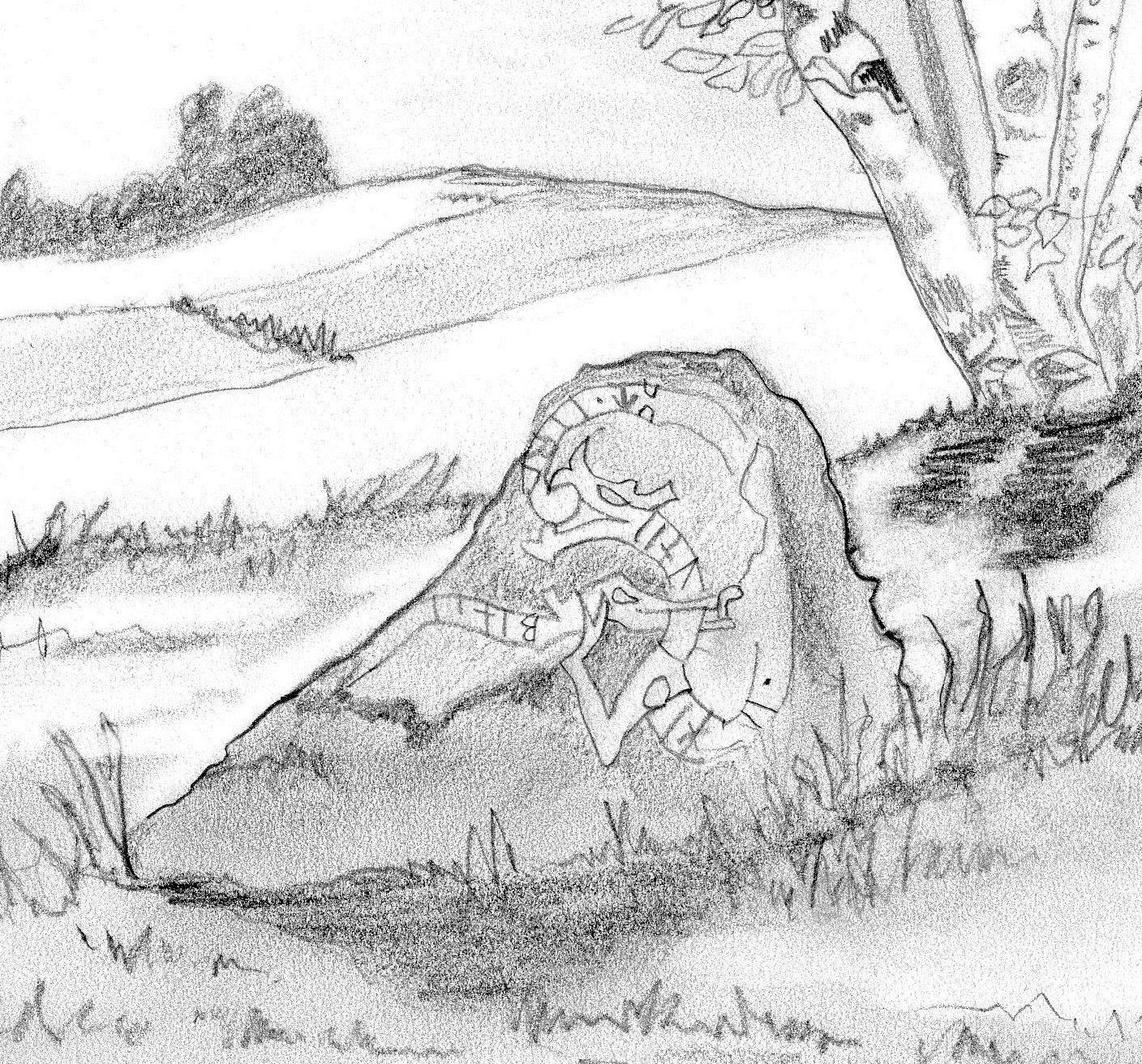
detail of 'stone marking property' Copyright Jane Tims 2012
maple syrup time
Well, the time has finally arrived. The nights are cold and the days this week are predicted to be sunny and warm. In our house the combination of cold days and warm nights means the sap is moving in our maple trees.
We tap Red Maple (Acer rubrum L.), although Sugar-maple (Acer saccharum Marsh) is preferred by commercial syrup producers. Last year we tapped 12 trees, about at the edge of our low-tech capability. This year we are tapping 10 trees.
We usually use the ‘old-fashioned’ spile and aluminum bucket method. This year, for the first time, my husband is trying a plastic spile and pipe system for 5 of our taps. It seems a little easier since the sap drips directly into a plastic reservoir and this eliminates one step in the endless pouring process.
For those of you unfamiliar with tapping trees for sap, the basic idea is to collect the sap and boil it down to make maple syrup. We select a tree, bore a hole, insert a spile and hang a bucket on the spile hook. The spile is a cleverly designed spigot which channels the sap from inside the tree into the bucket. The bucket is fitted with a cover to keep out rainwater or snow and reduce insect access.

So far this year, we have collected 25 liters of sap. This will boil down at about 40 to 1 to make a little more than 500 ml of syrup (about 2 cups). Last year, from a season total of 329 liters of sap, we made about 40 pint jars of syrup. If you try to calculate that at 40 to 1, it will never come out correctly since we don’t boil all of the sap to the same concentration and we drink some of the sap as a sweet drink.
Collecting maple sap is so much fun. It is good exercise and a great way to get your dose of warm spring sunshine. And, we have enough maple syrup to last for the year.
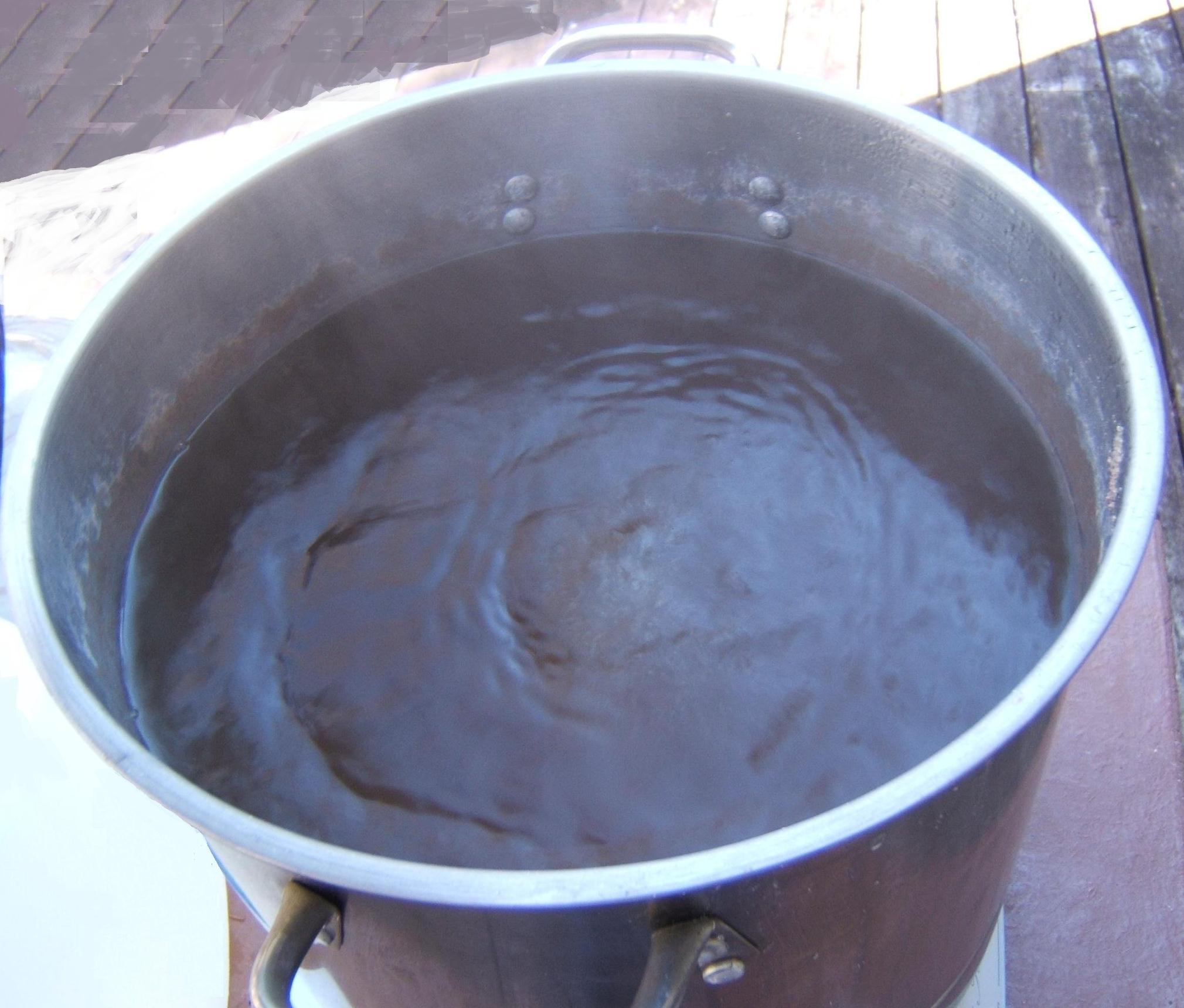
I’ll be keeping you up to date on our maple syrup adventures this year. Right now, the pot full of sap is boiling on the deck.
~
~
sugar song
~
cold nights
warm days
cold nights
~
sap plucks stainless steel
different rhythm, every tap
quick and dead slow
in sync
with the downy woodpecker
or the bird with the round warble in its throat
~
~
© Jane Tims 2012

keeping watch for dragons #1 – woodland dragon
Sometimes our grey woods are a mysterious place. Something about the slant of the light, the way the trees stand like pillars supporting the sky, or the way pale moths climb on the forest dust, conjures myth from reality.
Last year as I walked on one of the paths, my eye was drawn to the single scale of a seed cone, lying on the forest floor. Perhaps it had been dropped as a Grey Squirrel in the tree above nibbled on a pine cone.
Perhaps…
~
~
Woodland Dragon
~
~
in the blackened stand
of jack pine
~
a single
crimson
scale
~
~
© Jane Tims 1998




 nichepoetryandprose