Archive for October 2011
beneath the vine
Vines sculpt spaces as they grow, clinging to and draping across the surfaces they choose to colonise.
Telephone poles display armloads of Virginia Creeper (Parthenocissus quinquefolia ( L.) Planch.) …

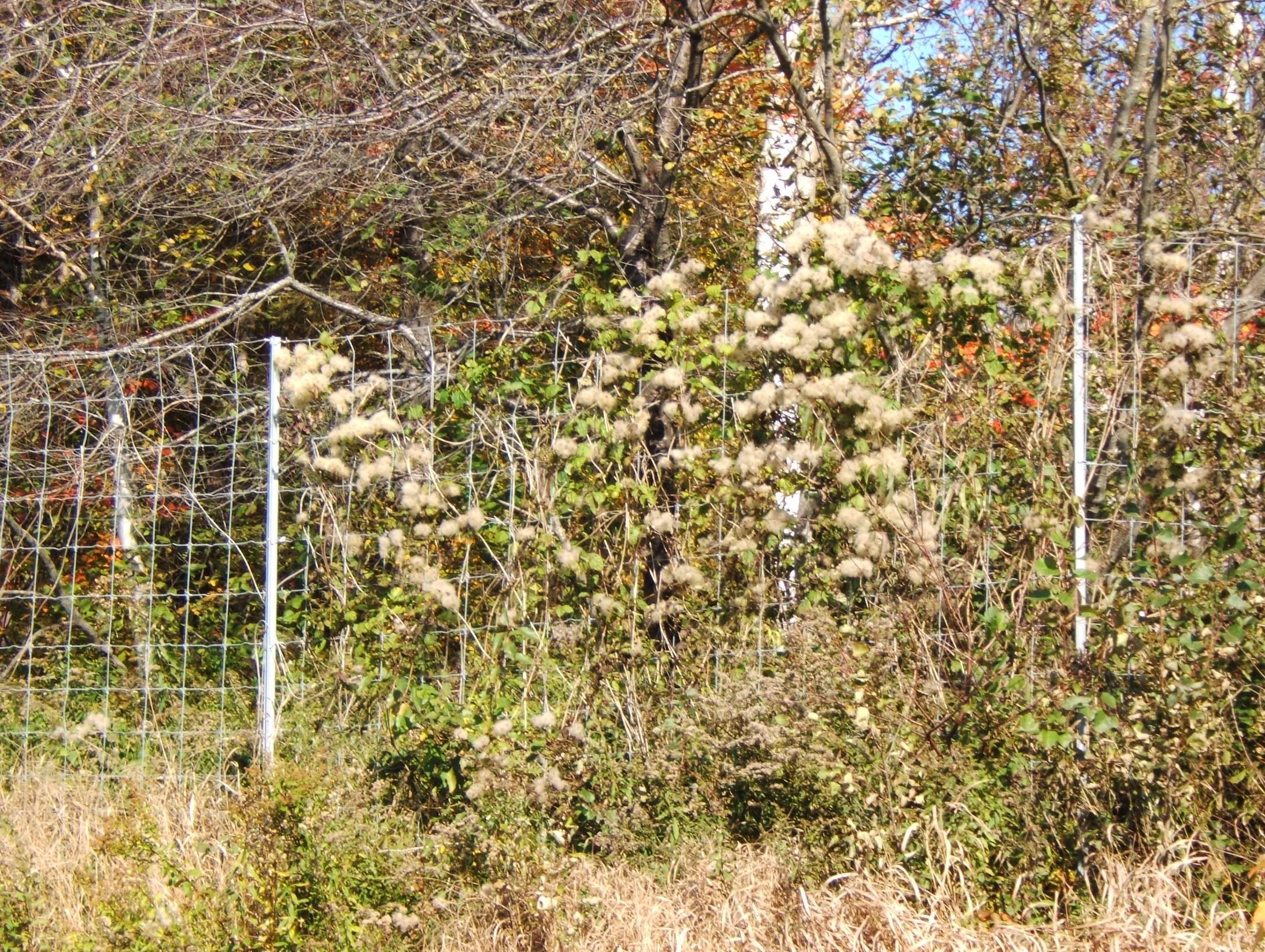
The moose fence along the highway is softened by a curtain of Virgin’s Bower (Clematis virginiana L.) …
Purple grapes, ready to pick, fill the arbour with soft shade…
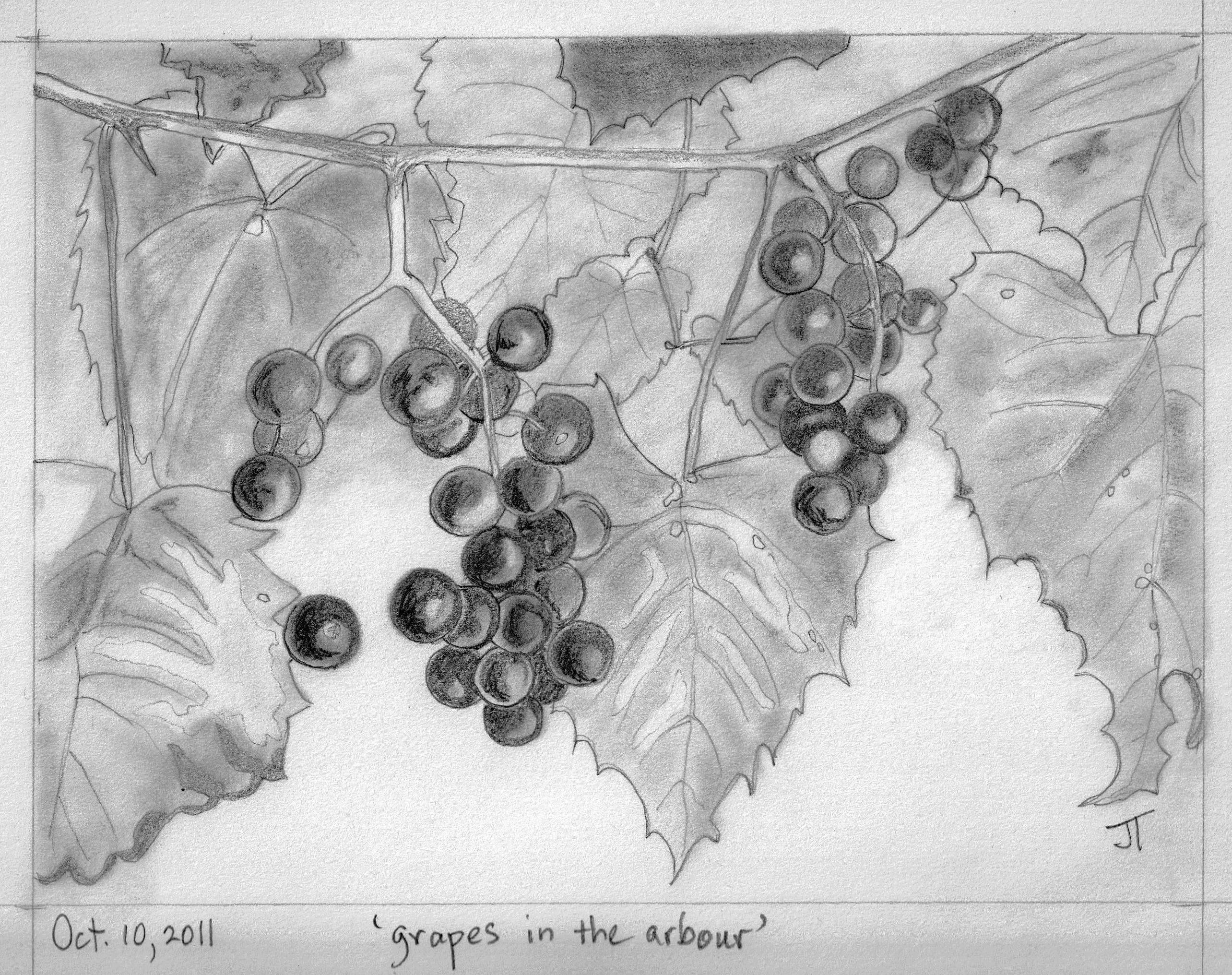
ripened shadows
~
under layered leaves
marbled shadows hang
in cloistered dark
~
cool nonchalance
columnar grey intensifies
as grapes grow ripe
~
taut green ferments
to purple must
and effervesces air
~
even where no surface intercepts
clustered shadows
ready to pick
~
© Jane Tims 2011
keeping watch
Some eleventh and twelfth century Scandanavian rune stones were established as memorials to family members.
The Bro rune stone in Uppland, Sweden, was raised by a wife, Ginnlög, in honor of her dead husband, Assur. It also commemorates the building of a bridge (a causeway across marshy ground) in memory of Assur.
The stone is carved with two serpent bands, around an ornamental cross. It says that Assur kept watch with a comrade Gæitir, as part of the Víkinga vorđr, a local defense force against Viking raiders. The photo below is taken from:
http://www.arild-hauge.com/sweden.htm

Beginning in the 8th century, Viking raids were carried out regularly in England and Ireland. Two well-known raids were on the monasteries at Lindesfarne in England (793 AD) and Glendalough in Ireland (834 AD).
In the first stanza of the poem below is a poetic form called a ‘kenning’. The ‘kenning’ is a figure of speech using two or more words to convey an idea or image. It is usually associated with Norse and Anglo-Saxon poetry. For example, ‘silver sun’ is a kenning for ‘moon’, and ‘summer smoke’ is a kenning for the windborne seeds of milkweed.

'summer smoke' of Rough Hawkweed (Hieracium scabrum Michx.)
keeping watch
the Bro Stone, Uppland
~
bitter is the wind this night
which tosses up the ocean’s hair so white
merciless men I need not fear
who cross from Lothland on an ocean clear
– Irish monk, 8th century
~
1.
on a calm night
under the shine of the silver sun
the shadow-self of dragon
square sail, glint of gold
swords polished and drawn
~
2.
these are signs:
blue sky
the white belly of a gull
lifted on the thickness of air
stalks of milkweed bent
their summer smoke pushed inland
~
3.
no fear tonight
the wind bitter
the ocean tossed
Gætir, new leader of the watch
may sleep
I warm my hands
in Assur’s cloak, now mine
today I raised a bridge
and this sad stone
to my husband
my Víkinga vörđr
my protector from the raid
~
4.
bitter this night
but safe
no dragon-kind
from the Danish shore
yet will I watch
listen to the whisper of milkweed stems
rumors of Lindesfarne
and Glendalough
where the coil of a serpent
may strangle a simple cross
~
© Jane Tims 2004

under the red maple
We have a huge red maple (Acer rubrum L.) in front of our house. It forces a turn in the walkway, but I love to greet it every morning and watch it through the seasons. When we first lived here 30 years ago, the tree was small enough to encircle with thumb and finger. Now I can’t fit my arms around its girth.

Autumn inspires this tree. It takes its time, gradually turning yellow, red and orange over several days. Then it gives up all its leaves within a day.
When I drive my car away the next morning, a dark rectangle of driveway remains, within the circle of new-fallen leaves.
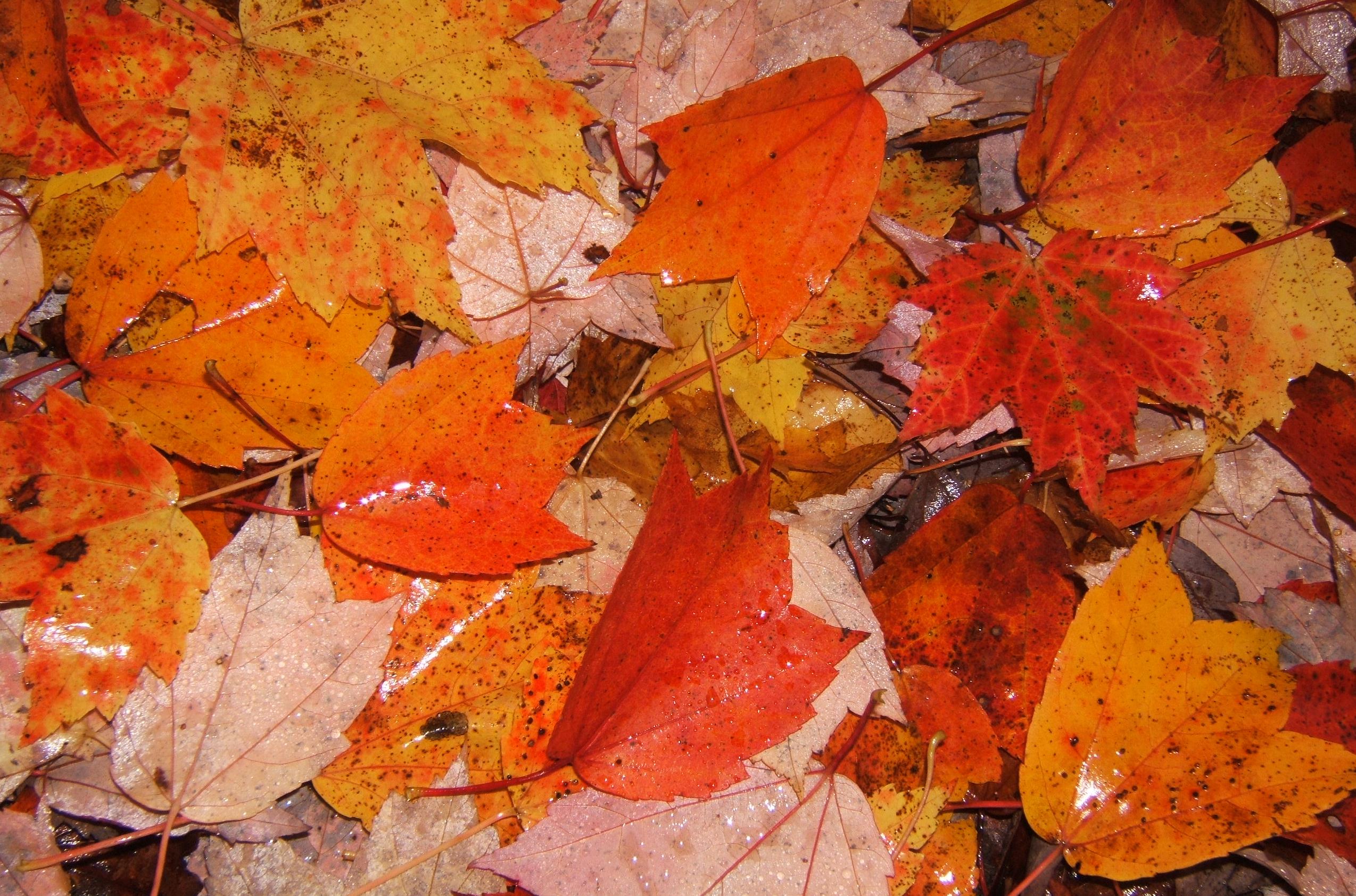
summer in flames
~
suddenly
leaf fall
embers settle
on the walkway
patio table and chairs
~
suddenly
impossible
to walk in silence
red flames
and careful steps
a conflagration
~
suddenly
shadows lost
and branches
scratch the sky
sun bright
hands warm before the fire
~
© Jane Tims 2011

reflection
reflection n. 1: reflecting or being reflected; reflect light, heat, colour or image;
2: reflex action;
3: censure; thing bringing discredit on;
4: reconsideration;
5: mental faculty dealing with products of sensation and perception;
6: idea arising in the mind, mental or verbal comment.
Oxford dictionary, 1950.
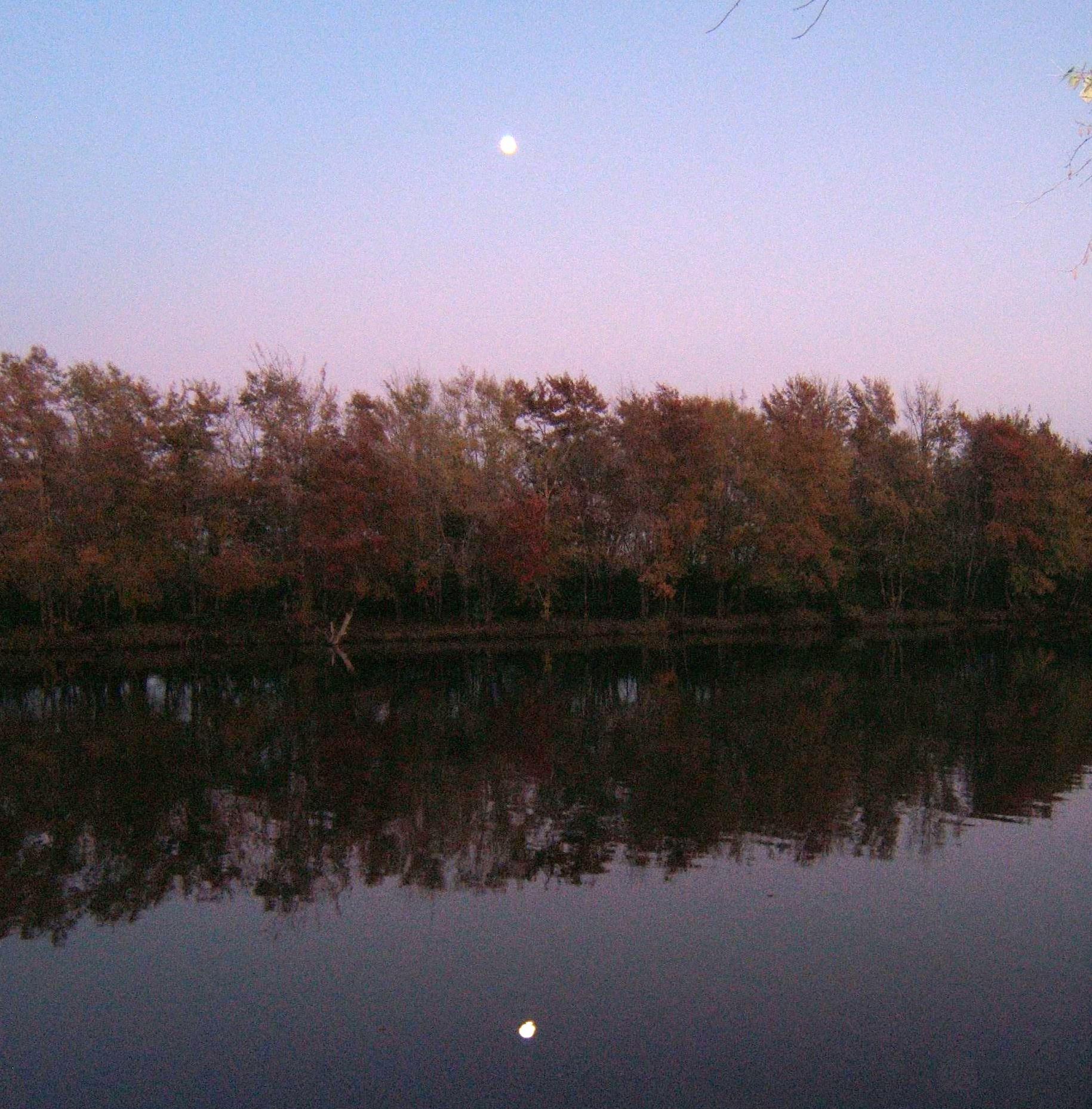
In autumn, I seek out rivers and lakes because they reflect the colour of the trees and magnify the effect of autumn fire.

Reflections are tricky. Sometimes they are so clear, you can turn a picture upside down and be momentarily confused about which way is up. Reflections are true, but show the inverse of self… the left side is on the right, the right side on the left. Refections take on the characteristics of the mirroring surface… in a mirror, a flaw in the glass will create a distorted image… in the water this results in wavy or doubled images as the water is disturbed.
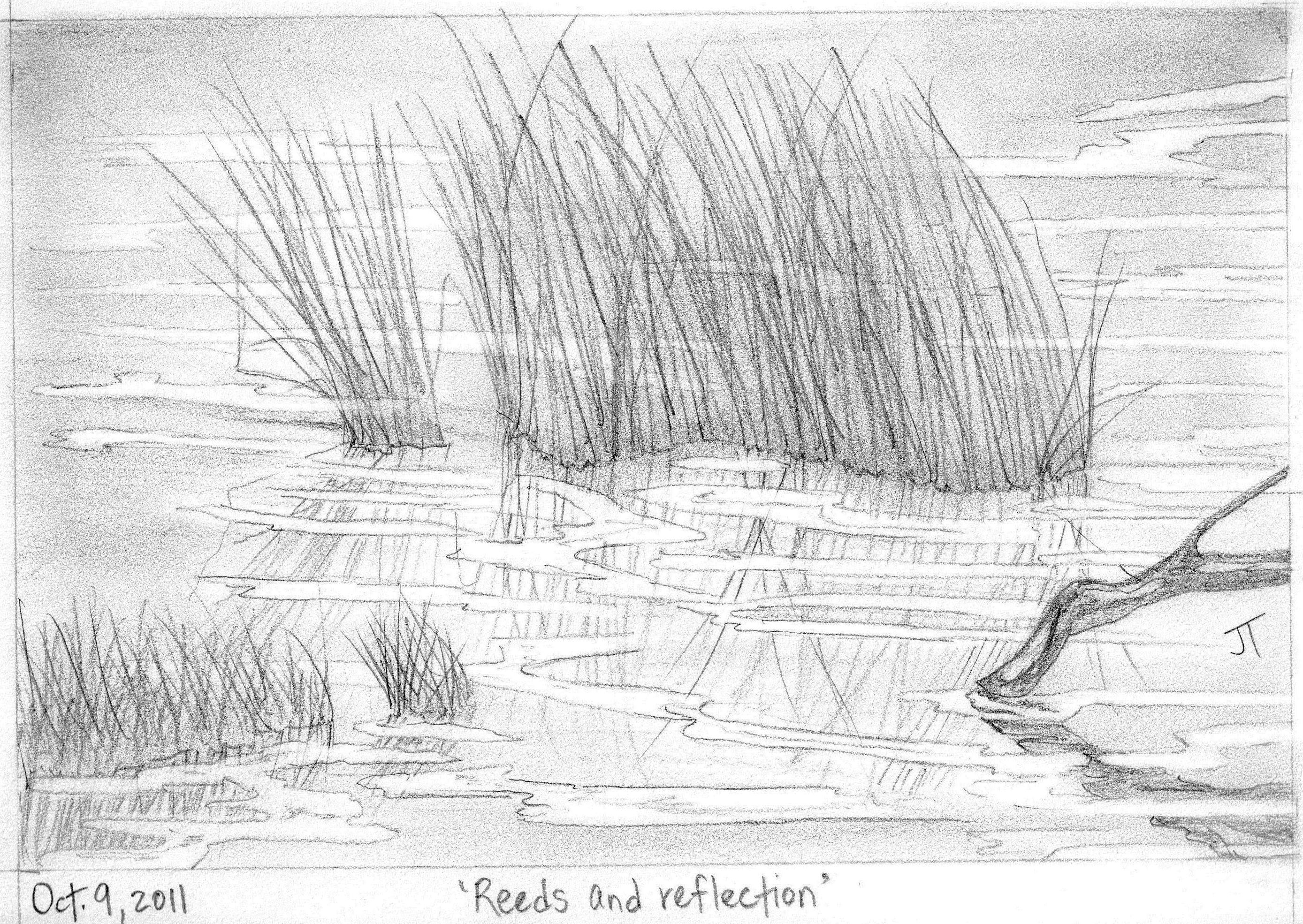
search for the essence of sun
~
1.
~
the river is molten
brimming with sunset
part water part sun imprisoned
by river reeds
~
2.
~
I am empty
less the thickness of reflection
~
the hollow
in begging hands
the void in the pipe
after the note has faded
darkness in the cradle of the moon
~
3.
~
if I had a straw
I could drink this sun
if the light would lift in folds
I could wrap it around my brain
tie it like a bandana
or I could scoop it into my hands
let it run honey and golden
along my arms
cut it with a knife
keep one half
to show my lover
~
I could sink into the river
rise through the sun’s reflection
slip it over my shoulders like raiment
~
4.
~
I could take the sun
in all these ways
weave it through me
like ribbon
~
but that would be only
the image of sun
not warm
~
© Jane Tims 1990
drive at dusk
Saturday evening we took a drive along Sunpoke Lake, a low part of the landscape where you can see, simultaneously, the marsh of Sunpoke Lake, the Lake itself, and the Oromocto River.
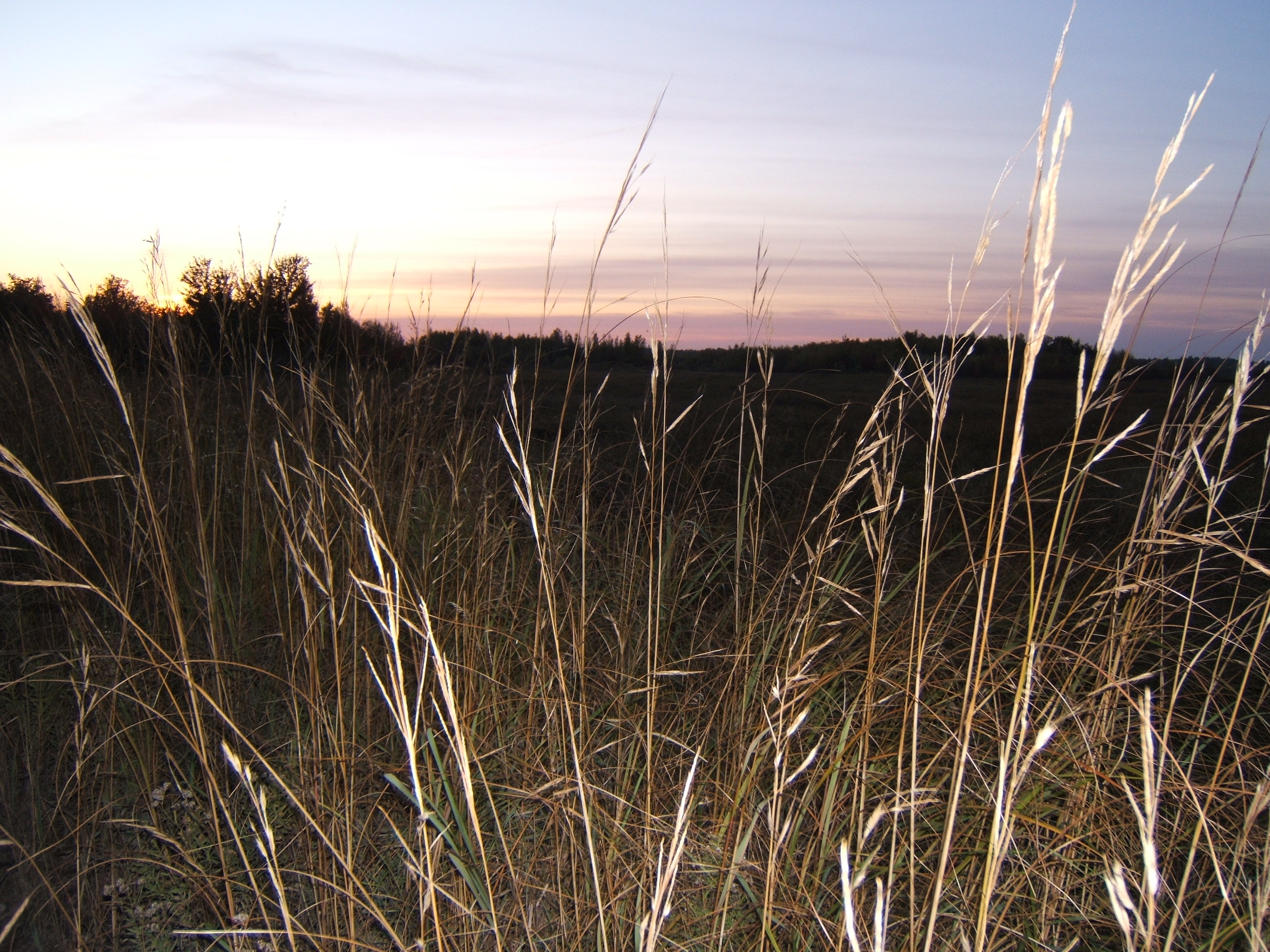
Along the road were tracks of moose and bear, and the very smelly carcass of a bear. In each of the tracks, there was a fair sprinkling of seeds, so we surmised the bear tracks were those of the dead bear.

notice the seeds in the tracks... the bear travelled by quite a while ago
The tracks gave us a hint at the drama that must have played out along the road, probably on a night earlier in the week.
The moose tracks were also full of seeds. I like to think of it, ambling along the road.

At the turn of the road where it runs along the Oromocto River, we stopped to take some photos of the moon and its reflection.

And on the opposite side of the road, I caught the sunset at its peak, and the silhouette of a very spooky tree.

Fears
~
I saw a light in the woods tonight
low, through tangled branches of spruce
and crowded stems of fir
~
white in the dark
a gleam where only black should stir
~
like the lamp of a stranger
lost
~
but the glow was steady and still
and in less than the catch of a breath I knew
all I saw was the rising moon
beyond the hill
~
I heard a cry in the woods tonight
soft and low through the tangle of spruce
and the thicket of fir
~
a moan in the dark
a sob where only wind should stir
~
like frightened tears of a child
alone
~
but the cries held no human word
and in less than the catch of a breath I knew
the wail of a wildcat on the prowl
was all that I heard
~
© Jane Tims 1992

more butterfly spaces
On our trip to Ontario, I did a little chasing of butterflies. I was trying for a photo so I could identifyanother butterfly for my ‘life list’. So far I have collected two: ‘Monarch’ and ‘Viceroy’!
The field I focussed on had a lively population of yellow butterflies, and I thought it would be easy to catch one in a photograph. I was wrong!
If I stood still and waited for them to come to me, they would eventually flutter nearby but be gone by the time I had the camera in focus. If I chased after them… well that was just silly.
Eventually I did capture an image as one butterfly settled for a second on the purple head of a Red Clover (Trifolium pratense L.).
Once I had my photo, I could identify the new member of my ‘collection’ – a Clouded Sulphur (Colias philodice). Its distinguishing characteristics are a double spot on the underside of the hindwing and a submarginal row of dark spots. According to my source, the Clouded Sulphur is similar to the Pink-edged Sulphur (Colias interior) but the Pink-edged Sulphurhas a single spot on the underwing and no row of dark spots.

The experience of chasing this butterfly reminded me of a study I used to play on the piano when I was younger. The piece was by Chopin, the well-named ‘Butterfly Etude’. It was a hard piece (although I was playing an ‘easy’ version), made up of sets of of detached and un-detached octaves, played in rapid staccato. At the time I thought of it as just another study in agony, but now I realise how aptly it represents the inelegant, bouncy flight of the butterfly!
étude opus 25, no. 9 – Chopin
~
wrist staccato
octave stretches
disarticulated
sprite
~
wings a-flutter
closed and open
cloud to clover
bouncy bright
~
flirt and quiver
tip and stumble
clouded sulphur
butterflight
~
© Jane Tims 2011

the stone between farms
How do you show the boundary line between you and your neighbor?
At Ågersta Village in Uppland, Sweden, is a rune stone positioned to mark a boundary between two properties. The stone is carved with two serpent creatures entwined, their heads in profile. Each has two sets of legs, the forelegs strong, and the rear legs weak and helpless.
The stone was carved by Balle, a frequent carver of rune stones in Sweden, and raised by Vidhugse, in memory of his father. The boundry, established in the twelfth century, showed the boudary until 1856 when the property lines were finally changed!
The inscription reads, in part: Hiær mun standa stæinn miđli byia – “Here shall stand the stone between farms.”
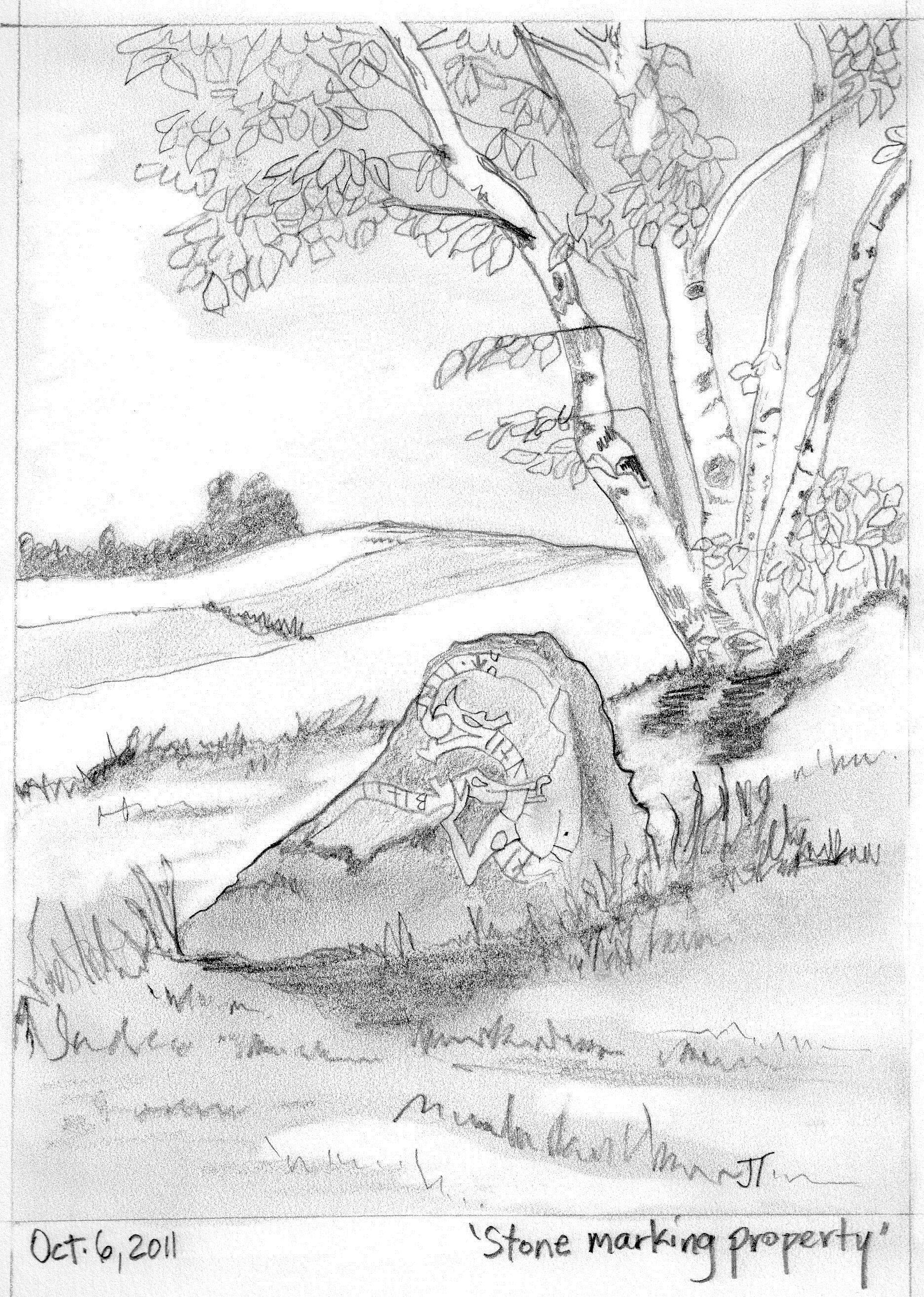
from my imagination and not the rune stone at Ågersta Village
stone between farms
(rune stone in Ågersta Village, Uppland)
Do not move your neighbor’s boundary stone…
– Deuteronomy 19:14
~
ninth morning already
irate I rise
gather my tools
trudge to the hillside
~
stone waits for me, Balle
(master carver of runes)
shadows pulled into dragon
compete with guidelines
‘what is not’ more complete than ‘what is’
~
another fair day
Vidhugse to the west and south
Austmadr to the east
surely their bickering over boundaries
will cease
~
by noon the sun
embroils the rock
streaks my brow with sweat
floods the serpent creature’s clever eye
lip lappets drip
~
mosquitoes dither about
the creature’s profile acquires
the look of an insect head
reckless slip of the rune tool
could end its smirk
~
hill of rock dust
settles on my shoe
birches stir the air
odor of leaf layer
memory smell of Birka
~
© Jane Tims 2005
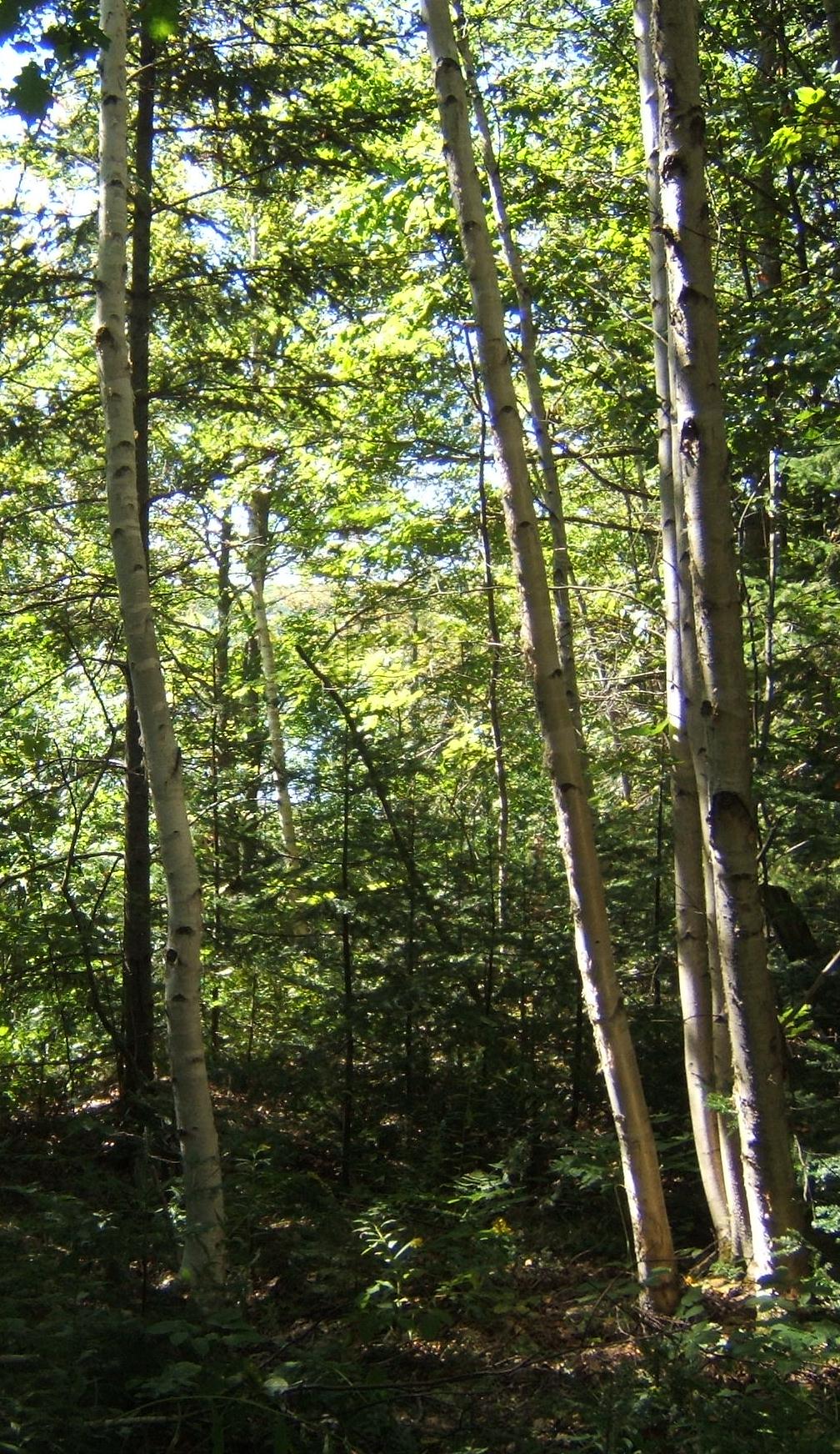
breakfast niche
niche \ ‘nich\ n (F, fr. MF, fr. nicher to nest, fr. (assumed) VL nidicare, from L nidus nest)
1 a : a recess in a wall, especially for a statue;
b : something that resembles a niche;
2 a : a place, employment, or activity for which a person is best fitted;
b : a habitat supplying the factors necessary for the existence of an organism or species;
c : the ecological role of an organism in a community especially in regard to food consumption.
– Webster’s New Collegiate Dictionary, 1979
My niche includes breakfast.
I look forward to my breakfast, sometimes planning it in detail the night before.
The best breakfast, for me, includes all the food groups: protein, grain, milk, fruit, vegetable and fat.
I usually settle for cereal, or toast on days when the cereal box is empty. But the best breakfast involves a piece of whole wheat toast, some yogurt and almonds, stir-fried green peppers, onions and mushrooms…
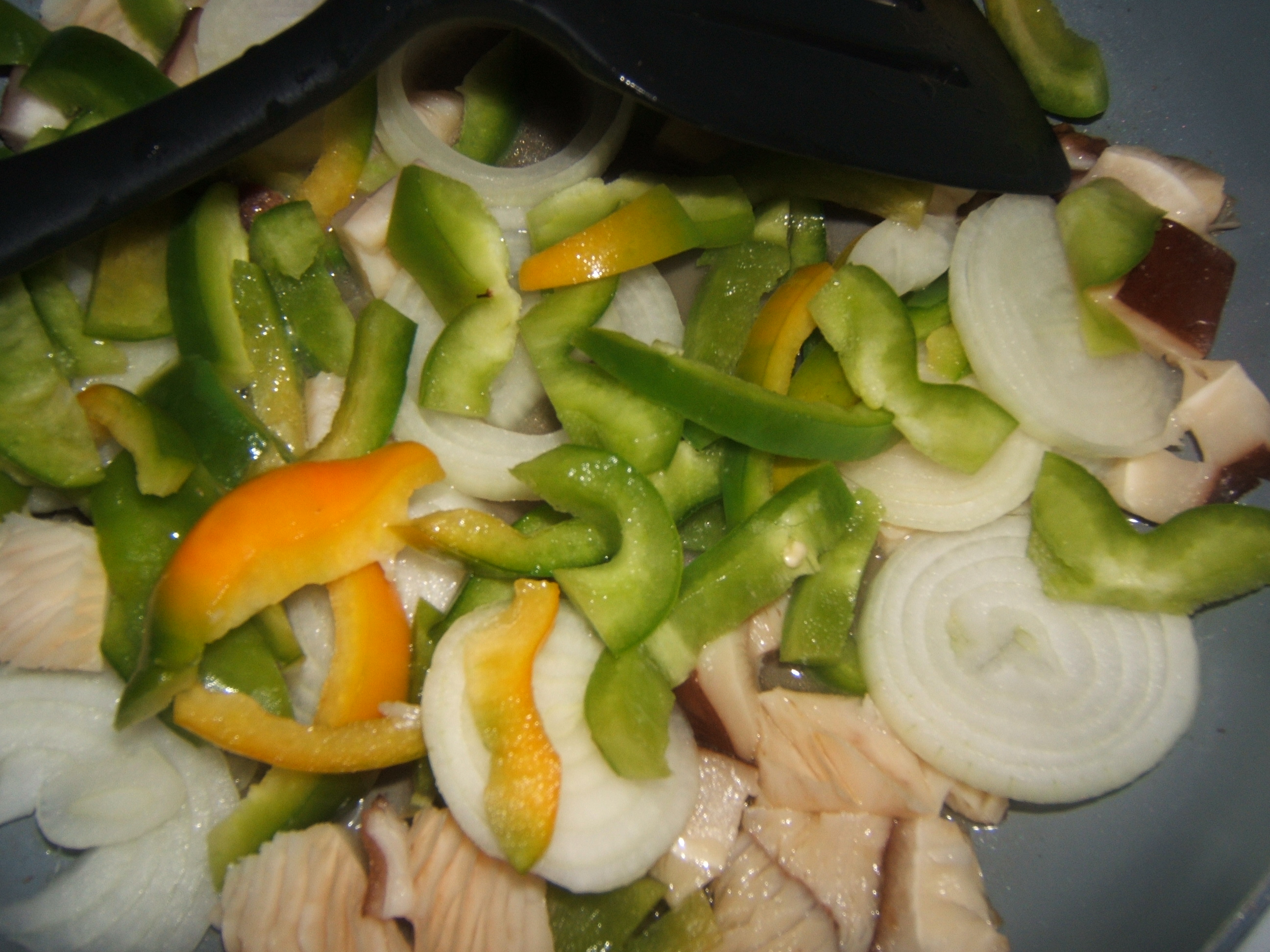
the shitake mushrooms in the stir fry were grown on a log in a friend's woodlot
and an orange…
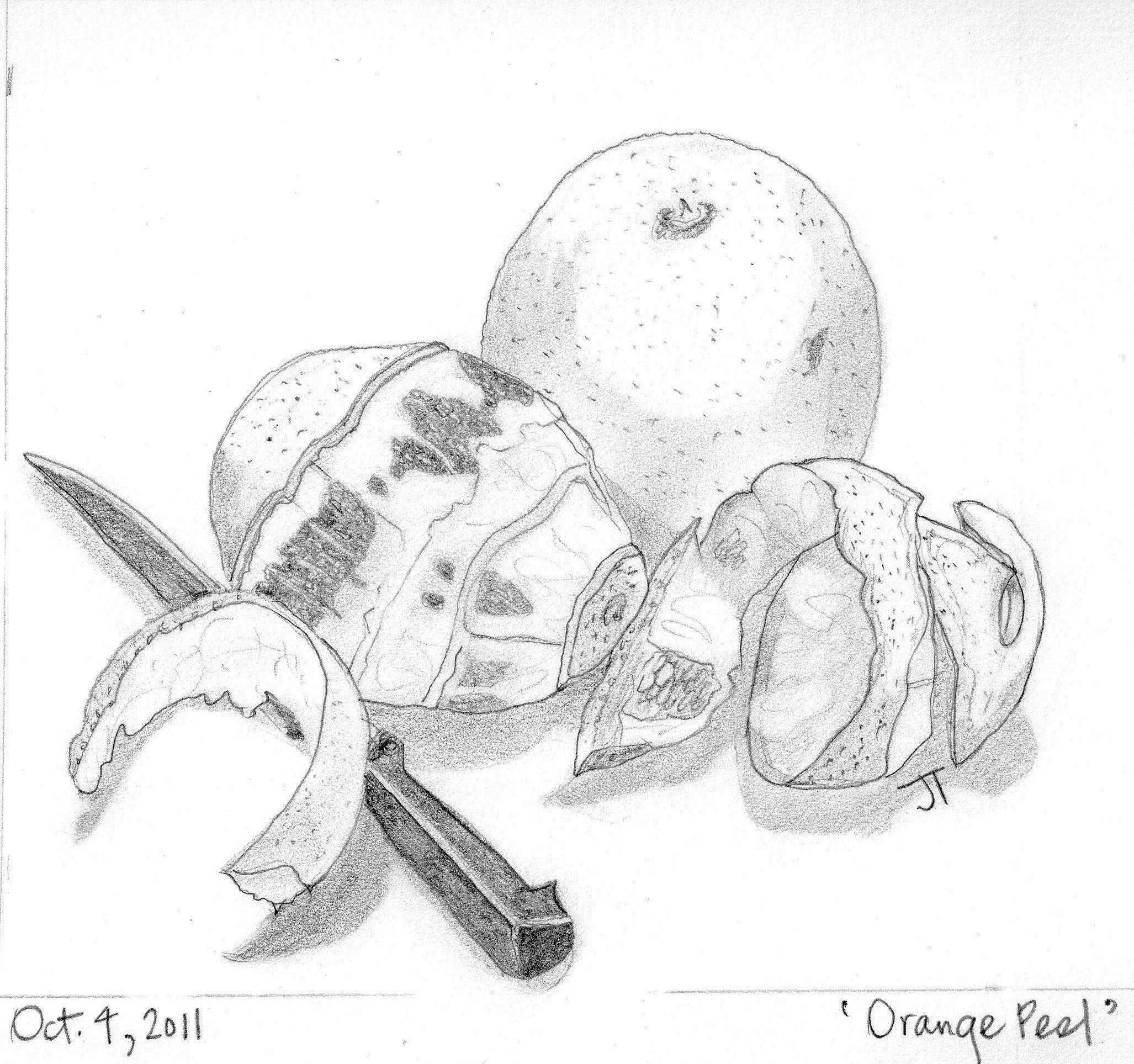
breakfast sun shower
~
clouds pulled apart
thumbs between
sections of sky
sun flashes
from a flat grey knife
light peels back from shadow
~
curl of orange rind forecasts
tart vapour of rain
~
© Jane Tims 2010
comparing landscapes
When you are visiting an area away from home, what do you notice about the landscape?
As we were driving the roads of south-east Ontario, I was always comparing the scenes I was seeing with the landscapes of home in south-central New Brunswick.
Both areas are hilly and rural, with a strong agricultural base. Both are forested wherever farmland is not the main land use. The trees in south-eastern Ontario are predominantly hardwood with some cedar, fir and pine, whereas ours are mostly mixed wood with a stronger component of conifers (spruce, fir and pine).
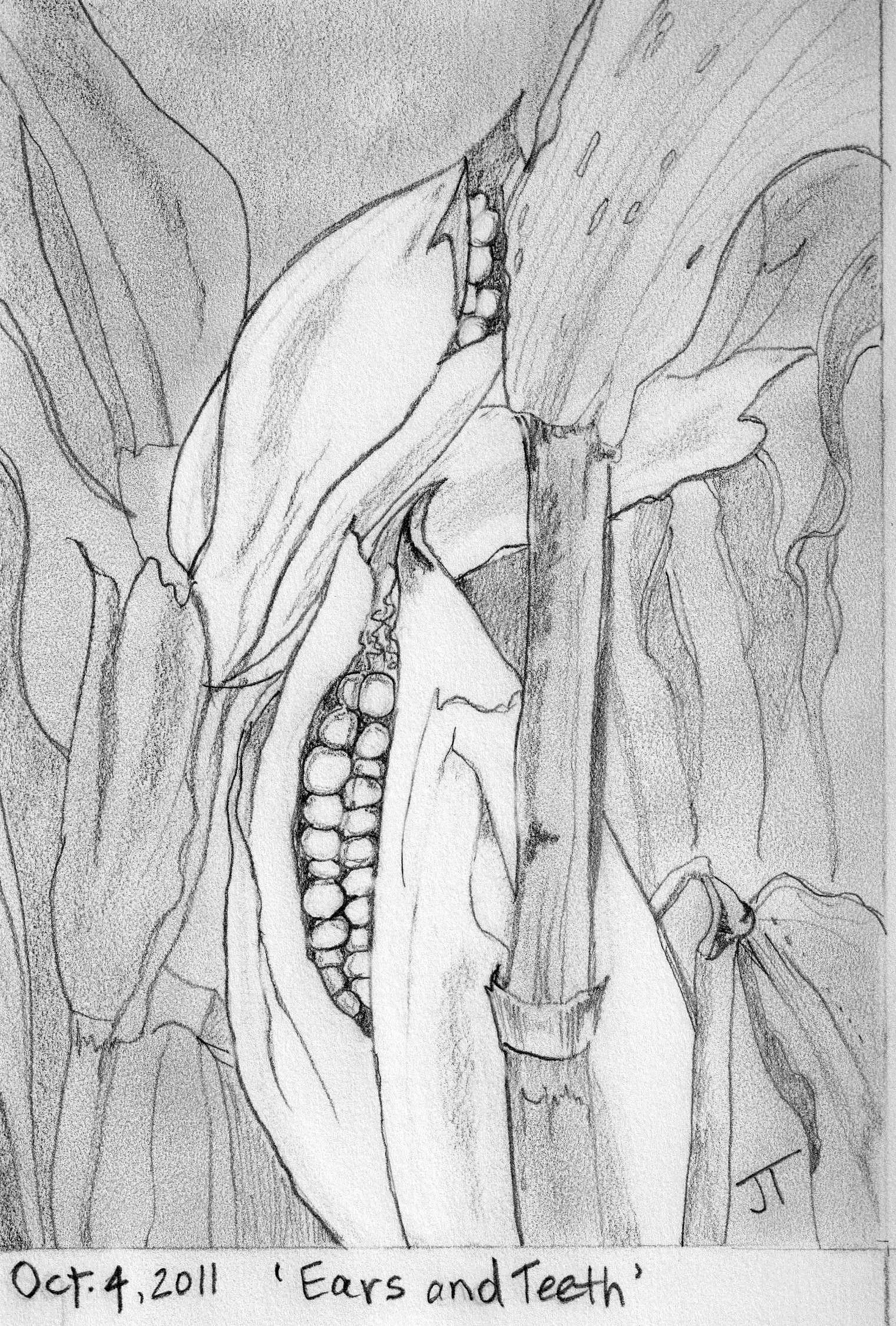
Probably the thing I noticed most about the Ontario farming landscape was the predominance of corn as a crop. When we were there, the ‘eating’ corn had already been harvested, but corn for silage (mostly used for cattle) was growing everywhere. It stood tall in golden fields, mostly broadcast, without corn-rows.
The corn was ready for harvest, the corn kernels held in stout, starchy ears. I think ‘ears’ is such an apt word for corn since the sense of hearing is shaken awake when you stand in a cornfield. This time of year, the long leaves are dry and rustle in the slightest breeze, carrying on a whispering conversation in an unknowable language.
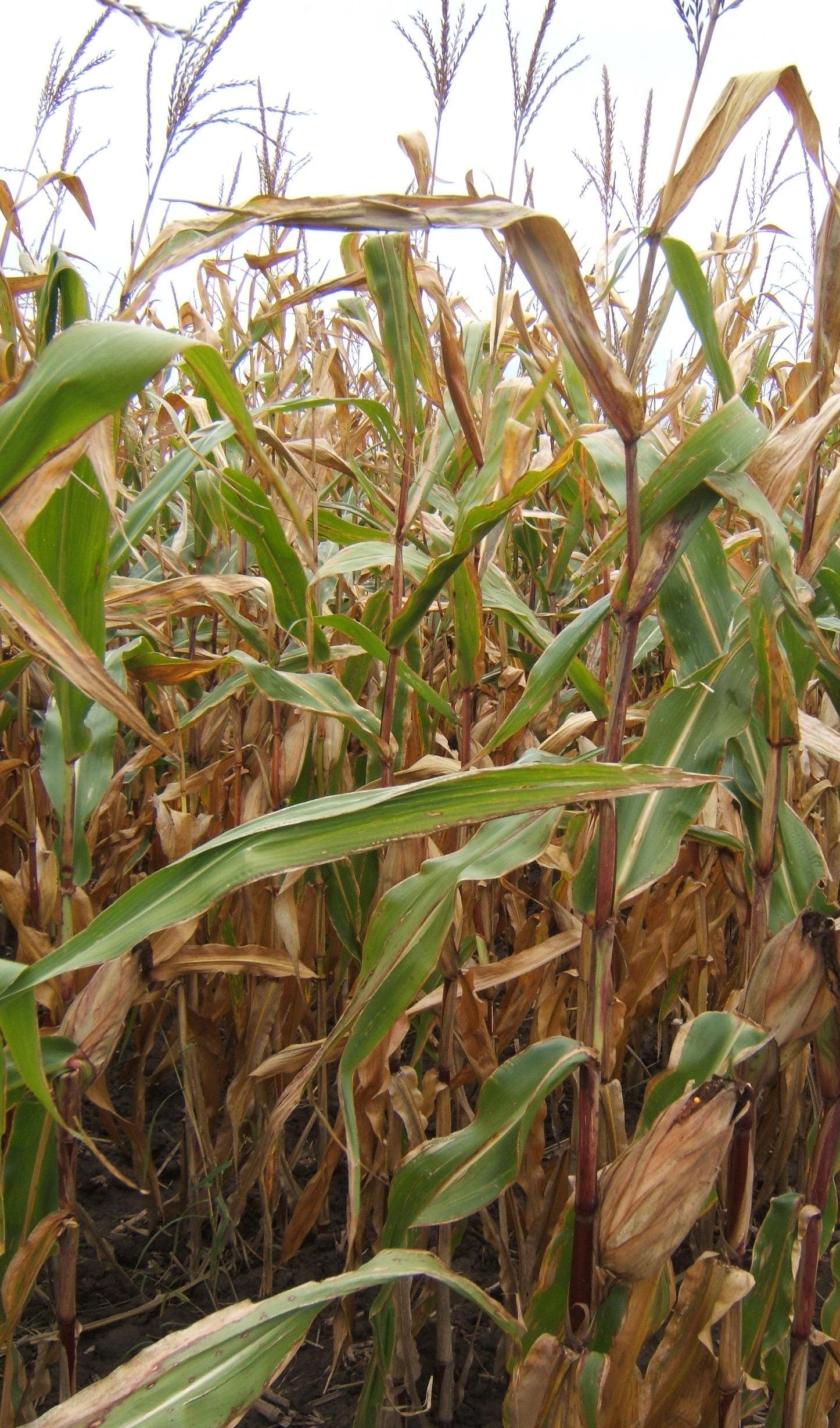
gossip
~
cattle-corn rustles
silage close-standing
whispers and secrets
wind-syllables
murmurs and sighs
rumours
no single
discernable
voice
~
© Jane Tims 2011
fords across the river
During a week of vacation last month in south-eastern Ontario, I was able to get to know some of its rivers.
The water is low this time of year and the rivers run still and quiet. Pond lilies and duckweed cover the surface, joined by early falling leaves. The country roads cross and re-cross the rivers, giving a view of each river at several points along the way.
I was also reminded of another means of crossing a shallow river or stream – the ford. This is a place where the water is shallow enough to cross on foot or by vehicle, without a bridge. Sometimes the ford depends on the natural stones or solid bottom for its footing; sometimes the bottom is built up by adding stone.
The fords on the South Branch of the Raisin River in South Glengarry County were built to last, of stone. They make a charming pause in the run of the river, allowing passage of the water and a safe way to cross.

A local person familiar with the river told me this: in spring, when the river runs deep enough to allow canoes to paddle, the fords can still be seen, white stones shining up through the water.

~
crossing the South Branch Raisin River, South Glengarry County
~
weedy South Branch Raisin River water-dry
stream-bed wizened wild grapes purple-weighted
sun-dried field rock
fords and fences
rain and rising
leaf-spun river
surface winds reflected
elm, nymphaea
ash, nuphar
~
© Jane Tims 2011




 nichepoetryandprose