Posts Tagged ‘poetry’
the color of niche
What are the color characteristics of niche? Are humans the only species to prefer certain colors for their spaces?
Other species also have color preferences. The best example I know is the preference of insects for color in their interactions with plants. Some insect pollinators, for example, prefer certain colors over others. Bumble bees have been shown to prefer the color purple. Also, flowers appearing monochromatic to us may be perceived quite differently by insects since they also see in the ultraviolet range of the spectrum. Some flowers, such as the yellow Evening-Primrose (Oenothera biennis L.), have ‘runway markers’ on their petals, to help insect pollinators to find their way to the nectar-producing parts of the plant.
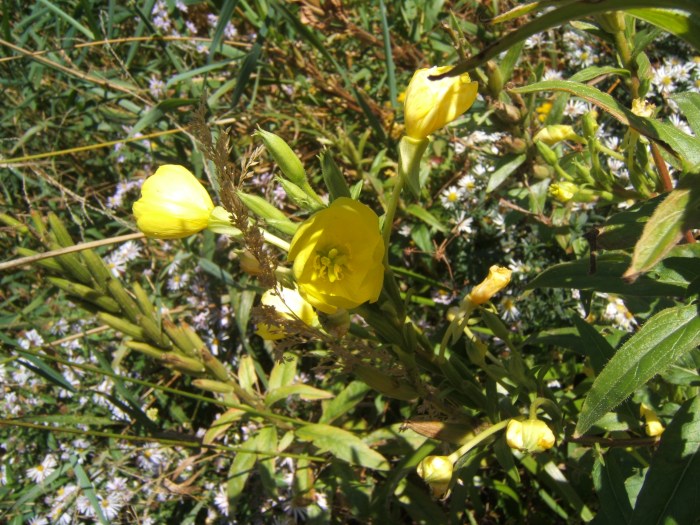
- Evening- Primrose (Oenothera biennis L.) Under uptra-violet light, the central area of the inner petals shows dark ‘runway markers’… if you look closely, you can see some vein-like variation in the yellow of the inner petals

Knowing about color-preference in insects can help us to spend more time in the out-of-doors. Science has shown us that mosquitoes prefer black or other dark colors over lighter colors. Greens, yellows and white are the colors to wear to reduce your attractiveness to mosquitoes.
An early paper on color preference of insects is A.S. Packard, 1903, ‘Color Preference in Insects’, Journal of the New York Entomological Society 11: 132-137. This paper is over one hundred years old but has charming anecdotes of the color preferences of houseflies, butterflies, moths and other insects. It is available on-line at:
http://www.jstor.org/stable/25003044
In the article, Packard reports mosquitoes are attracted to navy-blue, dark red and reddish brown.
My favorite color is definitely green, followed closely by orange. I also find I associate these colors strongly with the seasons: autumn with orange, summer with green. Although I would not select red as a favorite color, I notice my house, not at all color-coordinated, has definite red accents in almost every room.
What is the preferred color of your niche?
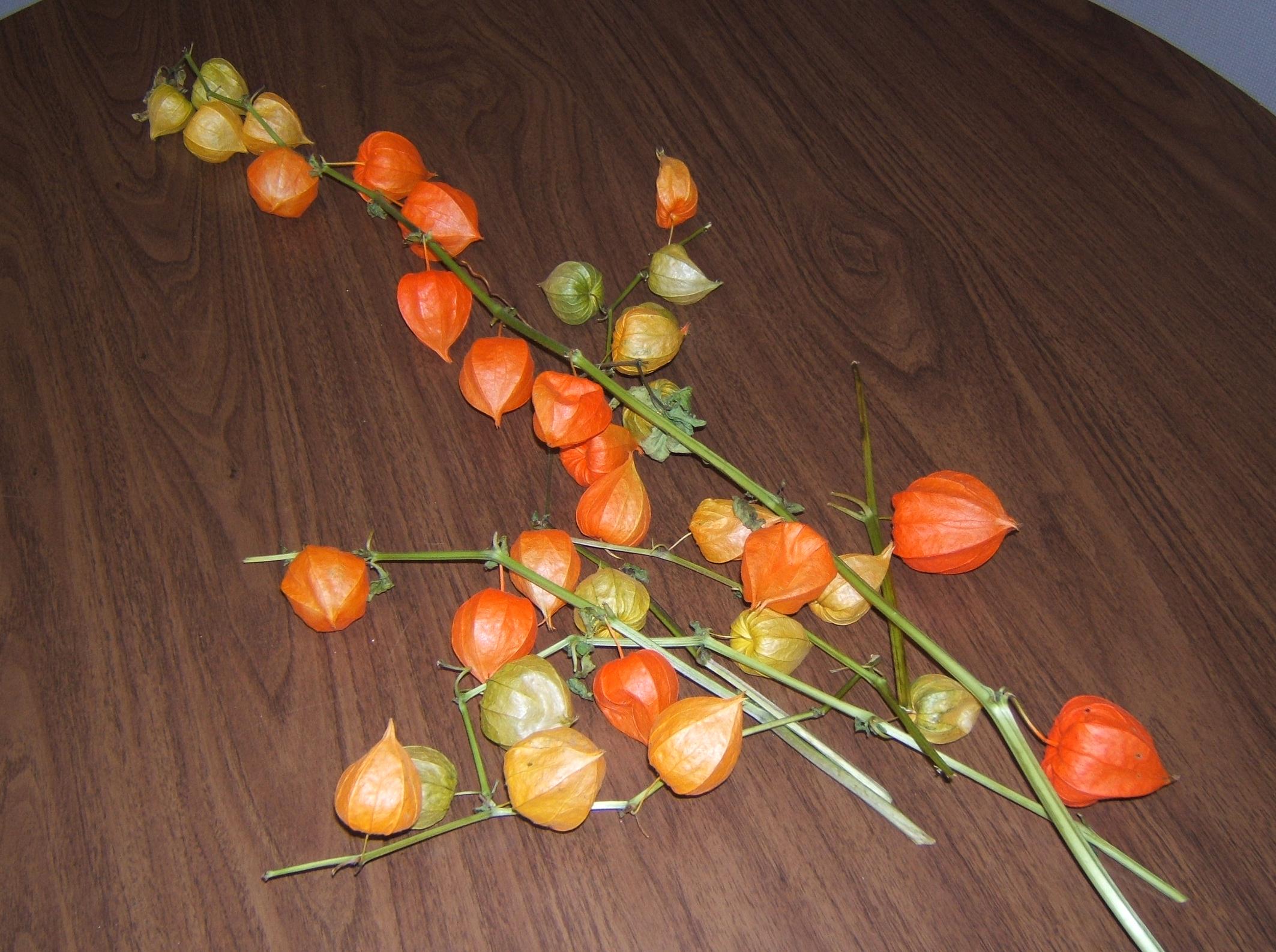
Chinese lanterns (Physalis alkekengi L.) from a friend's garden... also called Bladder cherry or Japanese lantern
orange peel
~
orchard bees
wings of monarch or viceroy
citrus oil, flames spurted in dark
weightlessness of Chinese lanterns, evolution of green
~
jack-o-lantern grin on the compost heap
taste and root-thread trace of carrot
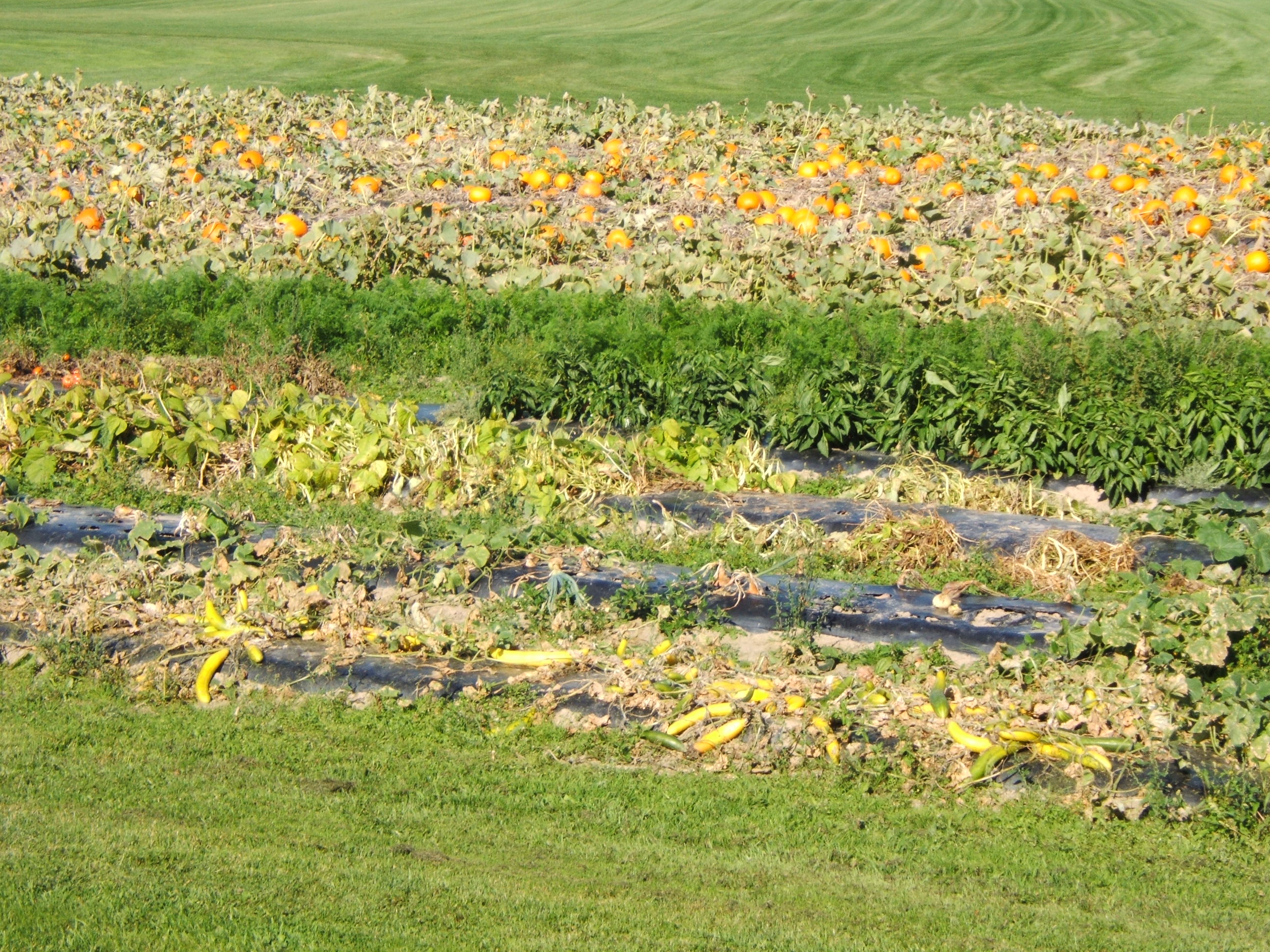
pumpkins on the vine
~
furniture polish stain
on an empty page
~
nothing rhymes
with orange
~
© Jane Tims 2011
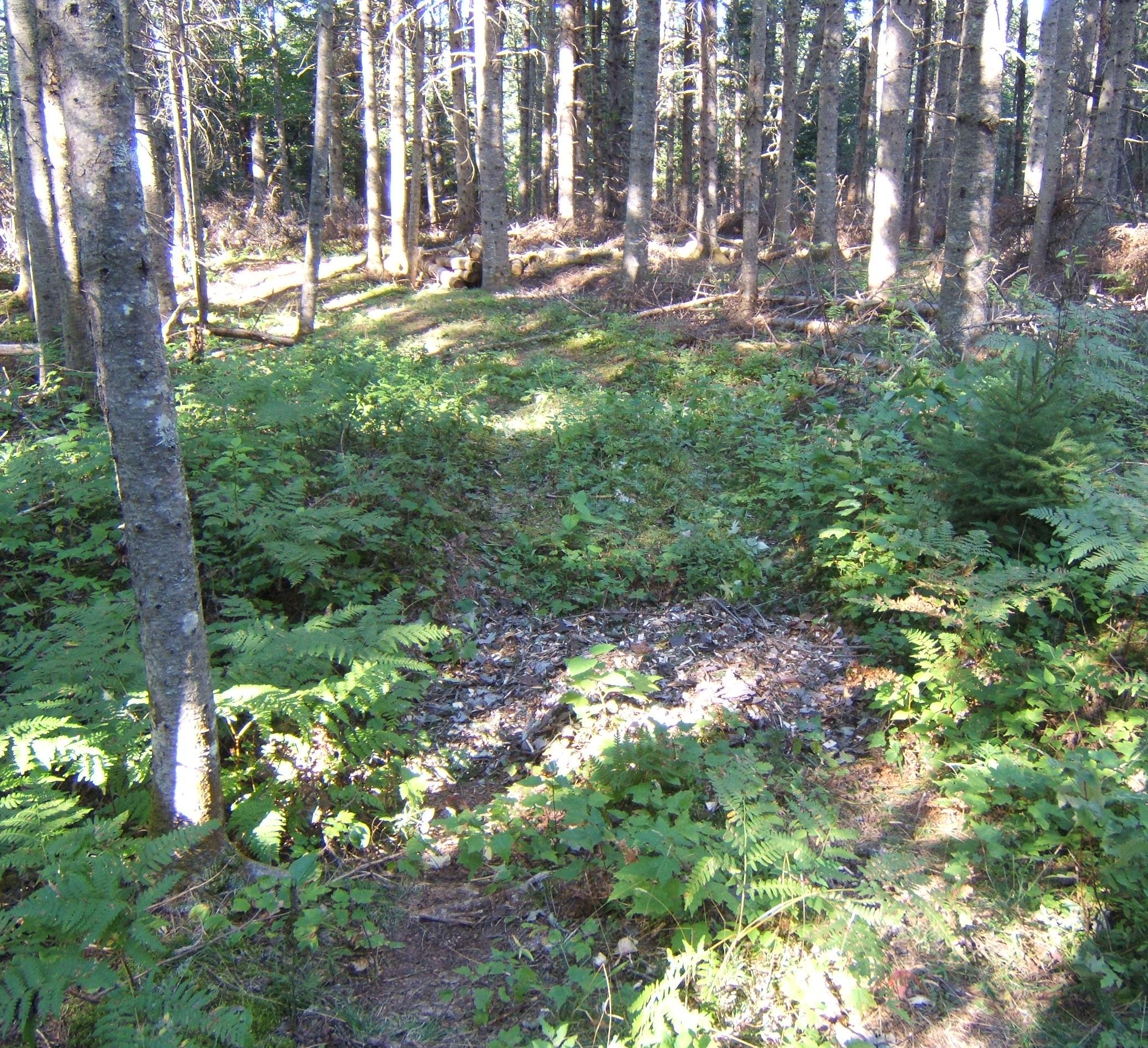
a trail through grey woods
In our grey woods, an old trail follows the top of the slope, between the trees. It takes constant care to keep it free for walking. The spruce are old and every winter takes down a new raft of trees. My husband works at it constantly, cutting a way through the fallen logs and filling the hollows with wood chips.
When I walk there, I always find something I haven’t noticed before. Yesterday I made three discoveries:
A maple seedling sprouting in the cut surface of a maple tree felled for firewood…

A pair of bracket fungi on a fallen birch log (notice the shadows of fern leaf on the surface of the fungi)…

And various other types of fungi, sprung up after the rain…
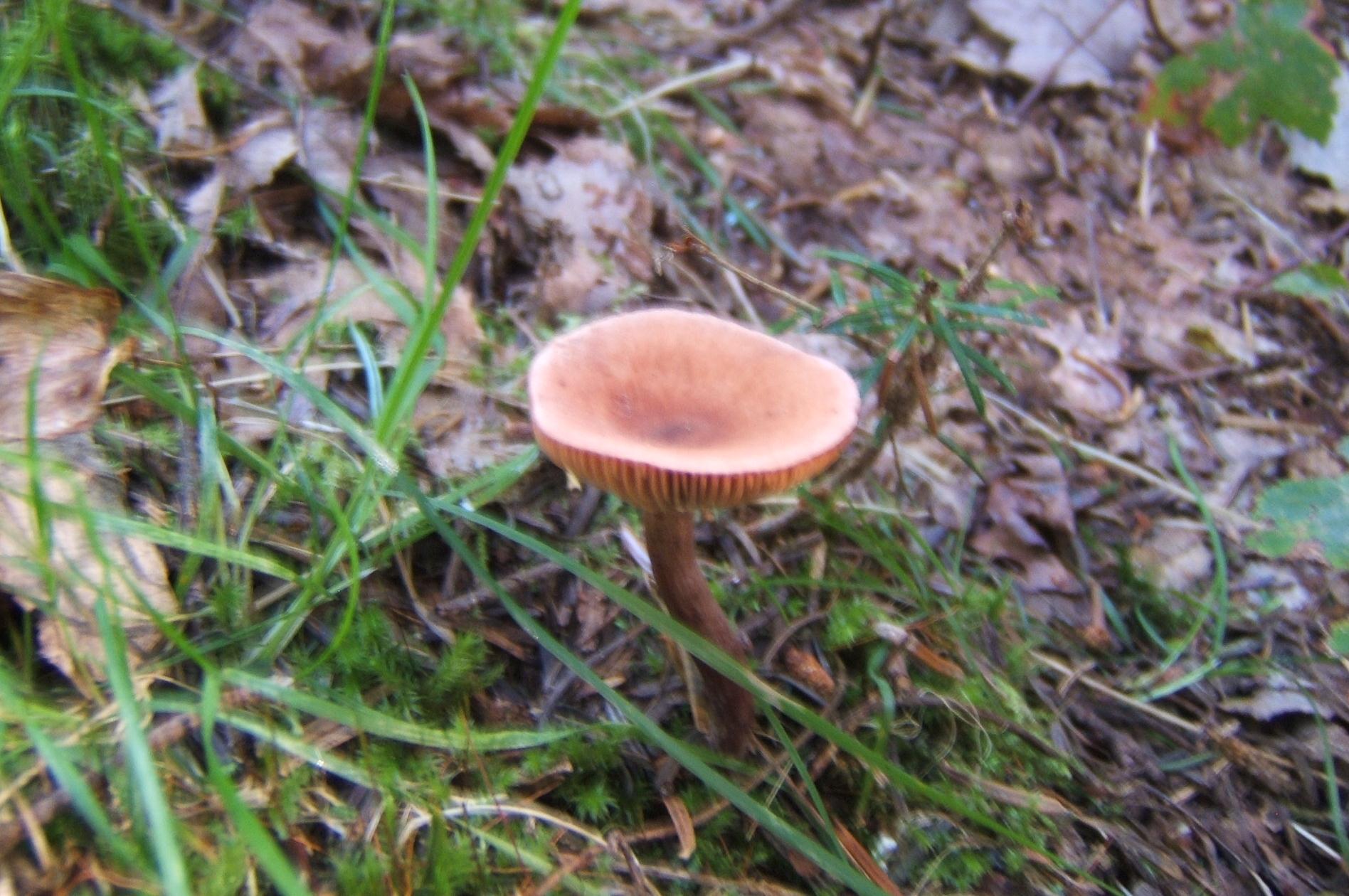
In each case, the discovery was about hope – life from death, new growth from decay.
The woods have so many lessons to teach… I only need to slow down and look closely to learn.
slow walk in the woods
~
1.
more to woods
than a path between trees
slow pace
check perspective
~
2.
discover texture on trunk
scar and indentation
detail in the duff upset
by careless feet
~
note how light scatters
through pollen and powder
now sifts slantwise, shadow
on brackets of fungi
light from lichen
chandeliers
~
3.
slow beat and breath
match the stealth of forest, realise
branches gather rain
an hour before they weep
~
© Jane Tims 2005
crossing the river #2
In the 1970s, when my husband and I had only known each other for about a month, we were stranded for three hours on a ferry that quit half way across the river. The ferryman just shrugged, said he’d be back, and rowed away in the lifeboat.
We were desperate. For an hour, we skipped stones across the water. I don’t believe there was a single stone or pebble or grain of sand left on the ferry deck! We talked, of course, and probably found out how much we had in common. We’ve been together for almost 33 years.
When the ferryman returned, he brought some sandwiches his wife had made for us and the news we would have to wait two more hours for the Coast Guard to come up the river from Saint John to tow us to the shore.
Needless to say, we were eventually rescued. And I have never experienced a ferry breakdown again.

some of these would be excellent for skipping
skipping stones
~
collect your stones
select for flat and smooth
stones with knowledge
embedded flight and float
pile your stones
~
hold your hand
like this, curl your finger
round the stone, flat curve against
your palm, coddled
cover of a book
you never want to end
~
swoop back
arm and index finger
parallel to shore, release
count
the
skips
the way
water
flirts
with edge
of skim
and
sinking
stone
~
concentric rings
connect and scatter
~
select another stone
~
© Jane Tims 2011
in the apple tree
How many hours did I read in the apple tree in my grandfather’s orchard?
At least a couple of hours every day were spent lost in a book.
I was ten or so and my reading was relatively simple – Nancy Drew, Anne of Green Gables, Blue Castle, animal stories by Thorton W. Burgess , and books about a young adventurer named Madge Morton. Most of these were books my Mom had given me, and a few were borrowed from my aunt’s summer house. Have a look at ‘books about natural spaces’ to see some of my favorites. Are you old enough to remember some of them?
The search for a comfortable place to read has often eluded me. Today I read at my desk or in the car. Anything more soothing and I fall asleep, in spite of the quality of the read.
Where is your favorite place to read a book?

reading in the orchard
~
comfortable limb of
apple tree, how many
books read in the days of
summer, mysteries, tales of
plucky girls, animals personified, sunlight
and apple-shadows highlight words
sentences and paragraphs read at
a glance, breezes turning pages
faster than I read, solve
the crime, blood as red as apples
creaky doors and creepy windows
branches rub together somewhere in
the orchard, forget to go in
for supper, my mother’s voice written into
story, calling
~
© Jane Tims 2011

course of the creek
Our small cabin is near a lake, an offshoot of the Saint John River. We have what some would consider poor access to the lake, since there is a marsh between us and the lake shore edge. But that marsh is a very special place, ever changing and always interesting.
One way it changes, almost daily and certainly seasonally, is with respect to water level. You could say we are downstream of the entire Saint John River, meaning we are receiver of every fluctuation of the water level in the system. The situation is made complex by the influence of a major hydroelectric dam at Mactaquac.
In spring, the river floods, and the marsh is covered by water…
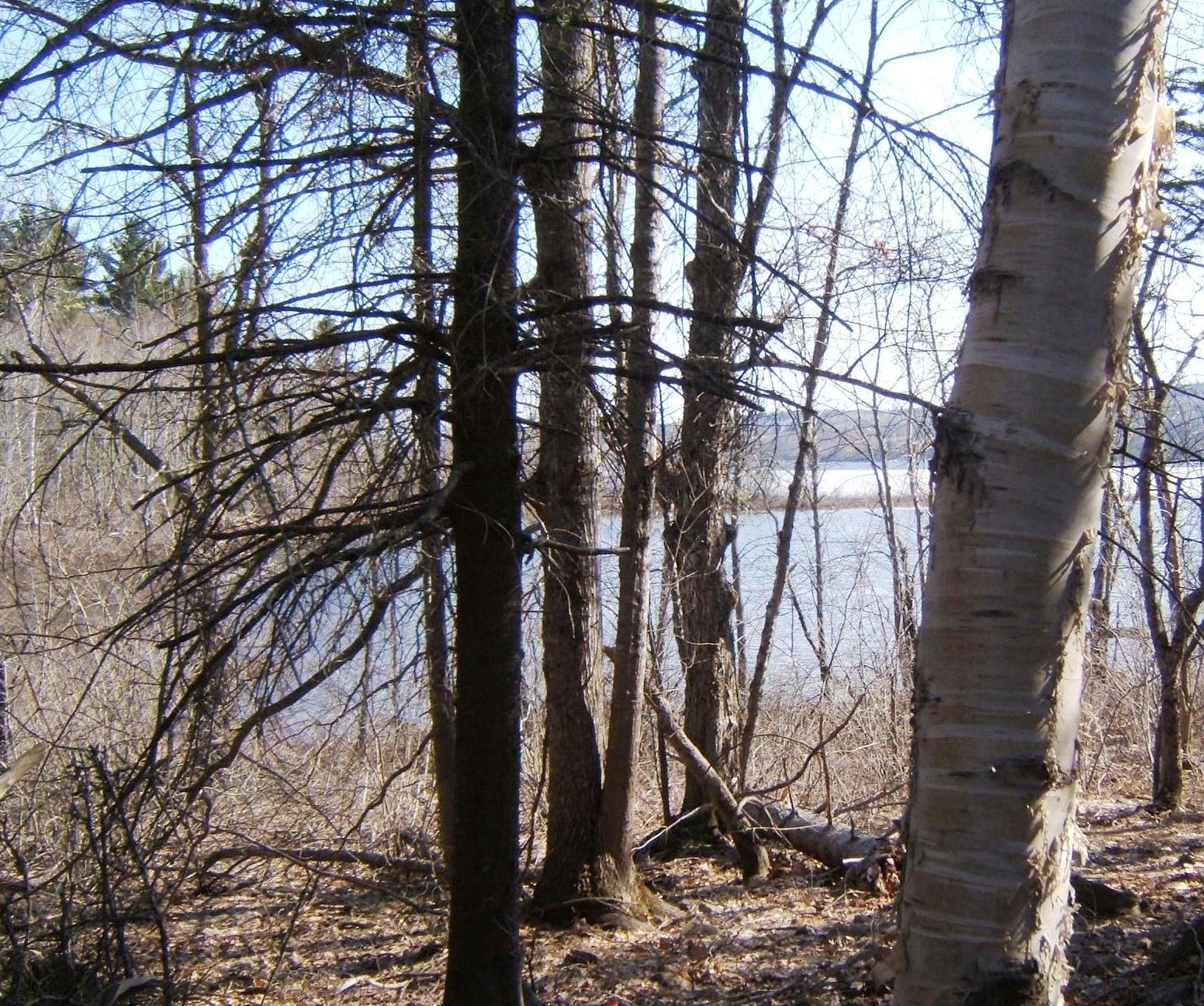
In normal years, the water levels become quite low, and our marsh is high and dry. We can walk on it, to reach the outer shore of the lake…

the green in the foreground is the marsh
In wet years, like this has been, the water stays high and there is a pond between us and the main lake…
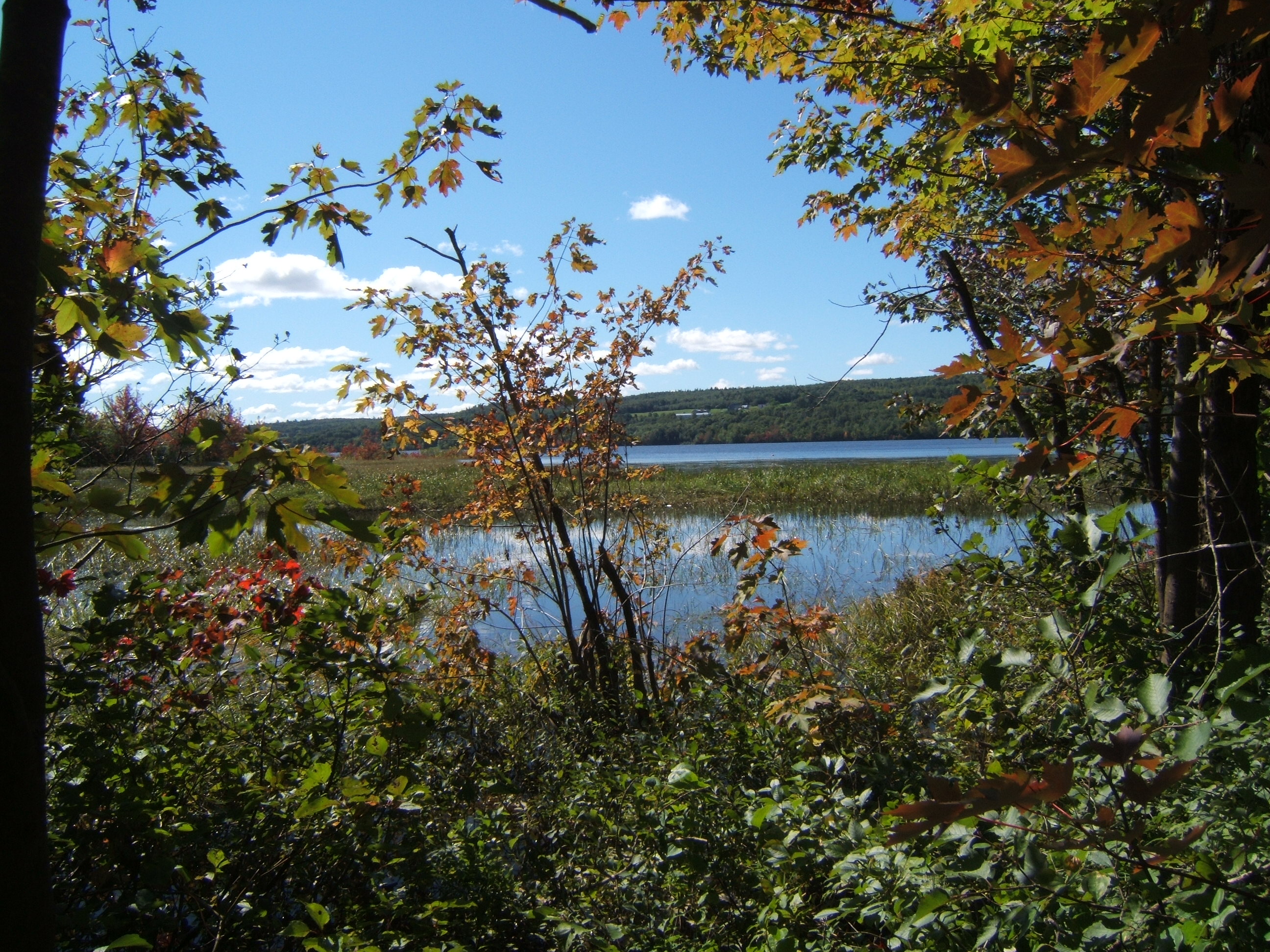
On Saturday, I went rowing on the pond in my small red rowboat. I rowed out to the edge of the lake and then followed the deeper waters of the small winding creek back into the marsh as far as I could go without grounding the boat. Last year I could see pumpkinseed sunfish in the creek water, but not this time.
Most of the grasses in the marsh are Spartina pectinata Link., broad-leaf cord-grass, ordinarily associated with salt marshes. Actually, salt water is characteristic of the lower parts of the Saint John River – the salt water wedge extends as high as Washademoak Lake, and the tidal influence is measurable to above Fredericton!
At the outer shore of the pond, where the creek enters the lake, I was surprised and delighted to find a few stems of wild rice (Zizania aquatica L.). This is not native to New Brunswick, but is often planted along shores to attract waterfowl and is now found all along the Saint John River and in many lakes. The grass is distinctive because the pistillate (female) flowers are in a group near the top of the plant while the staminate (male) flowers are on horizontal banches below.
I am an awkward rower. Usually, to improve my control and reduce my speed, I row the boat backward, stern first! In spite of my lack of speed, it is an adventure to be on the water, to become a bit of an explorer. My need to know the ways of the pond reminds me of my attempts to understand the path my life has taken.
characteristics of creek
~
clumsy row in the marsh pond
to seek the course of the creek
the strand of water’s flow
to nourish pond define
its shape conduit
to the lake
~
a slender S through grass emergent
pondweed and cord-grass vague
deviation from clarity hyaline the interface
of freshwater and salt and pumpkinseed
turn their flat bodies to intercept
the flow find the break in the mat of sedge
narrow simplicity of weed-free bottom
~
search
and find
the inevitable
thread in flow of
story the theme to bind
the words and water into one
~
© Jane Tims 2011
crossing the river
In New Brunswick, the Saint John River watershed accounts for more than one-third of the province. It is a majestic river, almost 700 kilometers long, beginning in Maine and Quebec as small tributaries and gradually gaining in width and volume as it flows towards the Bay of Fundy.
One of the best things about living near the Saint John River is its cable ferries.

There are several bridges, of course, but no means of transport across the Saint John River can compare with the mini-voyage experience of crossing the river on a summer day with the wind in your hair and the dazzle of water in your eyes. It is always interesting watching the ferryman packing the cars in like sardines on the busy days. There is usually some interesting local event posted on the bulletin board. And New Brunswick’s river ferries are free to ride!
In 1978, I made several trips on a ferry that was only in operation for a short time. This was the car ferry at Cambridge-Narrows on Washademoak Lake, part of Washademoak River, one of the large tributaries to the Saint John River. It operated for a few months after the covered bridge there was flattened in the Groundhog Gale of February 2, 1976. The new bridge was built shortly afterward in 1978 and only local people remember the ferry.
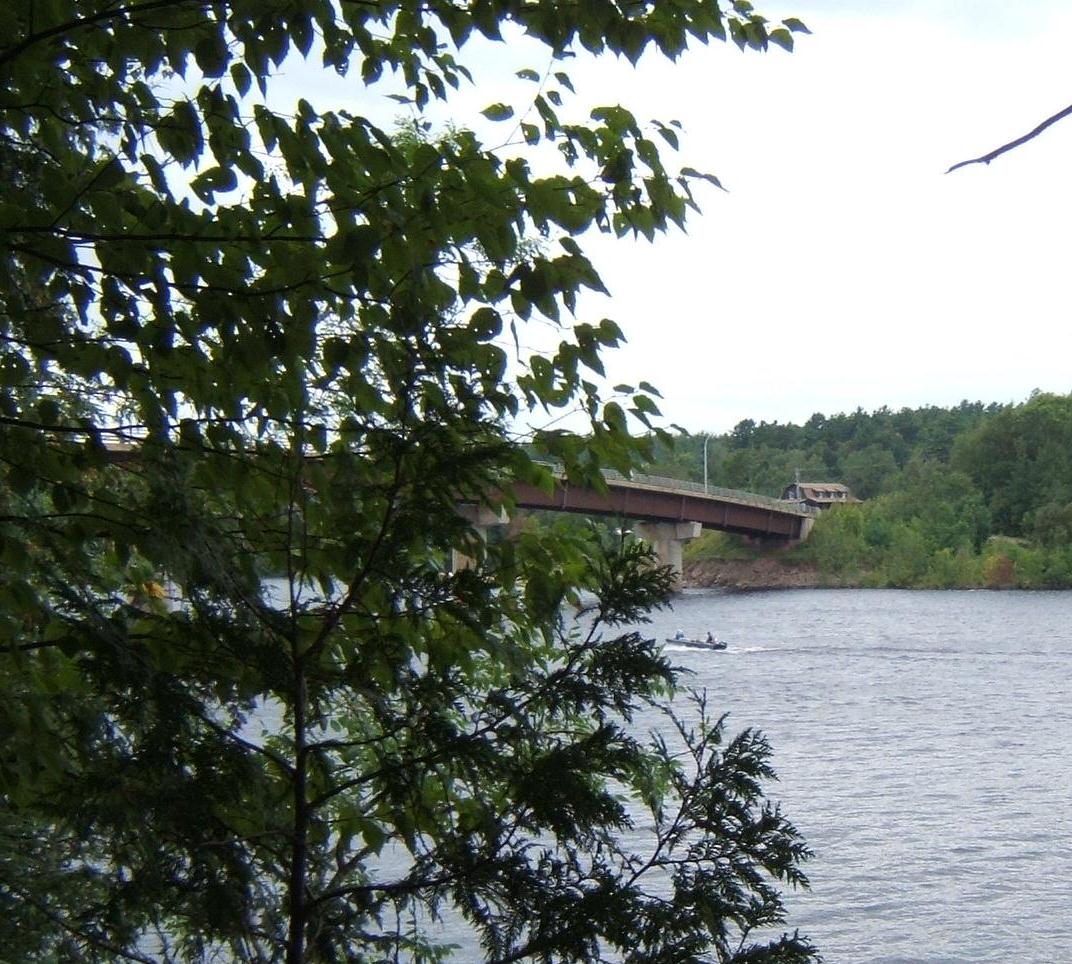
However, I remember the ferry at Cambridge-Narrows very well. I wrote the poem ‘Lights on the Lake’ one evening as I took the ferry across the Narrows and felt the peacefulness of the small community winding down from the summer season.
For a short history of Cambridge-Narrows and a photograph of the covered bridge after it was destroyed by the Groundhog Gale, see
http://www.imagine-action.ca/IAAppContent/274/BookletVII_Legacy%20of%20HistoryFinal.pdf
Lights on the Lake
~
1.
~
twilight
fairy bulbs on masts
sunset on sail
amber to trace
the ferry’s quiet crossing
~
dusk
leaded porch lights
propane glow
twin headlights
joust along the cottage road
~
darkness
strings of lantern
patio voices, clinking and laughter
fires on the beach
sparks stirred toward the sky
~
moonlight
waves flirt with stars
Aurora Borealis leaps
fireflies blink
brief messages of love
~
2.
~
comes an evening at summer’s end crowd and fireflies are gone night storms shuttered windows
darkened doors the charred remains of fires
on the shore
~
and through the trees a ruby gleam
a choir practices its song
~
© Jane Tims 1978
between the tides – sea glass
Walking on the beach at low tide creates a two-way competition for the eyes.
First there is the pull of the sea – the vistas of distant shores, islands, boats and buoys to contemplate, and the crash and retreat of the ocean waves…

Second is the compulsion to watch the beach as you walk, searching for shells and patterned rocks…
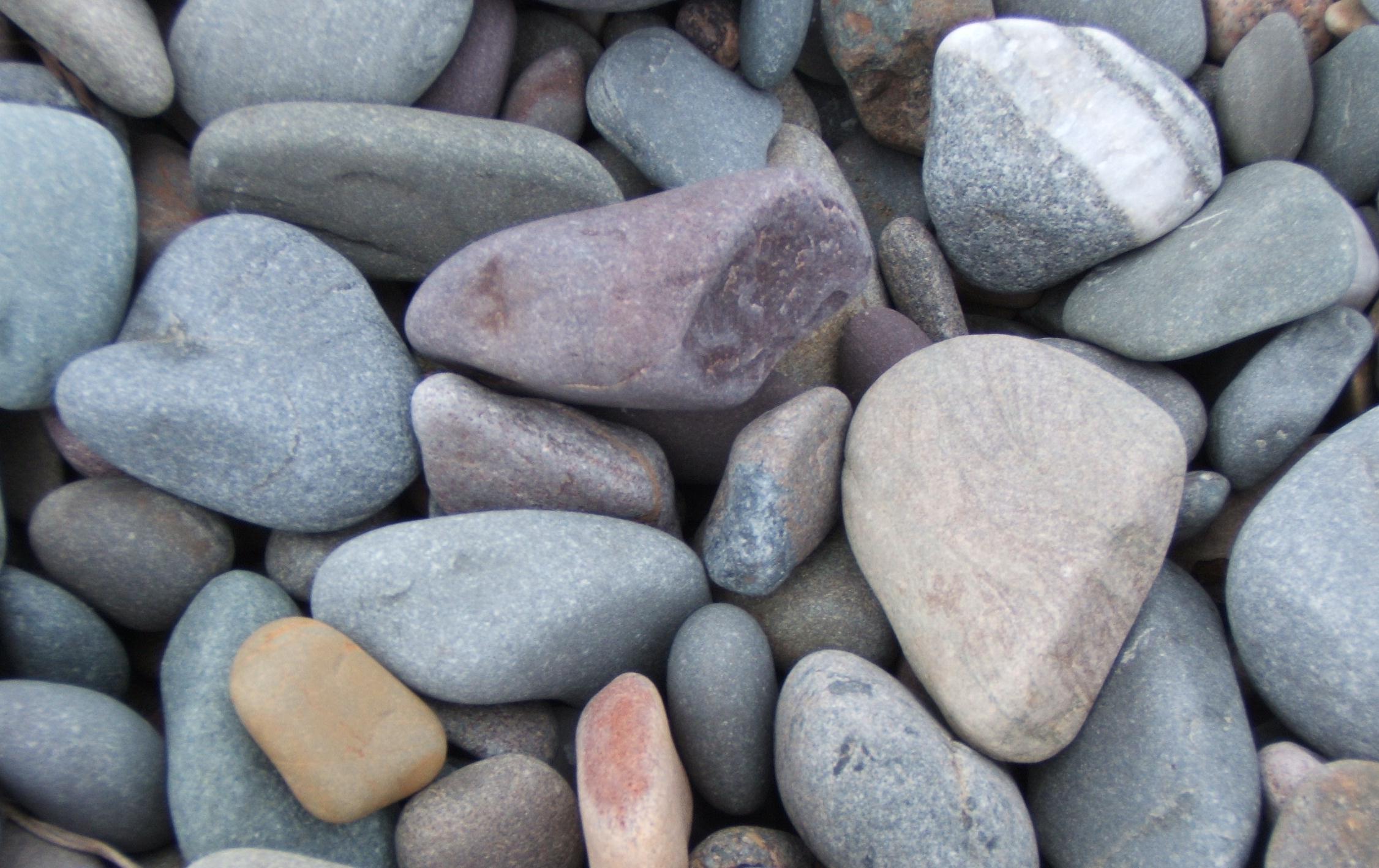
or the gem of beachcombers, sea glass…

When the tide comes in, we collectors come home from the sea, our pockets full of treasures we have found.

sea glass
~
tide turns
sea withdraws
we walk on the ocean floor
heads down
eyes conditioned to color
of sea glass translucence
of fog softened edges muffled
greens and bottle blues
rare ambers and reds
tide turns
ocean swells
glass and stone together
etched by sea
~
© Jane Tims 2011

cascade across the rock
Earlier this summer, in July, we visited Little Sheephouse Falls, northwest of Miramichi. The Falls are part of the watershed of the South Branch of the Big Sevogle River.
To see Little Sheephouse Falls requires a short hike through mixed woods. The trail to the Falls is very well maintained by the forest company who manages the area and was an easy walk in spite of my arthritic knees.
The woods were green with ferns and other woodland plants. My favourite of these was a little vine of Mitchella repens L. cascading across a lichened rock. Commonly known as Partidge-berry, Mitchella is a small vine with roundish opposite leaves, often found growing in shady, mossy woods. It has pinkish flowers and small red berries. The Flora I consulted says it is found where it can be free from the competition of more vigorous plants.

Mitchella repens growing across a rock in the woods
We did not go to the base of the falls, but kept to the trails navigating the escarpment. The falls are about 20 meters high, with a large pool and a cave at the base. They were a white torrent on the day we visited, making a rumbling thunder in striking contrast to the quiet woods.

Little Sheephouse Falls
Directions to Little Sheephouse Falls, and other waterfalls in New Brunswick, are contained at Nicholas Guitard’s website http://www.waterfallsnewbrunswick.ca and in his 2009 book Waterfalls of New Brunswick (see ‘books about natural spaces’).
Waterfalls are spaces to soothe the soul and inspire love for natural areas. They engage the senses… the sounds of the gurgling stream and the roar of the waterfall, the feel of cool, clean water, and the sight of water bubbling and boiling, following the contours of the landscape.
the three fates, spinning
~
1.
wound on the rock
mended by waterfall thread
~
2.
at last I touch
the water
real, wet water
(not a report or diagram
but the flavor feel and smell
of water)
~
it pours through my fingers
delivers to me
the mosses
the lichens
(the moth on the pin where she has always
wanted to be)
~
3.
the doe must feel this
as she crosses
the road-to-nowhere
when the birch and aspen enfold her
~
or the ant
as she maps the labyrinth
on the rotting morel
when she touches the ground
(blessed ground)
~
or the needles of white pine
when they find the note
split the wind into song
~
4.
the three fates
spinning
~
the waterfall
diverted by the rock
~
Published as: “the three fates, spinning”, The Antigonish Review 165, Spring 2011.
(revised)
© Jane Tims

needles of white pine...split the wind into song
horizons
Landscape is a fundamental driver in our lives. The spaces around us shape our experiences, our thoughts and our perspectives.
I was born and raised on the Alberta prairie. Although I love the woods and hills where I now live, I think my eyes are never satisfied when they seek the horizon.
When we drove across Canada in 2002, my husband, who was born in New Brunswick, was appreciative of the prairie landscape, but when we finally turned toward home, he was glad, so glad, to see the trees.
In southern Alberta, on the Trans-Canada Highway, we tried to measure the distance to the horizon. We took note of the oncoming lights and timed how long it took them to reach us on the road. One car, we estimated, was 17 kilometers away when we first saw it on the prairie horizon! On the Trans-Canada in New Brunswick, we rarely see cars more than 2 or 3 kilometers distant.
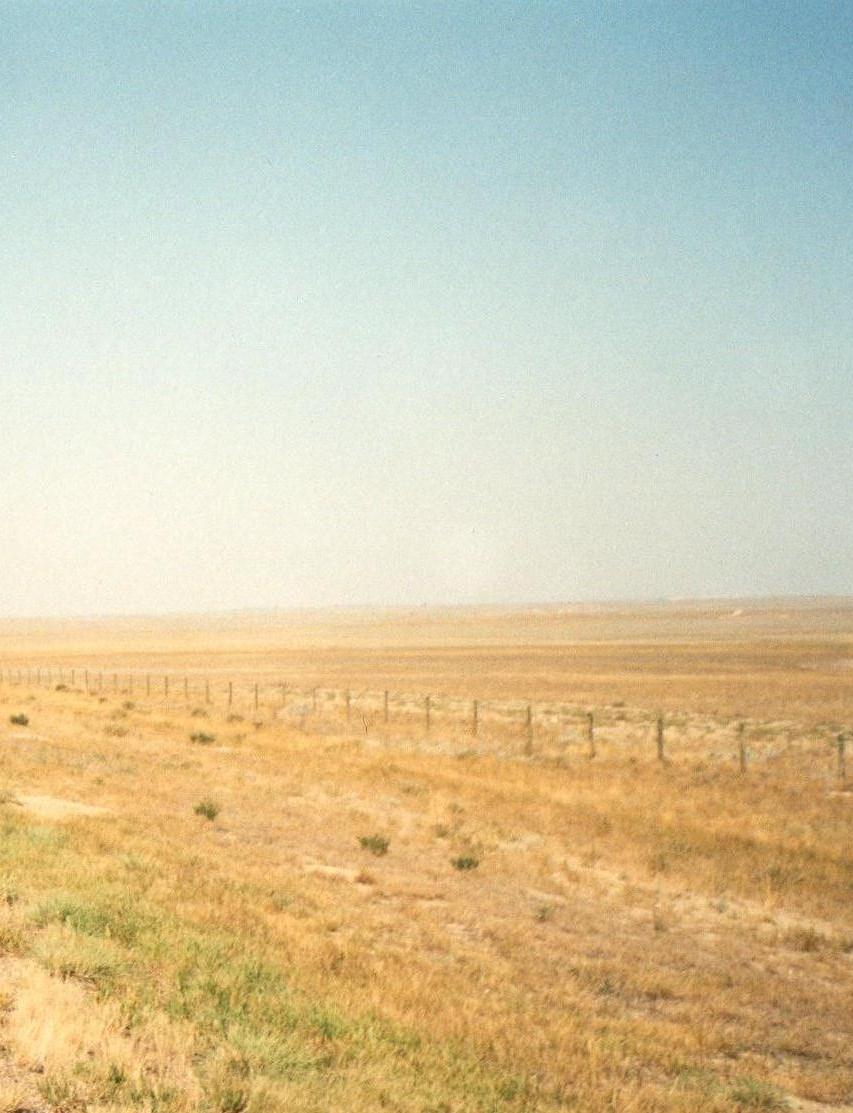
the prairie horizon of southern Alberta (2002)
What was the landscape of your childhood? Do you live in a different landscape now? How are these landscapes different and how are you different in each?
a longing for prairie
~
1.
what subtle psychoses
plague women
who grow on the prairie
and leave
to die in the forest
2.
memories a few words long
the chinook coulees at sunset the odd red of prairie mallow grasshoppers without aim
spears of foxgrass gophers beside their burrows willows by the slough
the rattle of the Texan Gate the tarnished dry of August
I want to run on the prairie
3.
I narrow my eyes at the ditches
imagine the weeds tumbling
to cover the forest with shortgrass
and sedges
the clearcut
and the barrens of blueberry
have the lie
but not the essence of prairie
4.
piled by the roadside
nine bales of hay
burst from the baler twine
left to the rain
piled three high into landscape
mountains, foothills, flatland
this last has sprouted me prairie
5.
trees form a tunnel
shut out the spaces around me
some days I can’t summon the words
the hay and the corn fields are all I have
and the hayfield shows the tines of the tiller
deep into summer
~
Published as: ‘a longing for prairie’, Whetstone Spring 1997
(revised)
© Jane Tims

a glimpse of prairie landscape in New Brunswick ... just a glimpse
defining our spaces
Fences have always been my favourite type of human architecture. I like them because they are a place to sit and observe the landscape.
The reasons for building fences are varied. They mark the boundaries between properties, keep domestic and other animals in or out, create a visual edge to property, prevent uncontrolled movement of vehicles, provide privacy, and so on. Did I mention they are also fine places to sit?
Types of fences are as varied as the reasons for building them.
On our vacation to Maine, we encountered some unfamiliar types, although I have seen examples of these in New Brunswick. The fences I liked the best were made of stone, sometimes so much a part of the local landscape they could have been natural, not human-made…

poles and sturdy metal cable…

wood with mortise and tenon…
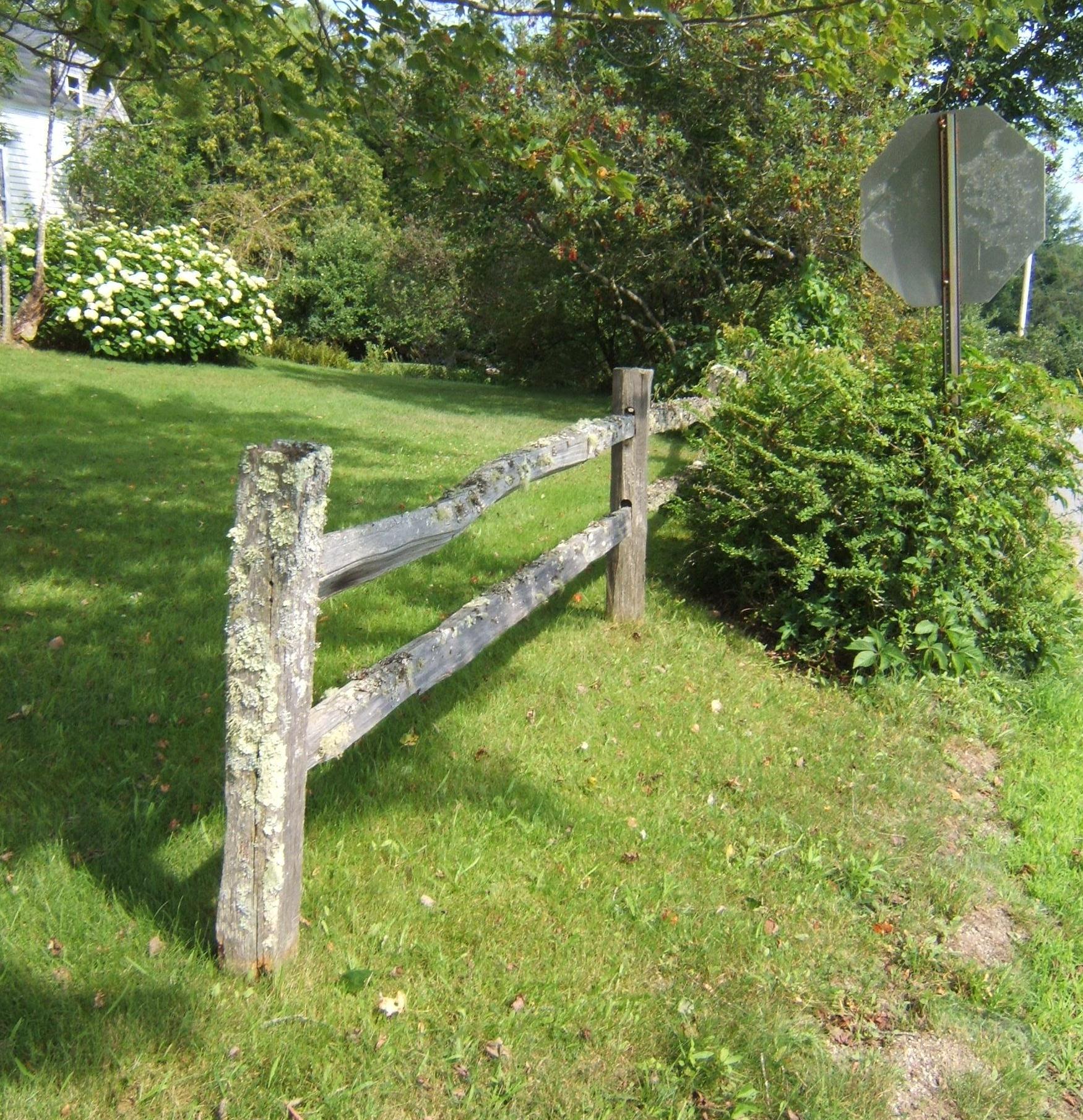
In New Brunswick, a familiar traditional fence is made with cedar, the rails fitted together in a zigzag…
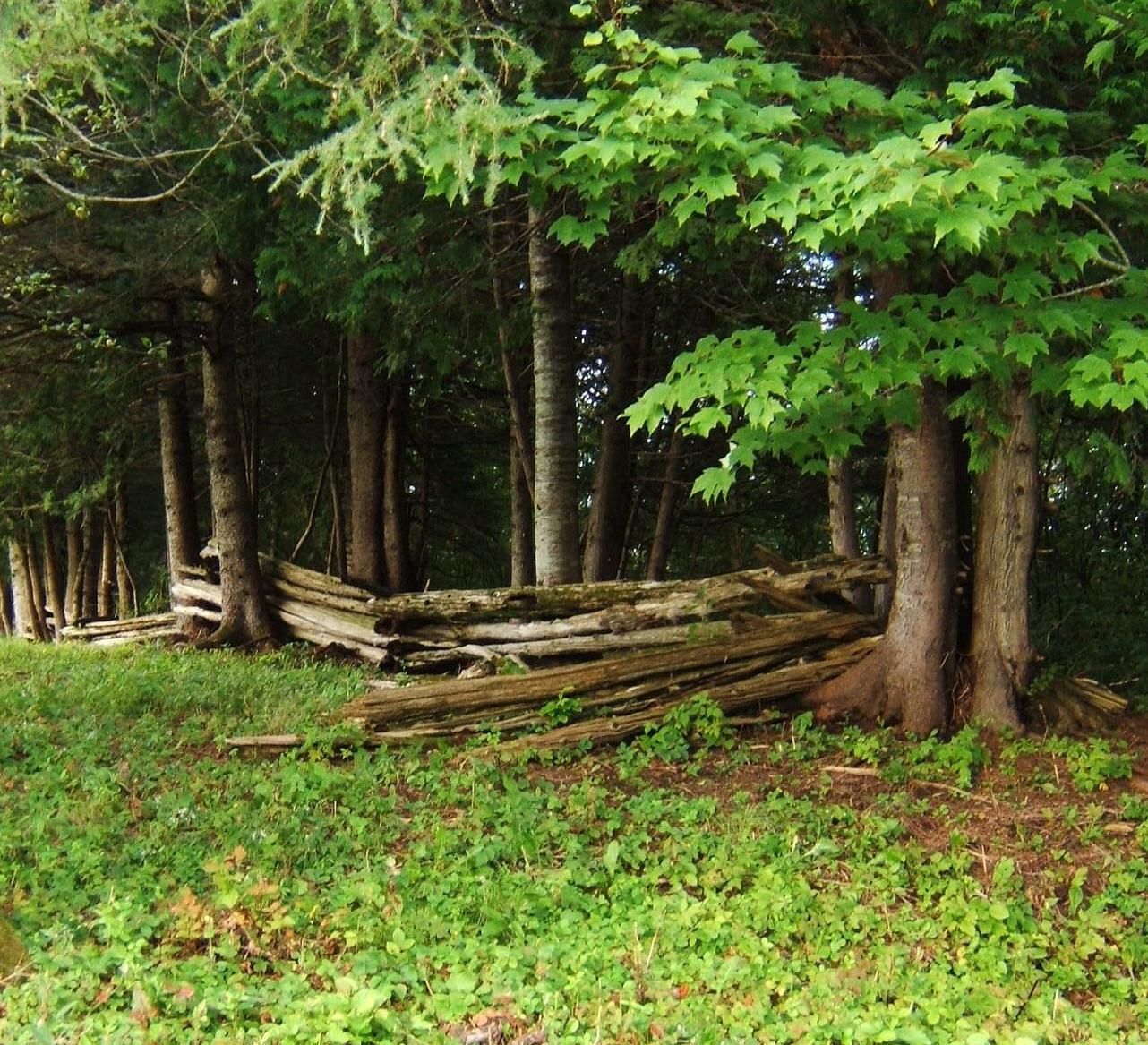
Stone fences, put together with mortar, are common around churchyards…

Farm fences are usually of the post and wire type…

My favourite fence is the type my husband builds, a modern version of the traditional cedar rail fence, held together by gravity and no nails…

lethargy
~
on the breathing side
of the window
beyond the curtain
limply lifted
is a pleasant day
a dandelioned field
a sloe-eyed cow
sumac leaning on the fence
a weary hitch-hiker beside
a carless road
~
reminds me
of a basket of patches
a quilt to assemble
hems to stitch
perennials to weed
letters to crumple
and stars to count
in a cinnamon
and saccharine
apple-crumble
sky
~
more to do
than prop one arm
on the window sill
and lift the muslin
barely higher
than the hitch-hiker’s
wilted shoulders
unslung pack
or knee-supported head
~
© Jane Tims 2010




 nichepoetryandprose