Posts Tagged ‘poetry’
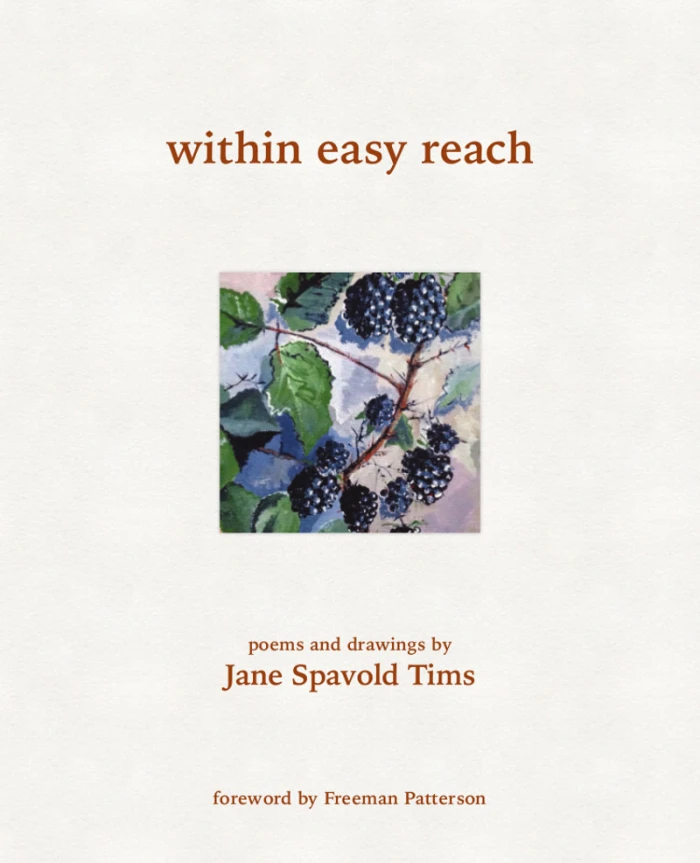
small scale economy – picking berries
~

~
small-scale economy
~
my box of berries spilled
on the footpath,
between leaves
of Kalmia and wintergreen
hawkweed and cow pies
~
the cousins, their boxes brimming,
stood gawking, dismayed,
I was certain they were thinking
dumb city girl, spilled her berries
box only half full anyway
~
instead, they gathered around me
sympathy in every hand
scooped most of the berries
into the box
added a few from nearby bushes
~
seventeen cents he paid me
half the value of a box at full
the cousins had picked a crate or more,
remembered the wasted berries, left on the trail
and wept at the loss
~
~
Published as: ‘small scale economy’, Canadian Stories 16 (94), December 2013/ January 2014
Copyright 2014 Jane Tims
harvesting colour – memorable colour
I am starting to think about some of the colours I hope to capture in my dyeing projects. In my reading I have discovered that plant colours come from three groups of plant pigments:
- the porphyrins – includes chlorophyll, the green pigment in plants that enables photosynthesis to occur
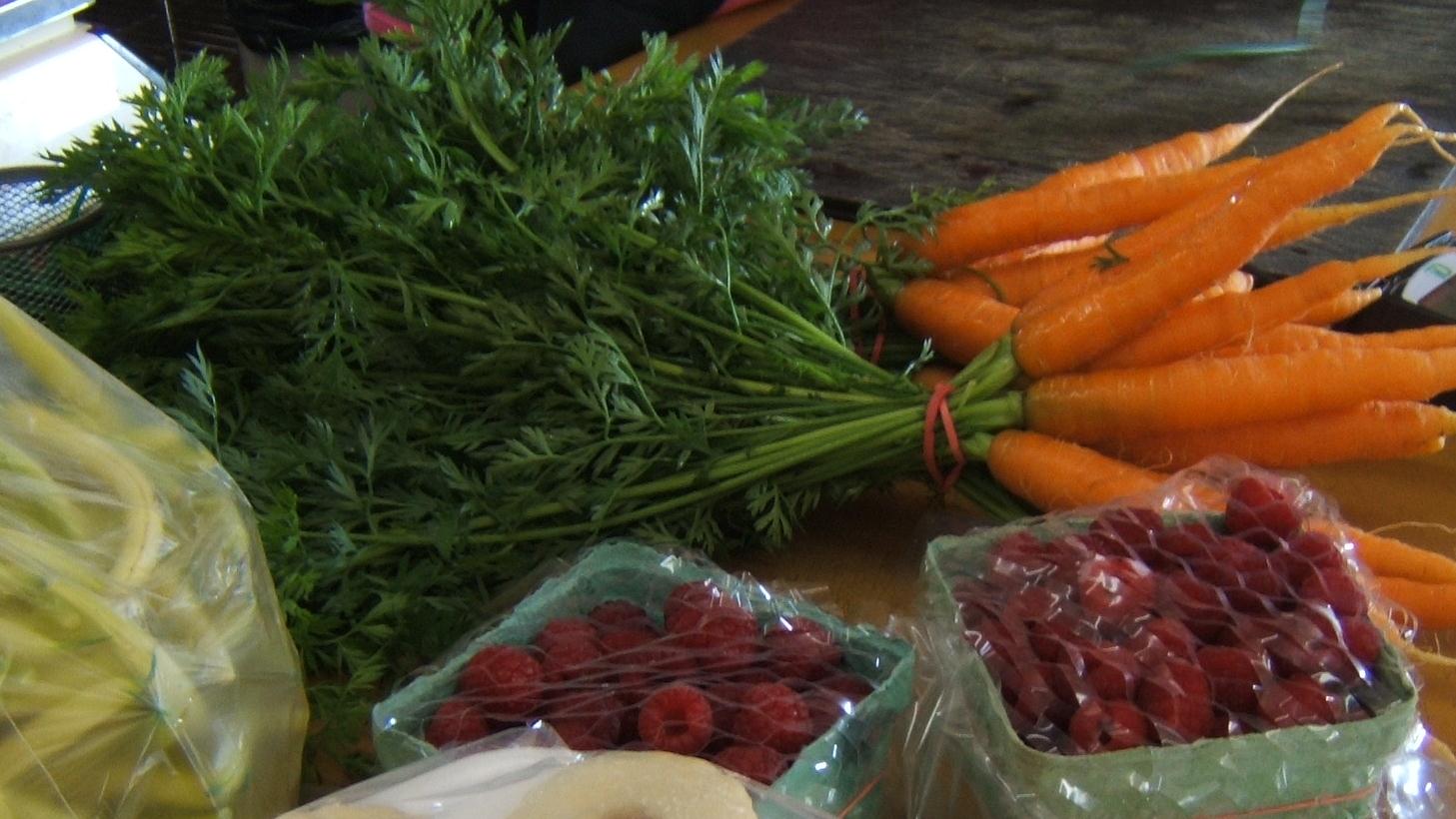
- the carotenoids – includes the yellows of carrots and the red lycopene of tomatoes
- the flavonoids – the yellows of flower petals and the red, blue and purple anthocyanins of strawberries and blueberries
~
~
In my poems, I want to portray these colours with words. A quick look in the thesaurus shows how many words we have for the various colours:
- green: emerald, sage, verdigris, malachite, beryl, aquamarine, chartreuse, lime, olive …
- yellow: ivory, lemon, saffron, gold, sallow, buff …
- red: scarlet, carmine, vermillion, crimson, ruby, garnet, maroon, brick, rust …
- blue: azure, phthalo, cerulean, indigo, sapphire, turquoise, watchet, navy, teal …
- purple: lilac, violet, mauve, magenta, heliotrope, plum, lavender …
~
~
~
~
Copyright 2014 Jane Tims
beekeeper

~
beekeeper
~
1.
~
bees smoke-drowsy rag smoulders swung slowly protected thick
in net and cotton wicking folds into beeswax candle flame
pours golden through panes in the honeycomb
streamers sweet circles sink into bread
~
hollows
yeast-filled
and honey
~
2.
~
bee sting
unexpected
~
beekeeper
never flinches
~
flicks the bee
from his fingers
~
spit and mud
for a poultice
~
~
Published as: ‘beekeeper’, Canadian Stories 17 (95), February/March 2014
Copyright 2014 Jane Tims
beech leaves and berries
One more poem about winterberry holly …
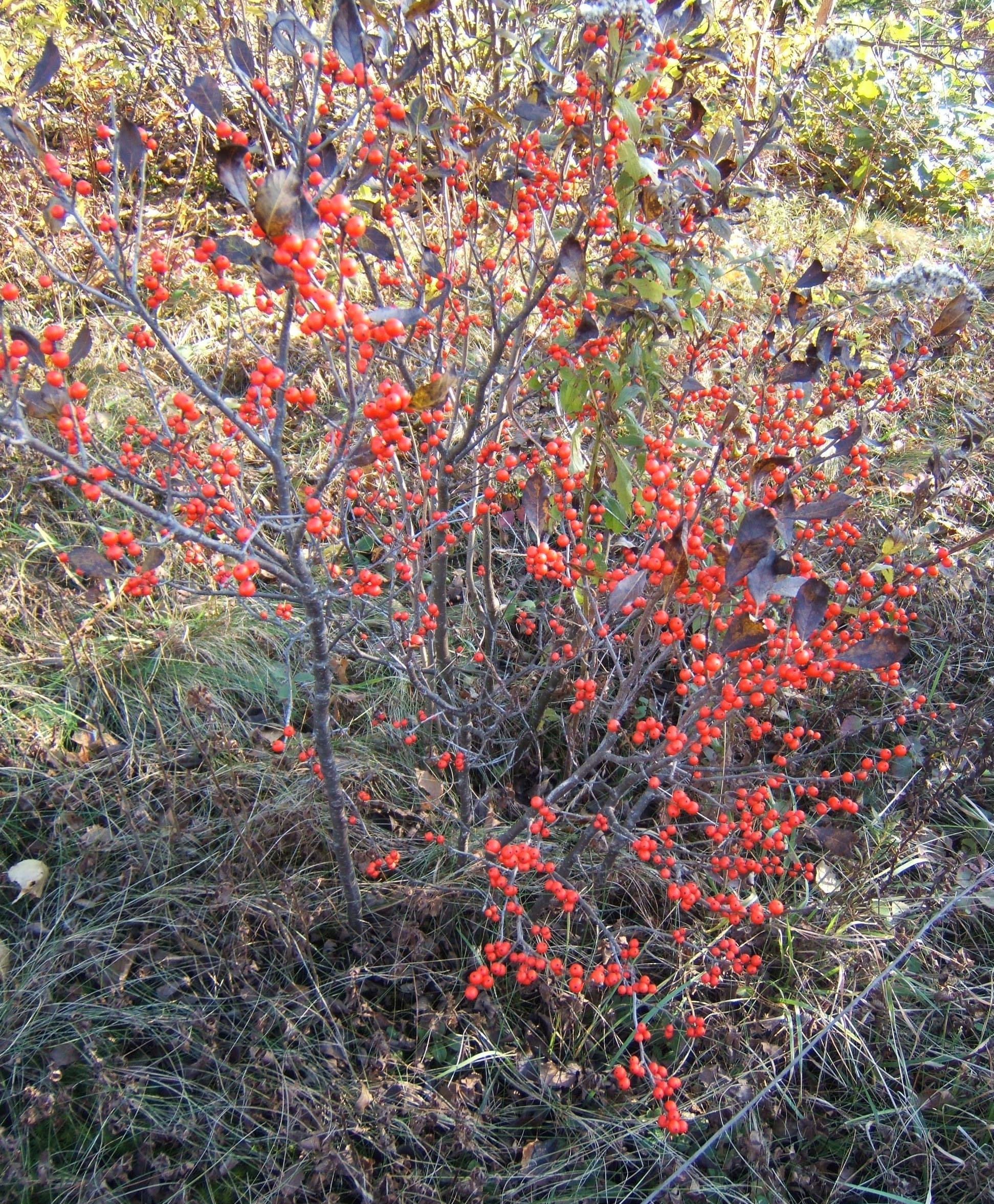
winterberry holly in early winter
~
~
beech leaves and berries
~
watch the wretched shudder
of the second hand, clutch
at the day, a beech leaf, intent
or winterberries persistent
through December
~
peeling paint on the door
of the shed, insistent –
resist new color
parchment leaves and paint chips rattle
~
on a day in January
a grey-green flake of paint
is tumbled by wind
and vermillion berries surrender
drop
by
drop
~
indifferent snow
~
~
Copyright 2014 Jane Tims
harvesting colour – mordants and modifiers
Dyeing textiles involves more than just the dyestuff. Simmering cloth in a dye bath may initially produce a beautiful colour, but without help, the colour may fade in sunlight, or over time.
~
Mordants: Mordants are substances that assist the dyeing process by improving the colour-fastness of dyes (to washing and light), and by modifying the strength and quality of colour. Mordants bond with both dyestuff and fibre so the resulting colour is more permanent. Mordants include metals such as aluminum, copper and iron. I have a quantity of a safe mordant, alum (aluminum sulphate) and I may try other mordants as I become more experienced.
Colour modifiers: After a fibre is dyed, colour modifiers can be used to increase the range of colour possibilities. In some cases this means changing the pH with modifiers such as vinegar. Modifiers also include after-mordants (additions of copper or iron). Adding iron as a modifier results in ‘saddening’ of the colour … for example, a brown obtained from a tannin-rich dye can become almost black.
~
My reading about mordents and modifiers made me think about keeping colours vivid in memory. Perhaps, when we remember a particular scene in full vibrant colour, there is some ‘memory-mordent’ involved !!! In the poem, the mordants aluminum, copper and iron are there in the coastal environment, strengthening memory …
~
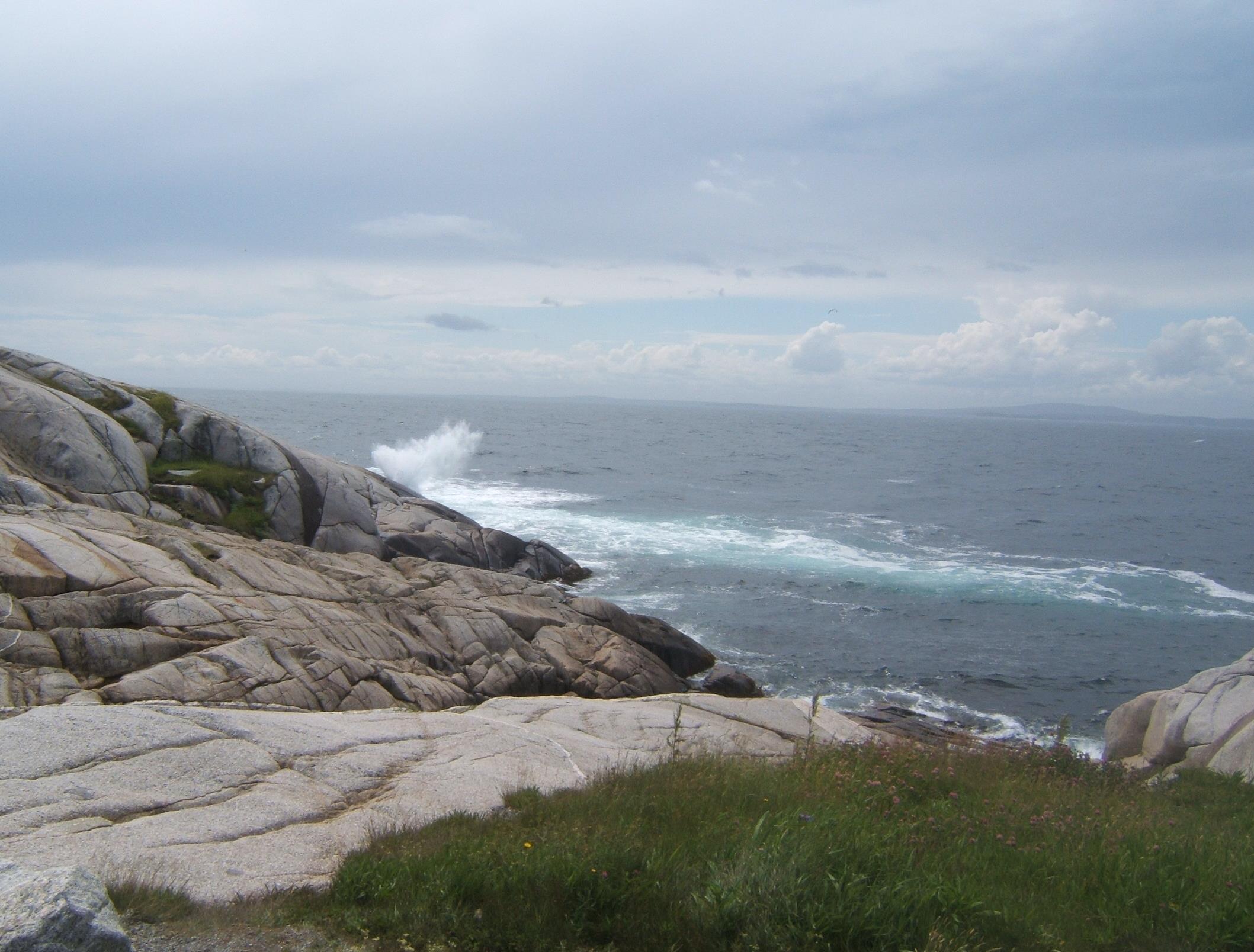
Peggy’s Cove, Nova Scotia
~
~
colourfast
~
how do I explain
the being present
the exquisite memory
the precise phthalo
of ocean, the cobalt
of sky, salt breeze,
viridian horizon
~
perhaps some mordant made
this memory strong – aluminum
from my morning tea, copper sulphate
patina from the weathervane
pointed landward
~
and the boathouse
mooring, rusted
saddened the colour
~
~
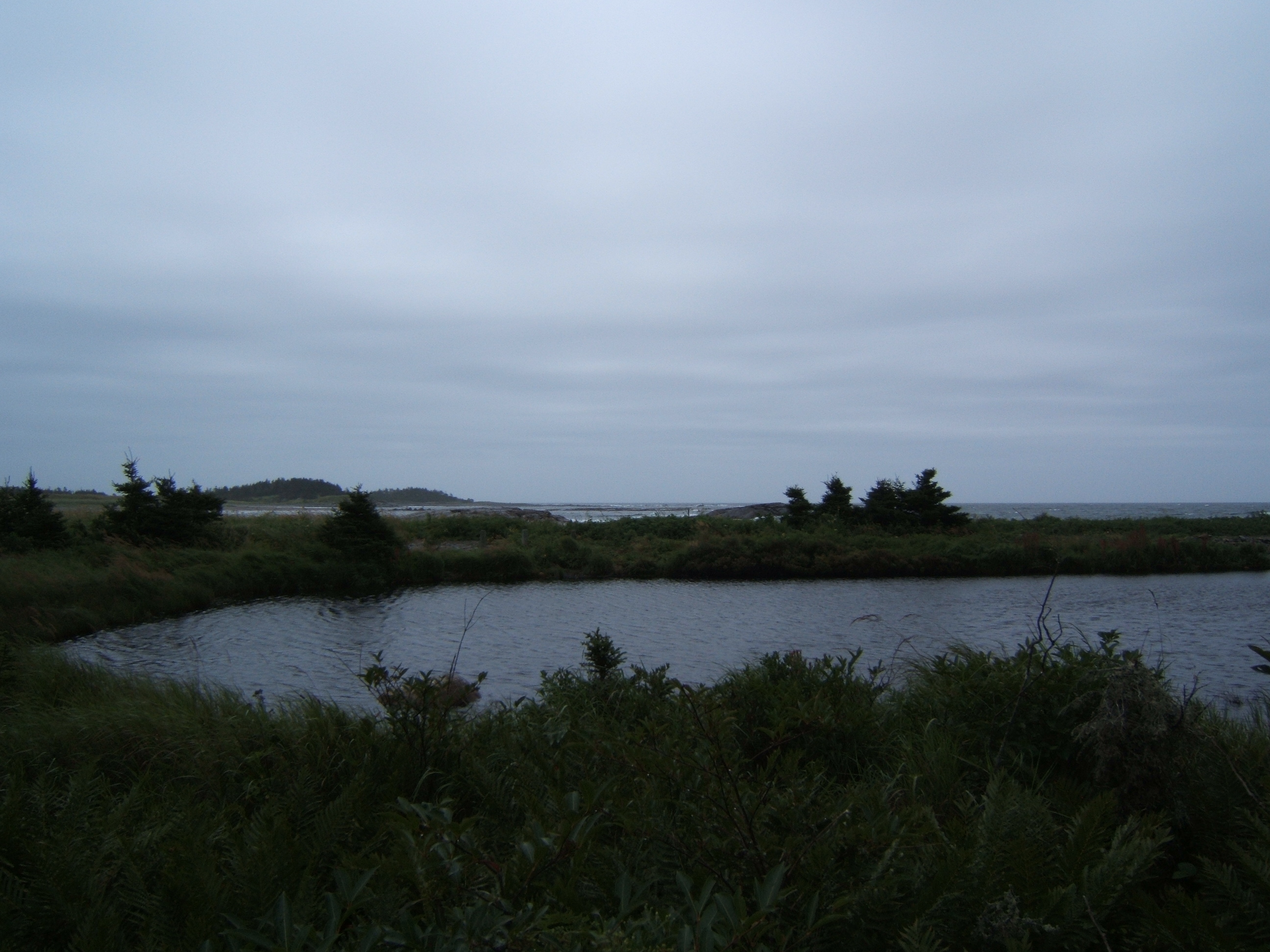
near Torr Bay, Nova Scotia
~
Copyright 2014 Jane Tims
winterberries
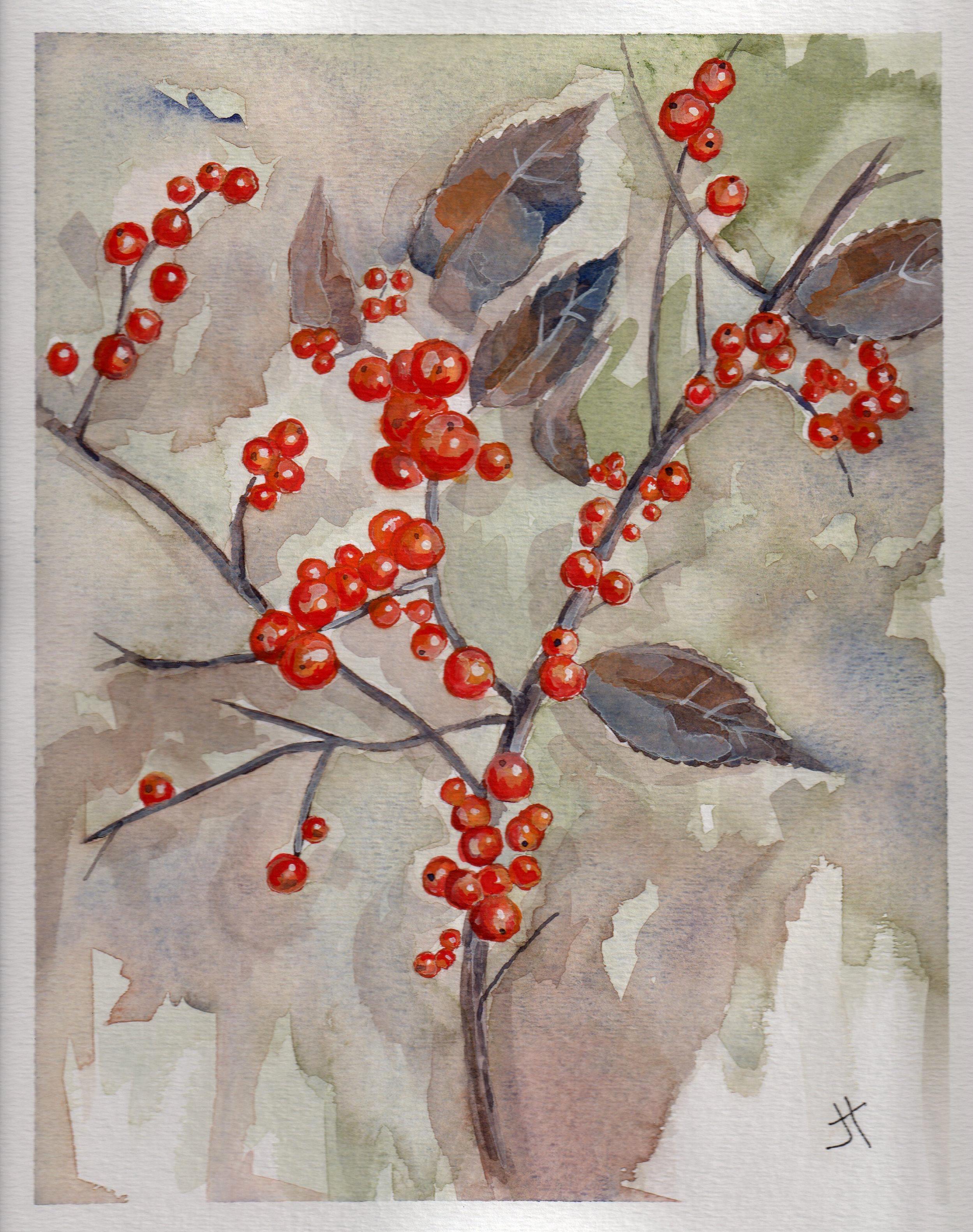
Before the winter snows are entirely gone, I want to share this poem. All through the winter months, winterberry holly clings to its bright orange-red berries, refusing to let go …
~
~
~
winterberries
~
berries of holly persist
long into winter, cling to
the bough, after leaves have fallen
~
grief refuses to let go
~
but what is one berry among
so many – in the end all
berries desiccate and die
~
birds wheel in limitless sky
look below and see
one red pixel punctuates
vast emptiness of snow
~
~
Copyright 2014 Jane Tims
harvesting colour – the chemistry of colour
I have done a lot of reading this week, mostly to brush up on some basic chemistry in preparation for my project on using plant dyes.
~
It took me a couple of years in university to discover that chemistry was not my forté. I loved the mathematics of first year inorganic chemistry but I met my match with organic chemistry in my second year. I came to the conclusion that chess, music theory and organic chemistry have something in common … Jane cannot win a chess match against a cat. Jane cannot transpose music. And Jane cannot figure out elimination and substitution reactions in organic chemistry. I did try.
~
In spite of my theoretical difficulties, I loved the labs in chemistry. Creating little quantities of limonene and caffeine and aspirin was fun. And I loved the visuals of the chemistry lab – the colours of the various chemicals, the architecture of the glassware and the various drips and sizzles and, occasionally, puffs of smoke.
~
My first introduction to chemistry lab was a simple titration demonstration, showing a way to use the colour of an indicator to determine an unknown concentration. It seemed magic as I swirled the flask and watched for the solution to change its colour from clear to pink. I saw the parallels to botany right away. Today, I never look at a shrub of Hydrangea without thinking about the connection between the colour of the flowers and the acidity of the soil. Alkaline soils promote pink flowers. Increased acidity makes more aluminum available to the plant and the flowers turn blue as the aluminum associates with the plant pigment anthocyanin. These are the kinds of interactions I expect to see in my dyeing projects.
~
And so, here is my first offering of poetry in the theme of ‘harvesting colour’. It is not about dyeing fabric, but explores the idea of colour change as a metaphor for trying to understand human emotion.
~
~
titration
– to determine the concentration of an unknown solution, we watch for change
~
all summer she sits, the sag of a meniscus
on the stair of the veranda, tucked,
at the start-point of the burette,
into stems of hydrangea
~
mopheads droop and rain adjusts
the soil, basic to acidic, drop by drop
pink petals turn violet
first titration always an estimate
~
as the corymb favours blue, we realise –
basic words and helpful anecdotes will not be
enough, the situation is complex, not merely a matter
of pH, but the interaction, aluminum with anthocyanin
~
titration demands a practiced hand, a careful
eye to mark the end-point when colour prevails
and makes sad chemistry, on the last day of August
when hydrangea succumbs to blue
~
~

detail of Aug. 10, 2013 `hydrangeas, Carlyon Bay` Jane Tims
~
Copyright 2014 Jane Tims
apple pie, no apples
~
~
apple pie, no apples
~
fooled a lot of people –
aunts with PhDs
friends from school
my father
~
now I lift the crust
from every slice of apple pie
look for evidence –
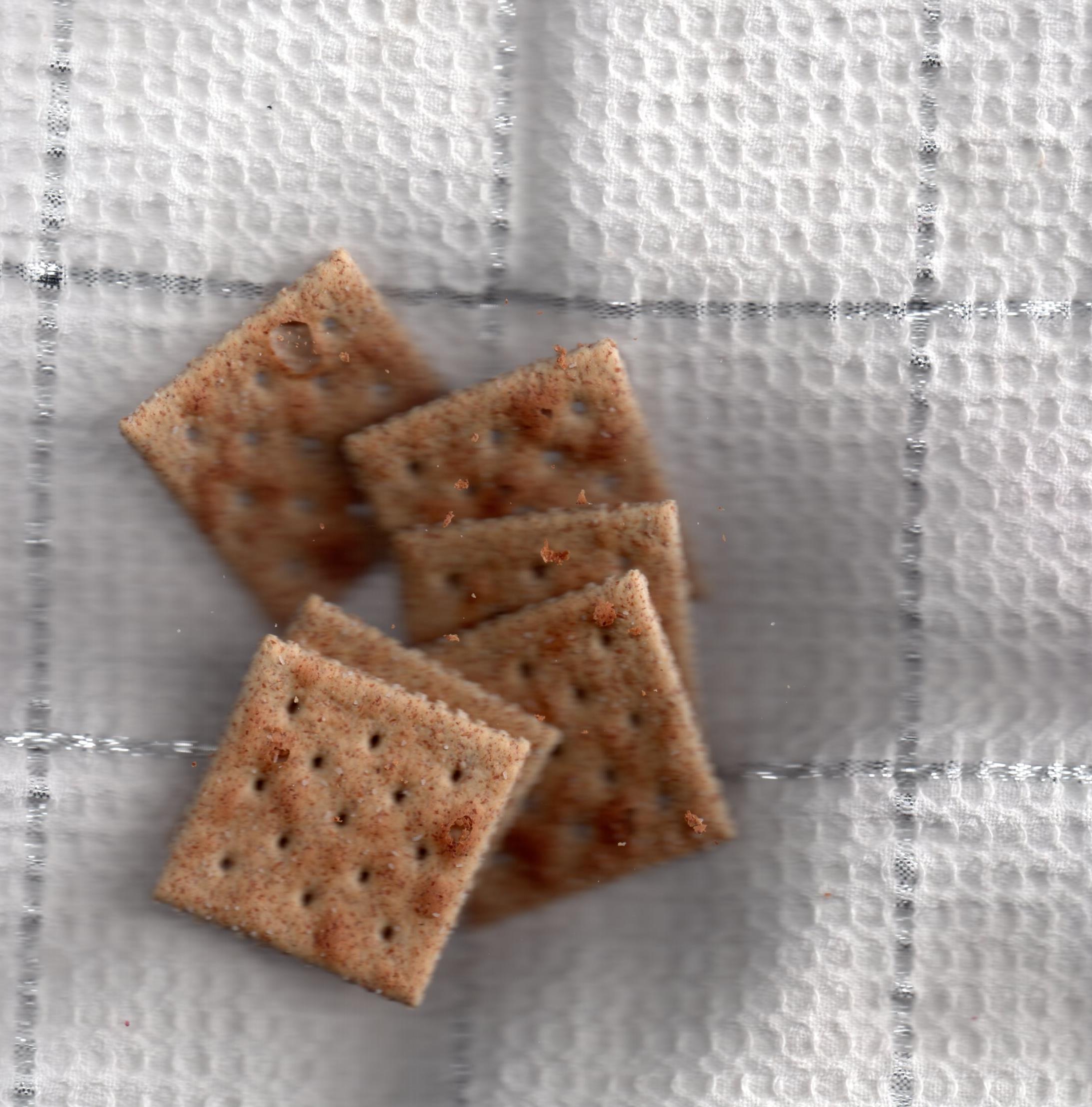
pin-holes, punched by a machine
~
the recipe, simple as substitution
pie crust
sugar
~
a shot of lemon, flour to thicken
cream of tartar (to fool taste buds)
a generous dusting
of cinnamon
~
and
a stack of soda crackers
snapped in two (hand-broken facsimile
of apple)
~
no one ever seemed to notice
the pin-holes, punched by a machine
~
~
Published as ‘apple pie, no apples’, Canadian Stories 17 (95), February/March 2014
For a recipe for Mock Apple Pie, see https://nichepoetryandprose.wordpress.com/2012/08/06/growing-and-gathering-learning/
Copyright 2014 Jane Tims
february chill
memories of a walk on a cold night …
~

~
spaces in the dark
~
white on the pasture
interrupts the night
clings to cold twilight
~
footfalls
beside me
~
a black horse
assembles from shadow
ponders the snow
~
your coat
folded around me
~
the horse lifts its head
knows where deer hesitate
where wings brush against barn boards
where I stand in the snow
and shiver
~
never so warm again
~
chill spaces around me
~
no feathers to fly
~
~

~
Copyright 2014 Jane Tims
harvesting colour
Recently I was awarded an artsnb (New Brunswick Arts Board) Creations grant. My six month project will be to write a book-length poetry manuscript about the experience of using plant dyes for colouring textiles.
The poems will find their inspiration in the activities of collecting plants, extracting their dyes and using them to colour woven fabric.
~
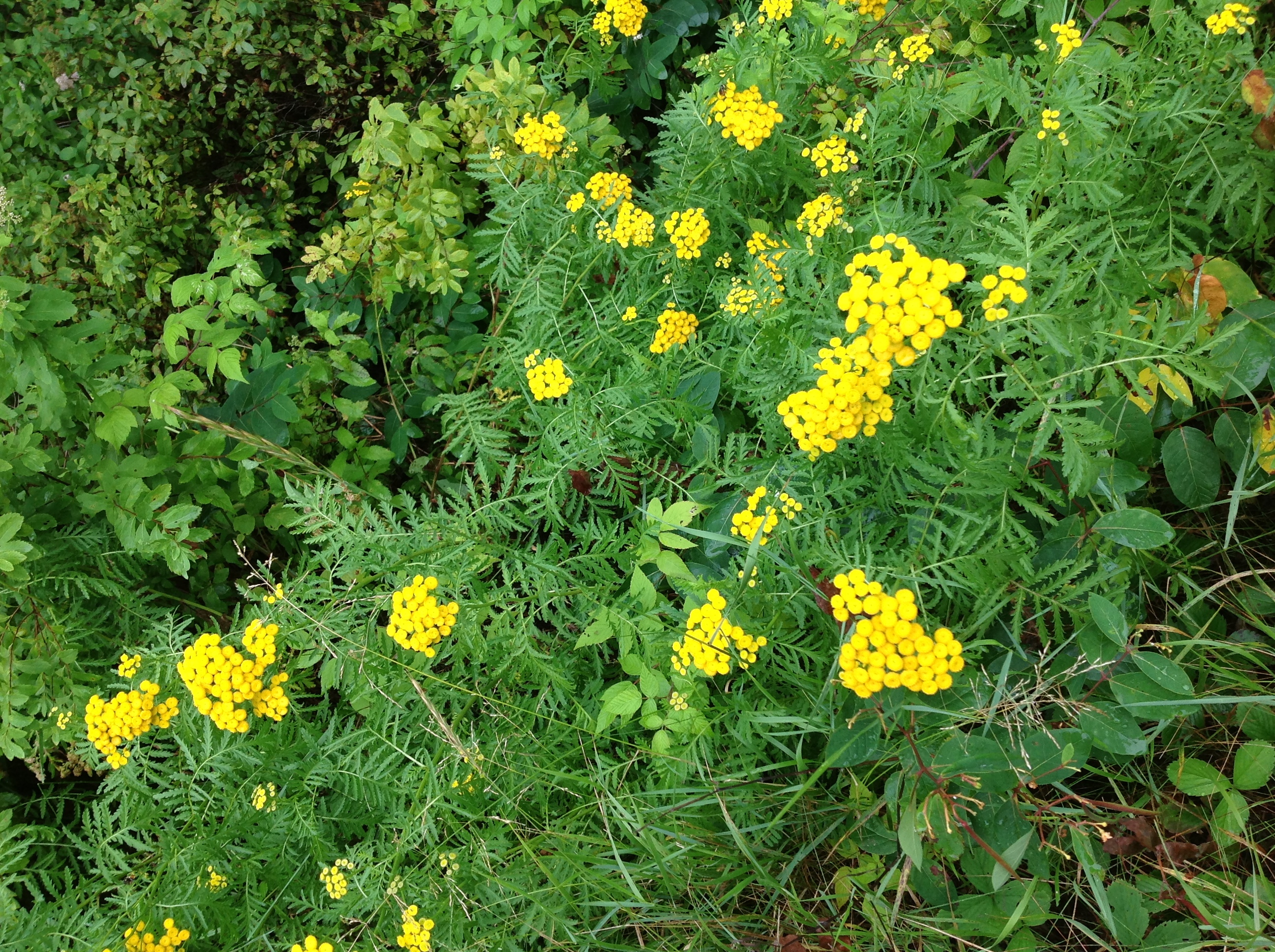
one of the plants I will be using is Tansy (Tanacetum vulgare) – it grows throughout New Brunswick and can be used to make yellow and olive dyes
~
Writing these poems, in many ways, should echo my previous project ‘growing and gathering’. I will do some research about a particular plant, then go forth and find it. For the ‘growing and gathering’ project I had a lot of fun exploring various areas of the province for the plants I needed, so I know I will love this part of the experience. It will be when I get the plant material home that the differences between the two projects will become clear. With ‘growing and gathering’, writing poems about picking berries seemed second nature to me since I’ve spent a lot of my life in berry fields.
~
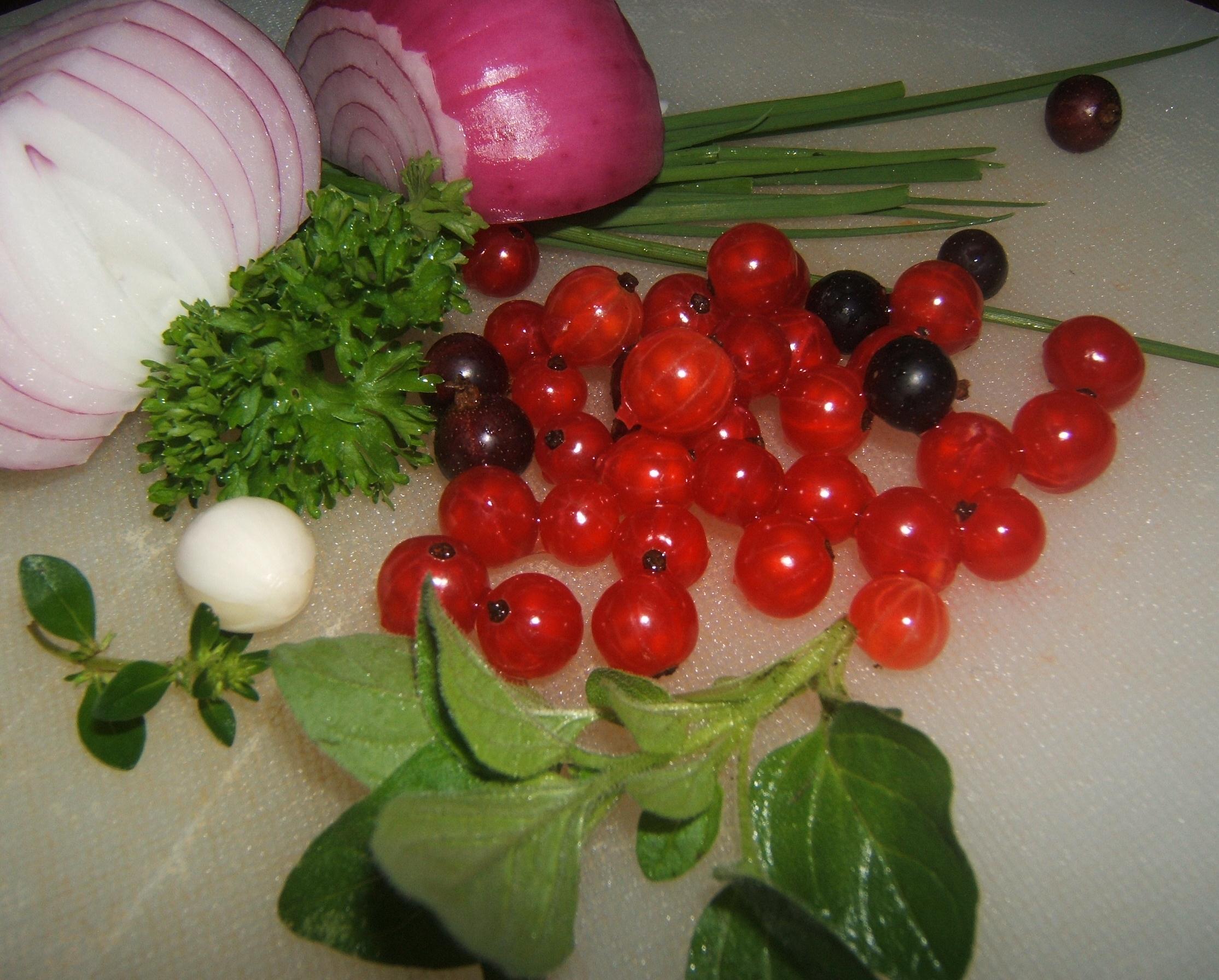
some of the ingredients for a ‘growing and gathering’ salad
~
With ‘harvesting colour’, I will be learning a craft new to me. I’ll be trying to manage the complex alchemy of “pot type plus source water plus plant material plus mordent plus receiving material”. Lots of chemistry and a few colour tragedies, I’m certain. And discovery, as purple plants become yellow dye. I hope to combine making plant dyes with my weaving, an activity I find totally relaxing and steadying.
~

some of my weaving results over the years … it will be fun to see what colours my project will bring to my weaving
~
So where will the poems come from and what will they say? I’ll be looking for metaphors for human experience and emotion. I’ll try to embed ideas about reconnection with nature and about cultural expression through decorating fabric. I’ll use words from botany and chemistry, and a rich colour dictionary. I can hardly wait to explore all the words for yellow, and green, and red.
I want to write poems about ‘saddening’ the colour by adding a pinch of salt, and ruining a dye lot by forgetting to tend it well. I’ll write about oak leaf imprints on cloth, and the different yellows created with apple bark and poplar leaf. I’d also like to write poems about the ordinary life experience of plant dyes – grass stains on knees, the grey Choke-cherry jelly bag, the Cranberry stain on the tablecloth.
I’ll be presenting at least some of my poems here and I’ll certainly be sharing my experiences. I’ll continue to present my virtual travel, novel writing and watercolour posts, but I plan to devote Friday’s post each week to ‘harvesting colour’. Hope you visit regularly to follow me in my project!
~
Copyright 2014 Jane Tims




 nichepoetryandprose