Posts Tagged ‘plants and animals’
horses in a field (day 53)
7-53 December 1, 2013 35 minutes 3.0 km (from north of Porthallow to Porthoustock)
~
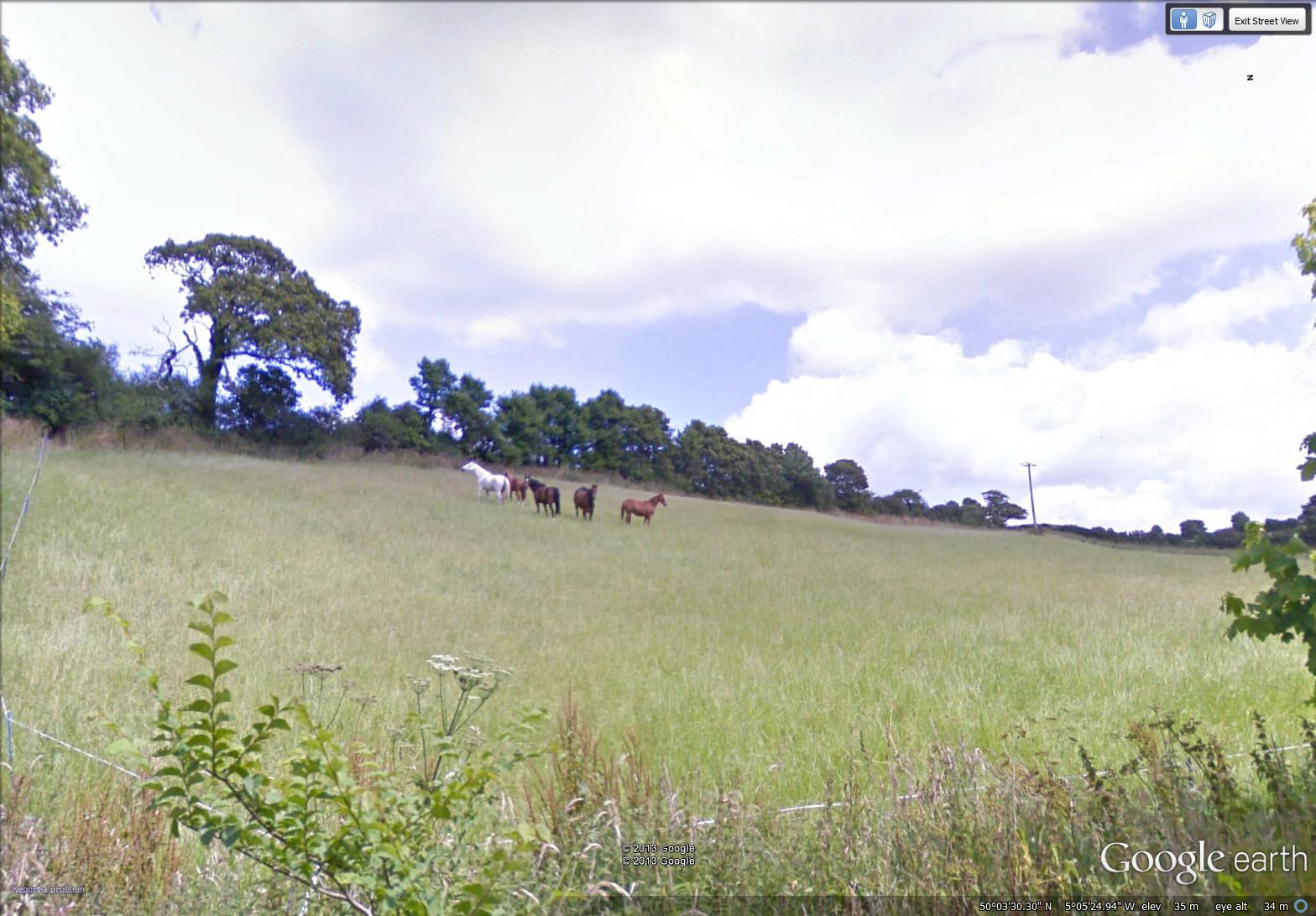
This week on my stationary bike trips and my virtual tour of Cornwall, I saw this group of horses near Porthallow. They stood so serenely in the field, I decided to paint them.
~
~

~
As anyone who knows me will tell you, I am not always comfortable around animals. I like horses and I have ridden, but this little story will tell you how afraid I am. When my sister went to England years ago, she asked me to take care of her horse for the summer. Marengo was a kind horse, and never did anything to frighten me, but my approach to feeding him probably made him wonder. I would go to one end of the pasture, count out his ‘leaves’ of hay and spread them for him to eat. By the time he got to the hay, I would be running to the other end of the fence to measure out his oats. That way, I could feed him but never have to stay near him! What a dreadful story. Most girls would be delighted to have care of a horse for a whole summer!
~
Copyright 2013 Jane Tims
one red tree
On a drive to see some covered bridges in York County, we took a logging road along the Pokiok and Little Pokiok Streams.
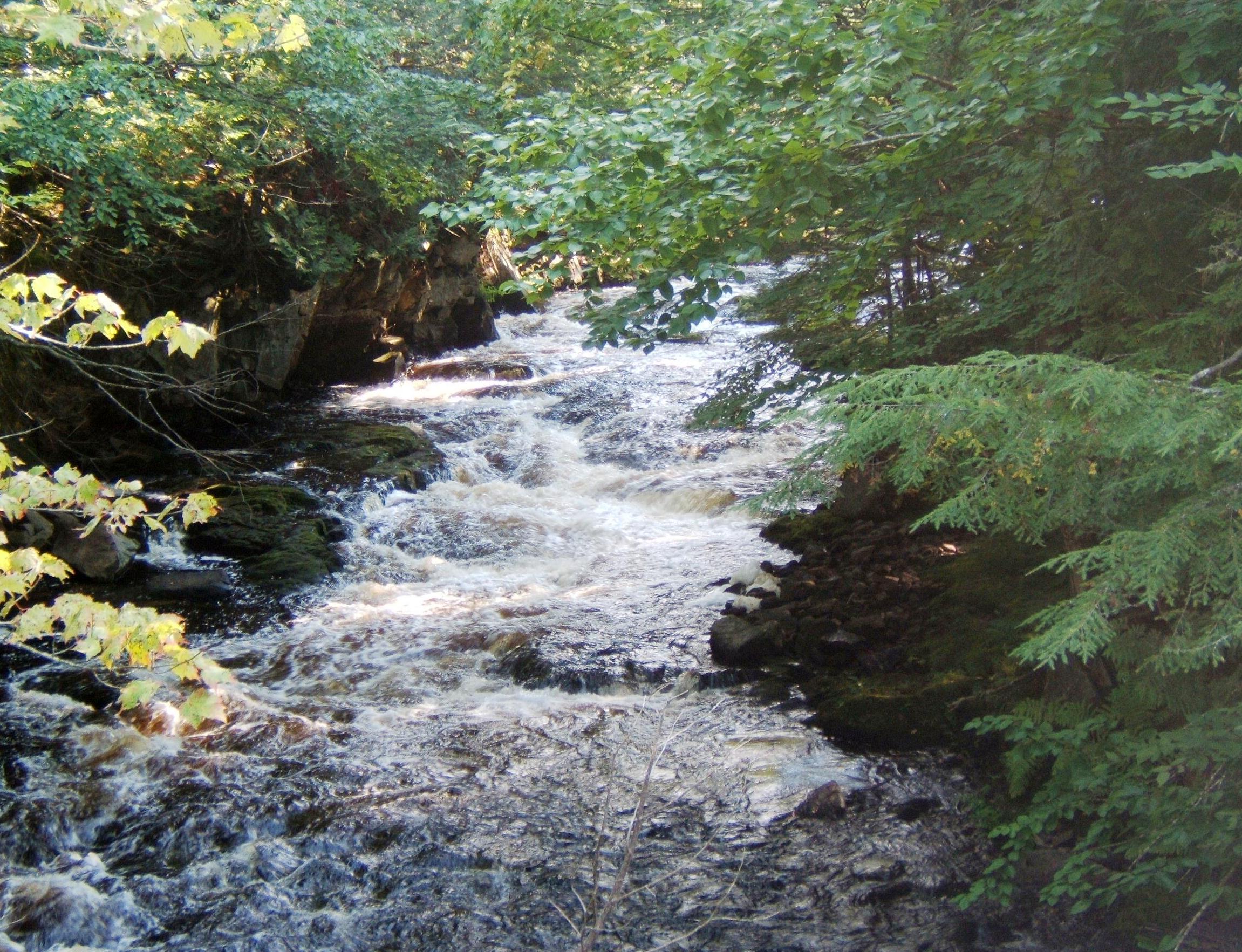
Years ago, on this road, we saw an albino deer. On this recent trip however, the only wildlife we saw were the Flickers. As we drove along the road, a Flicker would fly up and lead us a ways before veering into the woods on the roadside.
It was a good road, maintained by a local forest company. Along the way, we crossed a small metal bridge and I stopped to take a photo of a small stream winding its way through a bog.
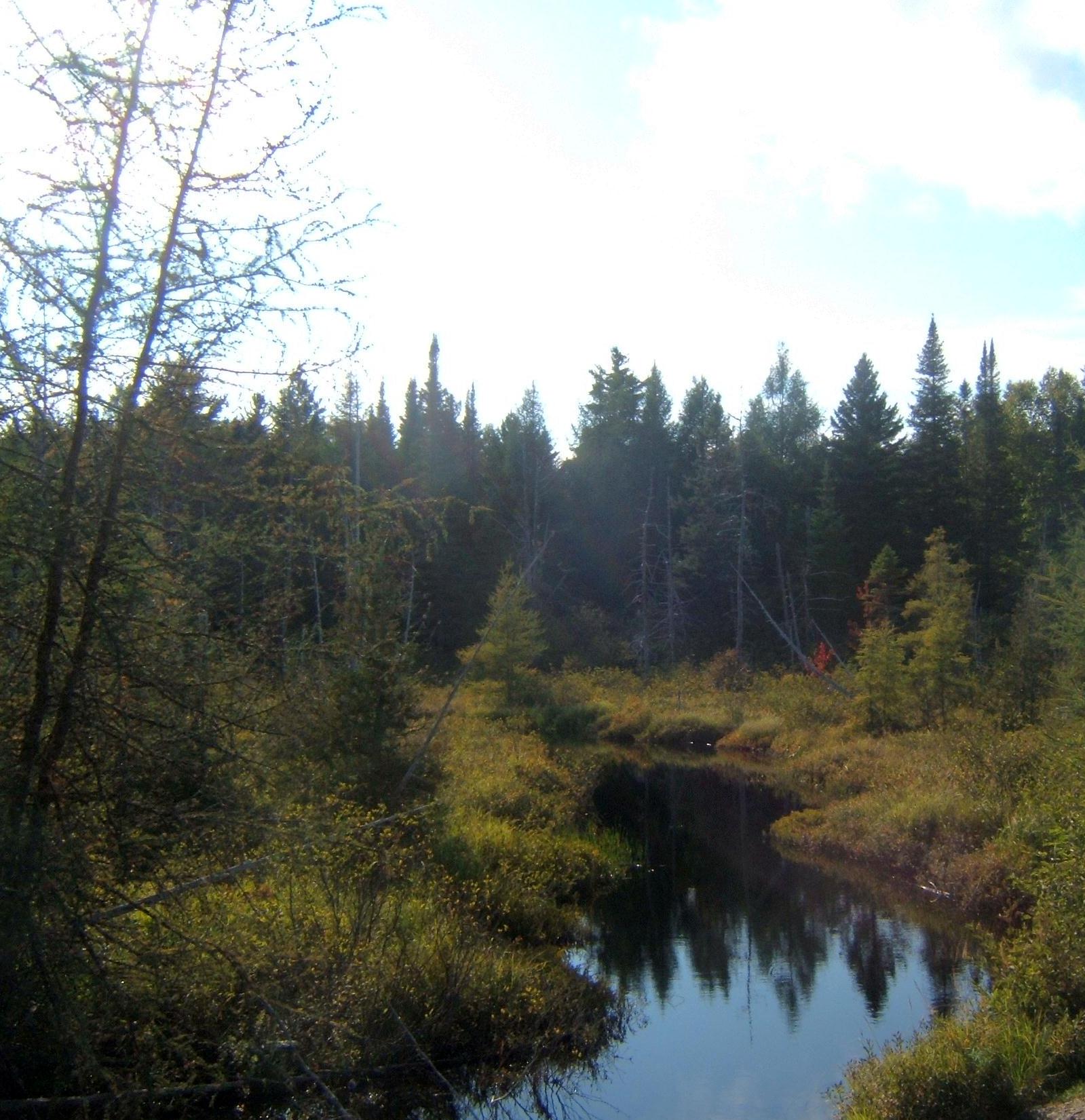
It was a lovely stream, deep and tea-colored. Over in the corner of the bog was one red tree, reminding me that our summer is fading quickly.
~
~
end of summer
~
on the path along the brook
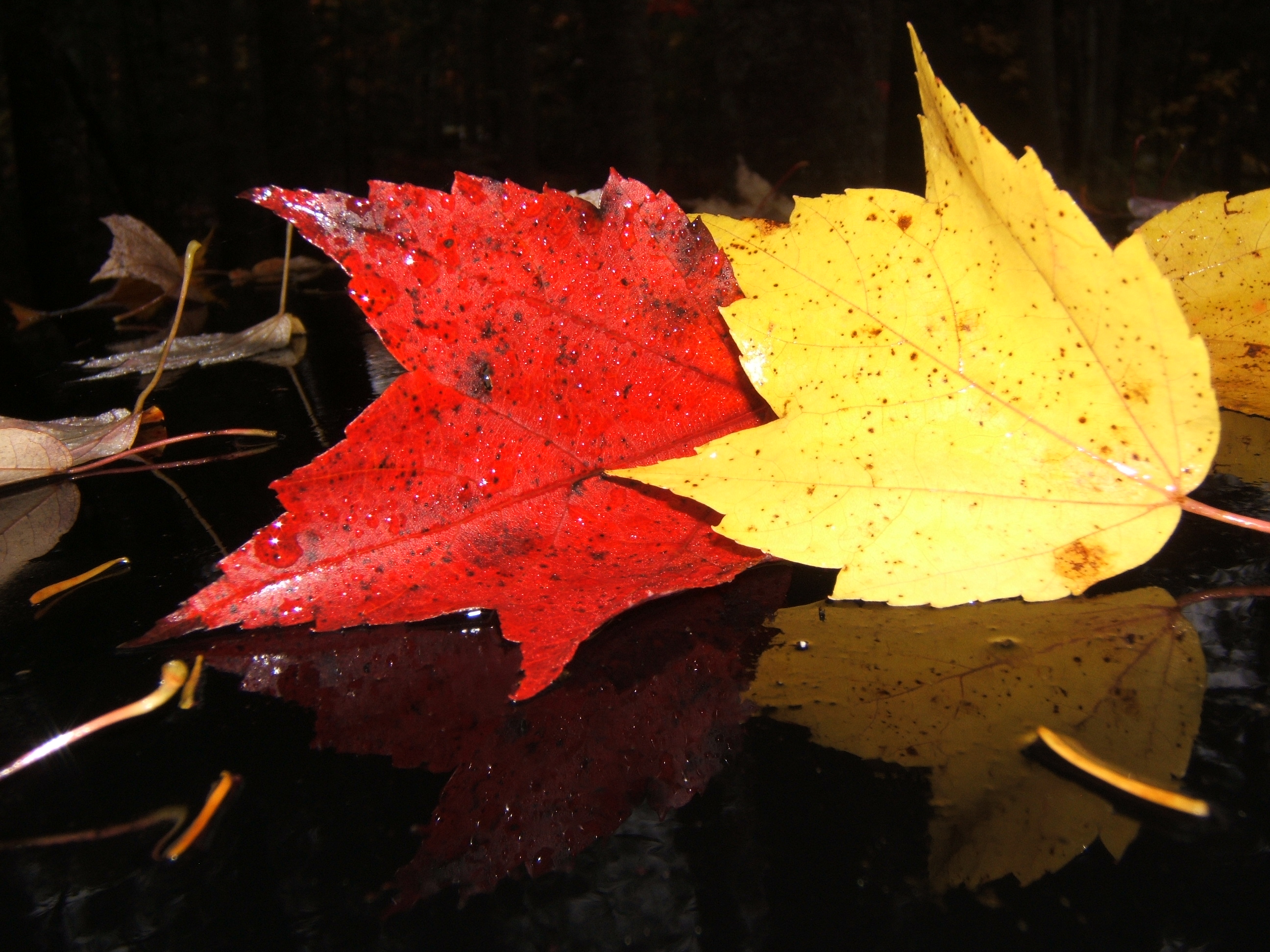
one leaf bleeds into water
in town the walks are stony
chaff of linden, seeds
dry ditches overflow with flowers
~
I shrug
(no matter
summer is ended)
~
yellow rattle
pods and grasses
rehearse an incantation
wind sulks in corners of the shed
warmth and sun
paint the orange of pumpkins
knit winter mittens
~
I gather signs of autumn
asters, windfalls, flocks of red wings
frantic in the alders
acorns, hollow galls from oak
~
Orion peeks above the trees
time forgotten, found
and summer with rain never ends
~
I ask for rain
(arms loaded with everlasting)
~
~
Previously published as ‘end of summer’, Sept. 19, 2011, http://www.nichepoetryandprose.wordpress.com
~
© Jane Tims 2012
growing and gathering – a sense of place
The theme of eating local foods has its essence in the idea of ‘place’. The book ‘The 100 Mile Diet – A Year of Local Eating’ by Alisa Smith and J.B. MacKinnon (2007), introduced many to the idea of eating foods grown within a certain radius of home. Eating local is also place-based in terms of the settings we associate with local foods – the woods, the blueberry field, the home garden, the local farm, the roadside stand, and, of course, the farmers market are all places associated with obtaining food from local sources.
‘Place’ is a complex topic. Most of my poems about ‘growing and gathering’ include at least a little information about the ‘place’ where foods are found. Some poems, however, are specifically about ‘place’, and I want to group these together in my manuscript.
The poems I will include under the theme of ‘place’ will be focused on habitat, landscape, local food traditions, and the people-based concept of ‘home’.
~
1. the ‘place’ where plants grow
Plants, of course, depend on their habitat to live. The ideal ‘place’ for a plant is determined by the availability of moisture, light and nutrients. These factors are, in part, the result of climate, soil type, slope, exposure, and interactions with other plants and animals. In my collection, I have poems about the habitat of seaside plants, the need for water in landscapes where water is scarce, and why woodland plants often bloom in the early spring, when light is most available.
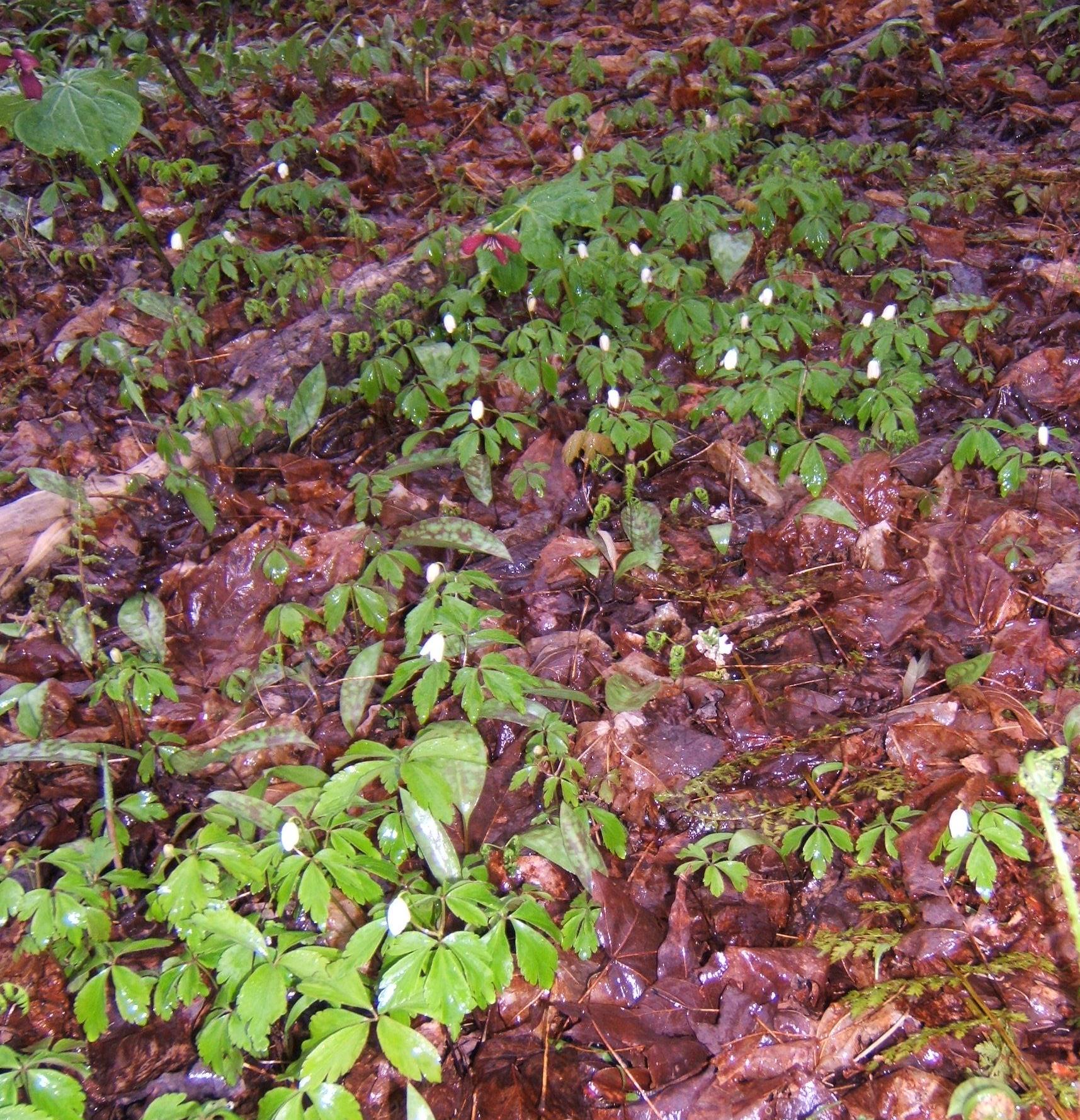
2. plants shape their surroundings and their landscape
Plants create habitat, modifying the regimes of moisture, light and nutrients in a local space. Plants also help to create the broader landscape. I have poems about how ripening apples change the space under an apple tree, how large and small-scale characteristics affect the value of a property, and how plants contribute to the way landscape appears.
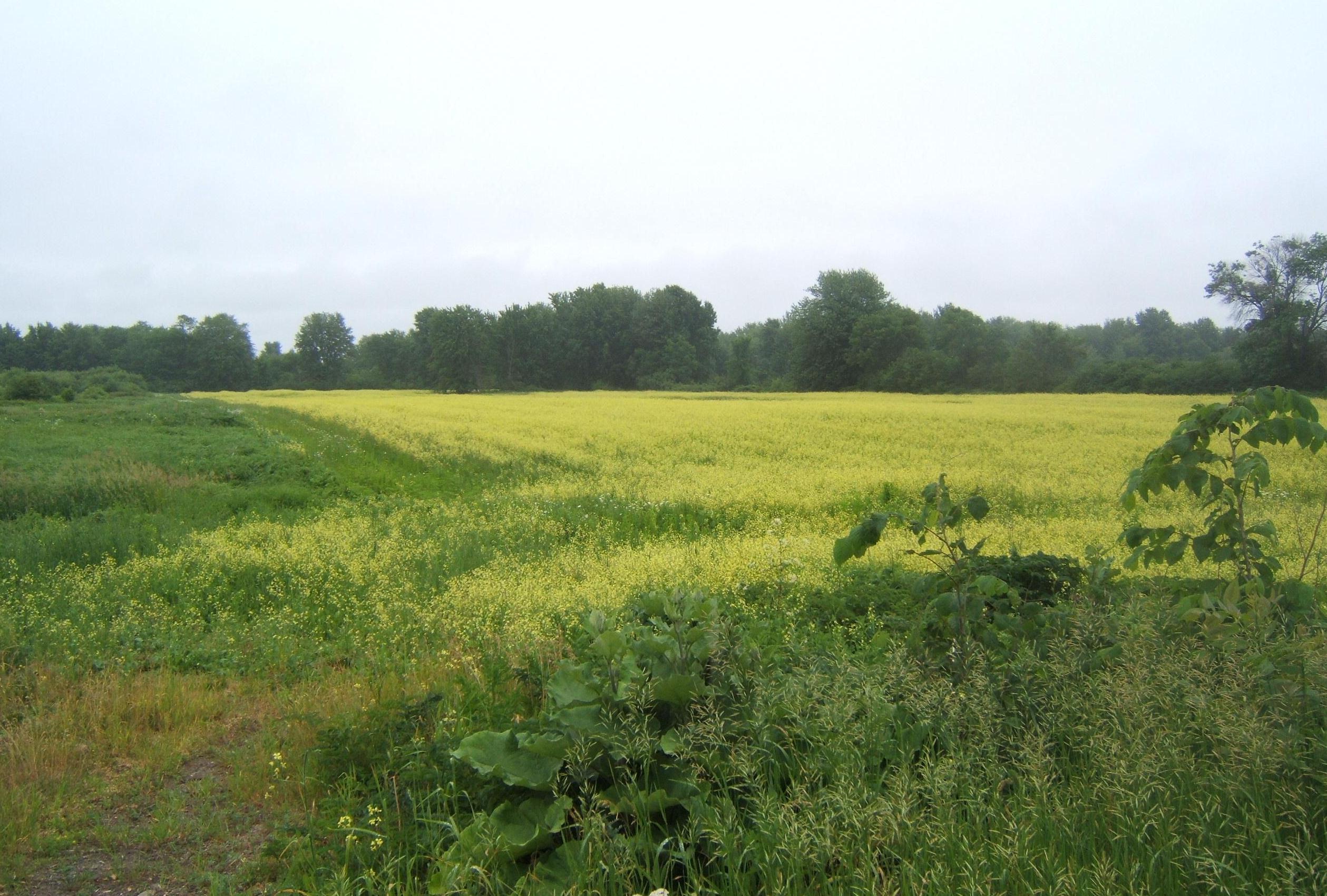
3. ‘place-based’ food traditions
As a result of the interaction between wild life and the landscape, people have access to different kinds of foods and develop area-specific wild food traditions. In New Brunswick, fiddleheads of the Ostrich Fern (Matteuccia Struthiopteris (L.) Todaro) are abundant in the spring, along the banks of rivers and wetlands, and many New Brunswickers consider a feed of cooked fiddleheads to be a rite of spring. In Newfoundland, a relative of the blackberry, the Bakeapple (Rubus Chamaemorus L.), is common in the bogs and barrens. Children often stand beside the road, their arms out-stretched, to sell their bottles of yellow Bakeapples packed in water. I have poems about these two local foods as well as others about traditional local foods.

4. ‘place’ as a metaphor for home
Plants and their ‘place’ can be a metaphor for the relationships between humans and the spaces where they are raised, or where they live. ‘Place’ may imply ‘home’ and ideas of belonging or familiarity. Several of my poems are about this aspect of ‘place’.

As I am working on the theme of ‘place’, a song by the 1990’s band Toad the Wet Sprocket is going around in my head:
‘…show me your home
Not the place where you live
But the place where you belong…’
Toad the Wet Sprocket, ‘Something to Say’, Fear, 1991
Exploring the theme of ‘place’ with you has helped me to organise my poems, to revise them, and to understand that I still have a few poems to write toward my manuscript. I am so grateful for this blog and for all my readers!
~
~
landscape
~
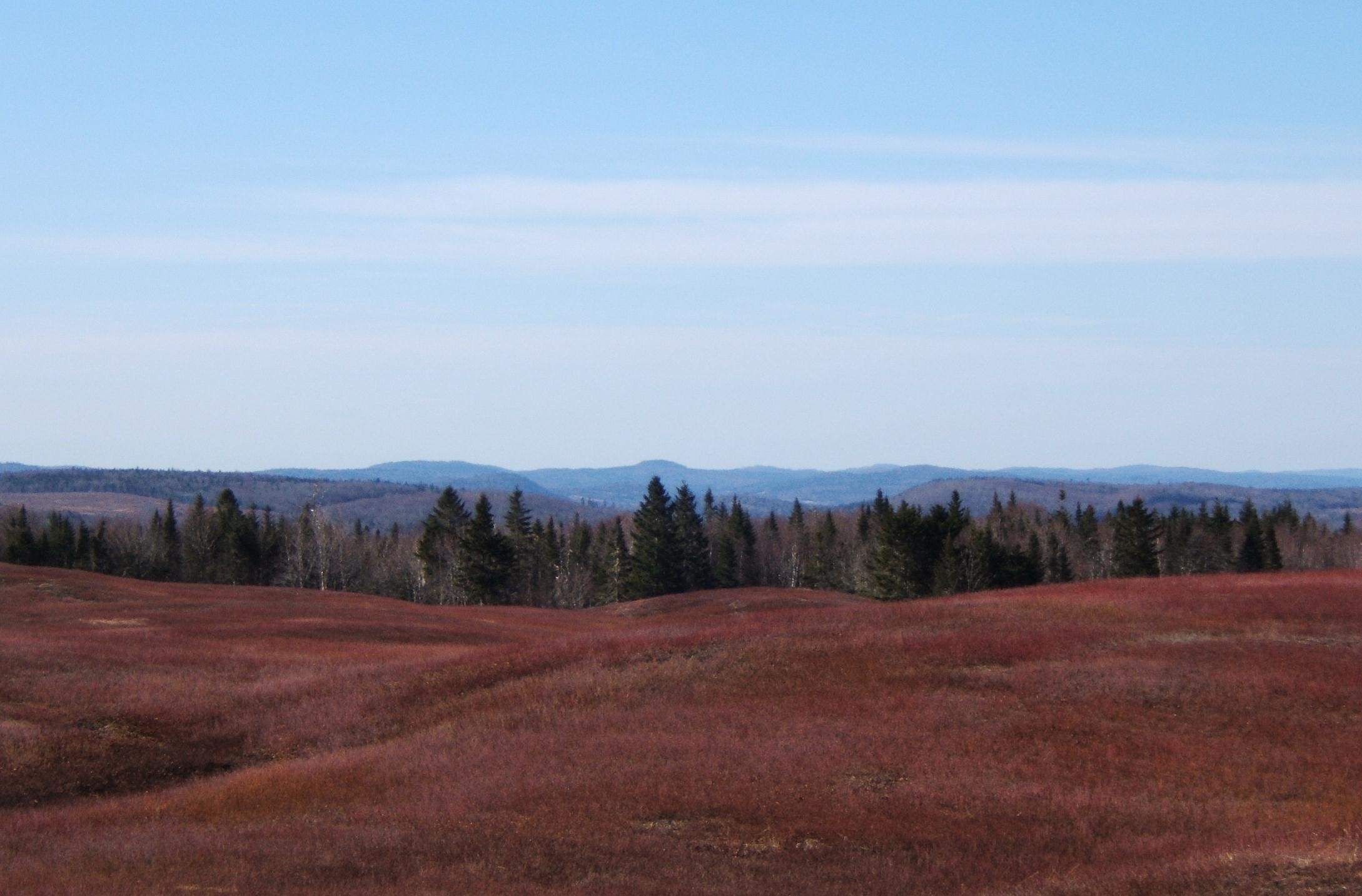
a veil draped across bones of the earth
pointed tents supported by forest
settles in pockets, lichens and moss
~
beneath the cloth is texture, the way
I know life on the land, fast or slow,
near or far, through clear eyes or through tears
~
to know form follows function – practice
repeated, detailed observation
see the sweep of a field of brambles
also the berries, also the thorns
~
Published as ‘landscape’ on www.nichepoetryandprose.wordpress.com September 3, 2011
Revised
© Jane Tims 2012
a botany club excursion
Earlier this summer, we went on a hike with other members of a local botany club to the Cranberry Lake Protected Natural Area, an area protected for its extensive forest community of Red Oak and Red Maple.
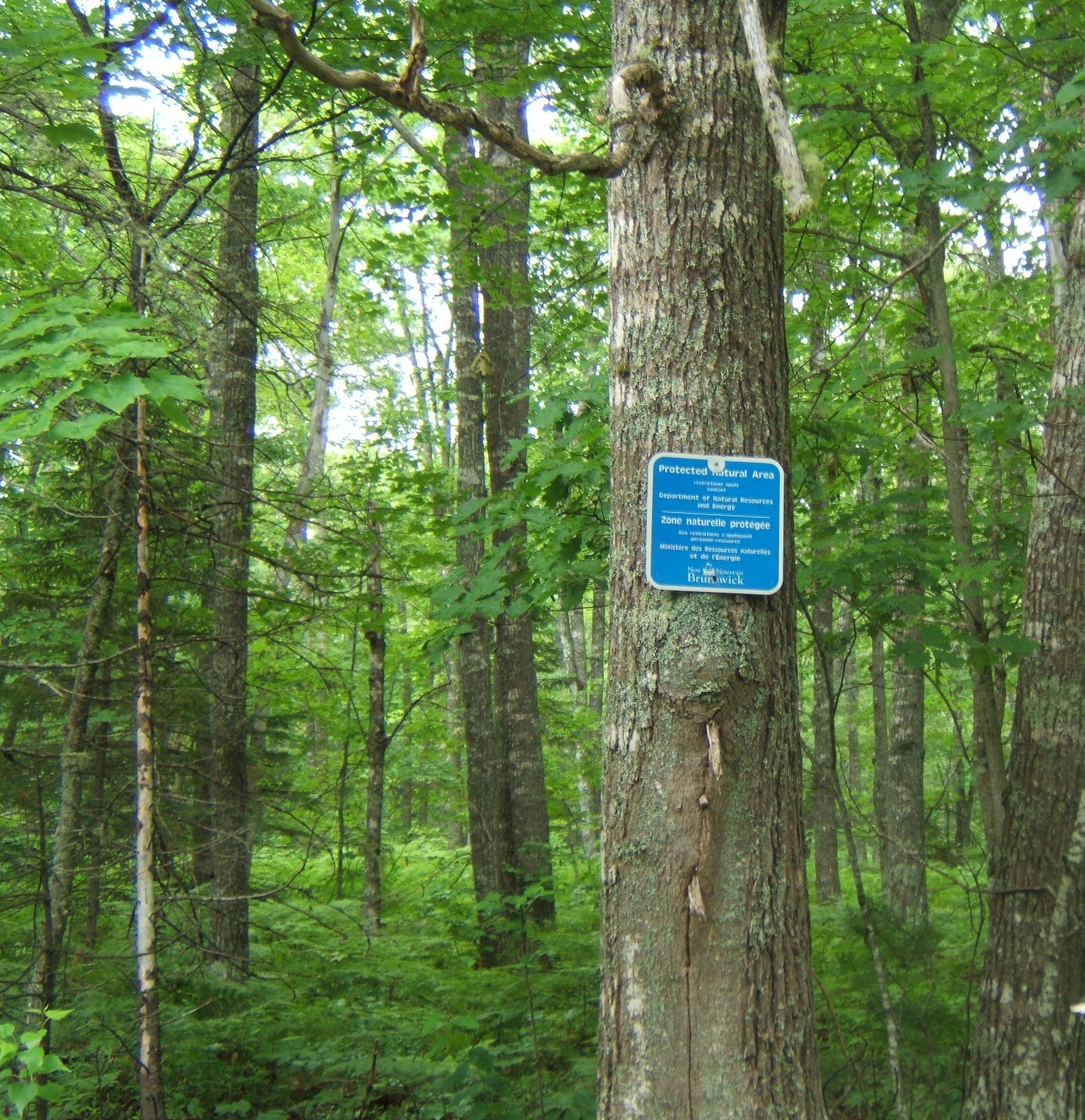
The New Brunswick Department of Natural Resources website describes the Cranberry Lake Protected Natural Area as follows:
An extensive Red Oak forest community. Predominantly Red Oak – Red Maple association. Red Oak make up a large percentage of the regeneration, most likely the Oak component will increase as the stand matures. The individual trees are impressive size.
This type of forest is rare in New Brunswick.
The woods were open with a thick understory of Bracken (Pteridium aquilinum (L.) Kuhn, var. latiusculum (Desv.) Underw. ex A. Heller), Blueberry (Vaccinium spp.), Common Lady’s Slipper (Cypripedium acaule Aiton) and some of the other species of the Canadian Element associated with woodlands in the Maritimes (see my post for April 30, 2012, Trailing Arbutus, https://nichepoetryandprose.wordpress.com/2012/04/30/trailing-arbutus-epigaea-repens-l-var-glabrifolia/ ).

My husband standing in the thick growth of Bracken… it was about waist-height… he says he was standing in a hole!
It was so much fun working with the other botanists and enthusiasts to identify the various species we encountered. The plant lists prepared during the day will be part of an effort by Nature New Brunswick to update a database of Environmentally Significant Areas in New Brunswick. During my years of work, I was privileged to work on the development and use of this database.
I saw many familiar species during the hike, but I was so excited to see three plants I have not seen in a while.
I renewed my acquaintance with Witch-hazel, Hamamelis virginiana L. (notice the asymmetrical shape of the leaves)…
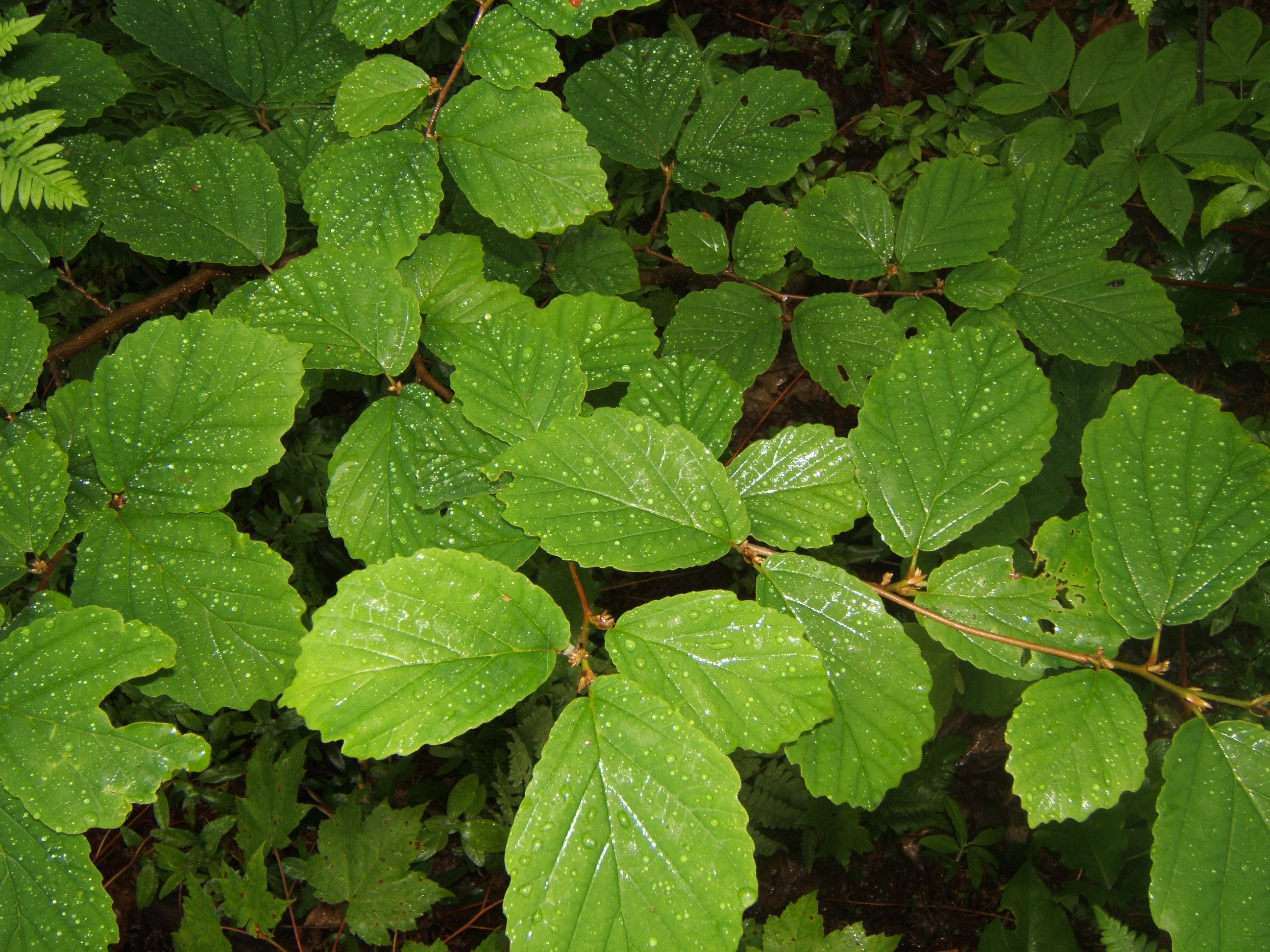
and Shinleaf (Pyrola elliptica Nutt.), identifiable by its thick oval leaves, longer than the leaf-stalks or petioles…

a single plant of Shinleaf, with its straight stem of small creamy flowers, growing among Blueberry, and Red Maple and Red Oak seedlings
I also was introduced to a plant I thought I had never seen before, Cow-wheat (Melampyrum lineare Lam., a branchy variety found in dry woods). When I looked it up in my Flora, though, I found a notation to say I had seen this plant in the summer of 1984. It is always good to record the plants you see and identify!

While there, we saw a perfect example of the interaction of species. A bright orange fungus, known as Chicken of the Woods (Laetiporus sulphureus), growing on an aged Red Oak, was being consumed by a horde of slugs.

A hike with a group is a great way to expand your knowledge and boost your confidence. Everyone benefits from the knowledge of the various participants, and being with like-minded people is good for the soul!
© Jane Tims 2012
Warning: 1. never eat any plant if you are not absolutely certain of the identification; 2. never eat any plant if you have personal sensitivities, including allergies, to certain plants or their derivatives; 3. never eat any plant unless you have checked several sources to verify the edibility of the plant.a moment of beautiful – bug-shot shadows
the space: the surface of the power pole in front of our house
the beautiful: the pattern of shadow through bug-eaten leaves
The power pole in front of our house is habitat for a vine of Virginia Creeper (Parthenocissus quinquefolia (L.) Planch.). also known as Woodbine. I brought the vine home about thirty years ago, as a slip collected from a plant in the park beside the St. John River. Over the years, it has struggle against the winds, determined to blow it from its perch, the power company, unhappy with its use of the pole, and the lawn mower as it snips away at the horizontal tendrils.
This year, it has a new challenge to overcome. An insect has chewed the vine full of holes… probably not a severe problem for the plant.
On Friday, I caught the shadow pattern created by the bug-eaten leaves as the sun shone at the right angle for a moment… a new way to see the consequence of belonging to the food chain!

© Jane Tims 2012
excavation underway!
On Tuesday morning last week, I began my morning work to the beat of an intermittent rapping. It was so loud and so near, I thought it must be someone hammering on the house.
I looked outside and saw, across the lawn, a large bird with a flaming red crest. A Pileated Woodpecker (Dryocopus pileatus)!
We have seen this species of woodpecker several times before in our Grey Woods. These birds leave their oval cavities in many of our older trees, evidence of their search for insects or the preparation of cavities for nesting. The use of dead or dying trees as cavity nesting sites is an example of how important these trees are to the woodland ecosystem.

I watched as the bird did her circuit of the tree and hopped down to the ground for a while. Then she fluttered up to our cedar rail fence and into the trees.
The Pileated Woodpecker’s bright red crest and long skinny neck give it a comical air – not a beautiful bird, but very exciting to see and watch.
~
~
© Jane Tims 2012

a pair of Painted Turtles
We did our usual bird-watching run along the St. John River on Sunday afternoon. We ordinarily follow the same circuit, from Oromocto, along the north side of the River, to Jemseg, crossing the River via the Gagetown Ferry, and returning on the south side of the St. John River. This area is in central New Brunswick, east of Fredericton.
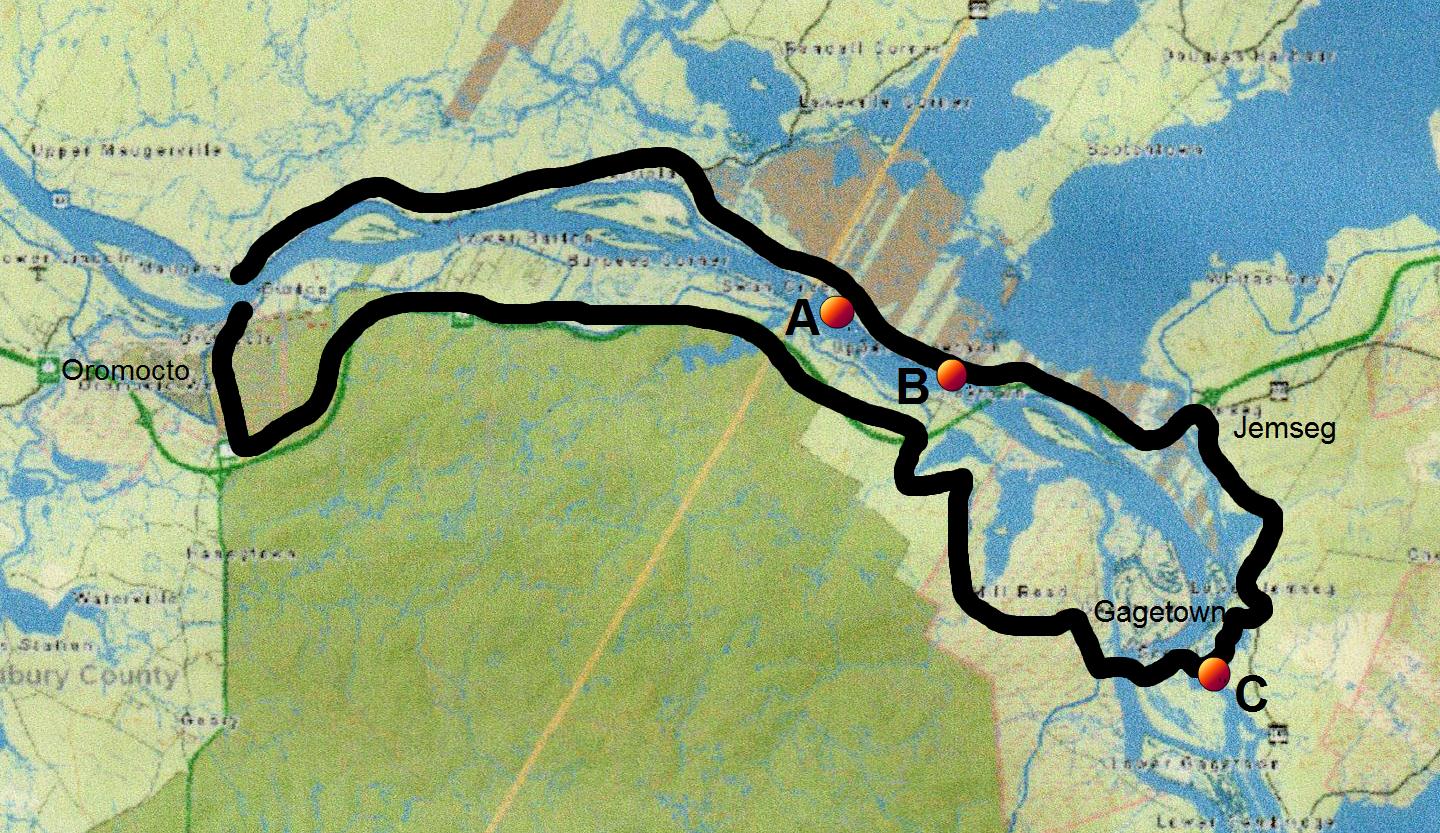
The first part of this circuit is along the old Trans Canada Highway, now Route 105. This section follows the St. John River, through the Grand Lake Meadows, an important wetland area for New Brunswick. Near the spot marked ‘A’, we saw lots of ducks, an Osprey eating a fish, and three other raptors (a group including hawks or eagles) too distant to identify. Near ‘B’ is the place we often see various owls, Bald Eagles, and Moose.

From Jemseg, we take Route 715 to Lower Jemseg. This part of the route travels above the River, through farmland. We rarely see wildlife along this section, but the area has a rich history and has several interesting buildings, including the old church featured in my post of September 14, 2011.

From Lower Jemseg, we turn towards the Gagetown Ferry and Scovil. This is a very interesting part of the route, snaking between wetlands and ponds. Along this section, it is usual to spot other cars of eager birdwatchers.
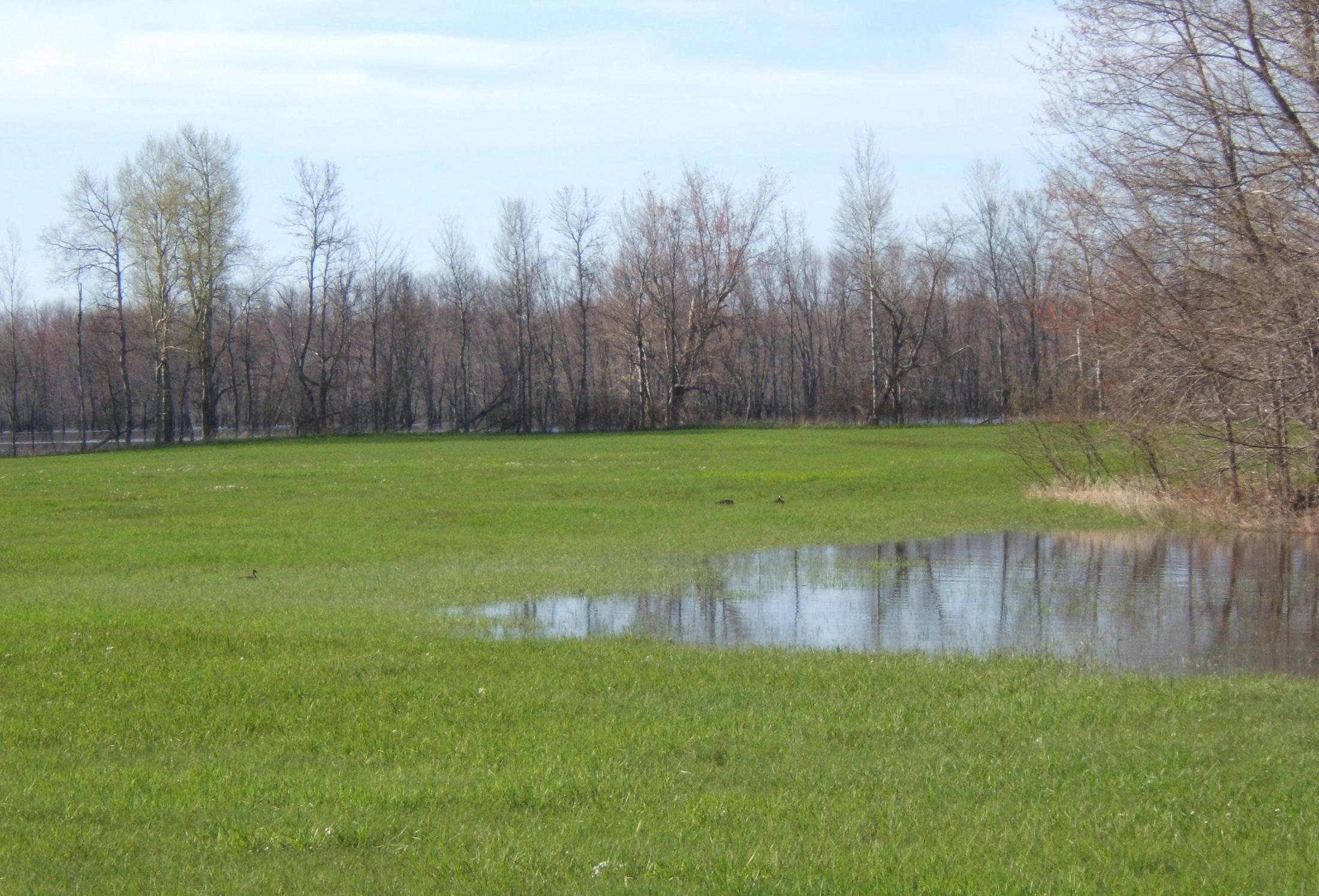
a wet field near Scovil … there are two American Black Ducks in the grass to the left and two Canada Geese beyond the pond … this is the same pond where we saw a Glossy Ibis on April 23, 1988
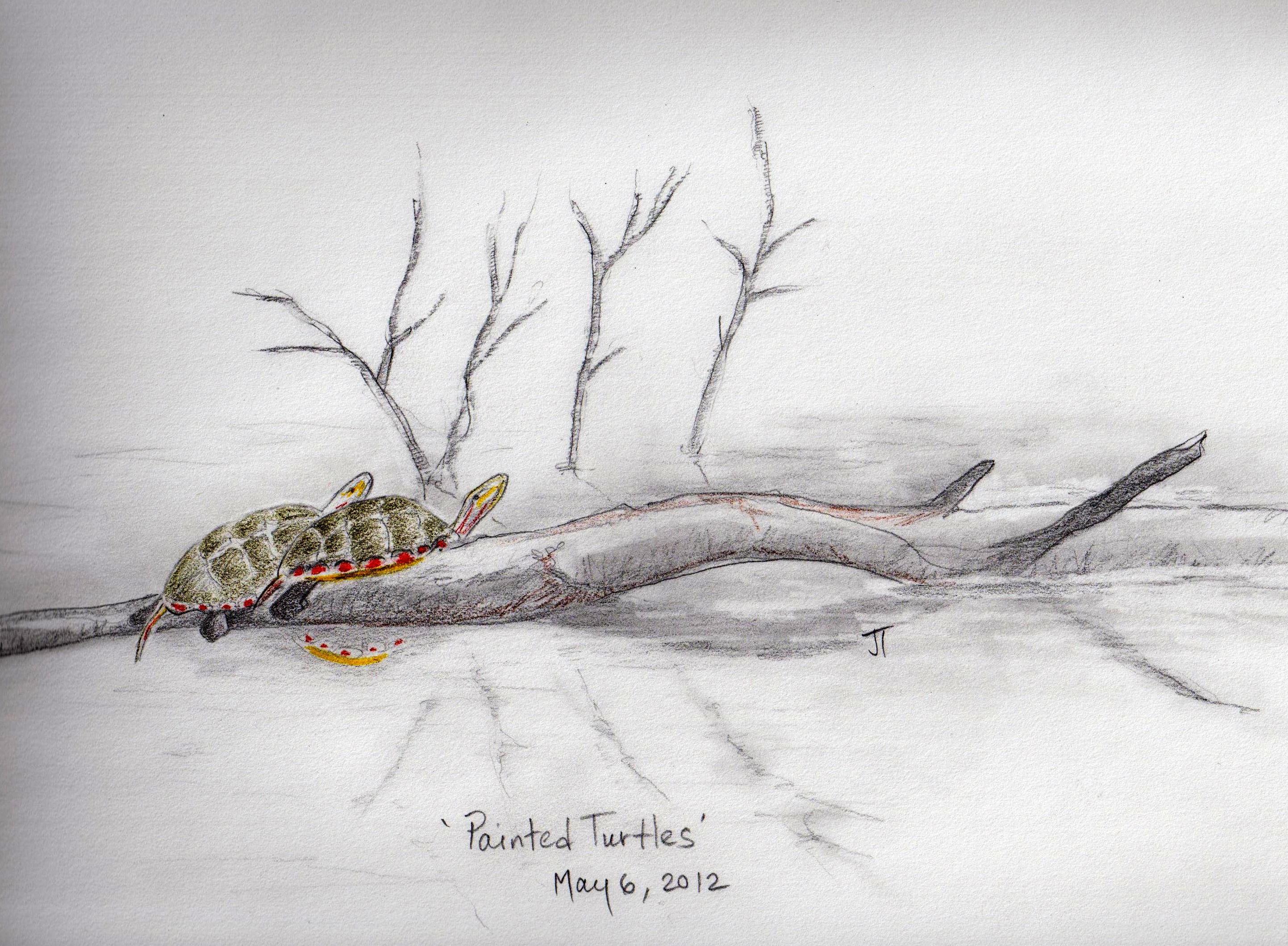
The highlight of our trip on Sunday was a group of three Painted Turtles (Chrysemys picta) on a log along this last section of our route, near the spot marked ‘C’.

The turtles were sunning themselves on a log in the middle of a pond. They have dark green, smooth shells, with bright orange markings along the edge of the shell. The inside of the lower shell is bright yellow. Their heads and tails are also marked with short streaks of orange and yellow. All winter these turtles have been hibernating at the bottom of the pond. Now awake, they will live in the pond all summer, laying eggs and feeding on aquatic insects and vegetation.
These Painted Turtles were stretching their necks out of their shells as far as possible. They made a beautiful sight, their colorful shells mirrored in the pond water.
~
~
Painted Turtles
~
I study the colors
through binoculars
remember these
with my hand, my fingers
rock the fine focus
rotate the brush
pick paint from the palette
~
the shell, flat olive tiles, grouted
Payne’s Grey
the wrinkled foot and leg, relaxed along the log
Burnt Umber
on the tail, the neck, the head
deft strokes of Cadmium
Yellow and Orange
~
the head stretches, to soak in sun
and dazzles on the pond
the lower shell
Yellow
refection on water
~
and, at the edge of the carapace
bright dabs of Orange
one part Cadmium
two parts Quinacridone
and a touch of some unknown
translucence
elusive
~
© Jane Tims 2012
at the bird feeder #7 – Pine Siskin
After our heavy snow last week, the birds were all looking for perches and easy feeding. A few Chickadees and Pine Siskins were at the feeders early. Pine Siskins (Carduelis pinus) are fidgety little birds, staying at the feeder to get their fill, but ever vigilant and looking over their shoulders. They are heavily striped, sometimes with yellow bars on their wing feathers. They also have sharp beaks.
Because the Pine Siskins are striped, I confused them at first with female Purple Finches. The female Purple Finch is also striped, but is a slightly bigger, chunkier bird. Its beak is large and wedge-shaped, and it has no yellow coloration.
~

Pine Siskin at the feeder
~

female Purple Finch - wedge-shaped beak and stripes around eye (a male Purple Finch at left)
~
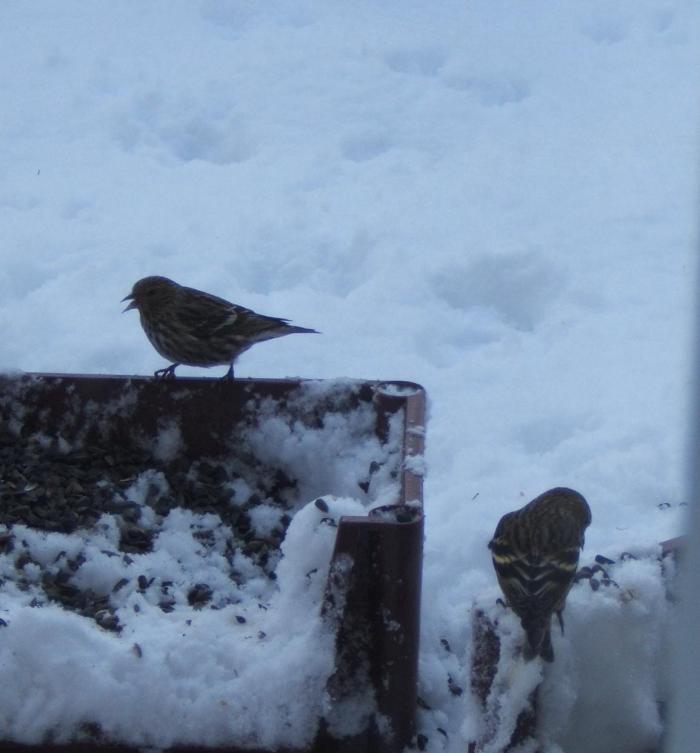
two Pine Siskins at feeder - sharp beaks and yellow wing bars

© Jane Tims 2012
at the bird feeder #6 – Purple Finch
On Thursday, we had a Hairy Woodpecker and a large flock of male and female Purple Finches at the bird feeder. The Peterson Field Guide describes the Purple Finch (Carpodacus purpureus) as ‘… a Sparrow dipped in raspberry juice.’ I can’t improve on that description! The other particularly noticeable feature is its large sturdy beak. My husband took a few photos since I was not home, just enough to give me one to draw.
I miss most of the feeder birds since I leave in the early light and come home after dark. Nevertheless, the Chickadees and Goldfinches are usually there to see me off. We have one Chickadee who always has his ‘hair’ ruffed up, like a rock star with a ‘do’.

~
~
Purple Finch
(Carpodacus purpureus)
~
sunflower seed and millet
purple finch posed in the maple
sullen brow
blunt beak
metallic tick
~
he knows my eye
at the edge of the glass
my struggle for stamina
~
he is immobile as a post
a vermillion bird stuffed
with husks of sunflower seed
~
he sees me sidle to the chair
watches me settle
~
he is still
as a post card
~
seedless husks of sunflower
~
~
© Jane Tims 2012

© Jane Tims 2012
witch’s broom
In the Balsalm Fir tree over our shed is a strange growth, like a dark mass of short deformed branches. This dark mass of branches is known as a ‘witch’s broom’.
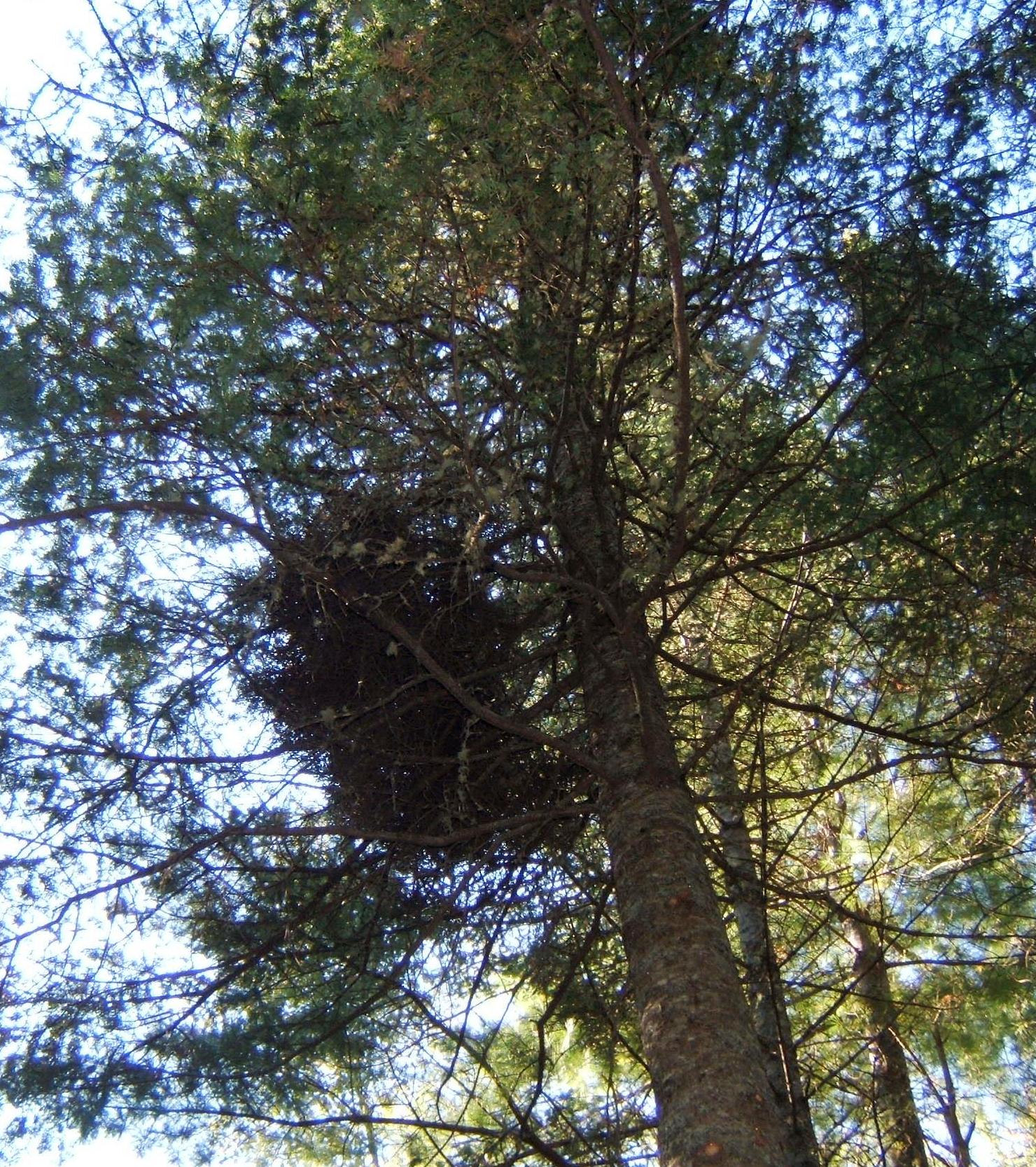
A witch’s broom is a common term for an abnormal growth caused by the action of an agent such as a mite, virus, insect, or fungus. The agent causes a branch of the tree to grow from a single point, resulting in a mass of twigs and branches resembling a nest or broom. Many kinds of plants can have a witch’s broom deformity, including many tree species.
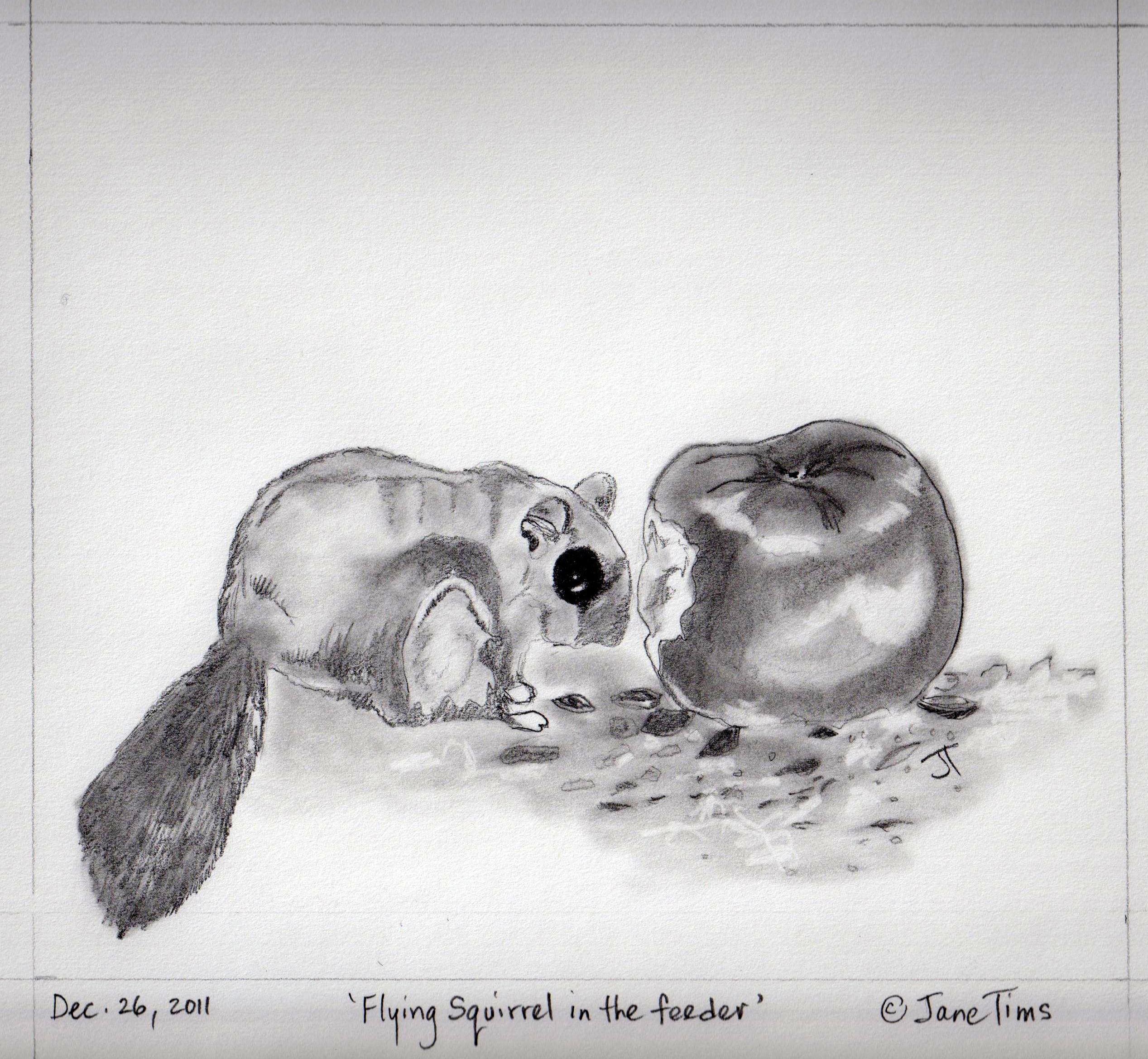
Animals, including the Northern Flying Squirrel, use the witch’s broom as a nesting place. The Northern Flying Squirrel is the big-eyed squirrel invading our feeders every night (see ‘spacemen in our feeder’ under the category ‘competing for niche space’ for December 23, 2011).
Witch’s brooms occur frequently … we have at least three in our grey woods. They lend an air of mystery to the woodland. People used to believe a witch had flown over the place where a witch’s broom grew.
If anyone knows of another name for the witch’s broom, please let me know. Years ago, we visited a small farm museum in northern Maine and an example of a huge witch’s broom was displayed in the shed, labelled ‘horrah’s nest’, but I have been unable to find this term used elsewhere.
~
~
wood witch
~
burdened by snow
a tree falls
tumbles a witch’s broom
the witch set free
~
a hex on the snowfall
slate where the dog walks
cuts her feet
soft rubies in every track
~
a hex on the room
cold as I left
now warm
~
too warm
~
~
© Jane Tims 2001




 nichepoetryandprose