Posts Tagged ‘pencil drawing’
drive at dusk
Saturday evening we took a drive along Sunpoke Lake, a low part of the landscape where you can see, simultaneously, the marsh of Sunpoke Lake, the Lake itself, and the Oromocto River.
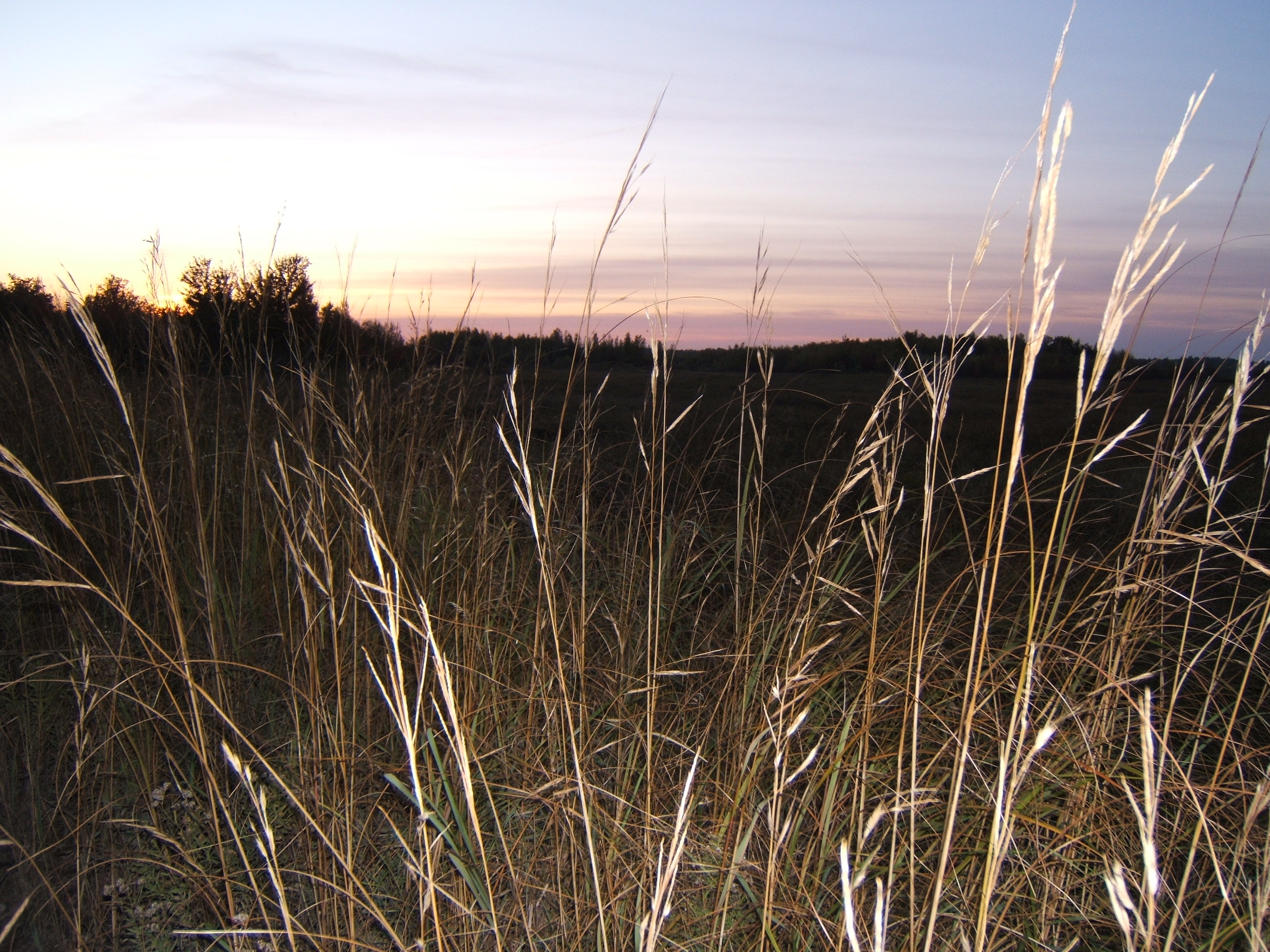
Along the road were tracks of moose and bear, and the very smelly carcass of a bear. In each of the tracks, there was a fair sprinkling of seeds, so we surmised the bear tracks were those of the dead bear.

notice the seeds in the tracks... the bear travelled by quite a while ago
The tracks gave us a hint at the drama that must have played out along the road, probably on a night earlier in the week.
The moose tracks were also full of seeds. I like to think of it, ambling along the road.

At the turn of the road where it runs along the Oromocto River, we stopped to take some photos of the moon and its reflection.

And on the opposite side of the road, I caught the sunset at its peak, and the silhouette of a very spooky tree.

Fears
~
I saw a light in the woods tonight
low, through tangled branches of spruce
and crowded stems of fir
~
white in the dark
a gleam where only black should stir
~
like the lamp of a stranger
lost
~
but the glow was steady and still
and in less than the catch of a breath I knew
all I saw was the rising moon
beyond the hill
~
I heard a cry in the woods tonight
soft and low through the tangle of spruce
and the thicket of fir
~
a moan in the dark
a sob where only wind should stir
~
like frightened tears of a child
alone
~
but the cries held no human word
and in less than the catch of a breath I knew
the wail of a wildcat on the prowl
was all that I heard
~
© Jane Tims 1992

more butterfly spaces
On our trip to Ontario, I did a little chasing of butterflies. I was trying for a photo so I could identifyanother butterfly for my ‘life list’. So far I have collected two: ‘Monarch’ and ‘Viceroy’!
The field I focussed on had a lively population of yellow butterflies, and I thought it would be easy to catch one in a photograph. I was wrong!
If I stood still and waited for them to come to me, they would eventually flutter nearby but be gone by the time I had the camera in focus. If I chased after them… well that was just silly.
Eventually I did capture an image as one butterfly settled for a second on the purple head of a Red Clover (Trifolium pratense L.).
Once I had my photo, I could identify the new member of my ‘collection’ – a Clouded Sulphur (Colias philodice). Its distinguishing characteristics are a double spot on the underside of the hindwing and a submarginal row of dark spots. According to my source, the Clouded Sulphur is similar to the Pink-edged Sulphur (Colias interior) but the Pink-edged Sulphurhas a single spot on the underwing and no row of dark spots.

The experience of chasing this butterfly reminded me of a study I used to play on the piano when I was younger. The piece was by Chopin, the well-named ‘Butterfly Etude’. It was a hard piece (although I was playing an ‘easy’ version), made up of sets of of detached and un-detached octaves, played in rapid staccato. At the time I thought of it as just another study in agony, but now I realise how aptly it represents the inelegant, bouncy flight of the butterfly!
étude opus 25, no. 9 – Chopin
~
wrist staccato
octave stretches
disarticulated
sprite
~
wings a-flutter
closed and open
cloud to clover
bouncy bright
~
flirt and quiver
tip and stumble
clouded sulphur
butterflight
~
© Jane Tims 2011

the stone between farms
How do you show the boundary line between you and your neighbor?
At Ågersta Village in Uppland, Sweden, is a rune stone positioned to mark a boundary between two properties. The stone is carved with two serpent creatures entwined, their heads in profile. Each has two sets of legs, the forelegs strong, and the rear legs weak and helpless.
The stone was carved by Balle, a frequent carver of rune stones in Sweden, and raised by Vidhugse, in memory of his father. The boundry, established in the twelfth century, showed the boudary until 1856 when the property lines were finally changed!
The inscription reads, in part: Hiær mun standa stæinn miđli byia – “Here shall stand the stone between farms.”
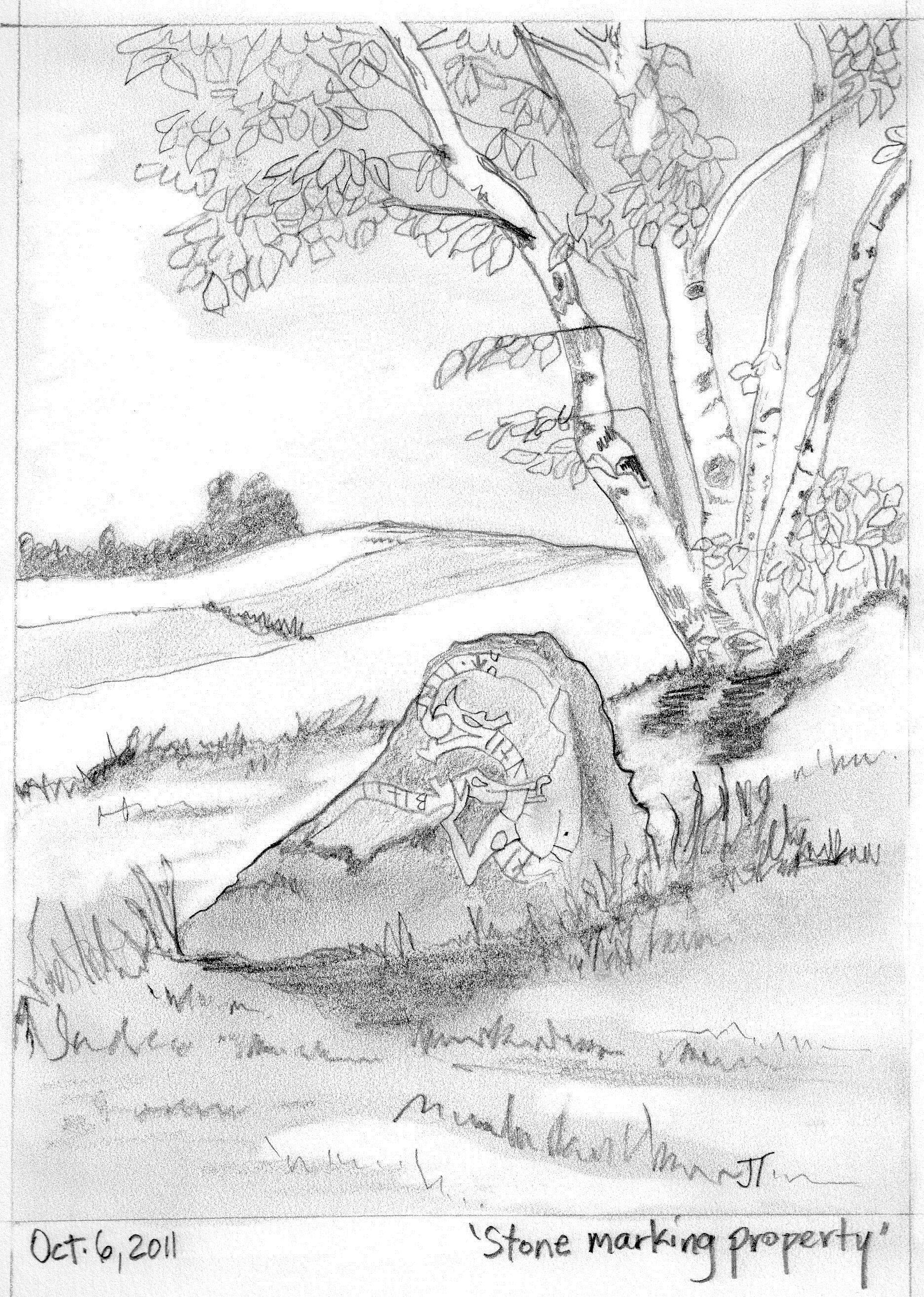
from my imagination and not the rune stone at Ågersta Village
stone between farms
(rune stone in Ågersta Village, Uppland)
Do not move your neighbor’s boundary stone…
– Deuteronomy 19:14
~
ninth morning already
irate I rise
gather my tools
trudge to the hillside
~
stone waits for me, Balle
(master carver of runes)
shadows pulled into dragon
compete with guidelines
‘what is not’ more complete than ‘what is’
~
another fair day
Vidhugse to the west and south
Austmadr to the east
surely their bickering over boundaries
will cease
~
by noon the sun
embroils the rock
streaks my brow with sweat
floods the serpent creature’s clever eye
lip lappets drip
~
mosquitoes dither about
the creature’s profile acquires
the look of an insect head
reckless slip of the rune tool
could end its smirk
~
hill of rock dust
settles on my shoe
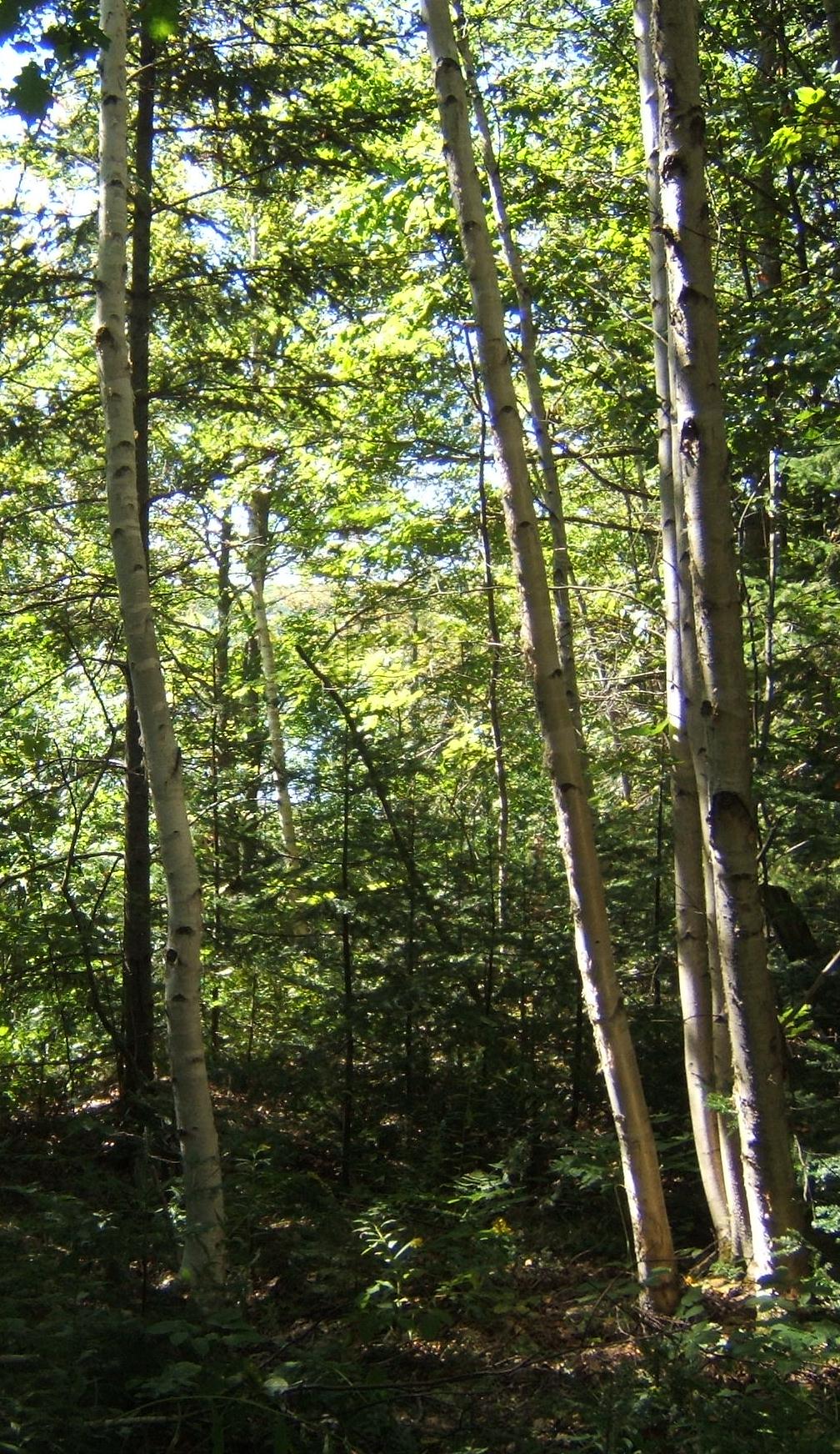
birches stir the air
odor of leaf layer
memory smell of Birka
~
© Jane Tims 2005
breakfast niche
niche \ ‘nich\ n (F, fr. MF, fr. nicher to nest, fr. (assumed) VL nidicare, from L nidus nest)
1 a : a recess in a wall, especially for a statue;
b : something that resembles a niche;
2 a : a place, employment, or activity for which a person is best fitted;
b : a habitat supplying the factors necessary for the existence of an organism or species;
c : the ecological role of an organism in a community especially in regard to food consumption.
– Webster’s New Collegiate Dictionary, 1979
My niche includes breakfast.
I look forward to my breakfast, sometimes planning it in detail the night before.
The best breakfast, for me, includes all the food groups: protein, grain, milk, fruit, vegetable and fat.
I usually settle for cereal, or toast on days when the cereal box is empty. But the best breakfast involves a piece of whole wheat toast, some yogurt and almonds, stir-fried green peppers, onions and mushrooms…
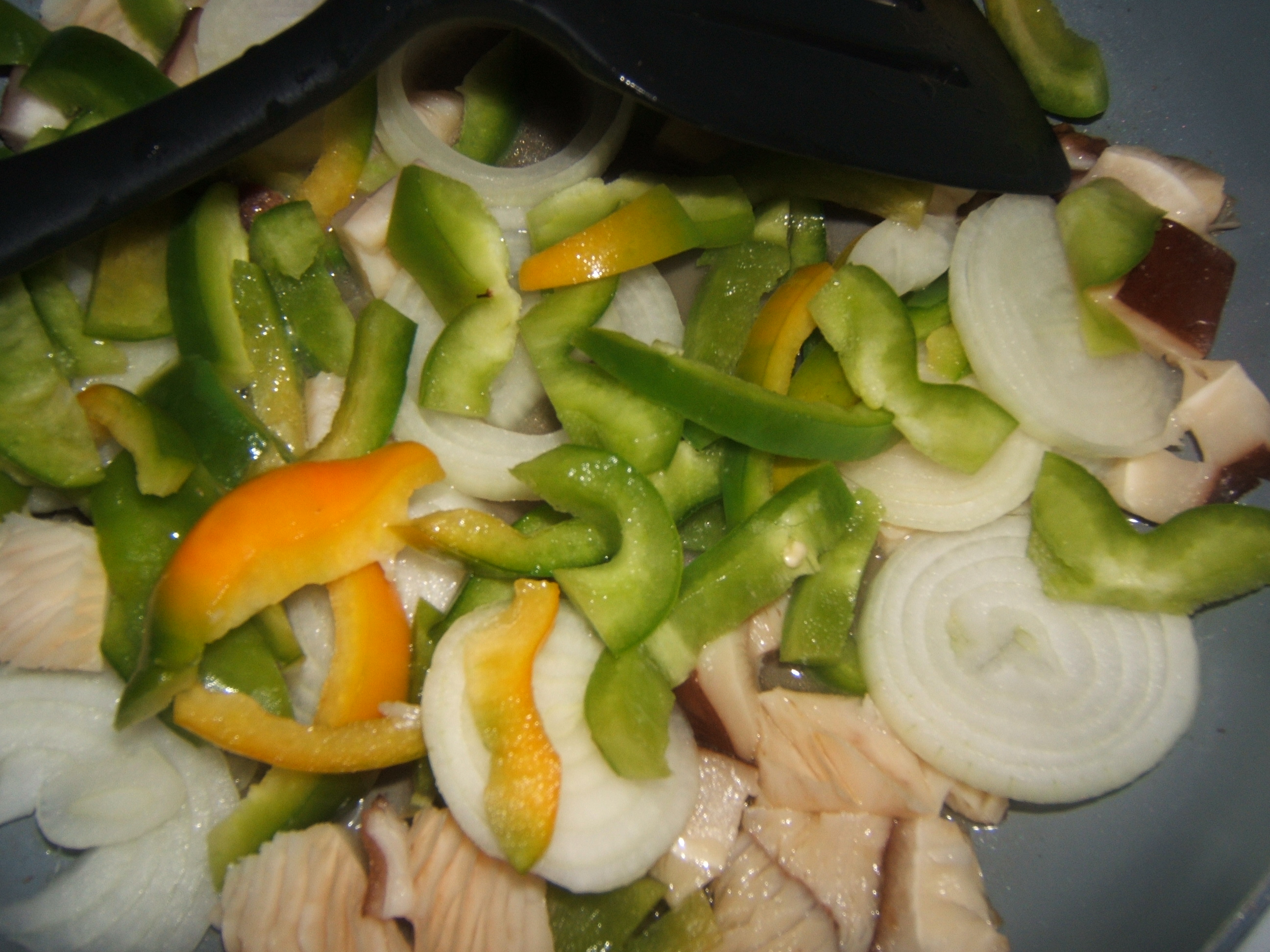
the shitake mushrooms in the stir fry were grown on a log in a friend's woodlot
and an orange…
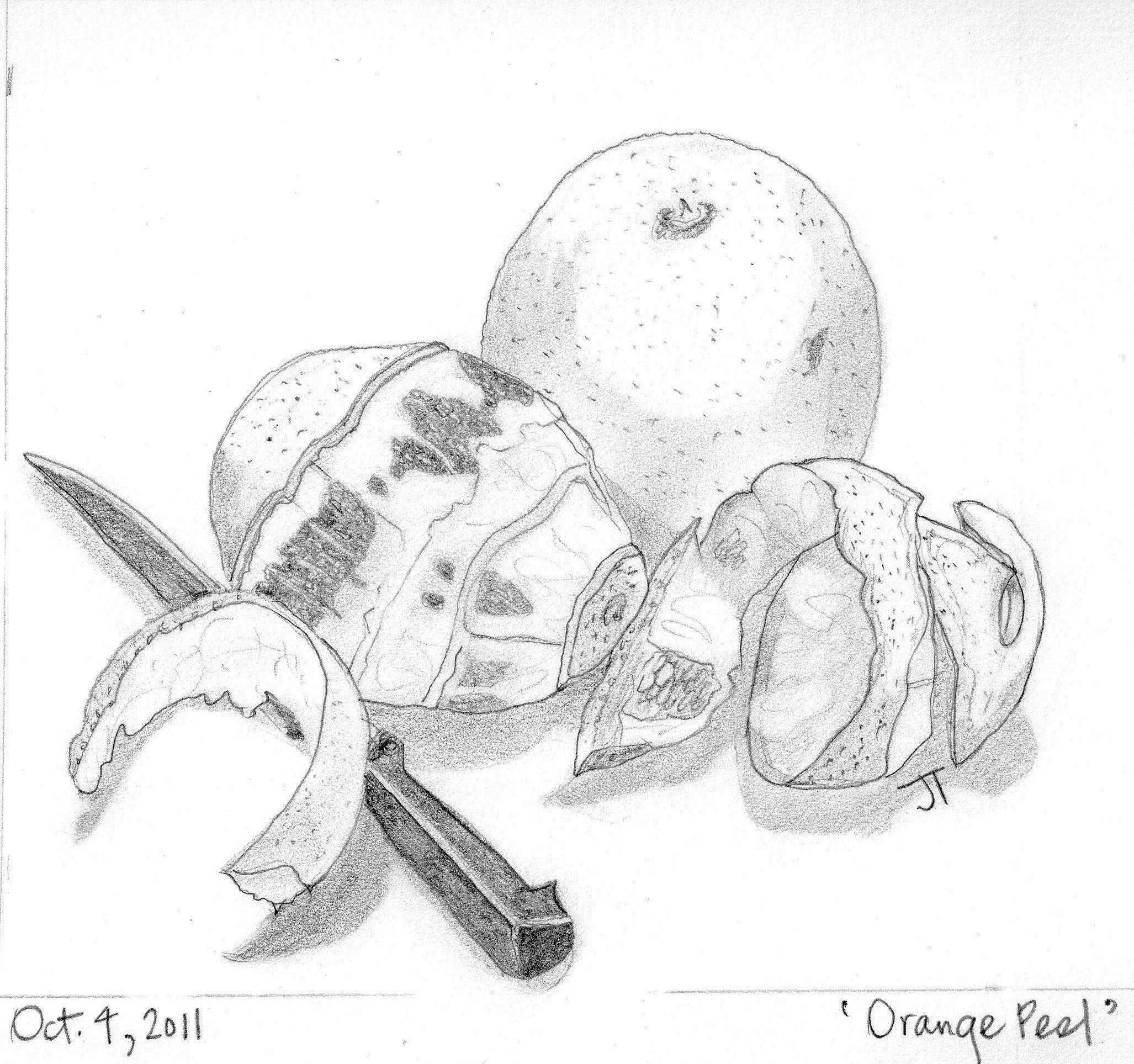
breakfast sun shower
~
clouds pulled apart
thumbs between
sections of sky
sun flashes
from a flat grey knife
light peels back from shadow
~
curl of orange rind forecasts
tart vapour of rain
~
© Jane Tims 2010
comparing landscapes
When you are visiting an area away from home, what do you notice about the landscape?
As we were driving the roads of south-east Ontario, I was always comparing the scenes I was seeing with the landscapes of home in south-central New Brunswick.
Both areas are hilly and rural, with a strong agricultural base. Both are forested wherever farmland is not the main land use. The trees in south-eastern Ontario are predominantly hardwood with some cedar, fir and pine, whereas ours are mostly mixed wood with a stronger component of conifers (spruce, fir and pine).
Probably the thing I noticed most about the Ontario farming landscape was the predominance of corn as a crop. When we were there, the ‘eating’ corn had already been harvested, but corn for silage (mostly used for cattle) was growing everywhere. It stood tall in golden fields, mostly broadcast, without corn-rows.
The corn was ready for harvest, the corn kernels held in stout, starchy ears. I think ‘ears’ is such an apt word for corn since the sense of hearing is shaken awake when you stand in a cornfield. This time of year, the long leaves are dry and rustle in the slightest breeze, carrying on a whispering conversation in an unknowable language.
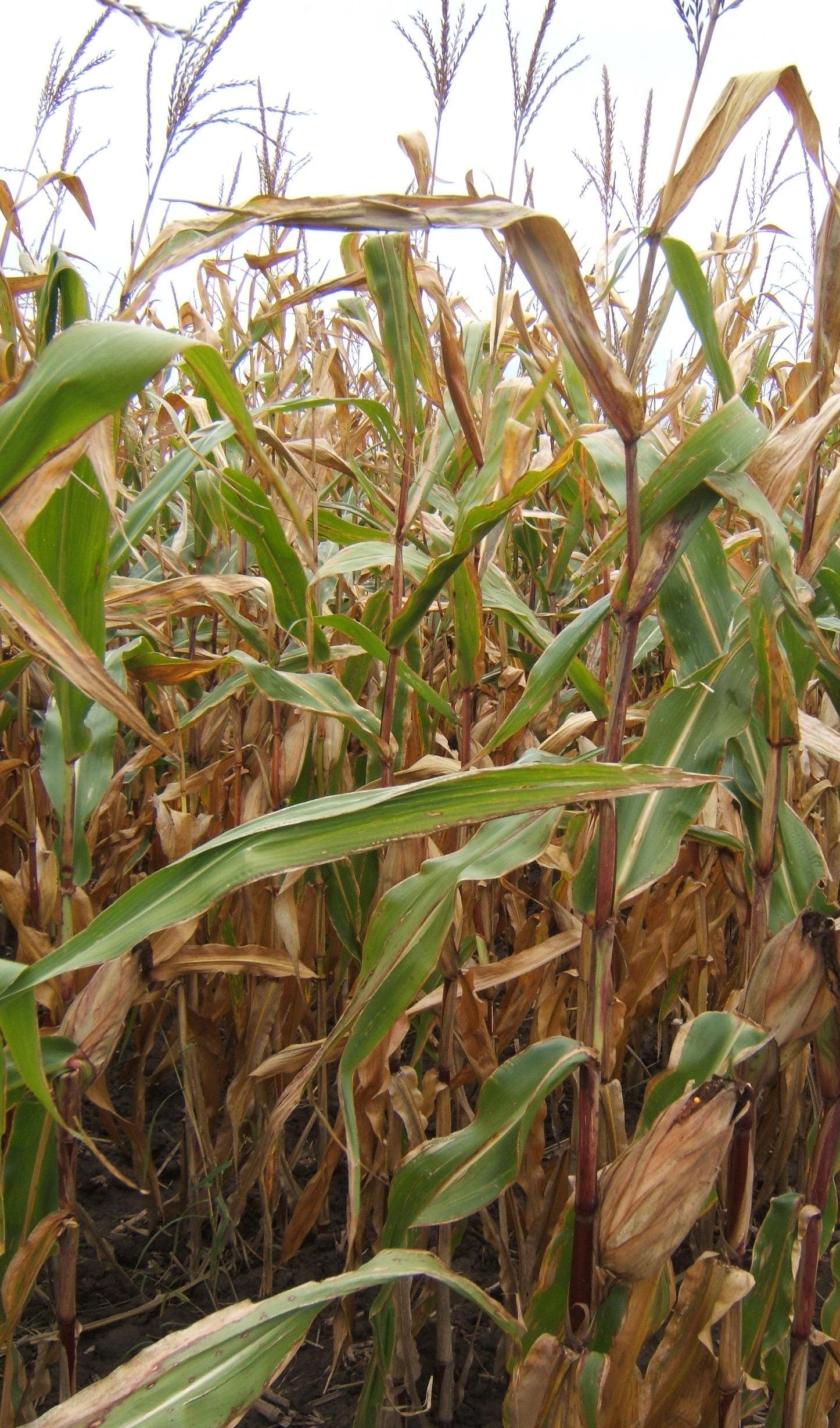
gossip
~
cattle-corn rustles
silage close-standing
whispers and secrets
wind-syllables
murmurs and sighs
rumours
no single
discernable
voice
~
© Jane Tims 2011
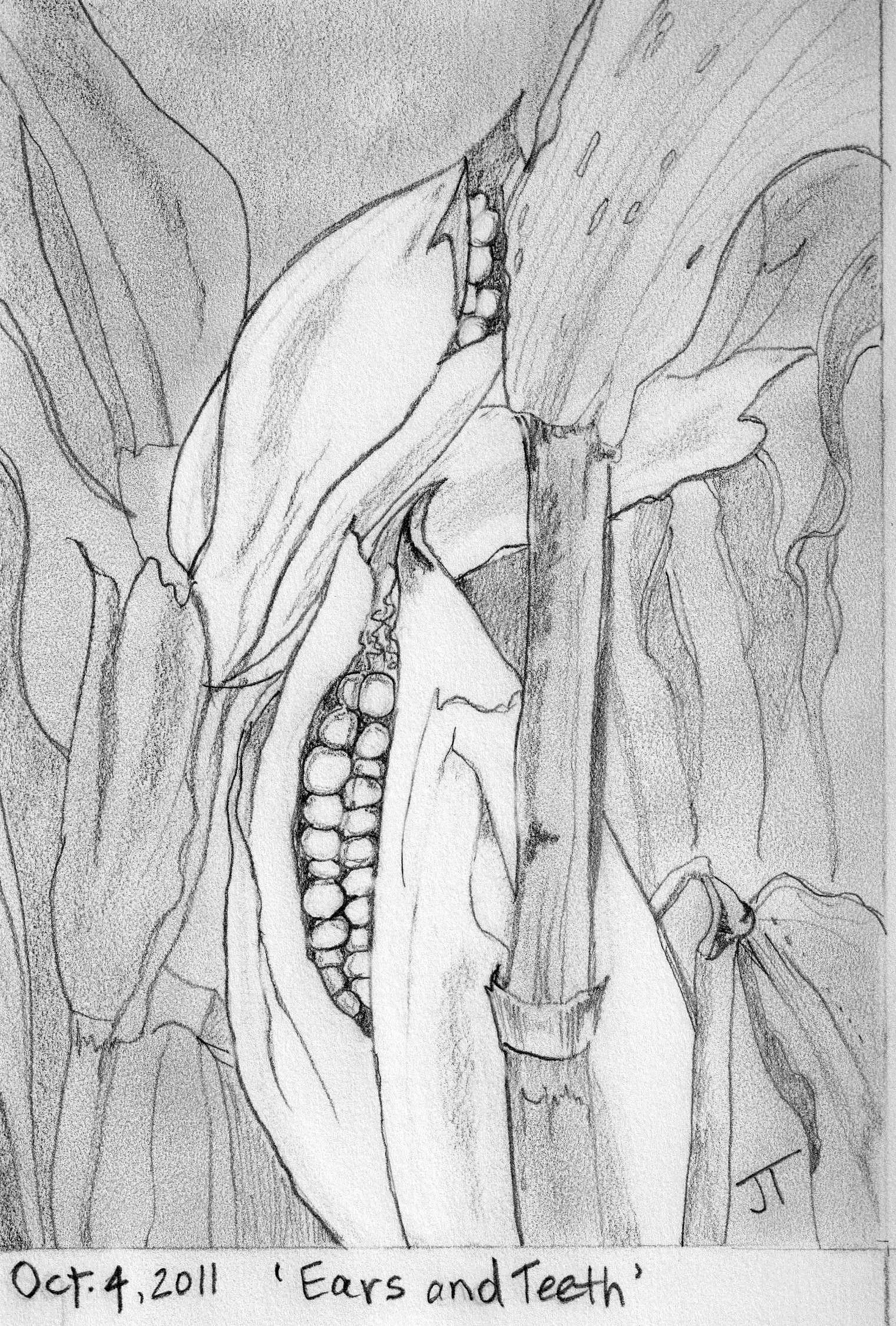
fords across the river
During a week of vacation last month in south-eastern Ontario, I was able to get to know some of its rivers.
The water is low this time of year and the rivers run still and quiet. Pond lilies and duckweed cover the surface, joined by early falling leaves. The country roads cross and re-cross the rivers, giving a view of each river at several points along the way.
I was also reminded of another means of crossing a shallow river or stream – the ford. This is a place where the water is shallow enough to cross on foot or by vehicle, without a bridge. Sometimes the ford depends on the natural stones or solid bottom for its footing; sometimes the bottom is built up by adding stone.
The fords on the South Branch of the Raisin River in South Glengarry County were built to last, of stone. They make a charming pause in the run of the river, allowing passage of the water and a safe way to cross.

A local person familiar with the river told me this: in spring, when the river runs deep enough to allow canoes to paddle, the fords can still be seen, white stones shining up through the water.

~
crossing the South Branch Raisin River, South Glengarry County
~
weedy South Branch Raisin River water-dry
stream-bed wizened wild grapes purple-weighted
sun-dried field rock
fords and fences
rain and rising
leaf-spun river
surface winds reflected
elm, nymphaea
ash, nuphar
~
© Jane Tims 2011
butterfly spaces

Viceroy butterfly on the rail of a little-used track

- ‘Viceroy butterfly on a rail’

butterfly
~
scrap of paper
plucked from my hand
wind a tease
always one wing beat
beyond the finger tip
attempts to read
delicate code
of dots
and dashes
~
a yellow Post-it note
folded on the tower
of a blue sky flaxflower
a tatter
a musical note
set to the panic
of butterfly flight
~
a curtsy and away
across the field
~
pursued by a butterfly net
~
and a killing jar
~
© Jane Tims 2007
pool at the base of the waterfall
Have you ever had trout nibble at your toes?
When I was a teenager, my family was fortunate to own a woods property with a brook and a substantial waterfall. We had a cabin there, built by my Dad.
The brook was wide and shallow, running through mixed woods. It was a torrent in the spring, but in summer it ran gently through the trees, bordered by mossy hummocks, accented with small pools and riffles.
I remember the first time I saw the waterfall. We were looking for a woods property and a farmer offered to show us some of his land. I was exploring a particular area, following the bank of the stream, when I first heard the roar of the falls and saw the bright froth of water through the trees. I couldn’t believe it when the owner said, without hesitation, we could have that lot for our cabin.
The falls were substantial, spilling about 15 feet over a dip in the shale substrate. They spread outward from the lip of the falls, creating a broad triangle of white, laid across the rock like a veil. The roar of the water falling was constant and intense.

'waterfall and pool'
At the base of the waterfall was a pool, waist deep. The water was headache cold, but once we became used to it, we could swim and cool off on a summer day. The pool was transparent as glass, and we could look down and watch the trout nibbling at our toes. In spite of the dramatic turn of my poem below, the trout were not voracious and their nibbles were butterfly kisses.
Meniscus
~
1.
~
mist and mosses
colour the air
where the waterfall leaps
green in the mumble of water
~
I stand waist deep
in the fall-fed pool
bubbles cling to my legs
to the hairs on the back of my knee
~
droplets of air above water are nothing
~
2.
~
the soles of my feet
slide on the slate
search for softer
pockets of sand
~
trout kiss my ankles
~
I try to see
but the surface is silver
a dome reflected
of maple and sky
~
3.
~
a green leaf settles
a pine needle spins
striders press dents on the water
~
4.
~
I need to see the trout
I bend my face to the water
press on the skin
push through the meniscus
~
my nose is severed from my face
~
5.
~
I am the pond
~
I cannot move
I cannot breathe
my hands are numb
my heart squeezes within me
~
I cannot believe
the trout have taken
great gashes of leg
my toes are slashed by the slate
~
I look up through the water
its surface a circle of silver
~
6.
~
fish gnaw at my toes
bubbles grate at the back of my knee
tears under water are nothing
~
© Jane Tims 1992
pitfalls
If the space you occupy, your niche, has benefits to nourish, lift and sustain you, it also has its pitfalls, its dangers. Animals know this and their adaptations to their habitat are as much about avoiding danger as they are about obtaining food or shelter.
Think about the Groundhog family in the grey woods behind our house (see post ‘the location of our picnic table‘ August 20,2011, category ‘wild life’). The Groundhog’s tunnels are designed to provide shelter and food storage, but they are also designed for checking out the enemy and for quick escape.
Like the Groundhog, I try to prepare for the pitfalls. I have an emergency kit, including water and a flashlight, ready for severe storms, unexpected floods, and power outages. In spite of this, when our basement was flooded last December, I found I was poorly prepared and all I could do was concentrate on the small steps toward return to normalcy.
The path through the grey woods has its own pitfalls. When I go for walks I have to beware of fallen trees…

roots ready to grab an ankle…
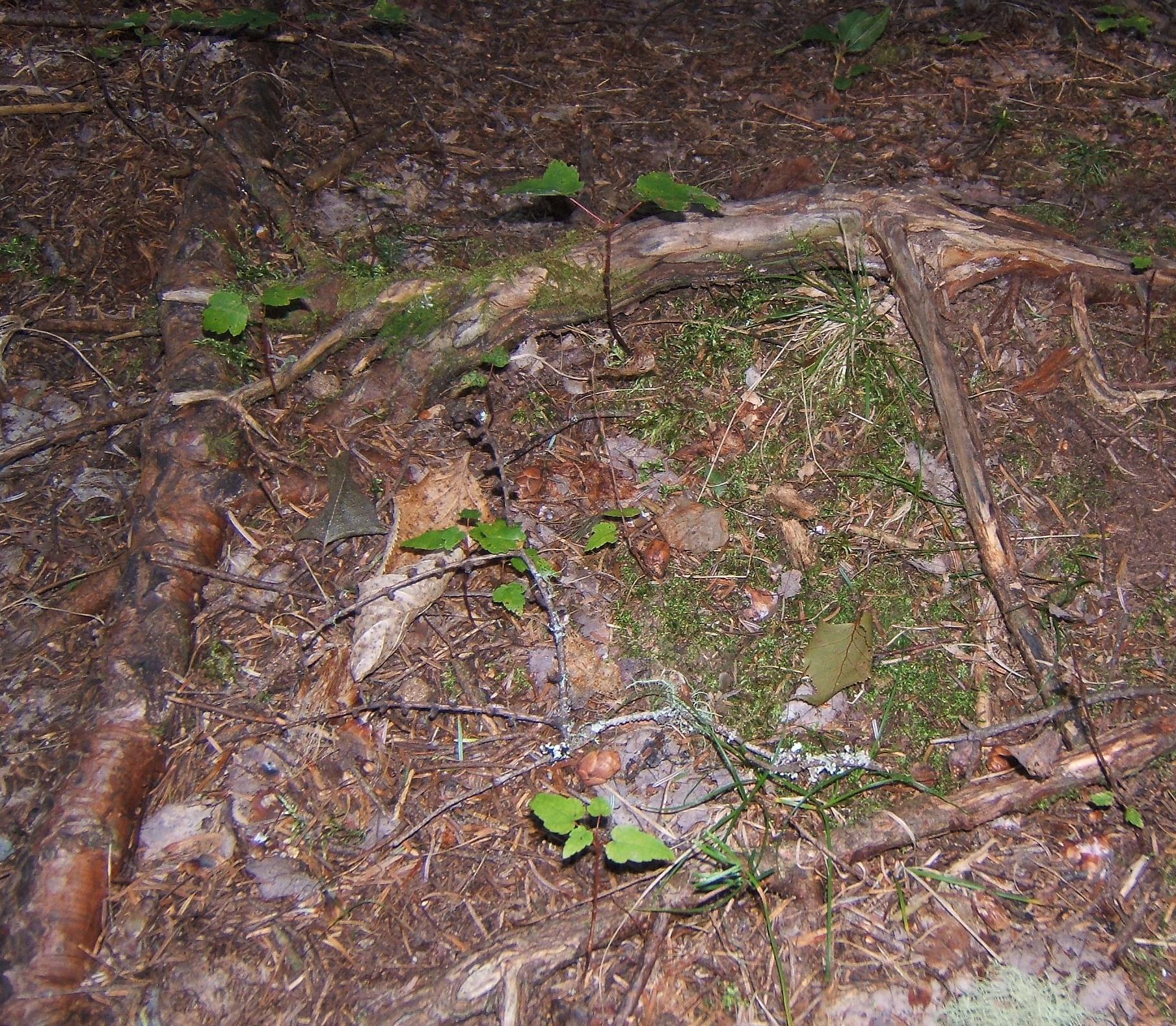
branches reaching to poke an eye…
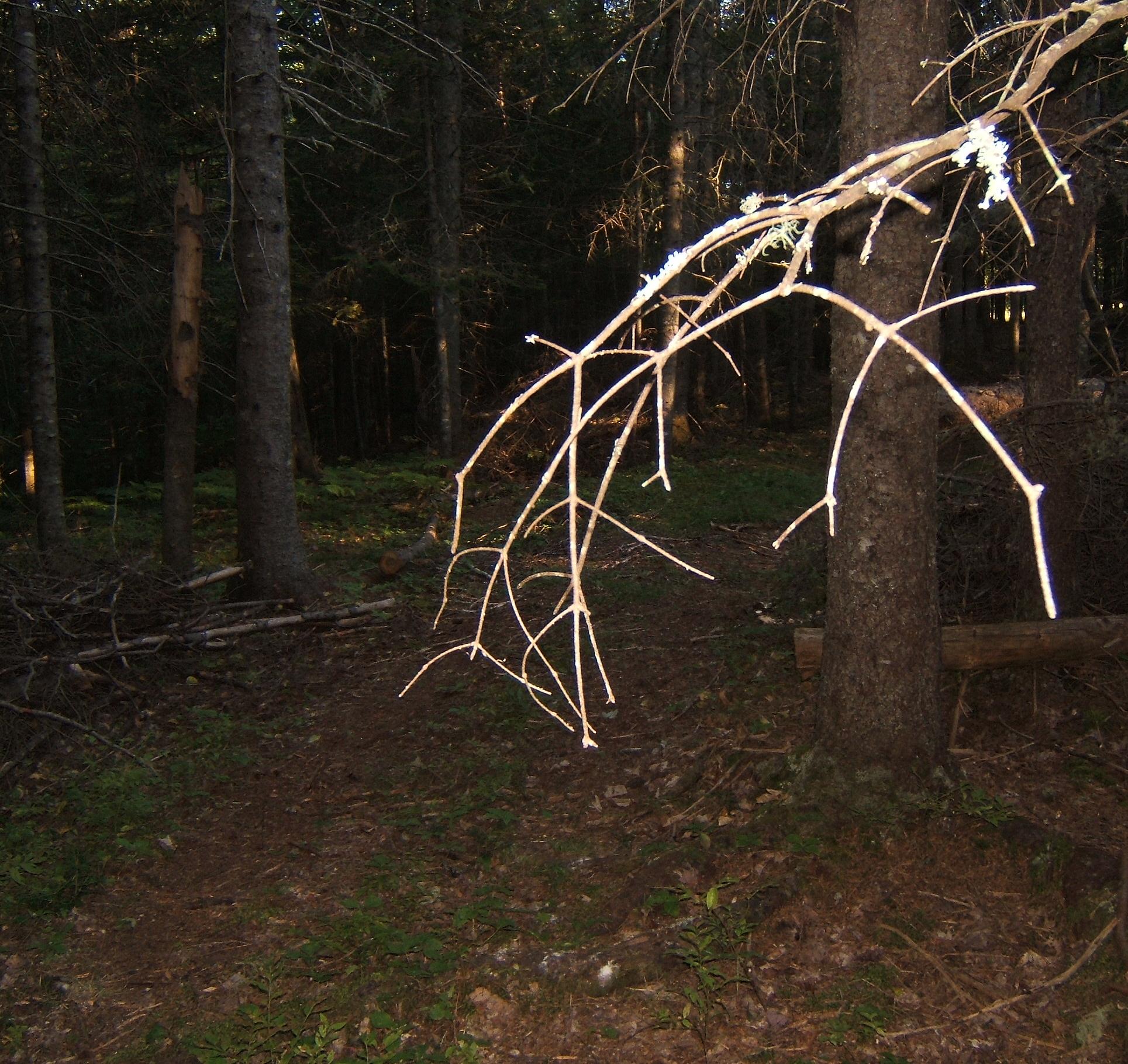
and the risks of not looking around, and missing something special and ephemeral…

pitfalls
~
soft places in the earth
hollows in the leaf layer
deadfalls to snag the surest ankle
roots that reach for the body
and chasms to claim it
~
gaps in the greyness of pine
spaces to spill sunlight
admit the riot of leaves
and the keys of the maple
~
holes in the layer of cloud
snags in the curtain
knots in floorboards
eyes in the blackness of night
~
flaws in the fabric
seams to part and peer through
paths we have crossed before
in other ways
~
© Jane Tims 2005
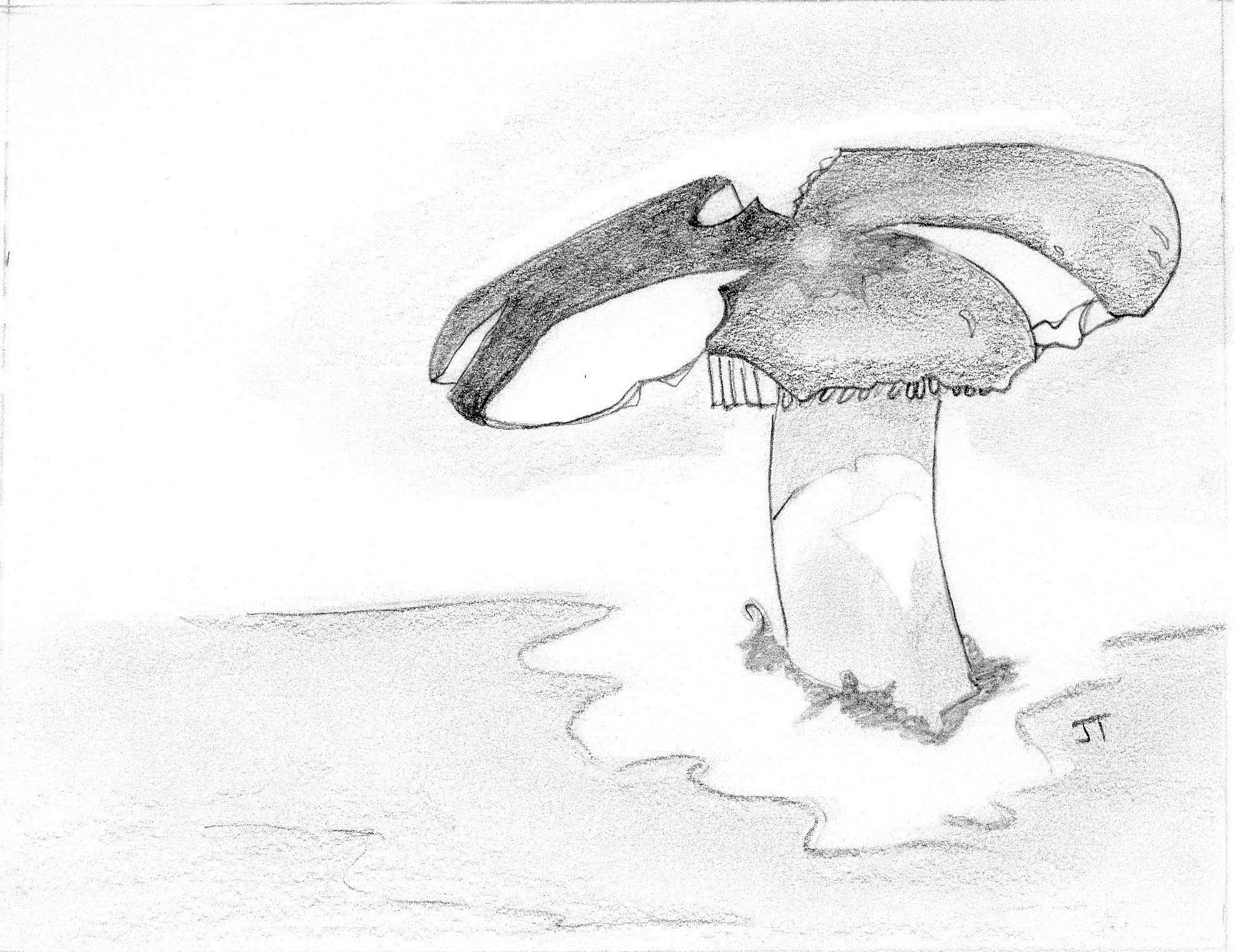
'red mushroom'
my ideal niche
I have a picture of the late Tasha Tudor, the children’s author and illustrator, standing in her hermit’s weeds, clutching an armload of branches for the woodstove. Her lined face and straightforward relationship with nature exactly describe my wished-for niche.
I imagine myself as living with the land, growing all my own vegetables, foraging for food I cannot grow, living off the ‘grid’ with solar panels and wood fires, pumping my water from a dug well, patching my roof with pitch from the spruce trees… you are getting the picture. I do few of these things. My garden is pitiful, no sensible fish would attach to my line, and I have to keep a few litres of water in containers in case my electricity-dependant water pump succumbs to a power outage.
The niche I actually occupy is satisfactory when measured by many standards. It falls short of my ideal, but I am not willing to sacrifice. Even in the simple matter of the woodstove, I have only achieved partial success. We have pleasant fires in the autumn when the days are getting cold. But in winter, I rely on electricity to keep me warm.

wood gathered for winter
If my ideal niche is not possible, I do find joy in the bits I have achieved. I think of my successful row of beans, my healthy crop of mint, my knitting of socks in winter, and my walks in the grey woods, as a ‘close approximation’ of my ideal. I admit that I would like to leave my cosy electricity-dependant niche, and acknowledgement frees me to stay.
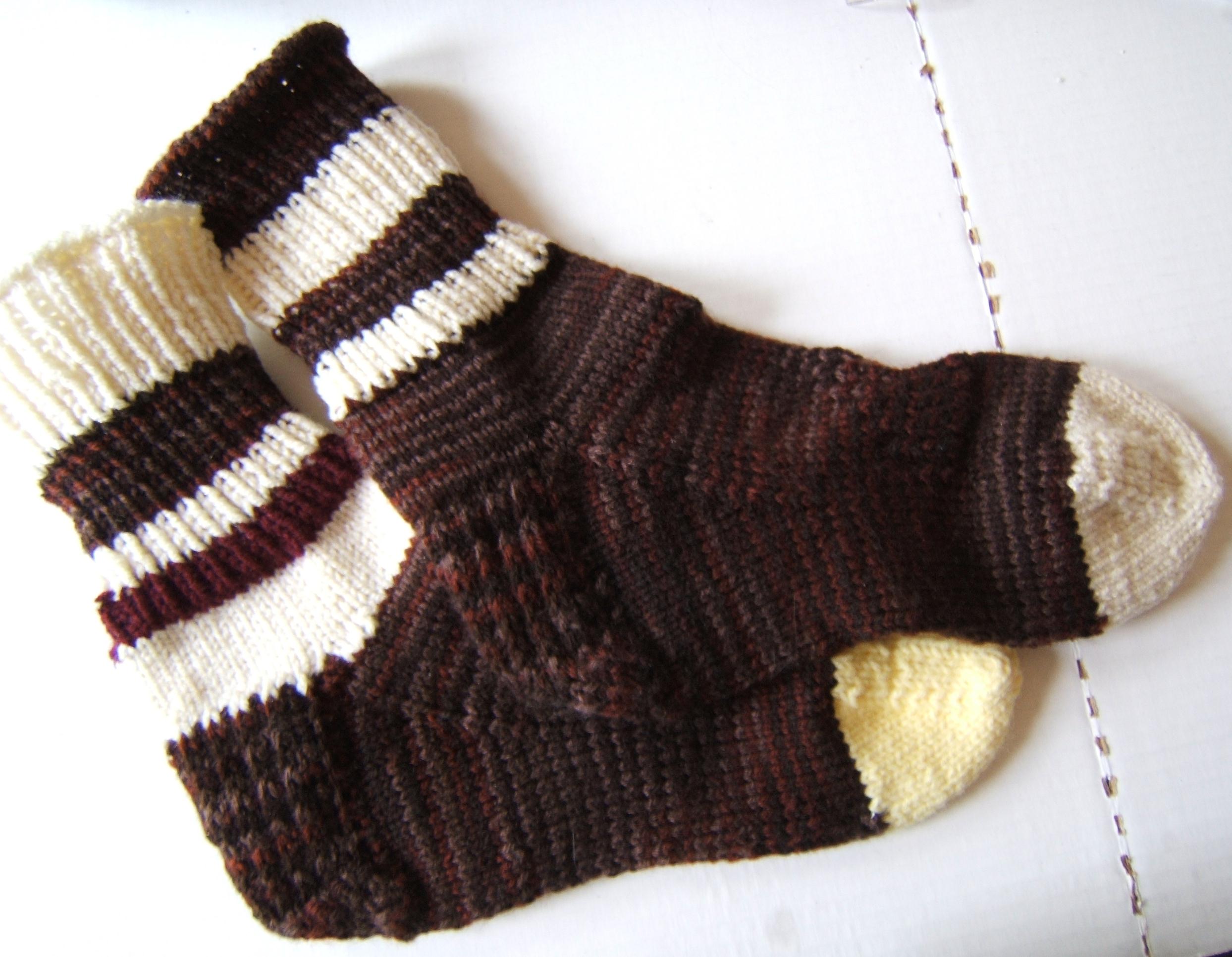
'Odd Socks' ... I knit them all winter...
I accept the truth … the ideal niche is a difficult goal. It takes determination and stamina to achieve.
a close approximation
~
Dolbear’s Law states: the number of chirps a cricket makes in fifteen seconds, plus forty, is a close approximation of the temperature on a summer night
~
warm September evening
I sit on the stoop consider
the timid wind chime the silent screen door
the unmetered patter of rain
~
soothing after a month of dry
~
the rain picks a song
over stones on the river
dolce vivace
dolce
vivace
~
where does my mantra take me?
~
away, to the songs of a summer night
at the back door on the concrete step
where crickets sing from cracks in the sidewalk
~
strung together patio lanterns
notes from a Spanish guitar
the insect refrain
~
behind me light from the kitchen
potatoes at boil the voice of my sister
the tap of her shoe
~
beside me the metal rail rings at my touch
cool on a night so hot and so dry
the pavement cracks
~
out in the yard the insect chorus
~
dolce
vivace
~
molto vivace
~
chirps
too quick
to count
~
Published as: ‘threshold’, Spring 1997, Pottersfield Portfolio 17 (3)
(revised)
© Jane Tims

'summer night at the back door'




 nichepoetryandprose