passage of time
One of the poems in my new book within easy reach recalls a walk I took with my husband and our discovery of wild strawberries growing in profusion in a clearing in the forest.
~

~
~
Old Man’s Beard
~
Usnea subfloridana Stirt.
~
you and I
years ago
forced our ways
bent through the thicket
of lichen and spruce
~
Usnea
caught in your beard
and we laughed
absurd!
us with stooped backs
and grey hair?
~
found a game trail
a strawberry marsh
wild berries
crushed into sedge
stained shirts
lips
and fingers
strawberries
dusted with sugar
washed down with cold tea
warmed by rum
~
today
an old woman
alone
lost her way in the spruce
found beard
caught in the branches
and cried
~
~
Published as ‘Old Man’s Beard’, The Fiddlehead 180, Summer, 1994
Post also published at www.janetimsdotcom.wordpress.com
© Jane Tims 2016

Old Man’s Beard (Usnea) is a lichen found growing in coniferous woods. The common name comes from its matted, stringy appearance. Lichens are made up of two species, an alga and a fungus, living symbiotically.
Useful Knowledge
I have continued to read the Annual Report of the Schools of New Brunswick 1888 (Fredericton, 1889) by the Chief Superintendent of Education, to discover more about New Brunswick’s one room schools.
~
Since I am a botanist, interested in natural history, I wondered what students in 1888 were taught about the natural world. Below, I have listed the subjects included in ‘Useful Knowledge’ in Standards I through VI (Grades One though Six). The theme of temperance, moderation in alcohol consumption, was central to ‘Useful Knowledge’ in Grade Four and beyond. I also like the animals listed in Standard IV – Animal Life !
~.
Standard I (Grade 1)
Minerals.—Distinguishing and naming coal, slate, clay, iron, lead, etc.
Plant Life.—Distinguishing and naming common garden vegetables, flowers,
field crops, trees in the neighbourhood.
Animal Life.—Distinguishing and naming principal parts of the human
body by means of pictures ; to point to and name principal parts of familiar
animals.
Standard II (Grade 2)
Minerals—Pointing out objects in school room made in part or in whole of
iron or any mineral. Names of implements made of iron, steel, &c. Cooking
utensils of iron, tin.
Plant Life.—Distinguishing parts of plants—stems, leaves, roots.
Animal Life. —Distinguishing and naming the chief sub-divisions of the prin
cipal parts of the human body and lessons on such parts as skin, nails—use and
care of. Familiar animals—their food, habits, uses.Standard III (Grade 3)
Minerals (Oral).—Lessons on minerals or stones in the district—names and
how distinguished from each other.
Plant Life (Oral).— Agricultural products of the district. Trees, shrubs,
herbs—different ways of distinguishing one from another, &c, by form, colour,
and size of trunk, branches, leaves, bark.
Animal Life (Oral).—Ear and Eye—use and care of. By means of pictures, to distinguish and name such animals as are treated of in the Reader, and give their
prominent structural characteristics. Domestic and wild animals of the district.
Oral lessons on all Useful Knowledge Lessons in Reader before the pupil is
required to memorize the answers to the questions.Standard IV (Grade 4)
Reader.
Minerals (Oral).— Principal Minerals of the Province, localities and uses.
Oral lessons on Metals (similar to those in Useful Knowledge lessons in
Reader).
Plant Life (Oral).— Names of the principal forest trees of the Province—
their uses. Agricultural productions of the Province.
Animal Life (Oral).— Organs of Respiration —-Effects of alcoholic stimulants thereon. Domestic and wild animals of the Province. General structure of such animals as are treated of in Reader. Oral lessons on Useful Knowledge lessons in Reader before the pupil is required to memorize the answers to the questions.Standard V (Grade 5)
Minerals.—General qualities and uses of the more useful metals and minerals
of the Province (Oral).
Plant Life. —General characteristics of the useful and hurtful plants of the Prov
ince (Oral).
Animal Life.—Organs of digestion and circulation. Effects of alcoholic stimu
lants thereon. Adaptation of structure to habit of such animals : the cow, the
squirrel, the camel, the lion, the elephant and the whale (Oral).Standard VI (Grade 6)
The Mineral Kingdom.—Lessons to be illustrated by specimens, (Text-book,
Part I, Baileys Natural History).
Physical effect of alcoholic stimulants upon the human system. Lessons
to be illustrated by experiments where practicable. Text-book, Palmer’s Tem
perance Teachings of Science, Chaps. I-IV inclusive.
Physics, (Oral).—Hotze’s First Lessons in Physics for Teacher’s use only.
Lessons 1-13 inclusive.
~
Long after my own days in elementary school are past, I am still learning about the ‘Adaptation of Structure to Habit’ of such animals as the squirrel:
~

Adaptation of structure to habit of such animals : the cow, the
squirrel, the camel, the lion, the elephant and the whale. Part One: The Squirrel, perfectly adapted to stealing seed from birdfeeders.
~
~
Copyright 2016 Jane Tims
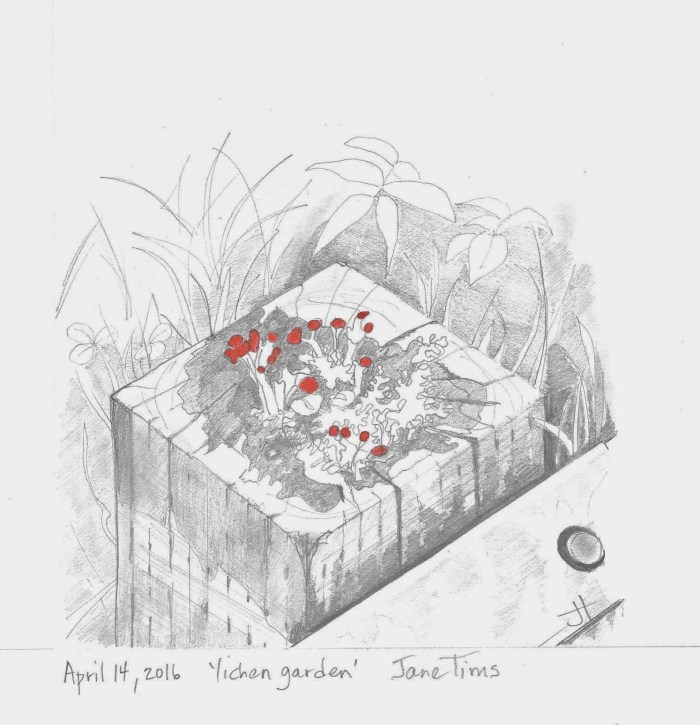
in the shelter of the covered bridge – lichen garden
~
time-stamped
~
Pont Lavoie (Lavoie Covered Bridge)
Quisibis River #2
~
~
when the end-post
of the guard rail
splits and rots
the broken space
makes room
for rain and pollen
dust and autumn
leaves
other detritus
~
spores find encouragement
and lichens grow
Cladonia cristatella
uniformed in red
Cladina, blue-grey
reindeer lichen
and pyxie cups
~
lichens ageless
bridge not meant
to last forever
~
~
Copyright Jane Tims 2016
Schools of New Brunswick in 1888
I love beginning a new project … love learning, love doing the research, love the dusty old books holding the information.
~
A project about the old schools of New Brunswick won’t be totally new to me. I grew up hearing the stories my Mother told about teaching in one-room schools. In University, I wrote a research paper about school in the 1800s and how schools were situated in the community and in the landscape. And I am always interested in older buildings and how they survive in the built landscape.
~
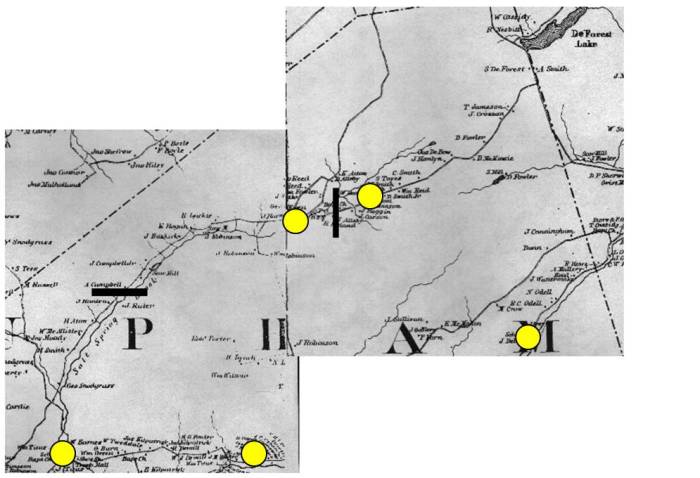
location of some schools in Upham Parish, Kings County in 1862, showing the effects of linear settlement on school location (map shown is from H.F. Walling, Topographical Map of the Counties of St. John and Kings New Brunswick, 1862)
~
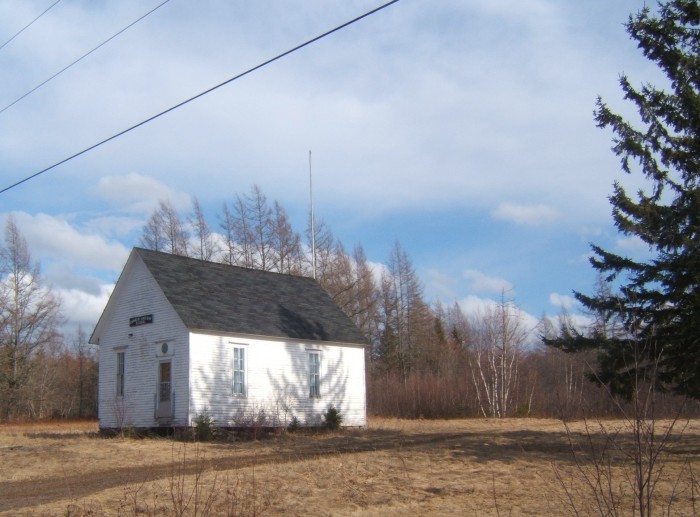
My first step to research this topic was to take a drive in the countryside, to find some old schools (see post for April 26, 2016). My next step is to do some more reading about the school system in the nineteenth century.
~
I began with an old book, not dusty at all, but available on-line at Google Books (https://books.google.ca/books): Annual Report of the Schools of New Brunswick 1888 (Fredericton, 1889) by the Chief Superintendent of Education.
~
In 1888 there were 1,532 schools in New Brunswick. Some of these would have been larger schools, but the majority were one room schools in rural settings. There were 1,587 teachers and 59,636 pupils. Only 50% of these students were ‘daily present’ during the time the school was in session – “…falls far short of what it ought to be …” reports the Superintendent! He suggested that teachers could help a lot if they would “… carefully inquire into the cause of every absence …”
~
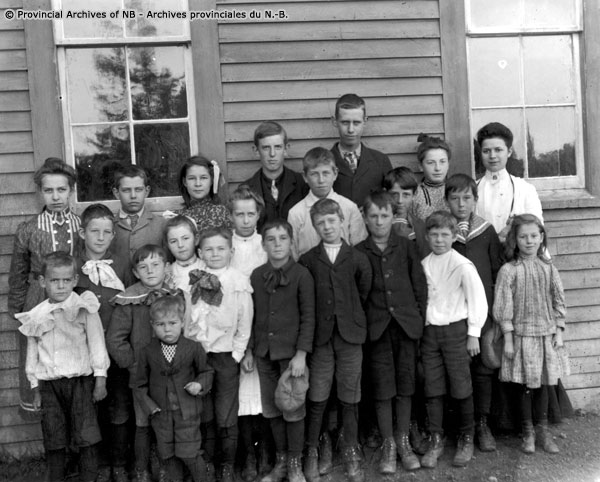
children and teacher at Carter’s Point School on the Kingston Peninsula (Source: Provincial Archives of New Brunswick)
~
The report contains over 1000 pages and lists the classes given most often:
Reading, Spelling, Recitations
Oral Lessons on Morals
Physical Exercise
Health, including Temperance
Composition
Print Script
Writing
Number Standards/ Arithmetic
Geography
Useful Knowledge (for example Plant Life)
~
I love the description of the Health instruction:
pure air, sunlight, good water,
wholesome food, proper clothing, cleanly and temperate habits, avoidance of draughts,
and the sudden checking of perspiration, dry feet, etc.
~
I think I will go check my perspiration and feet …
~
~
Copyright 2016 Jane Tims
Where is Frank?
In an attempt to keep making progress on my explorations of family history, and to justify my monthly contributions to Ancestry.com, I have implemented ‘genealogy Saturday’. On most Saturday’s, I pledge to discover more about my family, and to organize into a written account the information I already have. We’ll see how long this intention lasts.
~
I continue to be interested in the life and family of my great-grandmother Ella (Mary Ellen) Hawk Norman (1859-1933). I now have information on much of her life. Thanks to the City Directories at Ancestry.com, I know where she lived almost every year from 1894 onward.
~

My only photo of my Great-Grandmother Ella (Hawk) Norman (in about 1928). She is second from the right, with her hands folded. The group is standing in front of Harowitz’ Restaurant in Scranton, Pennsylvania where she worked as a pastry cook in the early 1900s.
~
I also know about her husband, my great-grandfather Frank Norman, from the date of their marriage in 1886 onward
(see my post about their marriage
https://janetims.com/2014/05/15/the-tale-of-a-marriage-certificate/
and about Frank’s fall from a horse https://janetims.com/2014/05/12/searching-the-newspapers-2/).
But I know nothing about him before 1886. Most of all, I would like to know the names of his parents, my great-great-grandparents. Of my sixteen great-great-grandparents, these are the only two names I do not know.
~
Unfortunately, the name Frank Norman was common in the mid-eighteen hundreds. I know from various documents that Frank was born about 1855 in Missouri. There were about forty Frank Normans born in Missouri in the mid-century and deciding ‘who was who’ has taken a major effort.
~
I used the following ‘rule base’ to help me sort through the many Frank Normans:
1. Discard any females (the names Francis or Frances have been used for both males and females)
2. Discard any Franks born before 1845 or after 1870 (he was at least 16 in 1886 when he married and no older than 40). Since Frank’s birth year (1855) comes from two sources and is likely near to correct, I was more stringent than this when looking at each record. I have often found birth dates in the Census suspect, probably because people were vague when providing information to the Census taker.
3. Discard any Frank Normans who had other spouses before 1896, especially those with children born in the 1880s (Ella and Frank divorced in 1896, so he could have remarried). This takes careful searching through the Census records and family trees, going back and forth to see who was in the various Frank Norman families. It is too bad we don’t have the 1890 Census !
~

Hooker, Laclede County is in south-central Missouri; Bethany is in Harrison County in northern Missouri
~
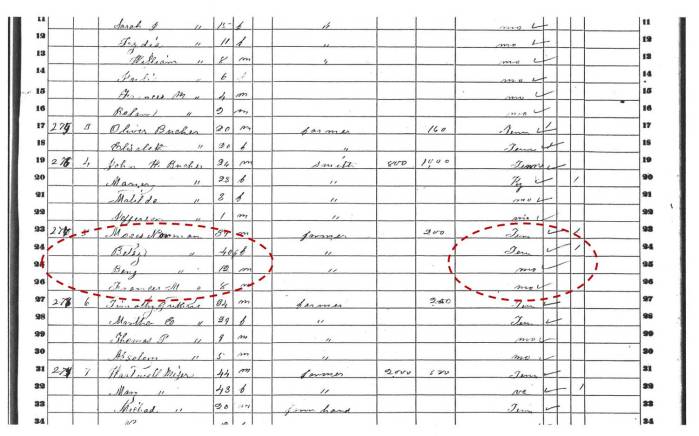
After all this, I have found only one Frank Norman who meets my criteria. Francis M. Norman (born 1852 Missouri) lives with his father Moses Norman (born 1821 Tennessee), his mother Betsy (born 1820 Tennessee) and his brother Benj (born 1848 Missouri) in Hooker, Laclede County in Missouri (1860 Census).
~
~
There were two Moses Norman families living in Hooker, Laclede in 1860. The other Moses Norman (born 1895 Tennessee) lives with wife Lucinda and their children. Moses 1895 was a landowner in Laclede. Although I have not been able to connect the two Moses Normans, it is reasonable to think they were related. In the Census, they are living fifty houses from one another, perhaps a long way in the days of large farm properties and the ‘open country neighborhood’.
~
I cannot find Moses and Betsy in any Census after 1860. A person named Benj (died 1873) is buried in the Moses Norman Cemetery in Sleeper, Laclede and this may be Moses’ (1821) son Benj.
~
On Frank’s Application for a Marriage Licence (1886), he wrote that he lived in Bethany, Harrison County, Missouri. There were Norman families in the Bethany area by 1880 and Frank may have gone there from Laclede to live or work.
~
I may never know the names of my great-great-grandparents for certain, but Moses and Betsy sound like good candidates. I will keep looking until the powers invent a time travel machine just for genealogists!
~
Copyright 2016 Jane Tims
one room school houses – hiding in the landscape
Last Friday, we took a drive along the west side of Grand Lake, in the Youngs Cove area of Queens County, New Brunswick. We were searching for old one room school houses. As far as I know, there is no list for these buildings in Queens County, New Brunswick, although a list does exist for nearby Kings County.
~
I had seen one old school in the Whites Cove area, so we began there. This school was operated as a local craft store for a few years but is now a private cottage. The one room school is in good shape, painted bright red. The round plaque in the gable of the roof says 1837. The building had two front doors – one for boys and one for girls.
~
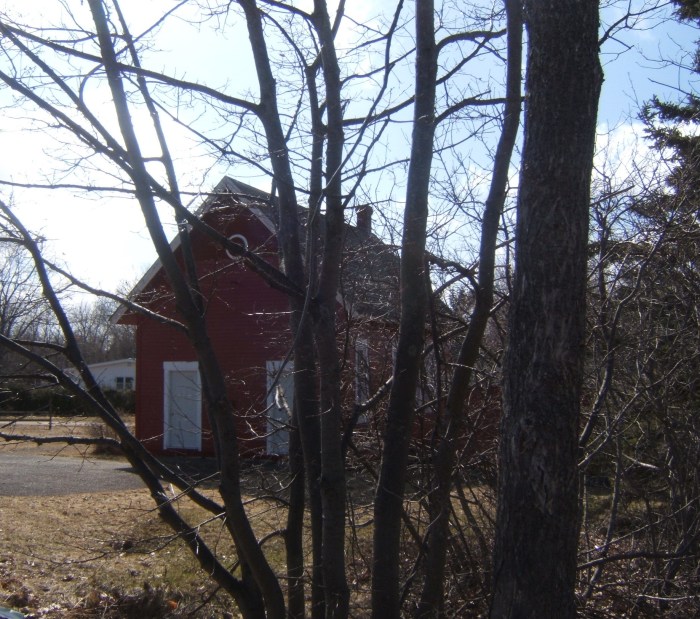
Whites Cove school house
~
We then continued toward Chipman, taking old roads when possible. I know that in the late 1800s and early 1900s, each small community (each Parish) had its own school, so we watched for the tell-tale design of the one room school house – a small, rectangular, one-storey building with a steep-sloped roof and rather high side walls. Each school had two or three tall rectangular windows on each side and one or two front doors. Some New Brunswick schools had a small anteroom or vestibule on the front. The bell-tower common on school houses in the United States was not typical of one room schools in New Brunswick.
~
We followed the road along the shoreline of the peninsulas extending into Grand Lake. In particular, we were watching for the older homes that show what the community may have looked like a hundred years ago.
~
As we came over a hill, we first saw the Rees school house. It had some of the characteristics I describe above. However, I am new to one room school hunting, so I was not really certain this little building had once been a school. And then my husband pointed to the sign on the small road opposite the building – School House Lane. The school house was being used as a cottage and was in poor condition with broken windows and a crumbled brick chimney. But I was happy to see the original stone foundation, a straight roof line, a large flat stone as a threshold, original clapboard on the front of the building, and evidence of the original vestibule.
~

Rees school house
~
Thrilled by our discovery, we continued to the next community and followed a side road. Almost immediately, we saw the Cumberland Bay School, announced by a sign above the door. It was a typical school house design, built on a hill. There was a rock foundation (with some brick) and a straight roof. The building was in good shape with evidence of regular maintenance and use, perhaps as a hall. A cold wind was howling and I felt sorry for the kids who must have come to school in all kinds of bitter weather.
~
Cumberland Bay school house
~
After seeing three school houses, we felt like pros. We took the next road along the shore, toward Cox Point, and found a school house outside the community of Range. It was set back from the road, used in conjunction with a family cottage. The roof was straight, the side windows were intact and the shingles were in good repair.
~
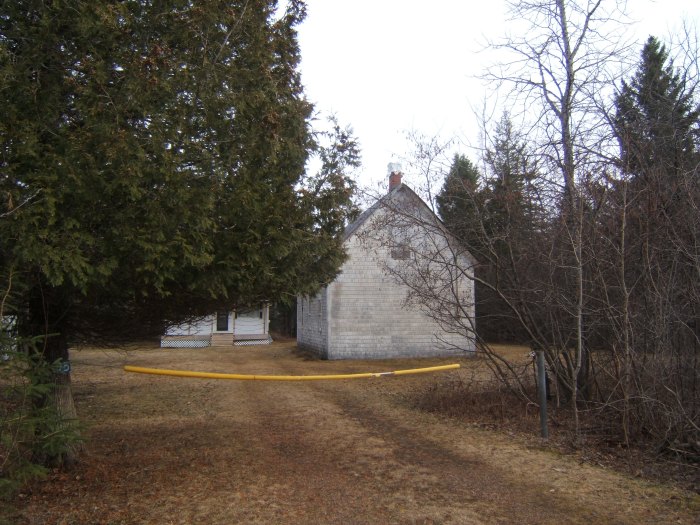
Range school house
~
I was delighted with our drive – we had discovered three school houses we did not know about! I also got a feel for some of the characteristics of these buildings and how they fit into the local landscape.
~

a map showing the old school houses we found … you can see a pattern emerging … I expect there were once school houses in some of the other communities indicated on the map
~
Why am I interested in this topic? My interests in landscape, the environment and history all come into play. I am also beginning to think about my next poetry project and have decided to explore the idea of school houses in the landscape.
~
To do this project, I will think about the setting of the school house in the community and how topography (hills and lakes and rivers), vegetation (fields and forests, orchards and big old swinging-trees) and other built landscape (bridges, churches, stores and farms) would have influenced the students, teachers and members of the community. Visits to old schools, some talk with people who remember attending these old school houses and reading at the Provincial Archives would give me lots of material for my writing.
~
Do you have examples of old one room school houses in your area? Did you attend school in a one room school house? I would love to hear your stories!
~
Copyright 2016 Jane Tims
‘within easy reach’ – the history of a writing project
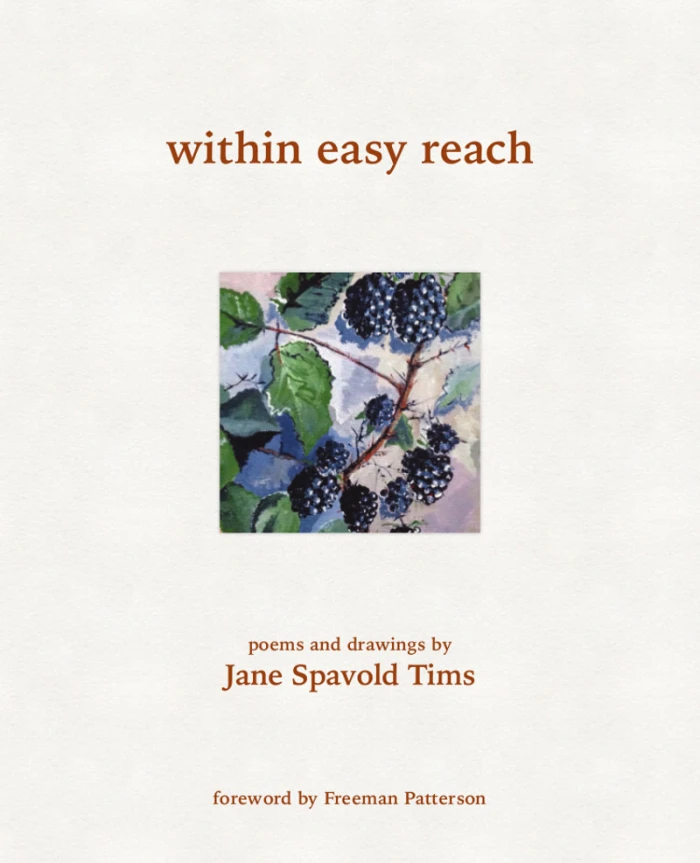
As I prepare for the publication and launch of my poetry book within easy reach, I am thinking about how long it takes to see a writing project through from beginning to end.
~
Of course, the time depends on the writer, the project and many circumstances beyond the writer’s control. But the way to a book of poems can be long … for me it has not been days or months, but years.
~
2010
For my book, the first idea came in 2010 when my husband and I were exploring our new lake property. We knew so little about the property and were delighted to find blackberries, growing in profusion along the ridge above the lake. I can still taste those plump indigo berries and remember how quickly we filled my husband’s hat (the only container we had for picking). I wrote the first poem for the project (‘berries in brambles’) at the end of the summer. By then I was thinking about combining my interests in local food and botany to write a manuscript of poems about ‘growing and gathering’.
~

blackberries at our lake property
~
2011
The second step in the project came with an application to artsnb for a Creation Grant. Not every writer seeks funding, but I knew, after 35 years of work, that I would produce my best work with a clear purpose and deadlines. I applied to artsnb in March 2011, in time for their April 1st deadline. When I was not successful, I tried again for the October 1st deadline and in December, a few weeks before my retirement, I received the letter saying my project had been approved. I would be able to transition from work into an endeavor I knew I would love!
~
2012
The writing of ‘growing and gathering’ continued through the spring and summer of 2012. I was determined to base my poems on experience, so I spent lots of time hiking and driving to locate and pick the various plants I wanted to write about. That spring we tapped twelve of our red maple trees and planted a small garden. Many of the plants I harvested grow on our properties at home and at the lake, but for some of the plants, we drove the countryside, poking about in the right habitat to find the plants I sought. My best memory is of a spring day along the Dunbar Stream north of Fredericton, discovering mounds of trout lily leaves growing on the floodplains along the brook.
~
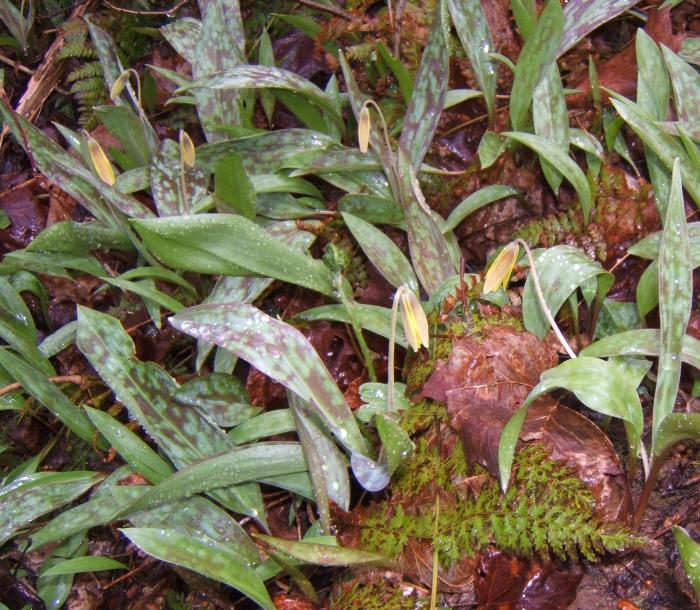
Trout Lily, also known as Dog’s Tooth Violet or Yellow Adder’s-tongue
~
For the next months, I harvested leaves and roots and nuts and berries. I chopped greens. I boiled, simmered and sautéed. I competed, unsuccessfully, with squirrels for hazelnuts. I scraped gum from spruce trees and peeled wild sarsaparilla roots. And, of course, I ate my fill of raspberries, blueberries, dandelion greens, fiddleheads, samphire greens, orach leaves and apples. From my own garden, I harvested rhubarb and herbs, onions and tomatoes. I visited Farmers Markets and roadside stands, sampling the best local produce in the world. I stirred memories from my own family history, recalling days when my dad kept bee hives and when my mom and I went blueberry picking. Really doesn’t sound like work, right?
~

salad ingredients from the garden and market
~
And then I wrote. And did research about the edibility of plants. And wrote some more. And did lots of pencil drawings. As I wrote, I consulted my Floras of New Brunswick and Nova Scotia. I completed my project with a manuscript of 135 poems and 29 pencil drawings. I submitted my manuscript to artsnb in October 2012.
~
2013
For me, the writing is only part of the process. I try to read my poems as often as possible, and I submit regularly for publication. For the ‘growing and gathering’ project, I read poems at eleven events and submitted poems to 12 literary journals. I had some success and, of the poems in the book, twelve have been previously published in seven literary journals. I also submitted the manuscript to the New Brunswick Writers’ Federation writing contest in 2013, winning Honorable Mention. Now that all sounds like work!
~

Orach growing among the rocks at the upper end of the Minister’s Island causeway
~
2014
From the beginning, I knew I wanted a published book of the ‘growing and gathering’ poems. So in 2014, after revisions and paring the poems to a reasonable book length, I began to submit to publishers. I submitted to three publishers and received three kind rejections. Then, in the fall of 2014, at the New Brunswick Writers’ Federation WordsFall, I met Keith Helmuth and Brendan Helmuth of Chapel Street Editions in Woodstock. They were interested in publishing books about the natural and human history of the Saint John River and I wondered if they might be interested in my book. I sent them my manuscript and soon began one of the best partnerships of my life.
~
2015 – 2016
During the last months, Keith and Brendan have worked to prepare my manuscript for publication. I have read every poem 20 times, revisited sources, squinted at Latin names to make certain they are spelled correctly and considered every comma and every line break.
~
Within a few weeks, my poetry book, within easy reach, will be a reality. When I first hold the finished book in my hands, I know I will be experiencing a milestone in my life. I will probably melt into a puddle. And the work will not yet be done! Ahead of me are readings and marketing and signing copies. I hope the rooms where I present my book are crowded with people eager to buy and read, but I know there may be places where I will be hoping a lone bystander will purchase a copy.
~
From beginning to end, my book has taken almost six years to complete. This may sound a bit daunting for a new writer reading this, but it is also encouraging. Your goal, like mine, may be publication. But it may also be to create a body of work representative of your life as a writer. My experience shows that every line, every paragraph, every poem you write, is part of a path towards your goal, whatever it may be. ‘A writer writes.’
~
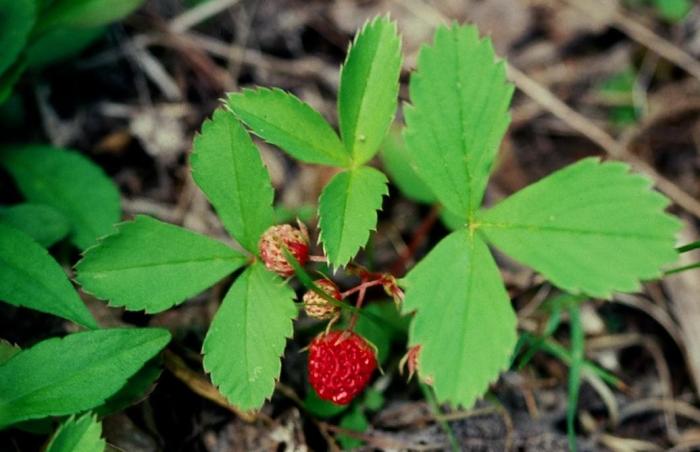
wild strawberries at our lake property
~
Copyright 2016 Jane Tims
after the ice storm

Our drive in the crystal world after the ice storm reminded me of a poem I wrote years ago.
~
It is a rebellious poem (for me), written when I was entering the workforce and unwilling to be viewed from any traditional point of view. Part of the poem uses the metaphor of ‘breaking the glass ceiling’ (Marilyn Davidson and Cary Cooper. Shattering the Glass Ceiling: The Woman Manager. Paul Chapman, Pub., 1992). The poem is about an experience in 1979 of walking in a forest after an ice storm, on one of my earliest dates with my husband. Apparently I didn’t want him to think of me in any traditional role!
~
Breaking the Glass Ceiling
we still see birch
bent in the forest
broken yet grown
fifteen years
since the ice storm
years translucent
as the curtain of fir
you held back for me
I ran ahead
wanted to walk with you
but hoped you knew
how alone I could be
above me branches
burdened
with ice
your hand on my arm
go softly ! (you said)
a touch
will shatter
twigs and tree-tops
chiselled from ice
breathe
and hear a million cymbals
tied to our wrists with ribbon
I wanted to listen with you
but hoped you knew
I would never be
coins in a wishing well
a ballerina bolted to a box of jewels
goblets clinking for a kiss
I will not let you
shelter me
I know only
shards of glass
from the ceiling
(some days I am fragile
only needing warmth
to keep from breaking)
~

~
~
Copyright 2016 Jane Tims
apple orchard after the ice storm
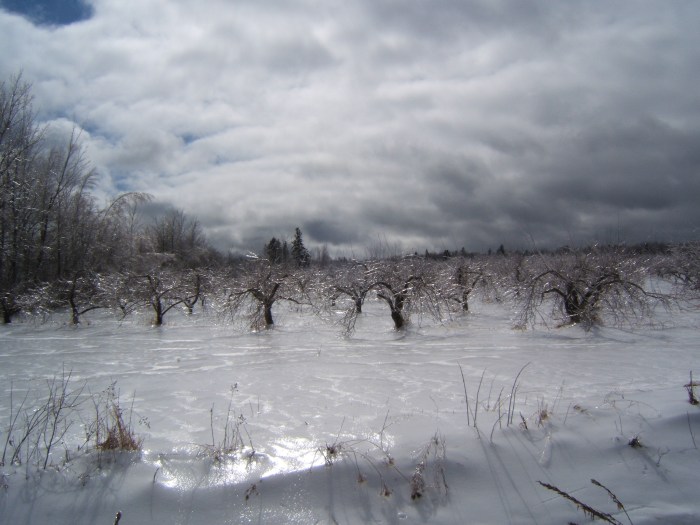
On Saturday, we went for a drive to see the results of last week’s freezing rain storm. Every tree sparkled with its layer of frozen water. When we stopped by the roadside to take some photos, the sound of cracking ice made a continuous stippling noise in the forest.
~
I was amazed at the odd miniaturized appearance of the ice-covered apple trees in an orchard not far from our cabin. The trees are normal sized but there is a lack of scale and weirdness of light in the photos that miniaturizes the entire scene. The third photo, including the ploughed side road, looks more normal.
~
~

~

~
I think this will be our last winter storm of the season. We still have snow on the ground but next week’s warming should take it all away!
~
Copyright 2016 Jane Tims
Happy Easter!!!
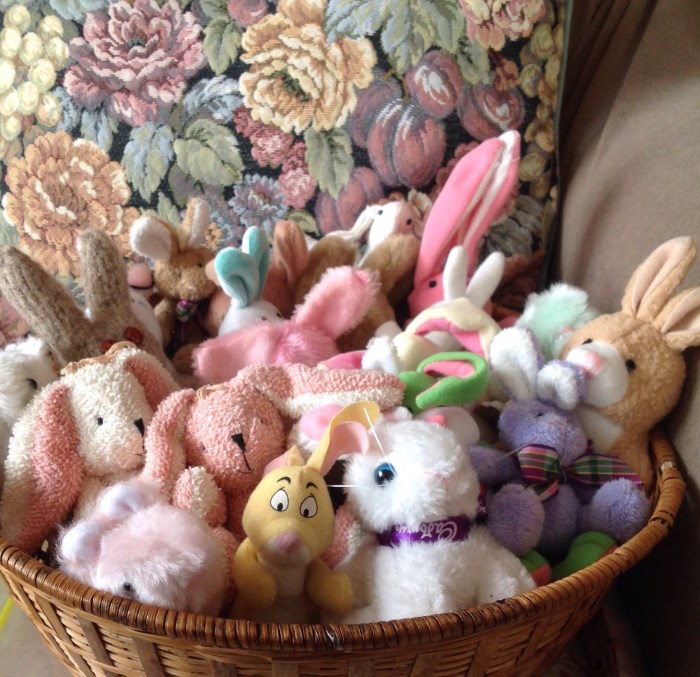
I once decorated for Easter almost as much as for Christmas. But I am busier than ever and won’t get out all those boxes this year. However, I cannot resist putting my small bunnies and chicks/ducks out on display. Happy Easter!!!
~
~

~
Do you decorate for Easter?
~
Copyright 2016 Jane Tims






 nichepoetryandprose