Posts Tagged ‘writing process’
songs in the grey woods – ovenbird
He can be a bit monotonous. A bit of a scold. He reminds me of a rusty hinge. He says teacher-teacher-teacher, repeating his song through the woodland. He is the Ovenbird.
~
His scientific name is Seiurus aurocapilla. Seiurus (which I remember as ‘serious’) is from the Greek meaning ‘tail shake’, a reference to the characteristic upward flip of his tail. The name aurocapilla means golden-haired referring to his crest of orangy feathers. The Ovenbird is olive-brown, with a streaked white breast. He has a white ring around his eye, a white throat and a dark line below his cheek. He looks a bit like a thrush, but is a large warbler.
~
His serious nature and his call of ‘teacher, teacher, teacher’ make me think I’ll include a poem about his ways in my project about one room school houses in New Brunswick. This is how my poems usually begin, with a whisper from nature.
~

~
Copyright 2016 Jane Tims
Schools of New Brunswick in 1888
I love beginning a new project … love learning, love doing the research, love the dusty old books holding the information.
~
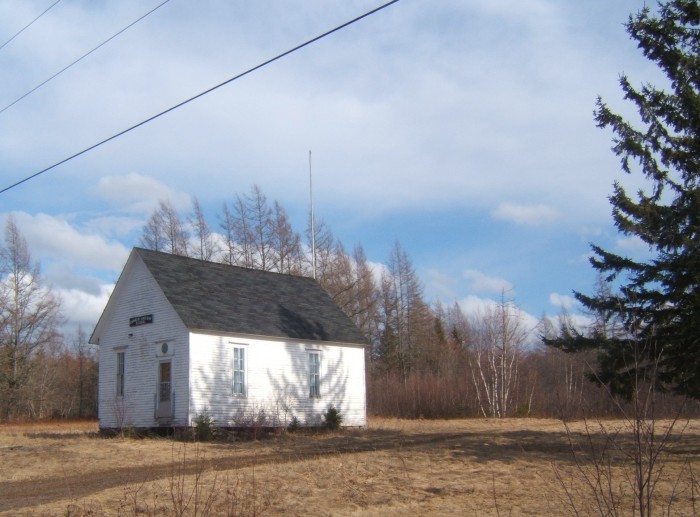
A project about the old schools of New Brunswick won’t be totally new to me. I grew up hearing the stories my Mother told about teaching in one-room schools. In University, I wrote a research paper about school in the 1800s and how schools were situated in the community and in the landscape. And I am always interested in older buildings and how they survive in the built landscape.
~
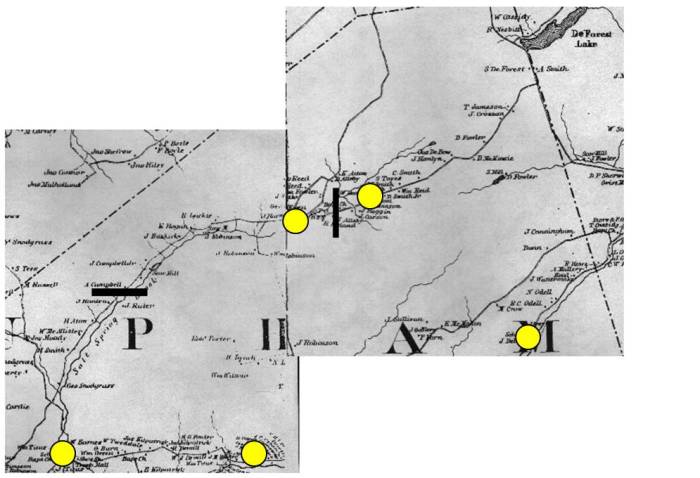
location of some schools in Upham Parish, Kings County in 1862, showing the effects of linear settlement on school location (map shown is from H.F. Walling, Topographical Map of the Counties of St. John and Kings New Brunswick, 1862)
~
My first step to research this topic was to take a drive in the countryside, to find some old schools (see post for April 26, 2016). My next step is to do some more reading about the school system in the nineteenth century.
~
I began with an old book, not dusty at all, but available on-line at Google Books (https://books.google.ca/books): Annual Report of the Schools of New Brunswick 1888 (Fredericton, 1889) by the Chief Superintendent of Education.
~
In 1888 there were 1,532 schools in New Brunswick. Some of these would have been larger schools, but the majority were one room schools in rural settings. There were 1,587 teachers and 59,636 pupils. Only 50% of these students were ‘daily present’ during the time the school was in session – “…falls far short of what it ought to be …” reports the Superintendent! He suggested that teachers could help a lot if they would “… carefully inquire into the cause of every absence …”
~
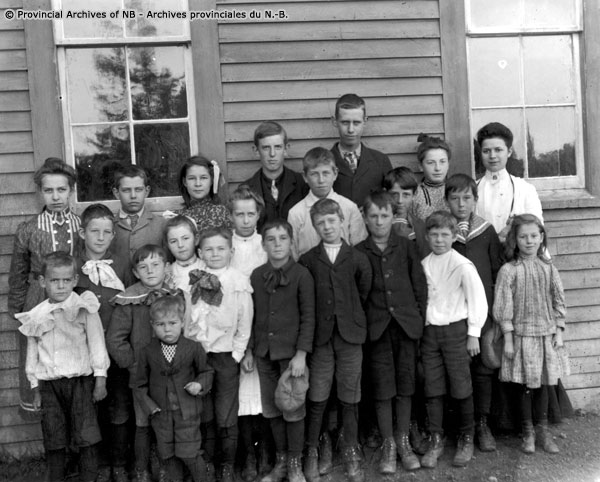
children and teacher at Carter’s Point School on the Kingston Peninsula (Source: Provincial Archives of New Brunswick)
~
The report contains over 1000 pages and lists the classes given most often:
Reading, Spelling, Recitations
Oral Lessons on Morals
Physical Exercise
Health, including Temperance
Composition
Print Script
Writing
Number Standards/ Arithmetic
Geography
Useful Knowledge (for example Plant Life)
~
I love the description of the Health instruction:
pure air, sunlight, good water,
wholesome food, proper clothing, cleanly and temperate habits, avoidance of draughts,
and the sudden checking of perspiration, dry feet, etc.
~
I think I will go check my perspiration and feet …
~
~
Copyright 2016 Jane Tims
‘within easy reach’ – the history of a writing project
As I prepare for the publication and launch of my poetry book within easy reach, I am thinking about how long it takes to see a writing project through from beginning to end.
~
Of course, the time depends on the writer, the project and many circumstances beyond the writer’s control. But the way to a book of poems can be long … for me it has not been days or months, but years.
~
2010
For my book, the first idea came in 2010 when my husband and I were exploring our new lake property. We knew so little about the property and were delighted to find blackberries, growing in profusion along the ridge above the lake. I can still taste those plump indigo berries and remember how quickly we filled my husband’s hat (the only container we had for picking). I wrote the first poem for the project (‘berries in brambles’) at the end of the summer. By then I was thinking about combining my interests in local food and botany to write a manuscript of poems about ‘growing and gathering’.
~

blackberries at our lake property
~
2011
The second step in the project came with an application to artsnb for a Creation Grant. Not every writer seeks funding, but I knew, after 35 years of work, that I would produce my best work with a clear purpose and deadlines. I applied to artsnb in March 2011, in time for their April 1st deadline. When I was not successful, I tried again for the October 1st deadline and in December, a few weeks before my retirement, I received the letter saying my project had been approved. I would be able to transition from work into an endeavor I knew I would love!
~
2012
The writing of ‘growing and gathering’ continued through the spring and summer of 2012. I was determined to base my poems on experience, so I spent lots of time hiking and driving to locate and pick the various plants I wanted to write about. That spring we tapped twelve of our red maple trees and planted a small garden. Many of the plants I harvested grow on our properties at home and at the lake, but for some of the plants, we drove the countryside, poking about in the right habitat to find the plants I sought. My best memory is of a spring day along the Dunbar Stream north of Fredericton, discovering mounds of trout lily leaves growing on the floodplains along the brook.
~
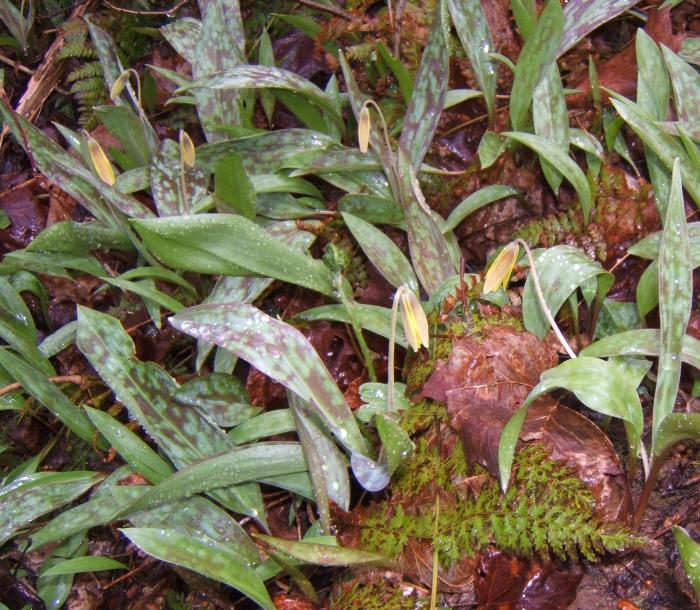
Trout Lily, also known as Dog’s Tooth Violet or Yellow Adder’s-tongue
~
For the next months, I harvested leaves and roots and nuts and berries. I chopped greens. I boiled, simmered and sautéed. I competed, unsuccessfully, with squirrels for hazelnuts. I scraped gum from spruce trees and peeled wild sarsaparilla roots. And, of course, I ate my fill of raspberries, blueberries, dandelion greens, fiddleheads, samphire greens, orach leaves and apples. From my own garden, I harvested rhubarb and herbs, onions and tomatoes. I visited Farmers Markets and roadside stands, sampling the best local produce in the world. I stirred memories from my own family history, recalling days when my dad kept bee hives and when my mom and I went blueberry picking. Really doesn’t sound like work, right?
~

salad ingredients from the garden and market
~
And then I wrote. And did research about the edibility of plants. And wrote some more. And did lots of pencil drawings. As I wrote, I consulted my Floras of New Brunswick and Nova Scotia. I completed my project with a manuscript of 135 poems and 29 pencil drawings. I submitted my manuscript to artsnb in October 2012.
~
2013
For me, the writing is only part of the process. I try to read my poems as often as possible, and I submit regularly for publication. For the ‘growing and gathering’ project, I read poems at eleven events and submitted poems to 12 literary journals. I had some success and, of the poems in the book, twelve have been previously published in seven literary journals. I also submitted the manuscript to the New Brunswick Writers’ Federation writing contest in 2013, winning Honorable Mention. Now that all sounds like work!
~

Orach growing among the rocks at the upper end of the Minister’s Island causeway
~
2014
From the beginning, I knew I wanted a published book of the ‘growing and gathering’ poems. So in 2014, after revisions and paring the poems to a reasonable book length, I began to submit to publishers. I submitted to three publishers and received three kind rejections. Then, in the fall of 2014, at the New Brunswick Writers’ Federation WordsFall, I met Keith Helmuth and Brendan Helmuth of Chapel Street Editions in Woodstock. They were interested in publishing books about the natural and human history of the Saint John River and I wondered if they might be interested in my book. I sent them my manuscript and soon began one of the best partnerships of my life.
~
2015 – 2016
During the last months, Keith and Brendan have worked to prepare my manuscript for publication. I have read every poem 20 times, revisited sources, squinted at Latin names to make certain they are spelled correctly and considered every comma and every line break.
~
Within a few weeks, my poetry book, within easy reach, will be a reality. When I first hold the finished book in my hands, I know I will be experiencing a milestone in my life. I will probably melt into a puddle. And the work will not yet be done! Ahead of me are readings and marketing and signing copies. I hope the rooms where I present my book are crowded with people eager to buy and read, but I know there may be places where I will be hoping a lone bystander will purchase a copy.
~
From beginning to end, my book has taken almost six years to complete. This may sound a bit daunting for a new writer reading this, but it is also encouraging. Your goal, like mine, may be publication. But it may also be to create a body of work representative of your life as a writer. My experience shows that every line, every paragraph, every poem you write, is part of a path towards your goal, whatever it may be. ‘A writer writes.’
~
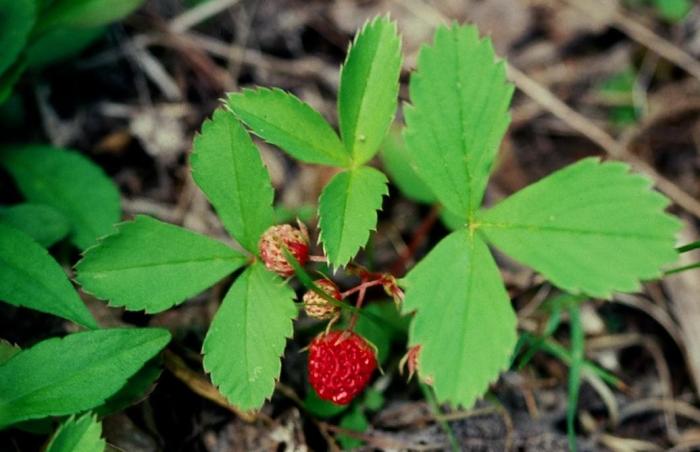
wild strawberries at our lake property
~
Copyright 2016 Jane Tims
in the shelter of the covered bridge – manuscript completed!!

~
Last year, in the competition of April 1, 2015, I was awarded a Creation Grant from artsnb (The New Brunswick Arts Board). The award was to create a manuscript of poems about plants and animals living in the shelter of covered bridges in New Brunswick.
I have now completed the manuscript and am ready to submit my final report. During the project I visited 28 covered bridges in the drainage basin of the Saint John River and 5 in Charlotte and Westmorland Counties. I was also able to use the notes and records from my visits to some covered bridges in 1992.
~
The final manuscript includes 81 pages, 8 new drawings, and 63 poems, organised into five themes:
liminal spaces – 8 poems about bridges as places of transition and change
notch of a lily pad – 10 poems about the covered bridge as habitat
grit of a blade – 9 poems about engravings and graffiti produced by human visitors to the covered bridge
a blade of grass between thumbs -10 poems about mysterious discoveries in covered bridges
heads of timothy – 6 poems about encounters at the bridge
gaps between boards – 10 poems about deterioration and loss due to vandalism, fire and flood
a loose board rattles – 10 poems about the sounds resonating in a covered bridge
~
Many thanks to artsnb for helping me in the making of the manuscript and for the chance to undertake such an enjoyable project!
~

Copyright 2016 Jane Tims
‘within easy reach’ – why did I write these poems?
Later this spring I will have a book of poems and drawings in publication – ‘within easy reach’. The poems and art in the book are about gathering local, mostly wild, foods. I have been fortunate to work with a wonderful publisher, Chapel Street Editions, interested in books about the natural history, human history, and cultural life of the St. John River Region of New Brunswick, Canada. http://www.chapelstreeteditions.com/about_chapel_street_editions.html
~
As a botanist, I loved making this book. Identifying plants is a skill learned in university and during years of enjoying the out-of-doors. Many of the plants are found on my own property, but my husband and I travelled throughout the region to find some species. We found edible trout lily along the banks of the Dunbar Stream, salty orach on the beaches of Saint Andrews, and dangerous-to-eat water dragon in a wetland on the Renous highway. On our own property we tried to out-smart the squirrels for hazelnuts, tapped twelve trees for maple syrup and discovered partridge berries growing in the woods behind our house. As you can see, part of my enthusiasm for the subject is about spending time with my husband!
~

~
I also did a little time-travelling to write these poems. Although most of the plants I write about are found in the St. John River Region, I looked into my own past to remember some edible plants in other parts of Canada. This included eating cactus berries on the Alberta prairie, buying cloud berries from children along the Trans-Canada in Newfoundland, and picking blueberries with my Mom and Dad in Nova Scotia. I also looked to the diaries of my Great-Aunt to get a glimpse of the growing and gathering habits of an earlier generation.
~
I am sure many of my poems will echo memories of your own experiences with local foods.
~
Eating near to home has so many benefits – these foods are often free and have not travelled far to your table. Many wild foods go unharvested although they are ‘within easy reach’. Just think of those apples in the abandoned orchard at the edge of town, the dandelion greens on your brother’s lawn, or the choke-cherries growing along the fence down the road. Although you should use care when eating wild foods, many are easy to harvest and can add variety and taste to your meals.
~

~
In my next post, I’ll say more about why you might enjoy reading my book. And very soon, I’ll be starting a count-down on my blog to let you know how many days you have to wait until publication. I’ll have a contest and a give-away. Shameless self-promotion!
~
Copyright Jane Tims 2016
‘within easy reach’
This spring, I will celebrate the publication of my first book of poetry!
~
‘within easy reach’ is a result of my 2012 project ‘growing and gathering’ supported by artsnb (the New Brunswick Arts Board). The poems focus on harvesting and eating local foods, especially wild foods. My book will be published by Chapel Street Editions, Woodstock, New Brunswick.
~
The book will include about sixty poems as well as some of my black and white pencil drawings. These are poems about picking blackberries and blueberries, eating coastal favorites like goose tongue greens and samphire, buying smelts from a truck at the roadside and fishing for landlocked salmon. Every poem is based on a personal experience of harvesting and using local foods.
~
During the next few posts, I will tell you more about my book and its poems and drawings. I can’t wait to show it to you!
~

‘fiddleheads’ – a wild food eaten every spring in New Brunswick
~
Copyright 2016 Jane Tims
in the shelter of the covered bridge – drawings
As I complete my manuscript of poems ‘in the shelter of the covered bridge’, I am also working on the drawings to accompany the text. I have made a list of the visuals presented in the poems, so I have a specific idea of what drawings I need. Many are completed since I have a large portfolio of bird drawings, for example …
~

~
Others are still to be done. This morning I completed a rather delicate drawing of the two kinds of roses growing beside the Darlings Island Covered Bridge and captured in my poem ‘tangle’.
~

~
I love to draw. For me, it is like watching a movie as I see my hand lay pencil marks on paper. It is not a calm activity. Perhaps because my hand and arm are moving, I get quite agitated when I draw and I imagine my blood pressure rising as the work progresses.
~
In order to have a body of work to choose from for the final manuscript, I aim to have more than forty drawings. I have completed nineteen. Lots to do !
~
Copyright Jane Tims 2016
writing a novel – professional editing
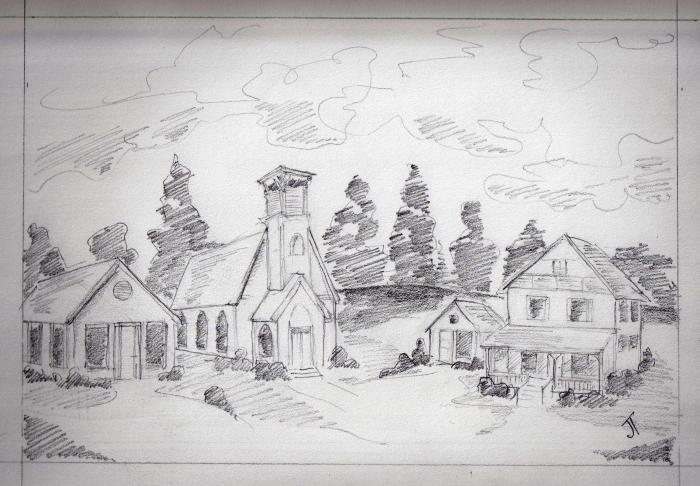
‘a writers’ retreat’
Jane Tims, November 29, 2012
~
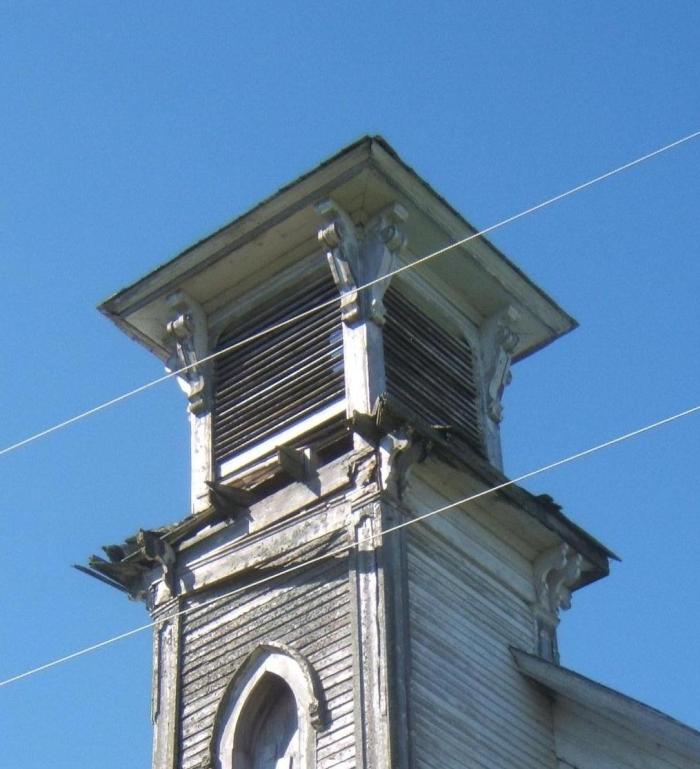
Remember my first novel? – ‘Saving the Landing Church’ aka ‘Open to the Skies’. The book is the story of how a woman tries to preserve an abandoned church with unexpected consequences for herself and for the community. The setting of the novel is a writers’ retreat in rural New Brunswick.
~
I began the book three years ago and worked on it, on and off, for a year. Since then, I have been working on two more novels in the series: ‘Crossing at a Walk’ and ‘Shore to Shore’.
~
In the last year, I sent ‘Open to the Skies’ to three publishers. Eventually I heard back from each one: ‘interesting but does not meet our publishing needs’. Disappointing but expected. However I intend to accomplish my goal of getting my novel published!
~
~
I decided to take another step and ask a professional editor to look at my novel and offer comments. I hired Lee Thompson of ‘Lee Thompson Editing +’ ( http://leethompsonediting.com/ ) to read my book and comment. I knew Lee from his role as Executive Director with the New Brunswick Writers’ Federation and took him up on one of the editing specials he occasionally offers. Lee read my novel and provided me with chapter-by-chapter notes about dialogue, plot pace and voice. He helped me most by pointing out areas where he felt characters were not contributing enough to the story.
~
The following is my commentary on Lee’s editing services:
One of the hardest aspects of writing is overcoming subjectivity. Hiring Lee to read and assess my novel helped to overcome this problem since Lee is not only a skilled editor, but is able to provide his comments in a way that encourages a writer’s objectivity. Lee provided a chapter-by-chapter analysis of my novel, including his assessment of what worked, what didn’t and suggestions for improvements. First, I knew by his synopsis that he had read the novel thoroughly and understood what I was trying to achieve. His comments on dialogue, plot pace and voice were specific and not only improved this book but helped me to look at my writing in a new way. Most important, his insightful thoughts on gaps in the story led me to discover story areas and directions that had previously eluded me but waited just below the surface to be discovered. Thanks to Lee I am now in the last stages of a final draft and almost ready to submit the novel to some of the publishers he suggested. I have realized that obtaining the services of a professional editor is one of the most important steps a writer can take – Lee’s confidence and skill made this part of the process painless and productive!
~
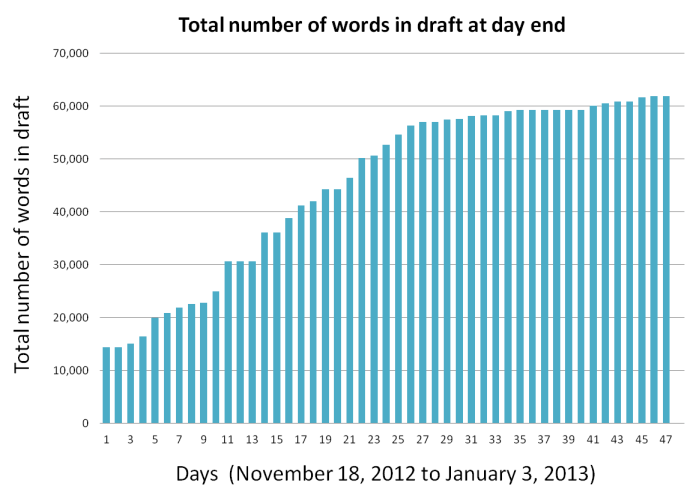
I am realising that writing a novel is a story of its own, consisting of many parts, each with its own consequences:
~
- First ideas about story and plot – a place to begin
- First Draft – the novel takes shape
- Second Draft – revision
- Third Draft and so on – more revision
- Beta Reader – someone to cast a reader’s eye on the draft and provide feedback
- Professional Editor – someone to cast an editor’s eye on the draft and provide feedback
- Publisher – someone to read and reject the novel
- Publisher – someone to read and accept the novel for publication
- Readers – someone to read the words and discover the story
~
~
Copyright 2015 Jane Tims
in the shelter of the covered bridge – update
Although my blog has been a bit silent this fall, I have been working! Among other projects, I am making great progress on my poetry manuscript ‘in the shelter of the covered bridge’.
~

~
To provide experiences and inventory the plants and animals living in and around covered bridges in the province, my husband and I have visited 28 covered bridges in the drainage basin of the Saint John River and 5 covered bridges in Charlotte and Westmorland Counties. I have a few more bridges to visit, but to give a little seasonal diversity to my project, I’ll travel to these in early winter.
~

Reading at WordsFall 2015, an annual event of the New Brunswick Writers’ Federation (photo by WFNB)
~
As a result of these bridge visits, I’ve written 60 poems. I read five of these last weekend at two writers’ events: WordsFall (Writers’ Federation of New Brunswick http://wfnb.ca/ ) and Odd Sundays (a monthly Fredericton reading event). The poems include the results of my work on different poetic forms – in the manuscript I have examples of the sonnet, ghazal, haiku, tanka and villanelle.
~
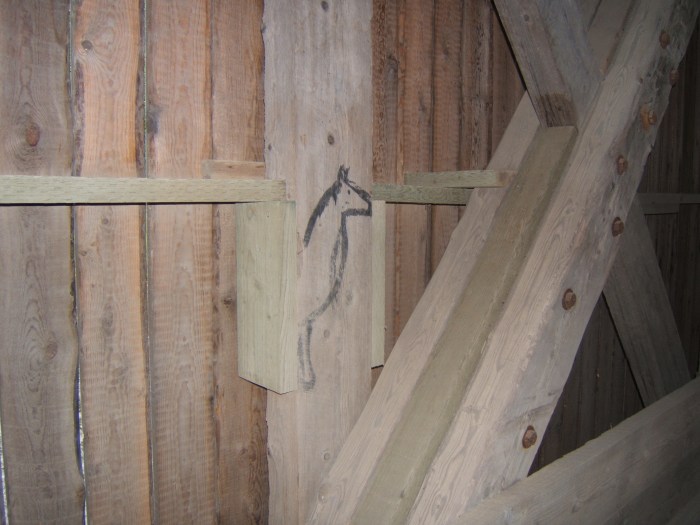
black horse painted in the Quisibis River Covered Bridge (Pont Lavoie)
~
As I develop the manuscript, and to help organize the poems, I have sorted them into categories:
- gaps between boards (deterioration and loss)
- liminal, shore to shore (transitions)
- grit of a blade (carvings and history)
- notch of a lily pad (habitat)
- a blade of grass between thumbs (mystery)
- heads of timothy (miscellaneous)
- a loose board rattles (sounds)
~
Writing these poems has given me a glimpse into the living world of the covered bridge. We may cross a bridge daily but it takes a little time to know a bridge and discover the life there. Most of the animals living in or around a covered bridge are timid or hidden, and avoid human contact. The plants provide the setting for the bridge but there is a pattern to the places they grow and some will only be seen if visitors to the bridge slow down. And carved in the beams are the stories of the humans who have been part of the history of the covered bridge.
~

Baker Brook #2 Covered Bridge – a deer and a crow are watching us from the hay field
~
Copyright 2015 Jane Tims
places for writers … writing workshops – part two
Sometimes the ‘place’ experienced at a writing workshop is the local area, the community where the workshop is held. I wrote this poem in 2014 after a writing workshop at WordSpring in Saint Andrews (New Brunswick) …
~

‘oak leaves and acorns’
~
encounters
~
on a windy night
in Saint Andrews, a toad
out of place, hop-toddies across
the street
~
also, on Prince of Wales, a deer
pauses on the sidewalk, stares
up the hill, and I hesitate
before driving on
~
in the Algonquin, a light
switches on, in the room I know is mine
and a couple huddles on the hotel porch
their attitude more suited to summer
than a night when leaves skip
mottled across the street
~
~
Previously published in ‘writing weekend’, June, 2014, http://www.nichepoetryandprose.wordpress.com
Copyright 2015 Jane Tims




 nichepoetryandprose