Posts Tagged ‘writing process’
writing a novel – wearing red shoes
~
So the poet has decided to write a novel…
~
Title: unknown
Working Title: unknown
Setting: an abandoned church (in part)
Characters: main character a writer (not a very successful writer) who spends a lot of time at some other creative endeavor, loves to wear red shoes
Plot: unknown
~
Almost five years ago, I went shoe-shopping in Halifax. This sounds OK until you realise I have only been shopping for shoes about eight times in my adult life (I’m 58). I buy shoes to last – sensible, good leather, well stitched, usually Clarks but occasionally Naots. I was started on this path by my Aunt who said I should only ever wear the most comfortable shoes available. She often brought me a pair of Clarks after one of her visits to England.
Since those days, I only wear sensible, very comfortable shoes. I also wear one pair of shoes for everything. Since I retired in May, I have been wearing sneakers most often, but my leather shoes go with me to church, work, university classes, writing workshops, botany excursions, walks on the beach, everywhere. Mud or hardwood floors, it’s all the same. Friends have made fun of me for overwearing and outwearing my shoes.
At the shopping trip in Halifax, I bought a pair of sensible Naots and these have been my everyday shoes ever since. But that day, I also fell in love with a pair of red leather Clarks. They were a little tight, but I thought, they’ll stretch. Five years later, they havn’t stretched because I’ve only worn them about three times. They are too small. My husband says I was a fool to buy a pair of shoes too small, even if they were a beautiful red.
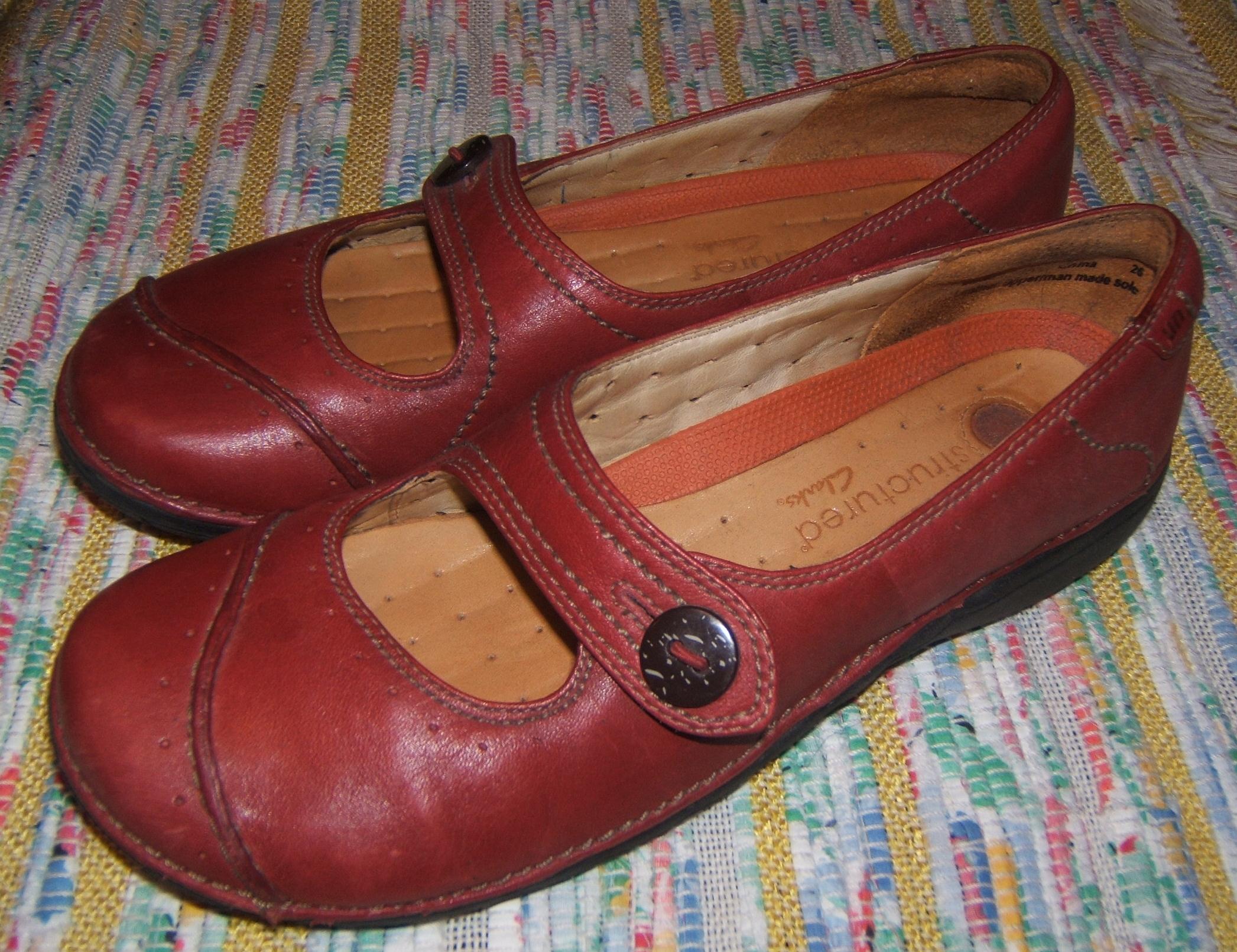
So, if I can’t wear my beautiful red shoes, my main character in my book will wear them instead.
Red shoes. A use of symbolism to support an underlying theme. In the The Wizard of Oz, the 1939 film, Dorothy wore ‘ruby slippers’ to get back home, where she desperately wanted to be. In the book, The Wonderful Wizard of Oz by L. Frank Baum, 1900, Dorothy actually wore silver shoes!

the passage in The Wonderful Wizard of Oz where Dorothy gets her silver shoes
In Hans Christian Andersen’s rather macabre fairy tale The Red Shoes, an enchanted pair of red shoes causes a girl to dance to her doom. Early in the fairy tale, she gets in trouble for obsessing over her red shoes while wearing them in church. There is also a 1948 film, The Red Shoes, based on the fairy tale, about a ballet dancer who is torn between wanting to be a ballet dancer and wanting to be with her lover.

two books of fairy tales by Hans Christian Andersen
In my novel, my main character will want something desperately (not to get to Kansas, or to dance, or to be a dancer, but something important to her). Her red shoes are a symbol of her willingness to face all sorts of consequences to achieve her goal.
~
Copyright Jane Tims 2012
writing a novel – why couldn’t I invent a ‘character generator’?
~
So the poet has decided to write a novel…
~
Title: unknown
Working Title: unknown
Setting: an abandoned church (in part)
Characters: main character a writer (not a very successful writer) who spends a lot of time at some other creative endeavor
Plot: unknown
~
Characters are the stuff of novels. I am sure someone has written a novel without characters, but for me … no character, no action … no character, no growth …
The characters in my novel were not in my head before I started writing. Once I knew a little about my setting, I began to write and the characters began to suggest themselves.
A lot of writers have said this to me. Begin the story, and the characters and plot will start to unfold. Stephen King says (in Chapter 4 of his book On Writing – A Memoir of the Craft, Scribner, 2000): ‘Stories are relics, part of an undiscovered pre-existing world.’ So, with not much more than an idea for the setting, I began to write.
My main character emerged as I started to write about the setting (the old abandoned church). I like to write in the first person, so this character was immediately ‘I’. But, of course, this does not mean my protagonist is ‘me’.
Before I had written three pages, I knew my main character, the ‘I’ in my book, wanted desperately to be a successful writer. But she (still not ‘me’) was also noticing things in the setting that showed she was doing something else with most of her time. Whether she admits this to herself or not in the book, it will be revealed to the reader. Or perhaps a clue is contained within this post…
So, I have my main character. But what about the other characters? Why couldn’t there be a tool for writers called the ‘character generator’, a simple device a writer could use to build the basic characters. Get the characters and the story writes itself, correct???
My ‘character generator’ would look a little like one of those oragami-type fortune-tellers we used to make in school. A number was chosen, fingers flopped back and forth and some ‘secret’ was revealed.

My character generator would be similar, only it would tell the color of the character’s hair, perhaps if he or she was timid or brave, and what sort of work she or he would be good at… a very three-dimensional character… well, it’s a start…
So you think this idea is too ridiculous for words??? Did you know (I discovered this from reading Stephen King’s On Writing ), in the 1920s a writer named Edgar Wallace is credited with creating a Plot Wheel. When a story-teller came to an impasse, all the writer had to do was consult the Plot Wheel to see what should happen next. Once the wheel was spun, the writer could read the result… perhaps one result would be ‘heroine tied to railroad track’ or ‘heroine rescued’… Since then, I suppose many computer-based plot generators are available. I think I will discard my idea of a simple ‘character generator’.

So, now I have a main character who is a writer, but who spends most of her time in some other creative endeavor than writing. Perhaps this is where her real talent lies, or perhaps it is a ‘diversionary activity’. Perhaps she is just using this to avoid facing her fear of never becoming a successful writer.
You see, ‘I’ is not ‘me’.
Copyright Jane Tims 2012

writing a novel – getting started
~
So the poet has decided to write a novel…
~
Title: unknown
Working Title: unknown
Setting: an abandoned church (in part)
Characters: main character a writer (not a very successful writer)
Plot: unknown
~
Before beginning my novel, one of the steps I have taken is to read several books on how to write a novel. This is not because I believe a novel can be written if you just follow some rules. I do want to think about how the novel is constructed and to hear what successful novelists say about their craft.

I have been reading various perspectives on writing the novel and I will talk here about three of these:
1. Stephen King, On Writing – A Memoir of the Craft (Scribner, 2000).
Though I don’t usually seek after the horror genre in books, Stephen King has my admiration for his ability to take you ‘deep into story’. I can’t think of another passage as well done as his description of the running topiary figures in The Shining (Doubleday, 1977), or his chilling account of a father trying to save his son from running into the road in Pet Sematary (Doubleday, 1983). His book On Writing is, itself, highly readable, and contains excellent advice for a writer. I’ll try to pay attention to his cautions about adverbs (she said resolutely) and about using the passive voice (the parishioners abandoned the church, not the church was abandoned by the parishioners). He also says I have to ‘stand in the corner’ if I use the phrase ‘at this point in time’.
~
2. Phyllis Whitney, ‘Guide To Fiction Writing’ (The Writer, Inc. Publishers, Boston, 1982).
Phyllis Whitney’s Thunder Heights (Appleton-Century-Crofts, Inc., 1960) was among the first adult mystery novels I ever read and in my early twenties, I devoured her books. I read her every chance I got, often while everyone thought I was studying. The interesting thing about her Guide to Fiction Writing is how different writing is today. The Guide suggests extensive planning of the novel, working out outline, plot, and characters in labelled sections of a binder. I had to do this for my first book, since it nearly drove me wild trying to remember when such-and-such occurred and whether my character was wearing a pony-tail or not in the chapter before. However, at this point in time [get in the corner, Jane], everything can now be put in a single computer file! And blessings on Word and the ‘Find’ search feature. The advice I have taken from Phyllis Whitney? – do a detailed word sketch about each of your characters. I have done this with my present cast of characters and I believe knowing how the characters will behave in various circumstances helps the story write itself.
~
3. John Braine, ‘Writing a Novel’ (McGraw-Hill, Inc., 1974).
Although I have yet to read a novel by John Braine, I love his no-nonsense approach to giving advice. He says not to write a novel if you are ‘married or permanently entangled’, and suggests a first novel ‘shouldn’t be written much before the age of thirty’. Also, he absolutely advises against making the main character a writer. Bad luck for me, I have decided my main character will be a writer, although not a particularly successful writer. Braine does have advice I plan to take. In particular, he presents the following sentence: ‘he got up, went downstairs, and hailed a taxi’ … he says, ‘test every sentence against it; if any has that same flat, dead quality, rewrite or cut it.’
~
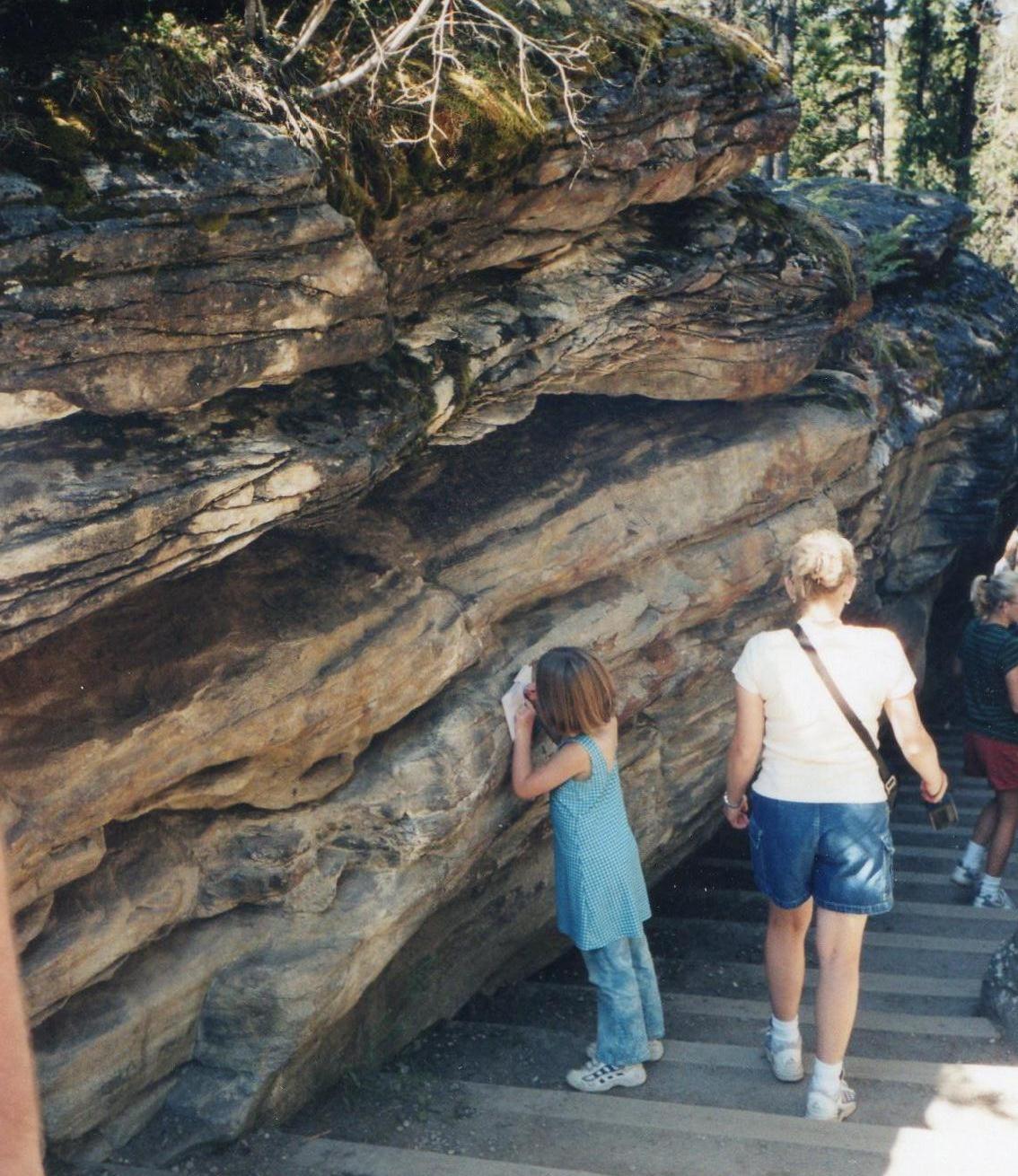
a born writer – a young girl, writing about her experience at the Falls, on any surface she could find – I snapped this photo at Athabasca Falls in Alberta in 2003
And so I am writing my novel with the best advice… and now you know my main character is a writer… but what else will I have her be?
~
Copyright Jane Tims 2012
writing a novel – selecting a setting #1
~
So the poet has decided to write a novel.
~
Title: unknown
Working Title: unknown
Setting: evolving
Characters: unknown
Plot: unknown
~
The setting was my first consideration as I started to think about this project. After all, I am very interested in ideas about ‘place’ … my blog is about occupying ‘place’ and the concept of the ‘niche’, the perfect space for living.
The books I love to read and re-read have a strong sense of place. Consider the ‘Martha’s Vineyard Mystery’ series of books by Philip R. Craig. One of the enjoyable aspects of this series of books is the setting on Martha’s Vineyard. Book by book, the reader grows to know the various places where the action occurs. The reader can also follow along on a map. The island is a perfect place for a story to unfold since there is lots of diversity in the landscape and everyone loves the ocean!

Another series of books I love are the ‘Fran Varady Crime Novels’ by Ann Granger (Headline Book Publishing, London). The setting for these books is London. The series unfolds as Fran evolves from being a squatter in a condemmed house, to a respectable tenant in a flat with a small garden. Place is a strong component of the books and the reader encounters various areas again and again, some dangerous, some spooky, and some as safe as home.

As I try to think of a setting for my book, I am remembering the old saw, ‘write what you know’. So, there is no question, the setting for my book will be rural New Brunswick.
I want to create a fictional setting within the landscape I know so well. I also want a setting with some diversity. I want my readers to enjoy encountering the characters in their spaces in this novel, and perhaps in other books. I want to include elements of place which can both inspire and invoke memory.
One of the places I want to include in my setting is an old church. I have written before in my blog about the plight of abandoned churches (see the post ‘sacred spaces’ for September 14, 2011, under https://nichepoetryandprose.wordpress.com/2011/09/14/sacred-spaces/).
Some of these abandoned churches fall into disrepair and gradually vanish from the landscape…
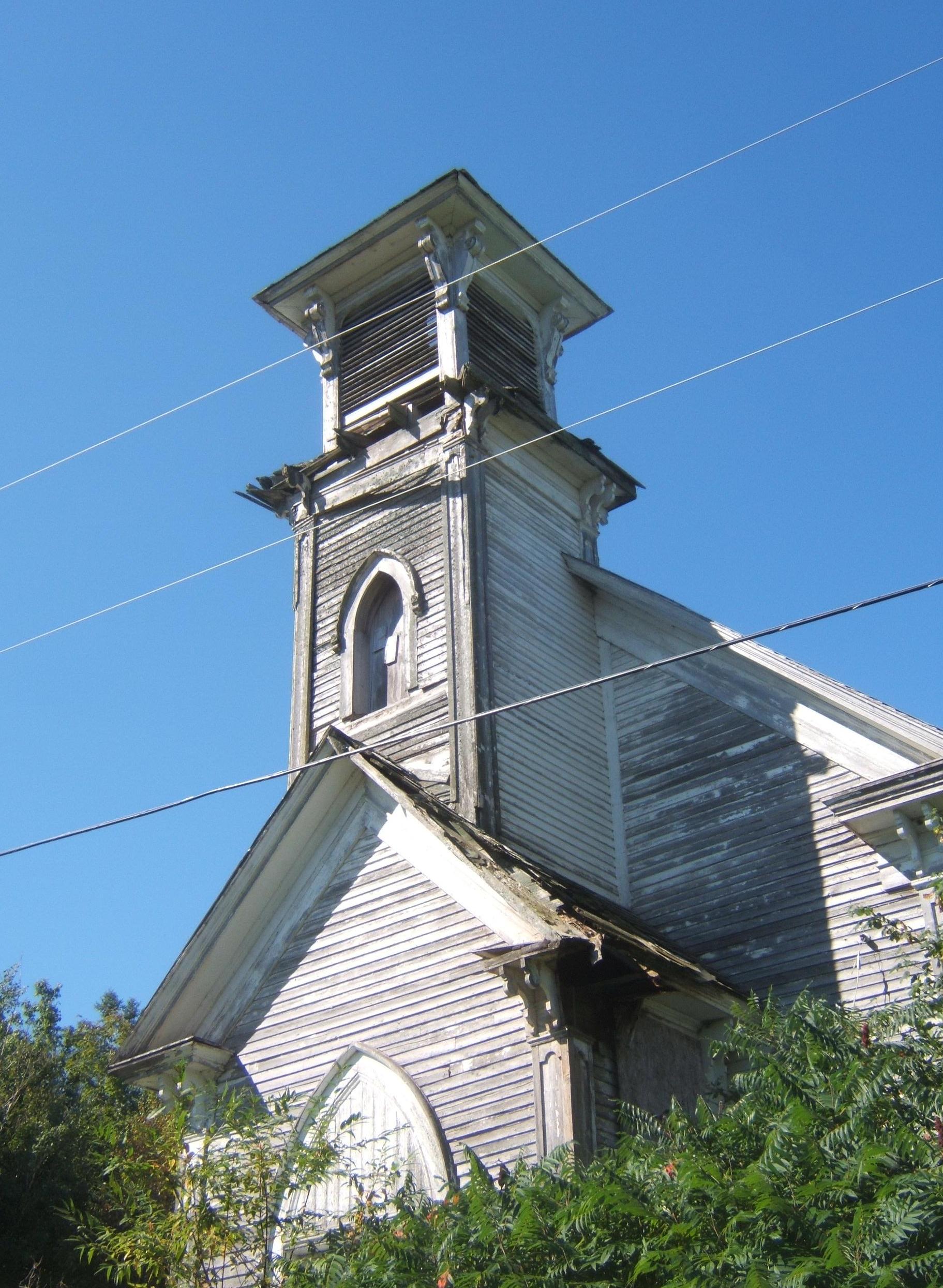
Some are maintained as historic sites or as useful buildings on private property…

Some are refurbished into homes…
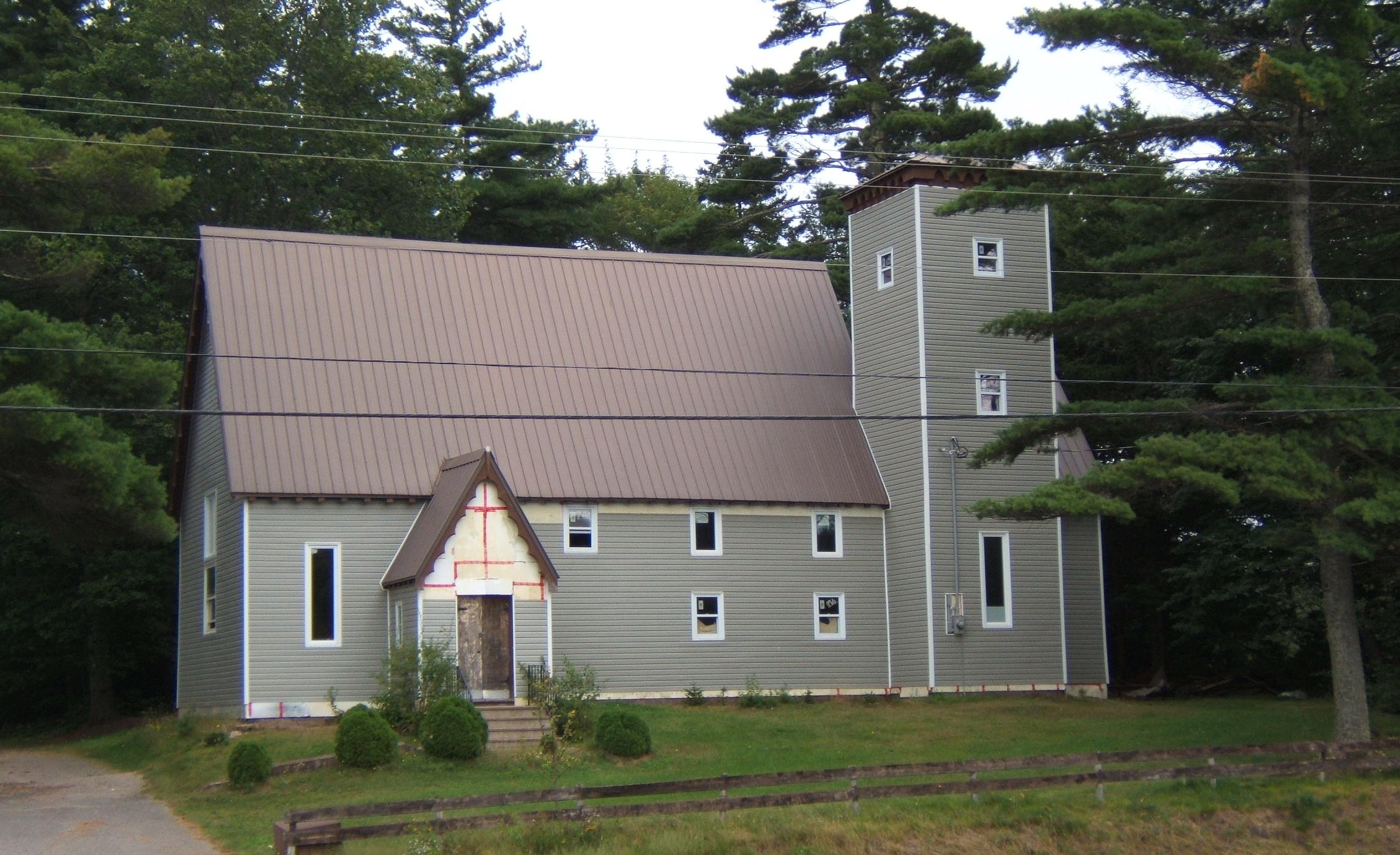
or even businesses…

Don’t you agree, an abandoned church would be an ideal element of the setting for my book?
~
Copyright Jane Tims 2012

a poet … writing a novel
As you may know, my manuscript of poetry on ‘growing and gathering’ local foods is completed (see the page ‘awards and accomplishments – completed my Creations project!!!, November 1, 2012’ under ‘about’).
Now, I have about six months before I can begin the next poetry project I have planned. I have to wait until spring because the new project also involves plants and uses of plants. And, of course, spring and summer are the best time to pursue this subject. In the meanwhile, during the fall and winter, I have decided to work on a different kind of writing project. I want to try my hand at writing a novel. I have written novels before (nothing published), so I have a little experience.

a stack of my Rough Books
I know how different writing a novel and writing poetry are, and yet there are similarities. Both forms of writing are creative, both seek to use words well to convey ideas, both require vetting before a writerly audience, and both need the energy of the edit. I also think both benefit from a little exposure before completion. So I have decided to bring my novel-writing project to my blog.
When I worked on ‘growing and gathering’, I benefited greatly from being able to explore my ideas on-line. I found both the writing practice, and your comments and ongoing readership, very helpful.
Since I want to publish the novel when I complete it, I will be careful to publish only a small percentage of the story on-line. I also want to maintain suspense, so I will not reveal too much of the plot. However, I will explore where some of the ideas for the book originate, a little about characterisation, and something about the process as the book evolves into being.
During this month, I have been taking a course called Writing Life Stories from a friend and writing coach, Deborah Carr (for her beautiful website ‘Nature of Words’ and information on taking her Writing Workshops, see http://www.natureofwords.com/ ).
Deborah has helped me to understand the basic ‘three’ of all stories… a story tells us:
1. someone wants something
2. how they reach for it
3. the result
When I think about the story I want to tell, I will also follow this simple path…

Copyright Jane Tims 2012
revisions
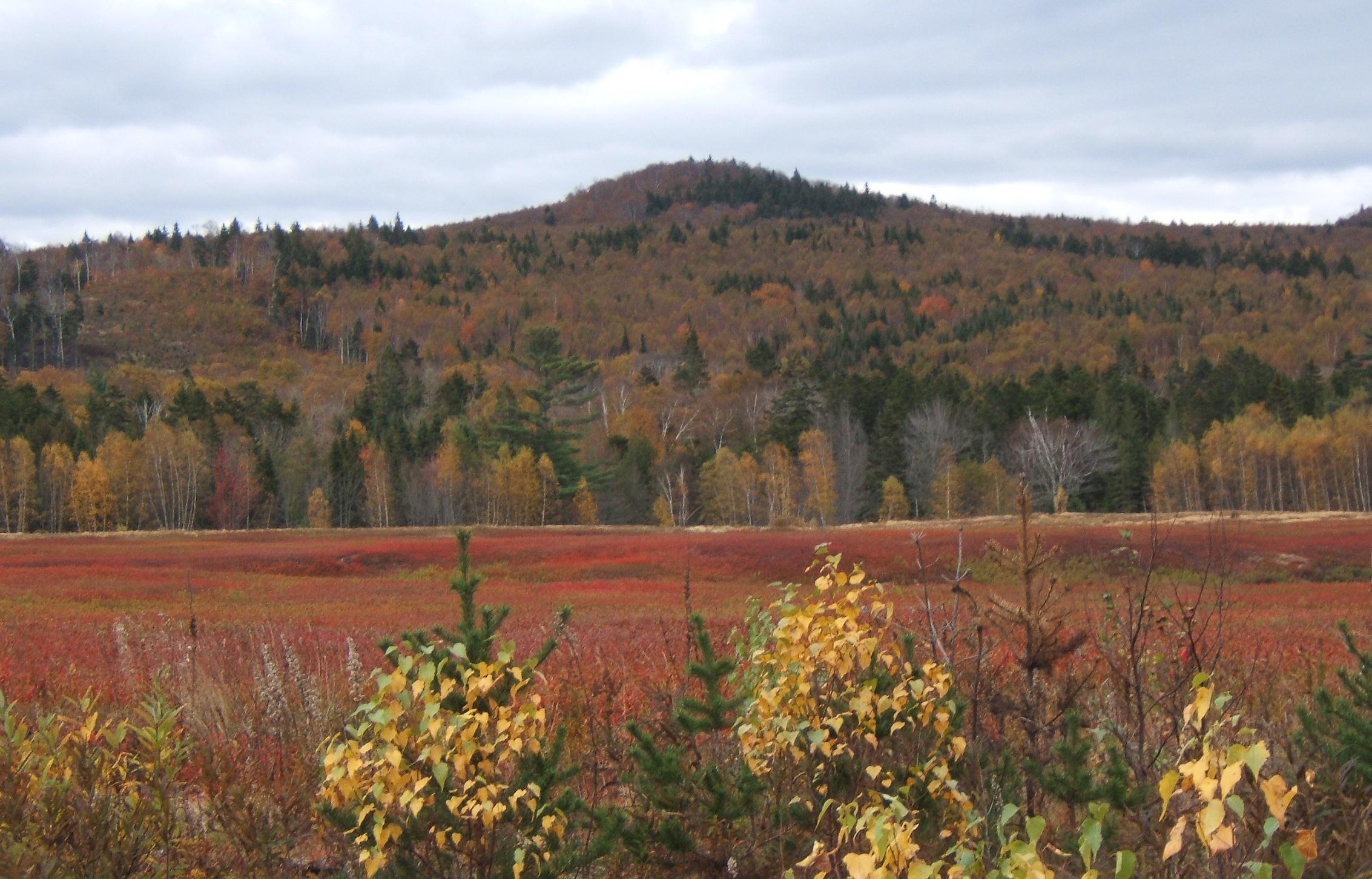
Yesterday was a very windy day. Some leaves have survived the gusts of wind, but not many. It has been a short drama of color this year, with only a few acts remaining. The maples still have some leaves, the poplars are just turning yellow, and the oak is only now losing its green.
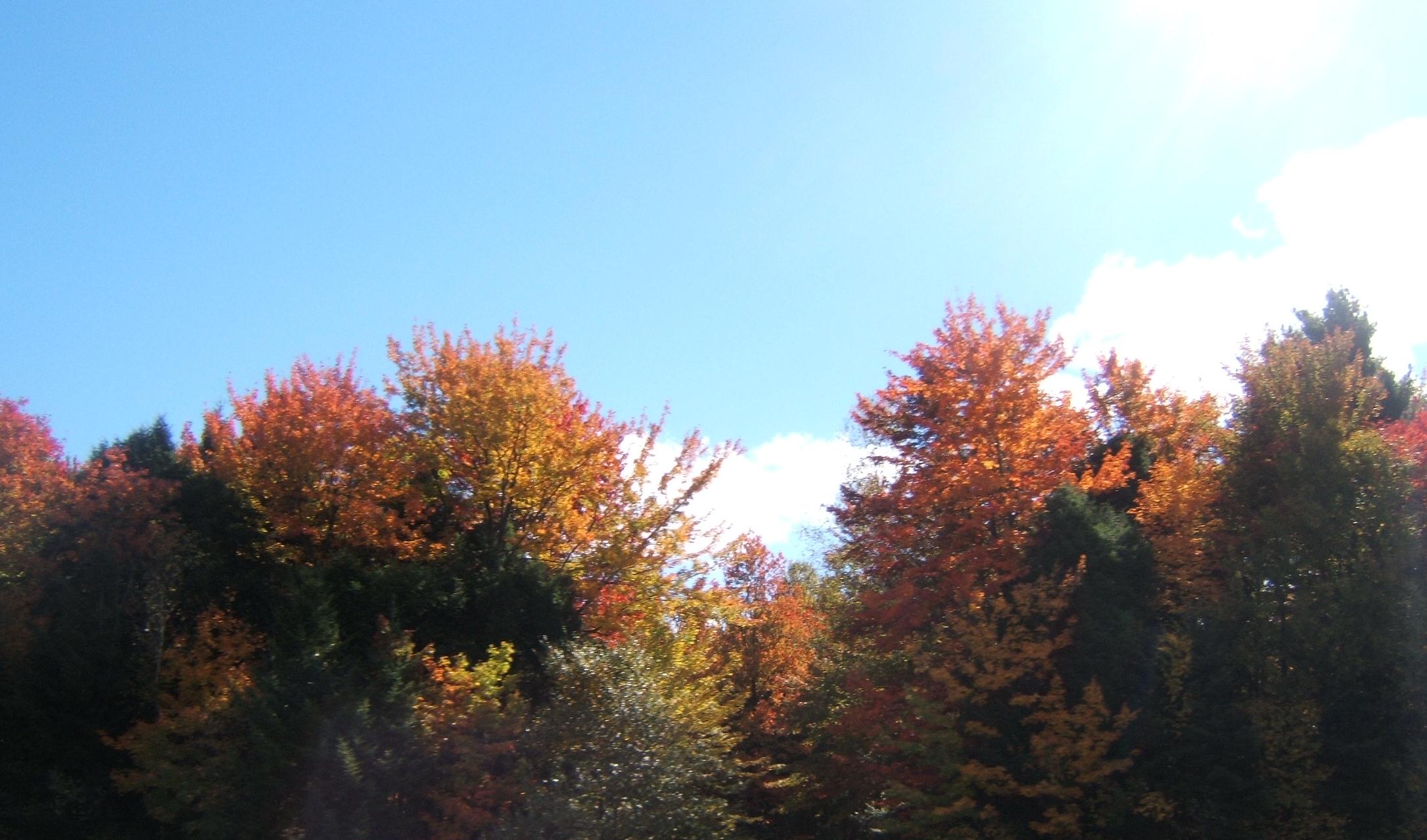
While the wind was blowing, I was at my desk, revising some of my poems. It is my least favorite phase of writing poetry. I love the beginning, the first ideas fluttering around in my head, and put to paper. The page at this point is a confused mass of words and phrases, squiggles and arrows. I like these ‘pen and paper’ revisions. There is something about the hand-brain connection, so I write and rewrite quite liberally. By the time I commit the poem to the computer screen, it has already had five or six revisions. Once on the screen, I move things around a bit, but I print the page to do the finishing touches.

I am quite orderly about final revisions.
First, I work on what the poem is saying. This is so difficult for me, because I tend to write descriptive poetry. I have to challenge myself to add narrative, or clarify deeper meaning. Sometimes the poem gets a new title at this stage. Unfortunately, I am rarely happy with the results of this step in the revision process.
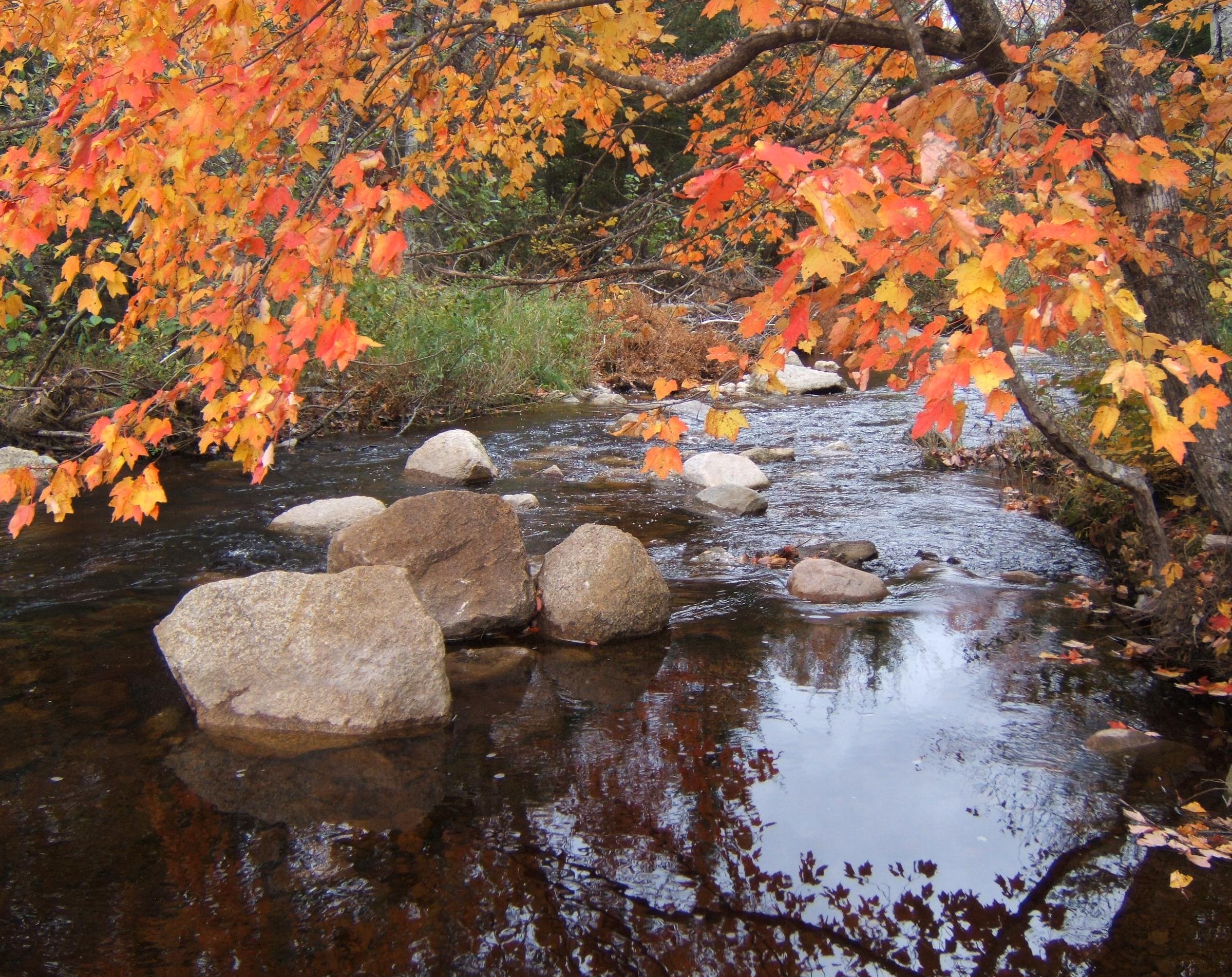
Next, I do the detailed revisions and for this, I have a checklist to follow (see ‘revision checklist for poetry’ under about)… I know my own work very well and I am prone to repeating words, using passive rather than active verbs, and using the singular when I should use the plural. I ‘press’ on each word in the poem, to see if another word will add additional meaning, improve internal rhyme, or covey a more accurate image. I count syllables … sometimes small changes will accentuate or create structure … sometimes there is little if any pattern to the poem. Lately, I am paying a lot of attention to the ends of the lines, trying to decide why I end each line where I do.
Finally, I read the poem aloud. This helps me to hear the words, and discover where the rhythm is off, and to know when to include smaller words like articles and when to let them go. Reading aloud also helps me with ‘voice’. I often shift from a child’s point of view to the technical and I have to be wary of leaving my audience in a state of confusion.
The next step in the revision process is more enjoyable. To do some final polishing, I read my poems to an audience. Sometimes this audience is a member of my family and I listen carefully to their suggestions. I especially think about bits they may not like. I also read my poems to the members of my two writing groups. They offer excellent critique and usually I make some revisions afterward.

When is a poem complete? Perhaps never. I still work on poems published years ago. I guess I agree with Oscar Wilde who said, “This morning I took out a comma and this afternoon I put it back in again.”
If you write poetry, how much time do you spend on revision? What process do you follow?
~
~
revisions
~
a violent October wind –
every tree bleeds red,
bends northward
~
my books also lean
and the pencils in their holder
the colors in the hand-blown drinking glass
~
purple lavender, scent of summer
the flowers now dry
braided with ribbon
~
~
Copyright Jane Tims 2012
two last pages to write
Once the poems are written, and the footnotes are proofread, and the poems are snug in their sections, there are still two pages to write.
The first is the Acknowledgements page. I have so many people to thank. They include all the people who have helped me along the way. These will include the members of my two writing groups, who listened to me read from my work, month after month, and who offered lots of comments and suggestions. I will also thank my writing coaches who have given me specific criticism on particular poems and have improved my writing immensely with their mentoring. I will also thank the readers of my Blog, you, who have read my writing, given me huge encouragement and a way to work through my ideas. I will also be thanking the members of my family, particularly my son… they have listened to my poems and read them and suffered through the long story of my project from beginning to end. And, of course, I have to extend a huge thank you to the New Brunswick Arts Board, artsnb, for the Creations Grant that supported me during the project.
The second page to write is the Dedication. There is no contest for this one. This manuscript will be dedicated to my husband. In spite of self-proclaimed disinterest in the world of the arts, he has listened to every poem, often in multiple versions, helped me find words when they eluded me, and suffered my elation, moping and bad moods. He has also driven me all over the country-side to find edible plants, sat through an orchid identification course, and mingled with the botanists on a couple of field excursions. He has been there in the audience at public poetry readings and never complained about the hours I spend at courses and meetings and writing workshops. He flatly refused to eat any of my gatherings and concoctions, but I believe this was so he could call the paramedics if any of my plant identifications ever proved incorrect!
For his endless love and support, this manuscript is dedicated to my husband.

Copyright Jane Tims 2012
transitions
Now, as I am finishing my manuscript of poetry on local foods, I am aware of the change this means for me. I know there will be a new project but I am not yet certain what it will be. I have many things to choose from… perhaps I’ll begin a new series of poems… perhaps I’ll write some non-fiction on an environmental theme… perhaps I’ll finish some of the paintings I have begun.
Although I like best to write, I find creative activities substitute for one another. For example, when I am not writing for an extended period of time, I am often embedded in some other creative work such as painting or sewing. Now, as I finish my manuscript, I have begun to weave on my loom. It gives me thinking time as I approach the end of my writing project, to work through the final steps in my mind. It also creates some certainty for me and provides a transition to my next project.
To me, weaving exemplifies the lure of creative endeavor. The producing requires knowledge and skill, and builds confidence. The process is relaxing and time is made available for thought and concentration. The threads and fabrics are luxurious to touch and the colors are bright and joyful. When I am finished a project, I am so proud of the resulting textile, I want to show the world.

My loom is a simple floor loom, 24 inches wide. I bought it at a country auction, about 15 years ago. My sister and I were among the stragglers at the auction, trying to outlast a heavy rain. In the corner, we saw a bundle of varnished wood and some metal parts. “I think that’s a loom,” whispered my savvy sister. When the item came up for bid, there were few left in the audience, and no one knew just what ‘it’ was. I can’t remember what I paid for it, but I know it was a bargain.
My loom and I have not been steady company. It takes forever to install the warp (I began to install my current warp in May!), and weaving is hard on my back. But the fabrics we have made together, my loom and I, are beautiful and comfortable and good for the soul.

~
~
yellow line
~
the road is fabric
weave of asphalt
ditch and yellow line
warp of guard rail
fence and heddle
~
trees in plantations
lines on the hayfield
hip and curve of the earth
weft as she turns in her sleep
~
shuttle, piloted
through landscape
and watershed
textile in folds
texture the yearn of the loom
~
faults in the granite
potholes in pavement
rifts in the fabric
where weavers might falter
revisit the work
of earlier times
~
learn the lessons
taught by the loom –
choose the weft wisely
balance the color, the texture
maintain the tension
fix mistakes as you go
~
when your back hurts,
rest
~
listen to the whisper
of weave
of yellow line
~
~
Copyright Jane Tims 2012

growing and gathering – names of edible wild plants
As I have worked on my poetry project about eating local foods, I have researched each wild plant, found it in its natural environment, and then written about it. With all this, I am exposed to the words and characteristics of a particular plant and it is never certain which way the ‘muse’ will take me when I write the poem. Sometimes, I end up creating a poem about eating local food, and sometimes, I get a poem about something else. Usually these stray poems are, in some way, about the name of the plant.
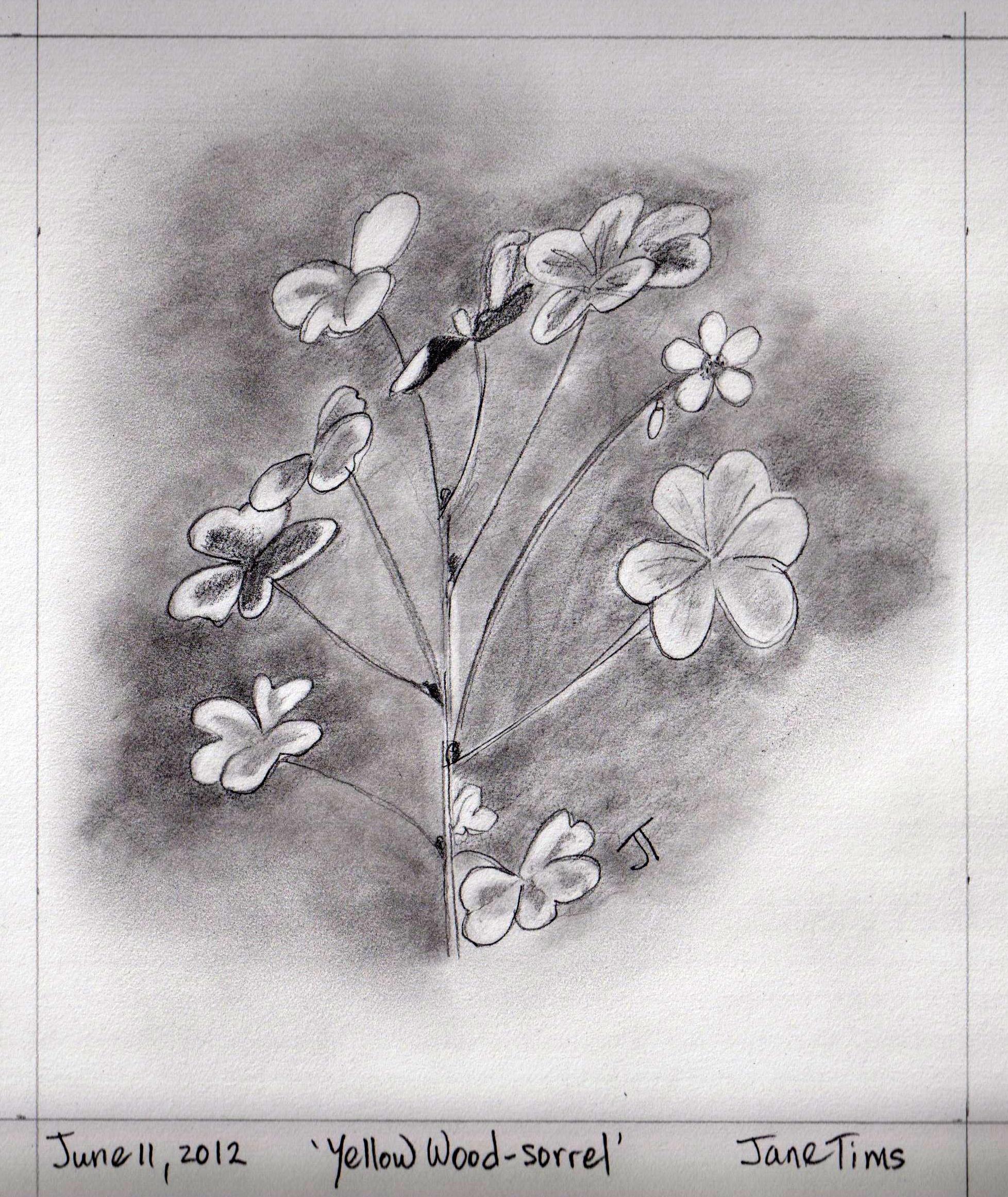
I find the names of plants are very inspiring. First is the Latin or scientific name, familiar to me after years of botanizing, but mysterious to most people. I love to find out about the origins of the name and I usually discover the name is descriptive of the plant. An example is the scientific name for Yellow Wood-sorrel (Oxalis stricta L.), a small yellow-flowered, three-leaved plant of waste areas. The name stricta means ‘erect’, referring to the way the plant grows when young or the way its seed pods are held. The word oxalis is from the Greek oxys meaning ‘sour’, a reference to the taste of the leaves.
The common names of plants are also intriguing. Sometimes these are different for each area where the plant is found. For example, the Cloudberry (Rubus Chamaemorus L.), a small relative of Blackberry with a peach-colored fruit, is known locally (and particularly in Newfoundland) as Bakeapple. Plant names may also refer to a characteristic of the plant. A good example is Heal-all (Prunella vulgaris L.), a small purple flower. It inhabits waste areas and lawns, becoming small and compact if mowed. One of its common names, ‘Carpenter Weed’, comes from this characteristic… Carpenter Weed mends holes in lawns! The name Heal-all comes from the old belief that the plant has medicinal properties.

‘heal-all’ Copyright Jane Tims 2011
So, among my collection of poems about edible plants, I have a group of poems about the plants and their names, but not about their use as local foods. I have to decide whether or not to include them in my collection, or to set them free!
~
~
Heal-all
(Prunella vulgaris L.)
~
snug Prunella, neat little weed
prim and proper, gone to seed
~
first called Brunella: gatherers found
Prunella purple fades to brown
~
a carpenter weed, busy, strong
mends bare patches on the lawn
~
heal-all, self-heal – your name suggests
an herbal secret you possess
~
~
© Jane Tims 2012
growing and gathering – years and seasons
As I work on my collection of poems about growing and gathering, I am aware of the passage of time. I am in the revision stage. This means my manuscript will soon be ‘complete’. I will worry over it and list the last things to be done. I will prepare my final report to artsnb (the New Brunswick Arts Board), the source of my Creations Grant, and send it away to them for approval.
The project will be over, but there will still be work to do. I will have to decide what poems should go in the final manuscript, re-order them a few times, do some more revisions and them send them away, to a publisher, hoping I will be able to get a book from all this work.
Then I will be at the end and facing a new beginning, a new project. I have a few to choose from, so I won’t be relaxing for long.
In all this is the dimension of time, with its deadlines and unforgiving rush forward. Even in a project about growing and gathering local foods, there are poems about time.
A number of my poems are about the ephemeral nature of local foods. Another way to think of this is ‘eating local foods in season’. In spring, everything is plentiful – new plants arrive in a rush, so fast, you can hardly keep up. Then there is the patient waiting for berries to ripen and, again, a rush… blueberries are quickly followed by blackberries and raspberries and so on. But everything has its season, so leaves become too old to harvest, and berries shrivel and fall to the ground.

This seasonal aspect of local foods can be thought of as as a metaphor for aging, and some of my poems work with this comparison. I have poems about resisting aging, and about the ailments of age including arthritis, lethargy, forgetfulness, and aging memory.
Many of my poems on the theme of ‘time’ overlap with other themes, about ‘companionship’, or changes to ‘place’. For this reason, I find myself shifting poems around in my manuscript. I ask myself if the poems flow well, one to another.
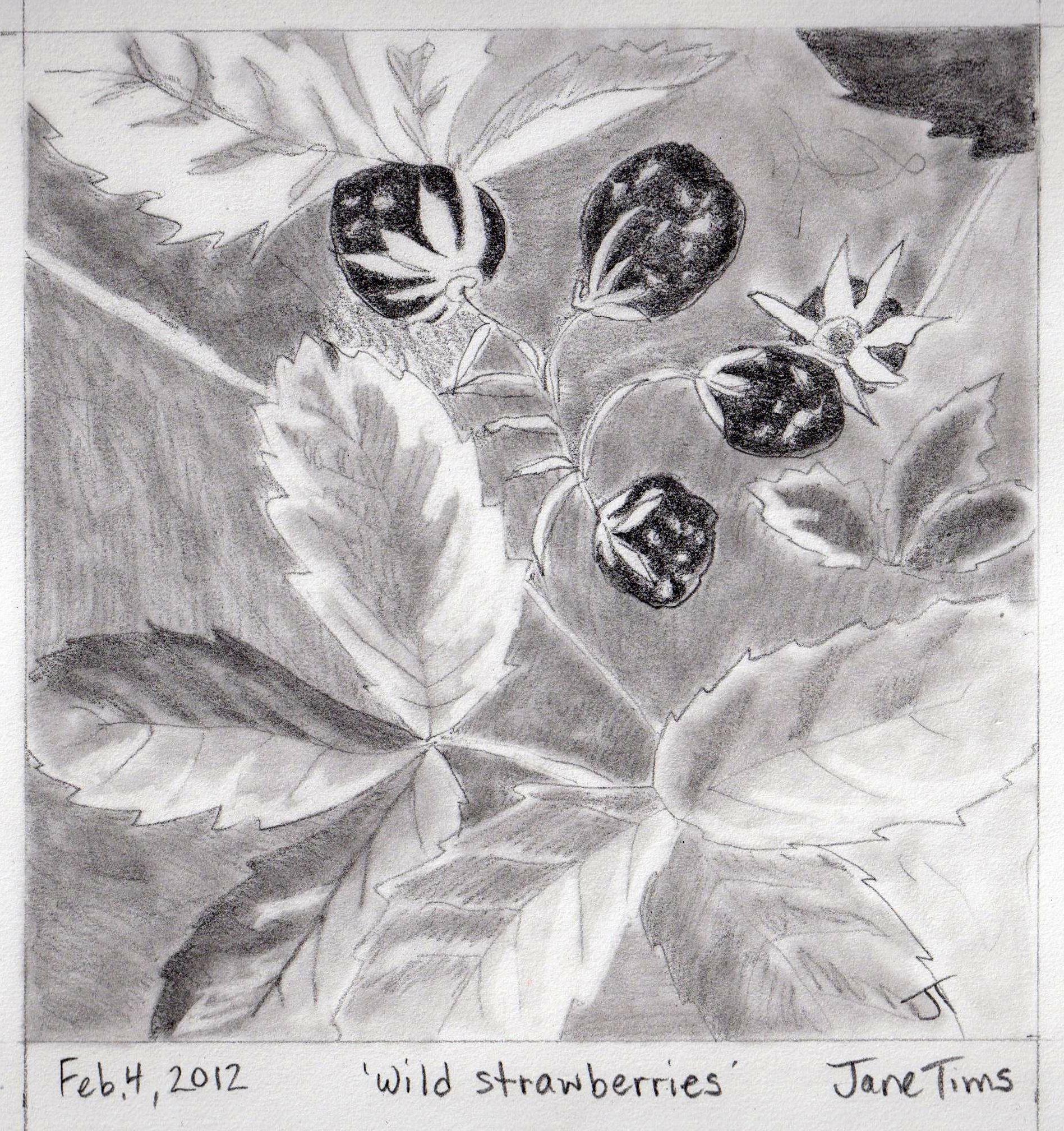
I also find I don’t seem to have many poems about the differences between our historical use of local foods and our present day use. I have lots of source material, particularly among my great-aunt’s diaries… she loved to pick berries. So away I go, to write a few more poems about time!
~
~
Old Man’s Beard
~
Usnea subfloridana Stirt.
~
you and I
years ago
forced our ways
bent through the thicket
of lichen and spruce
~
Usnea
caught in your beard
and we laughed
absurd!
us with stooped backs
and grey hair?
~
found a game trail
a strawberry marsh
wild berries
crushed into sedge
stained shirts
lips
and fingers
strawberries
dusted with sugar
washed down with cold tea
warmed by rum
~
today
an old woman
alone
lost her way in the spruce
found beard
caught in the branches
and cried
~
~
Published as ‘Old Man’s Beard’, The Fiddlehead 180, Summer, 1994
© Jane Tims 2012




 nichepoetryandprose