Posts Tagged ‘tea’
Pineapple Weed (Matricaria matricarioides (Less.) Porter.)
I bear weeds no ill-will. When I pull them in my garden, I am just helping my vegetables to get an edge in the great competition. Also, as you now know, I consider many ‘weeds’ to be edible and delicious. But, in one case, I cheerfully stomp on the weeds and consider the benefits to outweigh the sorrow.
When I went to meetings at our provincial Department of Agriculture, Aquaculture and Fisheries, I had to follow a wide path of concrete slabs to get to the door of the building. In the cracks between the slabs grew a small, rather pretty weed. I loved to step on this weed, or pick it, to smell its fragrance. The weed is Pineapple Weed and, crushed, it smells just like pineapple. Its scent is also reminiscent of Garden-camomile, or Hay-scented Fern.
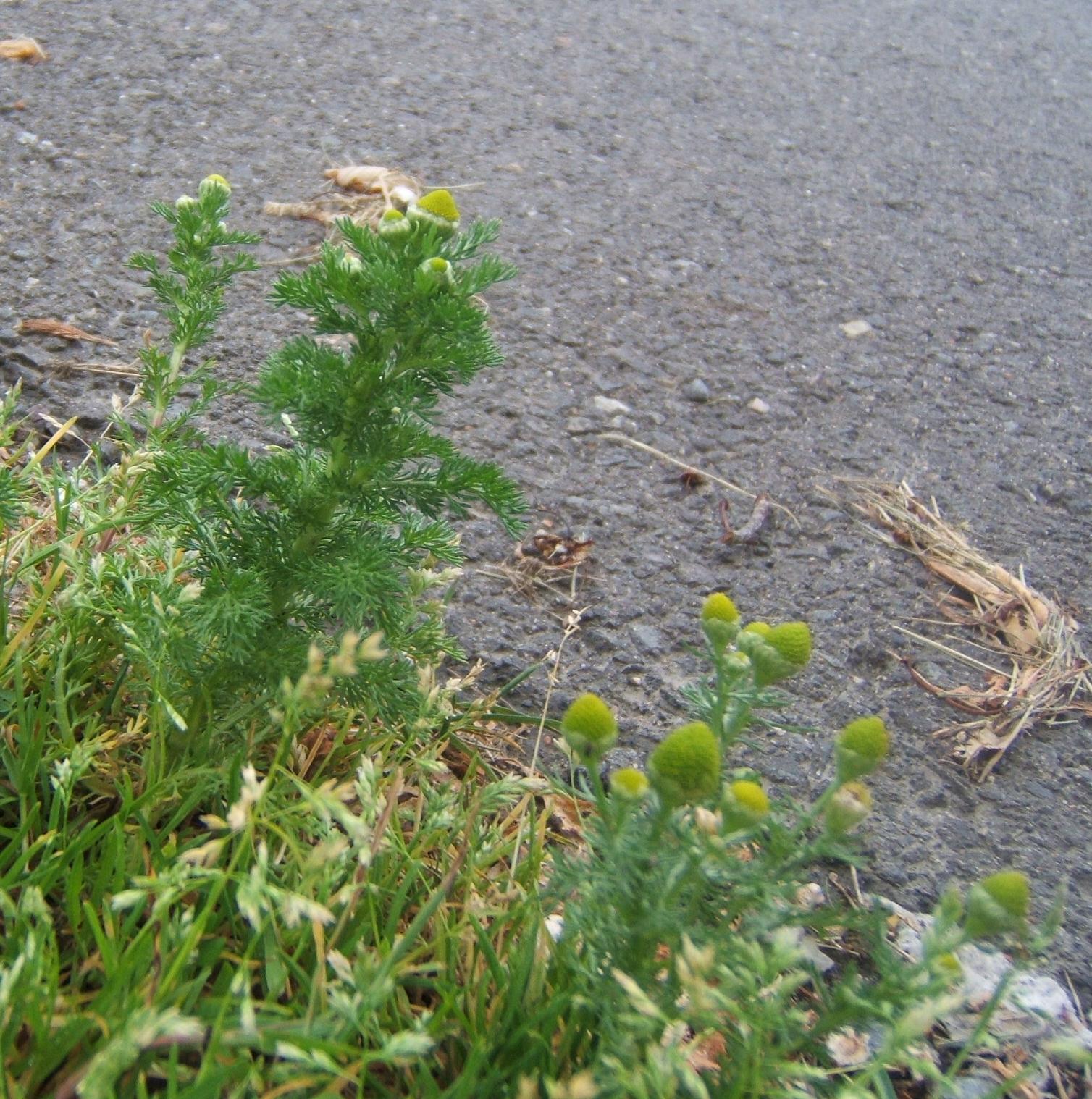
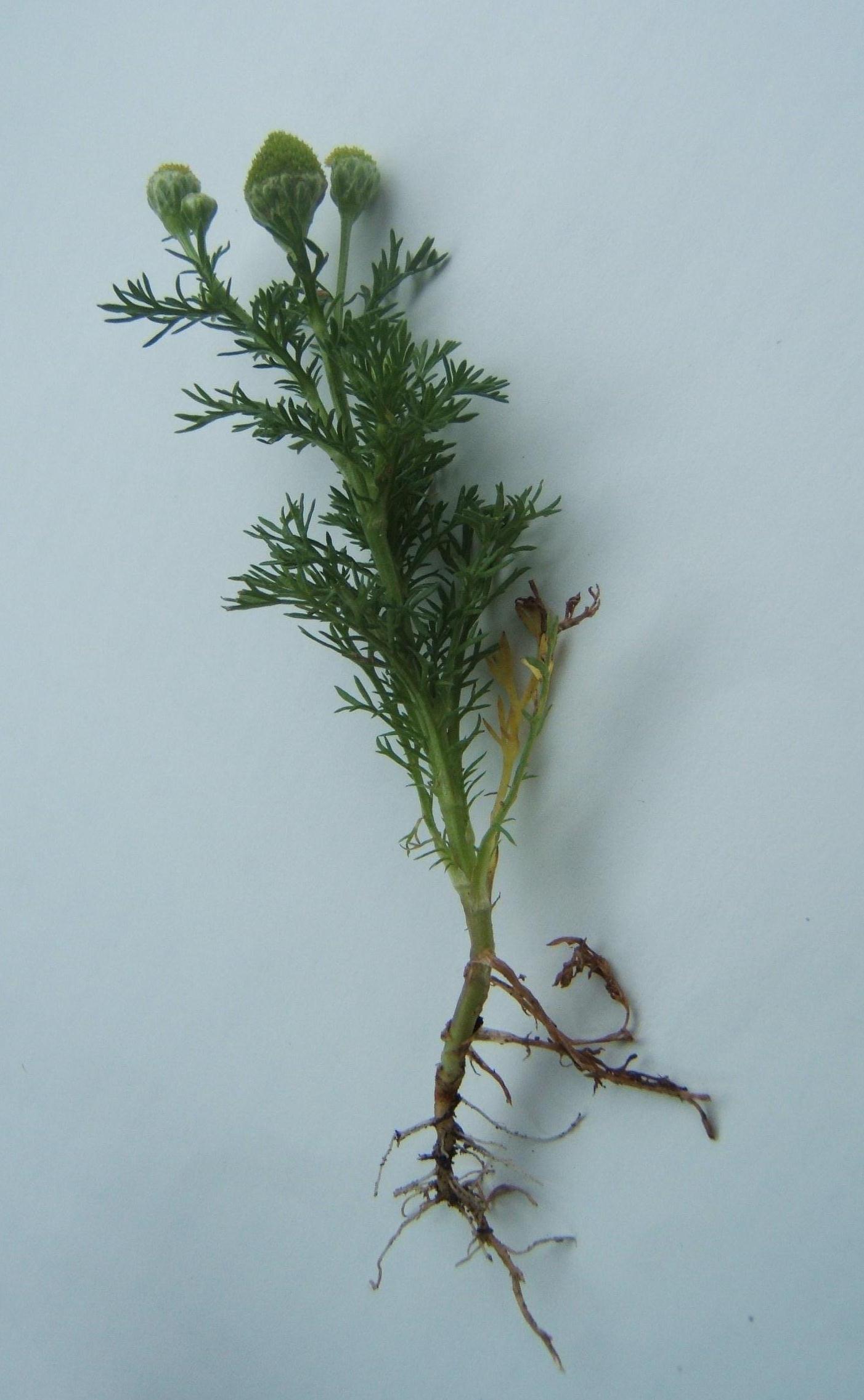
Pineapple Weed grows along roadsides and in waste places, wherever the soil is disturbed and competition from other plants is low. It is an inconspicuous cousin of Garden-camomile (Anthemis nobilis L.) and looks a little like Camomile except the flowers have no white ray-florets. The leaves of Pineapple Weed are very finely divided and feather-like.
The generic name Matricaria comes from the Latin word matrix, meaning ‘womb’, a tribute to its reputed medicinal properties. The specific name matricarioides means ‘like Matricaria’ since it was originally considered to be another species.
My husband tells me, as a child, he used plants of Pineapple Weed as miniature trees when he played with his Dinky cars!
To make a pale yellow, pineapple-scented tea, steep the fresh or dried flowers of Pineapple Weed in hot water.
Warning: 1. never eat any plant if you are not absolutely certain of the identification; 2. never eat any plant if you have personal sensitivities, including allergies, to certain plants or their derivatives; 3. never eat any plant unless you have checked several sources to verify the edibility of the plant.
~
~
Matricaria
~
two in the morning
and the canister of Camomile
yawns empty
~
crush Matricaria
steep a sprinkle of flowers
in water, tea the color
of straw
~
surround of pineapple
hay-scented fern
sleep
~
~
© Jane Tims 2012

Sweet-fern (Comptonia peregrina (L.) Coult.)
Last weekend, we went on a short hike to the lake to collect some dried Sweet-fern, with the goal of making Sweet-fern sun tea. To make the tea, fresh or dry leaves of Sweet-fern are steeped in a jar in the sun for three hours.
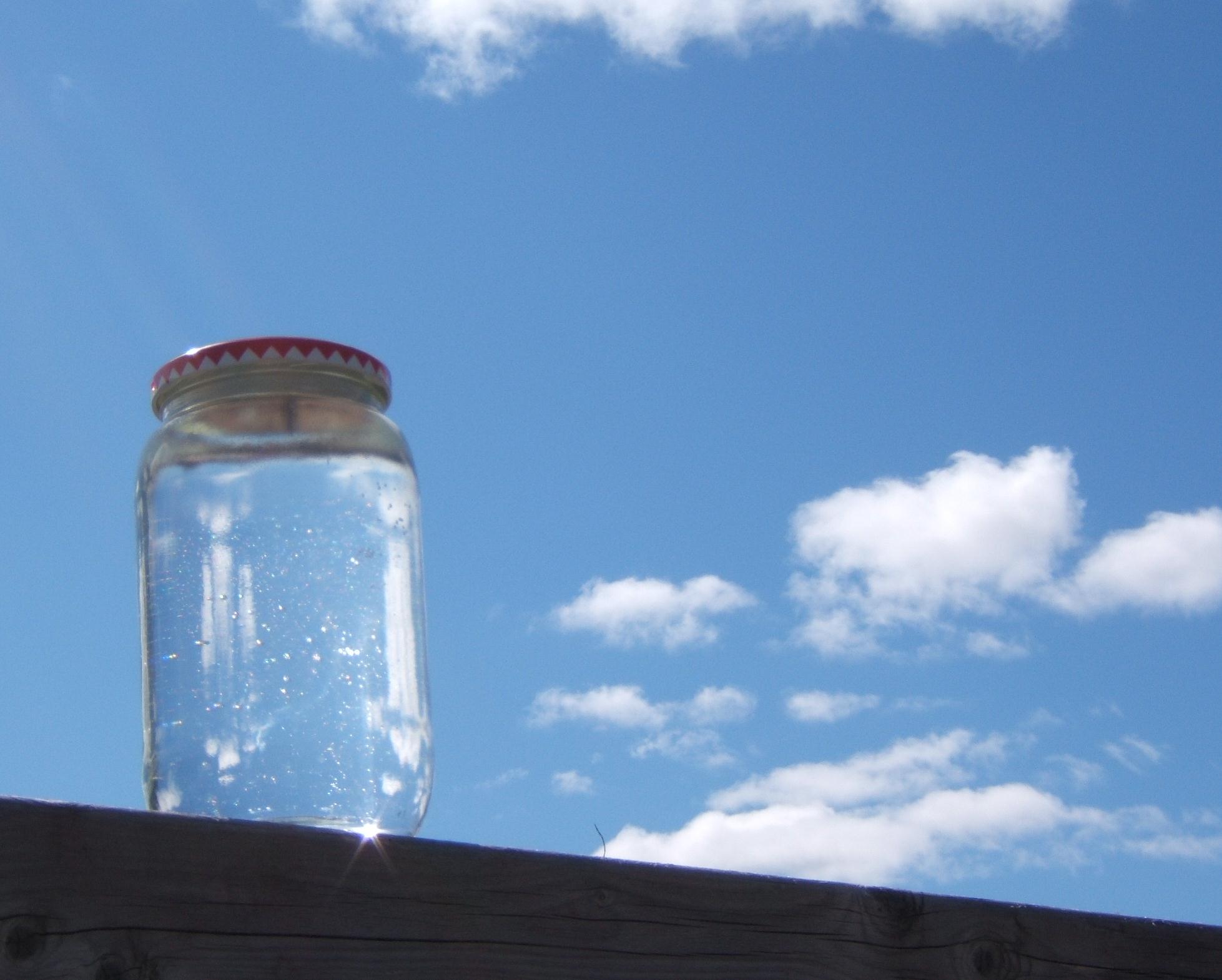
Unfortunately, the wind was too cold to allow the spring sun to warm the jar. So I collected the dry leaves and, on Sunday afternoon, I enjoyed a cup of fragrant Sweet-fern tea, made the usual way, steeped in boiling water.

Later in the spring or summer, I’ll be trying the sun tea method again.
Sweet-fern(Comptonia peregrina (L.) Coult.) is a small rounded shrub with fernlike green leaves found in dry rocky waste areas, clearings or pastures. The leaves are simple and alternate, long, narrow and deeply lobed. The shrub sometimes grows as a weed in blueberry fields.
Sweet-fern is called Comptonie voyageus in French, since peregrina means traveller. The generic name is after Henry Compton, a 17th century Bishop of London who was a patron of botany.
The fruit is a green burr enclosing 1-4 nutlets. These can be harvested in June or July while still tender.
Sweet-fern is a member of the Sweet Gale family. The plant is very fragrant, particularly when crushed, due to glands on the leaves and twigs. The tea made from the leaves is also fragrant. To make the tea, use 1 tsp dried or 2 tsp fresh leaves per cup of water. Remember, to always be absolutely certain of the identification before you try eating or drinking anything in the wild.
~
Directions for Sweet-fern sun tea
8 tsp of fresh chopped leaves
1 quart of clean fresh cold water in a jar
cap and place in sun three hours until water is dark
strain and serve
~
~
Sweet-fern sun tea
Comptonia peregrina (L.) Coult.
~
to quench the thirst of a traveller
and reward a hike too far
~
steep sweet-fern
in the solar flare
~
gives up fragrance to air
and to water in a sun-drenched jar
~
~
Warning: 1. never eat any plant if you are not absolutely certain of the identification; 2. never eat any plant if you have personal sensitivities, including allergies, to certain plants or their derivatives; 3. never eat any plant unless you have checked several sources to verify the edibility of the plant. © Jane Tims 2012keeping warm
After some variable weather over the last weeks, the cold has arrived.
The birds at the feeder are plumped and fluffy, and look twice their usual size. The cat curls up a little more tightly than usual, puts her paws over her face, and finishes off with her tail coiled across the paws.
Inside we use our electric fireplace more often and cover up with some of the little lap quilts I’ve made. But outside is a different matter and another strategy is required.
I’m determined to stay warm this year, so I make the following pledge:
🙂 I will wear mittens and a scarf … you would think I would be past the ‘scarves-and-mittens-are-not-cool’ stage.
🙂 I will have a warm drink before I leave the house … my new discovery is real ginger root chopped into fine pieces and steeped for tea.
🙂 I will take a chair seat from the house to warm the seat of the car … I used to make fun of my Mom for doing this.
🙂 I will warm up the car before I leave … this is in the face of my usual ‘no-idling’ policy.
And so I would like to know, on these cold days, how do you keep your niche warm????
stay warm
~
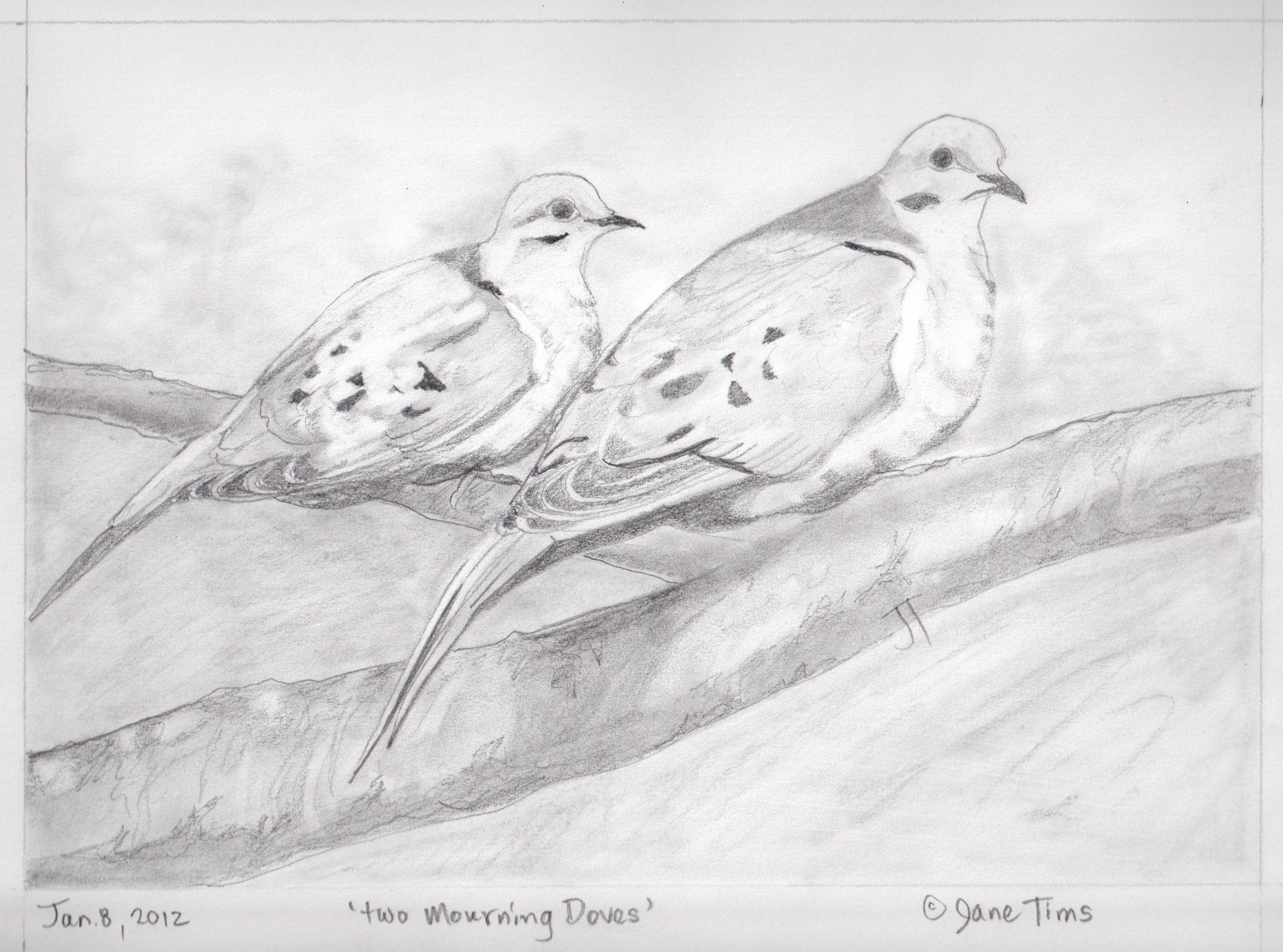
two mittened mourning doves
sit on the ledge in sun, exaggerate
their approach to keeping warm
fluff the pillows, bar the doors, make a nest by the fire
spaces between feathers fill with air and fibre, energy from
sunflower seeds, cracked corn and cider
~
~
© Jane Tims 2012
my favorite tea
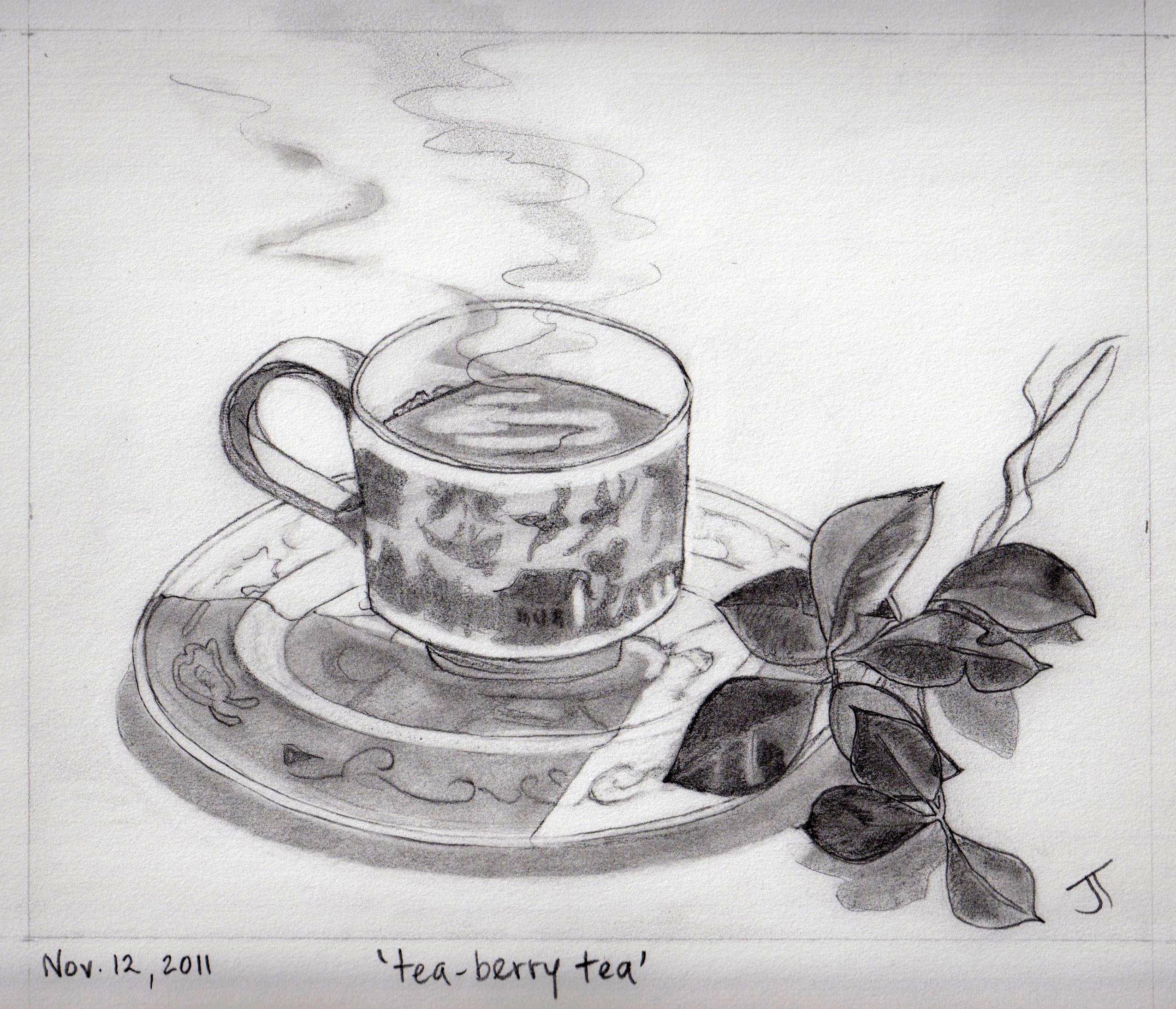
Since I wrote a post on drinking ‘tea-berry tea’ [see Eastern Teaberry (Gautheria procumbens L.) November 16, 2011), I thought I would try a Poll, just for fun.
Drinking tea, for me, is an enjoyable experience, especially since there are so many varieties available. A cup of tea is definately part of my ‘niche’.
Teas are traditionally classified based on the processing technique (information from Wikipedia; you can also find out more about tea from the Tea Association of Canada www.tea.ca):
White tea: wilted and unoxidized
Yellow tea: unwilted and unoxidized, but allowed to yellow
Green tea: unwilted and unoxidized
Oolong: wilted, bruised and partially oxidized
Black tea: wilted, sometimes crushed and fully oxidized
Post-fermented tea: green tea allowed to ferment
To this I add the various Herbal teas.
No matter how many varieties of tea are available to me, I often select Red Rose. This is an orange pekoe tea produced originally in Saint John, New Brunswick. It’s slogan was: “Only in Canada, you say? …What a pity!” Today it is also available in the United States.
Eastern Teaberry (Gautheria procumbens L.)
When the wind is chill and fingers are cold, what better remedy exists than a cup of tea? After years of attending meetings where there is a box of fancy teas to choose from, I now have my own wooden ‘tea box’. I replenish it from time to time with a new blend, but I find the old standbys are my favourites: Red Rose, Earl Grey, and Chamomile.
When my son was little, we used to have fun making ‘tea-berry tea’. I still go out occasionally to my patch of Gaultheria procumbens, also known as Eastern Teaberry or American Wintergreen. A few leaves, crushed and steeped in boiling water, make a lovely, fragrant tea with a delicate green color. In French, Eastern teaberry is le petit thé du bois (the little tea of the woods).
The leaves contain oil of wintergreen; the chemical in this oil is methyl salicylate, known for its anti-inflammatory properties and closely related to aspirin. For this reason, use caution and only drink ‘tea-berry tea’ occasionally and if you are not sensitive to aspirin. Methyl salicylate is also found in twigs of yellow birch and it also makes a fragrant tea. Methyl salicylate will build up an electrical charge when dried with sugar and rubbed… you can try this yourself with wintergreen-flavoured hard candies.
Warning: 1. never eat any plant if you are not absolutely certain of the identification; 2. never eat any plant if you have personal sensitivities, including allergies, to certain plants or their derivatives; 3. never eat any plant unless you have checked several sources to verify the edibility of the plant.The leaves of Eastern teaberry are thick and evergreen, so they can be found this time of year. The flowers are white, waxy, nodding, and bell-shaped. The bright red berries are also waxy and sometimes still found in November.
~
Wintergreen
Gaultheria procumbens L.
~
small leaves gathered, crushed
oils weep into water, pale
green tea, pink aroma
sugar and midnight sparks
sweet steam and aspirin make
undelicate my heart
~
~
Warning: 1. never eat any plant if you are not absolutely certain of the identification; 2. never eat any plant if you have personal sensitivities, including allergies, to certain plants or their derivatives; 3. never eat any plant unless you have checked several sources to verify the edibility of the plant.© Jane Tims 2012
© Jane Tims 2011




 nichepoetryandprose