Posts Tagged ‘poetry’
‘cold’ place names in New Brunswick
Yesterday morning we woke to a dusting of snow on the roof of the garage and deck table. I am not too crazy about the perils of driving in bad weather, but I love the look of new snow.
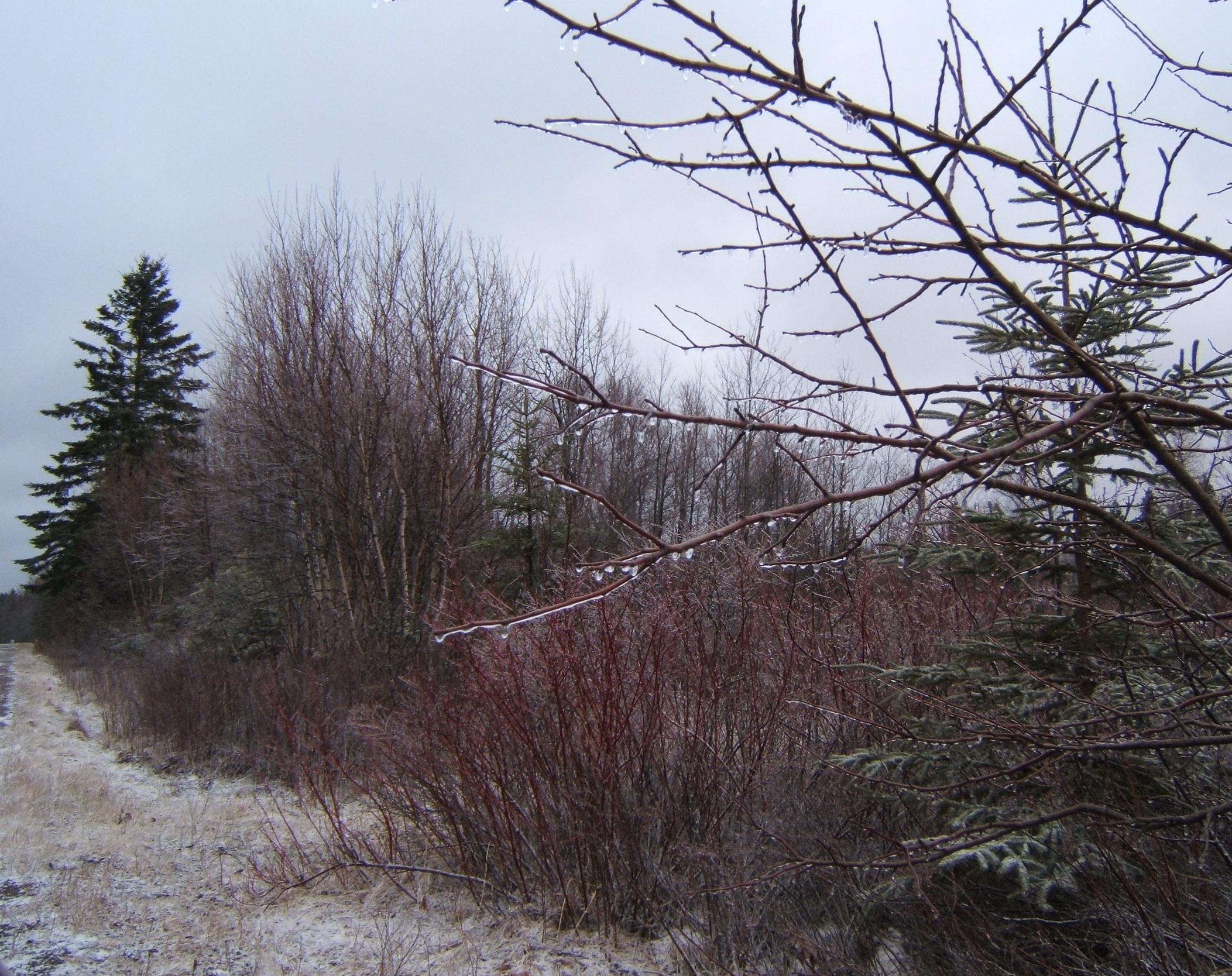
cold day in December 2011
Thinking about new snow reminded me about the several communities in New Brunswick named for adverse or chilly conditions:
Snowdon, York County – perhaps after the family name.
Coldbrook, Saint John County (now part of Saint John) – originally thought to have been called Moosepath, then Three Mile House … renamed Coldbrook in 1889, reason unknown.
Coldstream, Carleton County – first called Rockland, was renamed Coldstream in 1852.
Blowdown, Carleton County – originally called South Richmond, the community was renamed in 1869, after a significant leveling of forest as a result of the Saxby Gale (October 4-5, 1869).
Frosty Hollow, Westmorland County (now part of Sackville)– originally called Mapleburg, the community was renamed in 1927 because the first frost in the Sackville area is said to settle there.
~
For information on other community names in New Brunswick, you can use the search feature at the Provincial Archives of New Brunswick http://archives.gnb.ca/exhibits/communities/.

new snow on car roof
~
~
newfall: words escape me
~
the white ephemeral
perhaps frost
the fir boughs divided
the sculptured steel
of a flake of snow
~
try again
~
paper stencil
on chocolate cake
powdered sugar
sifted on the rills
of the new plowed field
~
again
~
sweet in my mouth
the bitter melted in morning sun
white hot on my cheek
the writing lamp
~
a lamp to the left
casts no shadow
(the shadow of a pen
or a hand)
~
(unless you are wrong-handed)
~
chimney shadow
on a fresh-snowed roof
or trees on the eastern edge of the road
where the sun cannot warm
~
the morning
dusting of ice
~
try again
~
~
Published as: ‘newfall: words escape me’, The Fiddlehead 196: 147, Summer 1998.
Copyright Jane Tims 2012
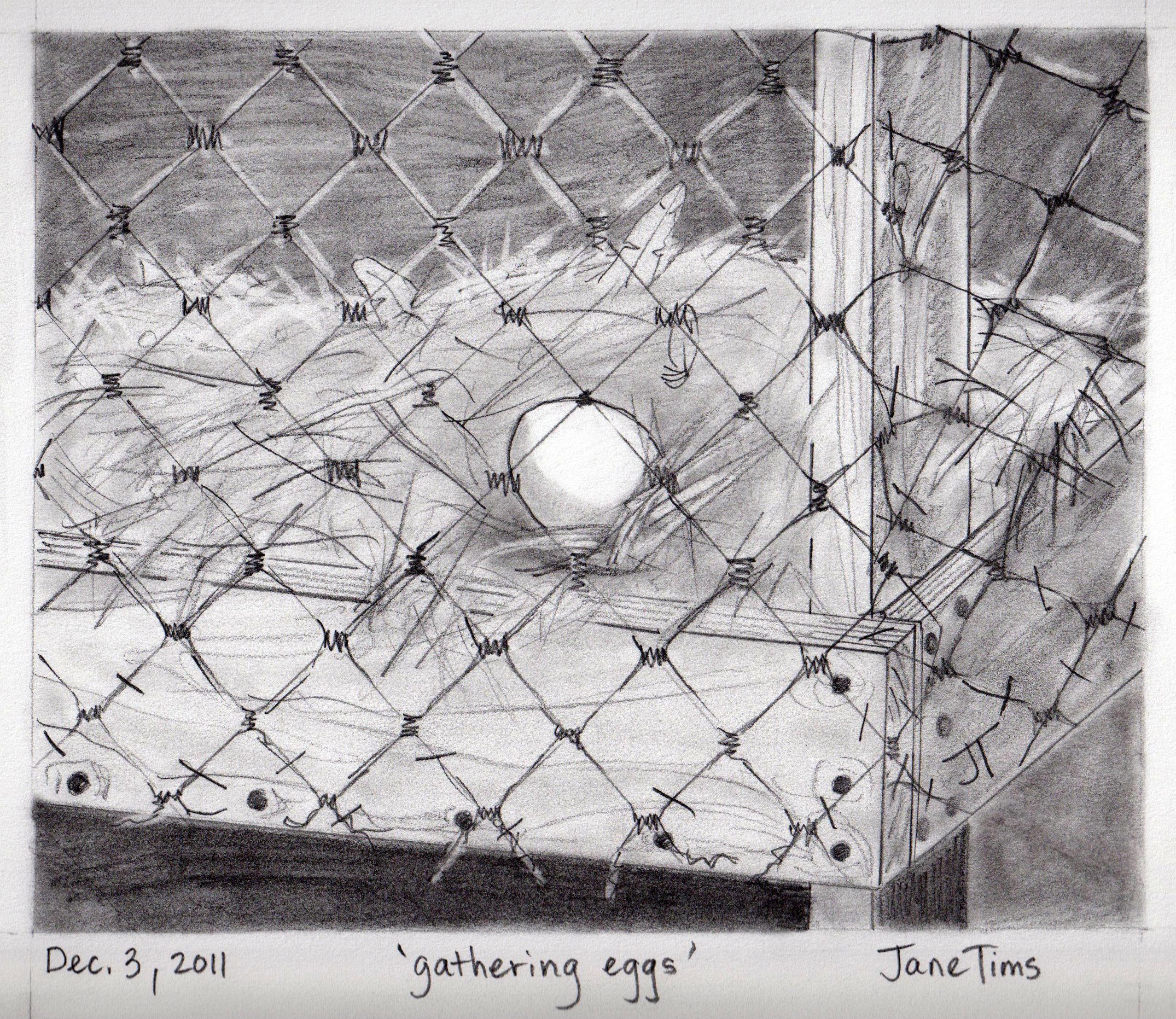
gathering eggs
When we visited my grandfather’s farm in the 1960s, boredom was never a problem. Every day brought a new discovery or learning. One of the best activities was to help in the gathering of eggs.
~
gathering eggs
~
first breath after rooster presses
crowbar under sun catches
dew in the three-angled strawberry leaves
and light pings sapphire,
red, amber, emerald to opening eyes
I see Dandy waiting
black and white counterpoint to rainbow
~
he greets me, ignores
the chickens scratching
along random lines, we trek
to the barn together
push the man-door, open the pen
~
Diane has promised a gather
of eggs, shows me how
to shoo the hen, part the straw,
roll the egg into my hand,
build the stack in the basket
set each in a three-angled
cradle of eggs
~
Dandy watches the rooster
red comb and wattles,
amber neck, iridescent tail
ignores white eggs and chickens
~
~
Previously published as ‘gathering eggs’, Canadian Stories 15 (84), April 2012
Copyright Jane Tims 2012
abandoned bridge – South Nation River
In south-east Ontario, the South Nation River winds through farmland…

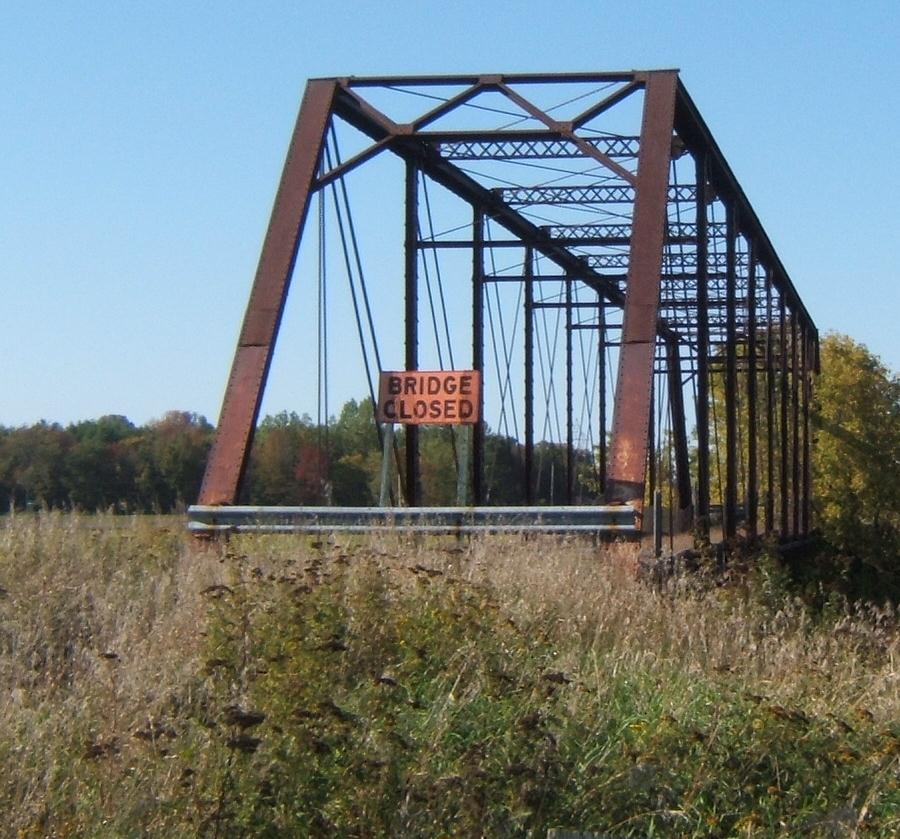
Driving along the river in October of 2012, we found an old metal bridge, closed to traffic. Although left to rust, this bridge was beautiful in its simple construction. The deck of the bridge was rotted, but wildflowers had taken hold in the debris.
According to the South Nation River link at http://www.nation.on.ca/en/geocaching/ (South Nation Conservation), the bridge has now been removed.
~
~
abandoned bridge, South Nation River
~
years since I crossed the metal bridge –
we take the long way now,
over that engineered, concrete
contrivance, upstream
~
the old bridge CLOSED, of course
trusses red with rust, corroded
pitted as the river bank
and its swallow-burrows
~
once we walked those girders
leaned from the railings
amused ourselves by pitching rocks down
into the duckweed
~
wouldn’t be safe today, the deck
rotted where hawkweeds bloom
all summer, cheerful
you’d think they’d been planted
~
~
Published as ‘abandoned bridge, South Nation River’, Canadian Stories 15 (85), June 2012.
Copyright Jane Tims 2012

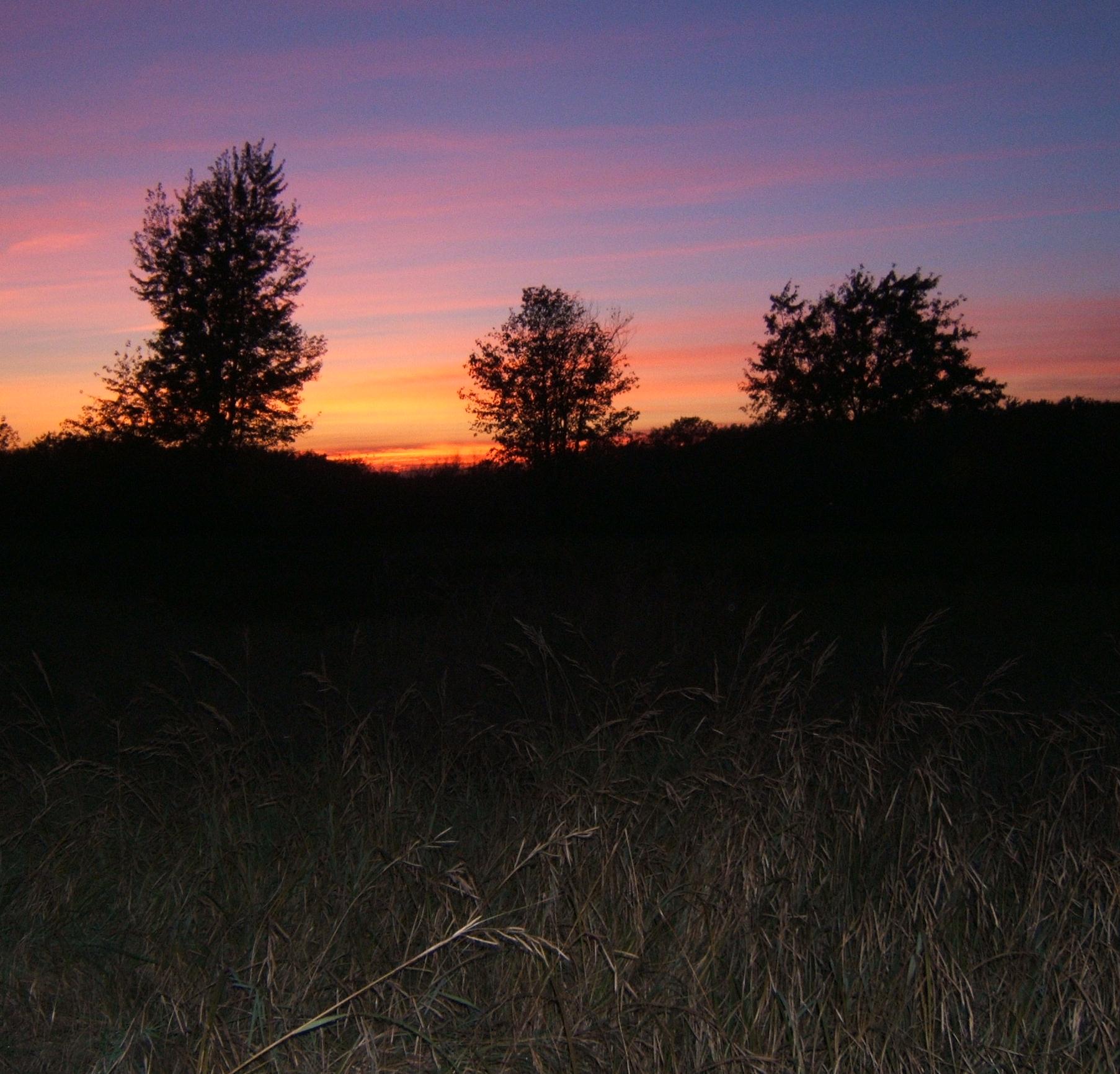
eerie evening
~
~
Fears
~
I saw a light in the woods tonight
low, through the tangled branches of spruce
and the crowded stems of fir
~
white in the dark –
a gleam where only night should stir
like the lamp of a stranger, lost
~
but the glow was steady and still
and in less than the catch of a breath I knew
all I saw was the rising moon
beyond the hill
~
I heard a cry in the woods tonight
soft and low through the tangle of spruce
and the thicket of fir
~
a moan in the dark
a sob where only the wind should stir
like the frightened tears of a child
alone
~
but the cries held no human word
and in less than the catch of a breath I knew
the wail of a wildcat on the prowl
was all I heard
~
~
Copyright Jane Tims 1990

log cabins and humble beginnings
In a recent post (October 17, 2012), I wrote about my shoemaker great-great-grandfather, Josiah Hawk, and his daughter, my great-grandmother, Ella Hawk.
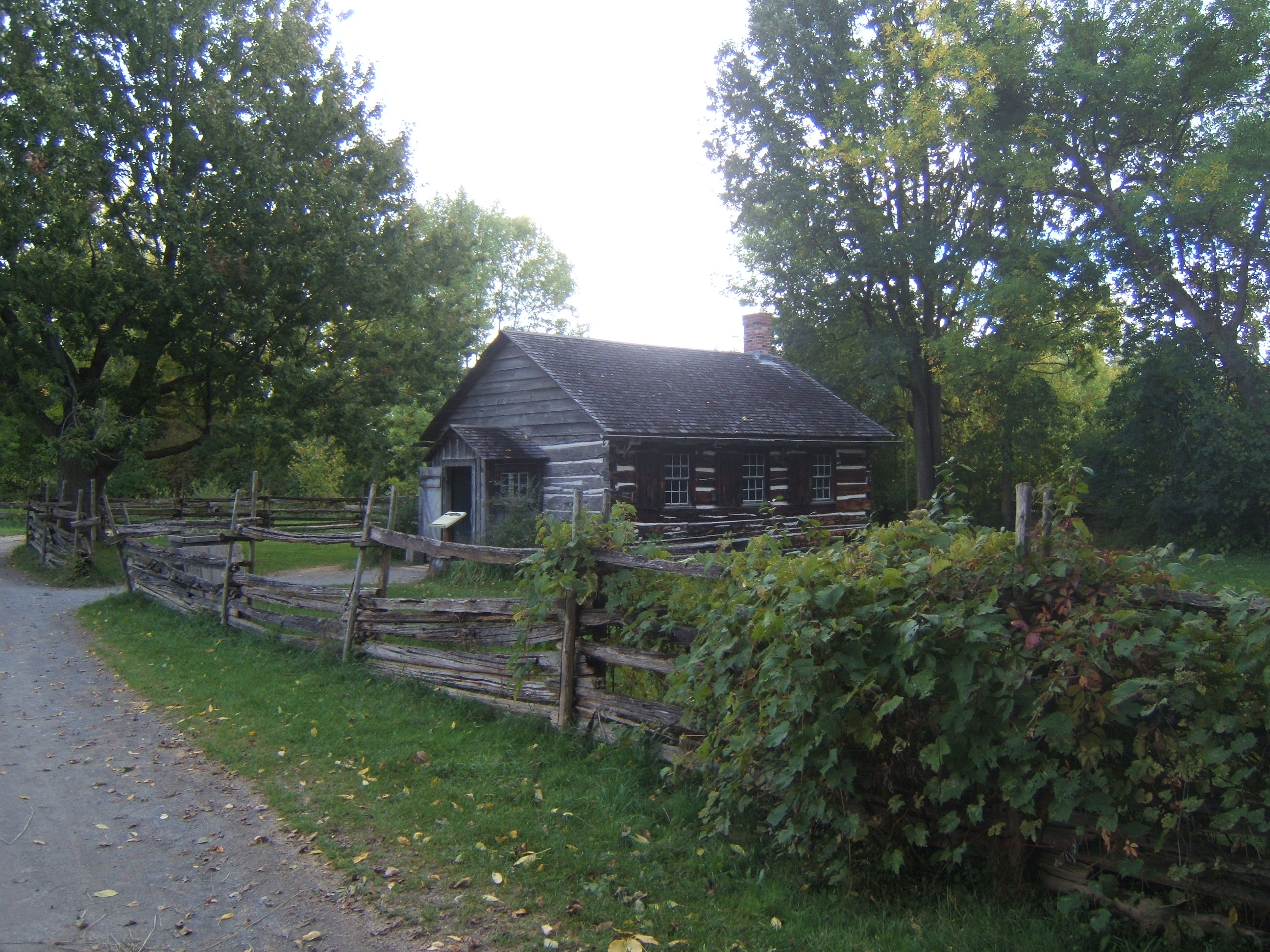
schoolhouse in Upper Canada Village, Ontario
When I was in Upper Canada Village in Ontario in September, I saw many houses and a way of life that reminded me of Ella’s family history.
Ella’s story begins before she was born, with the Hawk and Kresge families of Monroe County, Pennsylvania. I know a lot about these families, since both families have relatively complete genealogies.
Both the Kresges and Hawks were part of a large community of German immigrants who lived in the vicinity of Gilbert, Monroe County, from the late 1700s onward. In 2004, my husband, son and I visited the area and I went to church in the community. The congregation welcomed me warmly and I was told many of the people in the church shared my ancestry!

pioneer home in Upper Canada Village, Ontario
The Census of 1790 lists both of Ella’s great-grandfathers, Coonrod Crase (Conrad Kresge) and Conrad Hawke. Conrad Kresge had a son Johannes whose daughter Sarah Ann, was Ella’s mother. Conrad Hawke had a son Michael Hawk, whose son Josiah (the shoemaker) was Ella’s father.
The Kresges and Hawks were true pioneers and life for them was difficult. In about 1777, while clearing land, Conrad Kresge lost one of his sons at the hands of a band of Native Americans, who carried out raids on the community. This story is depicted in a memorial to Conrad Kresge in the Gilbert cemetary.

Memorial in Gilbert cemetary, depicting story of Conrad Kresge clearing land, and his son who was killed by an arrow
Although no other stories have survived the years, I have been able to learn quite a bit about these people from the genealogies. For example, I can piece together something of my great-great-great grandfather Michael Hawk’s life in Middle Creek, Pennsylvania. For example, for the year 1807, when he was 13 years old, he was the youngest of nine children. Of his five brothers and three sisters, only his older brothers John (19 years old) and Peter (16) remained at home. Siblings Nicholas (25) and Suzanna (23) had been married the year before, and on October 29, 1807, Suzanna gave birth to a set of twins, no doubt an exciting family event. His much older brother John George (37), living in the community of Effort, and his sister Anne Margaret (33), in Chestnut Hill, must have seemed a generation away, since John George’s daughter Elizabeth, Michael’s niece, was only four years his junior.
~
~
Michael, alone
(Middle Creek, 1807)
~
November has worked its way
into the wood pile, I use Papa’s axe
to split kindling, I blow rings into
the cold air, everyone is away, gone to
Chestnut Hill to see
Suzanna’s twins
~
everyone leaves –
they become like strangers
Catherine, run off to Seneca Lakes,
Nicholas married last year,
John and Peter, itching to go
~
Mama calls me her baby
well, I’m the same age as the Kresge boy,
killed by an arrow thirty years ago –
but that’s an old story
~
I look across the cornfield
to the oak woods where leaves still cling,
they glow like copper
noone lurks there now
~
Copyright Jane Tims 2012
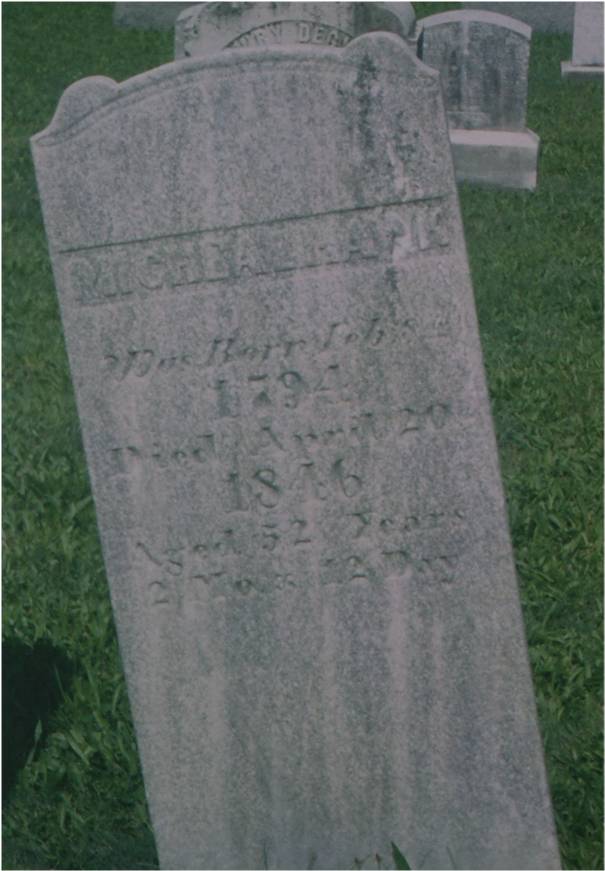
gravestone reads: Michael Hawk – was born Feb 8th 1794 – died April 20 1846 – Aged 52 years 2 months 12 day
windy October drive
On Monday, I went on a drive to Cambridge Narrows, to visit an antique store and a roadside market. My goal: to buy some Nancy Drew mystery books for my collection and some pumpkins for Halloween.
It was a blustery day, windy enough to put some whitecaps on the St. John River…
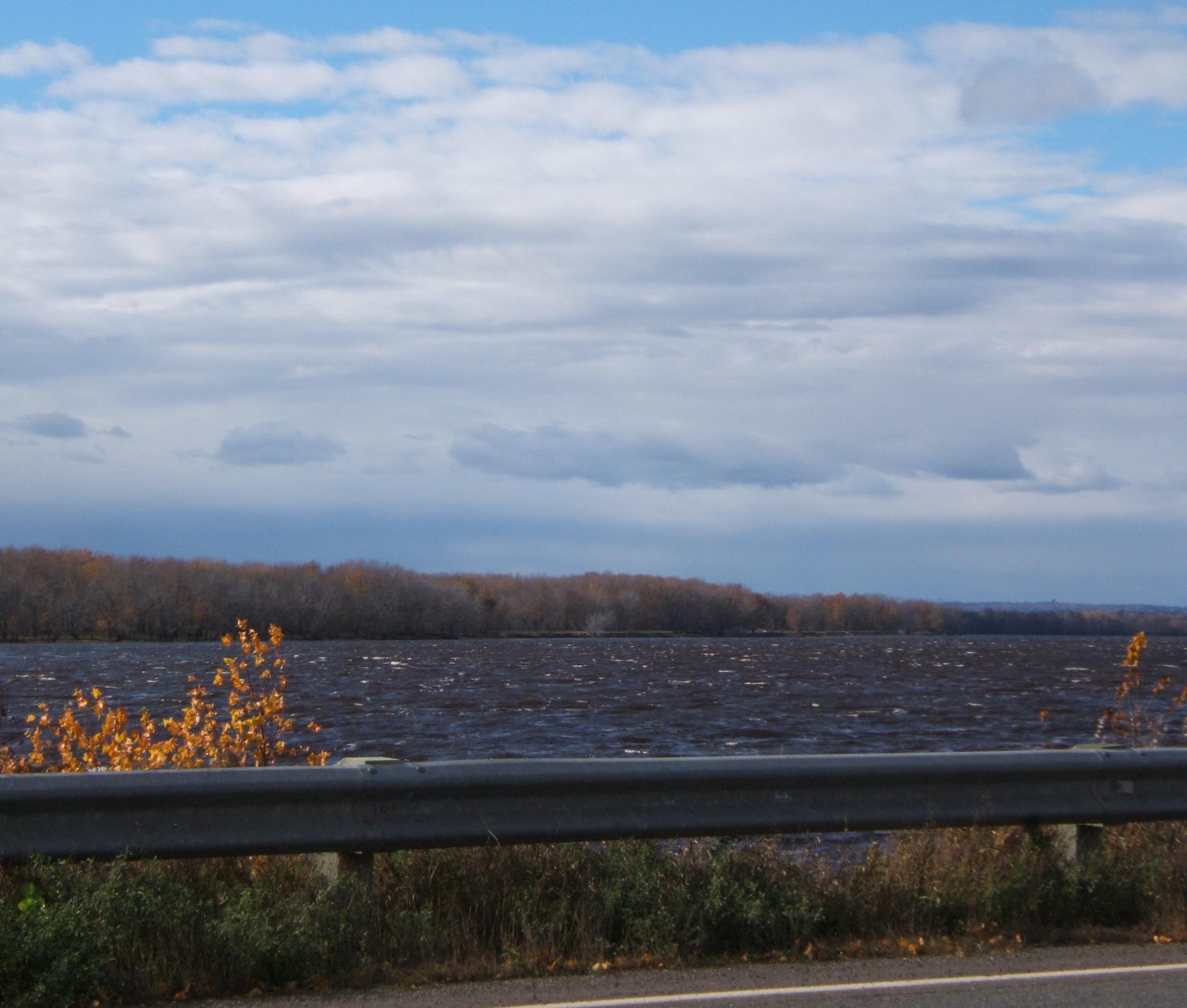
The wind was especially evident along the former Trans-Canada Highway, where dry leaves have gathered in all the ditches. Since only a few vehicles use this older highway, the leaves blow into the roadway…

The day had a luminous quality, in spite of the wind. Most of the reds are gone from the trees, leaving the yellows of the poplars, the rusty-orange of the oaks and the gold of the tamaracks…
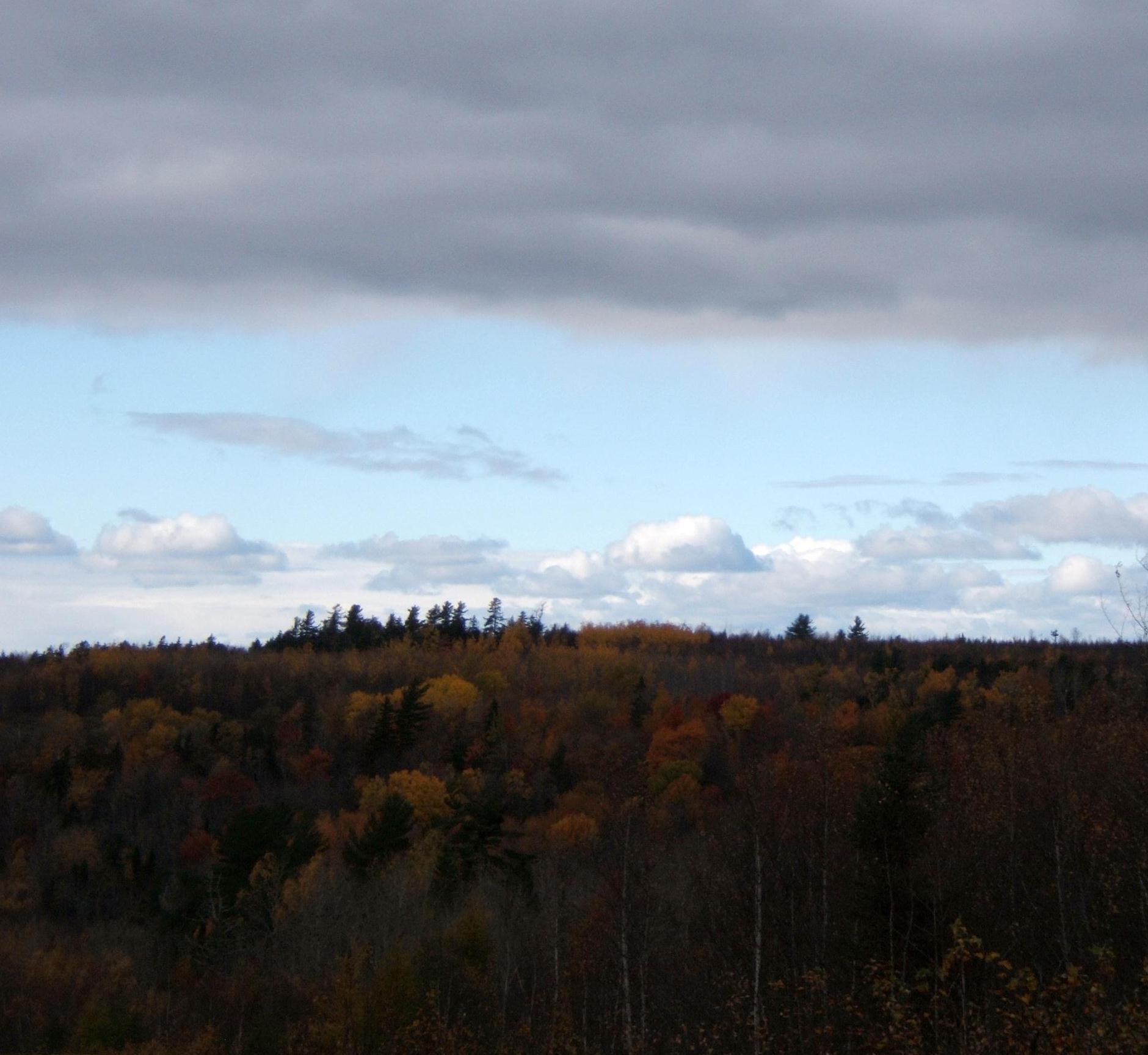
I had a successful day. I bought some small pumpkins at a roadside stand…

three little pumpkins from the roadside vegetable stand (the faint eyes in the background are the amber eyes of our owl-andirons)
I also added five books to my collection of Nancy Drew mysteries…
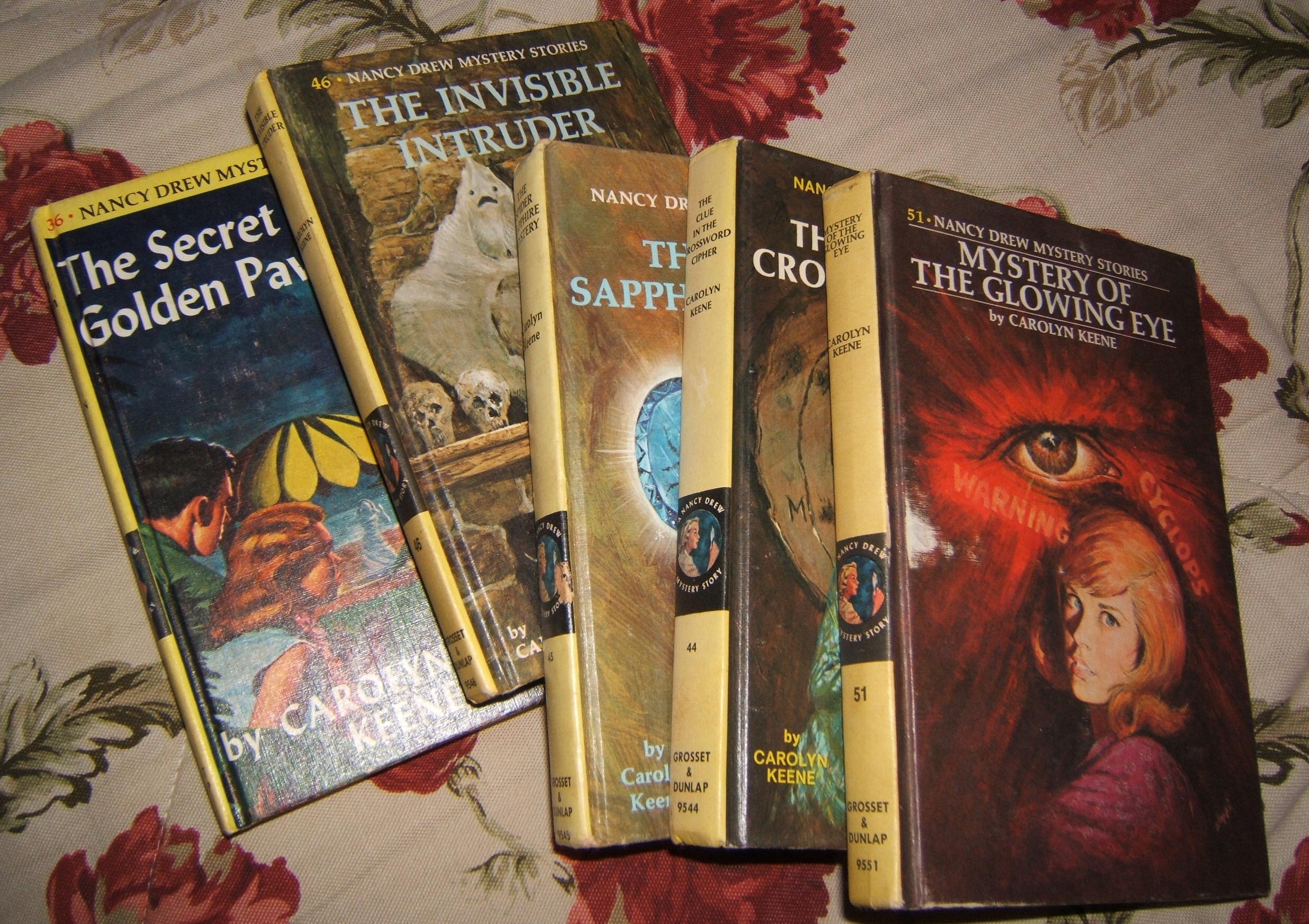
five new mysteries for my collection… enough ghosts and glowing eyes for a spooky Halloween
~
~
andiron
~
wrought owl with amber eyes
perches on the hearth
hears a call in the forest
six syllables and silence
~
Great-horned Owl, light gathered
at the back of his eyes,
and the oscillating branch
after wings expand and beat
~
iron owl longs for a glimpse
of the sickle moon
the shadow of a mouse
sorting through dry leaves
~
in this cramped space
night woods are brought to their essence
fibre and bark, sparks and fire
luminous eyes
~
~
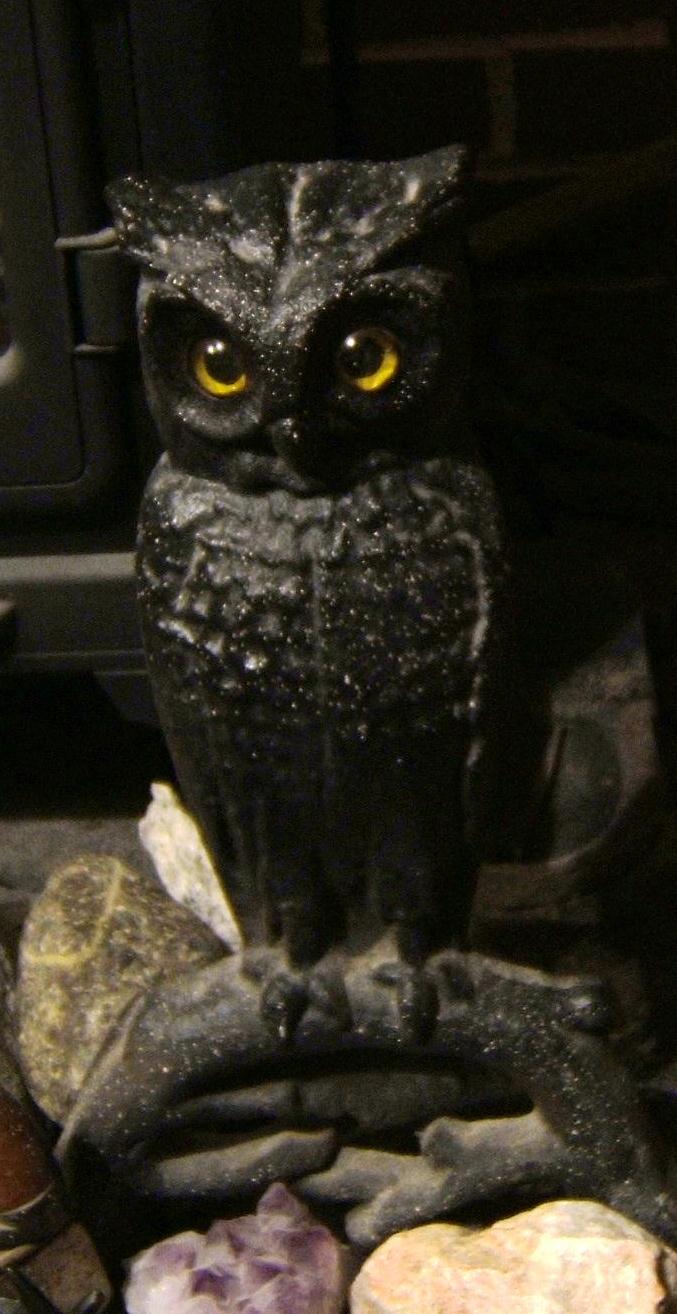
Copyright Jane Tims 2012
covering the pumpkins
This year our garden was an unqualified failure. Between the slugs and the shade, none of my poor pumpkin vines made it to the orange pumpkin stage. But in the past, we have had worthy pumpkin patches. One year our pumpkins were so prolific, one of the vines even strayed upward, into a maple tree. In October, we had an orange pumpkin in the tree, about four feet above the ground.

my son with pumpkins from our garden, about 22 years ago
This year, my pumpkin sightings have been in other people’s gardens and in the bins at the grocery store. At least I am spared the desperate efforts of the past, to squeeze one more day of growing from the season, by covering the pumpkins before the frost.
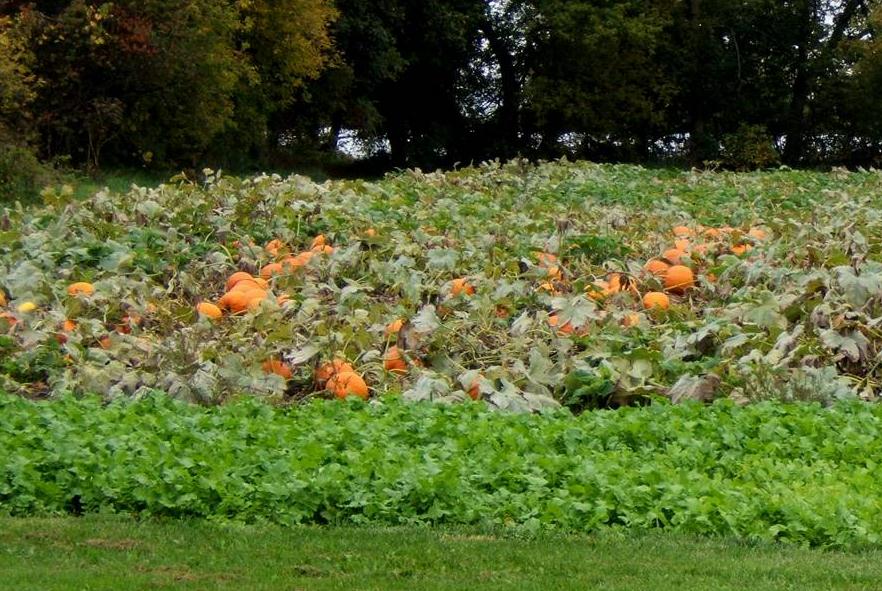
a prolific pumpkin patch, photographed during our visit to Ontario in 2011
~
covering the pumpkins
~
on the mattress, these sheets
are ample, enough for warmth
and twist and tumble
~
spread here, on low-lying ground
they barely cover one of twenty
pumpkins, one loop of vine
~
weather channel warns of frost
will wilt these leaves, cold-kiss
this perfect orange with brown
~
vines stretch, toes creep
from under, beg more time
~
~
Copyright Jane Tims 2012
occupation: shoemaker
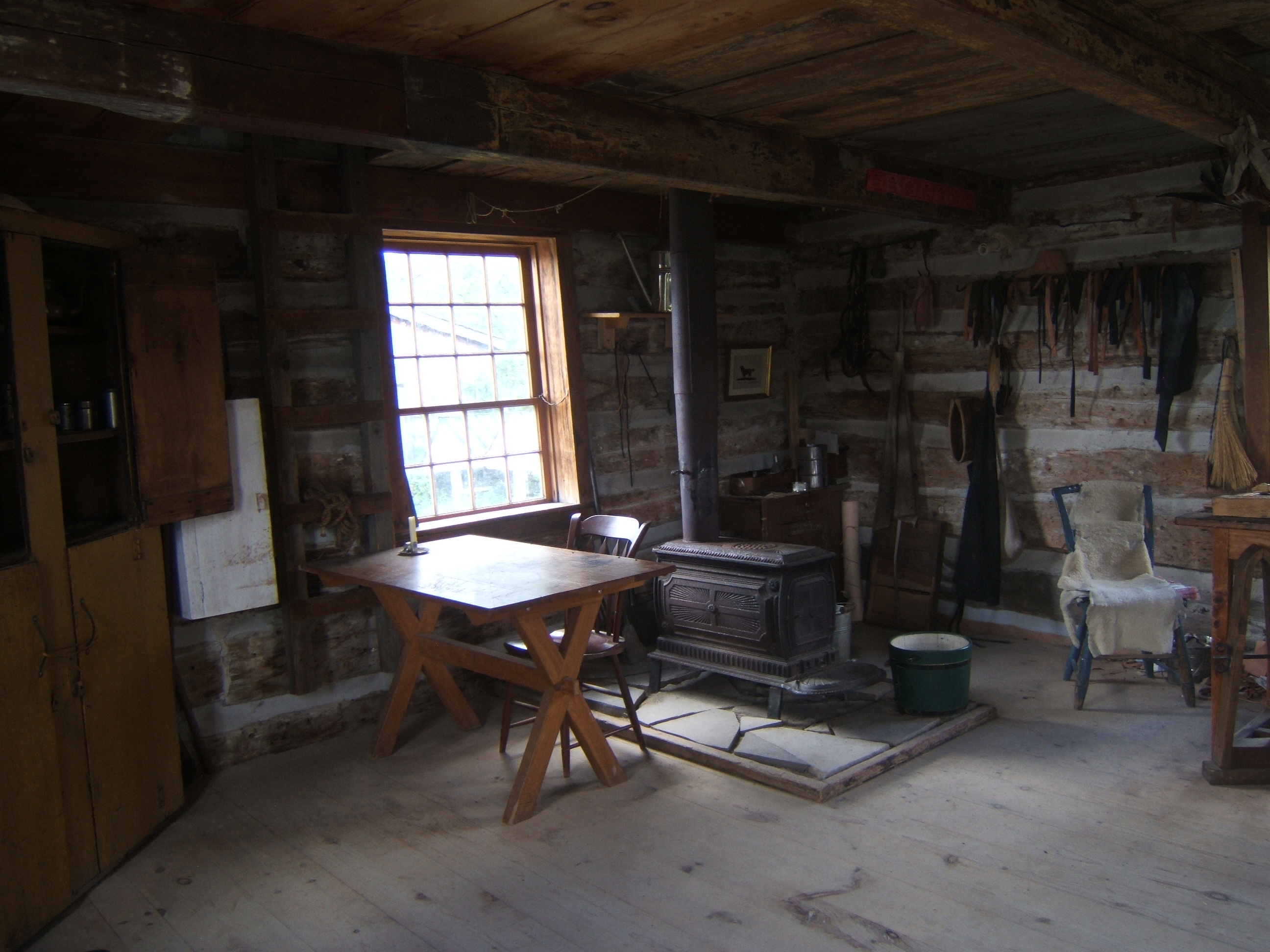
On a short vacation to eastern Ontario last month to visit my niece, we visited Upper Canada Village. It was a memorable day. My favorite of the many buildings on site was the shoemaker’s workshop. I was particularly interested because my great, great-grandfather, Josiah Hawk, was a shoemaker. I know this from two sources, an entry in the Pennsylvania Census for 1860, and a list of the items in an Inventory and Appraisement at his death in 1865 at 33 years of age.

In 2001, I became interested in studying my maternal great-grandmother Ellen’s history. Ellen (Ella) was Josiah’s daughter. One evening, I was puzzling over a poorly copied entry in the 1860 Census, trying to figure out his occupation. I was tired and my eyes went a bit blurry … by bending the paper a little, I suddenly saw what it said… ‘Master Shoemaker’. My delight at this discovery was immense.

Later, when I read a list of Josiah’s property at the time of his death, his occupation was confirmed. His belongings included: ‘…1 shoe bench, 1 lot of shoe mackers [makers] tools, one cramping [crimping] machine, [and] 1 lot of leather …’, among other worker’s tools.
I have relatively little information about my great-grandmother’s life, but I can imagine that she knew her father’s profession and his workshop. Perhaps, as a little girl, Ella played in the workshop and knew the smells of the leather and the sounds of the shoemaker at his work.
~
~
leather and boot polish
~
the leather in my Papa’s shop
makes a kind of tent
where I can play
~
Papa pays me no attention
sews seams in Mr. Gruber’s boots
heels a pair of Sunday shoes
~
at church, I bend to see
beneath the benches
all those solemn feet
wearing Papa’s leather
boots and shoes
~
~
Copyright Jane Tims 2012
revisions
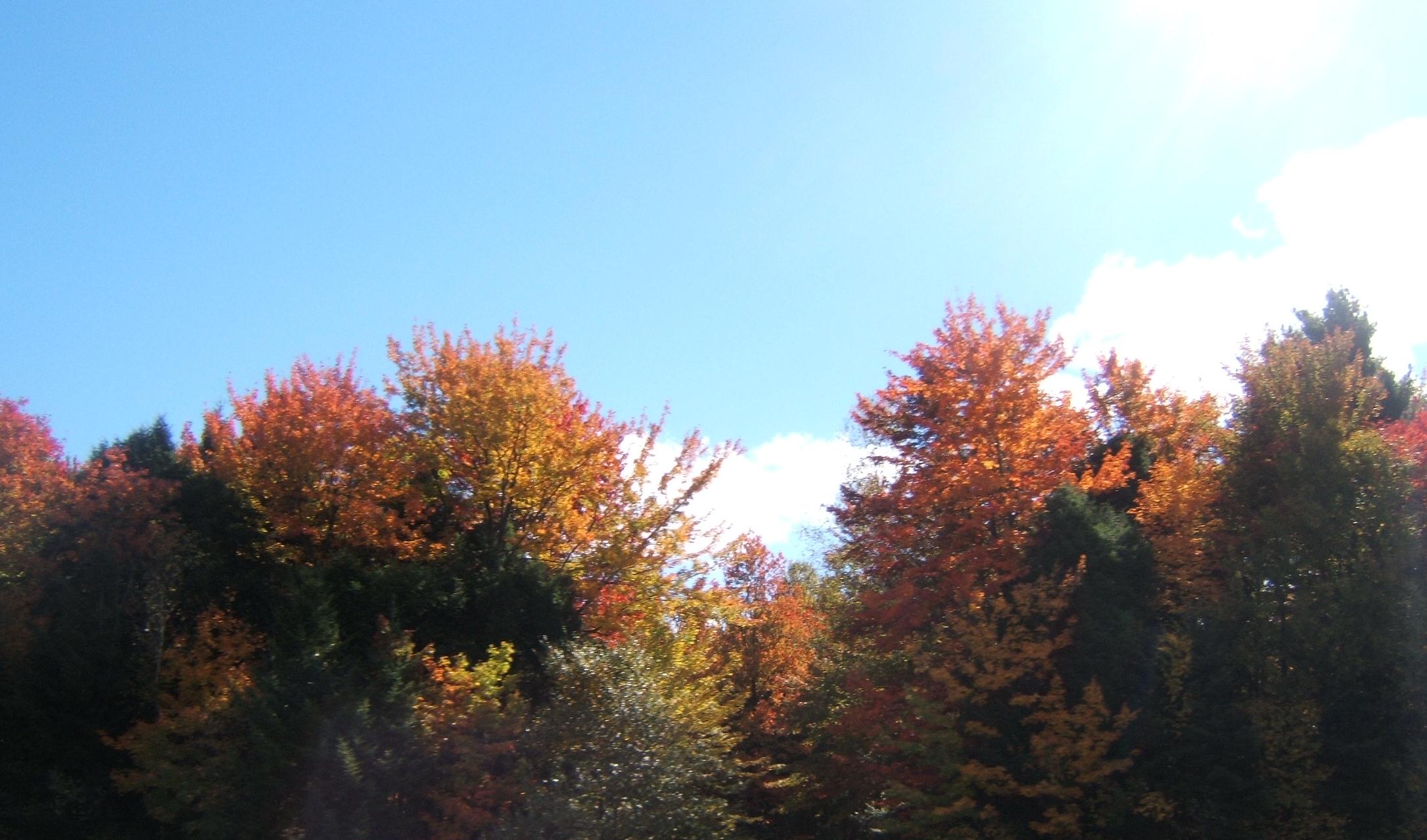
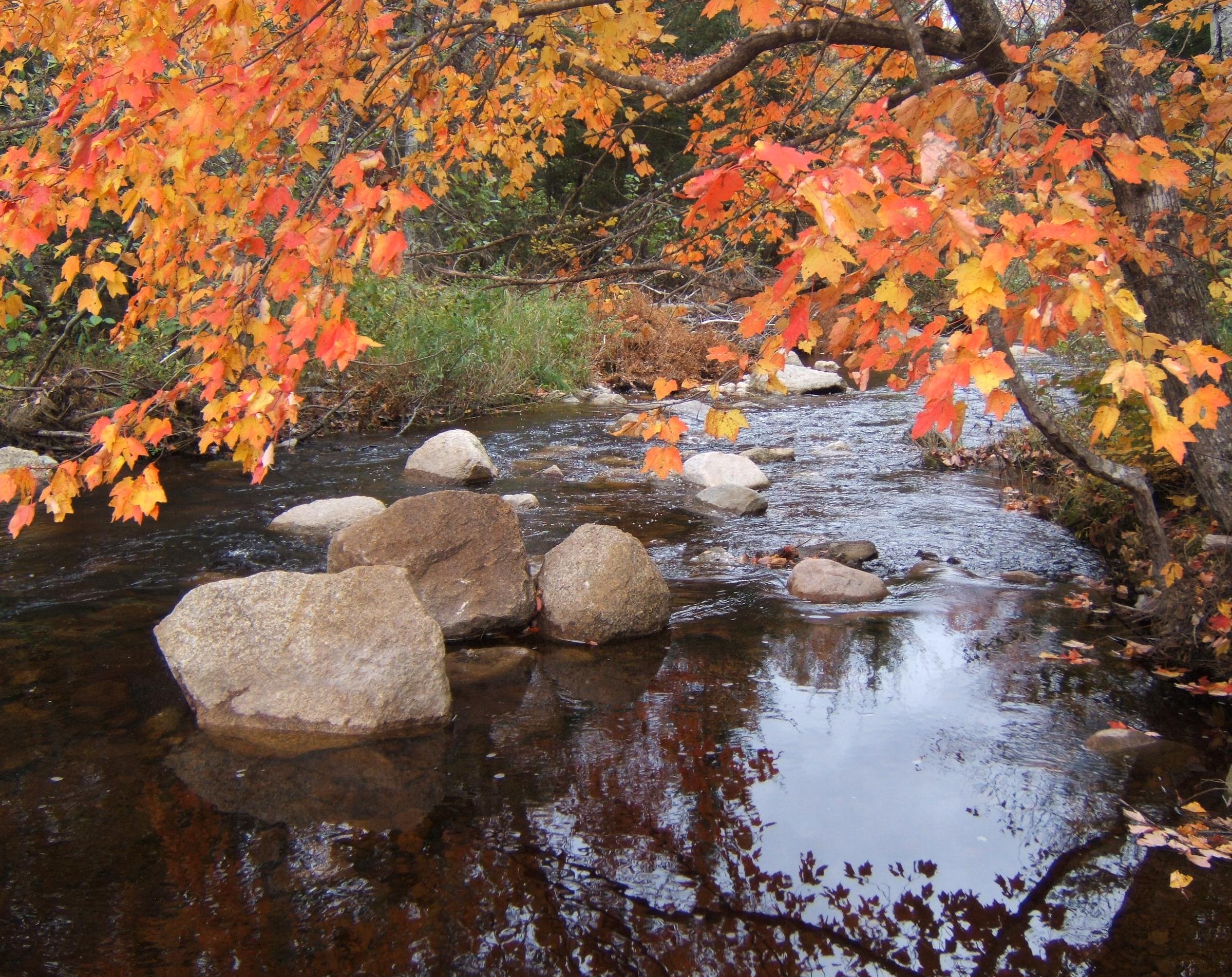
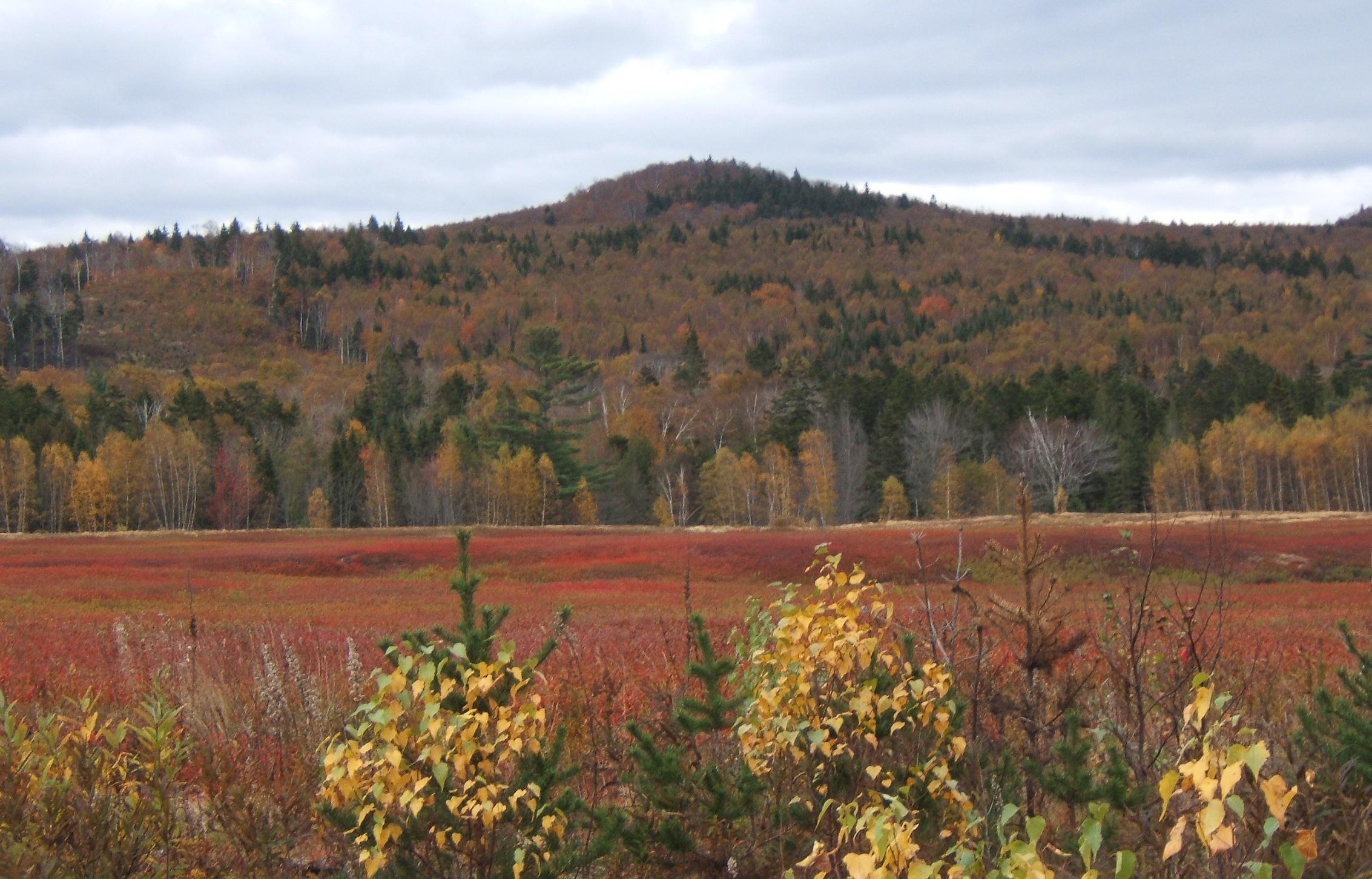
Yesterday was a very windy day. Some leaves have survived the gusts of wind, but not many. It has been a short drama of color this year, with only a few acts remaining. The maples still have some leaves, the poplars are just turning yellow, and the oak is only now losing its green.
While the wind was blowing, I was at my desk, revising some of my poems. It is my least favorite phase of writing poetry. I love the beginning, the first ideas fluttering around in my head, and put to paper. The page at this point is a confused mass of words and phrases, squiggles and arrows. I like these ‘pen and paper’ revisions. There is something about the hand-brain connection, so I write and rewrite quite liberally. By the time I commit the poem to the computer screen, it has already had five or six revisions. Once on the screen, I move things around a bit, but I print the page to do the finishing touches.

I am quite orderly about final revisions.
First, I work on what the poem is saying. This is so difficult for me, because I tend to write descriptive poetry. I have to challenge myself to add narrative, or clarify deeper meaning. Sometimes the poem gets a new title at this stage. Unfortunately, I am rarely happy with the results of this step in the revision process.
Next, I do the detailed revisions and for this, I have a checklist to follow (see ‘revision checklist for poetry’ under about)… I know my own work very well and I am prone to repeating words, using passive rather than active verbs, and using the singular when I should use the plural. I ‘press’ on each word in the poem, to see if another word will add additional meaning, improve internal rhyme, or covey a more accurate image. I count syllables … sometimes small changes will accentuate or create structure … sometimes there is little if any pattern to the poem. Lately, I am paying a lot of attention to the ends of the lines, trying to decide why I end each line where I do.
Finally, I read the poem aloud. This helps me to hear the words, and discover where the rhythm is off, and to know when to include smaller words like articles and when to let them go. Reading aloud also helps me with ‘voice’. I often shift from a child’s point of view to the technical and I have to be wary of leaving my audience in a state of confusion.
The next step in the revision process is more enjoyable. To do some final polishing, I read my poems to an audience. Sometimes this audience is a member of my family and I listen carefully to their suggestions. I especially think about bits they may not like. I also read my poems to the members of my two writing groups. They offer excellent critique and usually I make some revisions afterward.

When is a poem complete? Perhaps never. I still work on poems published years ago. I guess I agree with Oscar Wilde who said, “This morning I took out a comma and this afternoon I put it back in again.”
If you write poetry, how much time do you spend on revision? What process do you follow?
~
~
revisions
~
a violent October wind –
every tree bleeds red,
bends northward
~
my books also lean
and the pencils in their holder
the colors in the hand-blown drinking glass
~
purple lavender, scent of summer
the flowers now dry
braided with ribbon
~
~

Copyright Jane Tims 2012
apple picking time
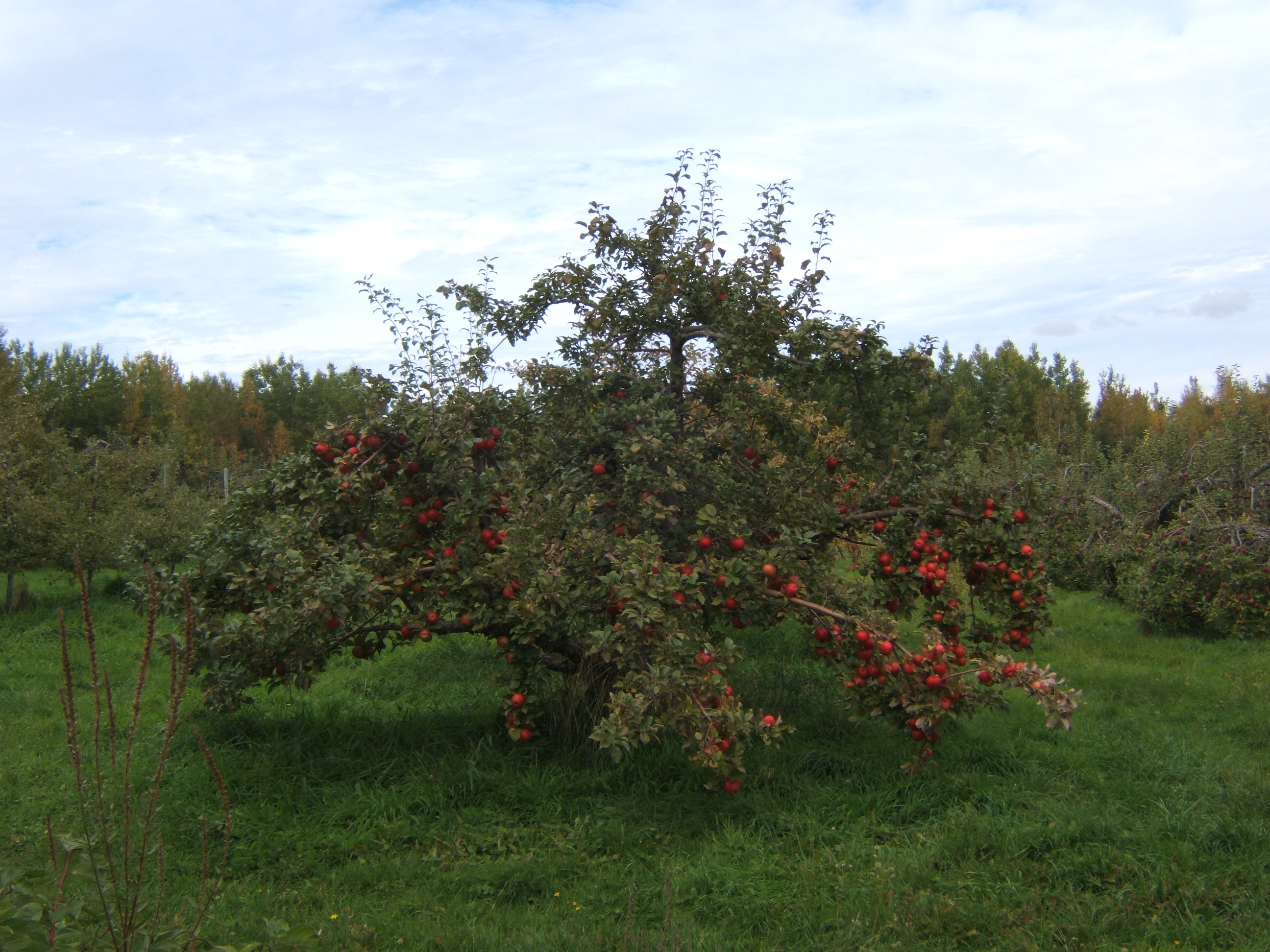
October has taken hold and now signs of autumn are everywhere. Color seems to be the theme… the orange of pumpkins and gourds, the yellows and reds of the maple leaves, and the red of ripe apples.
On our way to the lake, we drive past orchards of apples. Most of the apples have been picked, but some trees are still laden with fruit. For me, the orchards are full of memories, of picking apples with my family when we were younger. I remember how much fun we had, my son and niece and nephew excited to be able to run free and pick the apples, and the adults thinking about the apple pie possibilities from those loaded trees.
~
~
orchard outing
~
wooden bushel baskets
of laughter, the delirious tumble
down the avenue of trees, shadows ripple
among the dapples, Cortlands tied
with scarlet ribbons and boughs burdened
to reach for us, my son grown tall
on his father’s shoulders,
stretches to pick the McIntosh
with the reddest shine,
small hand barely able
to grip the apple
~
~
Copyright Jane Tims 2012




 nichepoetryandprose