Posts Tagged ‘birds’
nuthatch: bold acrobat
Sometimes I hear a knocking at the door and answer, to find no-one there. Instead, a nuthatch is tapping, banging a sunflower seed against the shingles. Later, he will sound off in the grey woods, ‘yank, yank, yank.’ He is one of my favourite birds: the red-breasted nuthatch, Sitta canadensis.
~

~
This nuthatch is slightly smaller and has a shorter beak than its cousin, the white-crested nuthatch. We have both but the white-breasted species has a faster-repeating ‘song’ to announce its territory.
~

~
The red-breasted nuthatch has a reddish orange breast, a short tail, and sturdy feet and bill. It has a white eyebrow and a black line on either side of its eye. Perhaps its neatest trick is to walk upside down on branches, head downwards.
~

~
In my poetry book, mnemonic: soundscape and bird song, I pay tribute to the red-crested nuthatch in a couple of poems. Here is a stanza from ‘woodland mnemonic’ …
~
nuthatch, bored, pulls
endless rope, yank, yank, yank
hangs upside-down, beats
a seed against the shingles
~
In the book are 53 poems about bird song and other sounds in nature, and 15 illustrations of birds found in New Brunswick. Some poems are merely descriptive, others see bird calls and songs as metaphors for various life events. For a copy, contact Chapel Street Editions here, or Amazon.ca here.
~
“An orchestra of other surrounding sounds prompt the author’s poetic rendering, revealing a world chock-full of interesting information for those alert to its resonance. mnemonic offers a doorway in which to first stand, and then engage a journey from poem to poem into the author’s immersive experience of the great world’s soundscapes and birdsong.”
– publisher’s comments on the book
~
Enjoy your day and take a little time to watch our neighbours, the birds, and listen to their songs.
All my best
Jane
three robin’s nests
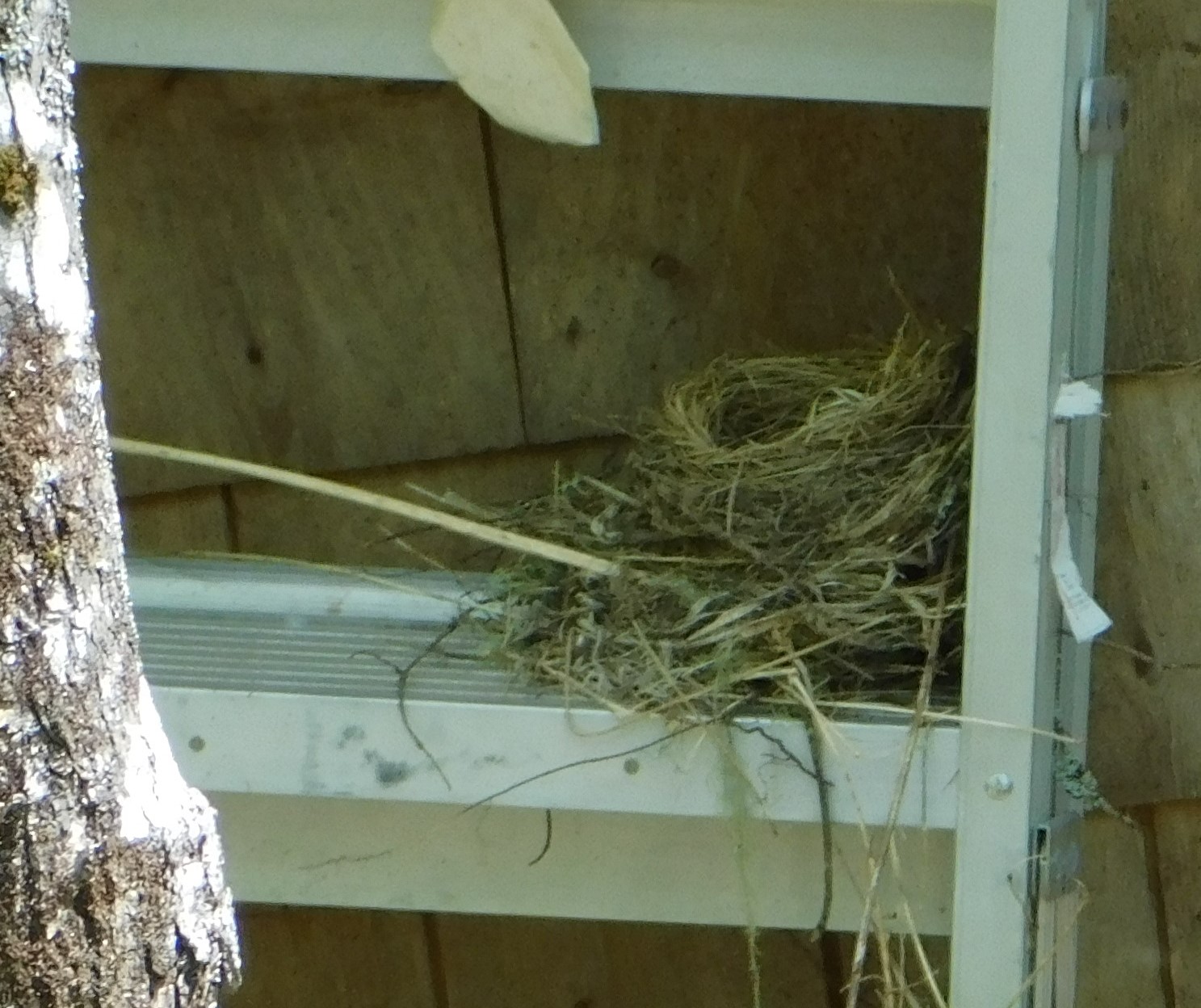
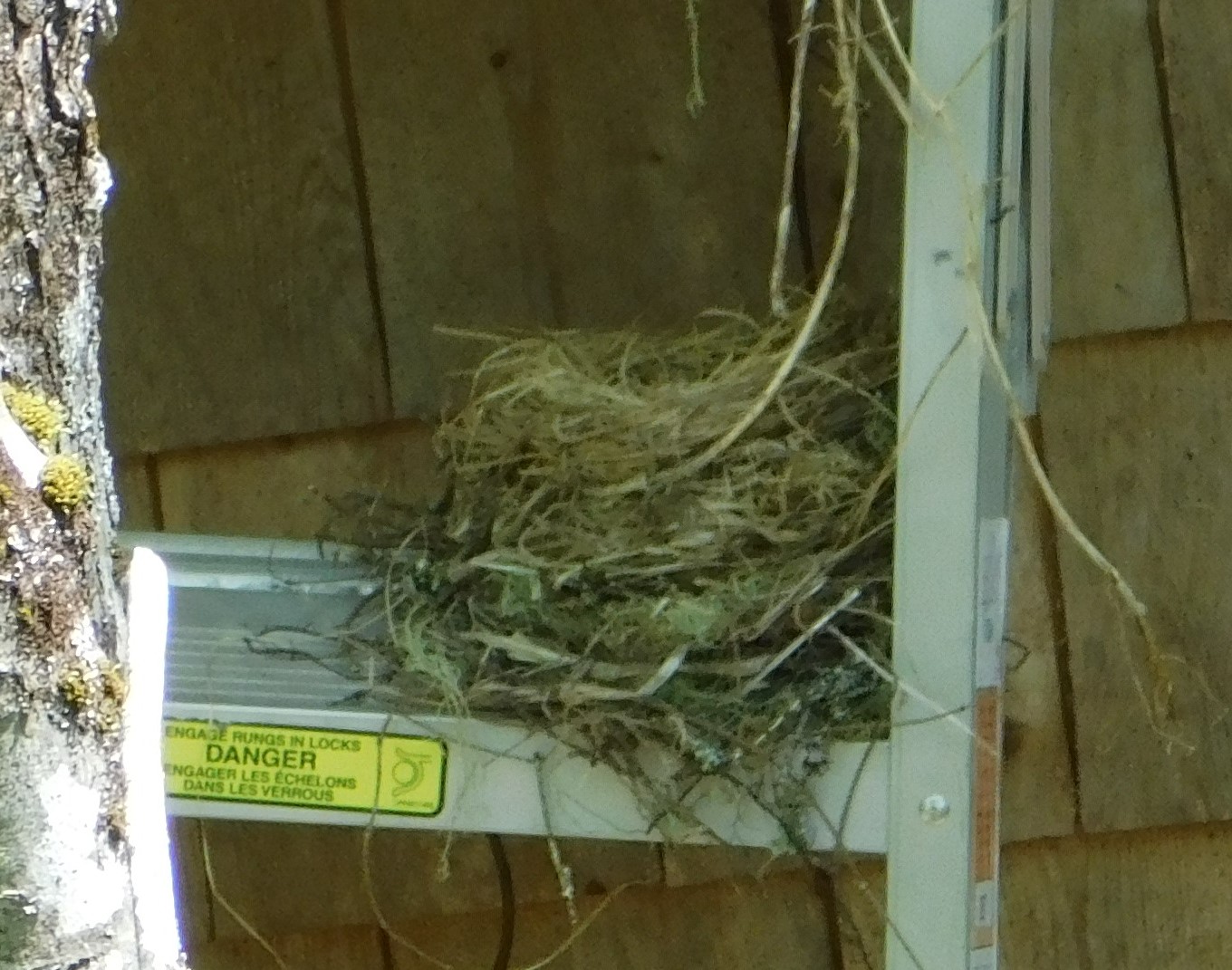
A robin has built three nests on the ladder leaning against our garage! The top two are well-formed and intact. The lower nest looks disarranged, as though construction was abandoned or a predator has pulled it apart.
~
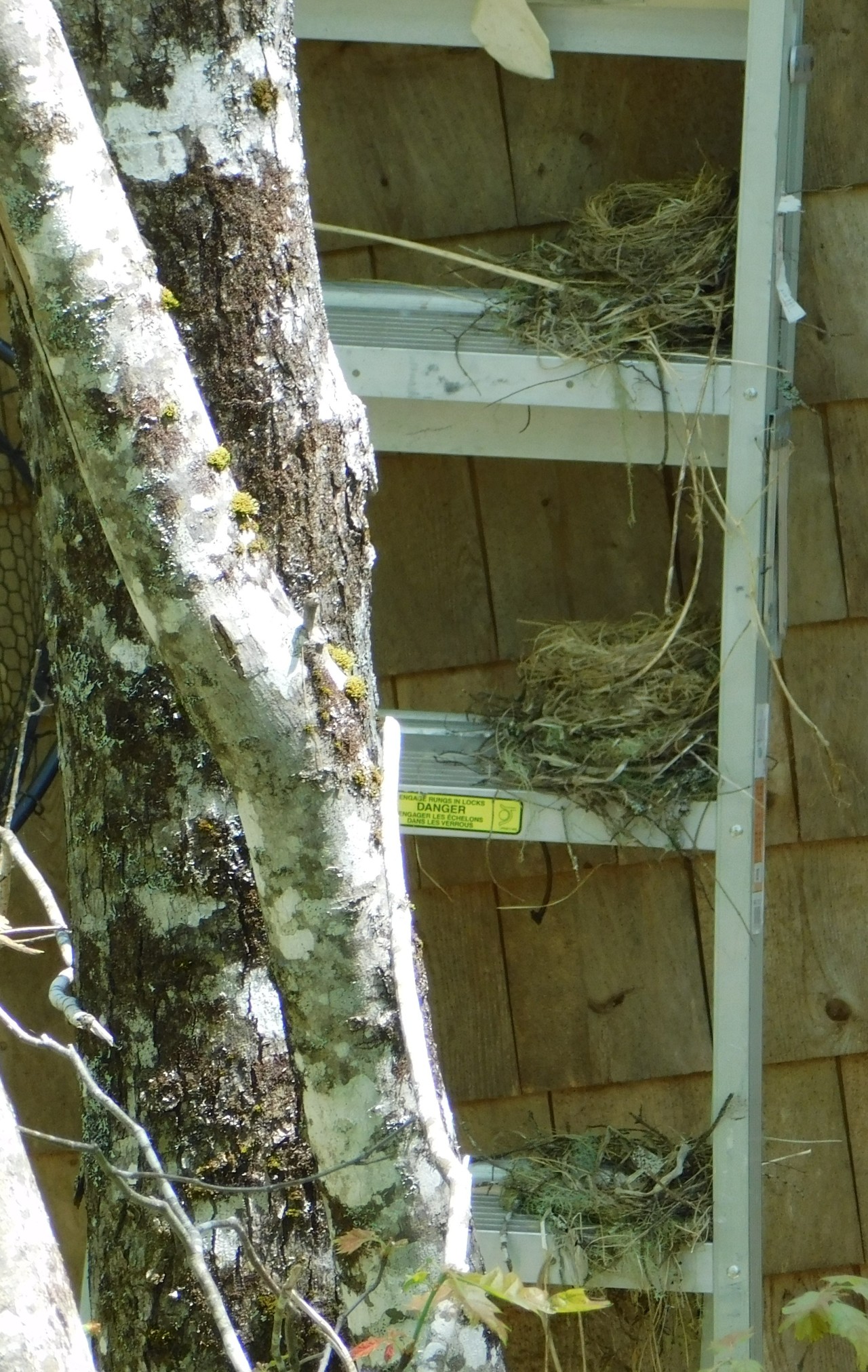
~
Bird nests are built during a period of a few days using grasses and twigs, mud for a lining. They are used for incubation of eggs and brooding of young. Adult robins don’t use the nest as a bed, but roost on a tree branch. For a great description of how the nest is built, see allabout birds.org.
~
~
We have watched the nests on the ladder, but there is no sign of eggs or baby birds. Every day, we hear the robin singing nearby, ‘cheery, cheer-up, cheer-up, cheeree.’ I hear the robin singing as I type!
~
~
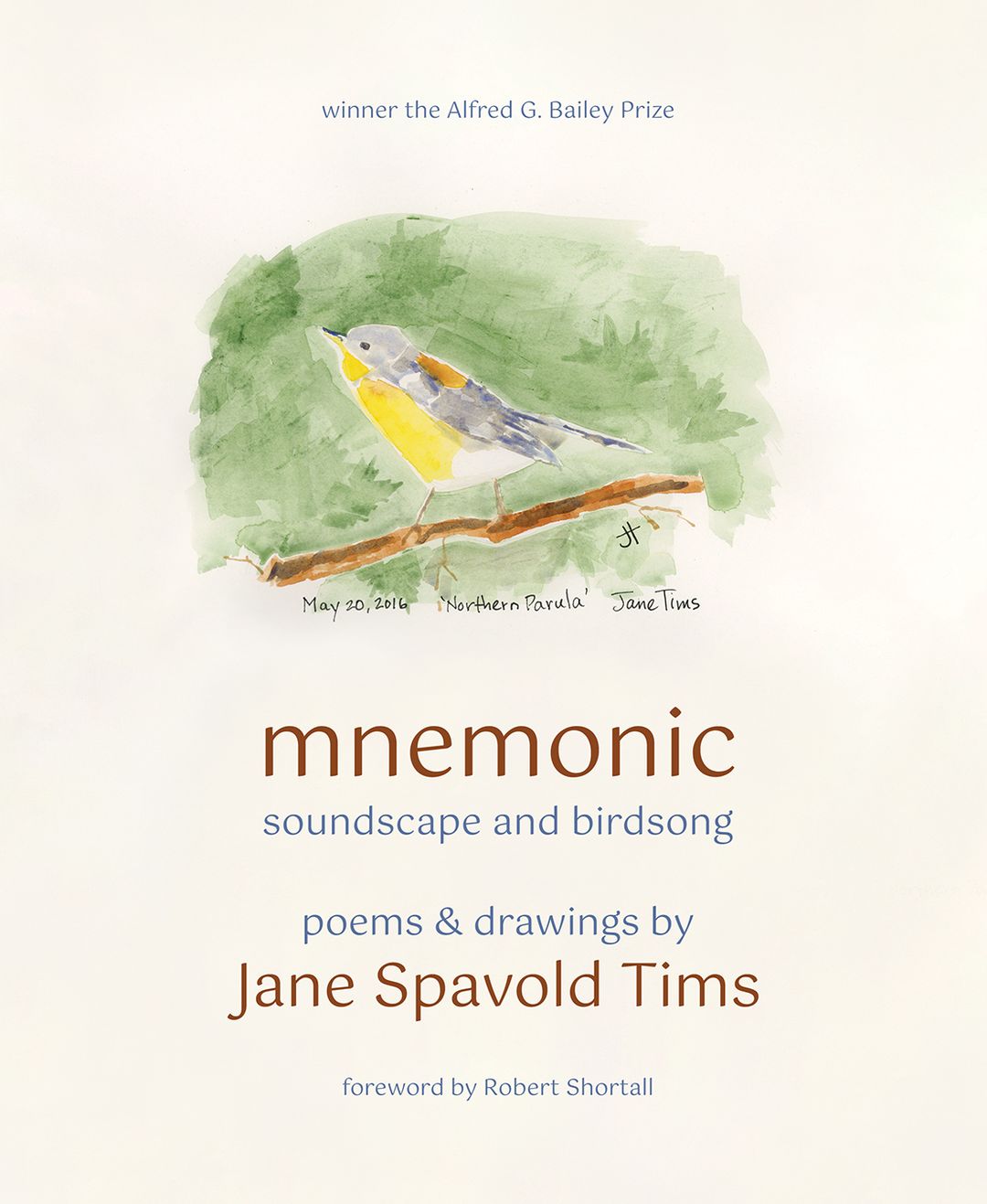
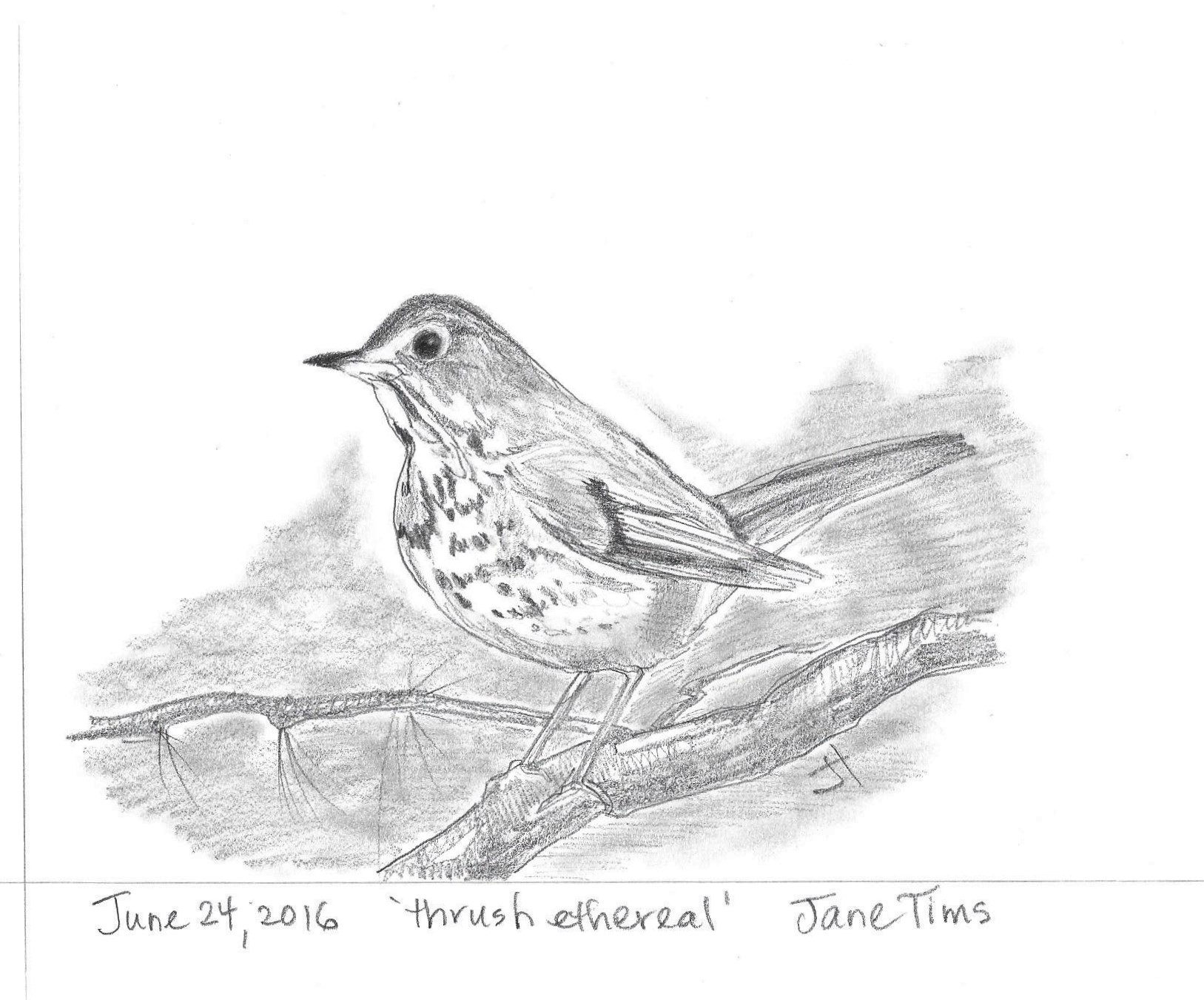
If you love birds and enjoy watching them through the seasons, you might like my new poetry book: ‘mnemonic: soundscape and birdsong.’ The book includes 53 poems about birdsong, bird behaviour, my experiences with birds, birdsong as a life metaphor, and celebration of other sounds in nature. I have also included 15 of my black and white drawings of birds. To get your copy of the book, click here to go to Chapel Street Edition’s (the publisher’s) website. If you would like to purchase the book on Amazon, click here. You can also find my book in several New Brunswick bookstores, including Westminster Bookmark in Fredericton and Dog Eared Books in Oromocto.
~
~
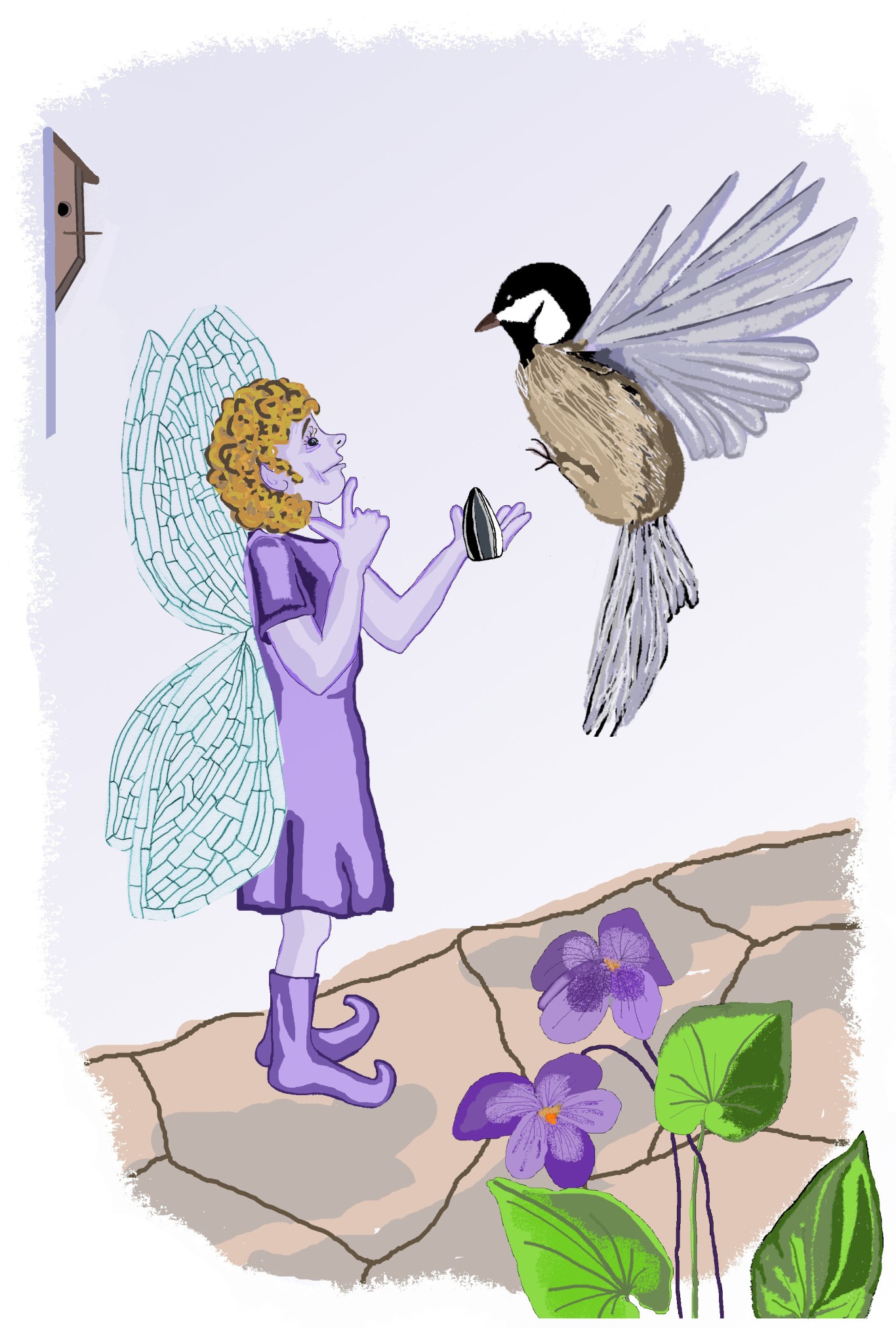
I want to write a story about the robin building nests in our ladder. I have decided to write a third book in my children’s books about ‘Wink.’ The first of these is ‘Wink in the Rain’ (available here), a story about a garden elf and his adventures in finding the perfect umbrella. The second book, ‘Wink and the Missing Sidewalk Chalk,’ a story of the hunt for a thief in the garden, will be published later this year. The story about ‘Wink and the Garden Ladder’ is written and I will soon be doing its illustrations.
~
~
Will our robin use the nests on the ladders to raise a family? I will keep you up to date.
~
All my best!
Jane
a life-list first: sandhill cranes
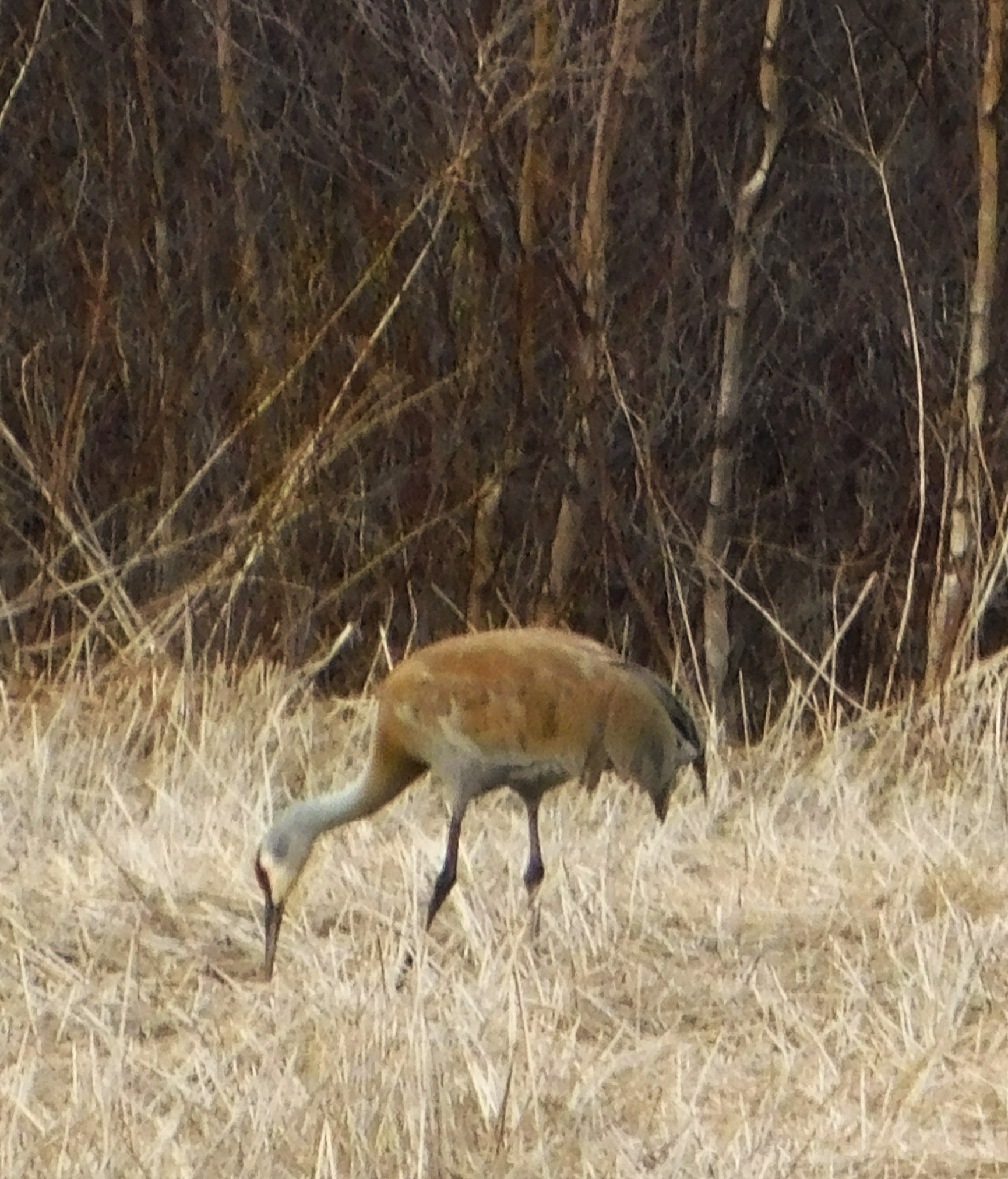
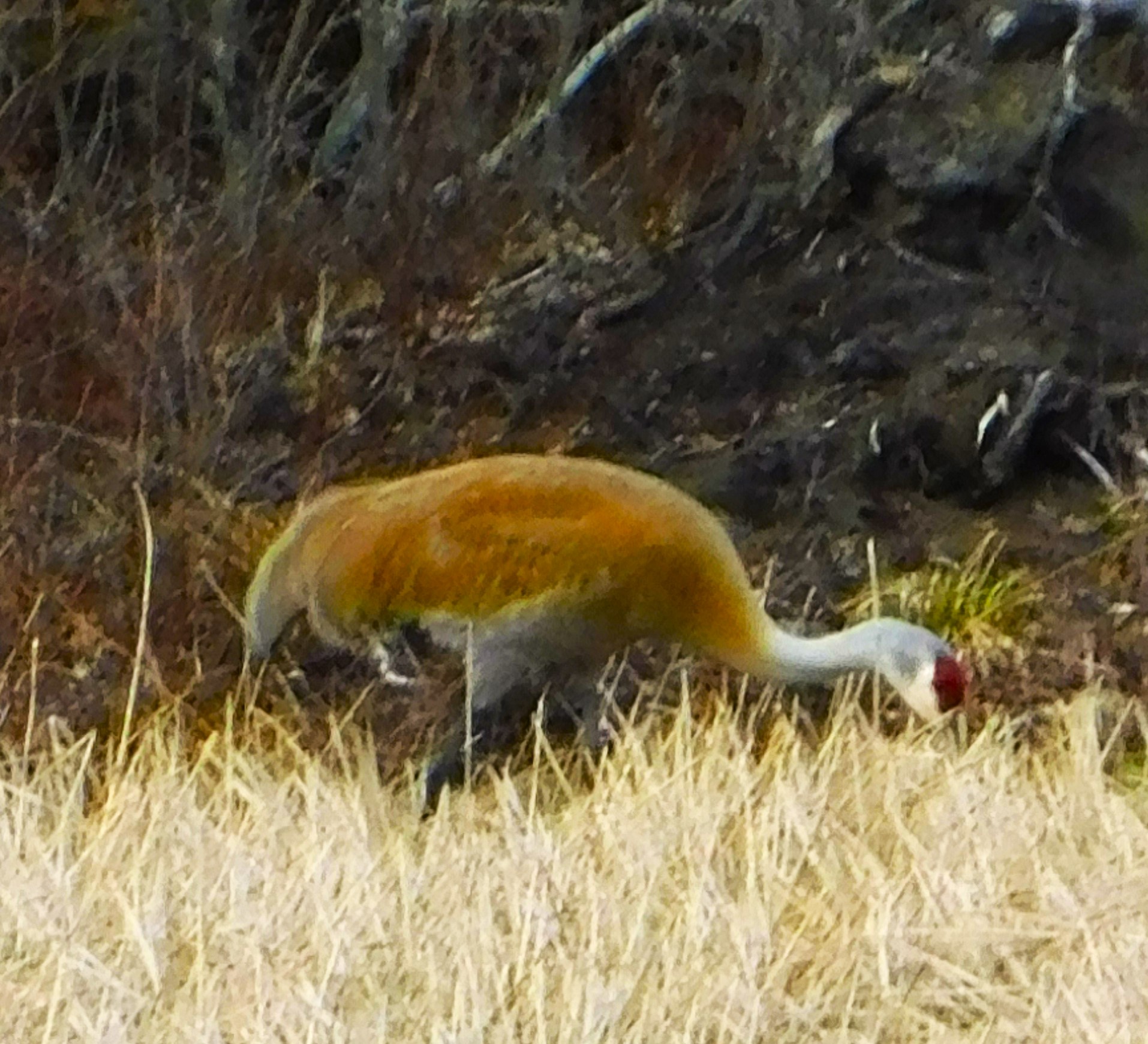
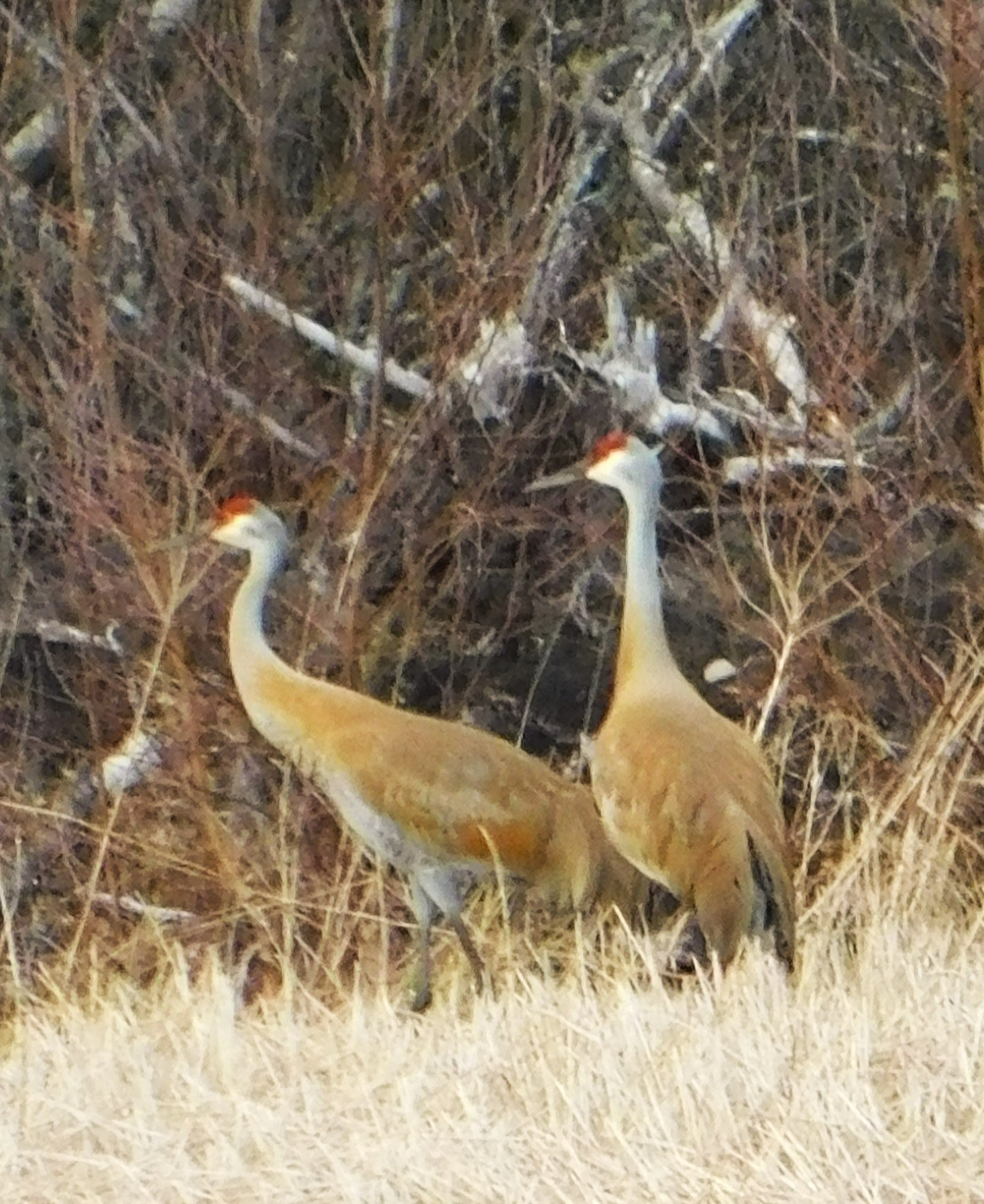
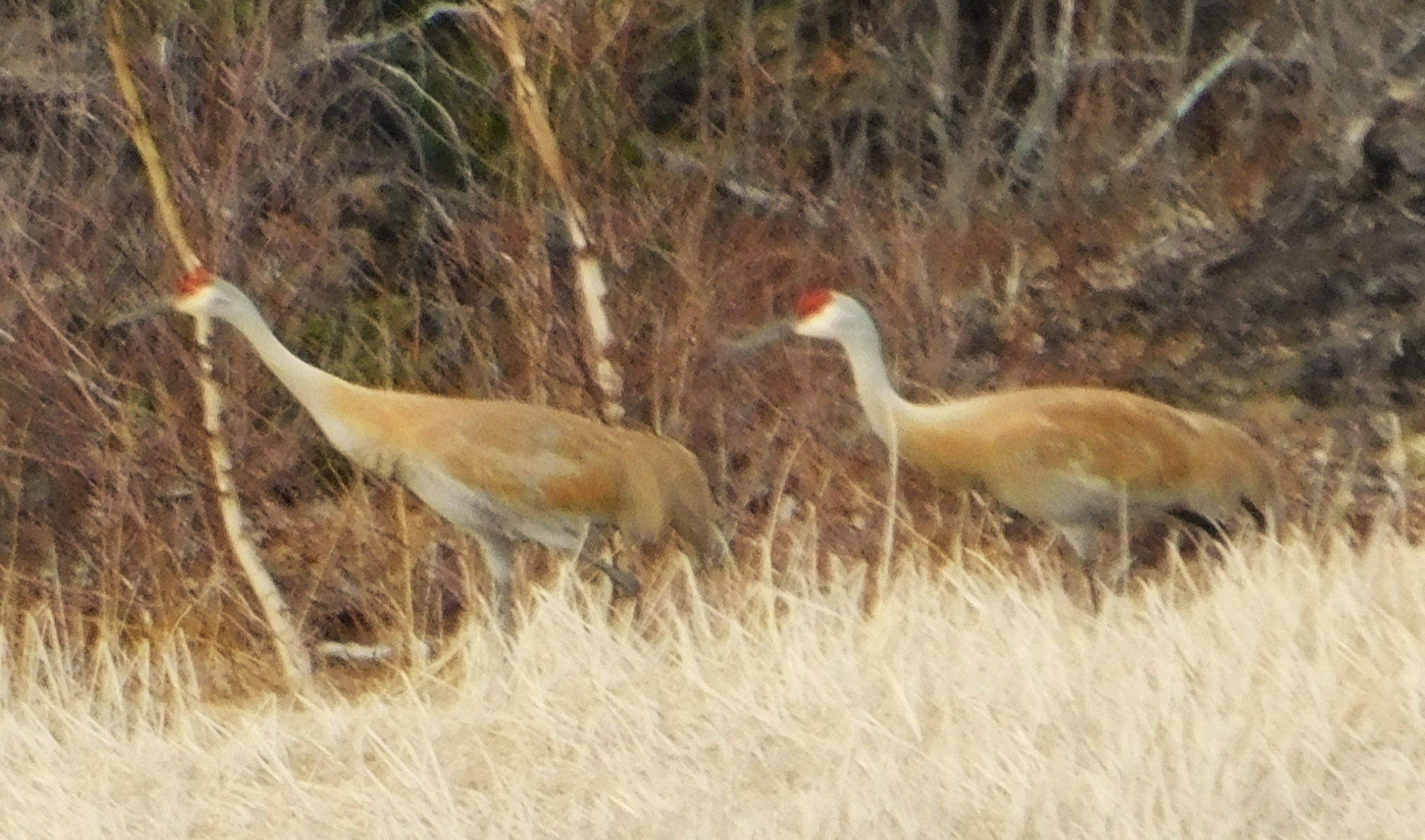
As the result of a posting on Facebook (in New Brunswick Birders), my husband and I took a drive to the Canaan Forks area of New Brunswick to see if we could see any of the sandhill cranes spotted there. We had given up on finding them and were on the road out of the area when my husband spotted two in a field between us and the river. I wish I was a better photographer: they were so elegant and deliberate, walking the edge of the field. As they walked and fed, their legs and necks were in a strange sort of synchrony. They appear quite ‘muscular’ and could be confused with a deer if their heads are down feeding.
~
~
Both birds had the red patch on the front of the head. They stayed together, turning to retrace their steps when they came to a small ditch between fields.
~

~
The sandhill crane (Antigone canadensis) can now be added to my life list!!!!!
~
~
Have fun watching the birds now returning from their migrations!
~
All my best,
Jane
squirrel-proof
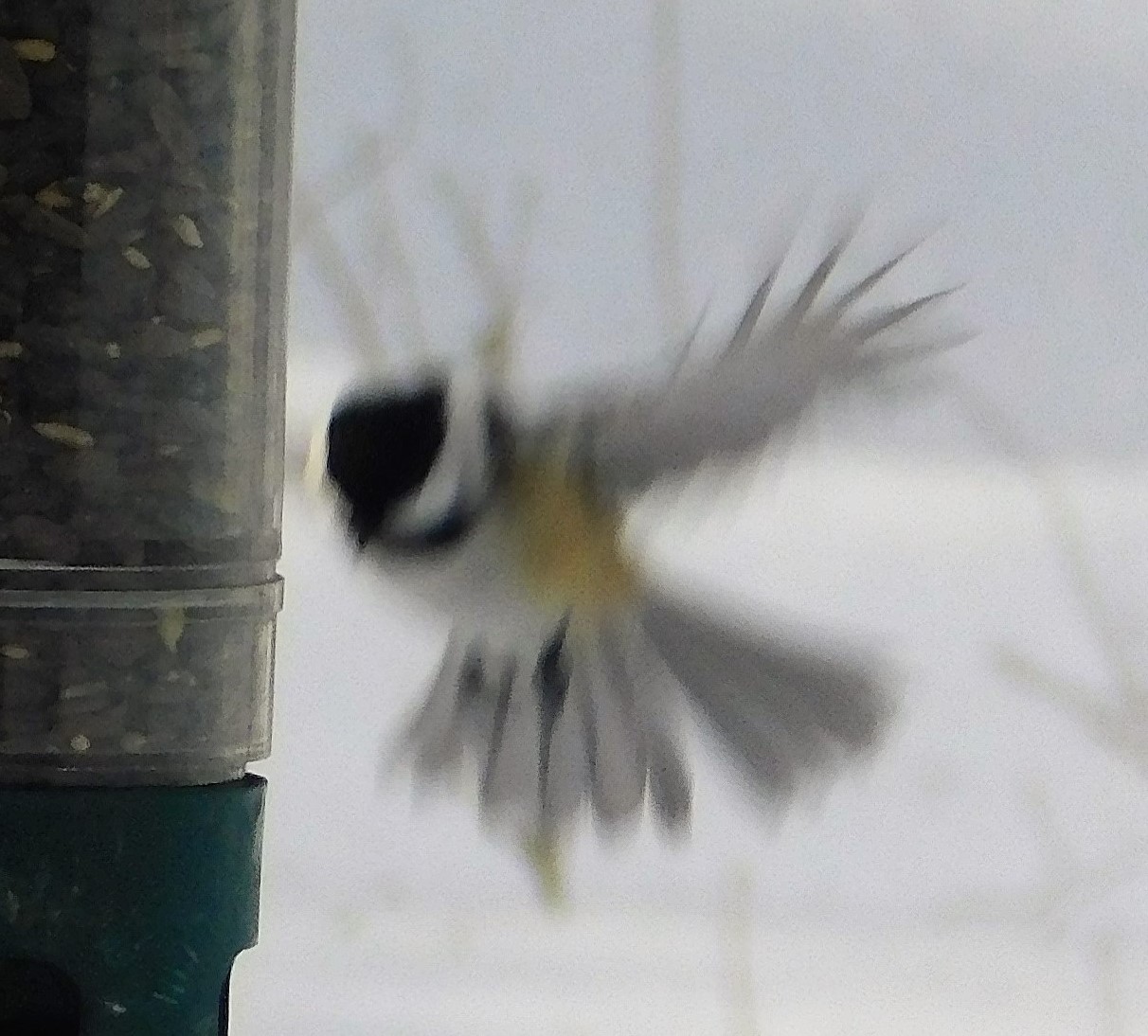
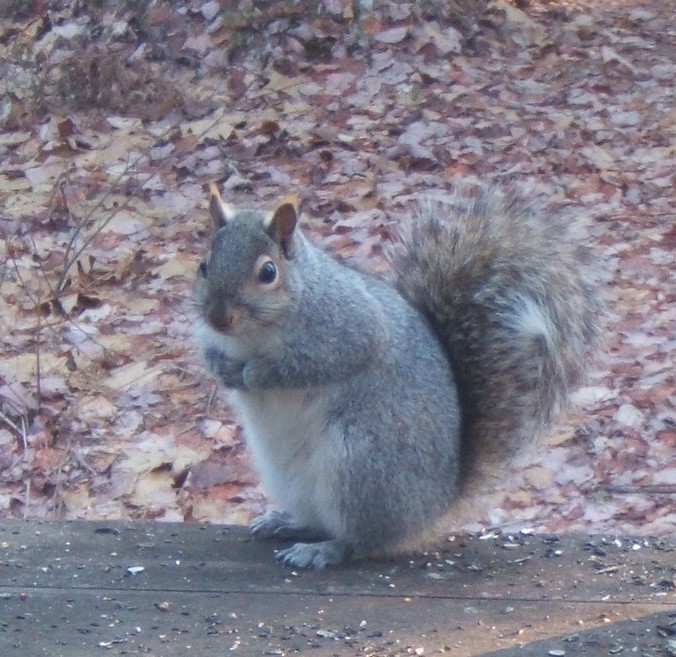
As a result of our focus on feeding the birds this week, my head is full of birds and squirrels and deer. Hence, a poem…..
~
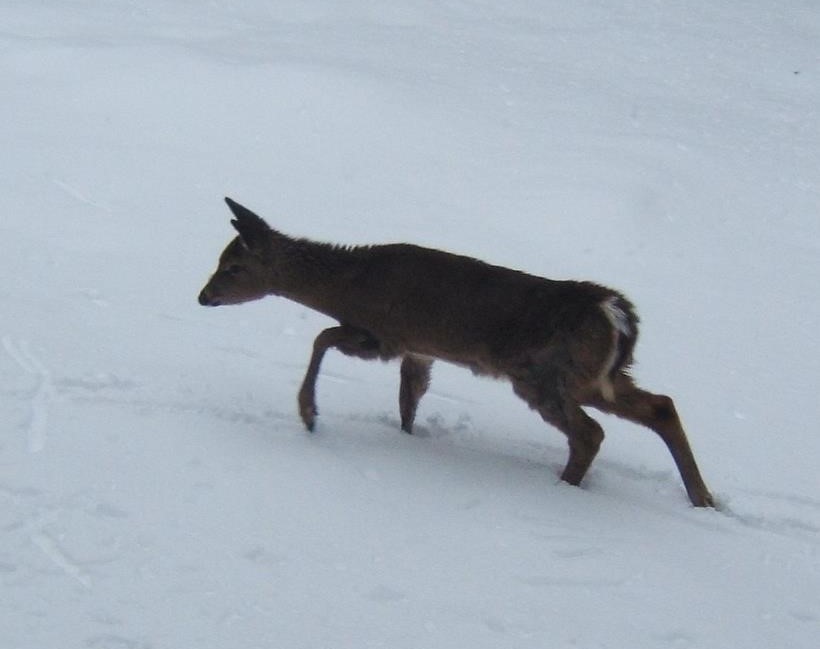
~
squirrel-proof
~
plan for success
buy a feeder, smarter
than any squirrel
~
fill the feeder
laughing
all the way
~
drive into town
to buy more birdseed
confident, smug
~
left turn
into the driveway
shadow
~
white tail
brown thighs vanish
around the corner
~
feeder empty
~
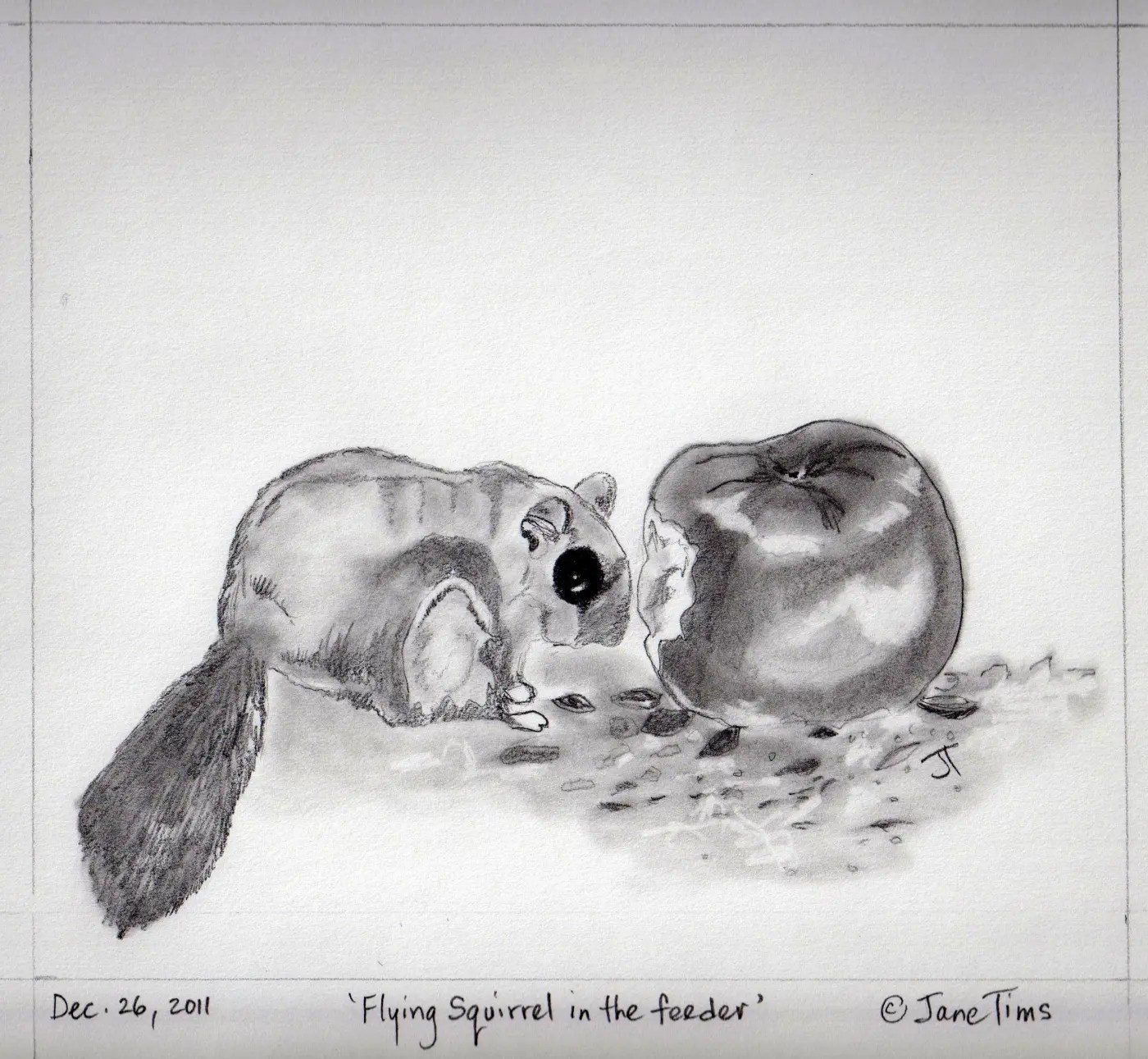


~
Photos are from years past. We don’t have much snow here in southern New Brunswick!!!!!
~
All my best!
Jane (a.k.a. Alexandra)
drear November: feeding the birds… and other wildlife!
Every winter, we feed the birds. I have records going back to 2011 and I have photos of birds visiting the feeder for many years before. I notice that I get chickadees, nuthatches and bluejays when I feed with only sunflower seeds. I also get finches, grosbeaks, sparrows and juncos when I feed with a mixed seed variety. Both grey and red squirrels visit our feeder. And a white-tailed deer.
~

~
Last week we bought a new feeder, so I could have both sunflower seeds and the mixed seeds at the same time. I filled both feeders when we arrived home, later in the afternoon. The next morning, not a seed in either feeder. By the tracks all around, I know a deer cleaned out both.
~
~
I don’t mind feeding a bit to the squirrel and deer. But not the whole lot! So this morning, I altered my tactics. I put the mixed seed feeder on a hook off our deck, so high the deer can’t reach it. The sunflower seed feeder can stay in its place, but after this I will only put a quarter of the usual feed there. That way, the birds can get feed during the day and the deer can nibble on left-overs without ruining my budget. The squirrel will be able to reach the feeder on the deck, but I will lure him away with peanuts.
~
~
Do you feed the birds, and do you have any strategies for making certain the squirrels and deer don’t get there first?
~
~
All my best,
Jane (a.k.a. Alexandra)
making November warm #5
I can watch birds any time of year of course. But, to me, November seems made for bird watching. Just seeing those tiny birds gobble up the various types of seed, makes me realize how lucky I am to be sheltered and warm on the bitterest of days.
~
I do not feed the birds until November. In part, this is to reduce the chance of spreading the various viruses that plague the wild birds. This year, I discarded all my old feeders and found feeders that did not feature sitting surfaces. I think it is better for the birds to land and leave. Flat platforms gather moisture and breed pathogens. The new sunflower feeder has narrow wire perches and no way to sit among the seeds. I also feed with nyjer seed and that feeder also has no perches, just small holes where the birds can pull fresh seeds from the tube.
~

~
We have a variety of birds at our feeders. I love the chickadees. They are greedy feeders, preferring the sunflower seed. They seem timid, landing only long enough to grab and go. But they often squabble with their own and other species.
~

~

~
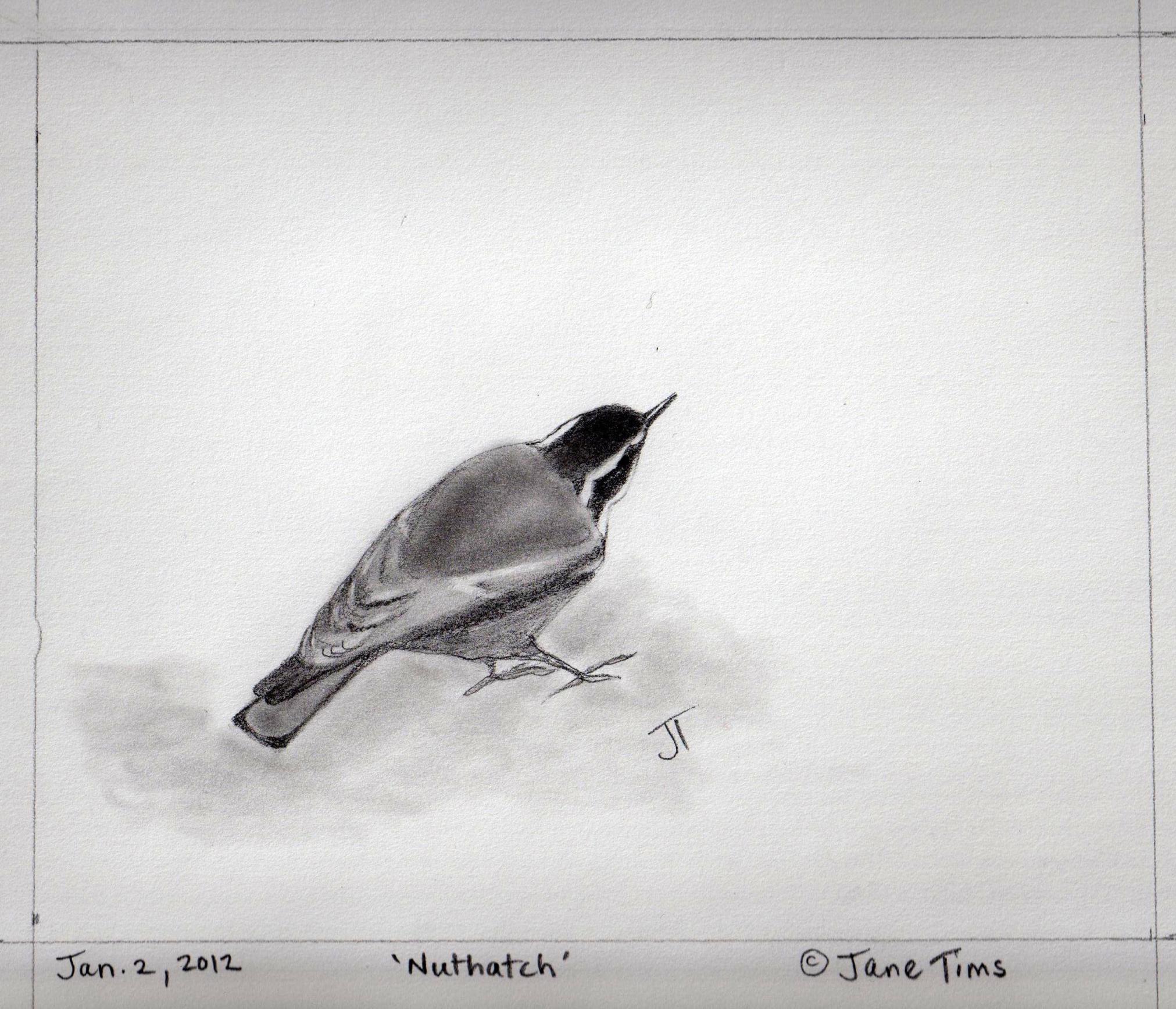
I also like the little nuthatches. This year we have both red-breasted and white-breasted nuthatches. They feed happily together. The red-breasted nuthatches will store seed in tree crevices. I have seen them poke seeds under the shingles of our house!
~
~
We also have a small group of blue jays who love sunflower seeds and various types of finches who go after the nyjer seed. I do not see the diversity of birds I saw thirty years ago when we first fed the birds here. I think some of that is due to the large number of bird feeders in our area.
~
The birds I would love to see at our feeders are the Canada jays. Forty years ago when I was working on the draft of my thesis up in our attic rooms, the grey jays, also called whiskey jacks, would come and say hello and eat scraps from my hand. The other bird I have never seen at our feeders (or anywhere) is the cardinal. My husband has seen them in our grey woods, but I have yet to add a cardinal to my Life List.
~
All my best.
Stay warm!
Jane
summer drive
We are so lucky to live in New Brunswick. Driving down any road is a kaleidoscope of flowers, especially in June. We have green hills, streams and rivers gushing after our recent rains and lots of wild life to see. And we have river ferries!!!!
~
Today we drove home from our camp by way of the Gagetown ferry. It’s only been operating a few days but we have ridden the ferry so many times it feels like a cruise on the river.
~


~
In the Gagetown area, there are lots of osprey nests to see. This time of year there is usually at least one adult, sometimes two, feeding young chicks.
~


~
We do not have road runners, but we have road crossers. Last week we watched as an American bittern ran across the road, its neck stretched forward parallel to the ground as it ran. Today we saw a woodcock walking slowly across the road, not concerned in the least about the truck or the photographer. Unfortunately, the photographer lacks skill but you can see the woodcock’s short legs and his long beak over his right shoulder …
~

~
And, this week, there are the roses (Rosa spp.), pink and fragrant. Some with a single whorl of five petals. Some doubled and redoubled.
~


~
And other flowers:
bladder campion or maidenstears (Silene vulgaris), with deeply-notched petals and red-veined inflated calyx …
~

~
bedstraw (Galium sp.) grows in mounds in the ditches, with leaves in whorls and white flowers …
~

~
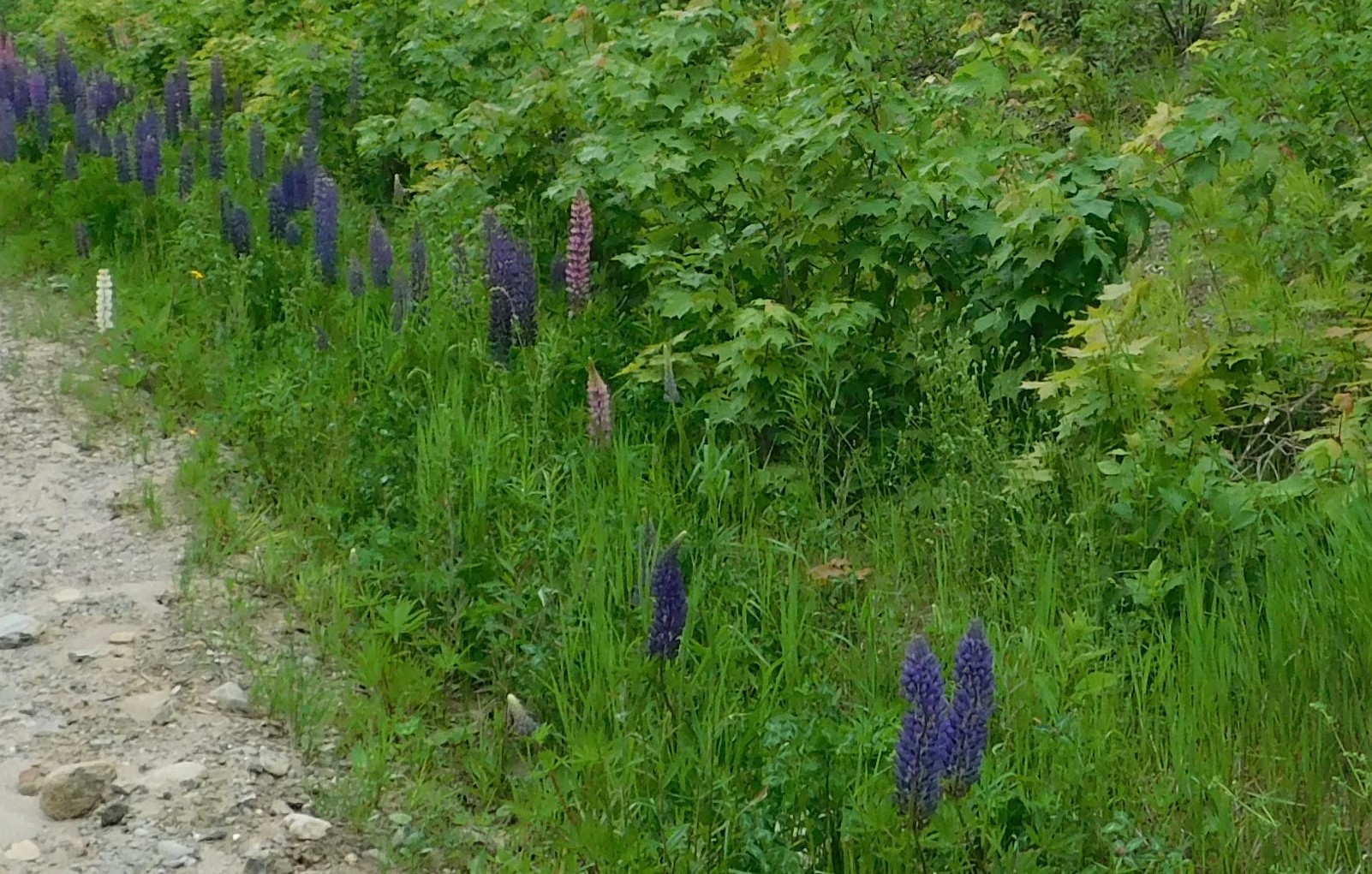
and lupins (Lupinus sp.), crowding the ditches in pink, blue and purple and occasionally white, already setting seed …
~
~
Looking forward to many drives this summer. I know that gasoline is expensive, but this is my entertainment of choice.
~
All my best,
Jane
checking out the berries
As I have often written, our cabin is an enjoyable place to be. We read; we go for walks; we watch the birds; we occasionally do a little work (keeping the trails clear, working on the cabin).
This past weekend we identified the trees surrounding the cabin and we were pleased to find we had 13 different trees:
- horse chestnut
- red maple
- mountain birch
- white birch
- trembling aspen
- green ash
- apple
- red oak
- willow
- white pine
- black spruce
- balsam fir
- shad bush
~
The berries on the shad bush are just beginning to form. At this stage they are about as big as a small pea.
~

~
We weren’t the only ones interested in the progress of the shad bush fruit. While we watched, a cedar waxwing landed and stayed for a while.
~

~
Last year we had fun watching the cedar waxwings feeding wild strawberries to one another! If you’d like to see those photos, click here.
Al my best!
Jane
Partridge and Grouse – which are you???
In New Brunswick, we have three birds which I confuse and name ‘Partridge‘. Remember I am a botanist and come by my bird knowledge through secondary sources.
~

a ruffed grouse or a grey partridge? the first clue is habitat (the mainly hardwood woodlands)
~
The Ruffed Grouse (Bonasa umbellus) is a bird of the woodlands (mostly hardwood) and is the bird heard ‘drumming’ in our woods in spring. Its plumage varies from pale brown to bright mahogany. It has a fanning tail and head feathers which stand up like a crown. The feathers around the neck ruff up too. Since these birds are locally referred to as ‘partridge’, there can be confusion between the Ruffed Grouse, the Spruce Grouse and the Grey Partridge.
~
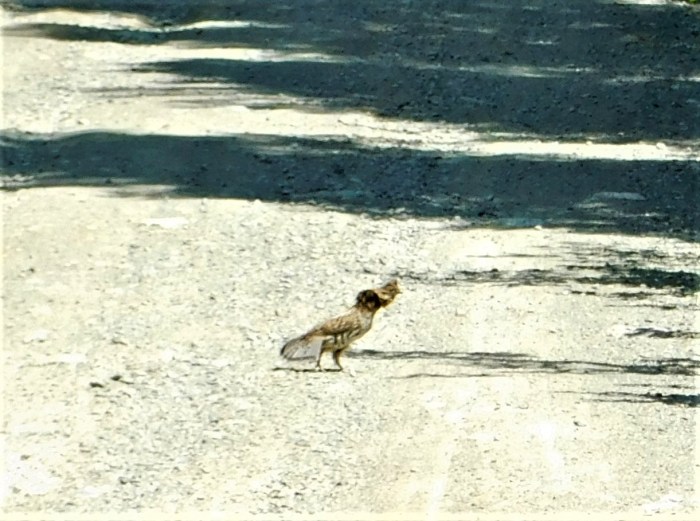
Ruffed Grouse crossing the Old Shepody Road in eastern New Brunswick
~

Ruffed Grouse in our grey woods
~
The Spruce Grouse (Falcipennis canadensis) is a bird of mainly coniferous woodlands. It eats spruce and pine needles. It is a chicken-like bird with variable plumage, mostly grey and black in the male and grey-brown in the female. The bird has a fanning tail, but does not raise its head feathers the way the Ruffed Grouse does. For a good photo of the Spruce Grouse see https://www.allaboutbirds.org/guide/Spruce_Grouse/id
The Grey Partridge (Perdix perdix) is a bird of open areas and grass lands. It is a roundish bird with a brown back and grey sides and neck. The chest-area has a darker brown mark. When startled, the bird flies upwards on rounded wings. For a good photo of a Grey Partridge see https://www.allaboutbirds.org/guide/Gray_Partridge/id
~
All my best,
Jane
scribble bird
~

~
~
Winter Wren
Troglodytes hiemalis
~
How to find
centre of forest.
Joy the objective.
~
Tiny tail
shivers as he sings.
Delirious trill.
~
Troglodyte
darts into thickets,
creeps into crevasses.
~
Lifts an eyebrow,
joins a chime of wrens.
Elusive ripple,
~
varied trill,
incoherent whir,
tremble to warble.
~
Distinguish
the note, the half-note,
the tone, the tangle.
~
Forget where
you once were going,
indecisive
scribble bird.
~
~
All my best,
Jane





 nichepoetryandprose