reflection
reflection n. 1: reflecting or being reflected; reflect light, heat, colour or image;
2: reflex action;
3: censure; thing bringing discredit on;
4: reconsideration;
5: mental faculty dealing with products of sensation and perception;
6: idea arising in the mind, mental or verbal comment.
Oxford dictionary, 1950.
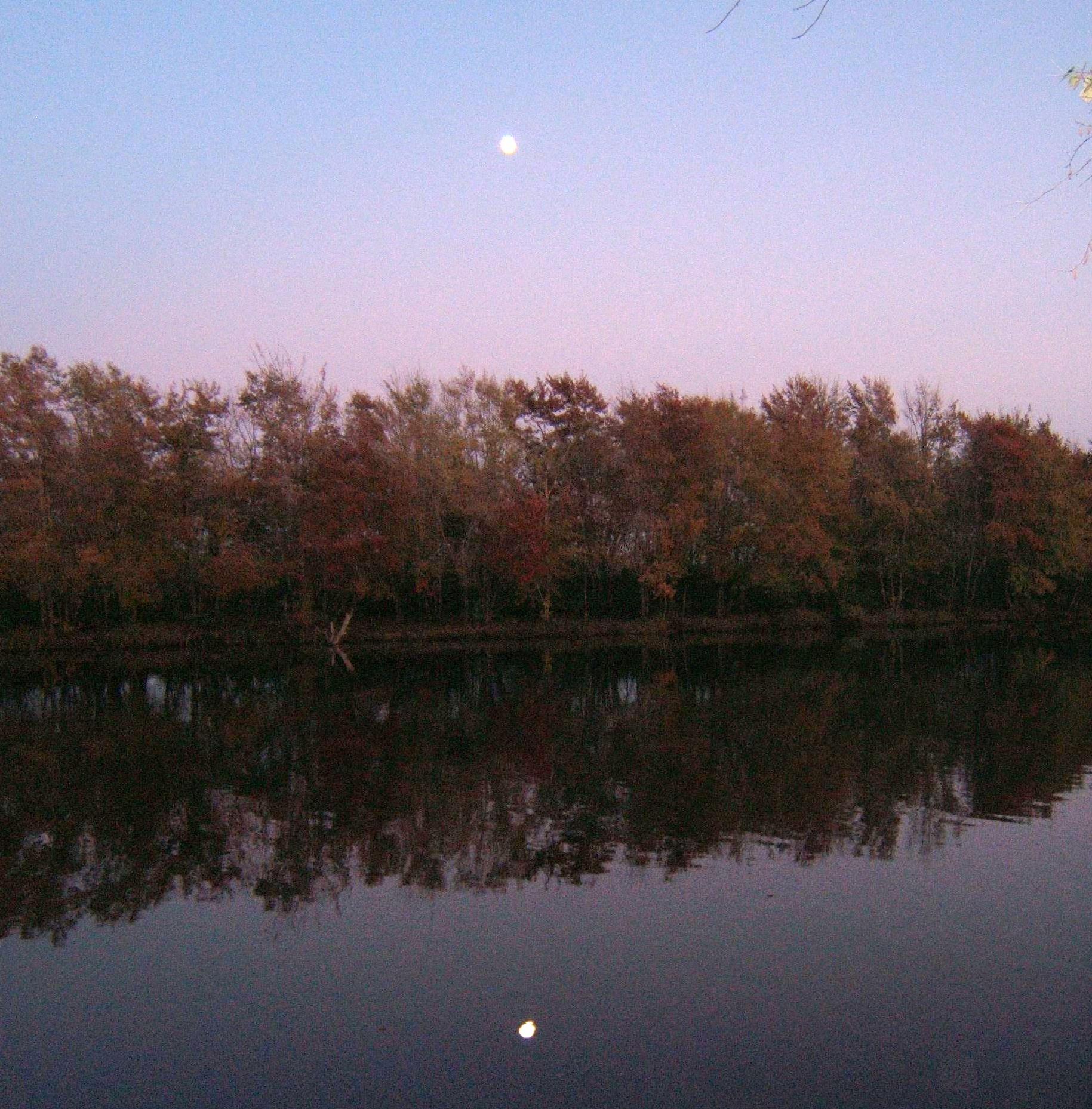
In autumn, I seek out rivers and lakes because they reflect the colour of the trees and magnify the effect of autumn fire.

Reflections are tricky. Sometimes they are so clear, you can turn a picture upside down and be momentarily confused about which way is up. Reflections are true, but show the inverse of self… the left side is on the right, the right side on the left. Refections take on the characteristics of the mirroring surface… in a mirror, a flaw in the glass will create a distorted image… in the water this results in wavy or doubled images as the water is disturbed.
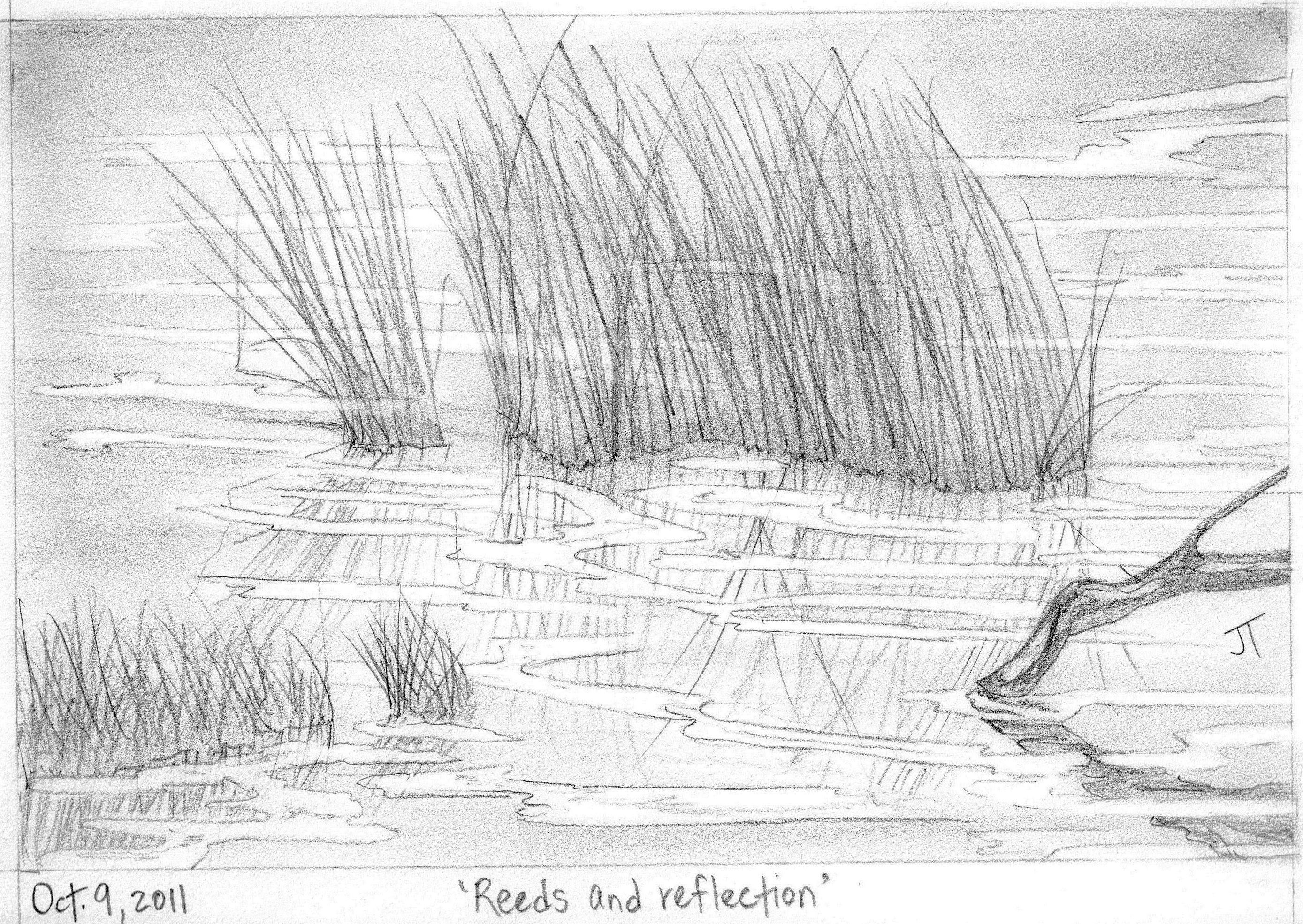
search for the essence of sun
~
1.
~
the river is molten
brimming with sunset
part water part sun imprisoned
by river reeds
~
2.
~
I am empty
less the thickness of reflection
~
the hollow
in begging hands
the void in the pipe
after the note has faded
darkness in the cradle of the moon
~
3.
~
if I had a straw
I could drink this sun
if the light would lift in folds
I could wrap it around my brain
tie it like a bandana
or I could scoop it into my hands
let it run honey and golden
along my arms
cut it with a knife
keep one half
to show my lover
~
I could sink into the river
rise through the sun’s reflection
slip it over my shoulders like raiment
~
4.
~
I could take the sun
in all these ways
weave it through me
like ribbon
~
but that would be only
the image of sun
not warm
~
© Jane Tims 1990
drive at dusk
Saturday evening we took a drive along Sunpoke Lake, a low part of the landscape where you can see, simultaneously, the marsh of Sunpoke Lake, the Lake itself, and the Oromocto River.
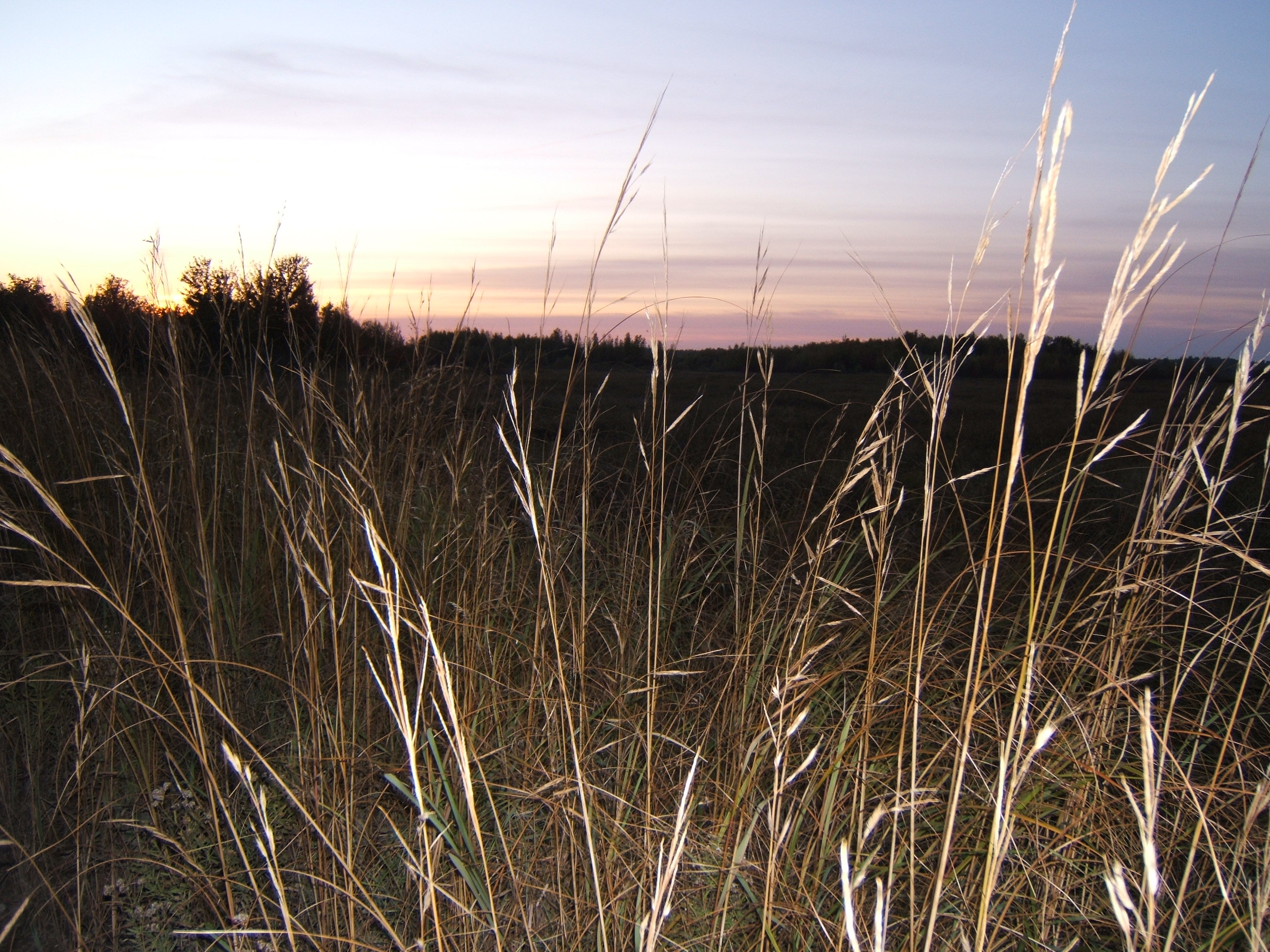
Along the road were tracks of moose and bear, and the very smelly carcass of a bear. In each of the tracks, there was a fair sprinkling of seeds, so we surmised the bear tracks were those of the dead bear.

notice the seeds in the tracks... the bear travelled by quite a while ago
The tracks gave us a hint at the drama that must have played out along the road, probably on a night earlier in the week.
The moose tracks were also full of seeds. I like to think of it, ambling along the road.

At the turn of the road where it runs along the Oromocto River, we stopped to take some photos of the moon and its reflection.

And on the opposite side of the road, I caught the sunset at its peak, and the silhouette of a very spooky tree.

Fears
~
I saw a light in the woods tonight
low, through tangled branches of spruce
and crowded stems of fir
~
white in the dark
a gleam where only black should stir
~
like the lamp of a stranger
lost
~
but the glow was steady and still
and in less than the catch of a breath I knew
all I saw was the rising moon
beyond the hill
~
I heard a cry in the woods tonight
soft and low through the tangle of spruce
and the thicket of fir
~
a moan in the dark
a sob where only wind should stir
~
like frightened tears of a child
alone
~
but the cries held no human word
and in less than the catch of a breath I knew
the wail of a wildcat on the prowl
was all that I heard
~
© Jane Tims 1992

more butterfly spaces
On our trip to Ontario, I did a little chasing of butterflies. I was trying for a photo so I could identifyanother butterfly for my ‘life list’. So far I have collected two: ‘Monarch’ and ‘Viceroy’!
The field I focussed on had a lively population of yellow butterflies, and I thought it would be easy to catch one in a photograph. I was wrong!
If I stood still and waited for them to come to me, they would eventually flutter nearby but be gone by the time I had the camera in focus. If I chased after them… well that was just silly.
Eventually I did capture an image as one butterfly settled for a second on the purple head of a Red Clover (Trifolium pratense L.).
Once I had my photo, I could identify the new member of my ‘collection’ – a Clouded Sulphur (Colias philodice). Its distinguishing characteristics are a double spot on the underside of the hindwing and a submarginal row of dark spots. According to my source, the Clouded Sulphur is similar to the Pink-edged Sulphur (Colias interior) but the Pink-edged Sulphurhas a single spot on the underwing and no row of dark spots.

The experience of chasing this butterfly reminded me of a study I used to play on the piano when I was younger. The piece was by Chopin, the well-named ‘Butterfly Etude’. It was a hard piece (although I was playing an ‘easy’ version), made up of sets of of detached and un-detached octaves, played in rapid staccato. At the time I thought of it as just another study in agony, but now I realise how aptly it represents the inelegant, bouncy flight of the butterfly!
étude opus 25, no. 9 – Chopin
~
wrist staccato
octave stretches
disarticulated
sprite
~
wings a-flutter
closed and open
cloud to clover
bouncy bright
~
flirt and quiver
tip and stumble
clouded sulphur
butterflight
~
© Jane Tims 2011

the stone between farms
How do you show the boundary line between you and your neighbor?
At Ågersta Village in Uppland, Sweden, is a rune stone positioned to mark a boundary between two properties. The stone is carved with two serpent creatures entwined, their heads in profile. Each has two sets of legs, the forelegs strong, and the rear legs weak and helpless.
The stone was carved by Balle, a frequent carver of rune stones in Sweden, and raised by Vidhugse, in memory of his father. The boundry, established in the twelfth century, showed the boudary until 1856 when the property lines were finally changed!
The inscription reads, in part: Hiær mun standa stæinn miđli byia – “Here shall stand the stone between farms.”
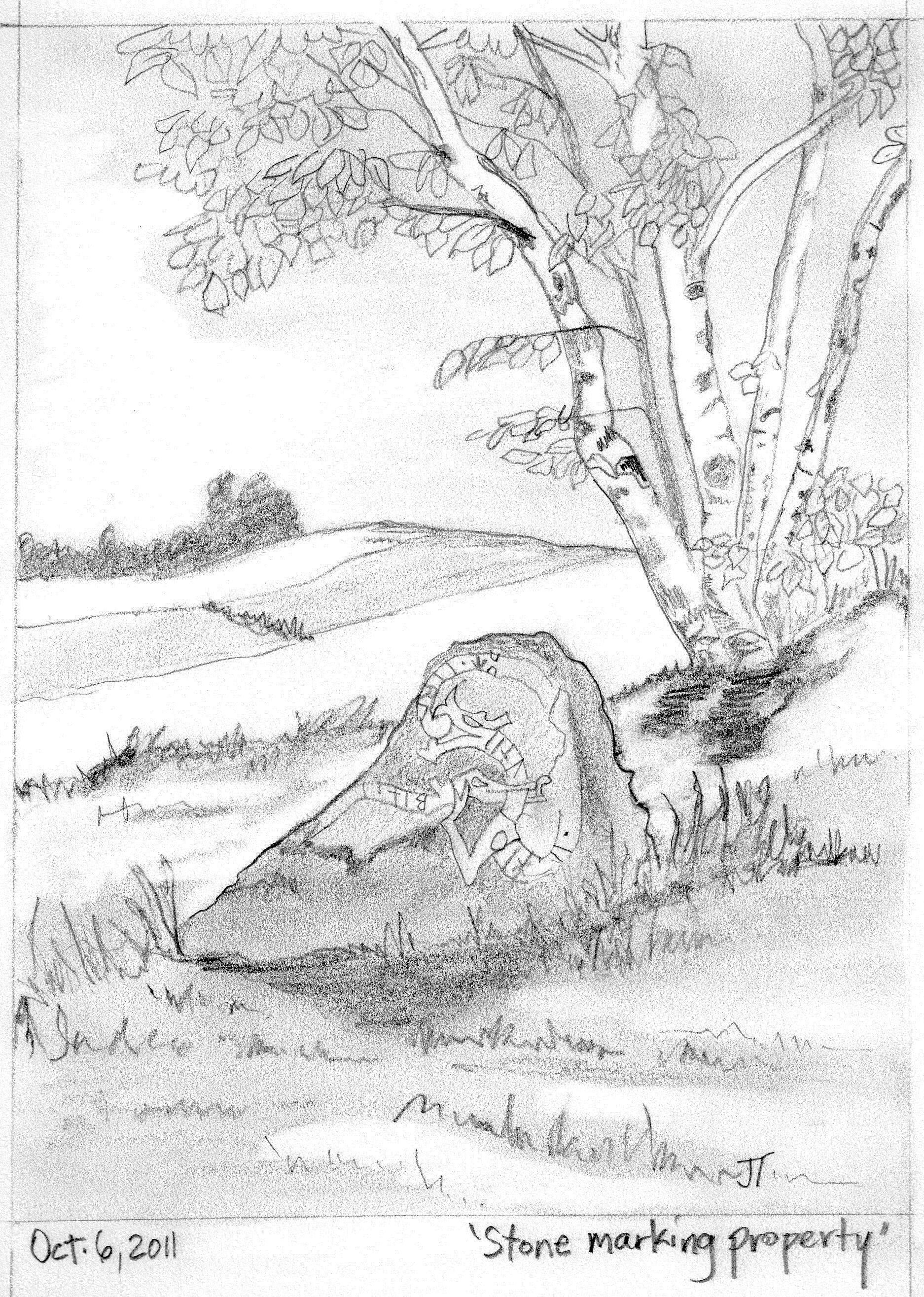
from my imagination and not the rune stone at Ågersta Village
stone between farms
(rune stone in Ågersta Village, Uppland)
Do not move your neighbor’s boundary stone…
– Deuteronomy 19:14
~
ninth morning already
irate I rise
gather my tools
trudge to the hillside
~
stone waits for me, Balle
(master carver of runes)
shadows pulled into dragon
compete with guidelines
‘what is not’ more complete than ‘what is’
~
another fair day
Vidhugse to the west and south
Austmadr to the east
surely their bickering over boundaries
will cease
~
by noon the sun
embroils the rock
streaks my brow with sweat
floods the serpent creature’s clever eye
lip lappets drip
~
mosquitoes dither about
the creature’s profile acquires
the look of an insect head
reckless slip of the rune tool
could end its smirk
~
hill of rock dust
settles on my shoe
birches stir the air
odor of leaf layer
memory smell of Birka
~
© Jane Tims 2005
breakfast niche
niche \ ‘nich\ n (F, fr. MF, fr. nicher to nest, fr. (assumed) VL nidicare, from L nidus nest)
1 a : a recess in a wall, especially for a statue;
b : something that resembles a niche;
2 a : a place, employment, or activity for which a person is best fitted;
b : a habitat supplying the factors necessary for the existence of an organism or species;
c : the ecological role of an organism in a community especially in regard to food consumption.
– Webster’s New Collegiate Dictionary, 1979
My niche includes breakfast.
I look forward to my breakfast, sometimes planning it in detail the night before.
The best breakfast, for me, includes all the food groups: protein, grain, milk, fruit, vegetable and fat.
I usually settle for cereal, or toast on days when the cereal box is empty. But the best breakfast involves a piece of whole wheat toast, some yogurt and almonds, stir-fried green peppers, onions and mushrooms…
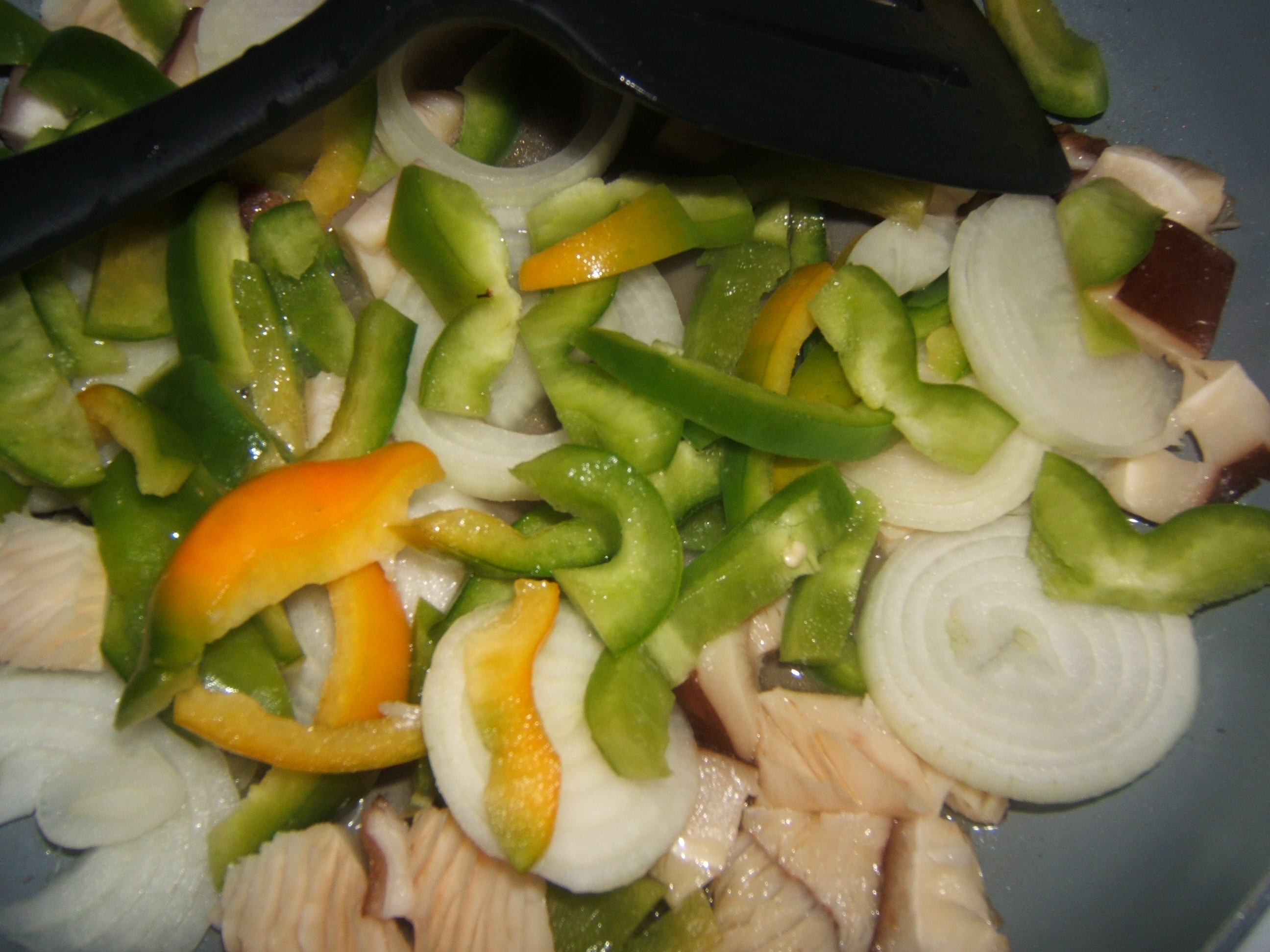
the shitake mushrooms in the stir fry were grown on a log in a friend's woodlot
and an orange…
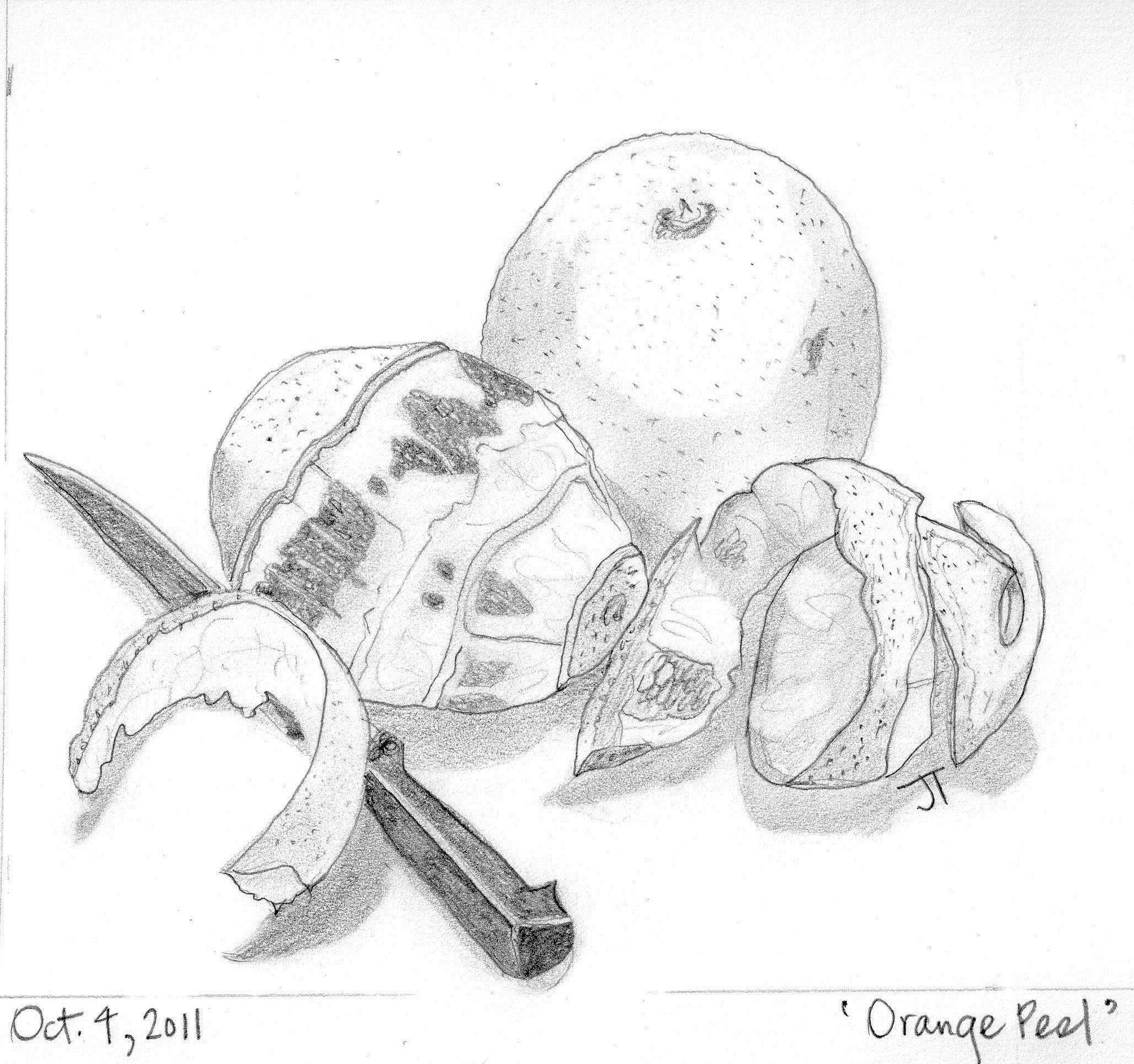
breakfast sun shower
~
clouds pulled apart
thumbs between
sections of sky
sun flashes
from a flat grey knife
light peels back from shadow
~
curl of orange rind forecasts
tart vapour of rain
~
© Jane Tims 2010
comparing landscapes
When you are visiting an area away from home, what do you notice about the landscape?
As we were driving the roads of south-east Ontario, I was always comparing the scenes I was seeing with the landscapes of home in south-central New Brunswick.
Both areas are hilly and rural, with a strong agricultural base. Both are forested wherever farmland is not the main land use. The trees in south-eastern Ontario are predominantly hardwood with some cedar, fir and pine, whereas ours are mostly mixed wood with a stronger component of conifers (spruce, fir and pine).
Probably the thing I noticed most about the Ontario farming landscape was the predominance of corn as a crop. When we were there, the ‘eating’ corn had already been harvested, but corn for silage (mostly used for cattle) was growing everywhere. It stood tall in golden fields, mostly broadcast, without corn-rows.
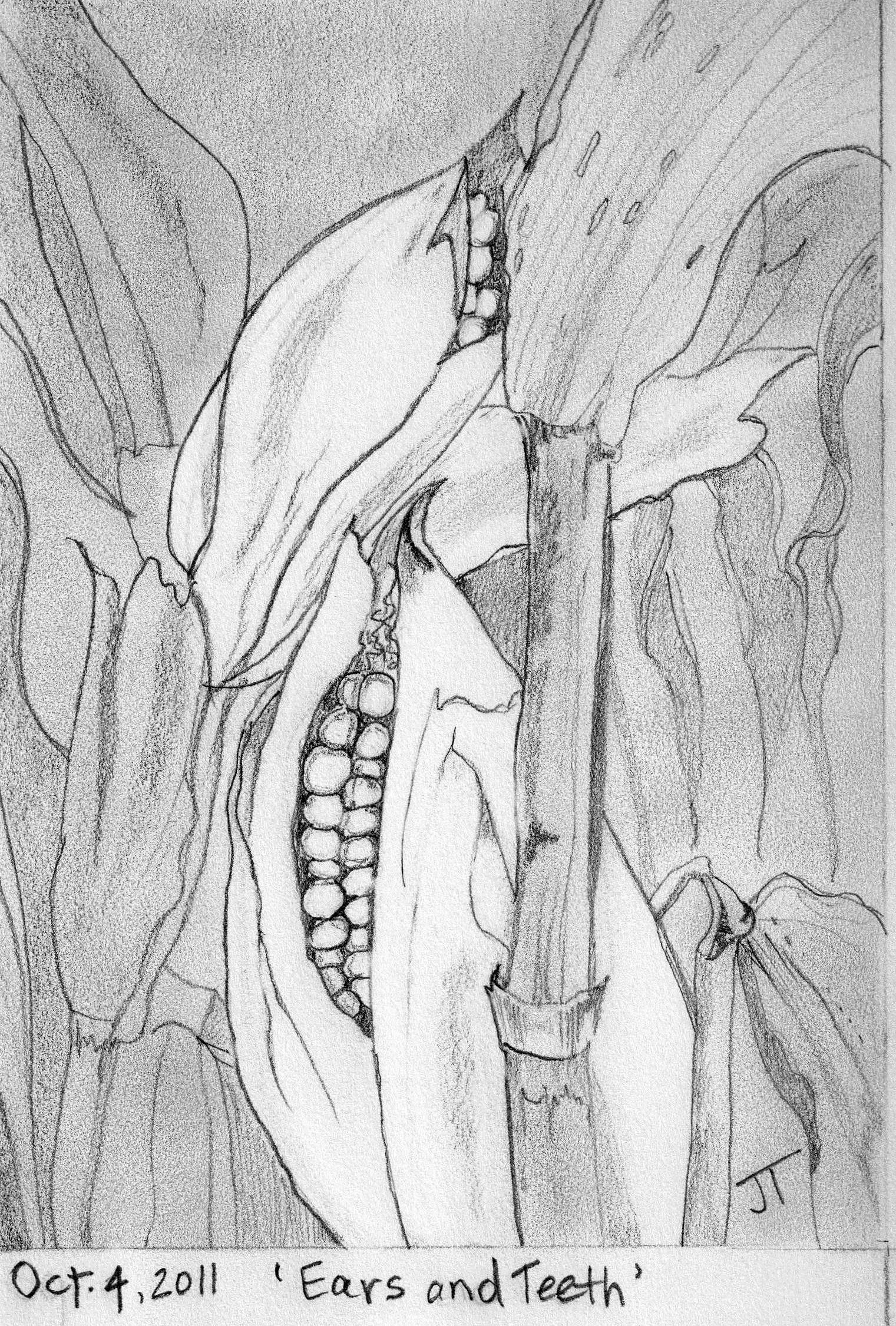
The corn was ready for harvest, the corn kernels held in stout, starchy ears. I think ‘ears’ is such an apt word for corn since the sense of hearing is shaken awake when you stand in a cornfield. This time of year, the long leaves are dry and rustle in the slightest breeze, carrying on a whispering conversation in an unknowable language.
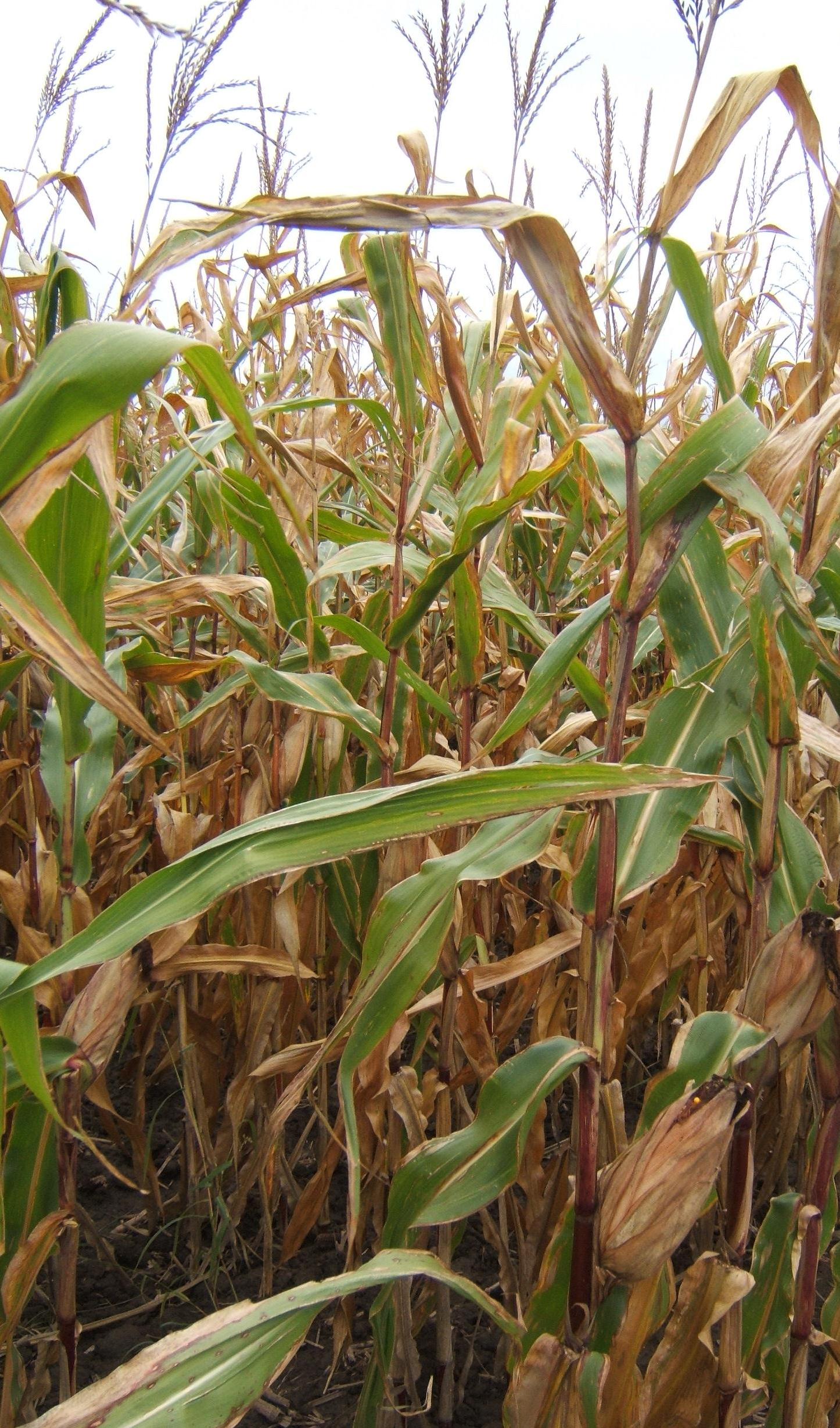
gossip
~
cattle-corn rustles
silage close-standing
whispers and secrets
wind-syllables
murmurs and sighs
rumours
no single
discernable
voice
~
© Jane Tims 2011
fords across the river
During a week of vacation last month in south-eastern Ontario, I was able to get to know some of its rivers.
The water is low this time of year and the rivers run still and quiet. Pond lilies and duckweed cover the surface, joined by early falling leaves. The country roads cross and re-cross the rivers, giving a view of each river at several points along the way.
I was also reminded of another means of crossing a shallow river or stream – the ford. This is a place where the water is shallow enough to cross on foot or by vehicle, without a bridge. Sometimes the ford depends on the natural stones or solid bottom for its footing; sometimes the bottom is built up by adding stone.
The fords on the South Branch of the Raisin River in South Glengarry County were built to last, of stone. They make a charming pause in the run of the river, allowing passage of the water and a safe way to cross.

A local person familiar with the river told me this: in spring, when the river runs deep enough to allow canoes to paddle, the fords can still be seen, white stones shining up through the water.

~
crossing the South Branch Raisin River, South Glengarry County
~
weedy South Branch Raisin River water-dry
stream-bed wizened wild grapes purple-weighted
sun-dried field rock
fords and fences
rain and rising
leaf-spun river
surface winds reflected
elm, nymphaea
ash, nuphar
~
© Jane Tims 2011
sounds in the silence #1
If niche has colour, it also has sound. Some of those sounds are soothing, the sound of a babbling brook, or the wind in the Red Pine. Some sounds are alarming, the cry of a child, or the squeal of brakes. At my office, there are multiple sounds in the background – people talking, computers whirring, copiers copying, printers printing. When there is a power outage, I am amazed at the silence of the building, and wonder how I can possibly work with all the noise.
When I can’t sleep, I turn to a trick my Mom taught me – I count the sounds in the sleeping house. Last week, a welcome sound was added to the usual repertoire, the three part hoot of a Great Horned Owl. Hoo-Hoo-Hoo Hoo-o Hoo-o. It was a gentle but penetrating sound and it ruled the night. The owl hooted three times at about five minute intervals and then I fell asleep.
Not long ago I went for a walk in the grey woods and heard a sound I have heard so often before, the grating squeal of two trees rubbing together. These trees, a Balsam Fir and a Grey Birch, have tried to grow into the same space and now they reproach one another in an endless competition.
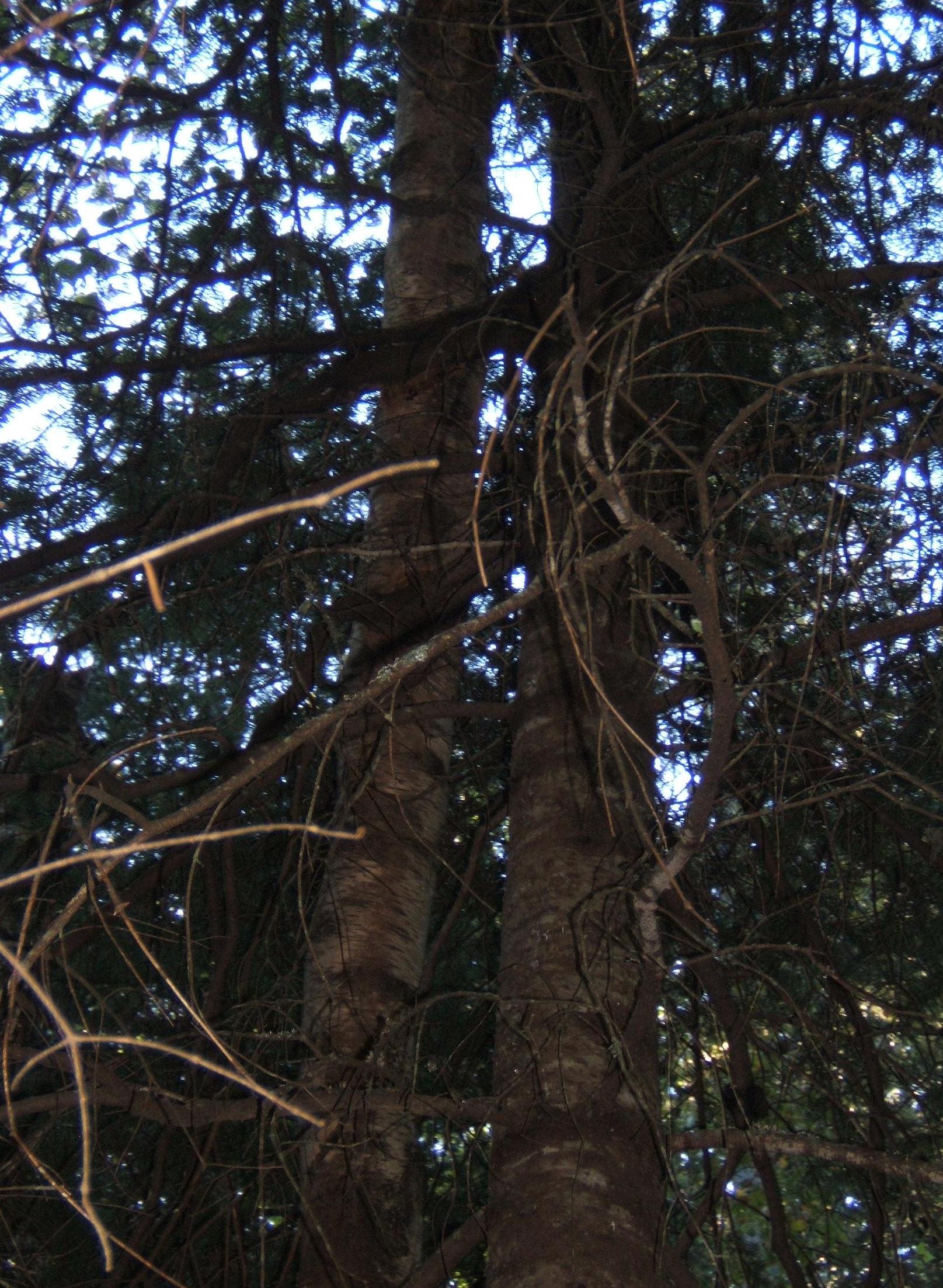
the branches of one tree grate against the bark of the other
fear of heights
~
as dizzying to look up
in the forest
as down
into the abyss
the trees taper so
~
they lean
birch
against fir
rubbed raw
where branches touch
and reach for one another
~
and sudden, wrenching sounds
a branch swings back or breaks
loosened by a squirrel
or burdened where crows complain
~
or where a warbler scolds
teacher teacher teacher
~
© Jane Tims 1996
butterfly spaces

Viceroy butterfly on the rail of a little-used track

- ‘Viceroy butterfly on a rail’

butterfly
~
scrap of paper
plucked from my hand
wind a tease
always one wing beat
beyond the finger tip
attempts to read
delicate code
of dots
and dashes
~
a yellow Post-it note
folded on the tower
of a blue sky flaxflower
a tatter
a musical note
set to the panic
of butterfly flight
~
a curtsy and away
across the field
~
pursued by a butterfly net
~
and a killing jar
~
© Jane Tims 2007
settling into unfamiliar
After three decades of work, I am retiring within the year. Another milestone. A new ‘way’ to settle into.
I remember when I made the transition into full-time employment. It was a huge change for me.
Previously, I had been a student, living at home. Suddenly, I was away from familiar places, in a new province, on my own.
Fortunately, I had solid back-up… my Mom and Dad were supportive and helped me whenever they could. I loved my apartment, my new friends, my responsibilities. Everything was new. I learned as I went, meeting each new experience as if it was a page being turned in a book.
This transition, my retirement, will be so different. I should be ahead of the change. I am settled. I know my home. I have my husband to steady me and my son to give me advice! I have a plan.
But the transition is still scary. For three decades, my work has structured my life, providing deadlines and places to be, people to see. I’ll have to establish a new daily routine. I’ll have to set goals and celebrate milestones. I’ll have to work a little harder to maintain my social contacts.
It will be like my first walks in the grey woods. In those days, I didn’t know the paths very well and worried about getting lost (even though I could hear the cars on the main road!). Sounds were strange, even frightening. I worried about wild animals.
But gradually I learned the ways of the grey woods. Every time I walked the paths, they became more familiar, and also more worn and easier to follow. I learned the sounds to expect and the animals and birds I would encounter. I learned the pitfalls. I learned to expect a gem on every walk… a fairy ring of mushrooms, a Pileated Woodpecker hammering at a tree trunk, a chorus of frogs from the ephemeral pools…

walk in the grey forest
~
I walk on unknown land
land I have not seen
but dreamed, the wary dream of intruder
where silence is fragile
snapped in two
by leaf fall
~
I step carefully
my disturbance less
than the exhalation of wind
or the mutter of moths
between moribund trees
~
this is ancient land
mossy logs, weary paths
where others may have walked
slanted cathedral light
lichened stones
~
the unknown watches me
crouched in a hollow
flattened to the bole of the oak
betrayed by a ripple on the vernal pool
by the rattle of beech leaf or birch bark paper
it will surely shake free of its leaf garment
rise from the forest floor
to chastise me
desecrator of place
~
even a careful step
is hard on hollow land
~
it will take time
to learn to walk here
to discover game trails in the half-light
to understand words unspoken
to know the dying trees
not as omen
but as part
of the forest
~
© Jane Tims 1998