from the pages of an old diary – words about women’s work
I have been thinking a lot about ‘women’s domestic work’ these days. This not only because I do some housework myself from time to time (!), but because I am taking a History course – “Canadian Women’s History”.
One of the assignments for the course is to read a woman’s diary or journal and learn about what life was like for her through her words. I am lucky to have a set of six five-year diaries from my great-aunt who lived in Nova Scotia and I have decided to look at her diaries for my project. The diaries cover the years from 1944 to 1972 . Since I was born in 1954, I have chosen 1954 and 1957 as years to study.
Her diary for a particular year is a simple record of her daily activities. Simple, but what a lot of information is found in a few lines of text!
I have reviewed all of her entries for the year 1957 and find she covers the following topics in her entries:
- the weather
- people who visited
- people she visited
- housework done (she includes her husband’s work around the house)
- community work done
- community events (such as funerals or weddings)
- letters written or received
- special trips
- unexpected events (such as the car breaking down)
- family health
One thing I notice about her diaries, is her faithfulness in making an entry every day for 29 years! So many diaries I have begun fizzle after the first month or so of writing!
Another aspect is the value of her words. Over 50 years later, I can still find helpful advice in the way she did her work and the emphasis she put on participating in her community. I can find specific information of the birth dates of relatives or the date our family arrived for our summer vacation in a particular year. In addition, for anyone interested in the daily life of women in the 20th century, a set of diaries like hers is an invaluable resource and window into history.
Over the next few posts, I am going to look at various aspects of the daily life of my great-aunt and consider how similar or different life is for me today.
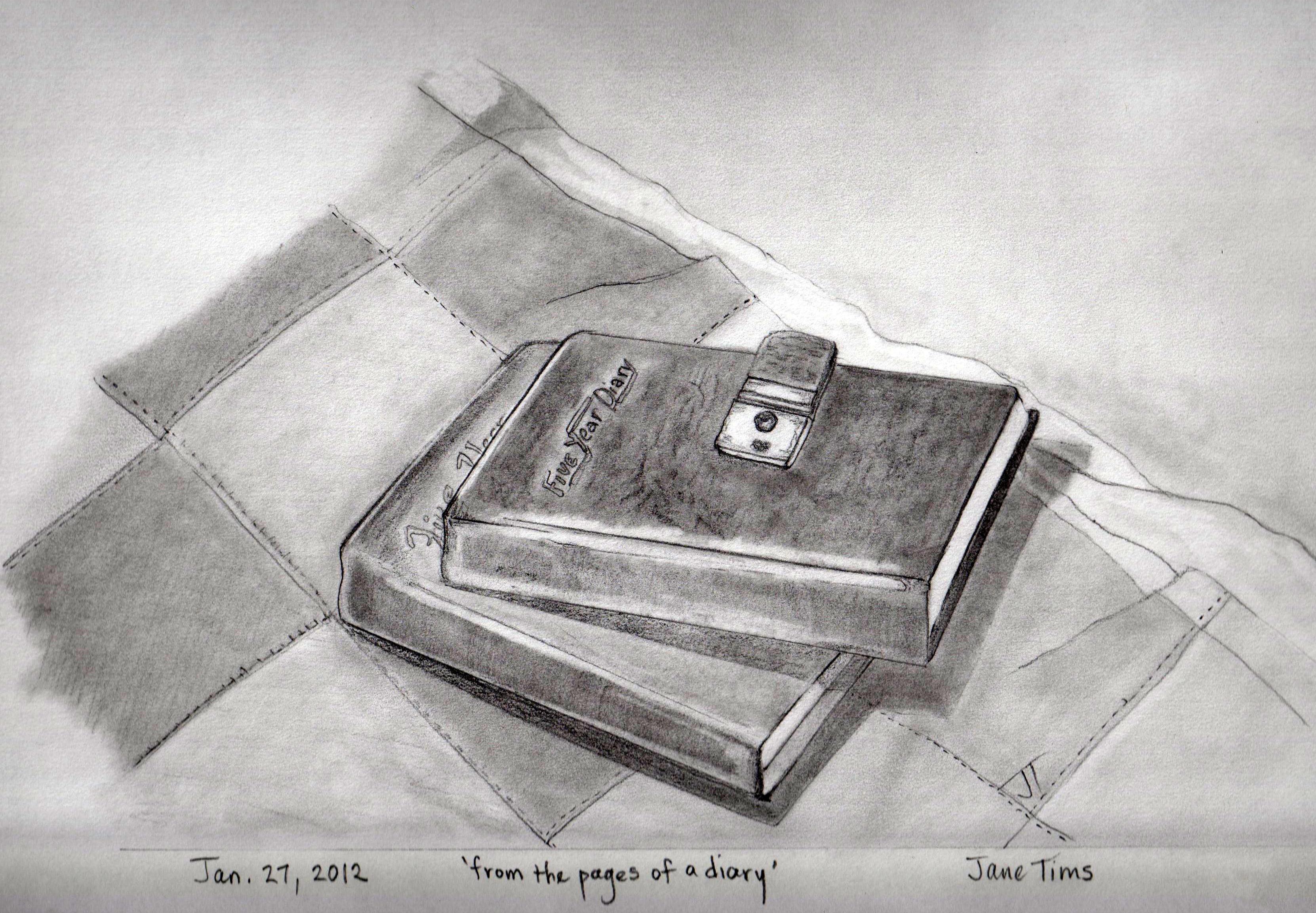
two of the six diaries my great-aunt wrote from 1944 to 1972 ... the quilt is one she made during the last years of her life
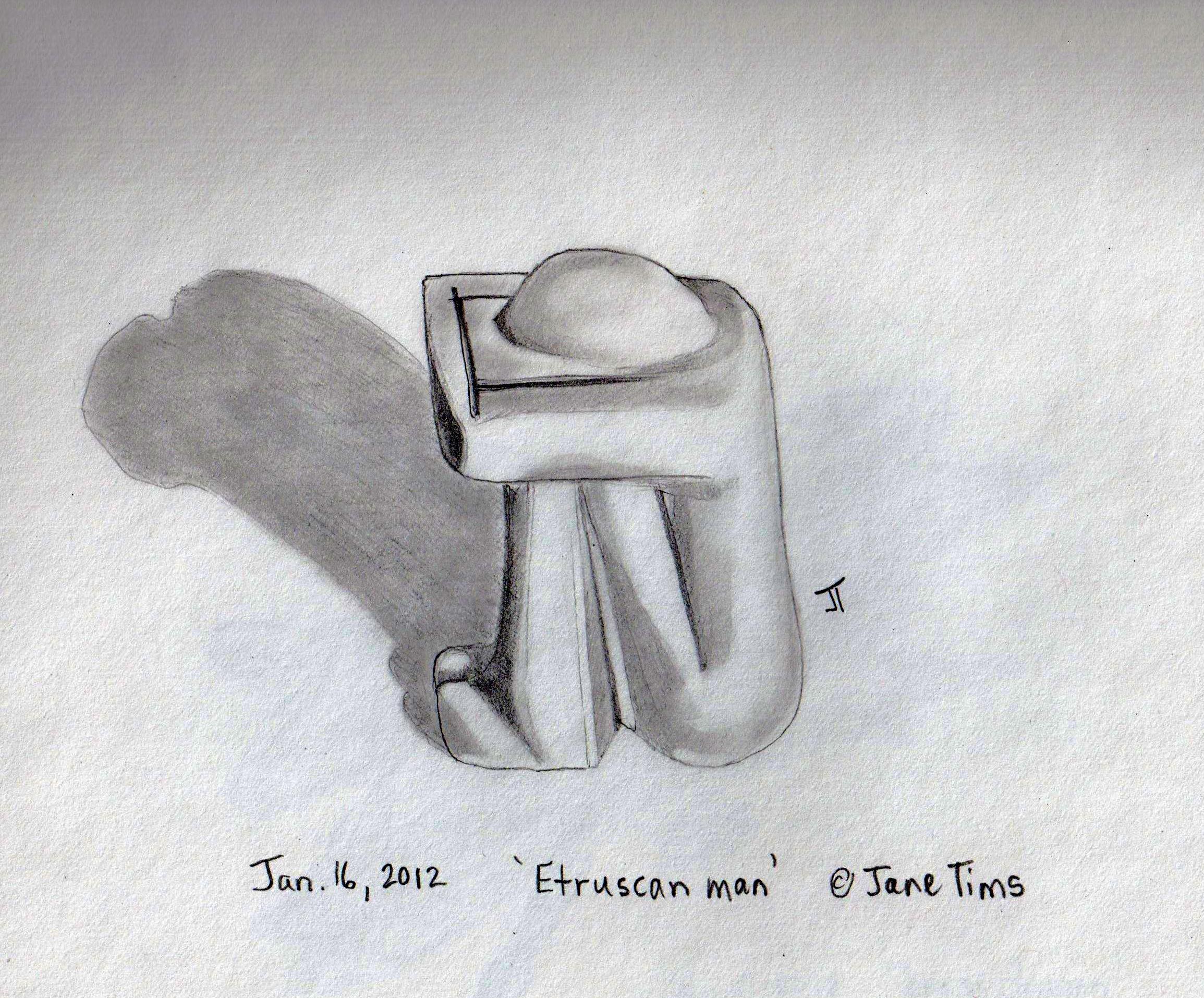
eight days – brass dragonfly
Our cabin at the lake is situated at the top of a hill where the wind is always blowing. In summer, this wind keeps the black flies and mosquitos at bay. Any remaining flying insects quickly become the prey of our vigorous dragonfly population. Like mythical dragons, they swoop down and, as sunlight reflects from their transparent wings, cast glints of fire on the landscape.
On my recent trip to see family in Ontario, I was reminded of our insect dragons … on the hearth was a small brass dragonfly, contemplating his next fiery foray!
~
~
brass dragon
~
burnish absorbs light
conjures spirit metallic
re-invented as transparent
breath as vague as warmth
of dragon wind
lift beneath wings
~
~
© Jane Tims 2012

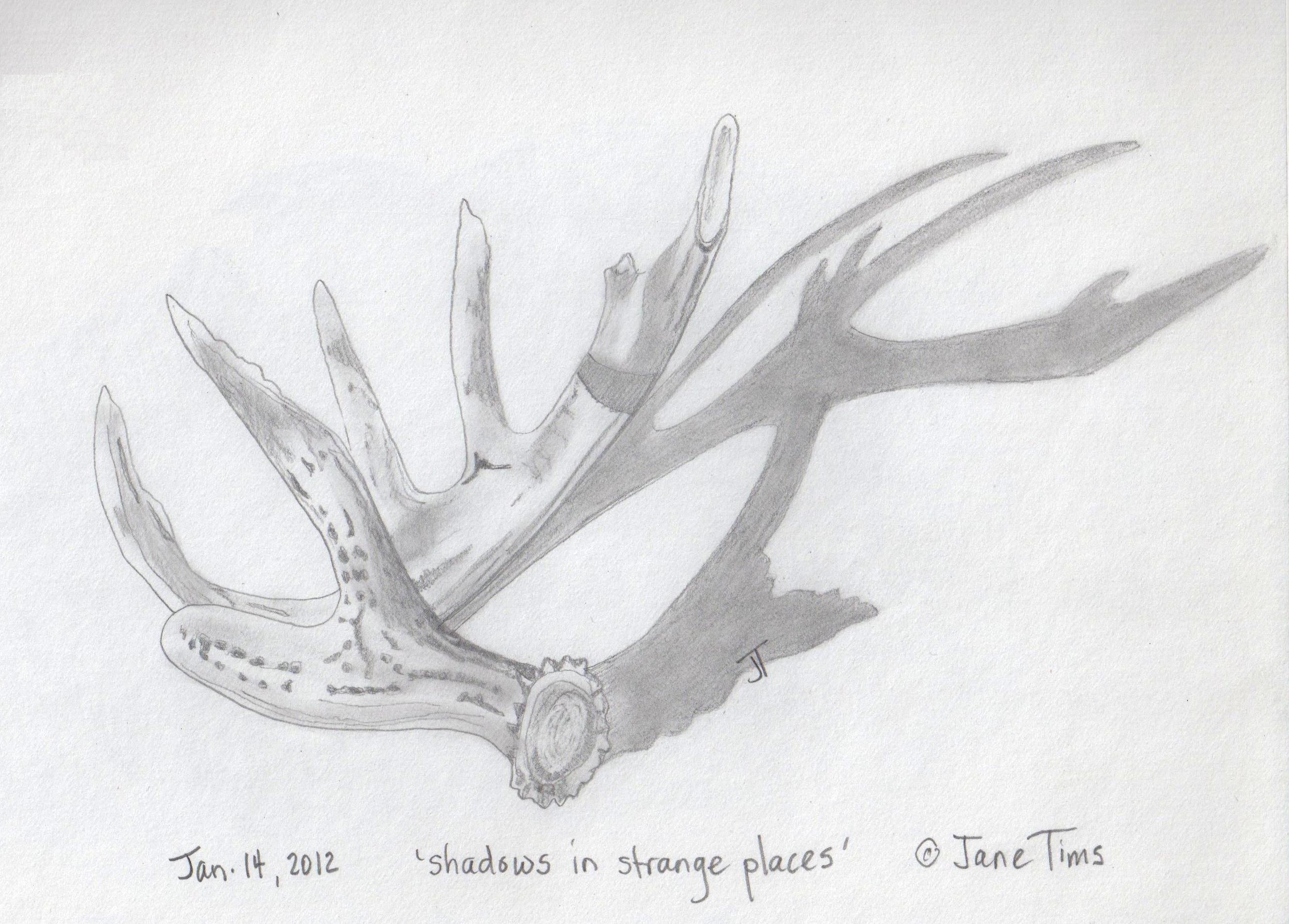
eight days – antler
During my trip to Ontario, we spent lots of time, on cold days, enjoying the wood stove.
On the hearth was a deer antler, found on a walk in the woods. Usually they are hard to find since the mice chew them to nothing very quickly.
I was drawn to the antler because of its resemblance to a bony hand.

~
~
antler
~
ivory hand, posed
for incantation, shadows in unexpected places
relic of a woodland walk, artefact
enchanted, deer rub
cedar bark to summon
mist, acknowledge the passage
of days, manifest between
separation
and the gnawing of mice
~
~
© Jane Tims 2012
eight days – ice storm
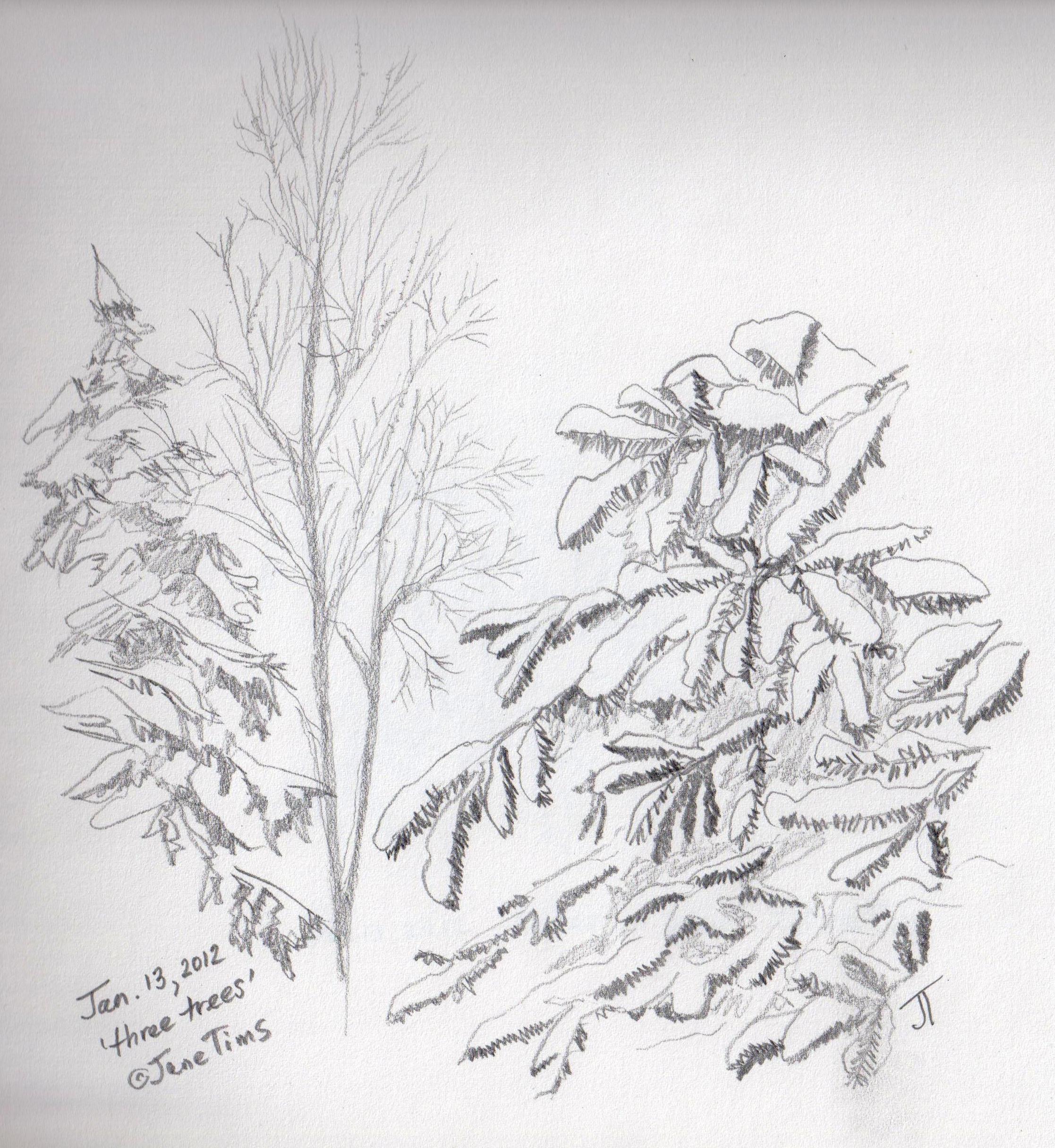
During my eight-day stay in Ontario, the highlight of uncertain weather was an ice storm. The freezing rain fell for hours and coated every surface with a layer of icy glass.
~
~
freezing rain
~
trees, bare branches, wait
wood snaps in the stove
budgies peck at cuttle bone
pellets of rain, tossed
at the skylight
a second transparency
~
bare twigs turn in wind
to even their coating
in these last moments
before temperature turns
the snowpack on the picnic table
shrinks at the edges
shoves over, makes room
~
branches gloss so gradually
candles dipped in a vat of wax
over and over, acquiring thickness
the sky, through the skylight
dimpled tile, rumpled mosaic
~
rain stipples bark as narrative
appends to memory, pane here,
light there, layers of glass
cedar twigs turn downward
as fingers, ice builds
layers of skin
~
~
© Jane Tims 2012
eight days – witch ball
When I was visiting my family in Ontario, my eye was constantly drawn to a window where plants were growing. Suspended above them in the window’s light was a ‘witch ball’. The ‘witch ball’ is a hand-blown glass ball with glass threads in the internal space.
The ‘witch ball’ was used in 18th century England to ward off evil spirits. In its modern form, these balls are used for decoration. When the light traverses the glass and enclosed area of the ball, it creates patterns of light and shadow, beautiful and mysterious.
~
~
witch ball
~
topsy-thwarted, turn
and tangle, strands
of glass and atmosphere
in innerscape of melted
ash and sand dendritic
paths a maze and morph
~
light and shadow
confused
congealed
~
~
© Jane Tims 2012

eight days – snow storm
During my eight days in Ontario, we had a snow storm whose memorable characteristic was the size of its snowflakes. They were the biggest I’ve ever seen, as big as large marshmallows. Every fluffy snowball must have been the composite of a dozen individual snowflakes. After the storm, the trees were coated with white. The cedar were particularly beautiful, with their evergreen leaves each hanging beneath a personal burden of snow.
~
~
deep snow
~
snowed all day, sealed us in
knee-deep, snowflakes
the size of mittens, wrists
of cedar hang
weight of snow, on backs of hands
boughs of fir, three-thumbed
and frosted, fists on fence posts
impressions of boot
in the hollow of leg-prints, fingernails play
the wind chime, brief
reminder of summer, signals
in-coming cold
~
~
© Jane Tims 2012

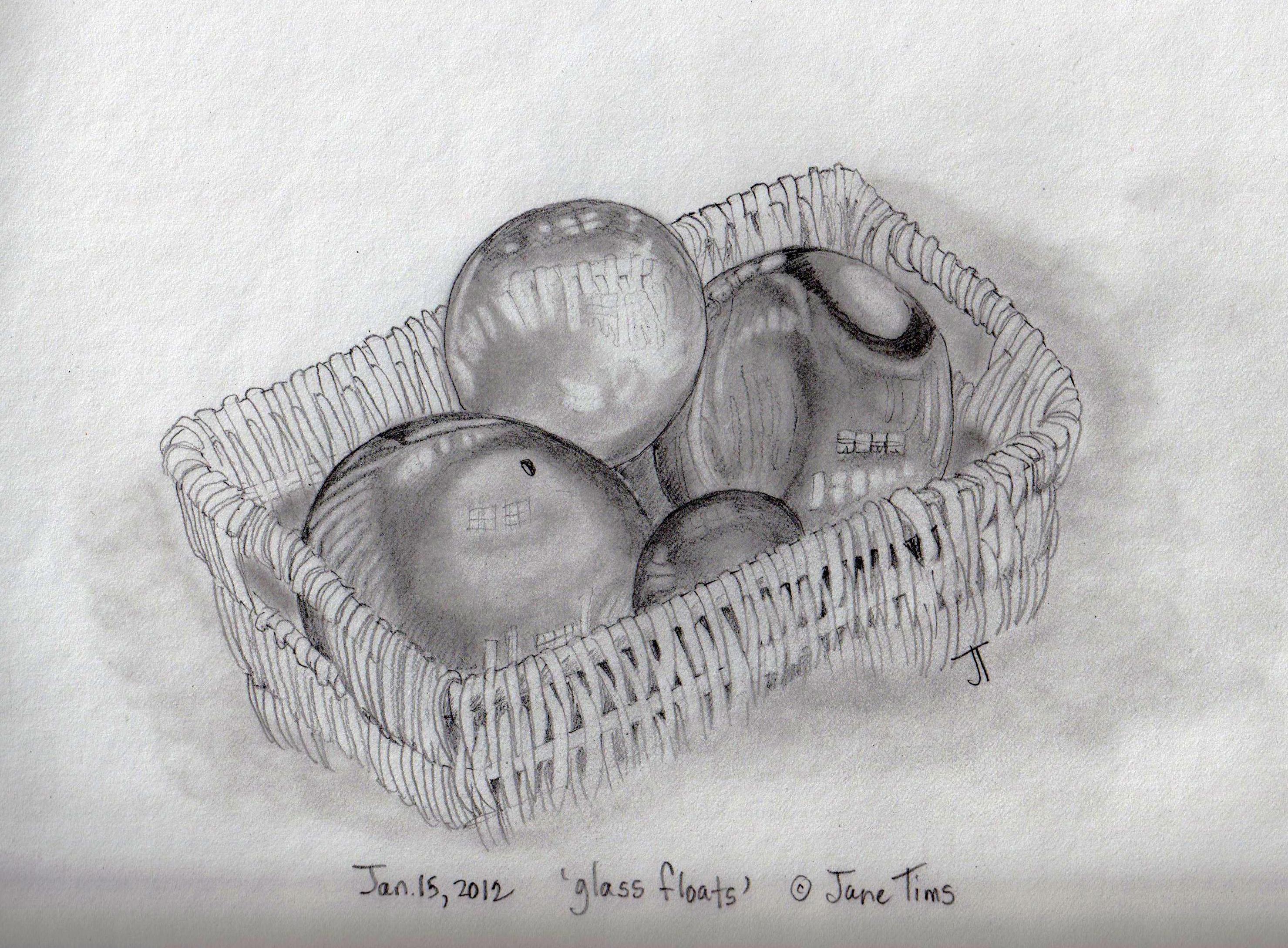
eight days – glass floats
In days before plastic and styrofoam, fishermen used glass and wood to make floats to keep their nets buoyant.
These floats are colorful symbols of the people who make their livelihood from the sea. In fishing communities in the Maritimes, we often see fences and walls festooned with painted wooden floats and buoys.
Glass floats are rarer because they are so breakable. At home, my Dad’s collection of sea shells was always accompanied by a couple of glass floats he found at auctions. On my piano, I have a small collection of glass floats in my favorite color, green.
The tradition lives into the next generation… when I visited my family in Ontario for eight days, earlier this month, I was delighted to see a basket of variously-colored glass floats on the hearth of the wood stove.
~
~
glass floats
~
the fog’s still glow
penetrates glass
and air incorporated
an age ago
~
weightless, flamboyant
on salt water
swell
~
glass inflation
tethered by hemp
on an ocean
whipped to froth
~
~
© Jane Tims 2012
eight days – inuksuk
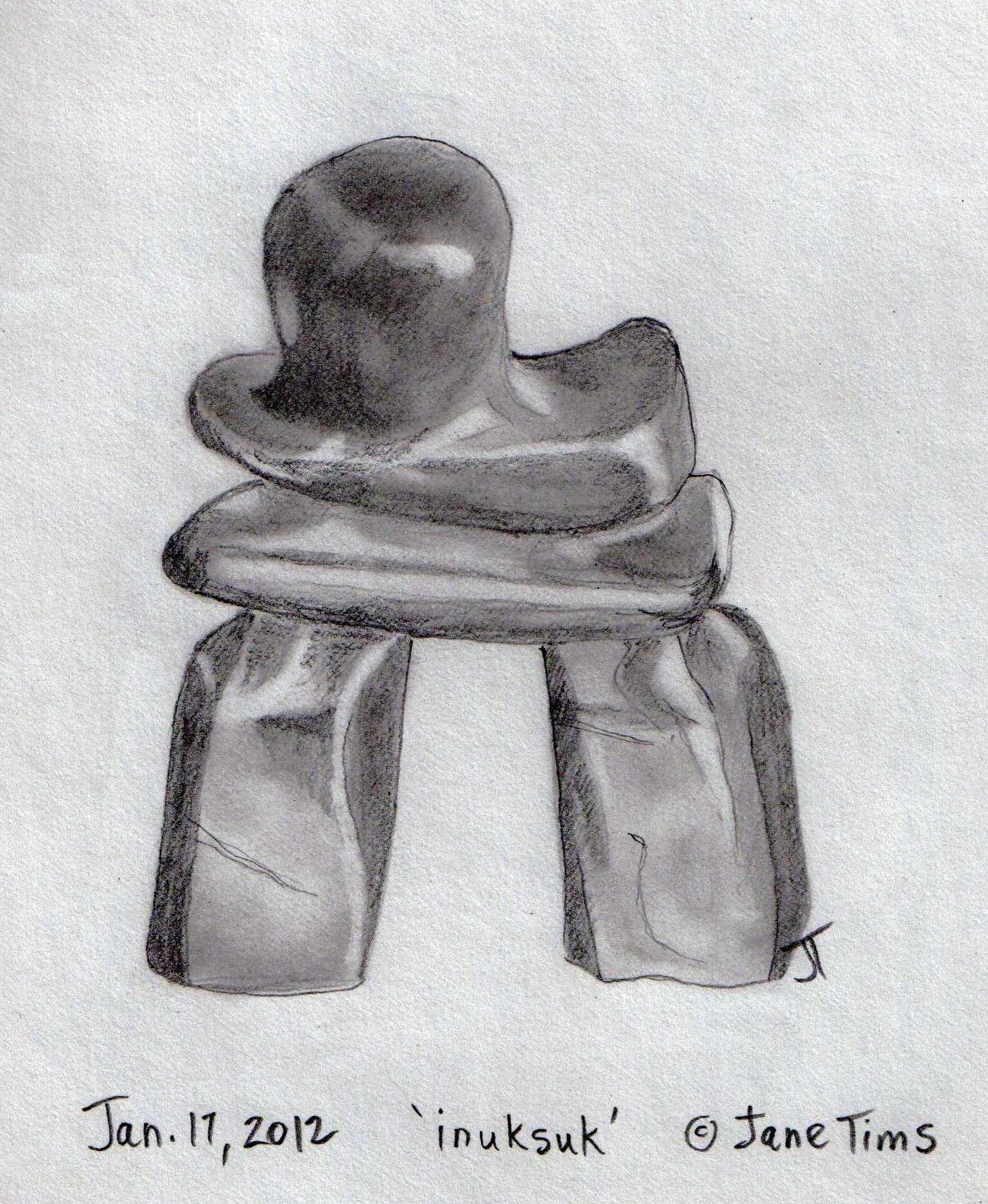
Recently I was able to take eight days and visit some of my family in Ontario. While I was there, I spent some time drawing and writing. In the next few posts, I will show you some of these drawings and the poems I wrote to accompany them.
The first concerns a small statuette of an inuksuk, carved in northern Canada by an artist who created a gentle, thoughtful tribute to this traditional form.
For more information on the inuksuk, see my post for November 18, 2011, ‘monuments in stone’, under the category ‘the rock project’.
~
~
inuksuk
~
soapstone smoothed
and sculpted, carved
by a hand, skilled as ocean
salt-polish and sand
corners discovered
and shadows
edge of stone and surfaces
between solid and liquid
solid and air
~
© Jane Tims 2012
in the shed
At my Mom’s old home, there was a shed, housing the stored and discarded miscellany of her family. It had been built by my uncles in the distant past and the floor tipped and slanted after the settling of years. The shed had a special smell, not musty or unpleasant, but definitely tinged with the smell of mothballs and camphor.
There were two rows of shelves, built against the walls and around the small windows. These were grubby and cracked, but the quality of light shining through had a ghostly, ephemeral quality. I spent hours in the shed, armed with the assurances of my aunt … I could keep anything I found, as long as I promised to love and care for it.
I can never remember studying anything so intently as the items stored in the shed. I particularly remember an old trunk and its contents. Most of these were old clothes, but I found a fox fur with beady glass eyes, a fur muff in a linen bag, a small carved metal container my Mom said had once contained perfume, a small locket with a medical insignia, and a little embroidered tape measure and matching needle case. I also found two small framed pictures of flower arrangements. All of these things are still in my possession. The fur muff has been taken on our annual drive to see the Christmas lights for 31 years.
I also found a bolt of white lacy fabric I eventually used to make my wedding dress. This fabric had an important history since my grandmother had worked as a live-in nurse for the Carnegie family in Pennsylvania and received the lace as a gift.
I think the shed and its contents inspired in me a lifelong interest in antiques and in collection. One of my favourite places to spend time is in an antique shop, hunting for treasure. And my house is filled with old ornaments and books, rickety chairs and collectable dishware.
~
~
from an old trunk
~
eventually misplaced
I will wonder where these items hide
shake boxes, ransack alphabets, indulge
in games of word association, regretful
as though a family detail
is forgotten
~
a teller of oral history
a stiff neck at the archives
a keeper of heirlooms
a liar
~
for now
I will protect these, tucked
in tissue paper and labelled boxes
~
~
© Jane Tims 2011