Archive for the ‘writing’ Category
Writing a Novel: the chapter table
I have a tool I have used to help my writing process. I have used it for years, so I know it works. I think of it as ‘my chapter table.’
~
After I have finished my first draft and have done at least one edit of the entire draft, I create a table. I usually do this before I choose my chapter beginnings and endings. Part of the purpose of the table is to determine those beginnings and endings.
~

~
The table records information about many aspects of the novel: chapters, chapter title, chapter length (page numbers), includes characters, settings, and (because I illustrate my books) possible topics for illustration.
~
Here is a sample table, used for my in-progress Rural Mystery, The Road. The Road is an adventure/mystery about a woman on vacation who visits the places marked on a map, left by her Aunt Beth when she died.
~
| chapter | title | pages | vacation day | characters | drawings |
| Prologue | — | 1 | 0 | Aunt Beth | none |
| 1 | vacation | 5 | 0 | ChelseaMason | Karmann Ghia |
| 2 | the plan | 5 | 0-1 | Chelsea Mason | Map and red dot |
| 3 | the chimney | 9 | 2 | Chelsea MasonJed | The chimney in the woods |
| 4 | cemetery | 9 | 3,4 | Chelsea | Cemetery |
| 5 | Money Point Road | 9 | 5 | Chelsea Mason | Lily of the valley Glamping dome Trail and mountain Soldier lichen |
~
I can put the table to almost any use. So, for example, if I want to track a symbol used throughout the novel, I can indicate the occurrences here. I can also insert dates, if those are important to my story. As I think about changes to the action or characters, the table helps me find particular areas of the novel, without searching the entire draft.
~
~
When you work at your next story, try my table method of keeping track of chapters, characters and action. I know there are many uses for such a table.
~
All my best!
Jane (a.k.a. Alexandra)
including ‘sound’ in writing
I am so proud of my new poetry book ‘mnemonic – soundscape and birdsong’ (Chapel Street Editions, 2024) because it focuses on including sound in writing. Of the five senses (vision, hearing, touch, smell and taste), most creative writing focuses on vision. It is a bit of a challenge to include the other senses in order to give a more complete idea of the sensations contributed by your surroundings.
~

~
My book includes bird song as a main part of the soundscape. It also includes other sounds: the singing of a rock skipped across a frozen pond, the call of the spring peepers, the clinking of ice in glasses, the sound of a kettle boiling over a woodland fire.
~

~
For ways of including sounds in writing, you can look at some of my earlier posts here, and here.
~
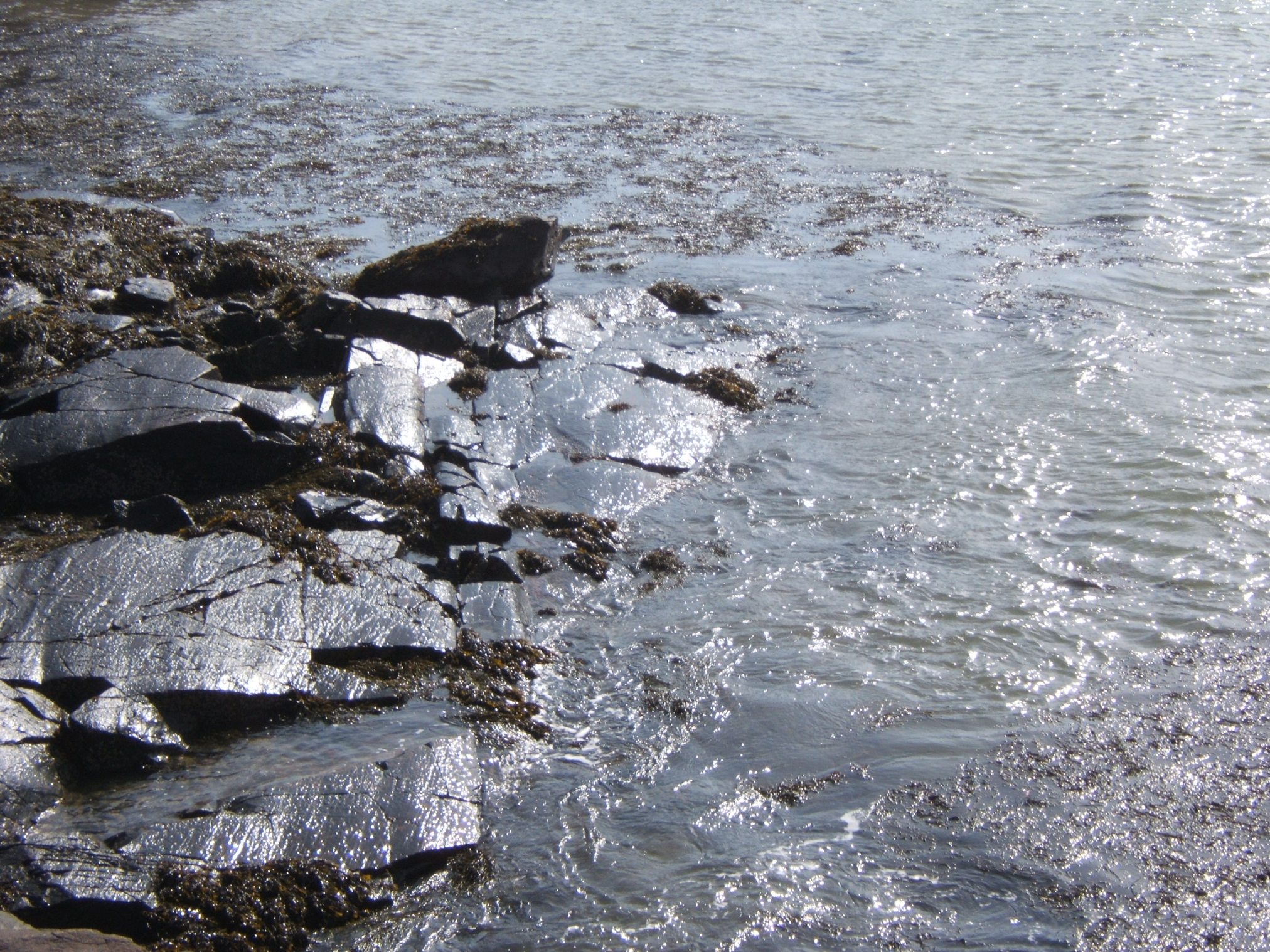
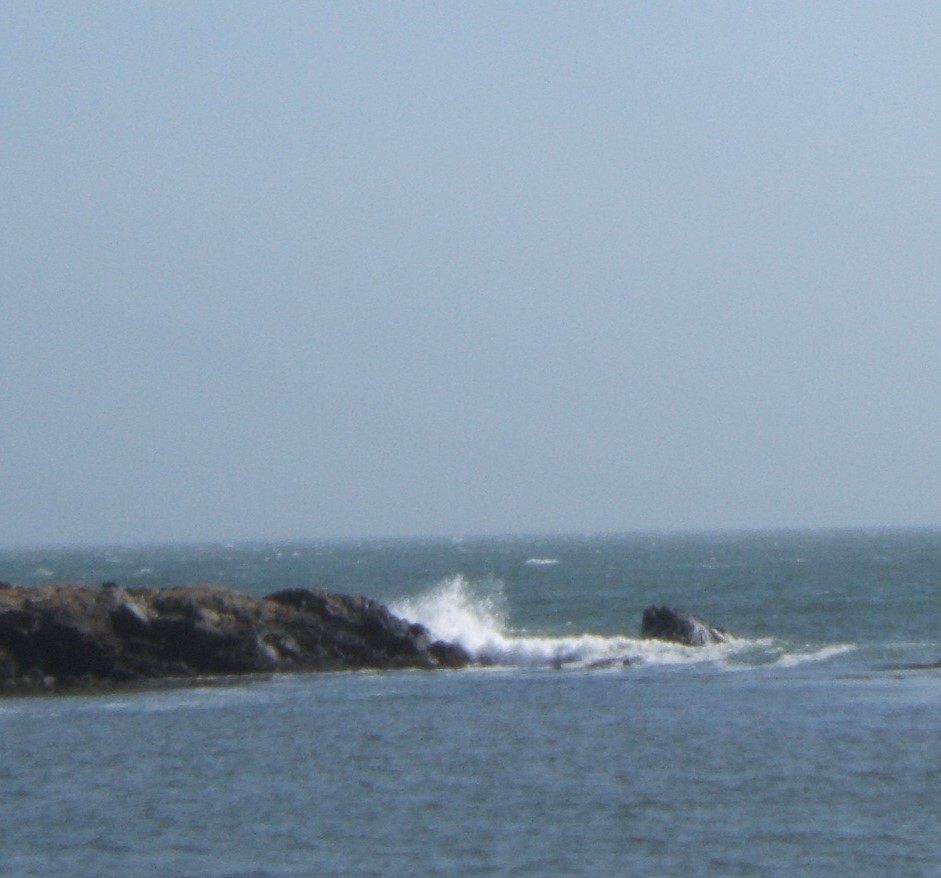
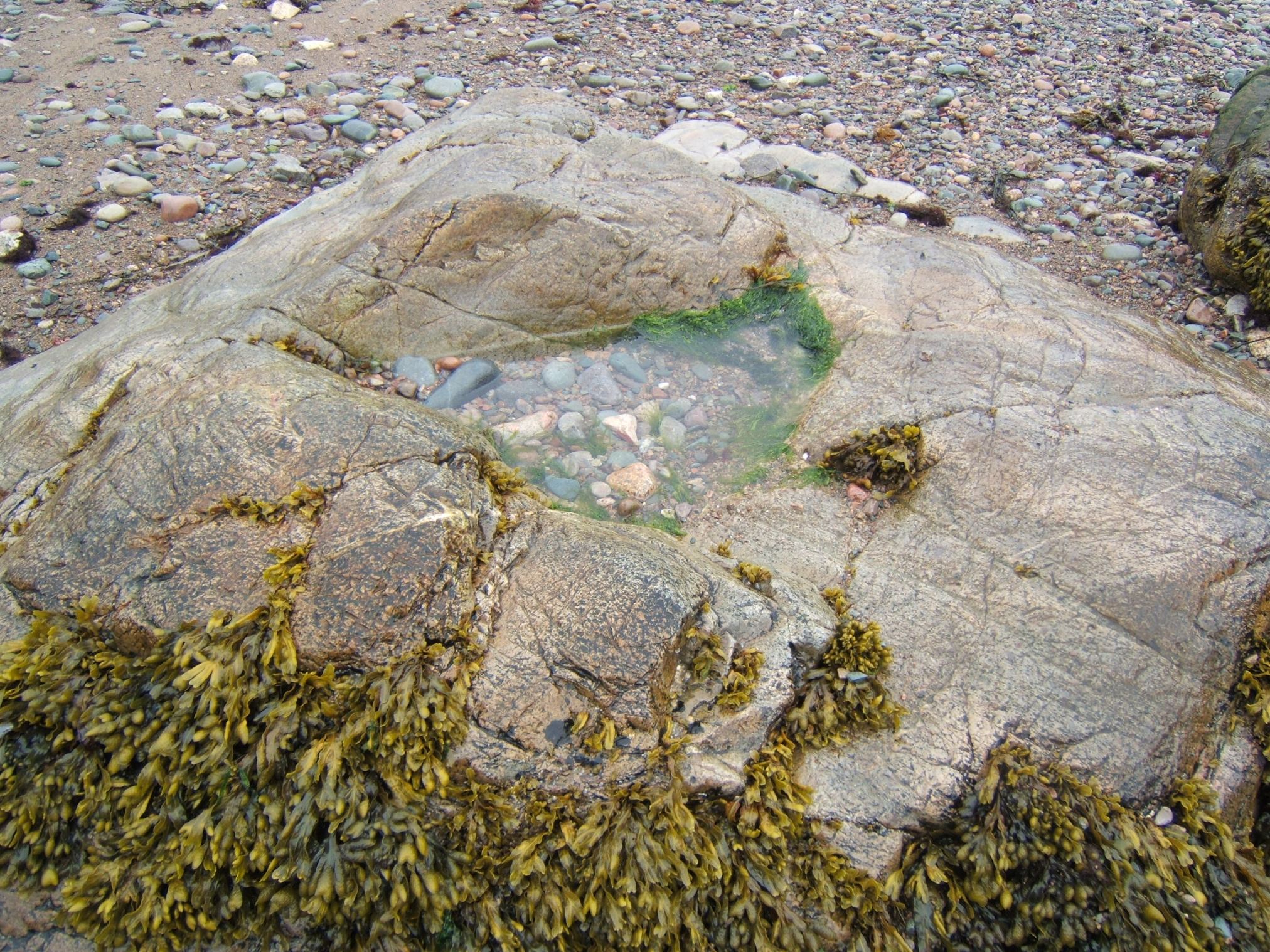
I think my favourite poem in the ‘mnemonic’ collection is about my Dad who took us along the Yarmouth shore to find iron pyrite (fool’s gold). The sounds in this poem focus on the shorebirds. Here is a short excerpt:
4.
he takes us prospecting
we wedge into crevasses
keen for pyrite gold
cube within cube
embedded in stone
we always forget the hammer
we chip and scratch with fingernails
reach across rock
dare the waves
5.
a sanderling cries
quit quit!
6.
shorebirds
befriend me
a dowitcher sews a seam with her bill
bastes salt water to shore
the sanderling shoos back the tide
terns
plunge into the ocean
and complain they are wet
~

~
I hope you will have fun incorporating sound into your writing.
~
All my best,
Jane
setting goals for writing in 2024
As usual, I have lots of writing plans for this year. I find it helpful to set goals at the first of the year (well, at least by March!) and keep track of my progress.
~
In setting your own goals, make certain they are realistic. As a rule, goals should be SMART – Specific, Measurable, Attainable, Realistic and Timely. For a lesson on setting SMART goals, see the Participaction website here.
~
My writing goals this year are 9 in number. This number of goals is realistic for me since I am quite productive. I will plan to report on how well I did at achieving these goals in December.
~
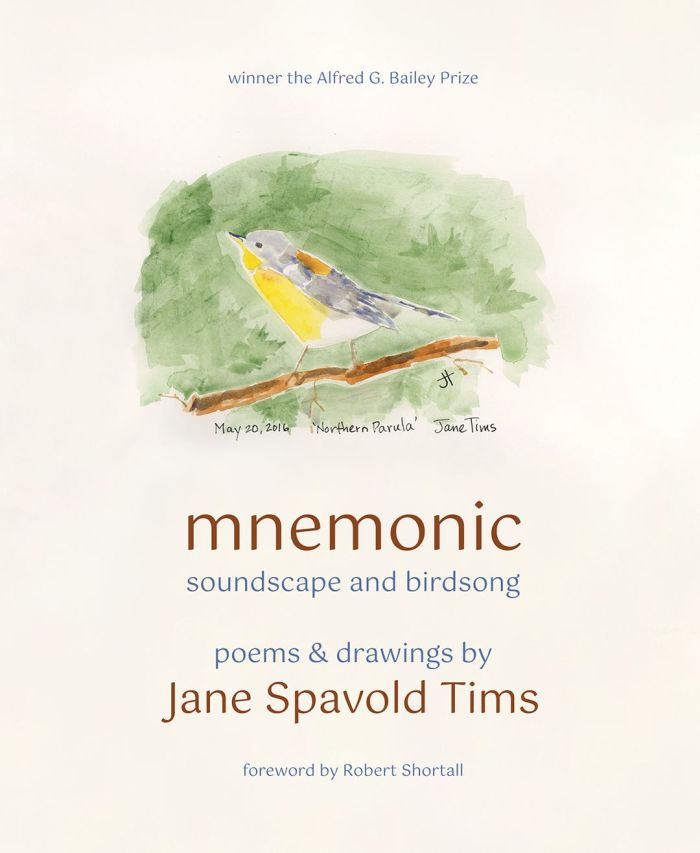
1. Continue to introduce my new poetry book ‘meniscus – soundscape and birdsong’ to the world. By mid-summer, I will attend at least six reading and signing events and feature my book in 5 blog posts. The manuscript for this book won the WFNB Alfred G. Bailey Prize for Poetry in 2016 and I have been enjoying the readings and book signings I have done so far. To purchase a copy of this book, go to the Chapel Street Editions webpage here.
~
2. A new poetry project – details soon!
~
3. Continue to work on my suite of five Urban Mysteries. By the end of the year, I intend to complete the draft of all five books, edit the five, and format them in KDP (Kindle Direct Publishing). These adventures are set in cities where I have lived or worked: Halifax, Fredericton and Saint John. They are short books, about 20,000 words each, entitled ‘Urban Green,’ ‘Roundabout,’ ‘Stately Elms,’ ‘City Grotesque,’ and ‘Hollow Hotel.’ Eventually they will be released as a set of novellas.
~
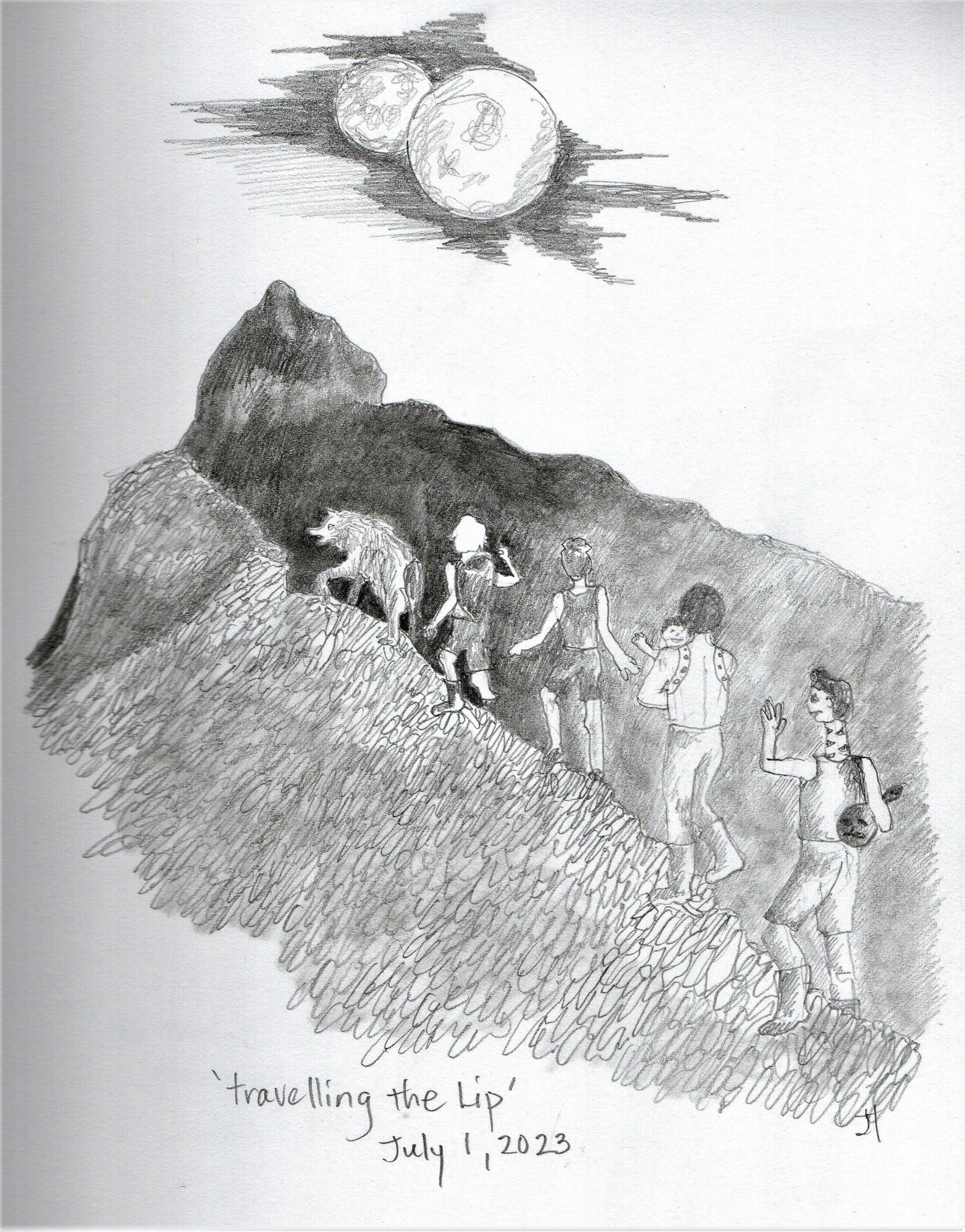
4. Meniscus: The Reckoning – By the end of May, I will have completed the editing and formatting for this book and published it on KDP. This book is in final format with all the illustrations complete. I have to incorporate my editor’s comments and paint the cover art before it is published. This will be the last novel of thirteen in the Meniscus Science Fiction Series. In this book, several of the characters introduced in the previous novels take a perilous journey to rescue the leader of the Human Resistance.
~
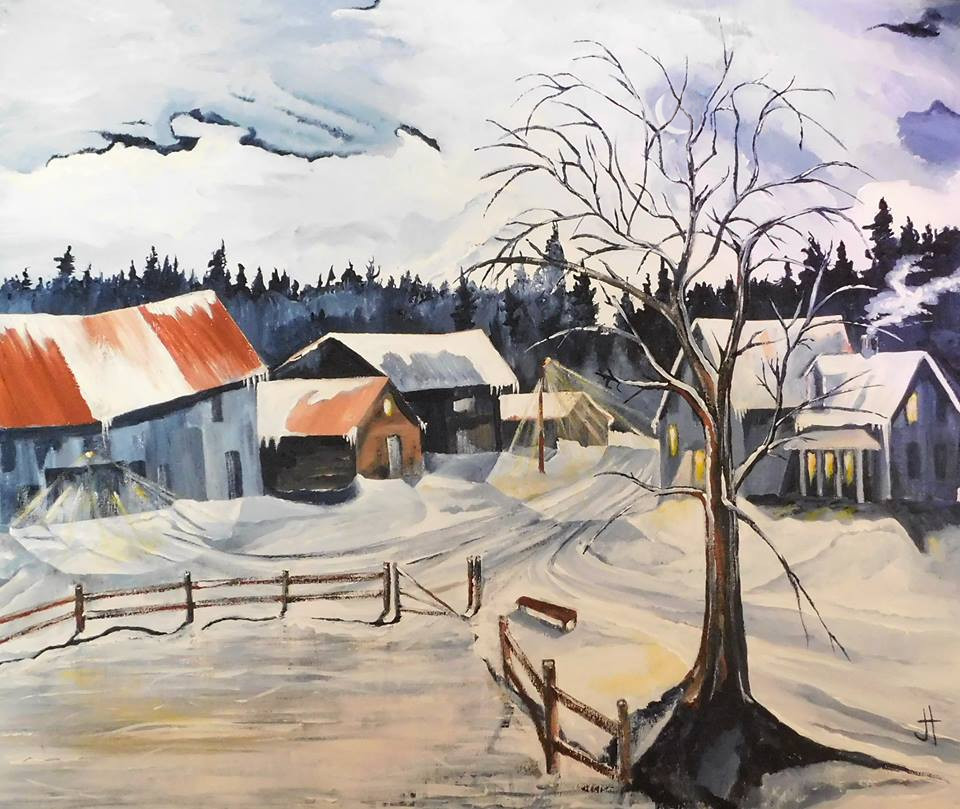
5. A Glimpse of Sickle Moon – By early December, I will review the final proof of this book and publish it with KDP. This poetry manuscript won Third Prize in the WFNB competition for the Alfred G. Bailey Prize for Poetry in 2020. It works through the imagery of each of our four seasons, cycling through 15 years of my life.
~
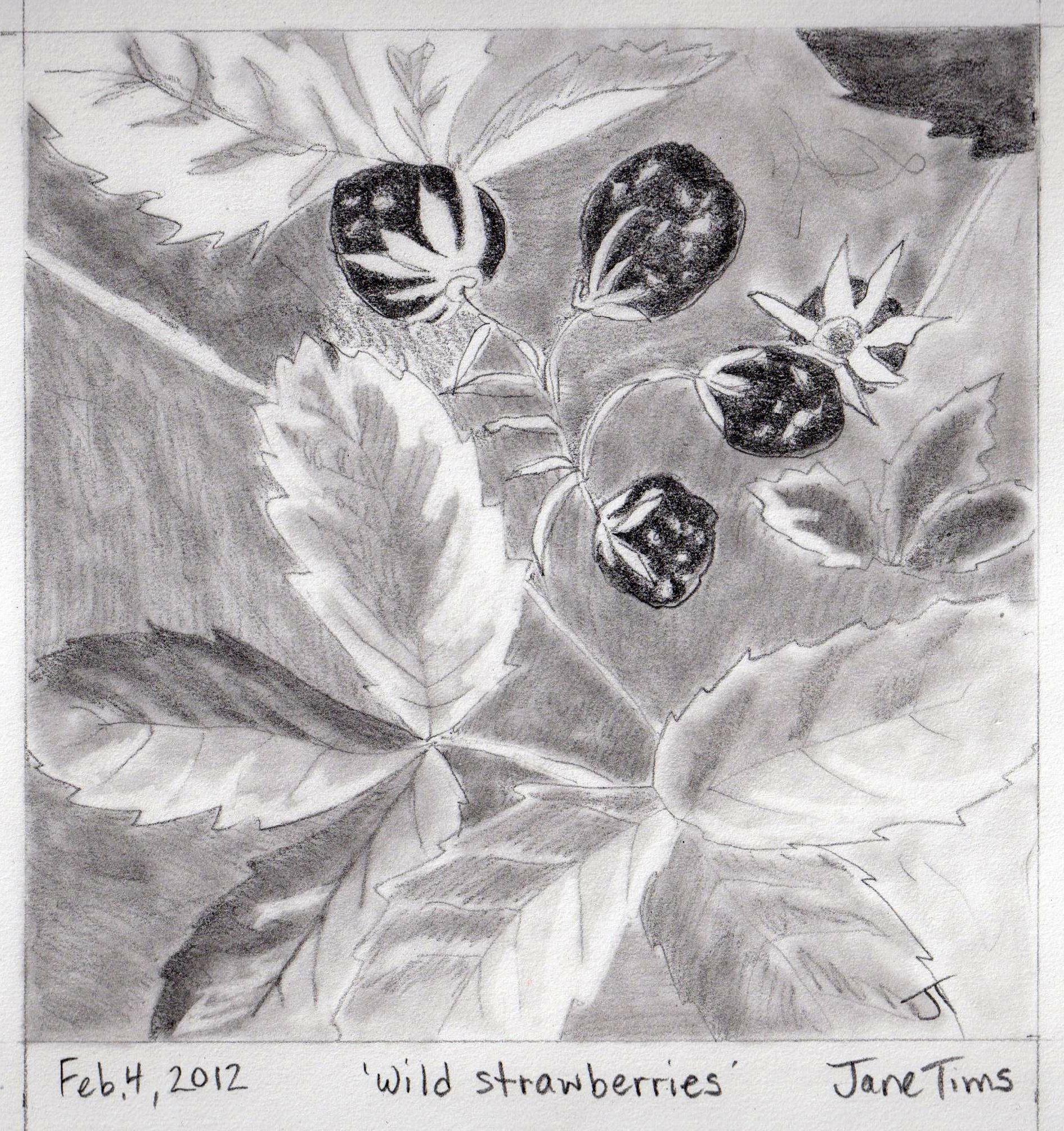
6. A new children’s book (as artist) with a writing friend – details soon!
~
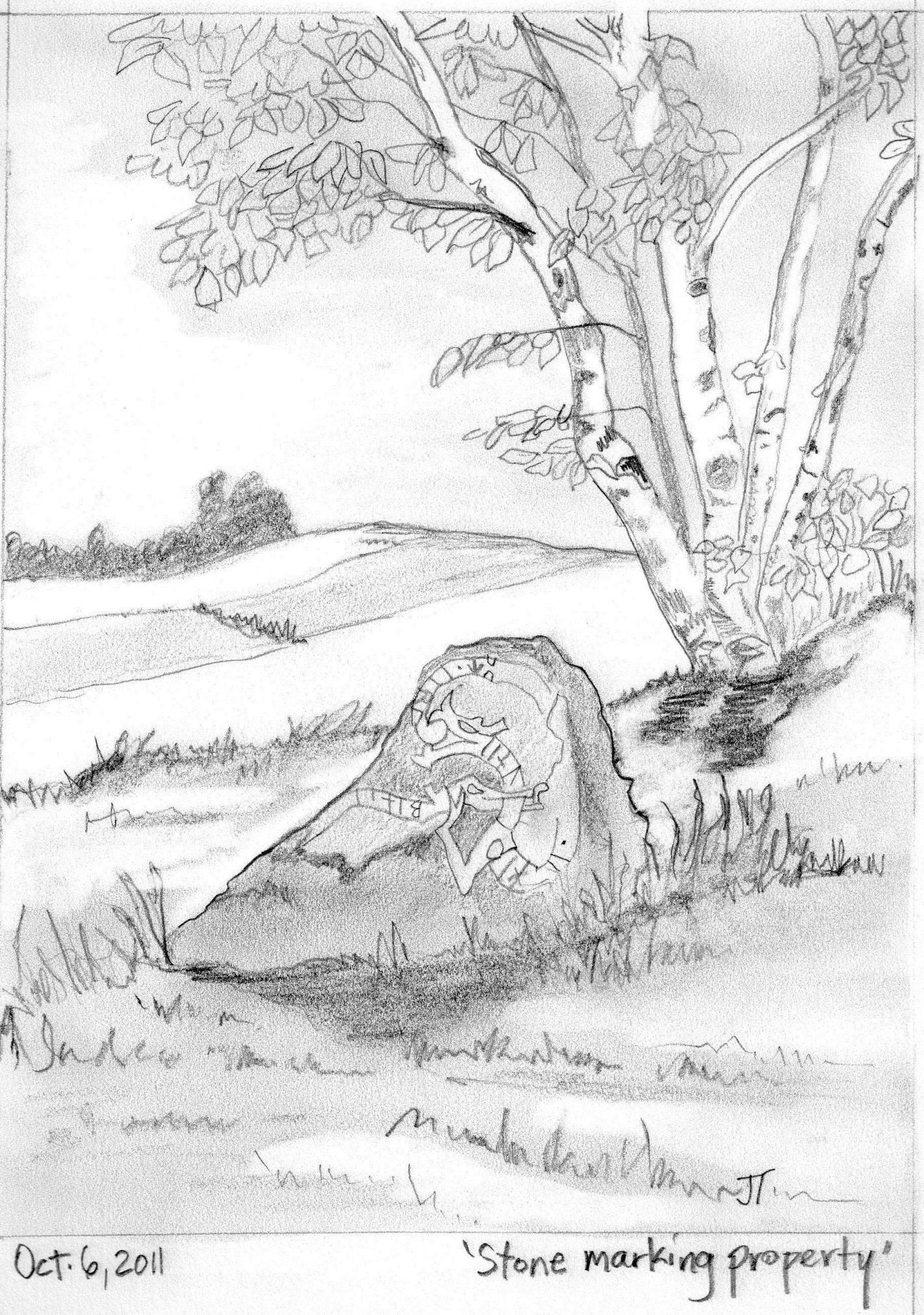
7. writing in the dark‘ manuscript : Each month this year, I will workshop 2 poems in my ‘writing in the dark’ manuscript with my two writing groups. The poems are about my encounters with writings on stone in three cultures. Included are poems of my reactions to the stelae of the Maya, the runestones of the Vikings and the pictographs of the First Nations peoples of North America. My editor has commented on the manuscript, and I am in the process of reading and discussing the poems with my two writing groups, Wolf Tree Writers and Fictional Friends.
~
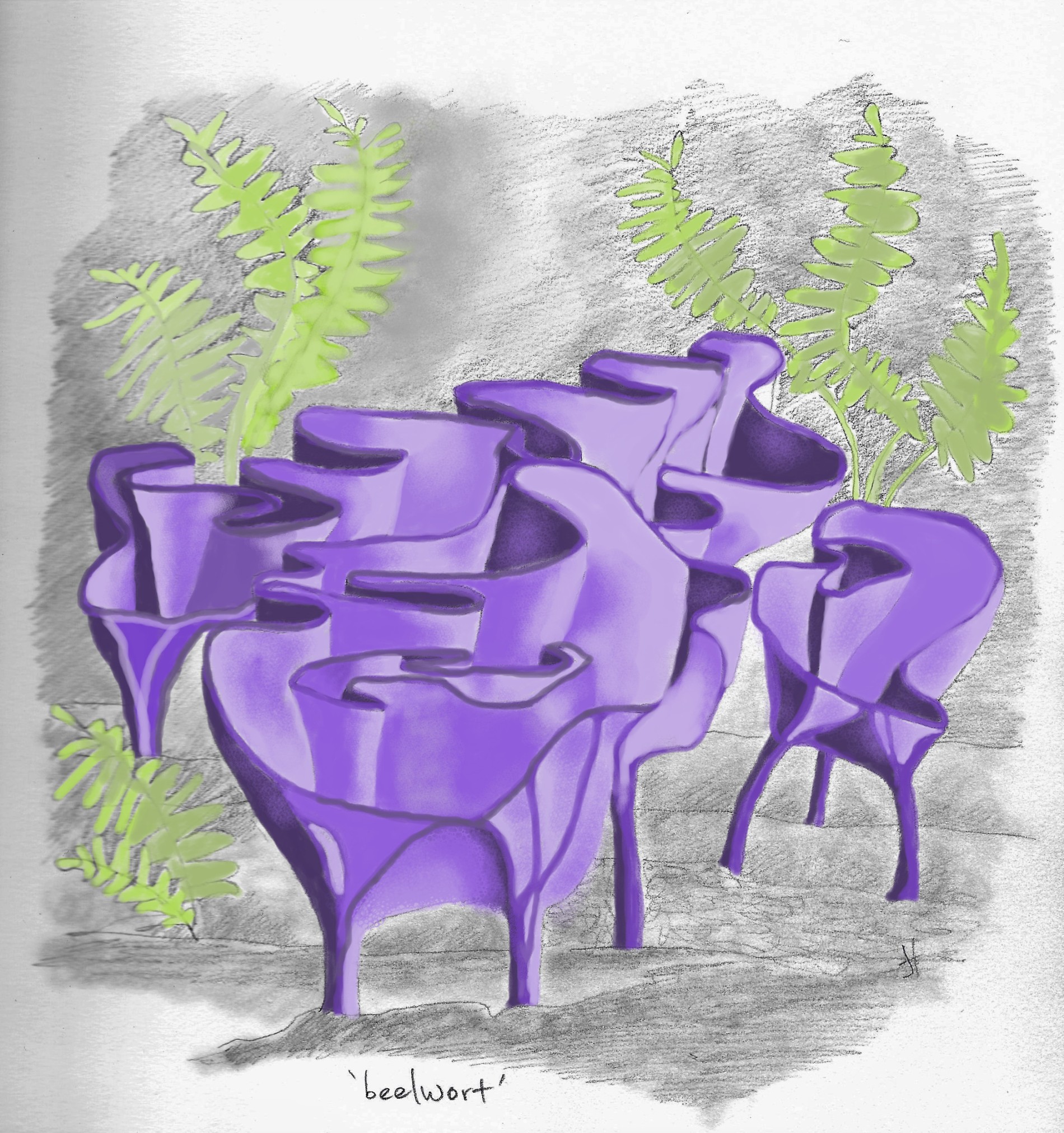
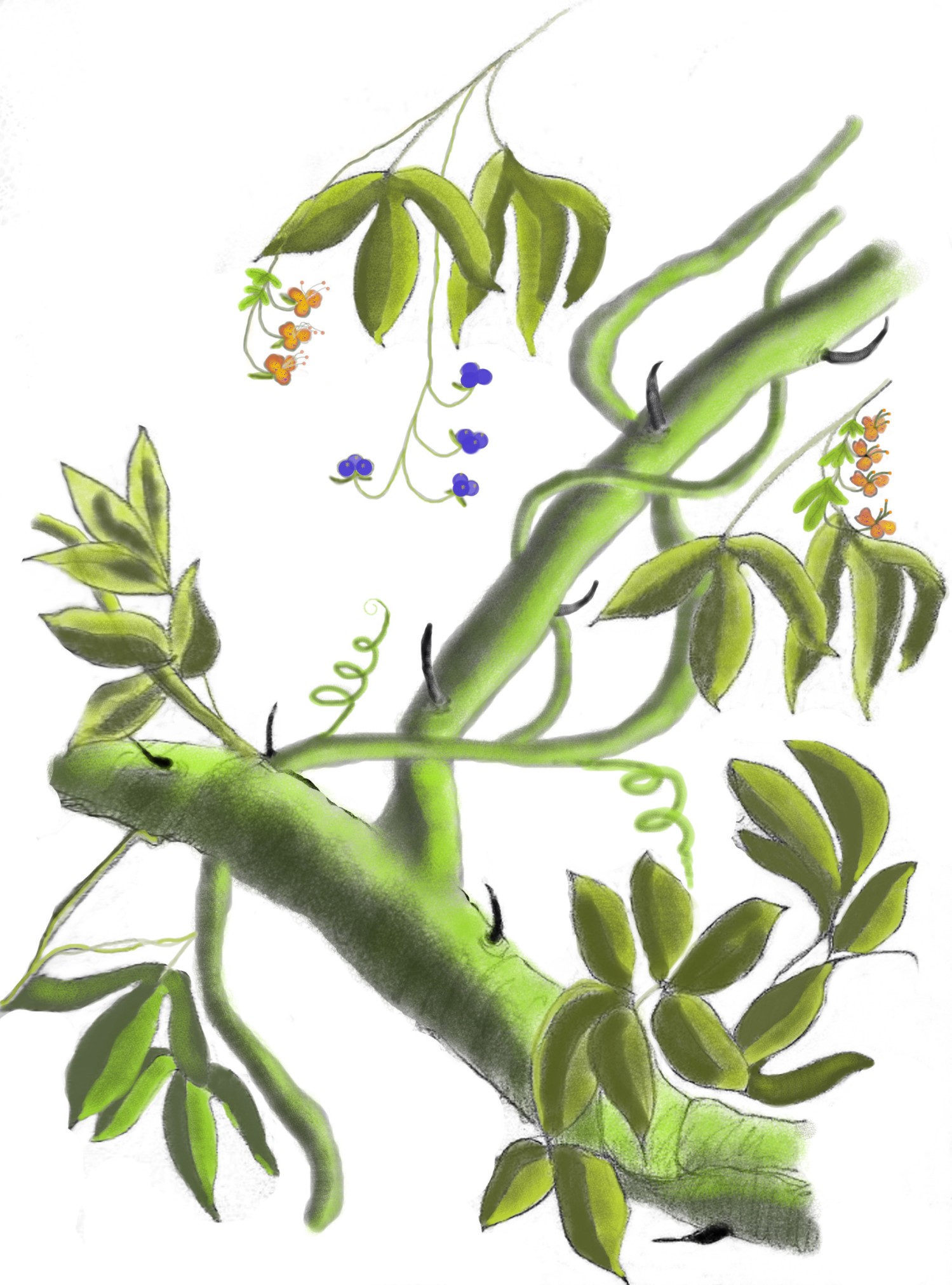
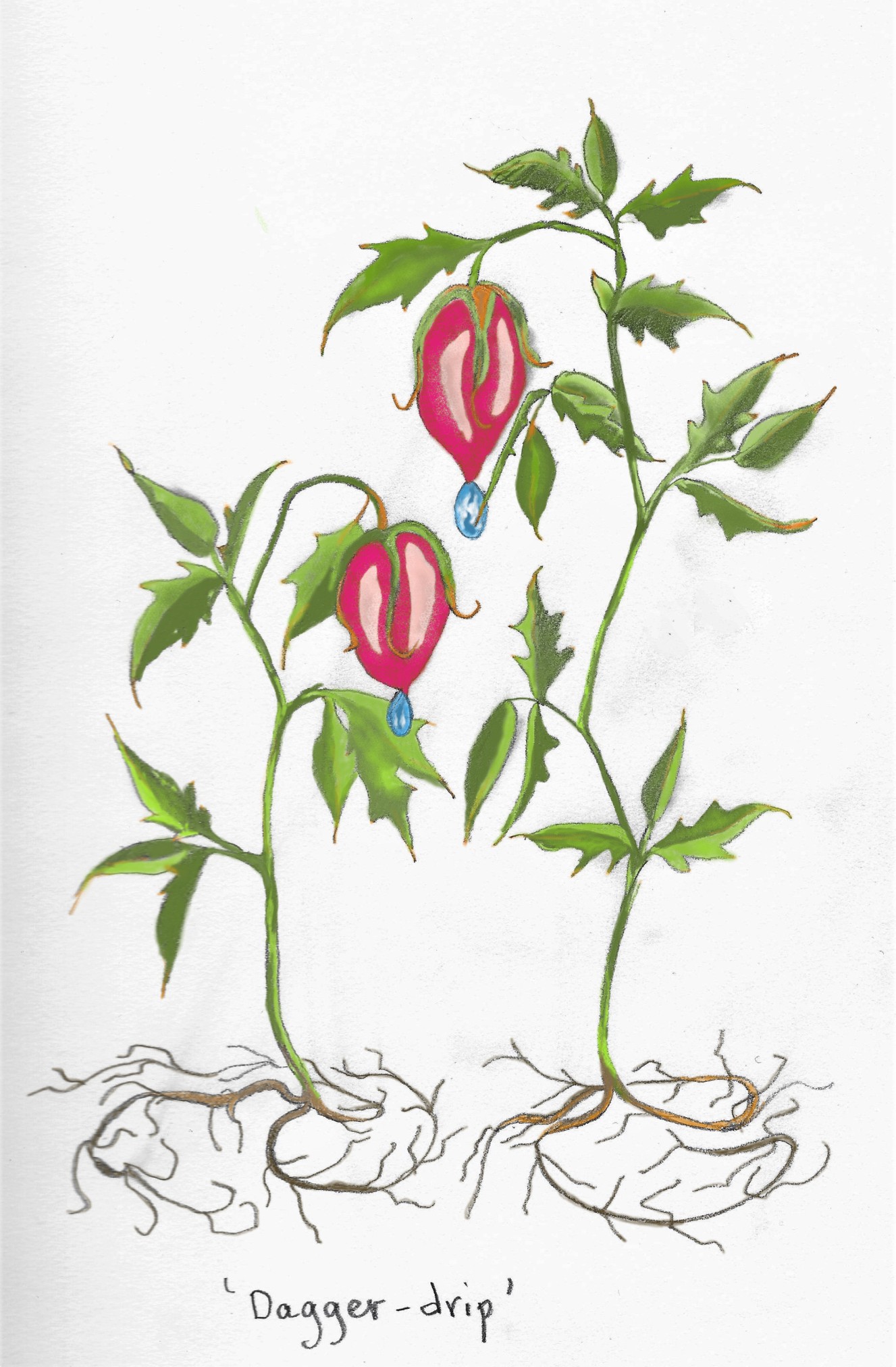
8. ‘Meniscus: A Flora‘ – Complete a list of the alien plants featured in my Meniscus Science Fiction Series and check this against the drawings I have done to see if more drawings are needed. This will push forward my work on a manuscript featuring coloured drawings of plants encountered on the planet featured in my science fiction series.
~
9. More frequent blog posts! This year I will do four blog posts per month featuring elements of my writing goals. This allows a lot of scope since it will explore my interests in writing, drawing and painting, botany, bird watching and history.
~
I am energized and looking forward to my writing life this year. In my next post, I will look a little closer at ‘mnemonic’ and the inclusion of sounds in poetry.
All my best!
Jane (a.k.a. Alexandra)
my new journal
Every January, every year of my adult life, I have started a journal, or as we used to say, a diary. Sometimes the idea of keeping a journal lasts the month, more often not. I have lots of information on the Januaries of my life, but little on the other months.
~
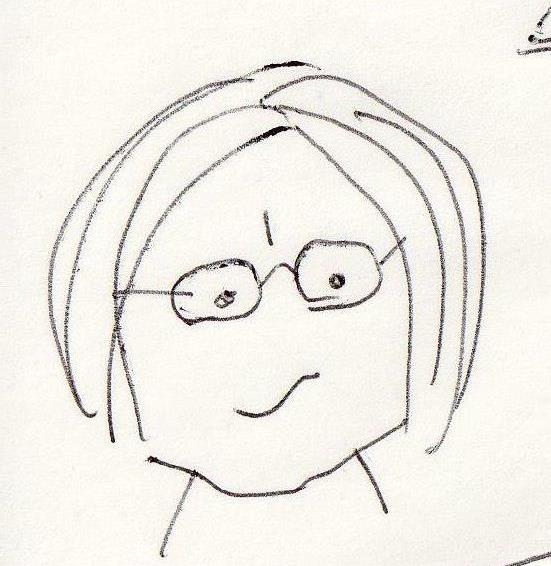
In the 1990s, I began keeping what I dubbed ‘my rough journal’ and I have stacks of these. The idea of ‘rough’ took away any limitations imposed by keeping track of the date or specific experiences. My rough journals are filled with early drafts of poems, notes from writing workshops I have attended and doodles. Many doodles, since after five minutes have passed, I usually start drawing people or border designs.
~
~
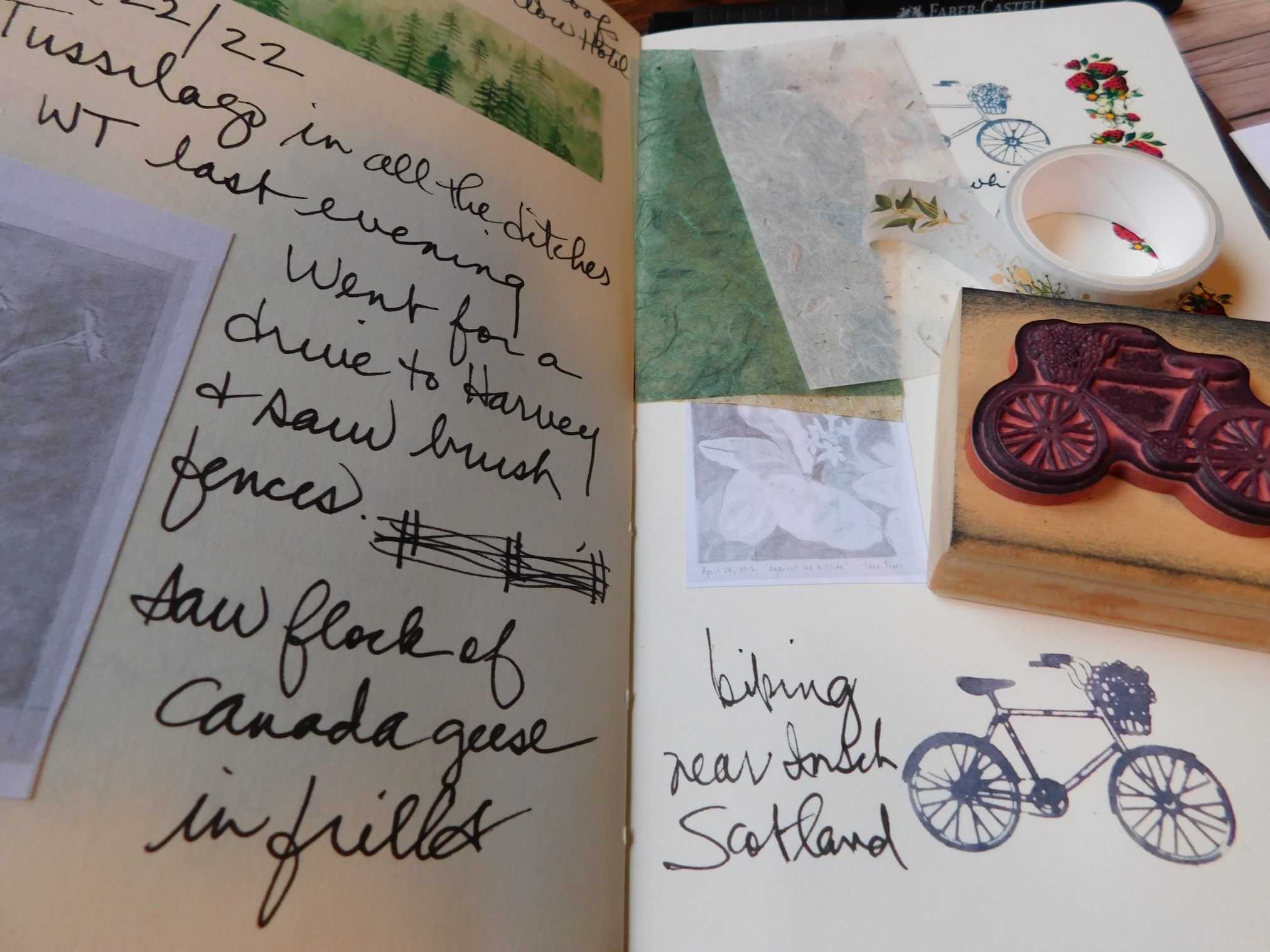
This January, I encountered the idea of the ‘bullet journal.’ The bullet journal takes a sort of multi-media approach to journaling. It uses some writing, but also drawings, mementos, stickers, ribbons, scraps and so on to create meaningful memory pages. Sometimes the pages are less about memory and more about planning.
A bullet journal is a method of personal information developed by designer Ryder Carroll, shared with the public in 2013. The system organizes scheduling, reminders, to-do lists, brainstorming and other organizational tasks into a single notebook. The name “bullet journal” comes from the use of abbreviated bullet points to log information.
paraphrased from Wikipedia
~
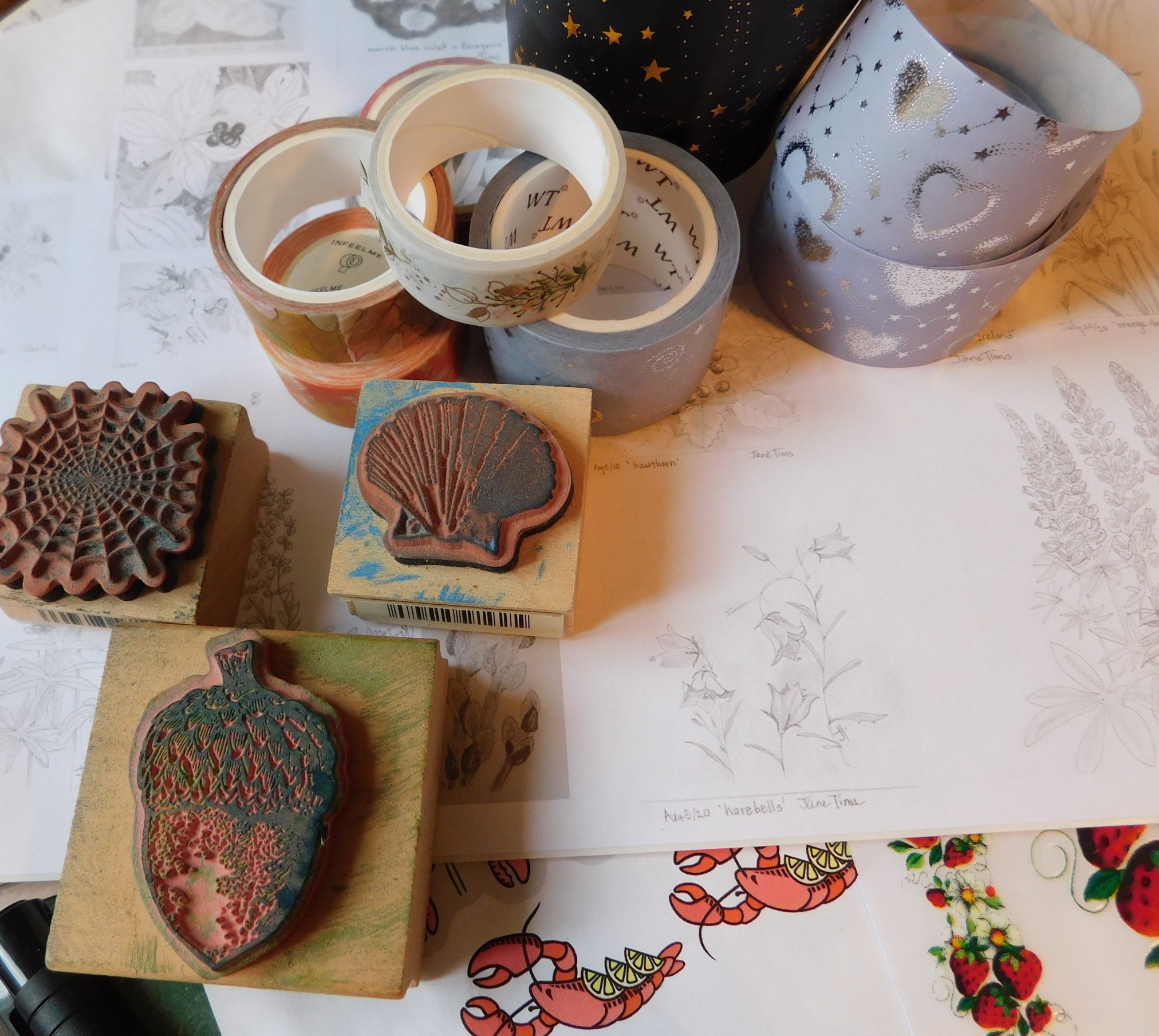
One of the things I have liked about the bullet journal is its diversity. I love using stickers, stamps, various papers and tapes. Last year, I discovered ‘washi tape,’ Japanese masking tape, made of rice paper and printed with various designs.
~
~
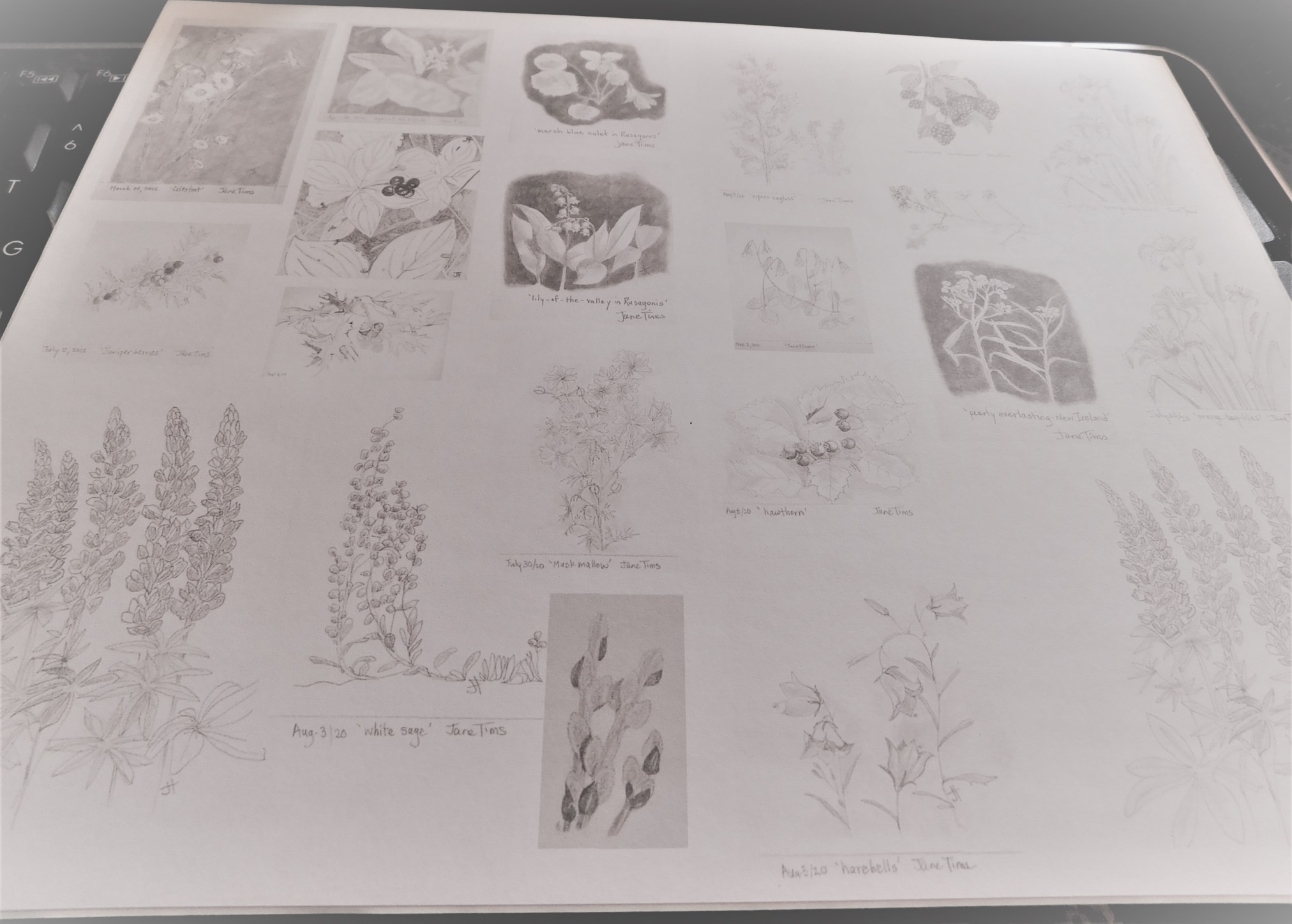
I have also collected a lot of stickers over the years and today, I printed out my first page of homemade ‘stickers,’ created from some of my many drawings, sized and grouped in PowerPoint, and printed using AVERY 81/2″ X 11″ shipping labels.
~
~
Today, we are almost at the end of April, and I have kept my bullet journal, a bit sporadically, since January 1. I create a page at least once a week and spend about a half hour at any journal session. I find it relaxing, creative and compelling.
~
~
When I create anything, from a painting to a bullet journal page, I am usually aware of a ‘watching other.’ Some people refer to this as ‘the monkey on my back.’ I find this ‘other’ distracting and a barrier to ‘creative freedom.’ So, when I work in my bullet journal, I try not to satisfy the watching ‘other.’ Instead, I create my journal pages just for me and don’t think to myself: ‘someday they will find this and think how messy and unartistic I am.’ As a result, my bullet journal pages are not always beautiful. They probably wouldn’t get an ‘A’ in school. But they are for me, and I love them.
~

~
All my best,
Jane
working on a poetry manuscript
This week, I am assembling a new poetry book in the ‘a glimpse of…’ series. The first two books, a glimpse of water fall and a glimpse of dragon gave readers a peek at some of the beautiful waterfalls in New Brunswick and the bits of magic in all our lives. A glimpse of sickle moon will explore the seasons in New Brunswick. The manuscript won Third Place in the 2020 New Brunswick Writers’ Federation Competition for the Alfred G. Bailey Prize.
~

~
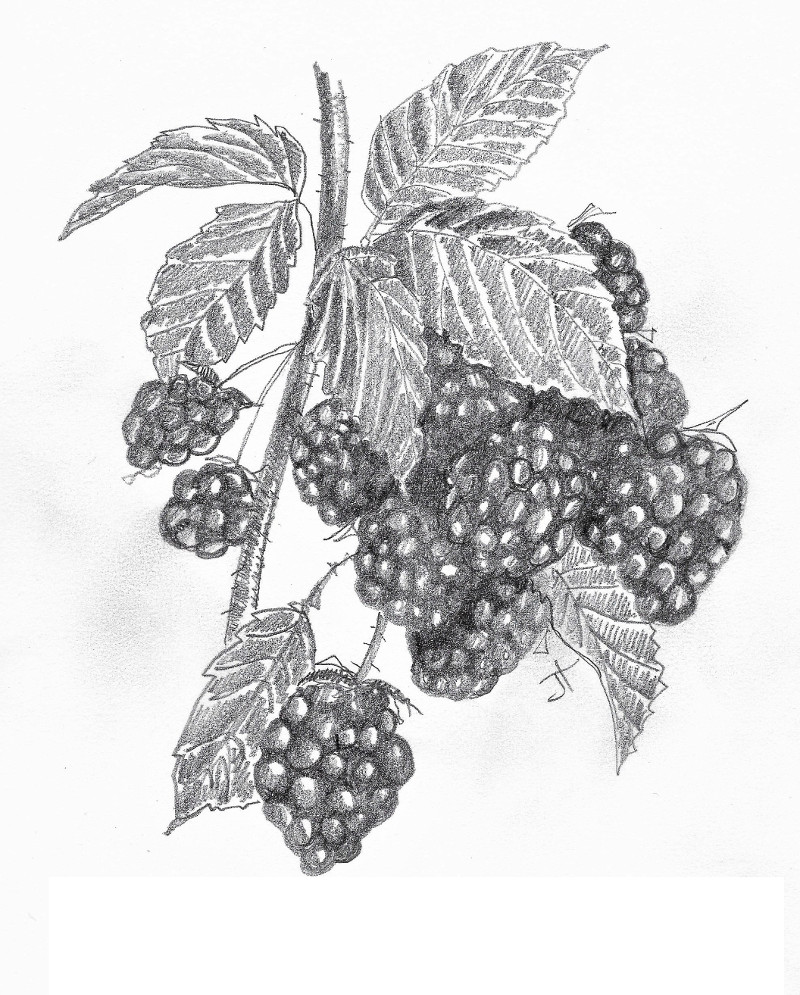
The poetry book presents fifteen years of seasons, each presented as four poems about spring, summer, winter and fall. The poems about spring talk about floodwaters, under-story flowers and waking from hibernation. Summer poems tell about hurricanes, picking raspberries and sheep in the morning meadows. Fall poems explore first frost, wasp nests, fading flowers and ripening blackberries. And in winter–ice caves, snow drifts, walks in the falling snow and feeding birds.
~




~
I have struggled with how to present these poems. I thought of making each suite of four represent a year in my own life and entitling the section 1978, 1980, 1996, 2012 and so on. I thought about titling each section as a special year–‘The Year of the Path,’ ‘The Year of the Groundhog,’ and so on. I have finally settled on a title drawn from a common theme in the four poems presented–‘paths through tangled woods,’ ‘where shadows meet,’ and ‘a sliver from full.’
~

~
For the cover, I will create a painting of the crescent moon, seen through the branches of birch trees. The image below is a facsimile.
~

~
All my best as you work on your own project.
Jane
Gargoyles?
I am working on my poetry manuscript ‘a glimpse of waterfalls.’ As always, I workshop some of the poems with my writing group Wolf Tree Writers. Wolf Tree has been together over thirty years and has assisted me greatly in improving my poetry.
~
This past week I read a poem to Wolf Tree called ‘from a window on the 3rd floor.’ In the third stanza, a gargoyle is mentioned. We talked about how a gargoyle is an ‘Old World’ (European) reference. It made me curious about gargoyles in Canada.
~

~
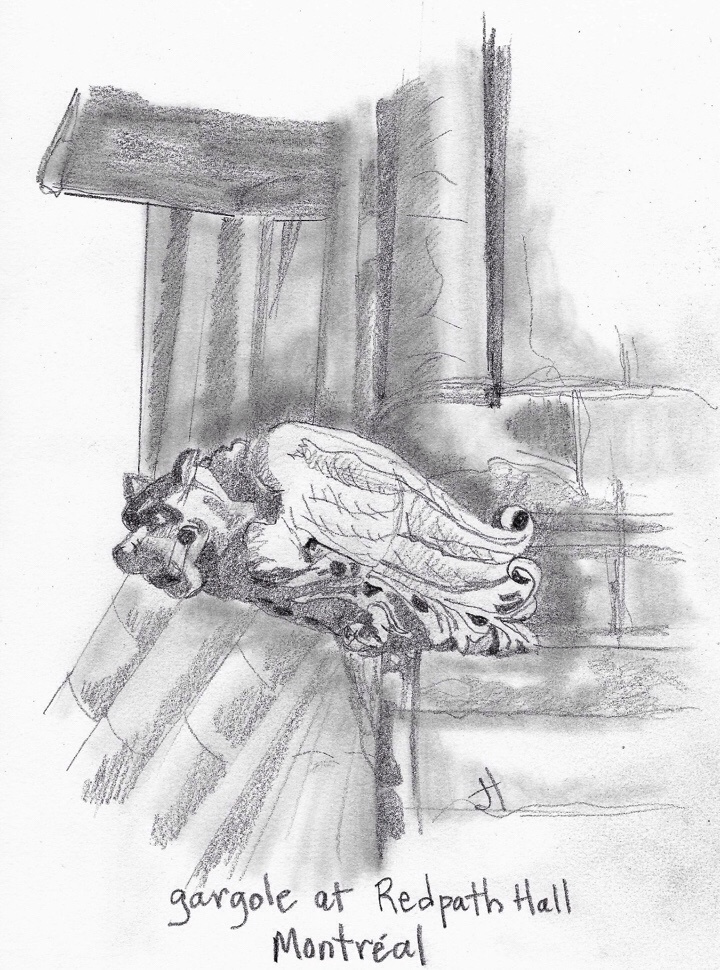
A gargoyle is a sculptural architectural feature used like a waterspout to transport rainwater away from the building. A gargoyle often depicts a grotesque other-world figure and also serves to frighten daemons away and remind people of the perils of doing harm. Sculptural features which look like gargoyles but which do not convey water are called grotesques.
~
~
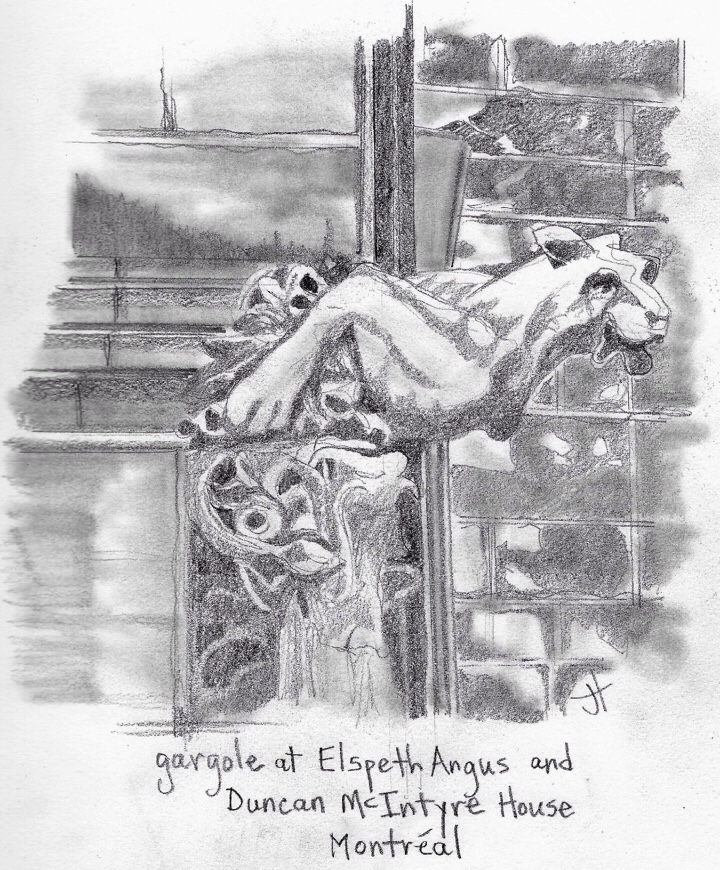
Canada has many examples of gargoyles, occurring wherever architecture is gothic in design. There are many examples in Montreal, including on the campus of McGill University (Redpath Hall and Library), on churches (Christ Church Cathedral) and on private buildings (the Elspeth Angus and Duncan McIntyre House). The Peace Tower (Parliament Building) in Ottawa has numerous gargoyles and grotesques. For more information see https://sencanada.ca/en/sencaplus/how-why/gargoyles-and-grotesques-parliament-hills-sinister-sentinels/
~
~
from a window on the 3rd floor
~
I nudge curtain, interpret
streetscape, sirens
stream down the glass
fractal paths where drops
meet and coalesce
meet and coalesce
~
the puddle on the cobbled street
a pool at the base of a waterfall
edged in rock and fern
candy wrappers, paper coffee cups
brick an escarpment, rain spills
from ledges of stone
edges of stone
~
above, a gargoyle gushes
glimpse of reckless sky
heartened, I consider
merits of solitude
building facade
pavement pulses
red and blue
red and blue
~

~
Are there any gargoyles in the architecture of your area?
~
All my best!!
Jane
2021 writing plans
I am a planner by nature and so I have plans for my writing life in 2021. My main writing work will be to publish the third in my Kaye Eliot Mysteries: Land Between the Furrows and the ninth and tenth books in my science fiction series: Meniscus: Meeting of Minds and Meniscus: Rosetta Stone. These books are all in final draft, so my work will be to revise and format for publication. For creative work, I will begin drafting the fourth Kaye Eliot Mystery: Stained Glass.
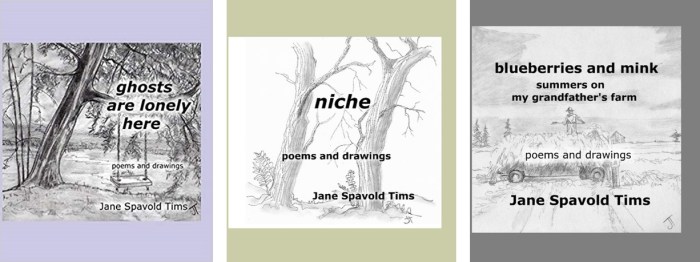
I also want to continue with publication of my older poems. In 2020, I completed three books of these: ghosts are lonely here; niche; and blueberries and mink – summers on my grandfather’s farm.
~
~
I have plans to repeat this in 2021. I have three poetry books in mind.
- waterfall : this manuscript won Honorable Mention in the Writers’ Federation Competition for the Alfred Bailey Poetry Prize in 2012; it includes poems about waterfalls in New Brunswick, about waterfalls inspired by Dante’s Inferno and about waterfalls as metaphors for struggles with relationship.
- mystery: poems about the mystery in my life. These would include whimsical interpretations of space and time, ghost stories, my approach to urban legend and nature myth, and perhaps my observations of the night sky.
- a glimpse of sickle moon: this manuscript won Third Place in the Writers’ Federation Competition for the Alfred Bailey Poetry Prize in 2020. These are poems about the natural world as it moves from season to season; deciding how to group the poems will be the biggest challenge.
~
~
To complete these books, I will have to review/revise some of the poems, draw any associated illustrations and do the formatting.
~
The agenda I set for myself may sound daunting, but I am driven by goals and I am retired, meaning I have lots of time to spend on this part of my life.
~
All my best,
Jane
final touches
So, after a month of organizing and sorting the poems in my ‘forty-years-of-writing bone pile,’ I have three illustrated books of poetry ready for the next step:
‘niche’ – poems about the spaces occupied by plants and animals, including humans, as they search for home. A good friend of mine has written the Foreword for ‘niche’ and I am looking forward to adding his name to the cover.

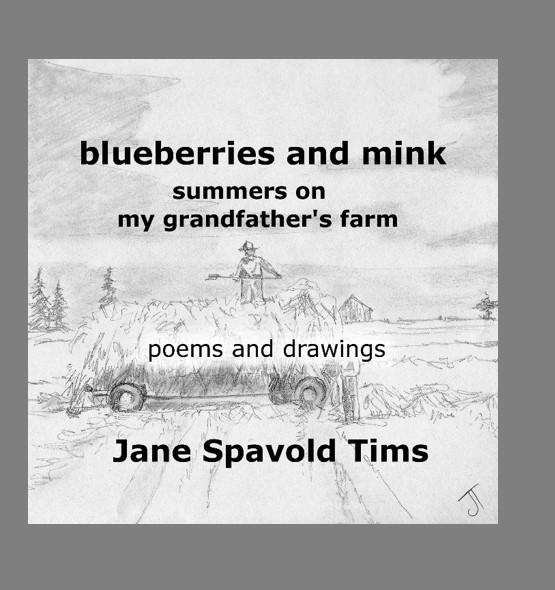
‘blueberries and mink: summers on my grandfather’s farm’ – poems about life on the farm and the changes over the years.
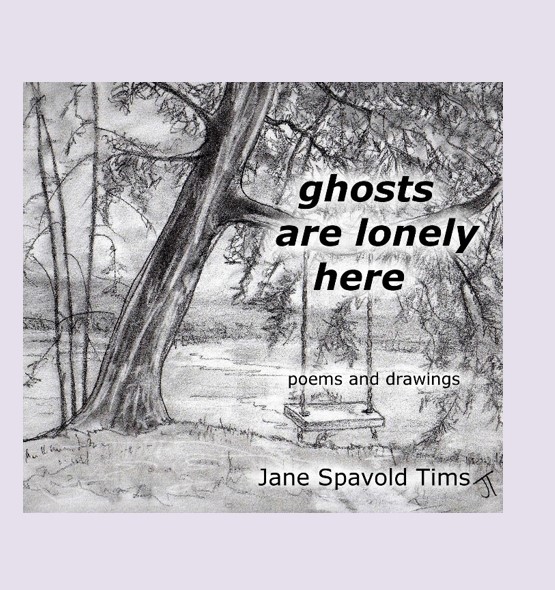
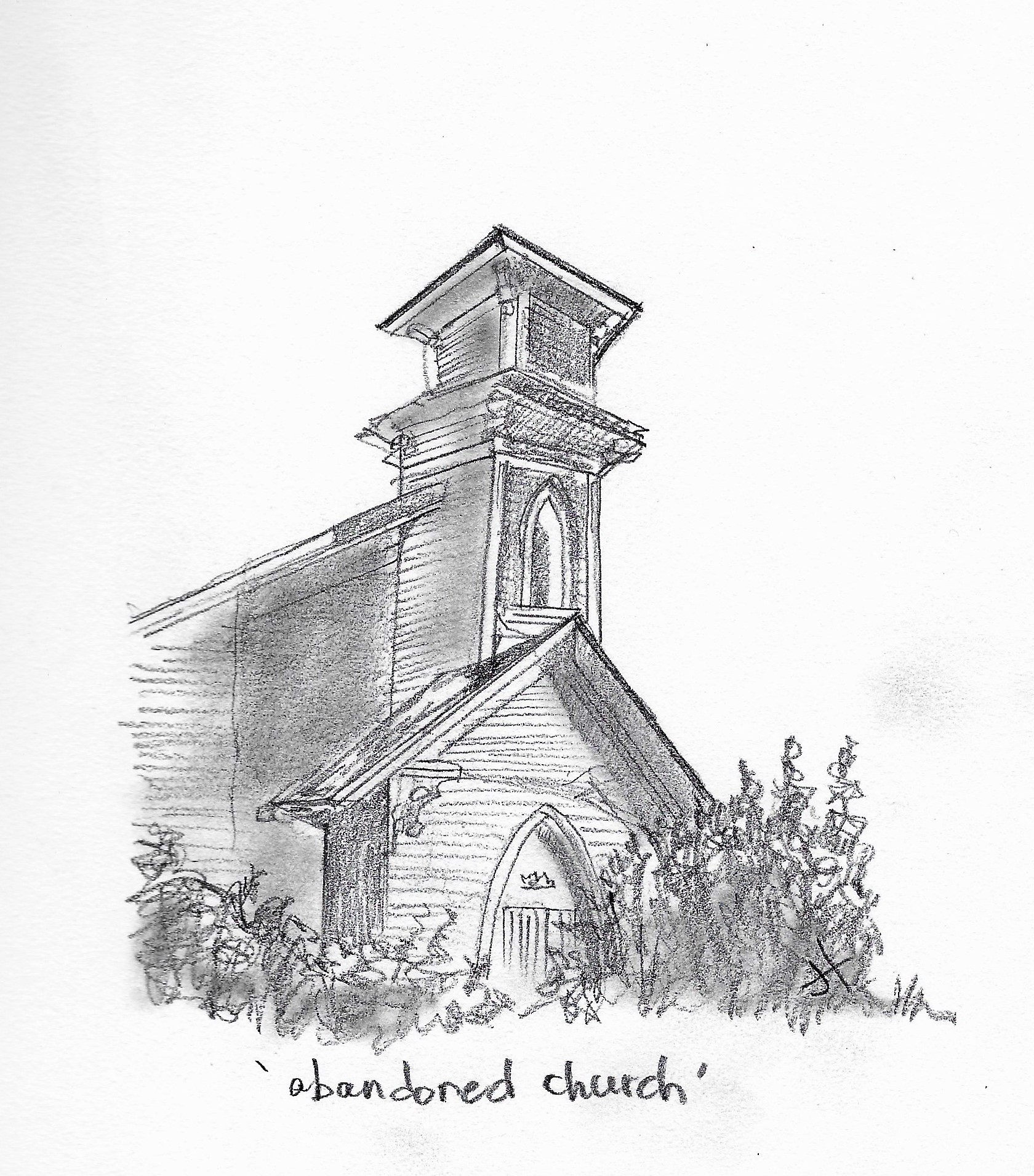
‘ghosts are lonely here’ – poems about abandoned buildings and other elements of the countryside.
~
Now that I have everything sorted, I know I have more collections to work on, but this is enough for now. My computer is more organized than it has been in years..
The next step in the process is to request Proofs. Once I get these proofs, I will do one more round of edits and make a few final decisions on formatting. Then I will publish them, using KDP. I have no intention of marketing these. I will get enough copies for family and friends who would like to read them.
Requesting Proofs is tricky right now. Amazon has turned its efforts to making and shipping Personal Protective Equipment (PPE). I don’t mind being patient.
~
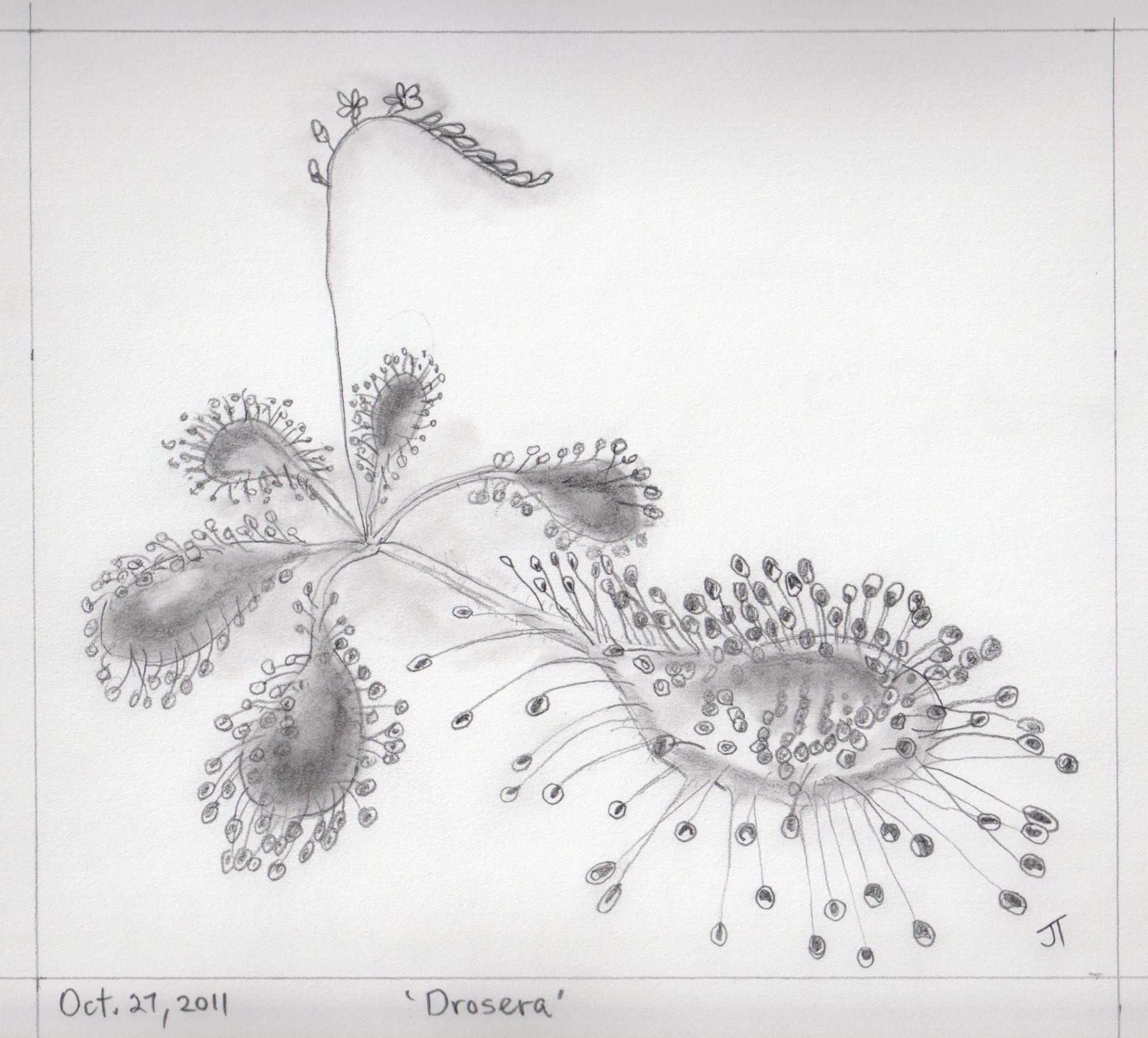
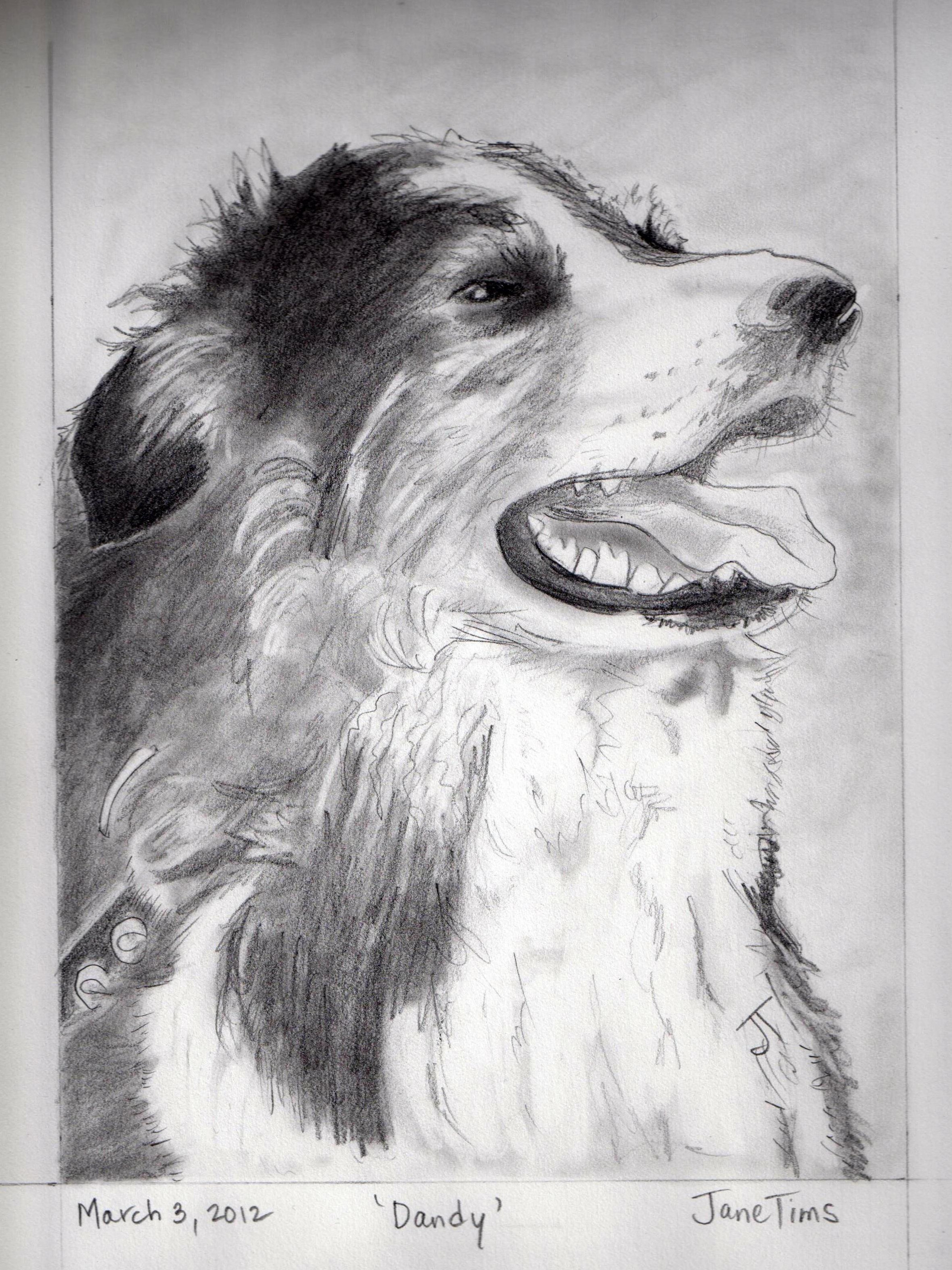
Sample drawings from the three poetry books:

All my best
Staying in my bubble!
Jane
illustrating poetry
I am in the process of creating several books of poetry from the many poems I have written over the years. I am now working on the third book, poems about life on my grandfather’s farm. The title will be ‘blueberries and mink’ since these were the main products of the farm.
~
There are about forty poems in this collection. I have decided how I will order the poems and done much of the formatting. Since I illustrate the books I write, the next task is to pair the poems with drawings I have done.
~
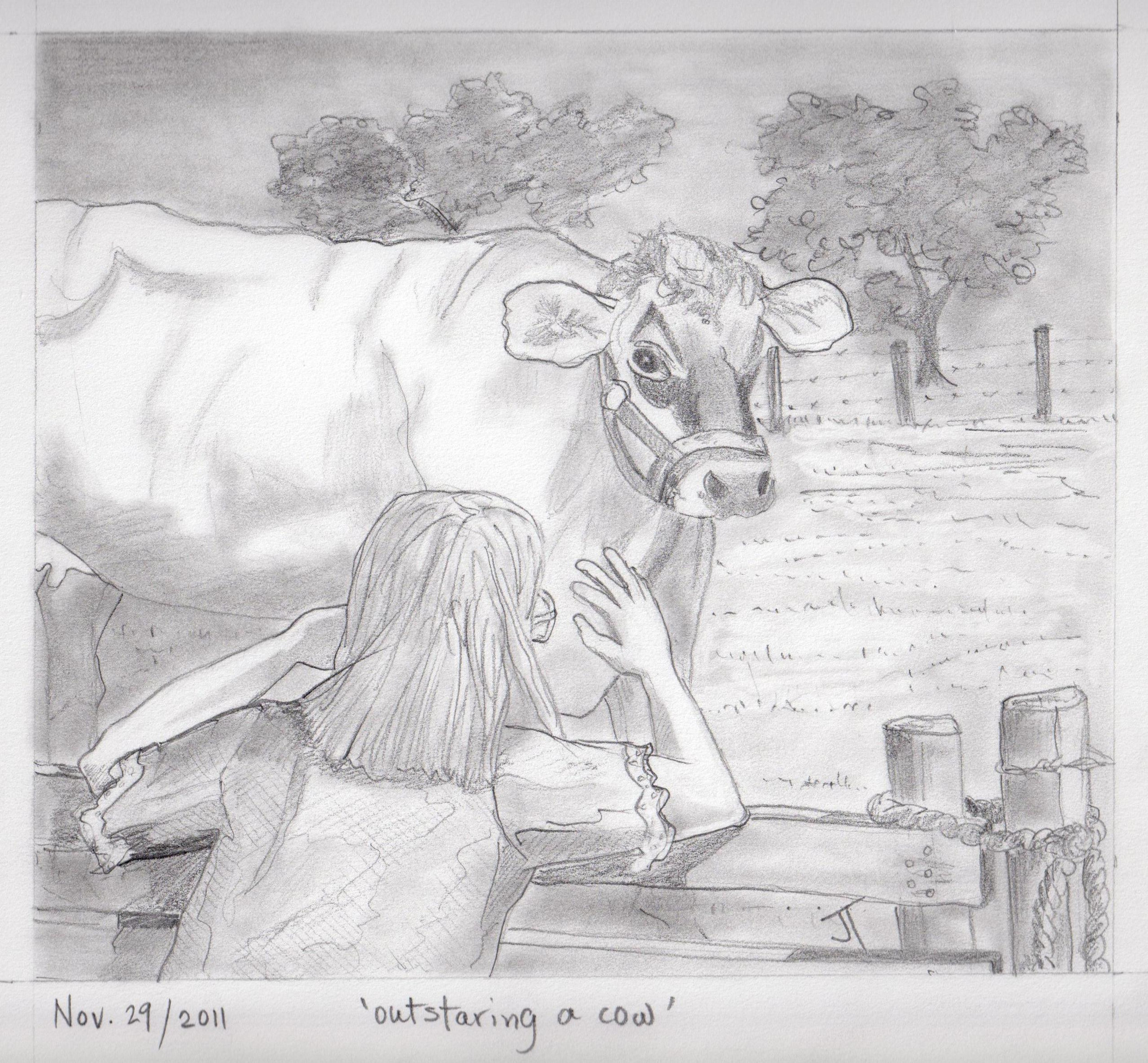
For some poems, as I wrote, I had an image in my head that my hands could draw. A good example is the poem ‘patience.’ One of the lines describes ‘staring down a cow.’ The drawing was fun to do.
~
~
In some cases, a drawing I did for another purpose will find a home in my ‘blueberries and mink’ manuscript. An example is the drawing of old pop bottles I did for a blog post a few years ago. These bottles look much like the ones that used to sit on a window ledge in a shed at my grandfather’s farm.
~

~
Once I have inserted the formatted drawings into the book, I have to make sure they are distributed evenly through the book. Sometimes a poem and its drawing can be relocated. Sometimes I have to do another drawing to fill a gap.
~
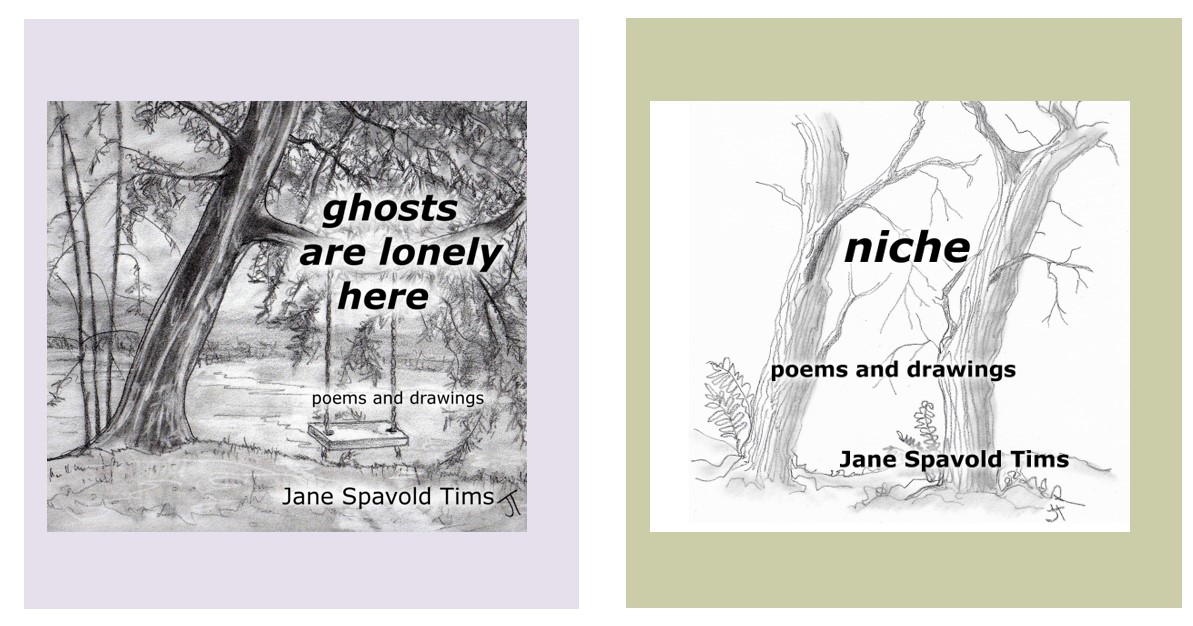
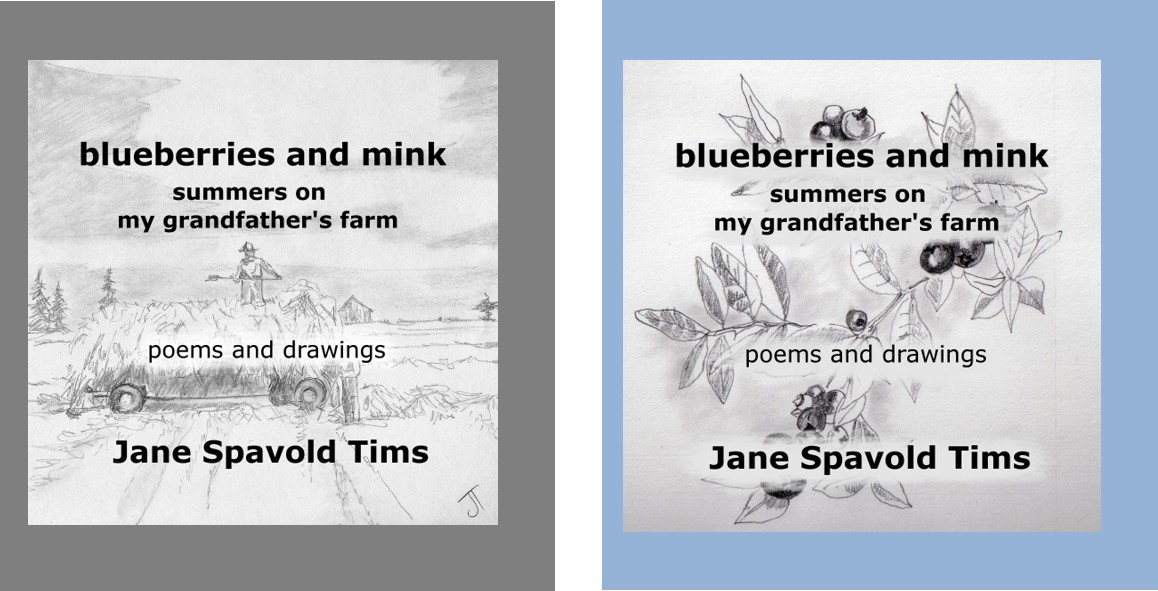
Next, from the drawings, I have to pick one for the cover of the book. I want the covers for these books to be similar in style with the book title and author name superimposed.
~
A couple of the possible covers I am working on are shown below.
~
~
all my best,
staying home,
Jane
ice
As I go over the many poems I have written over the years, I find a lot of poems about ice. Ice is very poem-worthy. It glitters and drips. It is cold and changes form. Icicles make great popsicles (if they are dripping from a clean surface). Ice can be a metaphor for emotion, life experience, change, danger, and so on.
~
Today we had a high of 7 degrees C and all the snow and ice are melting. Not really sad to see them go this year.
~
river ice
~
builds in shallows
at the rim of river, incremental
embellishment to transparent sheets
of glass, ice envelopes winter
remnants, reeds and willows
thickness increased as frost
penetrates, sharp edges
cauterized by cold
~

~
freezing rain
~
trees, bare branches, wait
wood snaps in the stove
budgies peck at cuttle bone
pellets of rain, tossed
at the skylight
a second transparency
~
bare twigs turn in wind
distribute their coating
in these last moments
before temperature turns
the snowpack on the picnic table
shrinks at the edges
shoves over, makes room
~
branches gloss so gradually
candles dipped in a vat of wax
over and over, acquiring thickness
the sky, through the skylight
dimpled tile, rumpled mosaic
~
rain stipples bark as narrative
appends to memory, pane here,
light there, layers of glass
cedar twigs turn downward
as fingers, ice builds
layers of skin
~
~
All my best
(staying home!)
Jane




 nichepoetryandprose