Archive for the ‘above the ground’ Category
three robin’s nests
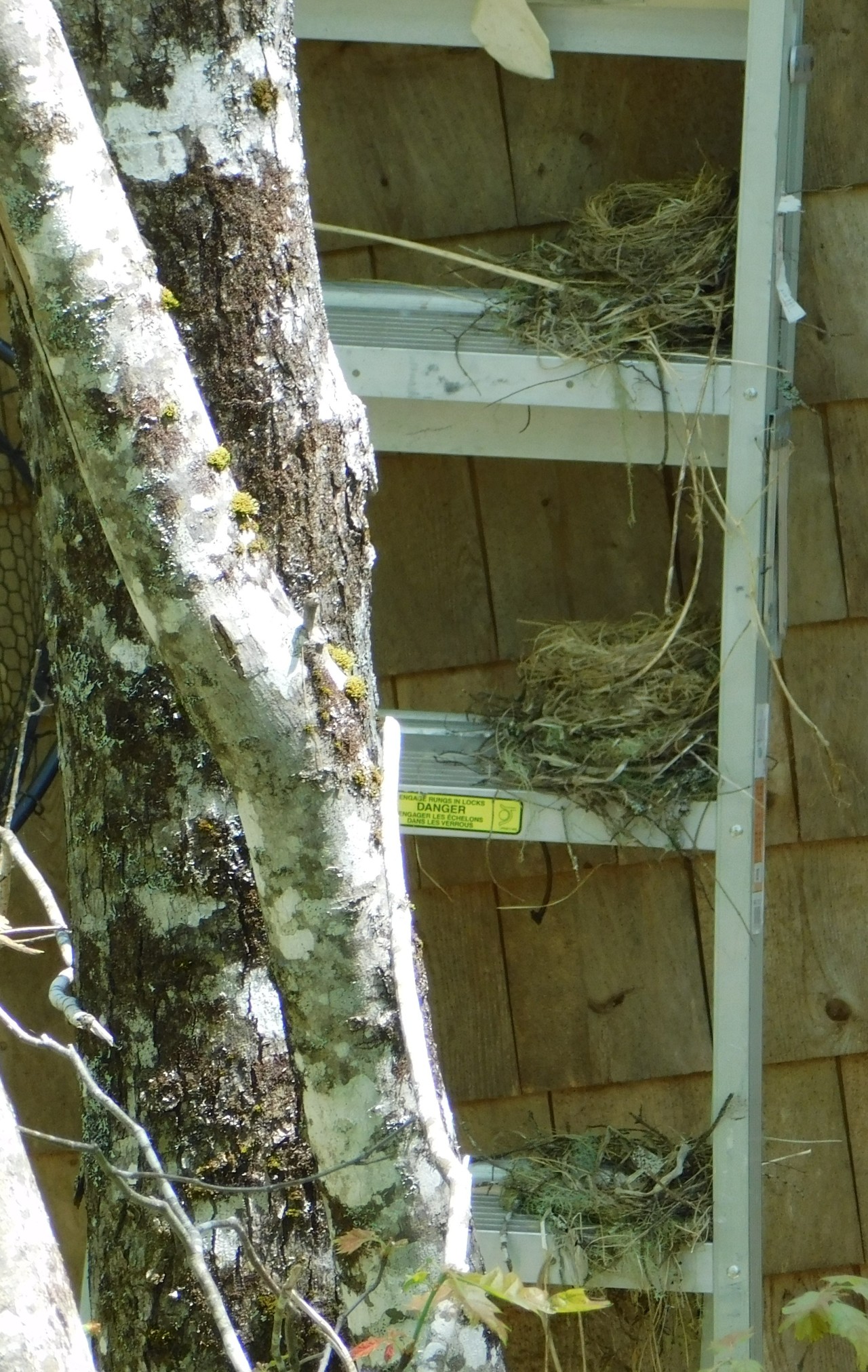
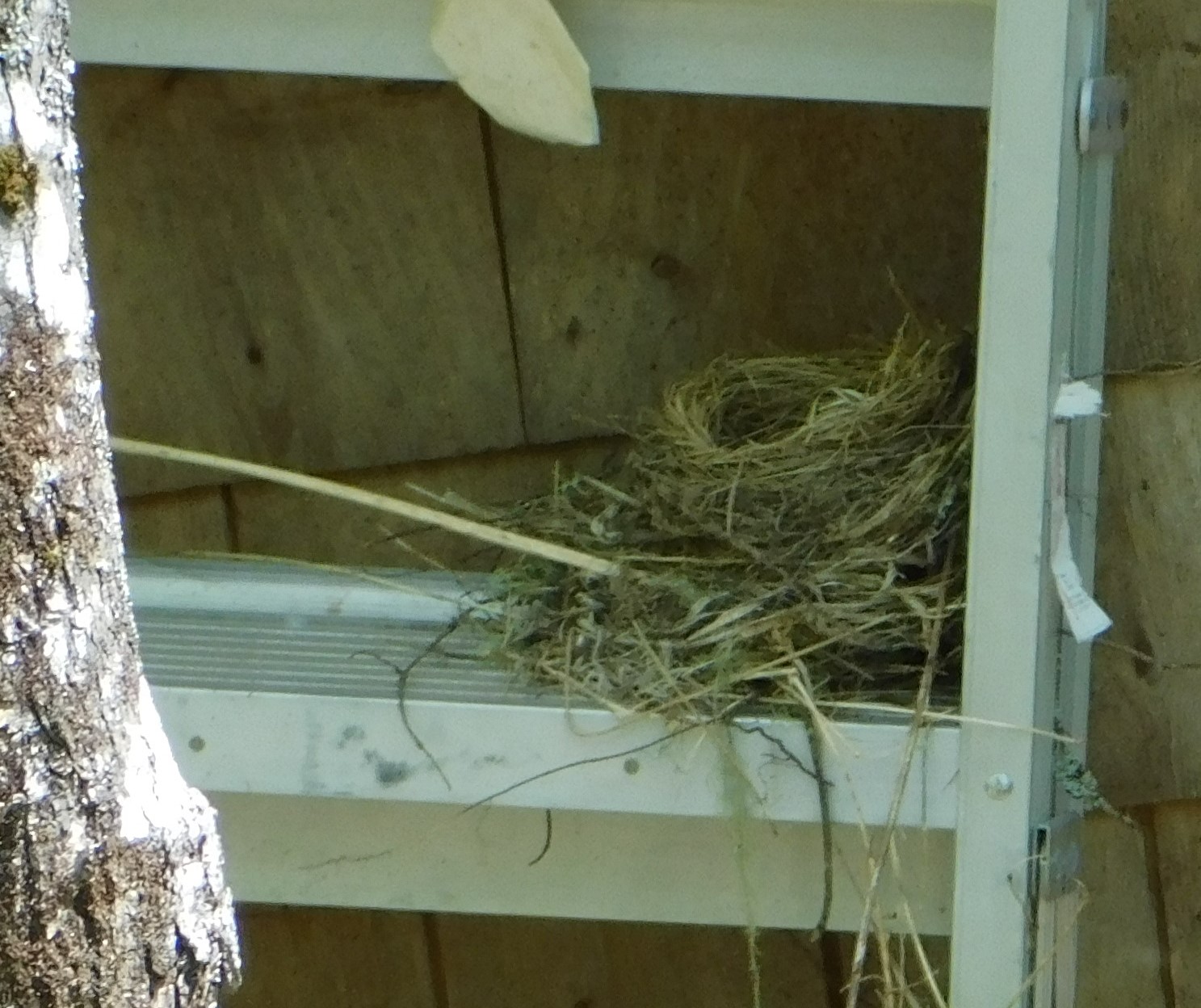
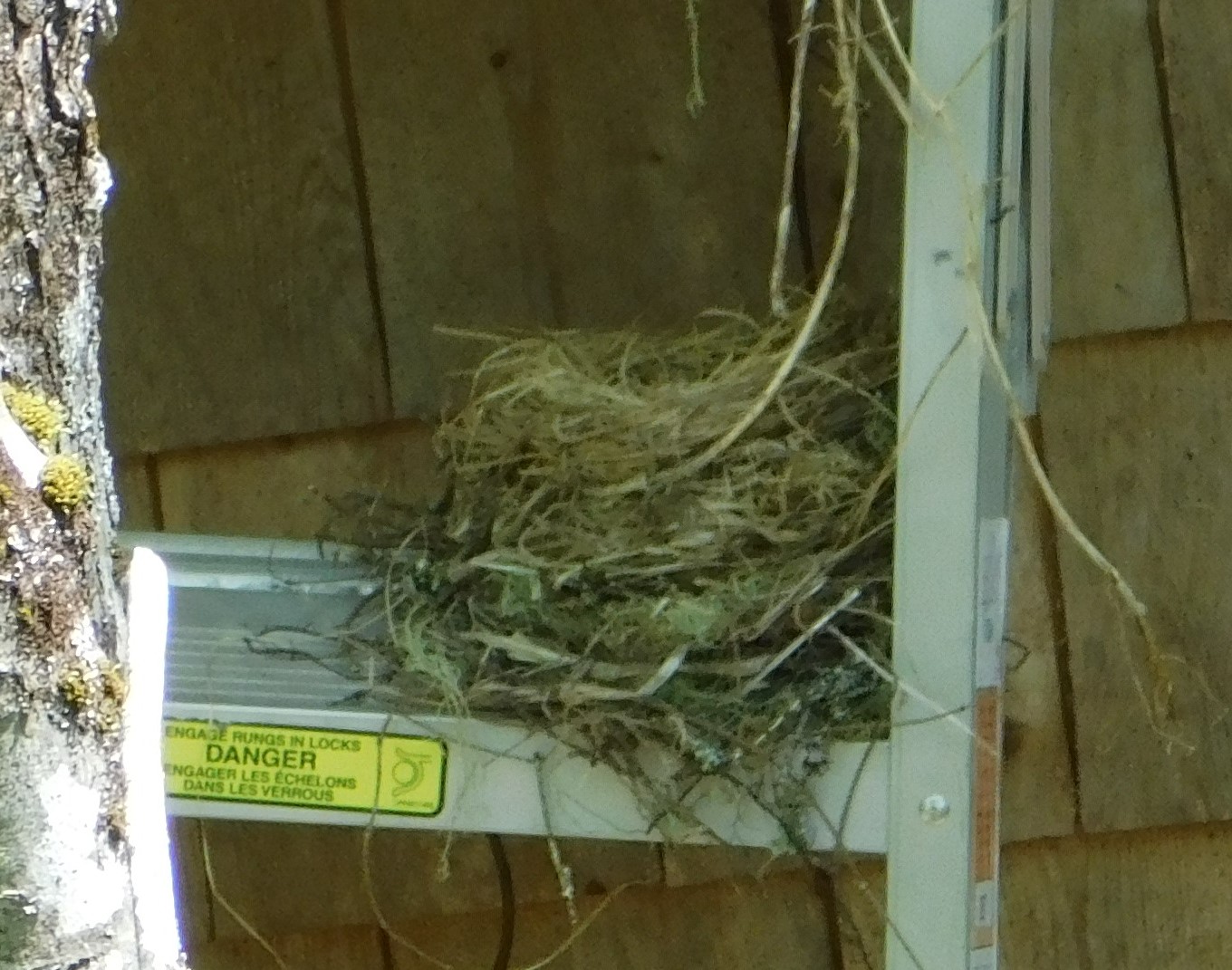
A robin has built three nests on the ladder leaning against our garage! The top two are well-formed and intact. The lower nest looks disarranged, as though construction was abandoned or a predator has pulled it apart.
~
~
Bird nests are built during a period of a few days using grasses and twigs, mud for a lining. They are used for incubation of eggs and brooding of young. Adult robins don’t use the nest as a bed, but roost on a tree branch. For a great description of how the nest is built, see allabout birds.org.
~
~
We have watched the nests on the ladder, but there is no sign of eggs or baby birds. Every day, we hear the robin singing nearby, ‘cheery, cheer-up, cheer-up, cheeree.’ I hear the robin singing as I type!
~
~
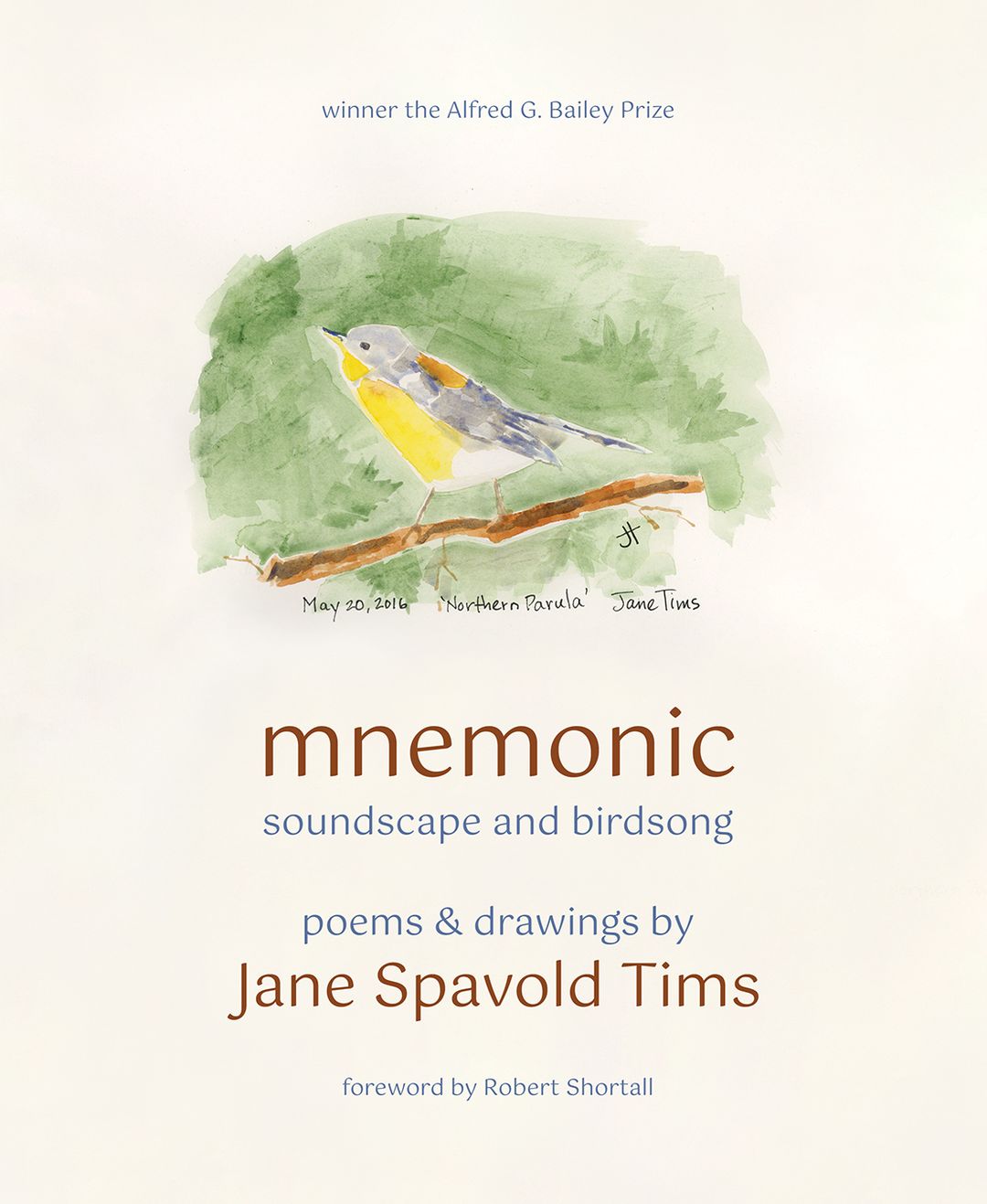
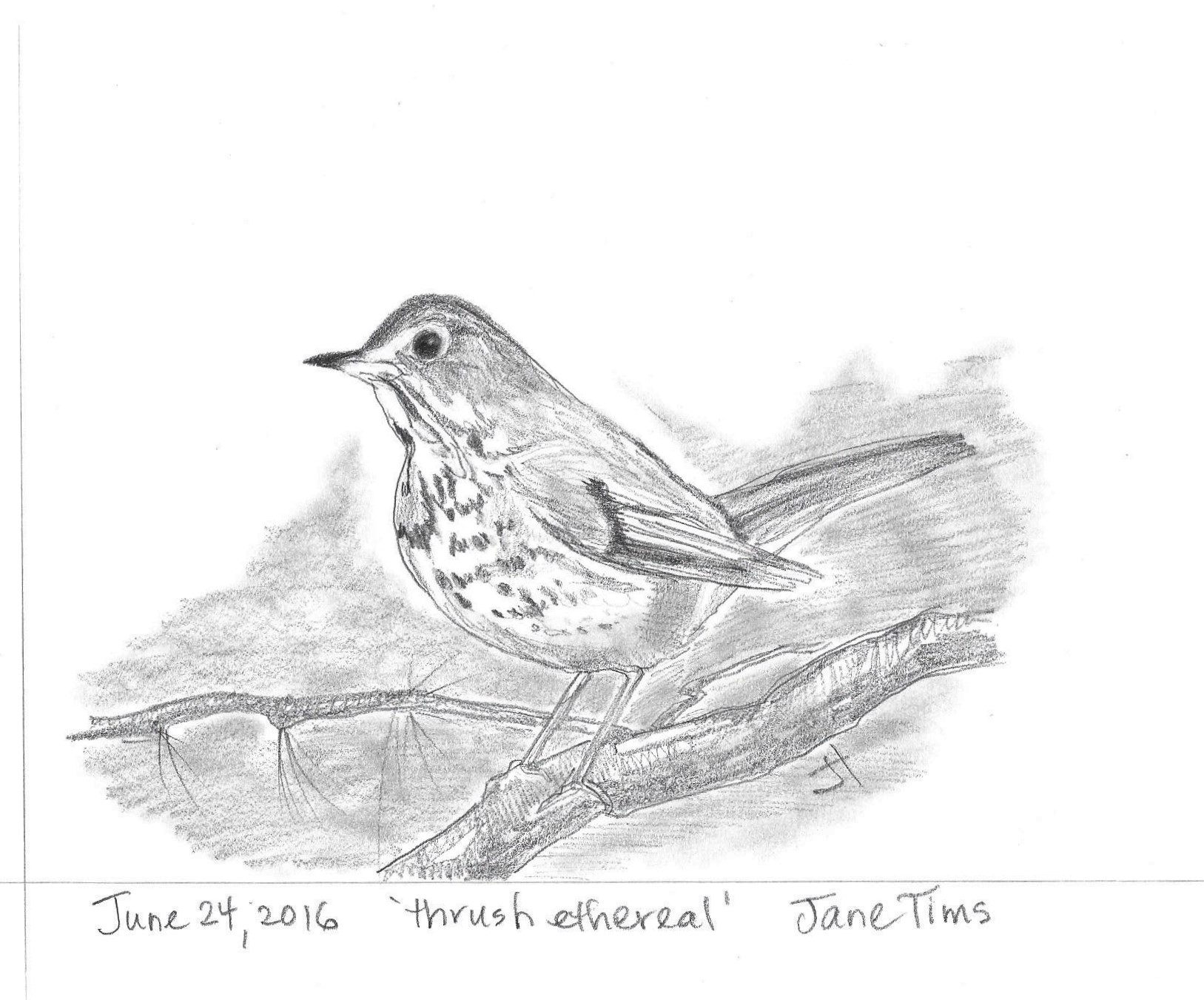
If you love birds and enjoy watching them through the seasons, you might like my new poetry book: ‘mnemonic: soundscape and birdsong.’ The book includes 53 poems about birdsong, bird behaviour, my experiences with birds, birdsong as a life metaphor, and celebration of other sounds in nature. I have also included 15 of my black and white drawings of birds. To get your copy of the book, click here to go to Chapel Street Edition’s (the publisher’s) website. If you would like to purchase the book on Amazon, click here. You can also find my book in several New Brunswick bookstores, including Westminster Bookmark in Fredericton and Dog Eared Books in Oromocto.
~
~
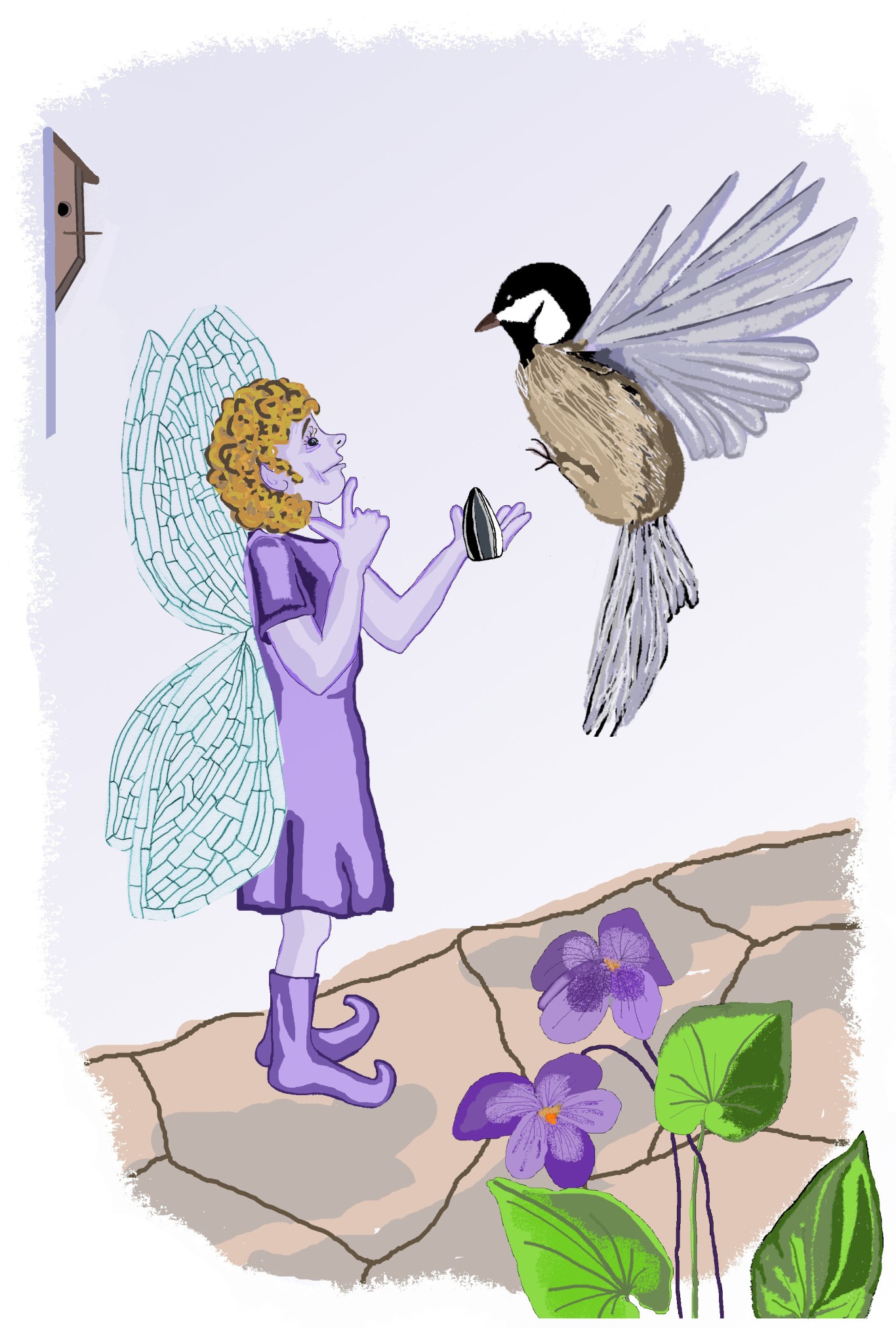
I want to write a story about the robin building nests in our ladder. I have decided to write a third book in my children’s books about ‘Wink.’ The first of these is ‘Wink in the Rain’ (available here), a story about a garden elf and his adventures in finding the perfect umbrella. The second book, ‘Wink and the Missing Sidewalk Chalk,’ a story of the hunt for a thief in the garden, will be published later this year. The story about ‘Wink and the Garden Ladder’ is written and I will soon be doing its illustrations.
~
~
Will our robin use the nests on the ladders to raise a family? I will keep you up to date.
~
All my best!
Jane
solar eclipse
On Monday we joined other people of New Brunswick, all eager to view the total eclipse of the sun. We planned carefully, arranged to pick up our son and drive to our chosen viewing place, at the picnic grounds of the Department of Agriculture Experimental Farm. Other people had the same idea so we were among a small crowd of viewers.
~
We had obtained the necessary ISO eclipse glasses (ISO 12312-2 standard) to protect our eyes from harmful rays but I take extra care since I have several problems with my vision. So I did not look continually at the sun but glanced at it occasionally with the glasses on. The sequence I saw was:
- the sun in normal mode – seemed much smaller than usual since ordinarily when we glance at the sun, we see the sun itself and a glare of light;
- a curved black shadow at the right edge of the sun;
- a bigger ‘bite’ of darkness from the sun;
- a larger ‘bite’ of darkness so the sun resembled the crescent moon;
- a creeping towards totality where the crescent became smaller and smaller;
- the moment of totality when you could see nothing at all but darkness through the glasses;
- with the glasses off, totality, a dark disc with a thin rim of light;
- a moment when the edge of the sun re-appears, a sort of flaring diamond on the edge of the ring.
- glasses on, a gradual return to the crescent, through the bite of darkness to the disc of the normal sun.
~
Between my glances at the sun, I gazed at the scene before me, the shadow of twigs from a young maple tree on the gravel road. As I watched, the area around us darkened and all along the horizon in every direction was a rosy glow, as though evening had arrived. But the effect was not really like that of evening, more like a wan darkness, eerie. On the road, the shadows looked like those cast by a full moon.
~

~
And now, all this in a poem:
~
total eclipse of the sun
Fredericton New Brunswick
April 8, 2024
~
twig shadows drowse on road
red maple carved into gravel
sun dazzles against blue sky
~
first moment of eclipse
a nibble from a dark cookie
a bite
~
crescent like a waning moon
creeps towards
totality
~
image
through special glasses
goes dark
~
evening settles on the hill
russet sky at every horizon
street lights blink on
~
a white bird climbs, confused
whisps of corona
around silhouette of moon
~
eerie lull in murmuring
as a diamond sparkles
along the lower edge
~
twig shadows
tremble, pale-washed
beneath full moon
~

~
Hope you enjoyed your look at the eclipse if you were in an area to view it!!!!
All my best,
Jane
talking trees

~
~
trees in conversation
~
they say
if trees communicate
they do so
beneath the ground
communication network
of rootlets
and mycelia
~
I still listen
above ground
to the friction squeal
of trunks
rubbing together
flutter of birch bark
whisper of leaves
~
I think they try
to learn my language
speak to me
of longevity, the cycle
of the story in layers
added year to year
bilingual trees
~

~
~
All my best,
Jane
bracket fungi
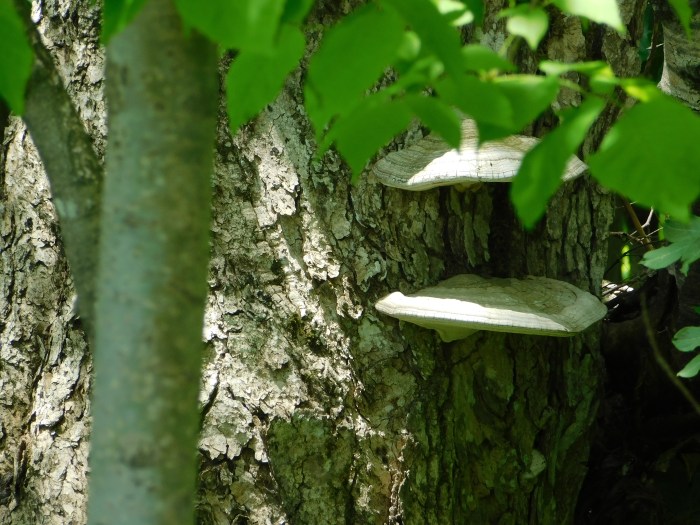
On a drive last weekend, we saw this great example of bracket fungi growing on an old maple.
~

~
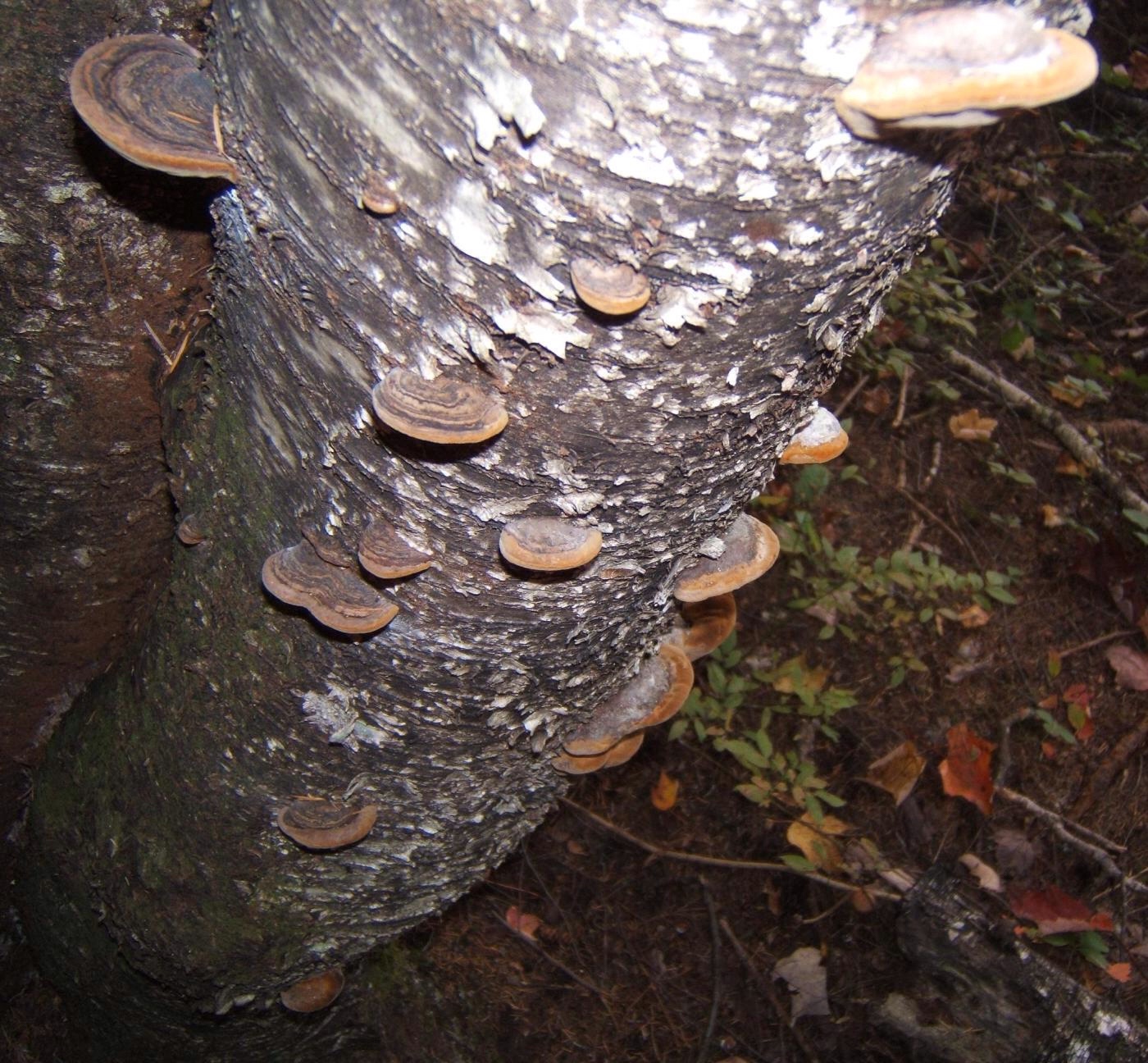
Bracket fungi belong to a group of fungi called polypores. These produce the characteristic spore-producing bodies called conks. The shelf-shaped or bracket-shaped conks are a reproductive outgrowth of the main fungal body called the mycelium. As with all fungi, the mycelium is mostly unseen since it resides in wood or soil.
~
Polypores are a significant part of the forest ecosystem because they are agents of wood decay. These fungi are efficient decomposers of lignin and cellulose.
~
~
On a more fanciful note, the brackets of these fungi always remind me of ‘faerie stairs’, a way to ascend an ancient tree.
~
bracket fungi
~
in this forest
(staid
practical
grey)
could any form
construe to magic?
~
fairy rings
moths in spectral flight
spider webs, witches brooms
burrows and subterranean
rooms, hollows in wizened
logs, red toadstools
white-spotted, mottled
frogs
~
bracket fungi
steps ascending
a branchless tree
~
(Previously published October 28, 2011 http://www.nichepoetryandprose.wordpress.com )
~
~
All my best,
Jane
chimney swifts
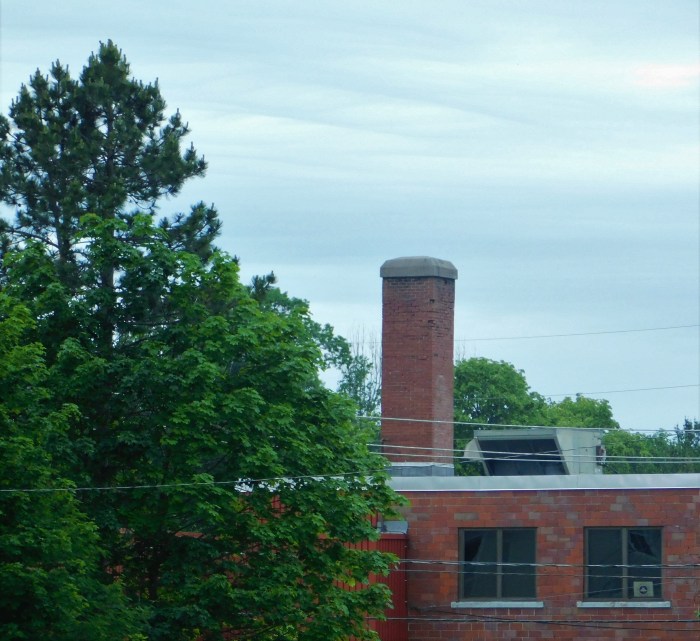
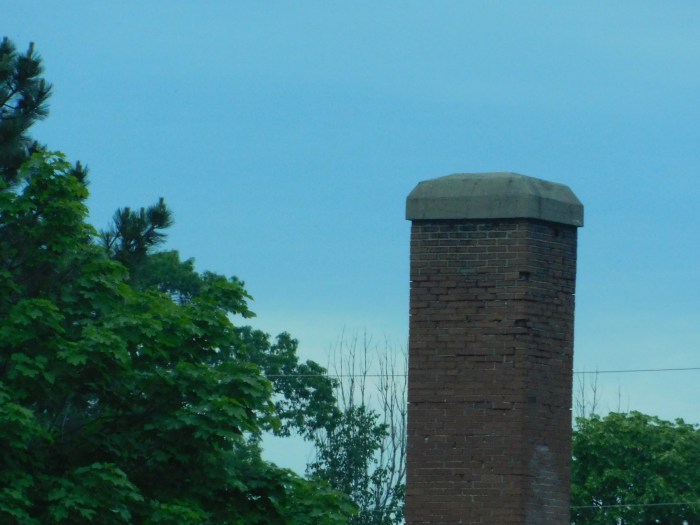
Last evening my husband and I took a drive into Fredericton to see a population of chimney swifts do their dive into a brick chimney. The chimney at McLeod Avenue provides home to a couple of thousand chimney swifts. These fleet birds nest inside brick and mortar chimneys, an ideal example of how wildlife adapts to coexist with humans. Once, swifts used large hollow trees, but these are disappearing from the landscape. When the swifts returned to Fredericton in May, a CBC newscast spread the word about the chimney and many folks turned out to watch the display CBC .
~
~
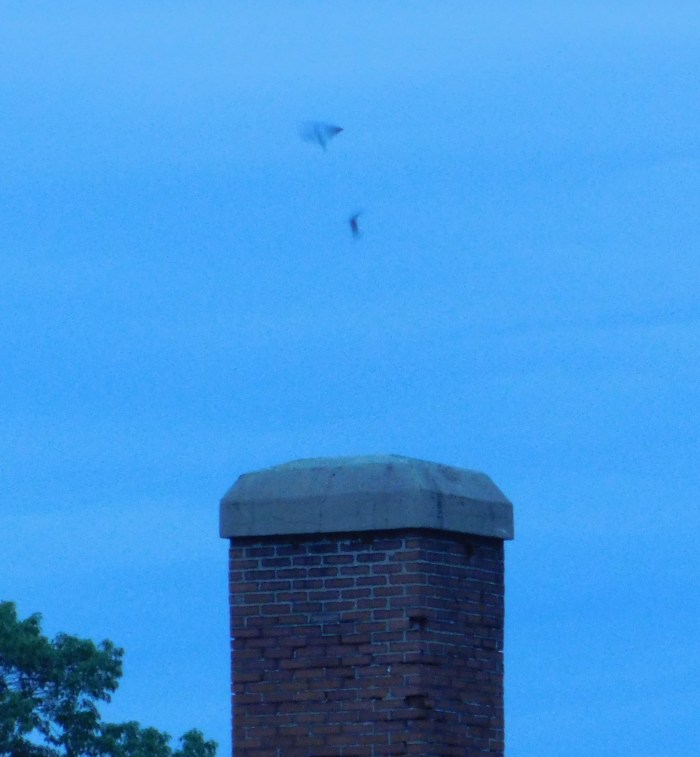
Last evening was late in the viewing season, so we observed a few hundred birds dive into the chimney. My photography skills are always a problem, so the birds were much faster that the setting on my camera. But I really like the silent ghostly image portrayed. In fact the air was filled with their chirping and the dive of the birds into the chimney opening was like pouring water.
~
~

~

~

~
~
Like the hollow trees before them, brick chimneys are disappearing from the landscape. Efforts are underway to protect chimneys and to provide alternative nesting for swifts, but the struggle to improve the survival of threatened species like the chimney swift must continue.
~
All the best,
Jane
Butterfly Etude
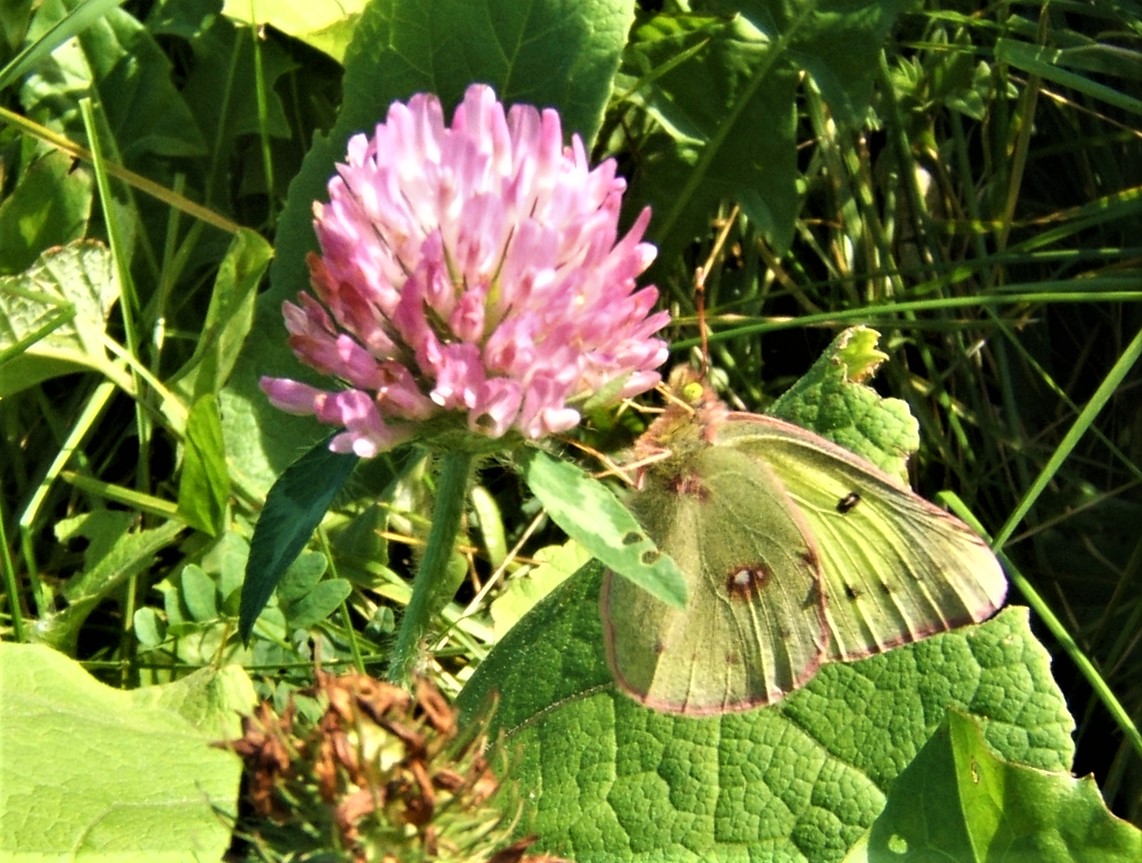
I have not played the piano for years. Not a great tragedy as I was never very good and playing made me nervous, afraid to fail. But there are some bits of music I will know forever because I learned to play them. One is Chopin’s Butterfly Etude (Etude Opus 25, no. 9). A difficult piece, full of octave stretches and staccatos. And it perfectly captures the erratic whim-of-the-wind flight of most butterflies.
~
~
Etude Opus 25, No. 9
Chopin’s Butterfly Etude
~
cloud to clover
graceless flight path
earth to sky
~
wrist staccato
octave stretches
disarticulated flight
~
flirt and quiver
tip and stumble
clouded sulphur
butterfly
~
~
all my best,
Jane
Safe place for a nest
No surprise to me … a robin has built a nest in the eaves of our house. Eighteen feet above the ground, this is a safe place for a nest. The robin does not think so. When I sit on the deck for my daily cup of tea, the robin sits in a near-by tree and scolds me. He gives a single annoyed chirp. If a robin could scowl, he is certainly scowling.

alternative energy
On our recent trip to Ontario, we were intrigued to see how much use is made of alternative energy sources.
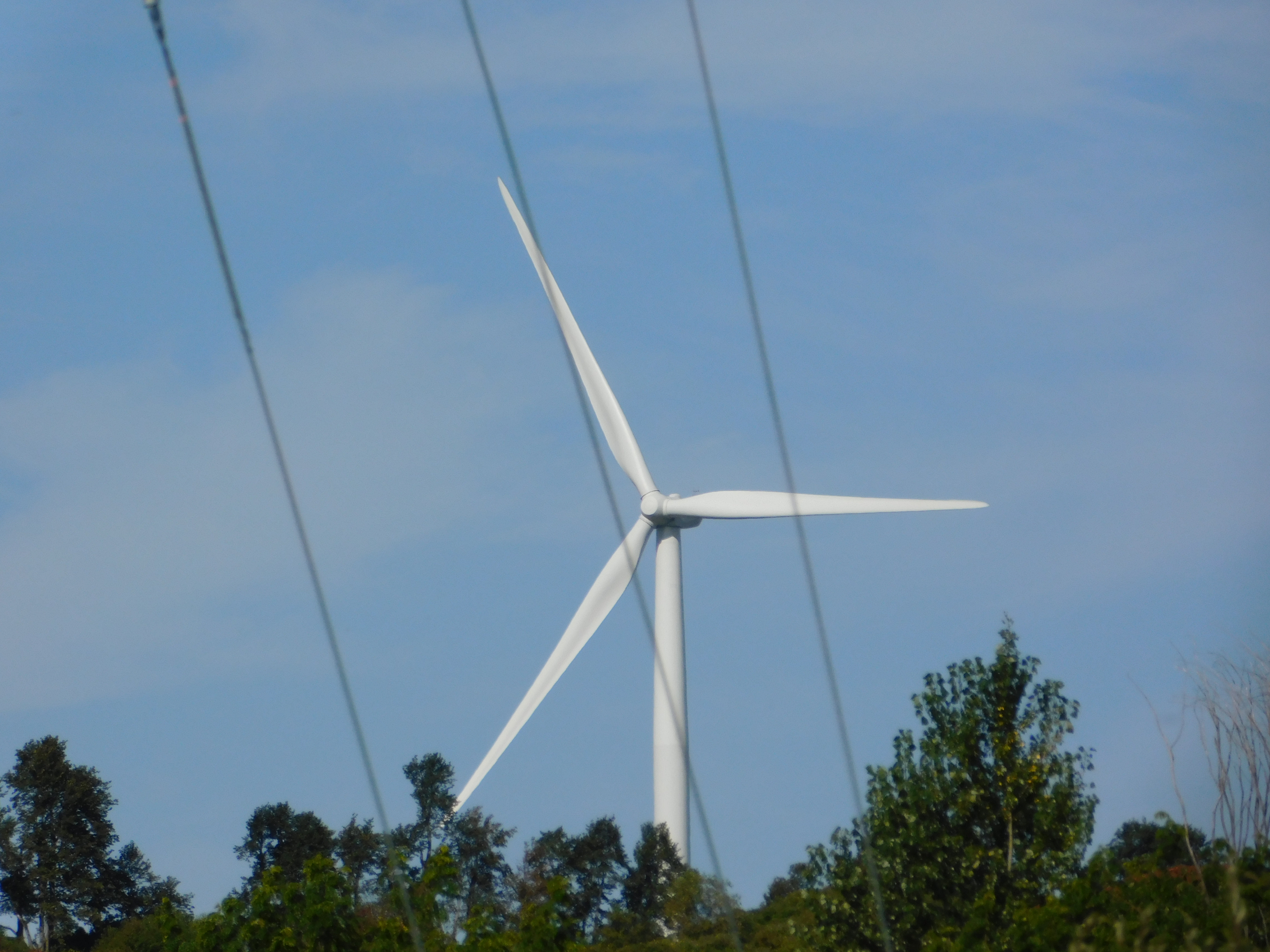
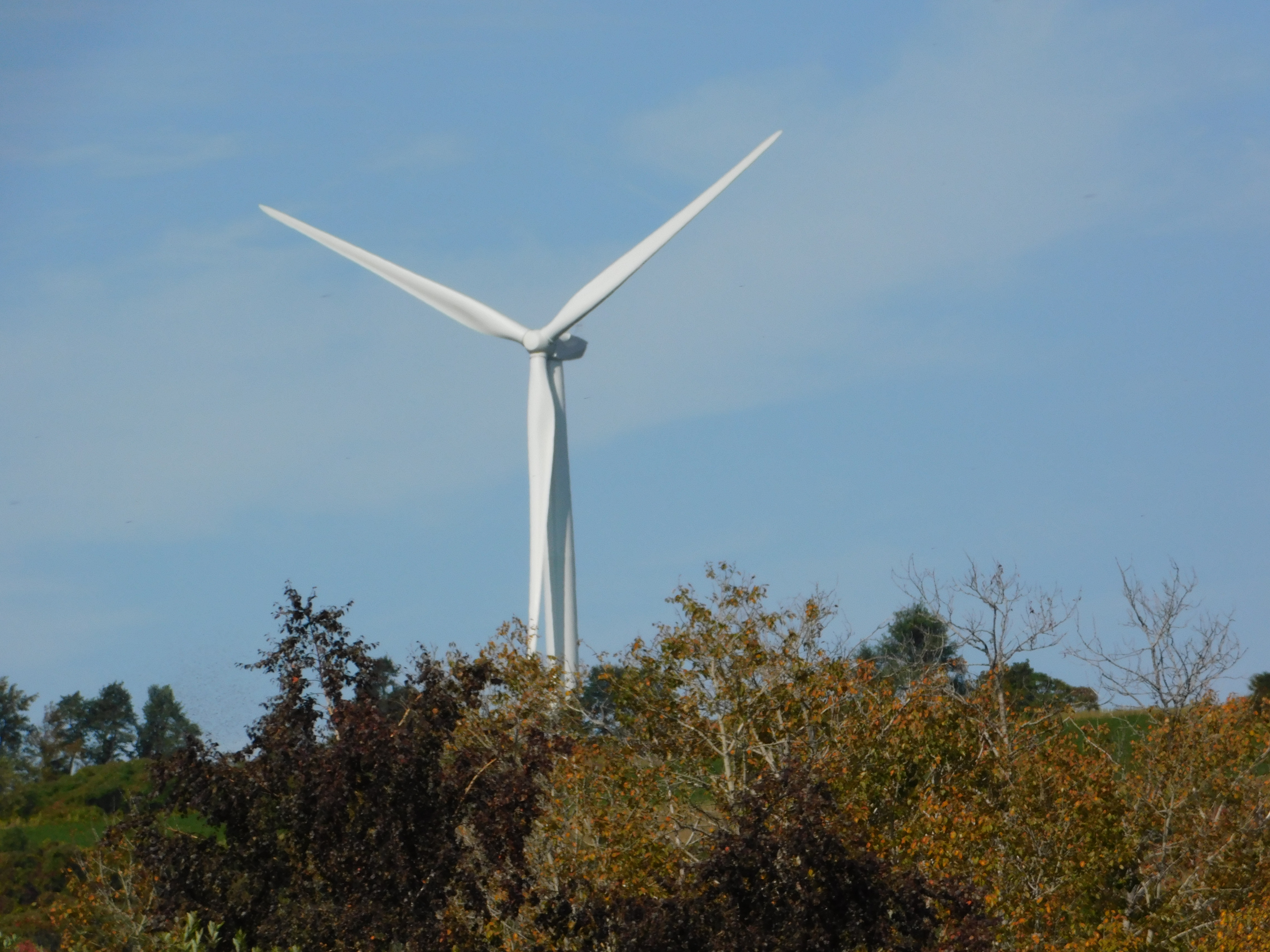
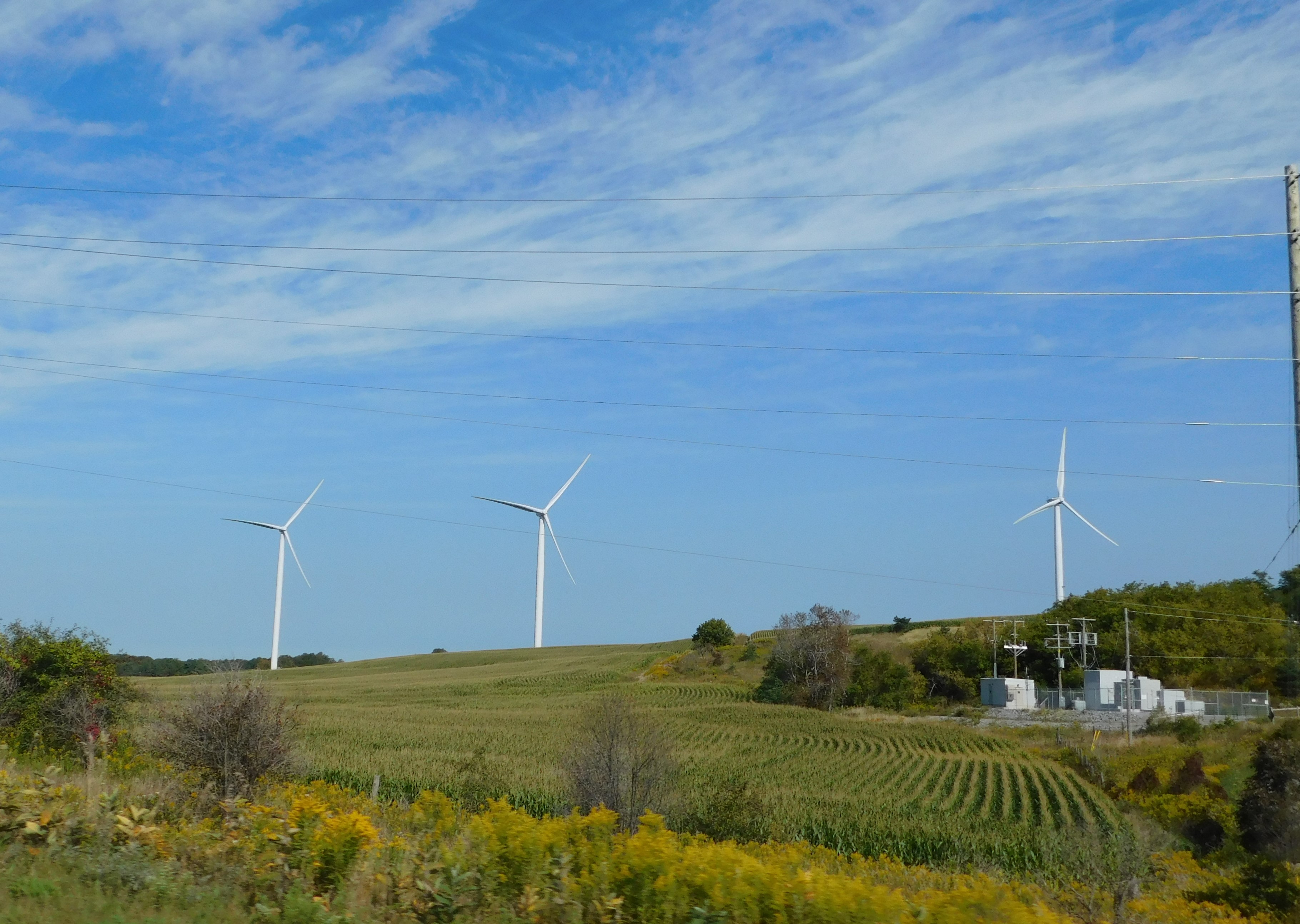
Especially in the windy area of Lake Huron, there were many wind turbines. Watching the blades turn is quite mesmerizing. We saw at least one protest sign about wind energy in a farm-yard, so we know there is some resistance to wind power or the way it is managed.
~
~
~
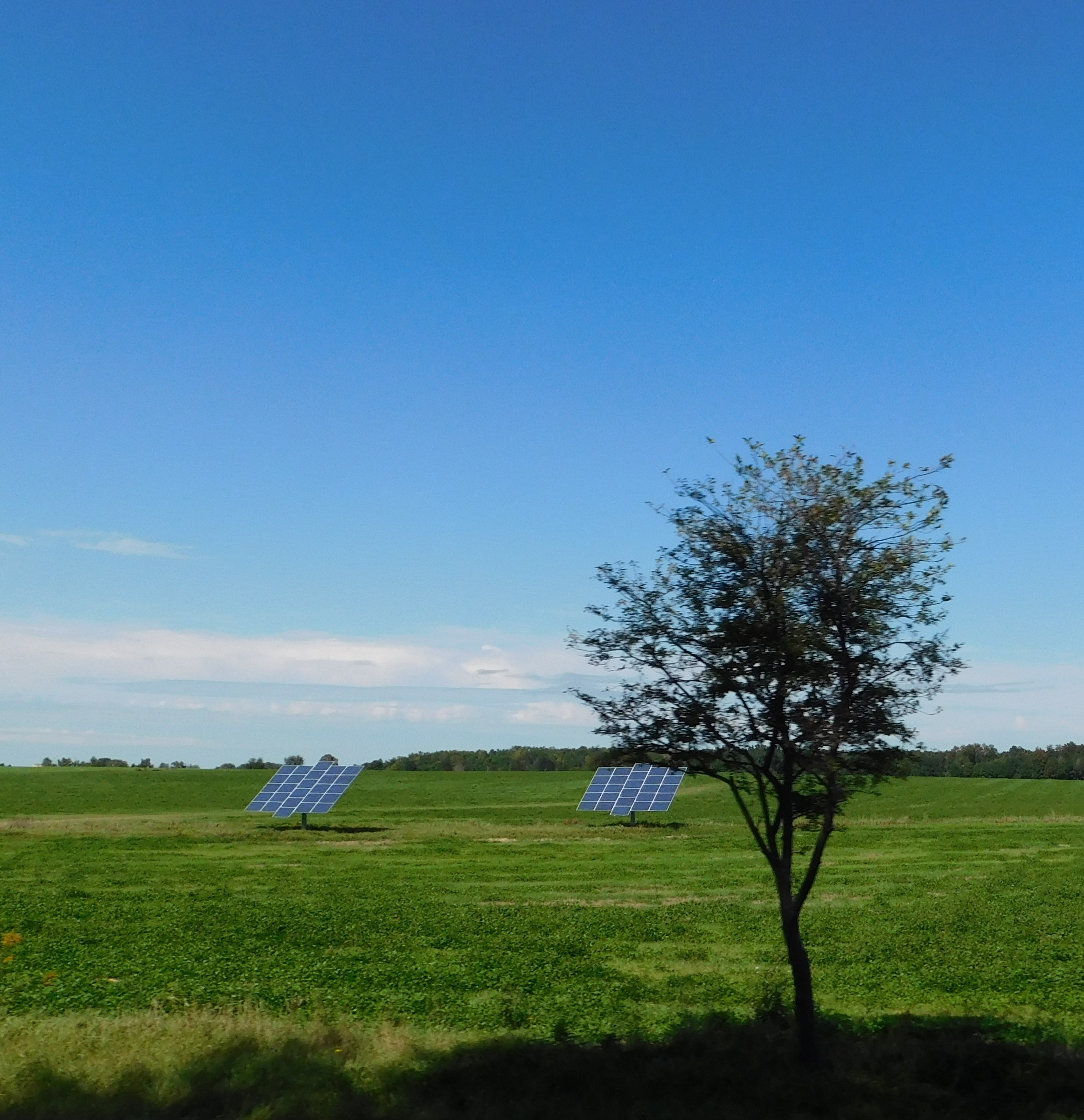
Solar power is also being used throughout southern Ontario. Many farms had large solar panels and we saw one extensive installation with hundreds of solar panels. These panels are mechanized so they “follow the sun”!
~
~
I know there are economic, environmental, and social issues with use of wind and solar energy, but my thoughts are these:
wind turbines and solar panels alter the look of the landscape, but so do houses and other buildings
diversification seems to me to be a secure approach to ensuring energy for the future
if our society demands energy, there are consequences — we should be willing to use wind and sun as sources and work out any problems
careful evaluation of the environmental and social costs should be part of decision-making
I am so proud of human innovation when it comes to solving our problems!
~
~
Copyright Jane Tims 2017
a moment of beautiful – bug-shot shadows
the space: the surface of the power pole in front of our house
the beautiful: the pattern of shadow through bug-eaten leaves
The power pole in front of our house is habitat for a vine of Virginia Creeper (Parthenocissus quinquefolia (L.) Planch.). also known as Woodbine. I brought the vine home about thirty years ago, as a slip collected from a plant in the park beside the St. John River. Over the years, it has struggle against the winds, determined to blow it from its perch, the power company, unhappy with its use of the pole, and the lawn mower as it snips away at the horizontal tendrils.
This year, it has a new challenge to overcome. An insect has chewed the vine full of holes… probably not a severe problem for the plant.
On Friday, I caught the shadow pattern created by the bug-eaten leaves as the sun shone at the right angle for a moment… a new way to see the consequence of belonging to the food chain!

© Jane Tims 2012
maple blossoms
This week, as Red Maple (Acer rubrum) flowers bloom, the woodland blushes scarlet. In the driveway, a tree-shadow of blossoms has begun to form, as the flower clusters reach their peak and then drop to the ground.
Each flower is a puff of reddish-pink bracts surrounding the male and female flower parts. The stamens (the male part of the flower) consist of a thin filament topped by a dark anther where the pollen is formed. The pistil (the female part) is made of a style topped by a stigma; once fertilised by pollen, the maple seeds will form here. Red maple flowers may have both stamens and pistils, or may be only male or only female. The flower looks like a tiny fireworks, the burst-effect created by a bundle of stamens or stigmas.
When I went to Dalhousie University in Halifax, I always loved the flowering of the Norway Maples (Acer platanoides) in spring. Their flowers are green and most people mistake them for new leaves. I used to wonder what the ecosystem consequences might be if the flowers were bright orange or purple instead of green.
~
~
red maple blossoms
~
across brown sky
strontium bursts of bright
sparks bloom
against dark
~
~
© Jane Tims 2012




 nichepoetryandprose