Posts Tagged ‘history’
eulogy for a covered bridge
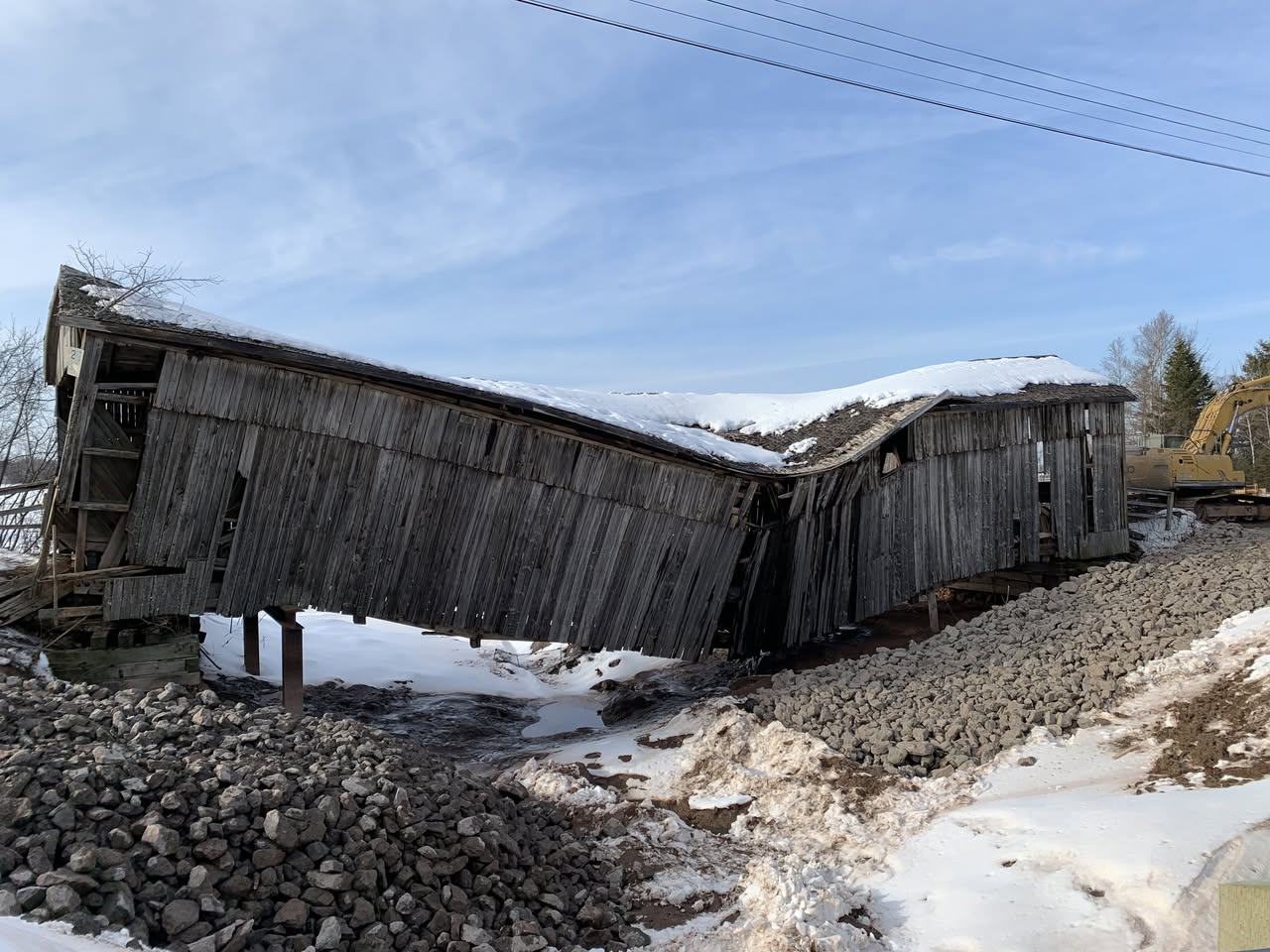
This past week, New Brunswick lost another covered bridge: the William Mitton Covered Bridge in Riverview. Ray Boucher, Chairman of the Covered Bridges Conservation Association of New Brunswick, suggested I write a poem. Of the 340 covered bridges in the province in the 1950s, only 58 remain.
~
sorrow
William Mitton Bridge
1942 – 2025
“…because I’ve seen it die.”
- Ray Boucher
advocate for covered bridges
in New Brunswick
~
crosses the river
for the last time
its reflection brief
in the brown stream
tributary of Turtle Creek
~
mud banks carved and sculpted
a waterbird, neck broken, a mangle
rubble of broken beams and boards
weakened burr trusses, punky beams
broken boards, holes for sunlight
to drill through
~
initials scratched and scrawled
on greying surfaces, overcome
with lichen, moss and mildew
inscriptions at weddings
graduations, tourists
school photos
~
its twenty-three metres
or more, once crossed
an Acadian river
Sainte-Marie-de-Kent
~
in myth, the ‘travelling bridge’
floated down the river
~
in fact, removed, by a resourceful
farmer, William Mitton
~
purchased the bridge
took it down, plank by plank
moved, rebuilt in 1942, to connect
his farm to Coverdale Road, his name
became the name of the bridge
~
a place to play
between rafters
thump and climb
chase echoes
a place to relax
watch the river
between gaps
in wall boards
~
spring floods
and abutments reel
snow loads break its back
echoes fail beneath snap
and sag of weakened boards
~
an excavator, a high hoe
a crane, lifts its rigid neck
takes the Mitton Covered Bridge
apart, one wood fibre
at a time
~
All my best
Jane Tims
virtual travel: Everton to Beckingham
The next stretch of my virtual cycling program (to visit the villages and towns of my ‘Spavold’ ancestors) took me from Everton in Nottinghamshire, to Clayworth, to Beckingham.
~

~
| Date | From | To | Distance | Time |
| November 4 | Everton | Clayworth | 5 km | 20 minutes |
| November 5 | Clayworth | Gringly on the Hill | 4 km | 18 minutes |
| November 6 | Gringly on the Hill | Beckingham | 6 km | 20 minutes |
~
~
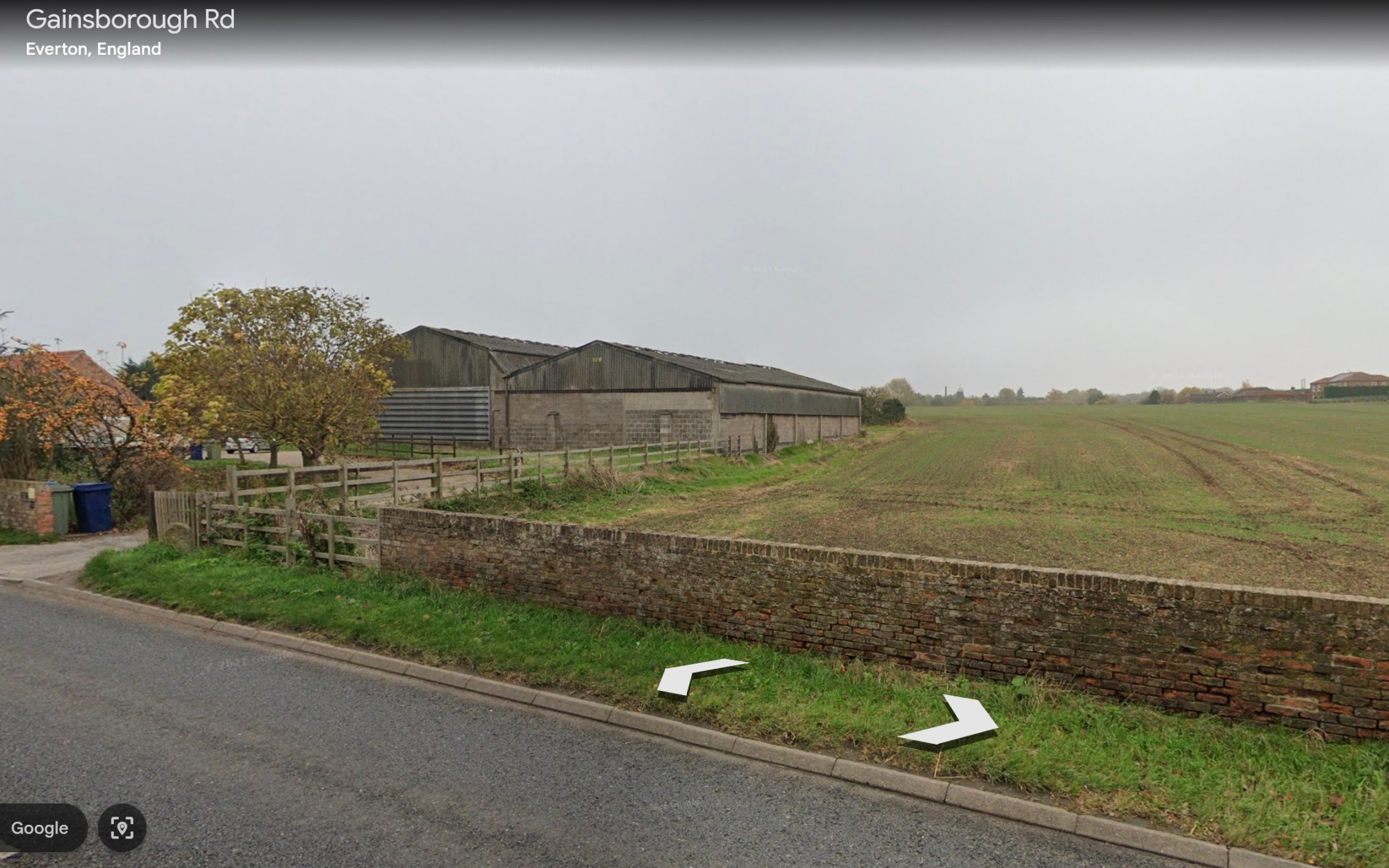
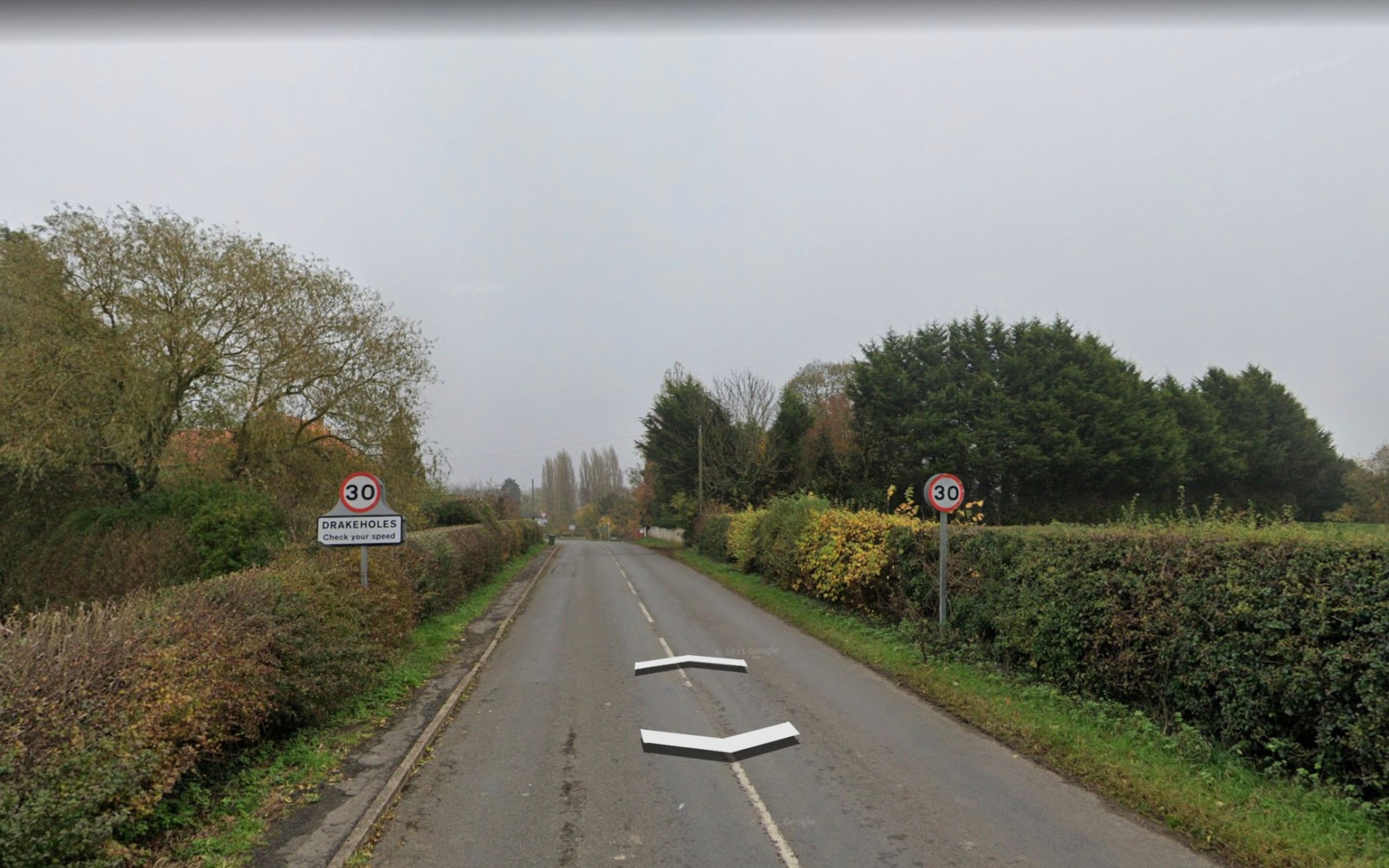
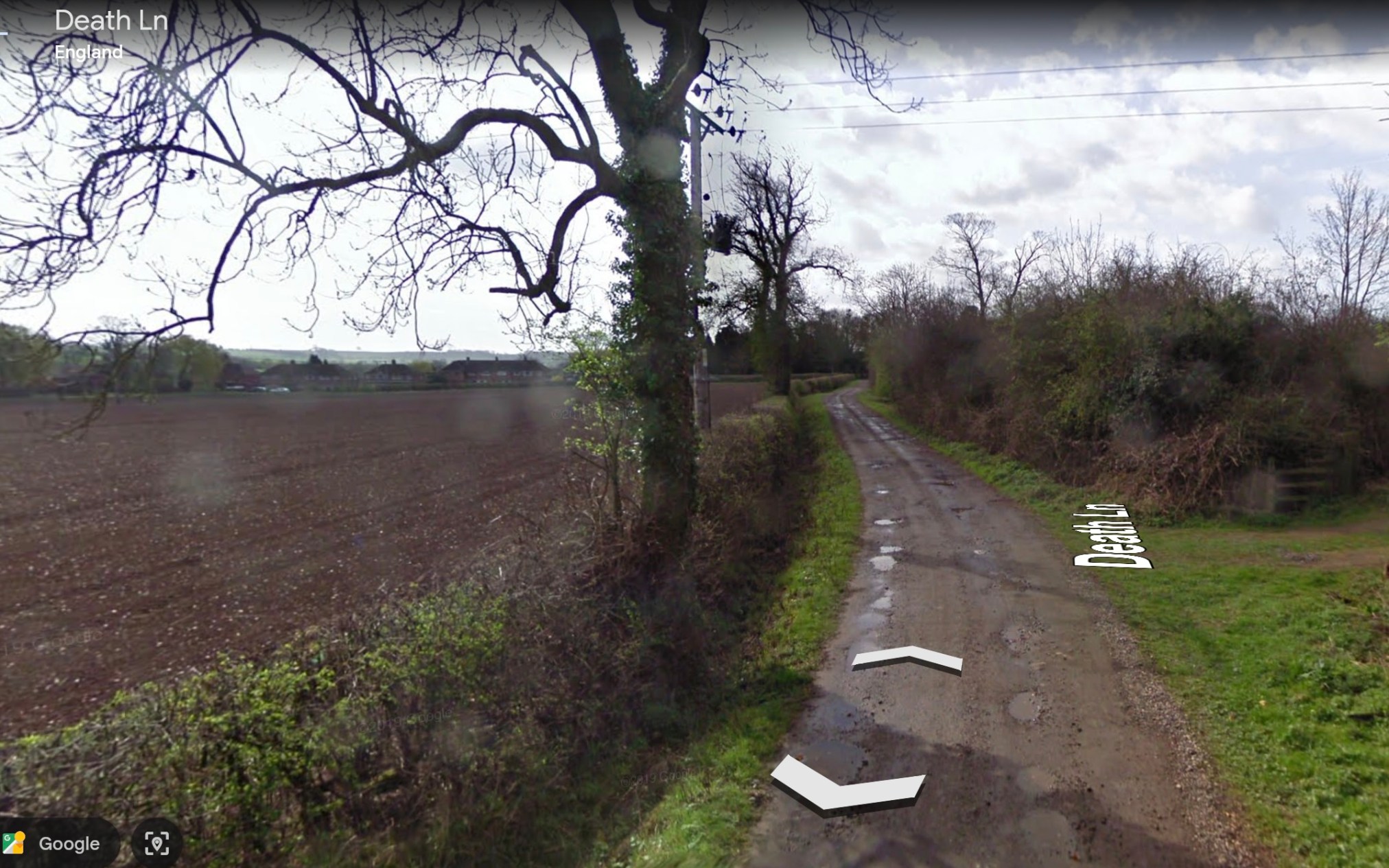
I began at Everton where the land is very flat. The area from there to Clayworth is dominated by fields and farms. The names alongtheu way are interesting… for example Drakeholes???? Death Lane???? The name Clayworth was once thought to represent the soils in the area but now it is thought to refer to a protective area of hills near the village.
~
~
~
The cycle along the road to Gringly on the Hill was flat and also agricultural. Huge fields had been planted along the road.
~

~
Also, there were wild pink roses in bloom along the way.
~

~
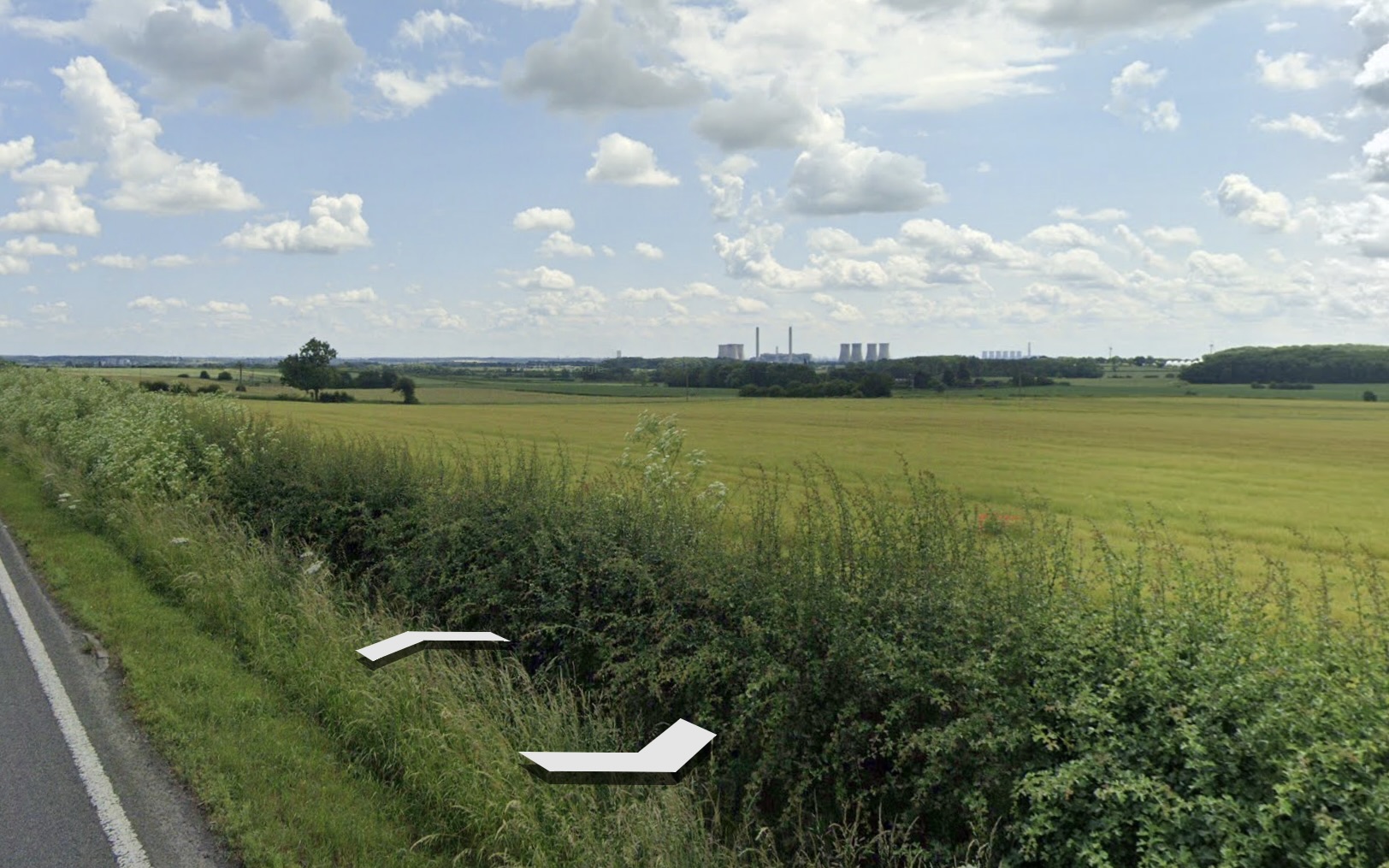
The Double highway from Gringly on the Hill to Beckingham was rather dull, except for a large industrial site on the horizon.
~
~
This turned out to be the power generating station at West Burton.
~

~
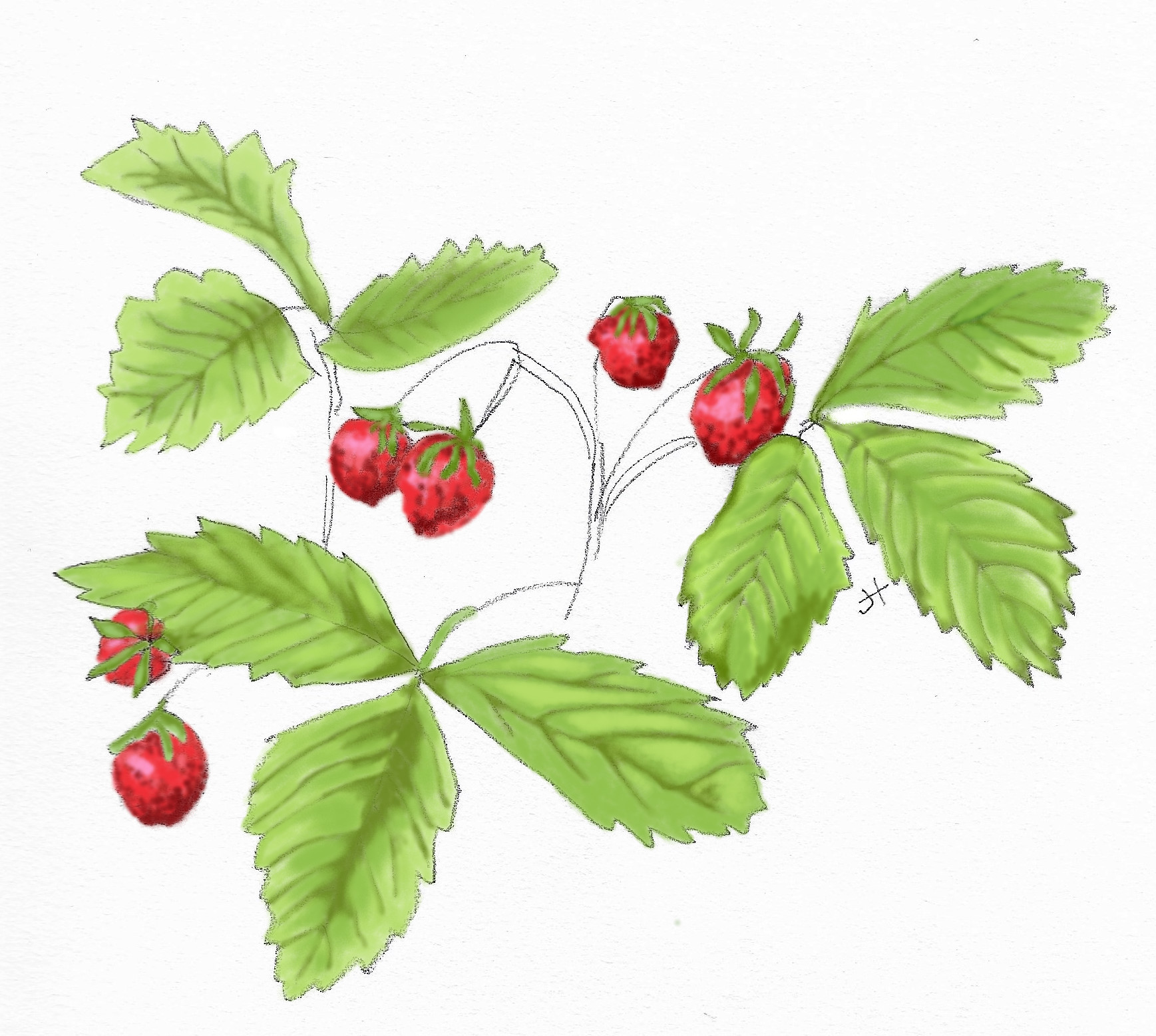
Also, in aerial view, I found a large area near North Wheatley that looked, at first, like a large solar farm. With a little reading, I now think it is more likely to be a view of extensive strawberry polytunnels … the area is known for its strawberry production and the logo for North Wheatley includes the image of a strawberry.
~

~
~
The next leg of my journey will take me to Gainsborough and Walkingerham, Lincolnshire, where three early families with the last name Spaveld/Spaven/Spavalde lived in the 1400s.
~
All my best,
Jane
Winter virtual travel: Starting off
This winter, I want to add some exercise to my days, using my stationary cylcle and Google Earth’s ‘Street View’ to travel to some of the places where my Spavold ancestors lived.
~
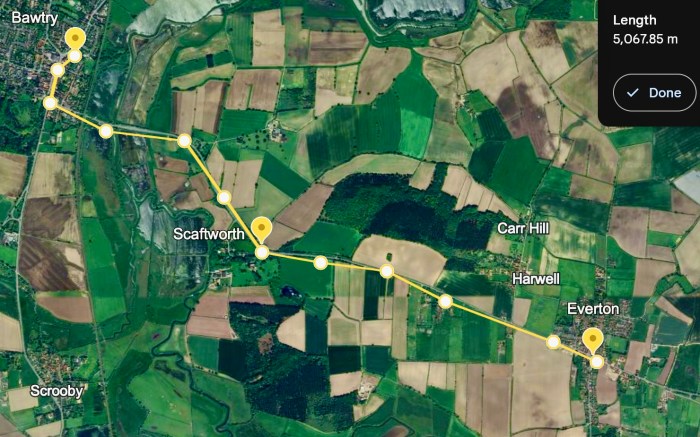
This week I began my virtual travels in Nottinghamshire, travelling from Bawtry to Scunthorpe and then to Everton.
~
~

~
| Date | From | To | distance | time |
| Oct. 28 | Bawtry | Scunthorpe | 2.5 km | 15 min |
| Oct. 29 | Scunthorpe | Everton | 2.5 kn | 20 min |
~
~

~
The highlight of the virtual trip was seeing the Holy Trinity Church in Everton. This is the church where many Spavolds were baptised, married, and buried. They once walked through those doors! They walked the street I followed! The church was built in 1066 and still stands almost 1000 years later!!!! The original settlement was Danish, called Eofortun.
~
The next stretch of my travels will be to Beckingham and then to Gainsborough in Lincolnshire where the earliest Spavold families lived in the 1400s.
~
All my Best,
Jane Tims (a.k.a. Jane Spavold)
winter cycling – a virtual trip through Nottinghamshire
In summer, my exercise routine includes a walk and some yard work around our long driveway loop. I sit for a while on my stone bench and watch the tree tops, listen to the neighbourhood sounds, and sort the bird calls from the more human sounds. This past summer I cleaned out a small pond and gave at least seven frogs a new home!
~

~
This winter, I will replace the driveway walk with some stationary cycling. As I cycle, I will follow a route in Google Earth and use the Street View feature to see the sights along the way. My chosen route is a virtual tour of the area where some of my ‘Spavold’ ancestors lived in the 15th, 16th and 17th centuries.
~

~
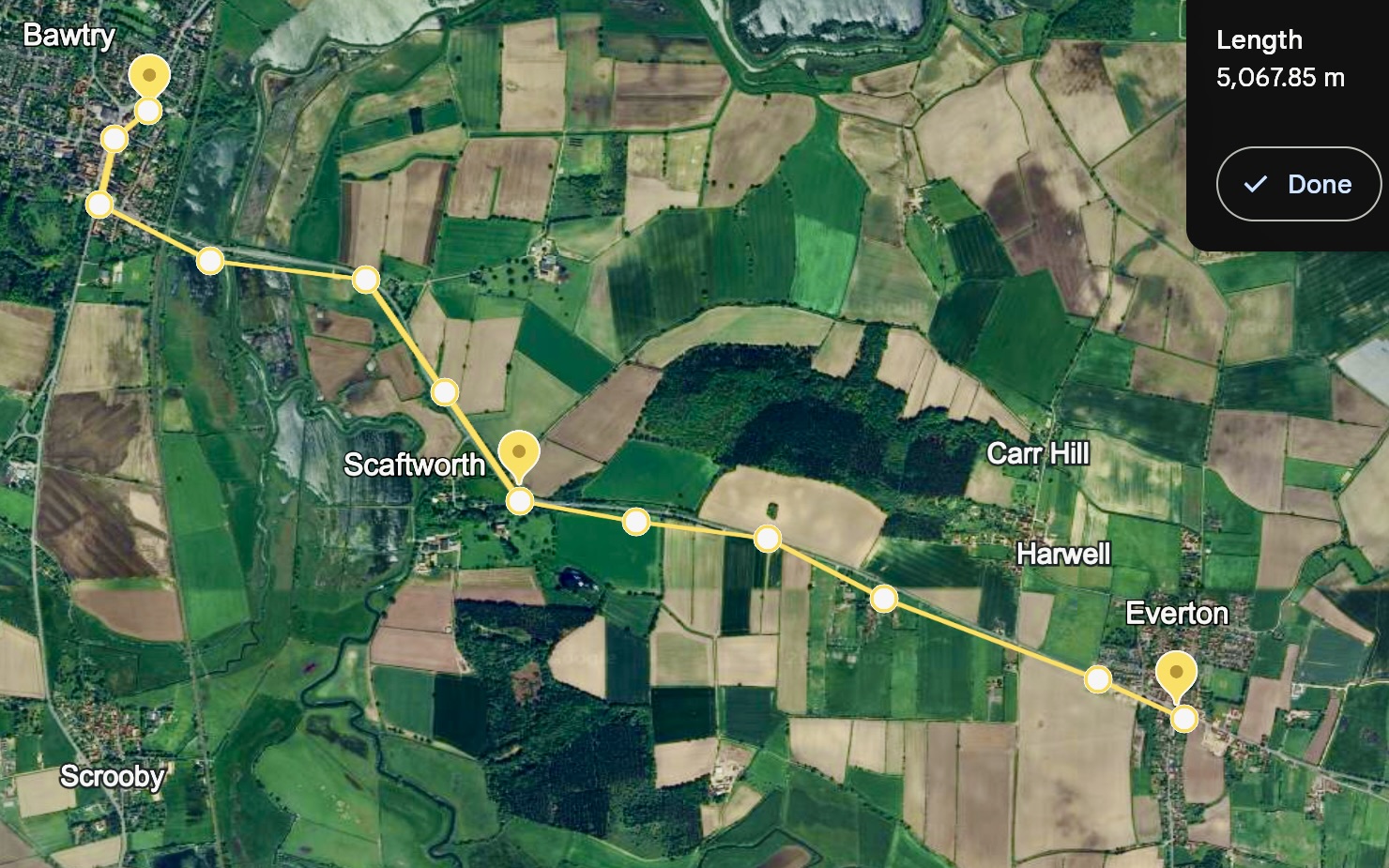
The entire route will take a lot of cycling, but I will start small, with a trip from Bawtry to Scaftworth to Everton. The baptismal, marriage and burial records of the Holy Trinity church in Everton show the many Spavolds who lived in this area, including the family of Thomas Spavold (1695-1751) and Judith Sellers (1699-1764). I realize most of the buildings existing in the early 1700s will be gone, but the landscape will be the same and the trip will give me a glimpse of where my acceptors lived.
~
~
I will keep you up to date on the things I see.
~
All my best,
Jane Tims (a.k.a. Jane Spavold Tims)
Building a Family Tree
This year, I spent the months of August, September and October tracing the roots of my great-great-great-grandfather, William Spavold, and the origins of the Spavold family. I have used the services of Ancestry.ca in my search and thank the website and others who have studied the Spavold family before me.
~
I began with these bits of information:
- William Spavold was born in Nottinghamshire in 1785 and died in 1815;
- William married Eliza Greenfield in 1807;
- William was a carpenter;
- after William died, Eliza married John Adam Hill in 1816.
~
In my search, I soon encountered Spavolds in Nottinghamshire— many Spavolds. My tree, not yet available to the public, includes over 700 people, including spouses and some parents of spouses.
~
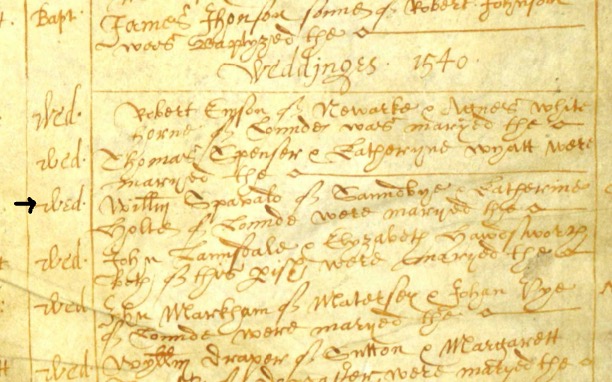
The earliest records are of three Spavold males: Anthony Spavalde (1500), an ‘Unknown Spavalde’ (1493-1552) (first name unknown), and a ‘Mr. Spavan,’ (given name also unknown). All three lived in the area of Gainsborough, in northern Lincolnshire, and may have been brothers or cousins. At the same time, there is also a family with the last name of Spafford living in the Collingham area, about 30 kms south of Gainsborough. The names Spavalde, Spavan and Spafford are so similar, I think the families were related to one another.
~
Anthony Spavalde married Alice and had a son Anthony, beginning at least seven generations of Spavolds. The Unknown Spavold married Maud of Gainsborough and had 3 sons and 1 daughter, beginning at least fourteen generations into the 1900s. Mr. Spavan had three sons and I have not yet been able to follow them into more generations. The Spafford family stayed in the Collingham area until the mid 1700s when some of the family had moved to Beckingham, near Gainsborough in northern Nottinghamshire; they also have more than fourteen generations into the 1900s.
~
The variable spelling of the name may have something to do with the difficulties tracing these families, but Ancestry.ca seems to be able to find records in spite of the various name spellings. ‘Spavold’ is an unusual name and has been listed in the various records as ‘Spaffield,’ ‘Spavin,’ ‘Spavald,’ ‘Spaviald,’ and so on. The ways of writing in the records and their tendency to use Latin phrases adds to the difficulties.
~
~
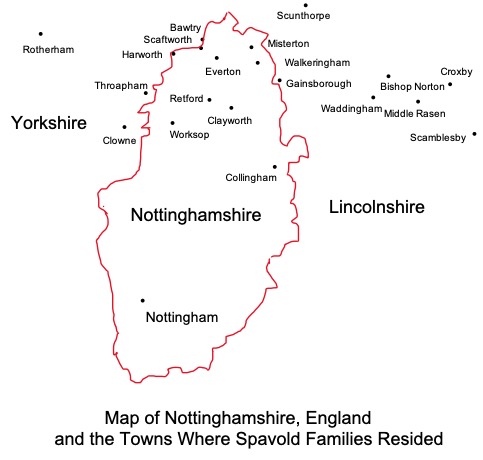
The families remained in the Gainsborough area for the first two or three generations, but by 1673 (family of Anthony) and 1583 (family of Unknown) had begun an outward migration to the nearby communities of Walkeringham and Misterton, both in Lincolnshire. By the fourth generation, with the marriage of Nicholai (1638), some of the families had shifted to the Everton area in northeastern Nottinghamshire and soon after to communities in eastern Yorkshire. The entire Spavold family, at least until the early 1800s remained in this group of communities in northern Yorkshire, Nottinghamshire and Lincolnshire.
~
~
The process of finding these Spavolds has been made more difficult due to the predominance of the given names Thomas, William, Robert, Elizabeth, Mary and Anne in the various families. I still haven’t found William, my great-great-grandfather, but in the next post I will talk about how best to sort family members with the same name.
~
All my best,
Jane Tims (a. k. a. Spavold)
Puzzling Over My Last Name
When I was growing up, I often puzzled over my last name: ‘Spavold.’ No one else in the community where we lived had that name. I made up stories to answer folks who asked me about my surname: we were Polish; we were the only family in the world to ever have that name; we were Italian and the real name was ‘Spavoldini.’
~
My dad was also interested in the orgins of the name, but he took a more studied approach. He found out the name of the first Spavold to arrive in Nova Scotia and wrote a book about the many Spavolds in Nova Scotia who were descendants of that first ‘Spavold’ in Canada: Spavold’s Wald, S.W. Spavold, unpublished, about 1990.
~
The first Spavold in Nova Scotia was a boy of only 8 years, born in England in 1808. He arrived in a shipwreck of the Trafalgar on Briar Island on July 30, 1817. He came to Briar Island with his mother (Eliza Greenfield), his step-father (John Adam Hill) and his half-brother (Thomas Hill, a boy of two). The family survived the shipwreck and stayed in the Digby area of Nova Scotia. For more about this story, see my earlier post at https://janetims.com/2011/12/03/briar-island-rock-2-the-shipwreck/ .
~

~
William’s father, my great, great, great grandfather, was William Spavold, born in Nottinghamshire in England in 1785. In 1807, when he was 22 years old, he married Eliza Greenfield. He was a carpenter and my Dad’s story was that when he died, Eliza sold his carpenter tools to get passage for Canada on the Trafalger with her second husband John Hill.
~
No other information was available to my dad, although he did track down ‘Spavolds’ elsewhere in Canada, in Australia and in England. I talked on the telephone with Helen Spavold who lives in Clowne, Yorkshire, and she said, with a proud lilt in her voice, “There are Spavolds in our graveyard.” My dad, and my brother (who lived in Australia for a time), corresponded with Joseph Spavould, who lived in Australia.
~
Now, with the help of Ancestry.com, I am determined to find out more about William Spavold of Nottinghamshire. The next few posts will talk about my discovery of the occurrence of Spavolds in England in the 15th, 16th, 17th, 18th and 19th centuries. And in the 20th and 21st centuries—I am not alone.
~
All my best,
Jane Tims (a. k. a. Spavold)
Authors Coffee House Resumes!
After a long hiatus due to the pandemic, we are resuming the Authors Coffee House, an outreach effort of the Holy Trinity Anglican Church in Nasonworth. We have held the Authors Coffee House since November 2016 and have featured many local writers including Chuck Bowie, Lynn Davies, John Leroux, Shari Andrews, and Gary Campbell. To date we have held 20 Authors Coffee House readings and raised $2221.50 for local charities.
~
At the event, the featured author reads from their work, answers questions and signs sold copies. There is always a lively discussion of the topic at hand. The event is held in the actual church so the acoustics are wonderful and the setting is bright and comfortable.
~
This month, on May 26 (Thursday) at 2:00, we will present Dr. Ross Hebb and his new book “A Canadian Nurse in the Great War.” The book features the diary entries of nurse Ruth Loggie in France in 1915 and 1916. The book is fascinating, in a very readable, well-annotated format, with lots of photos. Ruth was born in Burnt Church, New Brunswick in 1883.
~
We will open with a poetry reading by local poet Eric Burns! Eric is a performance poet and creator of a long-running reading series for children on Facebook.
~

~
There will not be any food served at the event (due to COVID precautions) but there will be water, and books to buy. And a couple of book prizes. Set aside the time in your calendar now. This event’s free will offering will benefit the Fredericton Food Bank.
~
Hope to see you there,
Jane
Next Meniscus: The Struggle
In the Meniscus Science Fiction Series, I am now working on Meniscus: The Struggle, the sequel to Meniscus: Rosetta Stone.
~

~
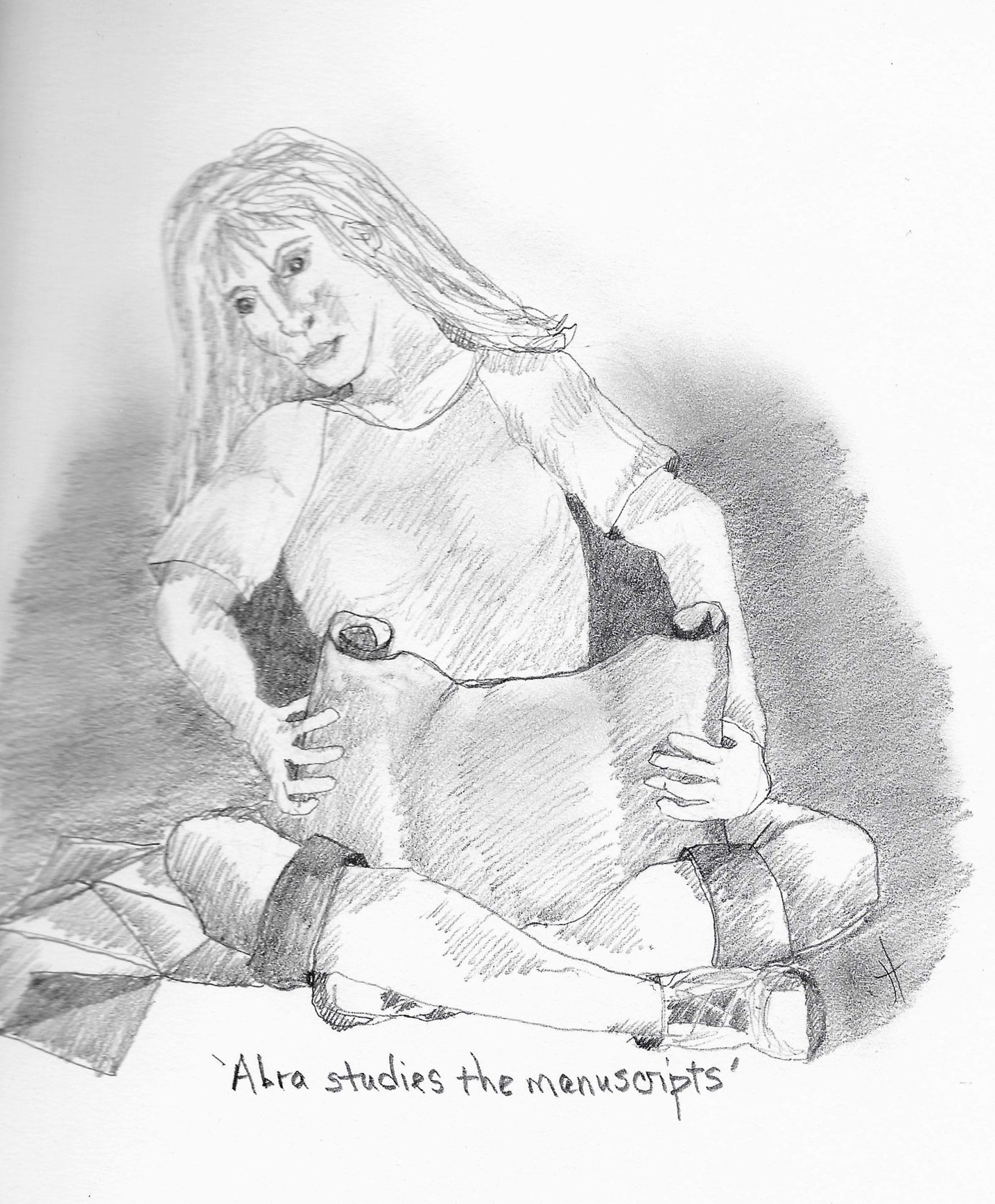
Meniscus: Rosetta Stone introduced us to Abra, a translator who has discovered a manuscript containing the mysterious Dock-winder language. As Abra works on the manuscript, she begins to think the words will hold the secret to the downfall of the cruel Dock-winders.
~
~
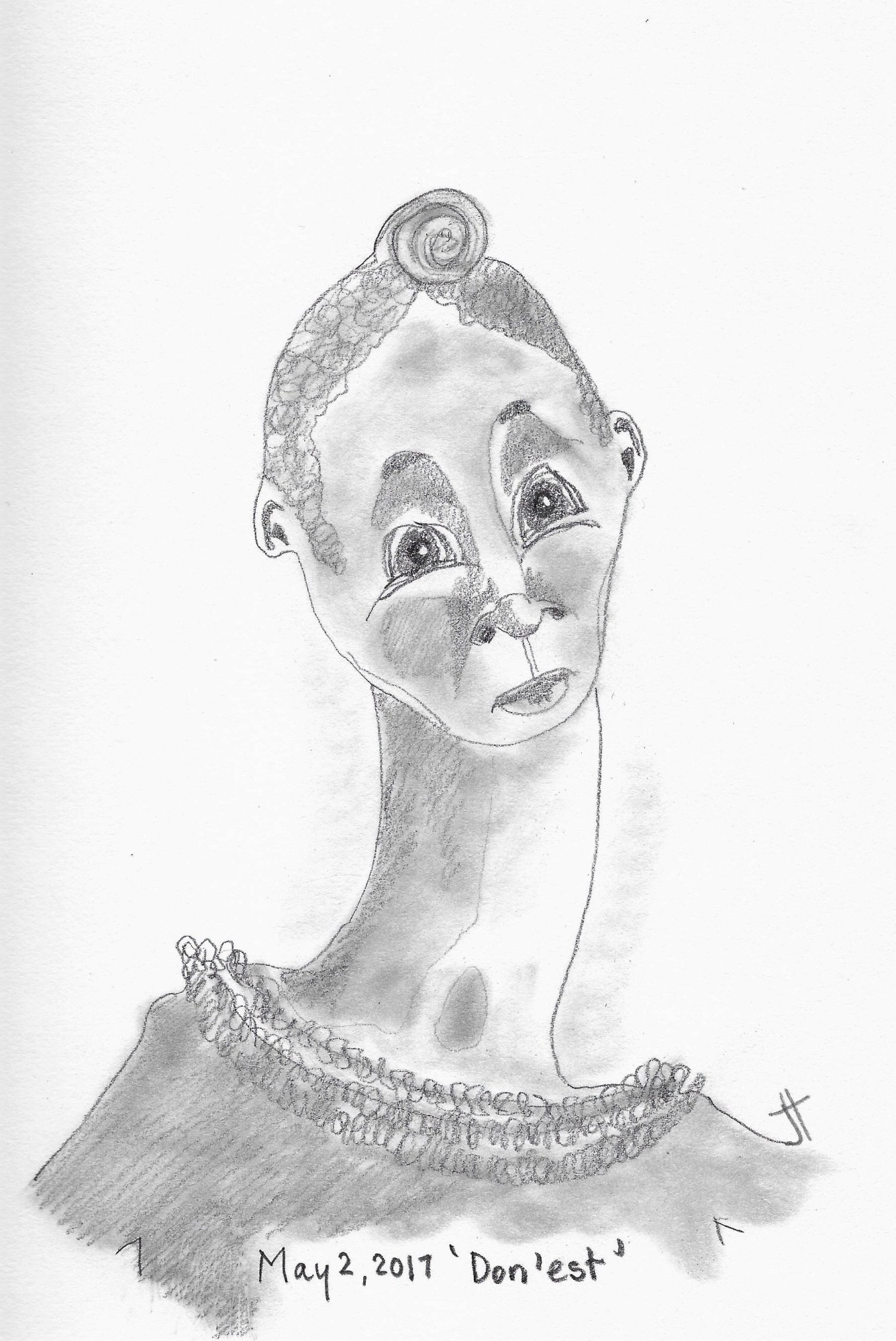
In the sequel, Meniscus: The Struggle, Abra will enlist the help of Tagret, a chemist, to decipher the symbols in the manuscript. She will also try to get the help of Don’est, the Dock-winder child adopted by the Humans of Themble Hill. But will peculiar Don’est be a help or a hindrance?
~
~
Meniscus: The Struggle will be available in June, 2022. Next post, I’ll show you some of my work on the cover of the book.
All my best,
Jane
A little genealogy: where my ancestors once lived …
I am interested in the history of my family and I have decided to link that with my exercise program. I am again using my stationary bike to improve my fitness and using Street View (Google Earth) to travel virtually as I cycle. It is a great way to pass time and avoid getting bored with the cycle.
~
I have chosen to ‘travel’ in Scotland since that is where one branch of my family comes from. In the mid-1800s, John Clark and Jane Cooper traveled with their children to Nova Scotia, Canada. They lived in the Insch (Aberdeenshire) area of Scotland and records say that Keig, south of Insch, is a possible birthplace of my three greats-grandfather in about 1799.
~

~
Have a look at my wellness blog to find out more about my exploration of Keig, Scotland …
Enjoy your mini-tour of the roads where my ancestors may once have walked.
All my best,
Jane
Coming Soon: New Title in the Kaye Eliot Mystery Series
Every afternoon, I spend some time working on reviewing/revising the proof of my new mystery in the Kaye Eliot Series. I have a cozy spot to work, in my big reading chair in front of the fireplace. Not hard to take a fanciful flight to Nova Scotia where the mystery unfolds.
~
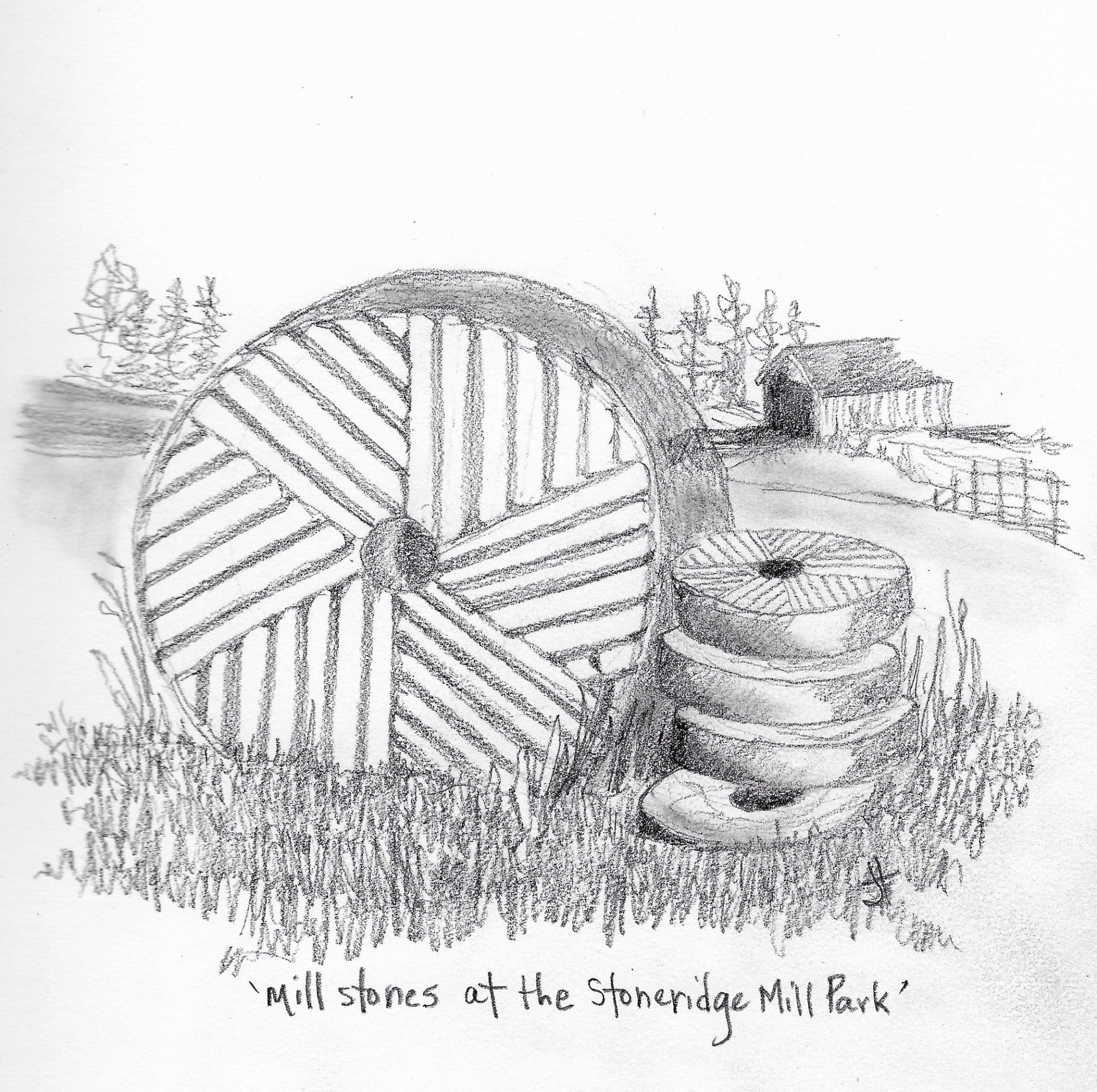
The new book focuses on stones of various types and the part they play in our history: gemstones, millstones, standing stones, building stones. It may take a while for readers to understand the title of the book: Land Between the Furrows.
~
In each book, I include three illustrations. Here is one of the three: an old grist mill and its grind stones figure in the mystery. This drawing will be the basis for the painting featured on the book’s cover.
~
~
In this book, Kaye finds a stack of very old postcards that tell the story of a missing stone. Kaye welcomes the chance to solve a puzzle with her kids but some of the visitors to the community make their sleuthing a little dangerous. Then the family discovers the ruin of an old stone house on an unexplored part of their property and finding the missing stone may be only part of their venture into history.
~
Land Between the Furrows is planned for release on March 15, 2021. A perfect cozy mystery to enjoy during these long winter afternoons.
~
All my best!
Jane




 nichepoetryandprose