Posts Tagged ‘Gaultheria procumbens’
Tea berries

~
Teaberry
Gaultheria procumbens
~
leaves shiny, thick
capsules waxy, red
aromatic oil
methyl salicylate
mint and wintergreen
tea soothing, blood thinning
creeping wintergreen
spice berry, drunkards
staggering over
the forest floor
~
~
Copyright Jane Tims 2019
~
All my best
Jane
results of the Christmas sale
On this past Saturday, I had the fun of being a vendor at Sandra’s Market Fredericton. This was the first experience of its kind for me, although I have attended such sales for years.
~
Overall, I had a great time! The venue at the Delta was beautiful, not crowded, and set-up was easy. The other vendors were pleasant and very interesting to talk to. A couple of good friends stopped by and there were lots of shoppers. I took a book to read, but watching the people at the sale was too much fun to miss. I sold five books and three paintings, including the painting ‘teaberries’, seen below.
~
I think the best part of the sale was talking to the various shoppers about their experiences picking berries and gathering wild plants. A couple of people mentioned battling the squirrels for hazelnuts. Many of the older shoppers said their berry picking days were over due to ailments. A few people were interested in identifying edible mushrooms.
~
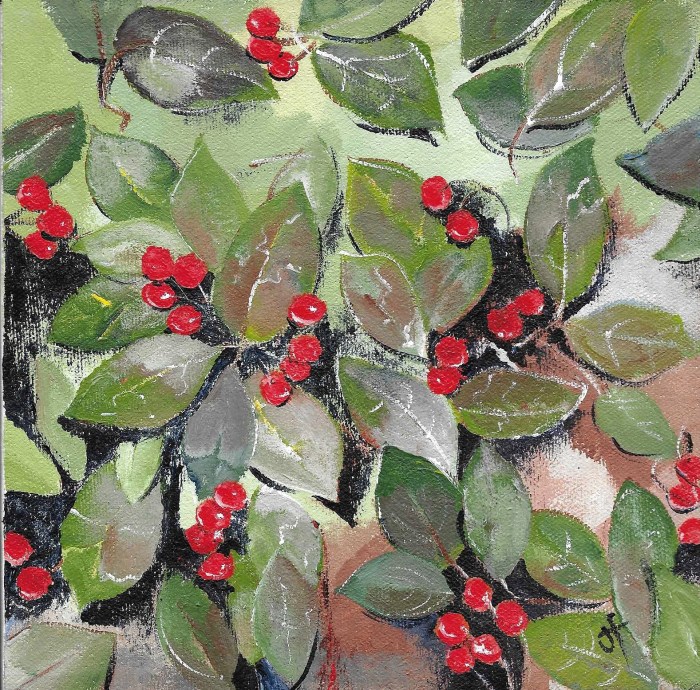
December 8, 2016 ‘teaberries’ Jane Tims (acrylic) 8″ x 8″ $30 (SOLD)
~
Wintergreen
Gaultheria procumbens
~
first gathering in spring
thick leaves as leather crush
weep wintergreen
oil infuses pale tea
milk to swell aroma
sugar and midnight sparks
sweet steam meets breath
aspirin makes undelicate
my heart
~
~
The leaves of Eastern teaberry or American wintergreen contain oil of wintergreen; the chemical in this oil is methyl salicylate, known for its anti-inflammatory properties and closely related to aspirin. Methyl salicylate will build up an electrical charge when dried with sugar and rubbed. In Quebec, the plant is known as la petit thé du bois (little tea of the woods). Flowers are waxy, nodding, bell-shaped and white.
~
~
Copyright Jane Tims 2016
Eastern Teaberry (Gautheria procumbens L.)
When the wind is chill and fingers are cold, what better remedy exists than a cup of tea? After years of attending meetings where there is a box of fancy teas to choose from, I now have my own wooden ‘tea box’. I replenish it from time to time with a new blend, but I find the old standbys are my favourites: Red Rose, Earl Grey, and Chamomile.
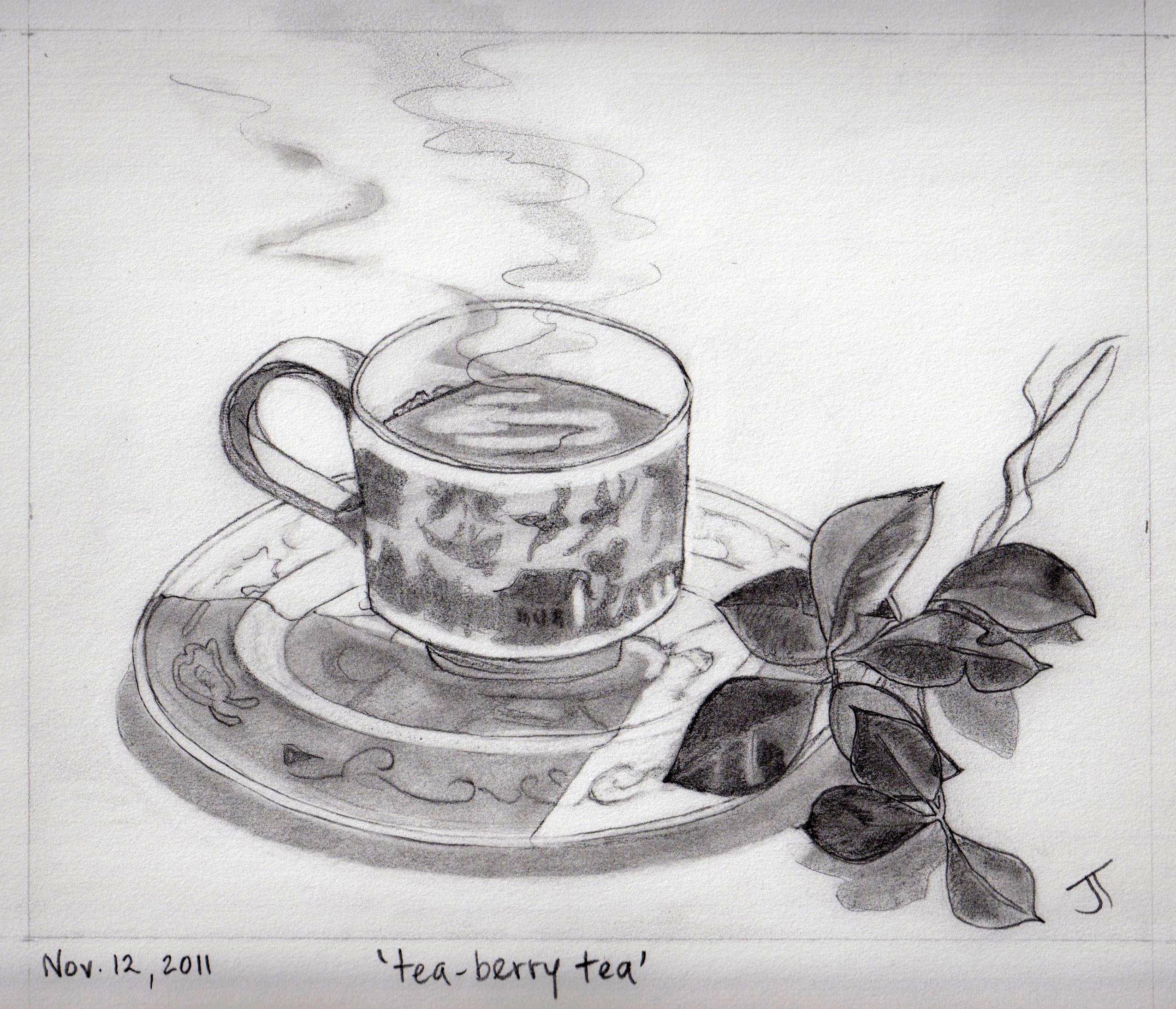
When my son was little, we used to have fun making ‘tea-berry tea’. I still go out occasionally to my patch of Gaultheria procumbens, also known as Eastern Teaberry or American Wintergreen. A few leaves, crushed and steeped in boiling water, make a lovely, fragrant tea with a delicate green color. In French, Eastern teaberry is le petit thé du bois (the little tea of the woods).
The leaves contain oil of wintergreen; the chemical in this oil is methyl salicylate, known for its anti-inflammatory properties and closely related to aspirin. For this reason, use caution and only drink ‘tea-berry tea’ occasionally and if you are not sensitive to aspirin. Methyl salicylate is also found in twigs of yellow birch and it also makes a fragrant tea. Methyl salicylate will build up an electrical charge when dried with sugar and rubbed… you can try this yourself with wintergreen-flavoured hard candies.
Warning: 1. never eat any plant if you are not absolutely certain of the identification; 2. never eat any plant if you have personal sensitivities, including allergies, to certain plants or their derivatives; 3. never eat any plant unless you have checked several sources to verify the edibility of the plant.The leaves of Eastern teaberry are thick and evergreen, so they can be found this time of year. The flowers are white, waxy, nodding, and bell-shaped. The bright red berries are also waxy and sometimes still found in November.
~
Wintergreen
Gaultheria procumbens L.
~
small leaves gathered, crushed
oils weep into water, pale
green tea, pink aroma
sugar and midnight sparks
sweet steam and aspirin make
undelicate my heart
~
~
Warning: 1. never eat any plant if you are not absolutely certain of the identification; 2. never eat any plant if you have personal sensitivities, including allergies, to certain plants or their derivatives; 3. never eat any plant unless you have checked several sources to verify the edibility of the plant.© Jane Tims 2012
© Jane Tims 2011




 nichepoetryandprose