Posts Tagged ‘eating local’
growing and gathering – learning
When I embarked on my project to write poetry about ‘growing and gathering’, I wanted to learn as much as I could about the subject. It is not surprising, then, to find I have written quite a few poems on the theme of ‘learning’.
Some of these poems are in the spirit of ‘how to’. I have poems about collecting maple syrup, making jelly, harvesting and preparing wild sarsaparilla, stringing peas in the garden, gathering eggs and picking fiddleheads, among others. As poems can be a little obtuse, sometimes these directions are not very helpful in a practical way. However, I try to capture the essence of the growing and gathering of local foods.

I have also written poems about learning itself. I have a poem about my childhood experience of running free on the prairie, picking thorny cactus berries and bottles of scorpions (yes, scorpions… they were interesting and pretty, and I didn’t know they were dangerous!). I also have a poem to remind busy young mothers to learn from the rhythms of nature – the calm conspiring of bees and clovers to make honey, or the way a bird collects the makings of a nest, a little at a time. Another poem is about learning how to negotiate the traditions of the farmers market (if you buy fresh carrots, keep the green tops for your compost bin!!!).

I also have two poems about imitating nature. In the 1960s, my Mom used to make a few substitutions in her cooking to make up for a lack of ingredients. You have probably seen these recipes before: Apple Pie, No Apples and Mock Cherry Pie.
One of the reasons Mom made these recipes was to have some fun and make us laugh. But fake food is no laughing matter. My goal, in part, has been to show that we are now a little distanced from our food and its sources. By considering what wild foods might still be available, I have tried to get others to think about the source of our food and the greater simplicity of eating local.
~
~
Apple Pie, No Apples
Prepare pastry for a double pie
Break 15 salted soda crackers into wedge-shaped pieces and place in the unbaked pie shell
Bring to a boil:
1 1/2 cups water 1 1/4 cups white sugar 4 tbsp. margarine 3/4 tsp. cinnamon 1 tsp. cream of tartar 1 tsp lemon flavoringPour mixture over crackers
Cover with pastry
Bake as for apple pie
~
Mock Cherry Pie
Prepare pastry for a double pie
Fill pie shell with:
2 cups fresh cranberries 1 cup raisins 1 1/2 cups sugar 2 tbsp. flour 1 cup cold water 1 1/2 tsp. vanillaCover with a lattice of pastry.
Bake as for cherry pie
~
~
Mock Cherry Pie
~
I am not easy to fool –
embellished covers, empty pages
‘baby’ carrots, shapened like pencils
knock-off purses, no money inside
diet soda and servings of fries
~
who else would look
under the lattice crust
to discover cranberries and raisins?
~
cherries in the orchard
never picked
~
~
© Jane Tims 2012
~
~
Warning: 1. never eat any plant if you are not absolutely certain of the identification; 2. never eat any plant if you have personal sensitivities, including allergies, to certain plants or their derivatives; 3. never eat any plant unless you have checked several sources to verify the edibility of the plant.~
growing and gathering – picking berries with friends
As I am deciding how to organise my poetry manuscript on ‘growing and gathering’ local foods, I am considering the themes of the various poems. I think these themes will become the sections in my manuscript.
One of the first themes to emerge, perhaps the easiest to examine, is about ‘relationships’.
Although I have often picked berries alone, my best memories are of picking berries with members of my family. Both my Mom and Dad loved to pick berries. My Dad was a fast picker and I was always in silent competition with him to pick the most berries… I never won. My Mom picked berries quickly, but took the time to enjoy the fresh air, the blue sky and the expanse of the berry field. When I think of picking berries with her, I feel calm and a little lazy. My relationship with my mother-in-law was also shaped by our many berry-picking experiences; when I pick raspberries, I hear her quiet laughter in the breeze.
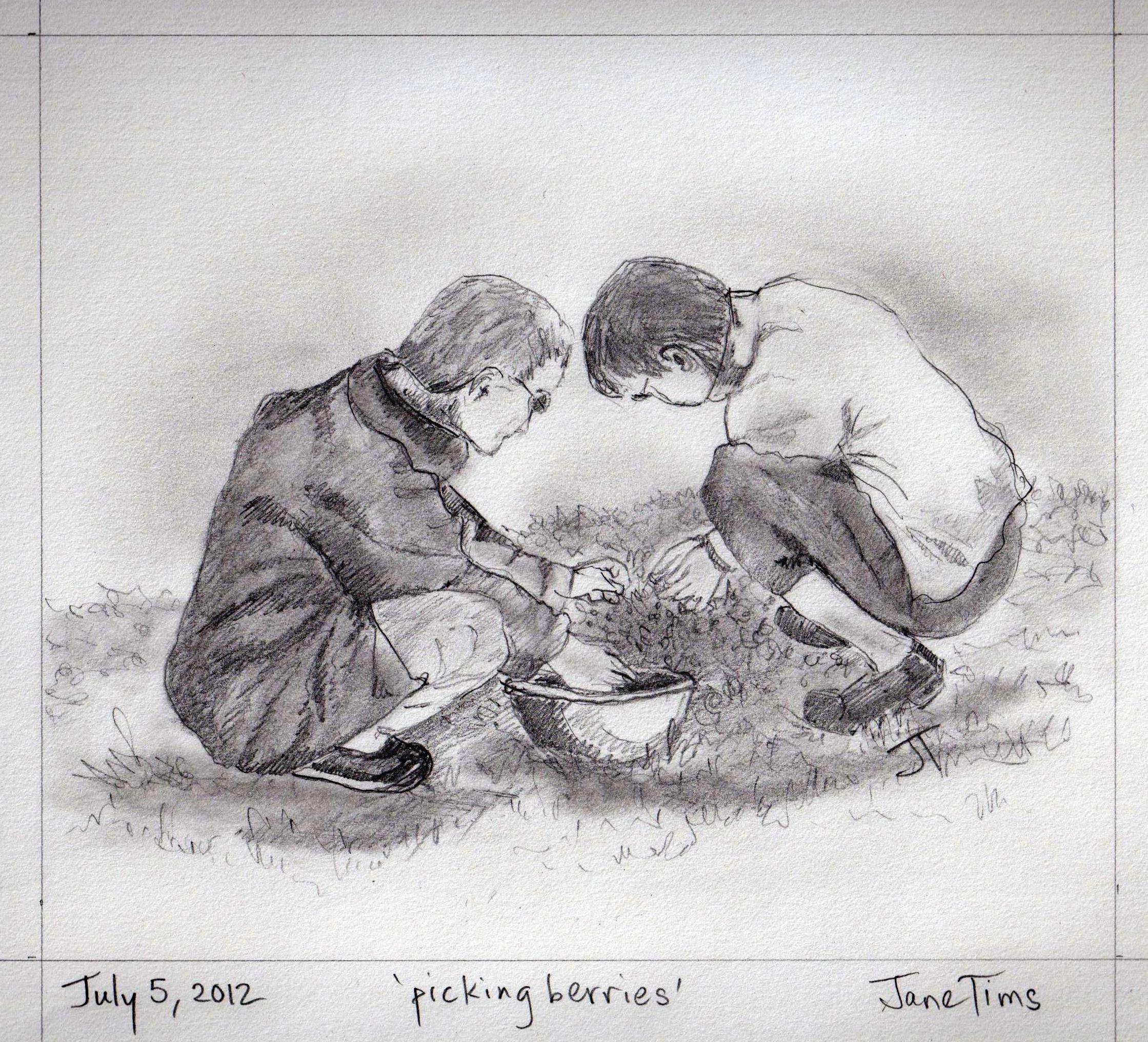
As I write poetry for my ‘growing and gathering’ manuscript, I have explored my relationships with the various people in my life.
Some of these are based on real experiences I have had picking berries or gathering greens. Examples include poems about trying to find an old berry field, now grown over, or how changes in a relationship can be observed over the years in the annual picking of berries. Although most of the poems are about plants, I have included production of other local foods – so a poem about beekeeping, for example, explores how two people interact during a small emergency.
In other cases, the gathering of local foods is a metaphor for some aspect of a relationship, whether good and bad. At least some of these metaphors are related to the characteristics of plants or animals – for example, the serrated edges of leaves, the slipperiness of a trout, the gentle feel and fragrance of Bedstraw, or the bitterness of taste common to so many ‘salad’ greens.
Some of the metaphor is based on the place where plants grow. Examples include the seclusion of many berry-picking spots, or the physical spaces created by rows of corn plants.
As I look over the Table of Contents for my manuscript, I realise some poems will be stronger if placed within another theme. So I have moved, for example, a poem about picking berries over a three-week period from the theme on ‘relationships’ to a theme about ‘change’.
This consideration of the themes in my poetry has given me a good start to organising the poems, and identifying gaps I have to fill. I know now there are lots of gaps, and many poems yet to write!
~
~
Bitter Blue
~
of all the silvery summer days we spent none so warm sun on
granite boulders round blue berry field miles across hazy miles
away from hearing anything but bees
and berries
plopping in the pail
~
beside you I draped my lazy bones on bushes crushed berries and
thick red leaves over moss dark animal trails nudged between rocks
baking berries brown musk rising to meet blue heat
or the still fleet scent
of a waxy berry bell
~
melting in my mouth crammed with fruit sometimes pulled from
laden stems more often scooped from your pail full ripe blue pulp
and the bitter shock of a hard green berry never ripe
or a shield bug
with frantic legs
and an edge to her shell
~
~
Published as: ‘Bitter Blue’, Summer 1993, The Amethyst Review 1 (2)
Published on www.nichepoetryandprose.wordpress.com on July 31, 2011
© Jane Tims 2012
Warning: 1. never eat any plant if you are not absolutely certain of the identification; 2. never eat any plant if you have personal sensitivities, including allergies, to certain plants or their derivatives; 3. never eat any plant unless you have checked several sources to verify the edibility of the plant.growing and gathering – the benefits of eating ‘very local’ foods
In 2007, Alisa Smith and J.B. MacKinnon embarked on a year-long experiment in eating local. Their book, The 100 Mile Diet – A Year of Local Eating, introduced many to the idea of obtaining their food from nearby sources. It reminded people about the thousands of kilometers our food has to travel to make it to our tables. It pointed out some of the barriers to ‘eating local’ and showed how, with a little ingenuity and effort, our diets could be more environmentally conscious and sustainable.

Eating local foods is a sound choice in our illogical world. It supports local farmers and producers. It mitigates some of the energy costs associated with moving food hundreds of miles to the consumer. It honors our origins and connects us to our ancestors who lived their lives more simply and locally.
Into this concept of eating local, I include the idea of eating wild foods whenever possible. My mother grew up in a time when bulging grocery carts were unheard-of. Without subscribing to any particular theory of eating local, she supplemented her food with wild edibles as a matter of habit. In addition to using rhubarb and currents from her garden, she picked berries when they were in season, tried to convince her family to join her in eating dandelion greens and sour dock, and showed us how to pick spruce gum from spruce trees as a chewy treat.
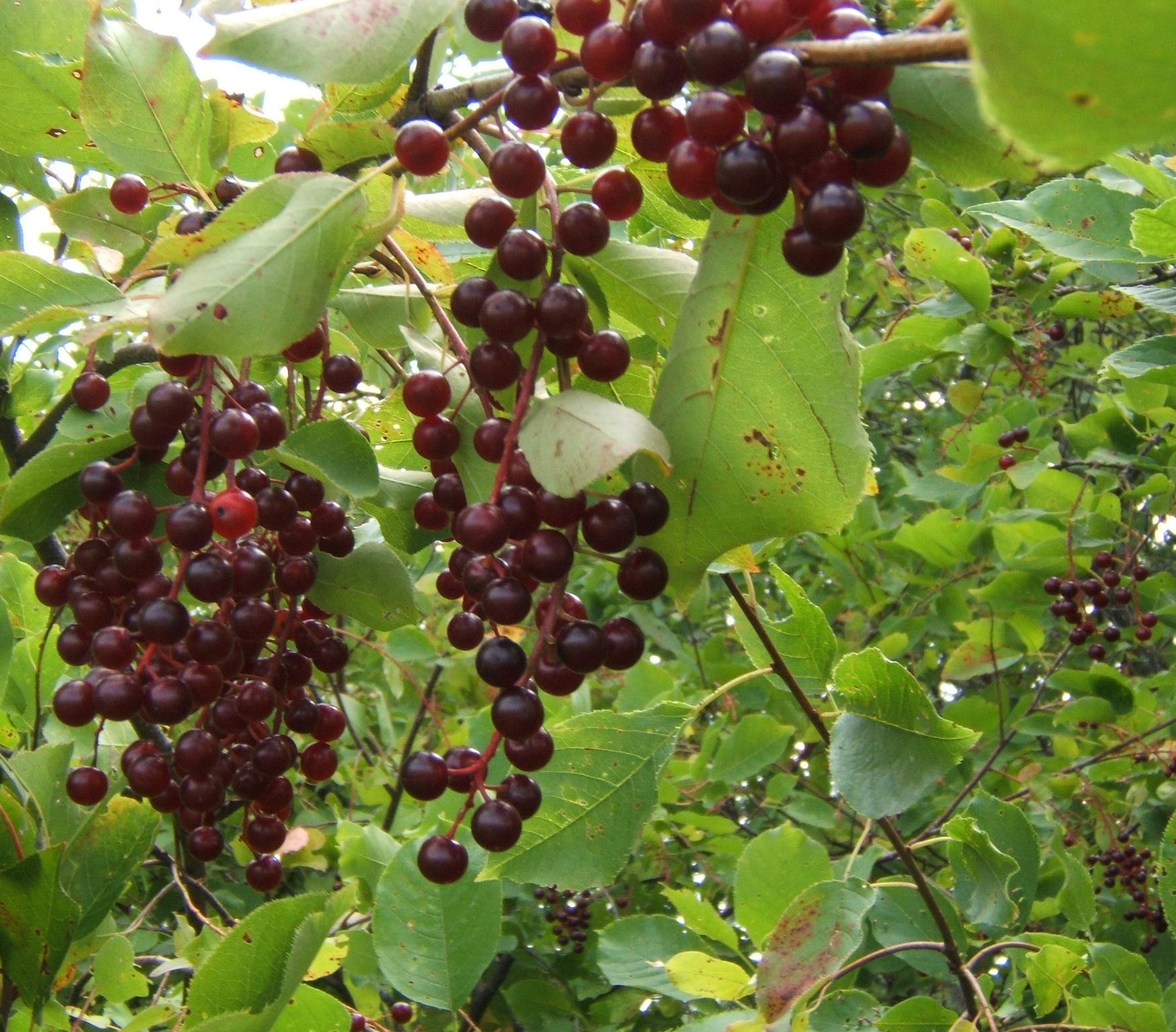
Eating ‘very local’ has many benefits. The edible plants growing right outside our doors are filled with nutrients, many are very palatable, even delicious, and they are present in great variety, and in all seasons. They are free and are easy to harvest and prepare. Picking berries or chewing spruce gum puts us in touch with nature and helps us to understand our role as a member of the ecosystem. It honors the people who came before us and helps us connect with the way our parents and grand-parents lived their lives. Identifying and picking wild plants for food is an enjoyable activity and a way to show your children how to be thrifty, engaged members of the ecosystem.
In an upcoming post, I will look at some of the ethical issues around using wild plants as food.
~
~
six bottles of jam
~
I reach up, for a cluster of pin cherries
and stop –
above me, my grand-mother’s hand
dry as a page from her recipes,
age-spotted, worried at the edges
her ankles are swollen, but she is determined –
enough berries for a half-dozen
bottles of pin cherry jam
~
~
© Jane Tims 2012
Warning: 1. never eat any plant if you are not absolutely certain of the identification; 2. never eat any plant if you have personal sensitivities, including allergies, to certain plants or their derivatives; 3. never eat any plant unless you have checked several sources to verify the edibility of the plant.growing and gathering
Many of my recent posts are associated with my writing project, ‘growing and gathering’. My aim is to write a poetry manuscript about collecting and producing local foods. So far, I have concentrated on ‘edible wild plants’ in my blog, but the full scope of the project will include poems on gardening and other aspects of aquiring local foods.
My process so far has included research into a particular wild plant, a trip to see it in the wild and perhaps gather it for eating, a piece of prose on the characteristics of the plant, a pencil drawing (becoming more and more a part of my thought process), and a poem or poems about the edible plant.
As my project progresses, I am generating many poems. I am also starting to think about how I will assemble this information into a manuscript.
One of the first steps toward assembling the manuscript is to decide what themes are emerging. This will help me decide how the poems relate to one another, as well as identify the gaps.
Major themes so far are:
~ companionship (for example, picking berries with a friend)
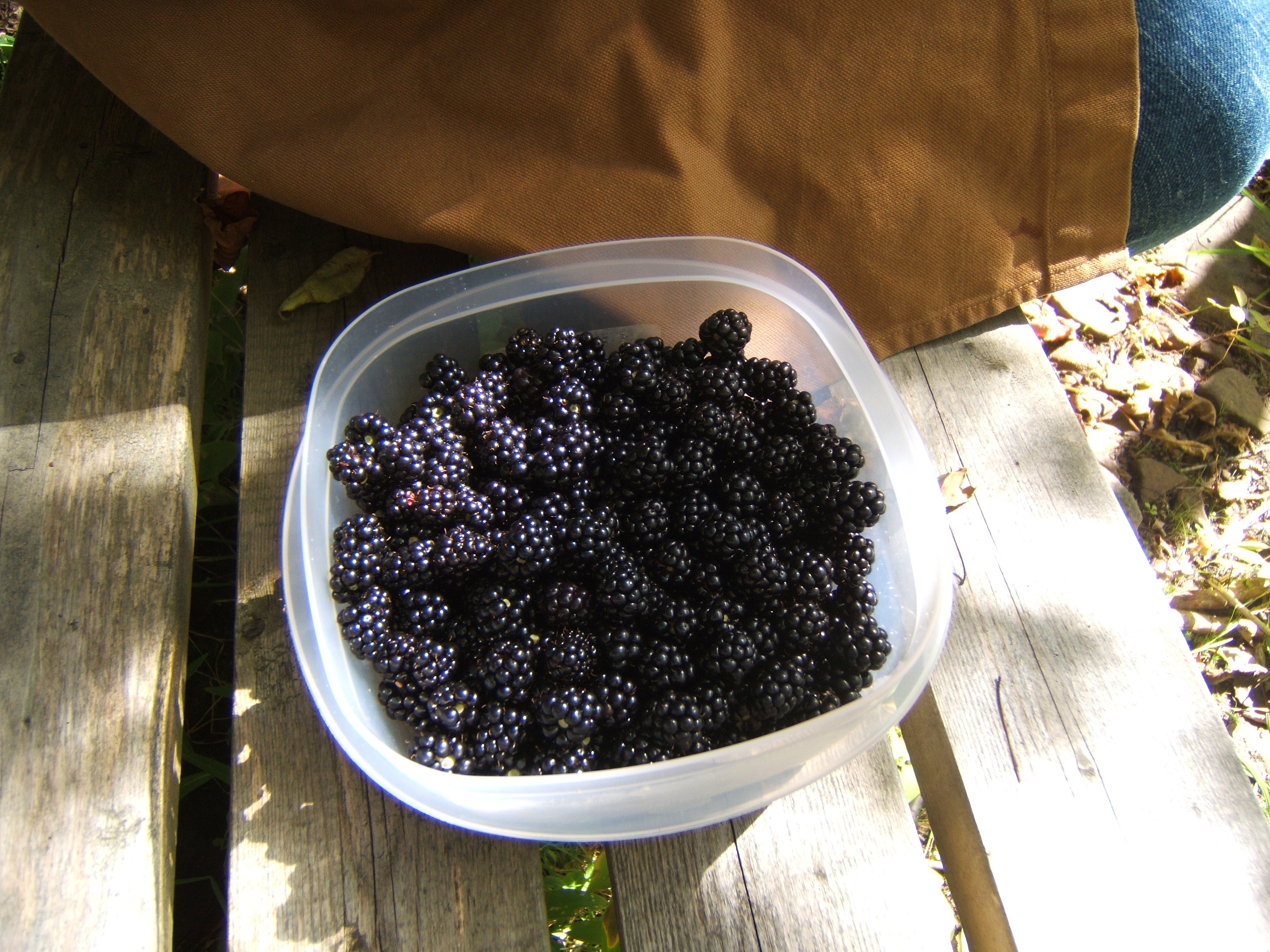
the results of an hour of blackberry picking with my husband
~ competition (for example, trying to get those hazelnuts before the squirrels)
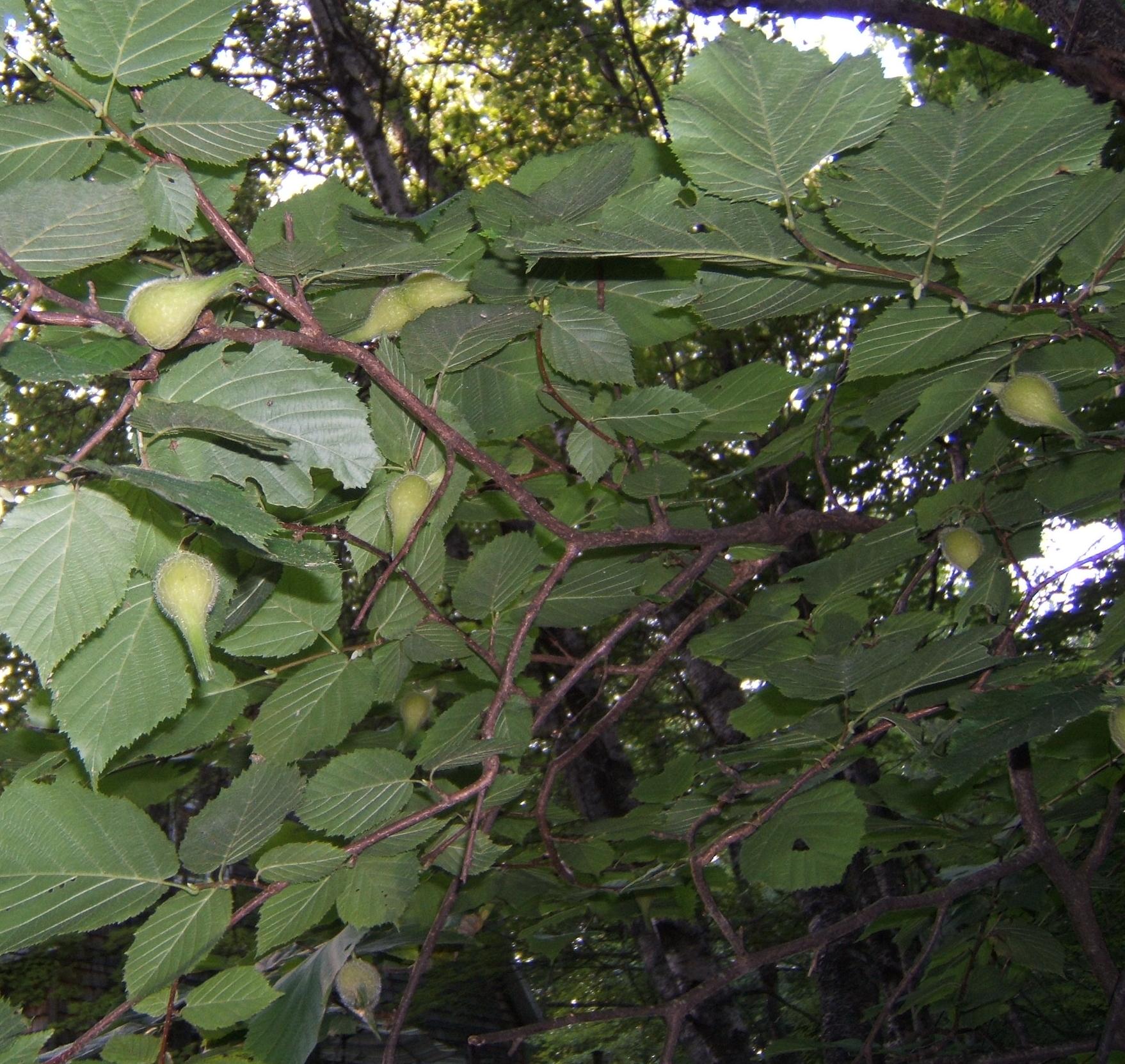
hazelnuts on the tree…almost ripe…who will get them, the squirrels or me?
~ time (this includes historical uses of wild edibles, as well as seasonal and lifetime components of eating local)

a ‘graveyard’ of old apple trees
~ ethics (this includes ecosystem concerns about eating wild plants when they are struggling to survive in reduced habitat)

a patch of Trout Lily in the hardwoods… edible… but should I harvest when this type of habitat is disappearing?
~ barriers to gathering local foods (for example, why do I buy bags of salad greens when Dandelion greens, Violet leaves and Wood-sorrel grow right outside my door?)

a salad of Dandelion greens and Purple Violets
In my upcoming posts, I want to explore each of these themes.
~
~
berry picking
~
fingers stain indigo
berry juice as blood
withdrawn by eager
thorns
~
berry picking sticks
to me, burrs
and brambles
hooks and eyes
inseparable as
contentment and picking berries
~
even as I struggle
berries ripen
shake free
fall to ground
~
~
© Jane Tims 2012
Warning: 1. never eat any plant if you are not absolutely certain of the identification; 2. never eat any plant if you have personal sensitivities, including allergies, to certain plants or their derivatives; 3. never eat any plant unless you have checked several sources to verify the edibility of the plant.




 nichepoetryandprose