Posts Tagged ‘botany’
daisy, daisy
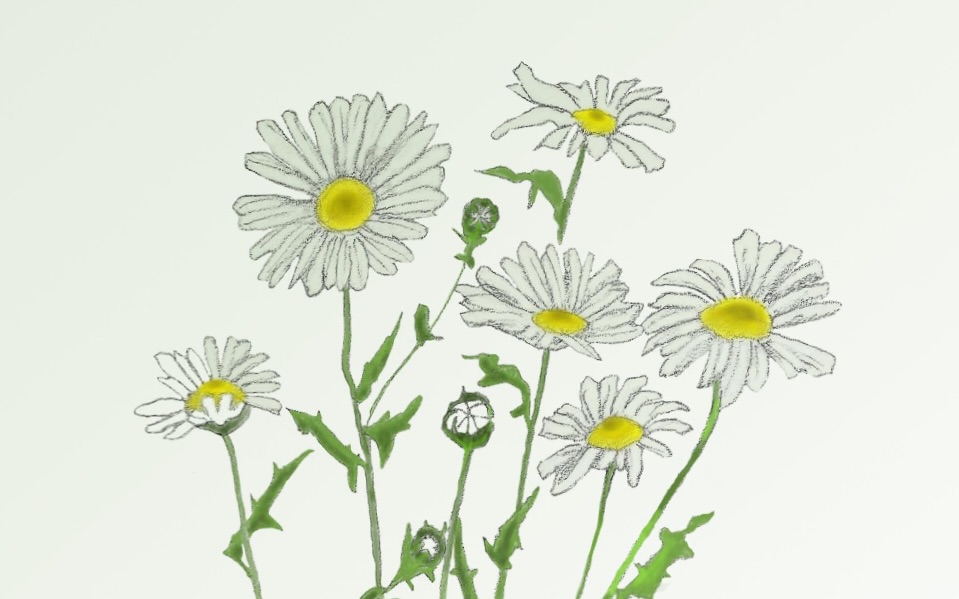
In the new book, A Child’s Botanical Alphabet, by Jennifer Houle, D is for daisy. So simple a flower, but one to be loved. Where I live in New Brunswick, this third week of June, the daisies are blooming along the edges of the road and in the meadows. Pull off the petals to ask a question: loves me, loves me not …
~

~
The common daisy (Leucanthemum vulgare) lives in ditches, meadows, fields, and other disturbed areas. The flower head consists of long white ray florets and small yellow disc florets. Where they grow wild, the flowers are arranged in perfect symmetry, each daisy head set apart from its neighbours.
~

~
~
Hope you take a moment to enjoy the gush of wildflower bloom this time of year!
All my best,
Jane
a botanical alphabet
In the last couple of years, I have had the happy task of helping Jennifer Houle, award-winning author, produce her new book, A Child’s Botanical Alphabet. The book takes the reader through the alphabet with examples from the world of botany, plants local to New Brunswick and the Maritime provinces.
~

~
My specific work was to produce the drawings for the book and undertake its formatting on the way to it becoming a published book. I also wrote ‘Notes for the Curious,’ to enable caregivers to give a little more information to children abut the plants they encounter in the book.
~
~
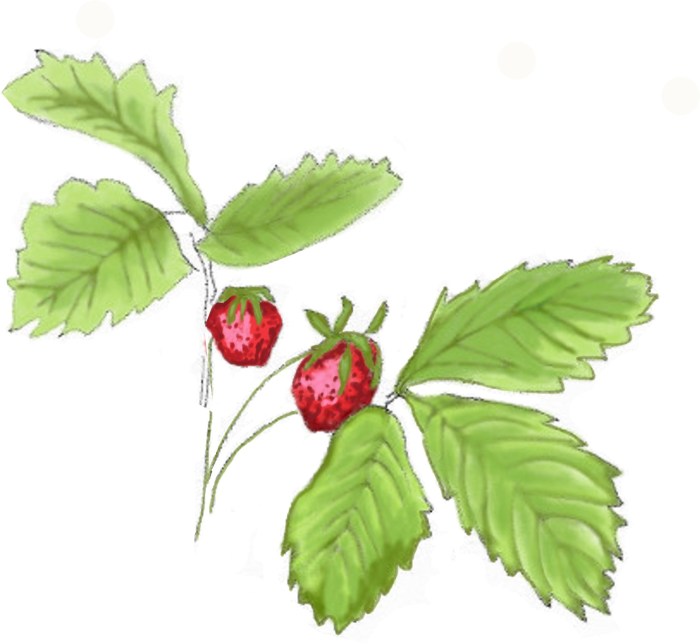
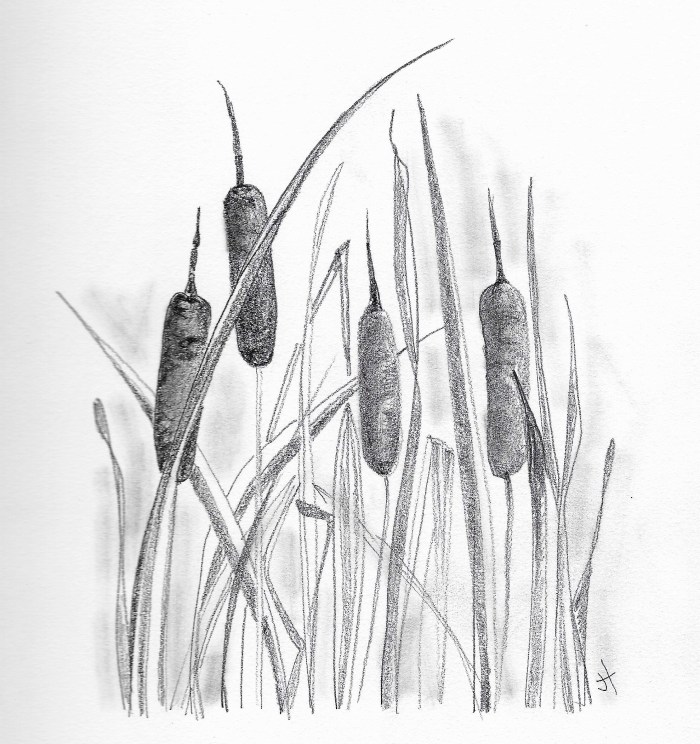
The images in the book began as black and white pencil drawings. Before this, I had never done digital illustrations, so I began by colourizing each drawing. After this, I leaned to do grades of colour and shading. In the end, I did the 26 illustrations, one for each letter of the alphabet, and other images to illustrate the life cycle of the luna moth and fill in the story we wanted to tell.
~

~
I also experimented with background colour and learned to present the images in the proportions of the final book. For the first time, I attempted images that would bleed to the very edge of the page.
~


~
The book is an old-fashioned approach to learning the alphabet, but also a way of encouraging children to look closely at their surroundings and interact with them. To help with this, we have shown that plants are part of a larger community of plants and animals. The book shows the life cycle of the luna moth–we have hidden the luna at various stages of its life throughout the images in the book. We also encourage children to collect, with respect, examples of the plants they find and to learn about the other plants they see. Where I have left parts of the images without colour, the children are invited to add their own colour to the book.
~

~
At last, A Child’s Botanical Alphabet is ready to present to the world! Both paperback and hardcover versions of the book are now available at Amazon.ca by clicking here. On May 11, Saturday, we will launch the book at the Kennebecasis Public Library in Quispamsis, with a special presentation and art activity for the children. After that, the book will be available in both paperback and hardcover at various events, including 2024 Book Fairs in Moncton-Riverview (July 27), Saint John (September 14), and Fredericton (October 19).
~
We hope you enjoy this wonderful book! We are looking forward to showing it to you and introducing children to the world of local plants.
~

~
All my best!!!
Jane
soon! a new children’s alphabet book
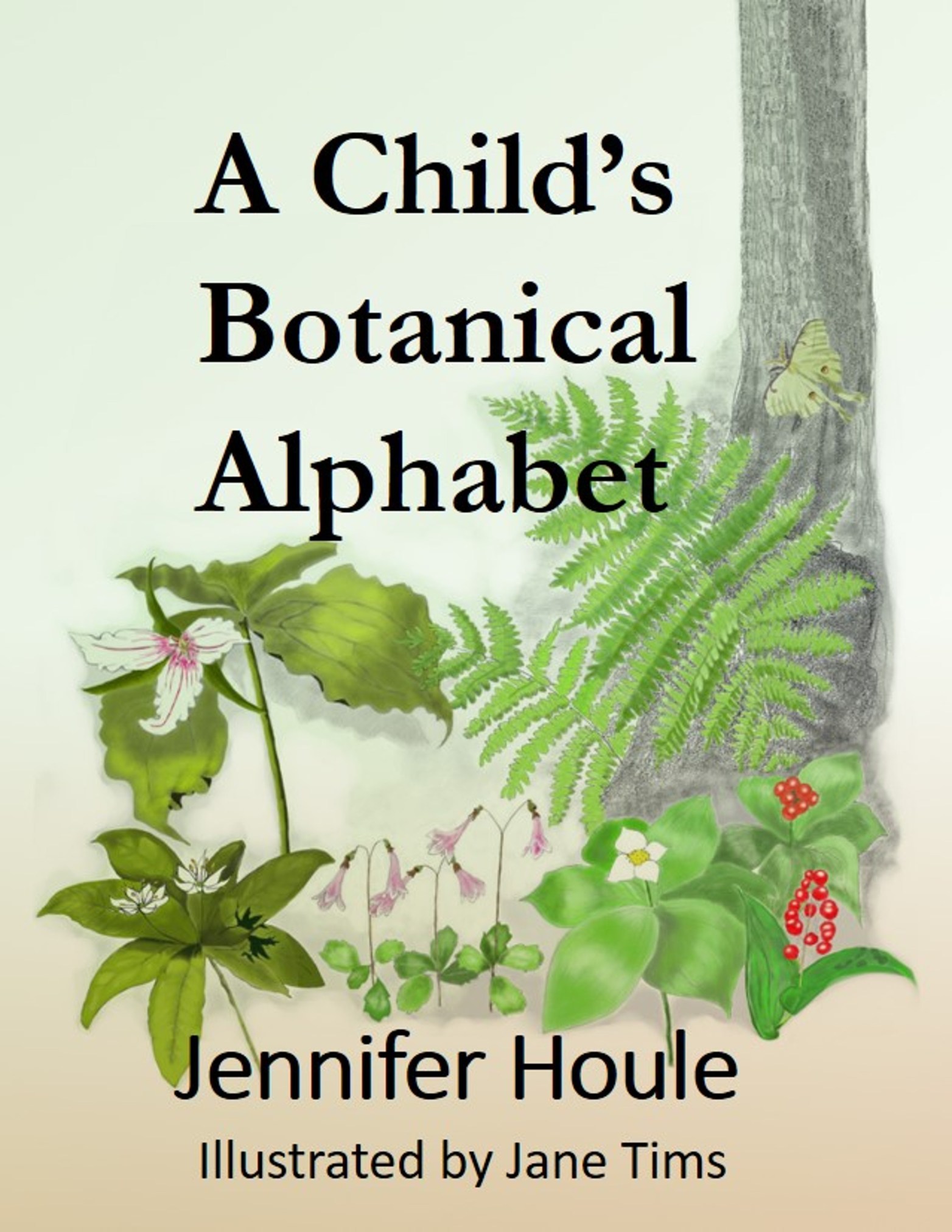
On my list of goals for the year is a project I haven’t talked about before. A friend and I have been working on her new book, A Child’s Botanical Alphabet.
~
I have known Jenn for years, since we both worked on Fredericton’s WordFeast in 2017. Jennifer Houle is a seasoned author, with two award-winning poetry collections, The Back Channels and Virga (Signature Editions). Her first children’s book, Un logis pour Molly/A Home for Molly, was published by Éditions Bouton d’Or Acadie in summer of 2022 in both French and English.
~
Here is what Jenn is saying about A Child’s Botanical Alphabet:
~
This book started out as a little rhyme I made up for my boys when they were toddlers. I loved teaching them to name common flowers & trees around the yard & neighbourhood. Having a vocabulary for things helps deepen imagination, sense of relatedness. I imagined it as a book that caregivers could read with children as they explored … the pages are meant to be coloured on & leaves & flowers pressed between pages. So it’s a book meant to be used. Oh! And there are Luna Moths fluttering throughout. . .presiding spirits.
Jennifer Houle, Facebook, March 20, 2024
~
When Jenn asked me to do the illustrations for her book, I said yes because I loved the concept and I had some suitable pencil drawings already done. I knew from the start I wanted the illustrations to be in colour, so I did my first work of this sort in the digital world. I used GIMP (GNU Image Manipulation Program) to colourize each pencil drawing. I have learned so much about colour and its presentation. Jennifer was easy to work with, so in spite of some learning curves, we are very happy with the result.
~
~
As we work on the last small edits, we are excited to see A Child’s Botanical Alphabet in its final form and show it to you. Stayed tuned for more information!
~
All my best,
Jane
A botanical life list first
Today, we drove to St. Stephen from our home near Fredericton (New Brunswick). We traveled some back roads, getting some great glimpses of the St, Croix River. The St. Croix is an international waterway, so when we look across the river, we see the United States.
~

~
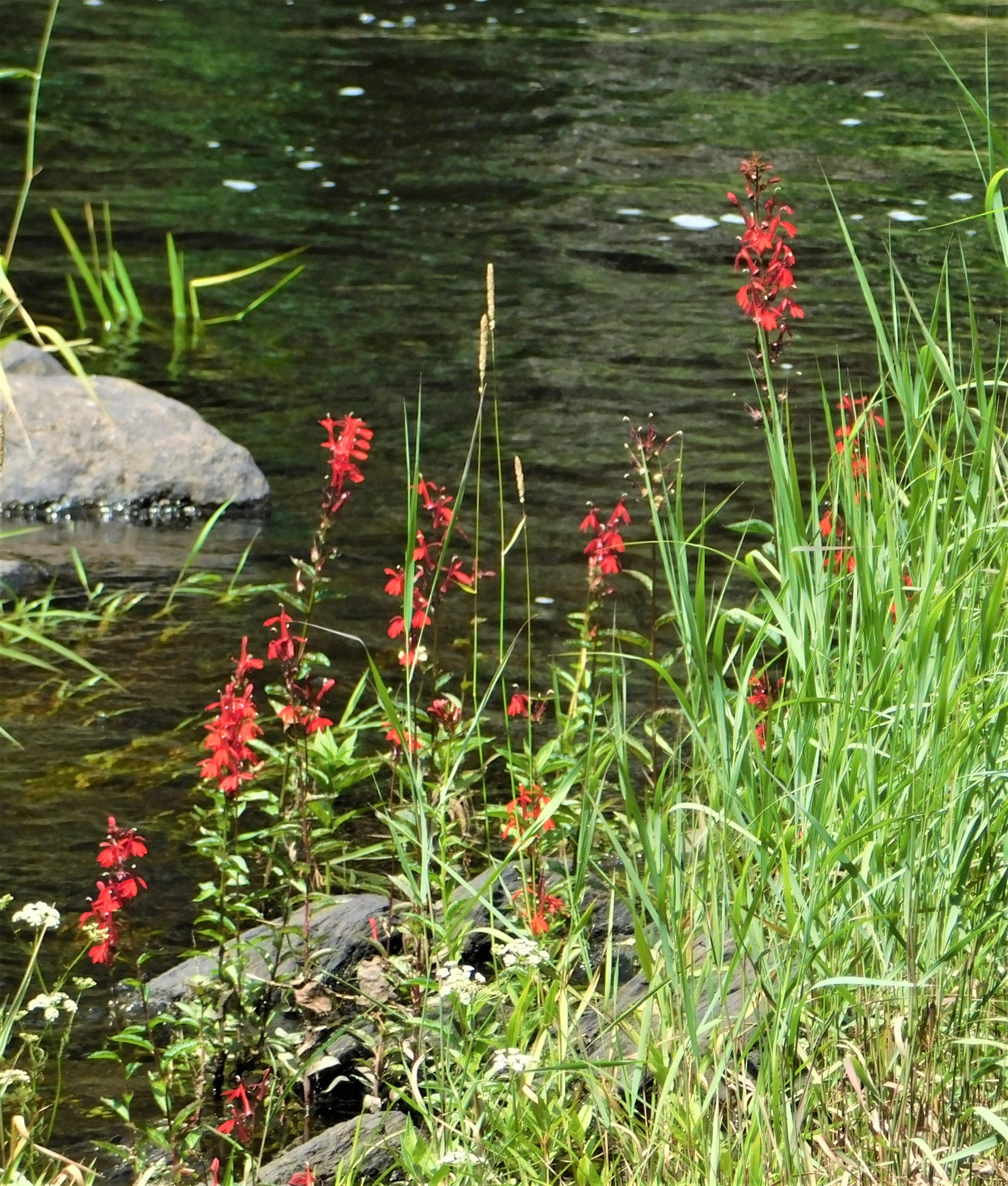
Along one stream in the drainage, we found a beyond-bright red flower I knew right away but have never seen except in photos.
~

~
The cardinal flower (Lobelia cardinalis) was one of the first flowers I read about when I moved to New Brunswick, but this is the first time I have seen it in bloom.
~
The red colour is so bright against the darker colours of the water and leaves. The plant is pollinated by hummingbirds.
~
~
In New Brunswick, the cardinal flower grows in wet areas, along shores and on rocky islands in streams.
~

~
The plant is about a half-metre or more in height and bears its flowers in terminal spikes. The flower has three spreading lower petals and two upper petals; all are united into a tube at the base. The stem is erect with pointed elliptical leaves.
~

~
Like birders, most botanists keep track of the plants they know and have seen in the field. I am delighted to add this to my list of known plants!
~
Have a great day! Stay cool!
Jane
harvesting colour – a reference library
To begin my poetry project ‘harvesting colour’, I have created a small reference library. I will keep my library by my desk in the loft I use as my studio. I wrote most of the poems for my ‘growing and gathering’ manuscript there.

on my desk
To decide what books to order, I followed some suggestions made by Pia, an experienced dyer (follow her dyeing adventures at Colour Cottage – www.colourcottage.wordpress.com).
~
I started with three books:
Rita Buchanan, 1999, A Dyer’s Garden (Dover Publications)
Jenny Dean, 2010, Wild Color: The Complete Guide to Making and Using Natural Dyes (Watson-Guptill Publications)
India Flint, 2010, Eco Colour: Botanical Dyes for Beautiful Textiles (Interweave Press)
~
I am sure I will be adding others as my project goes on, but for now these books have lots of great advice for a beginning dyer. Along with these books, I have my entire library of illustrated botanical guides, including floras of New Brunswick, Nova Scotia and North America to help me identify the plants I will need.
~
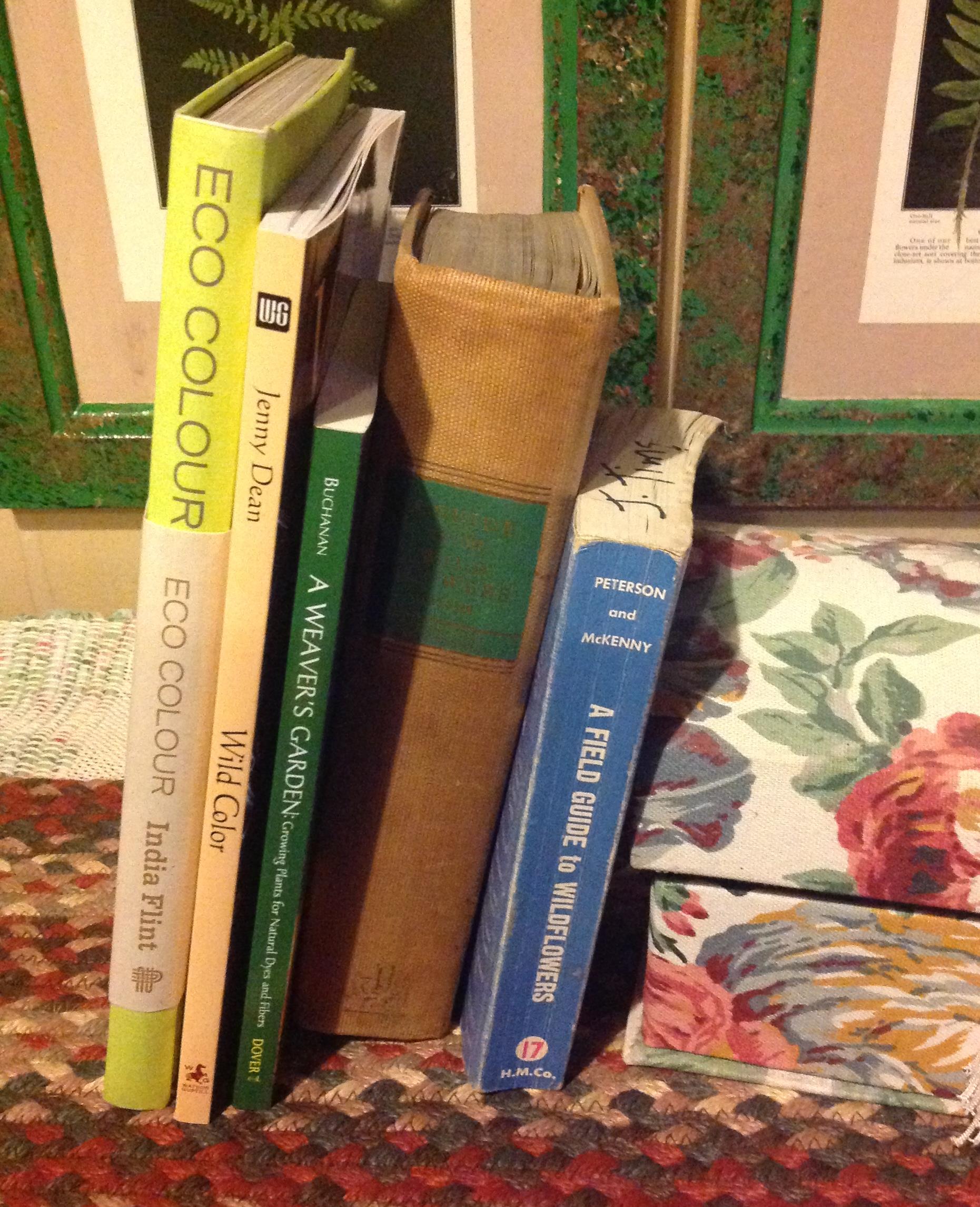
my growing dyers library
~
Roaming through these books as an ‘armchair dyer’ reminds me of the thrill of looking over seed catalogues while the snows of winter are falling.
Although I have not read any of these books in their entirety, I will give you a brief description of each:
~
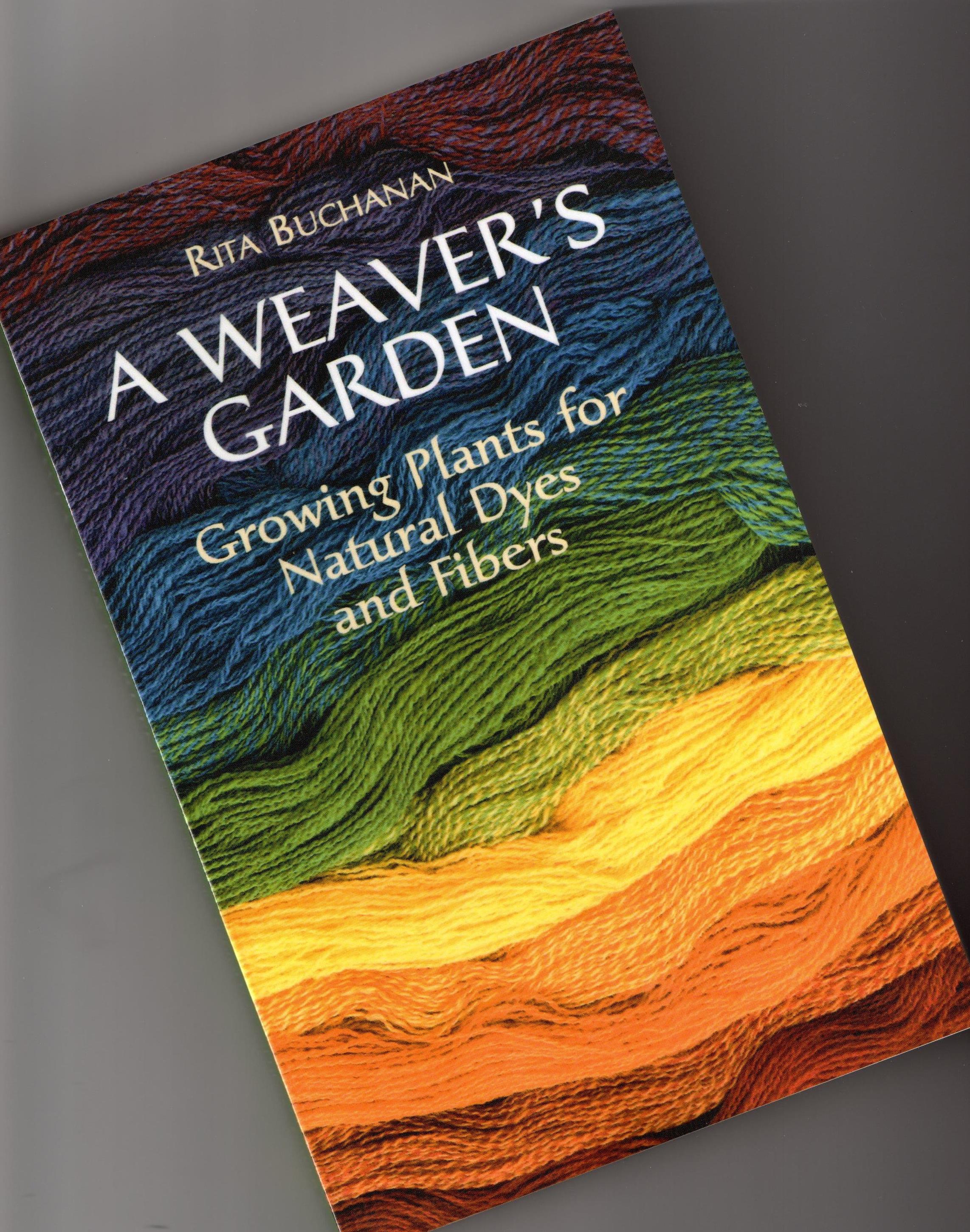
Rita Buchanan, 1999, A Dyer’s Garden (Dover Publications)
~
Rita Buchanan’s A Dyer’s Garden is a straightforward guide to using plants for various cottage craft purposes. The guide includes information on using plants as dyes, as well as for stuffing, soap-making and a source of fragrance. The chapter on dyes provides a step by step method, as well as an in-depth description of various plants useable for dyes. I love the black and white line drawings for some of these plants. The book includes practical information throughout on growing these plants and on the history of their use.
~
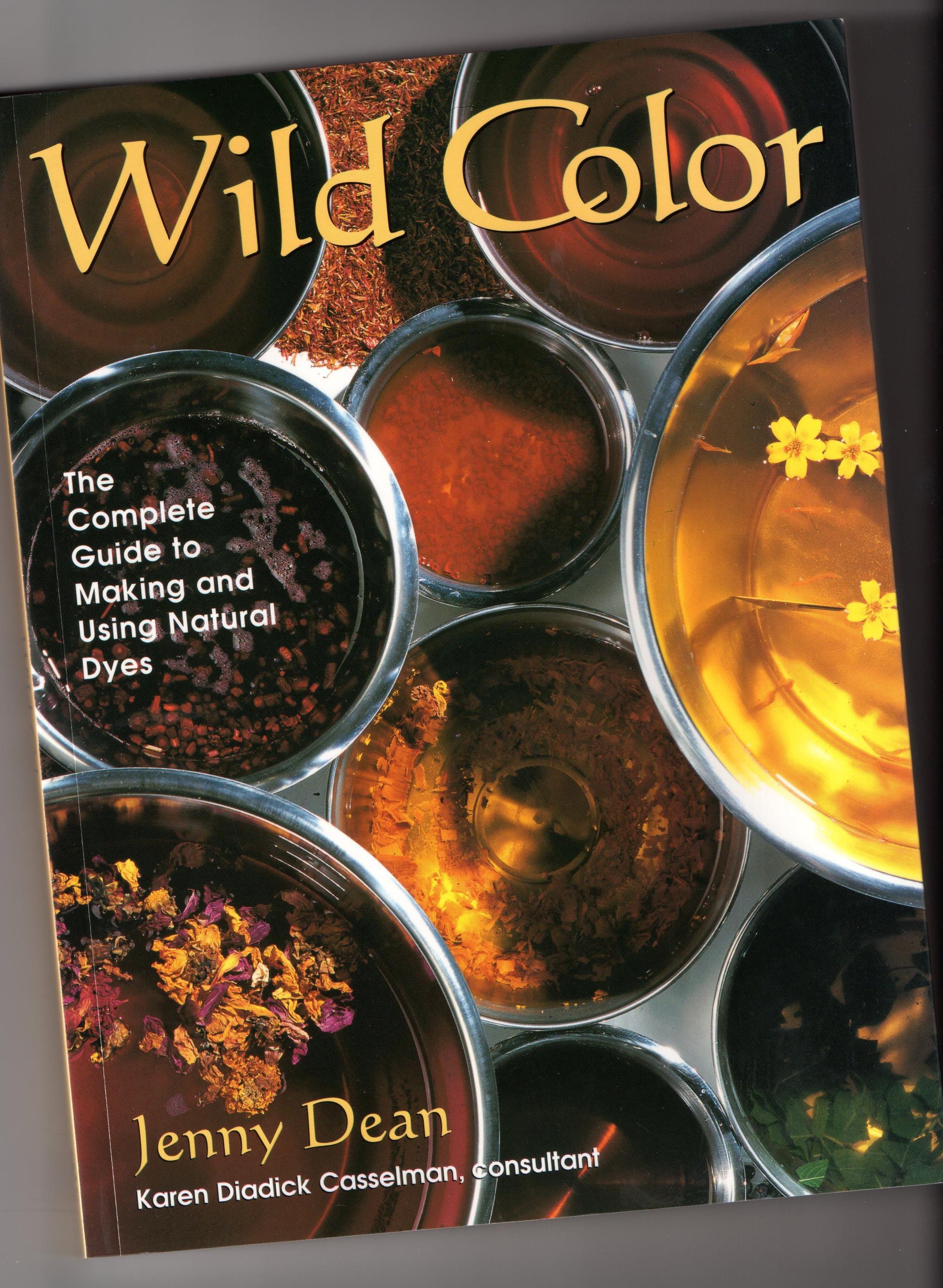
Jenny Dean, 2010, Wild Color: The Complete Guide to Making and Using Natural Dyes (Watson-Guptill Publications)
~
Jenny Dean’s book, Wild Color, is a riot of colour. Easy to flip through, it has detailed sections on various stages of the dyeing process. A useful feature for me will be her illustrated guide to some common plants used as dyestuffs. I particularly like her colour charts of results obtained with various dyestuff, mordants and modifiers. She also includes some background material on the history of dyers and dyeing.
~

India Flint, 2010, Eco Colour: Botanical Dyes for Beautiful Textiles (Interweave Press)
~
Eco Colour by India Flint is a well-illustrated book, full of photos of the author’s work with plants and fabrics. You can tell she has been there every step of the way – included in the photos are her handwritten notes. She describes well the process of dyeing and provides practical information. She also includes lots of examples of colour transfers (eco prints) – leaves are applied directly to the cloth to make colour prints. The book includes an extensive list of plants sorted by the colours they produce.
~
I can hardly wait to thoroughly read these three books. Besides looking for a step by step approach, I will be on the hunt for words from the dyer’s vocabulary to include in my poems.
~
Another resource I will use for my project will be the Internet. I read the blogs of a few dyers regularly, to learn something from their experiences, to get their advice and to better know these people who turn their appreciation of colour in nature into capturing colour. I’m sure you will enjoy these blogs about dyeing and fabrics as much as I do:
http://colourcottage.wordpress.com
http://whatzitknitz.wordpress.com/
~
Now that I have my reference library underway, I am gathering ideas about what I will need to begin my project. My next post will show you some of the items I will be using.
~
Copyright 2014 Jane Tims




 nichepoetryandprose