Posts Tagged ‘poetry manuscript’
a preface for a poetry manuscript
~
As followers of my Blog will know, I am working during these first months of 2015 to finalise, for eventual publication, a manuscript of the poetry I wrote for my ‘growing and gathering’ project (see the Category ‘growing and gathering’ for more information).
Now that the poetry is ordered within the manuscript, I have to pay attention to the ‘Front Matter’. This includes:
title: ‘within easy reach’
dedication: the manuscript is dedicated to my husband
table of contents: a listing of the poems
acknowledgements: all the people I want to thank and the support of artsnb and the Creations Grant
~
The above four items are straightforward. I needed some information about the next three:
~
foreword
preface
introduction
~
Foreword: written by someone other than the author of the book, usually an authority – celebrates the work and provides credibility.
Preface: written by the author of the book – includes the purpose and scope of the work, explains the origins of the central idea in the book, and may acknowledge those the author wants to thank.
Introduction: written by the author or an editor – includes information on the contents of the book, the author, and the audience.
Source: http://www.quickanddirtytips.com/education/grammar/foreword-versus-forward#sthash.No5DaWpu.dpuf
~
Many of the poetry books I have in my library do not include a Foreword or Preface, and Acknowledgements are often placed in the back of the book. I find this is true of collections where the theme of the poems is not immediately obvious. But collections about a particular subject, such as those about history, often have a Preface or Introduction.
~

~
For example, Jack’s Letters Home (Cynthia Fuller (2006) Stable Cottage, U.K., Flambard Press) includes an Introduction. The book is a collection of gritty poems based on real letters written by a British soldier in the First World War. The Introduction tells the soldier’s history, the story of how the letters were found and a little about the characters in the poems.
~

~
I have two poetry collections by Shari Andrews. Both focus on history. Crucible (Shari Andrews (2004) Canada, Oberon Press) is an insightful collection of poems depicting characters and events in the life of Saint Catherine of Sienna. It includes a Foreword by the poet. The Foreword includes background on Saint Catherine of Sienna, information about the inspiration for the book, and acknowledgements.
~
The Stone Cloak (Shari Andrews (1999) Canada, Oberon Press) is a collection of tactile, sometimes fierce, poems about the lives of settlers of New Denmark in New Brunswick. The Foreword includes information about the poet’s connection to the community and briefly describes the history of New Denmark. It includes acknowledgements.
~

~
Although it is not a book of poetry, in an 1843 edition of A Christmas Carol Charles Dickens includes a brief Preface, consistent with the spirit (!) of his story:
I have endeavoured, in this Ghostly little book, to raise the Ghost of an Idea, which shall not put my readers out of humour with themselves, with each
other, with the season, or with me. May it haunt their houses pleasantly, and no one wish to lay it!Their faithful friend and Servant,
CD.
December 1843.(Source: http://www.themorgan.org/collections/works/dickens/ChristmasCarol/3, accessed February 23, 2015)
~

a ‘grown and gathered’ salad – leaves and flowers of violet, leaves of mint and dandelion, bean sprouts and green onions
~
My poetry manuscript has a very specific theme – the ‘growing and gathering’ of local foods. Since all of the poems are about a particular topic, I think including a Preface is appropriate. I want the Preface for my manuscript to:
- be short (less than a page)
- inspire my audience
- include the purpose of my poems
- provide an overview of the contents
~
When I was young, I always skipped the Preface of any book I read. Now, I read the Preface first, eager to find information about the process the author followed in conceiving of or writing the book.
~
Copyright 2015 Jane Tims
first and last and in between

~
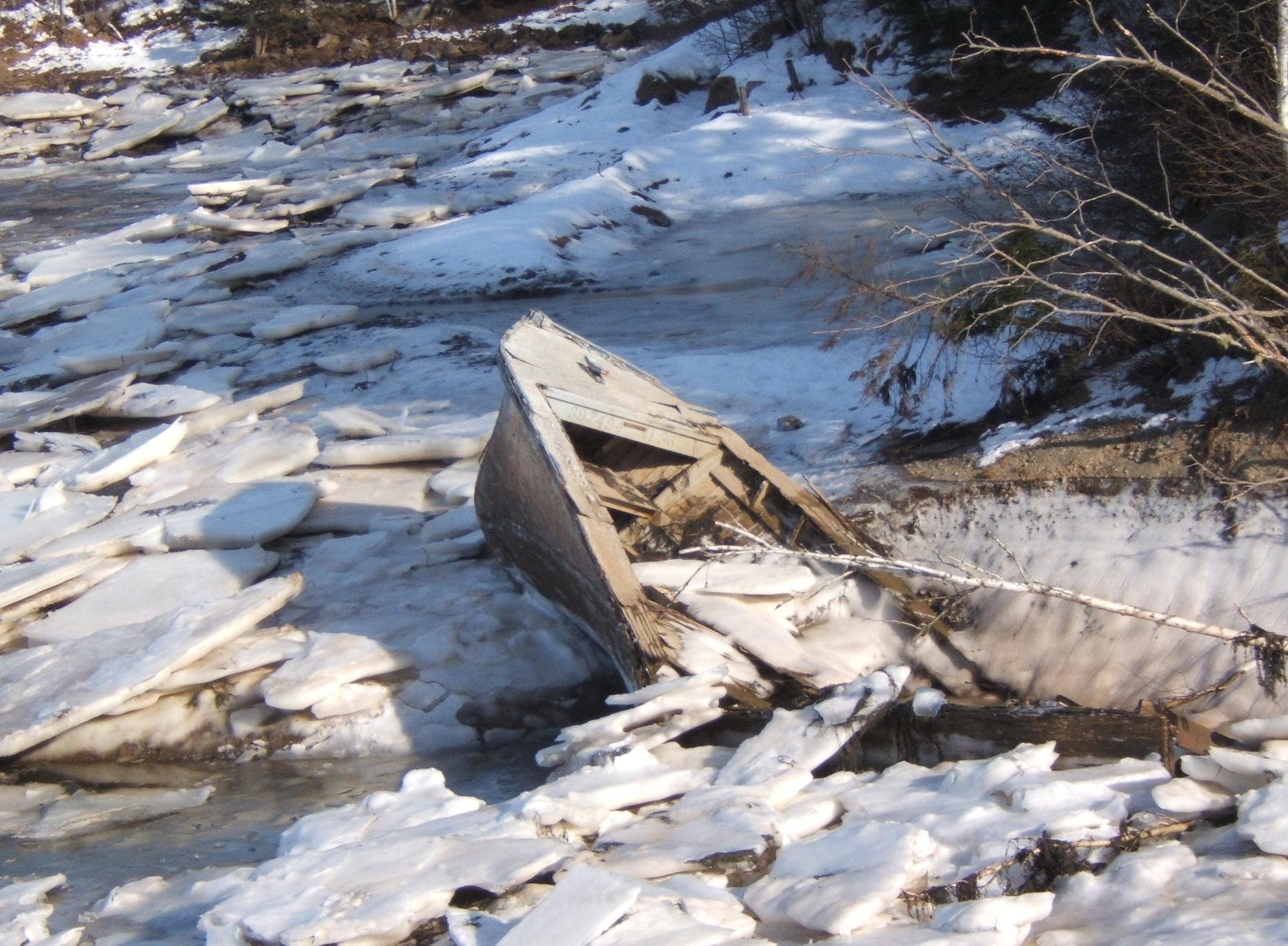
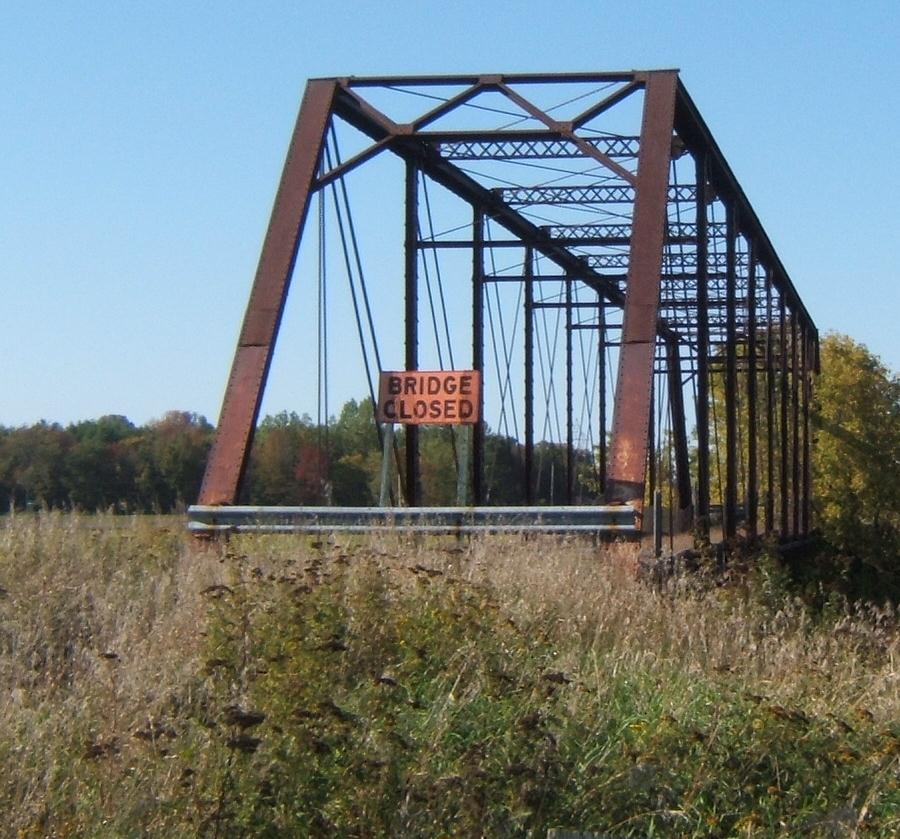
This past Saturday, I worked to create a manuscript of some poems I have written on the theme of discarded and abandoned elements of life and landscape.
There are 38 poems in the rough manuscript, making up about 50 pages. The poems are a study of change. They include poems about abandoned boats, roads, churches, toolboxes, sheds, trucks, bridges and so on.
I have published a few of these on this blog … for an example, see ‘Foggy Molly’, a poem about an abandoned boat (https://nichepoetryandprose.wordpress.com/2013/01/30/abandoned-boat/ ).
~
~
Part of creating this manuscript is to put the poems in order. I find it hard to decide how to arrange 38 poems so they flow, one into the other, and so they tell a story.
~

~
1. My first step is to print a table of contents of the rough manuscript. I read each poem through and assign a couple of key words to describe it, jotting these into the table of contents. For my 38 poems on abandonment, I obtained 27 key words. Many of these are shared by various poems, but a few are unique to one or two poems. My key words are, in no particular order:
lost ways, regret, grown over, barriers, evidence, sadness, history, haunted, adaptation, voice, intention, anger, change, memory, denial, improvement, new life, lost function, buildings, items, understanding, cruel, resistance, life/death, shock, keeping past, lost/misplaced, broken
~
~
2. Next, I put everything into a table, with Xs to show which key words fit each poem. This does not take too long to do and helps me consider the meaning of each poem. Below is just a small section of my table:
| Poem Title | lost ways | regret | grown over | barriers | evidence | sadness | history | haunted | adaptation |
| Recovery | X | X | X | X | |||||
| Reason for Leaving | X | X | X | X | X | ||||
| South Nation Bridge | X | X | X | ||||||
| Outfield | X | X | |||||||
| Diverted road | X | X | |||||||
| Invitation to tea | X | X | X | X | X | ||||
| Lane | X | X | |||||||
| Abandoned church | X | X |
~
3. Once I have the table created, I tally the Xs in the columns and decide which key words are most common. Key words occurring in more than 10 poems are shown in bold:
lost ways, regret, Grown over, barriers, evidence, sadness, history, haunted, adaptation, decay, intention, anger, change, memory, denial, improvement, new life, lost function, buildings, items, understanding, cruel, resistance, life/death, shock, keeping past, lost/misplaced, broken
The words that apply to almost every poem usually speak to the theme of the poetry collection: in this case, the words ‘change’, ‘memory’ and ‘lost function’ were very common, no surprise in a collection about things abandoned. Other key words, common to a few poems, suggest possible themes for the sub-sections.
~

~
4. My next step is to look at the key words and see what themes ‘speak’ to me. I also want to have a progression of ideas through the manuscript. In this case, some of the poems are sad and rather hopeless, while some show how abandonment leads to understanding, and, in some cases, to new purpose and new life. From the key words, I selected six sub-sections: ‘lost ways’, ‘decay’, ‘haunted’, ‘broken’, ‘understanding’ and ‘new life’.
~
5. Now comes the long work of re-ordering the manuscript. I create a new document and, one at a time, transfer the poems into their new sections.
~
6. I like to name each section, taking the name from a line in one of the poems in the section. These may change later, but for now, they give me a reference within each group of poems:
lost ways – ‘overgrown …’
decay – ‘left to rust …’
haunted – ‘ghosts are lonely here …’
broken – ‘dry putty, broken glass …’
understanding – ‘the rock to stand on …’
new life – ‘a turn towards horizon …’
~

February 11. 2014 ‘old shed near Charlo’ Jane Tims
~
Today, I will begin a read of the manuscript to see how the poems flow within their sections. Many revisions are ahead, but this is my favorite part of the work!
~
Have you ever gathered poems into a manuscript and did you use any particular method to decide the order of the poems?
~
Copyright 2015 Jane Tims
growing and gathering
Many of my recent posts are associated with my writing project, ‘growing and gathering’. My aim is to write a poetry manuscript about collecting and producing local foods. So far, I have concentrated on ‘edible wild plants’ in my blog, but the full scope of the project will include poems on gardening and other aspects of aquiring local foods.
My process so far has included research into a particular wild plant, a trip to see it in the wild and perhaps gather it for eating, a piece of prose on the characteristics of the plant, a pencil drawing (becoming more and more a part of my thought process), and a poem or poems about the edible plant.
As my project progresses, I am generating many poems. I am also starting to think about how I will assemble this information into a manuscript.
One of the first steps toward assembling the manuscript is to decide what themes are emerging. This will help me decide how the poems relate to one another, as well as identify the gaps.
Major themes so far are:
~ companionship (for example, picking berries with a friend)
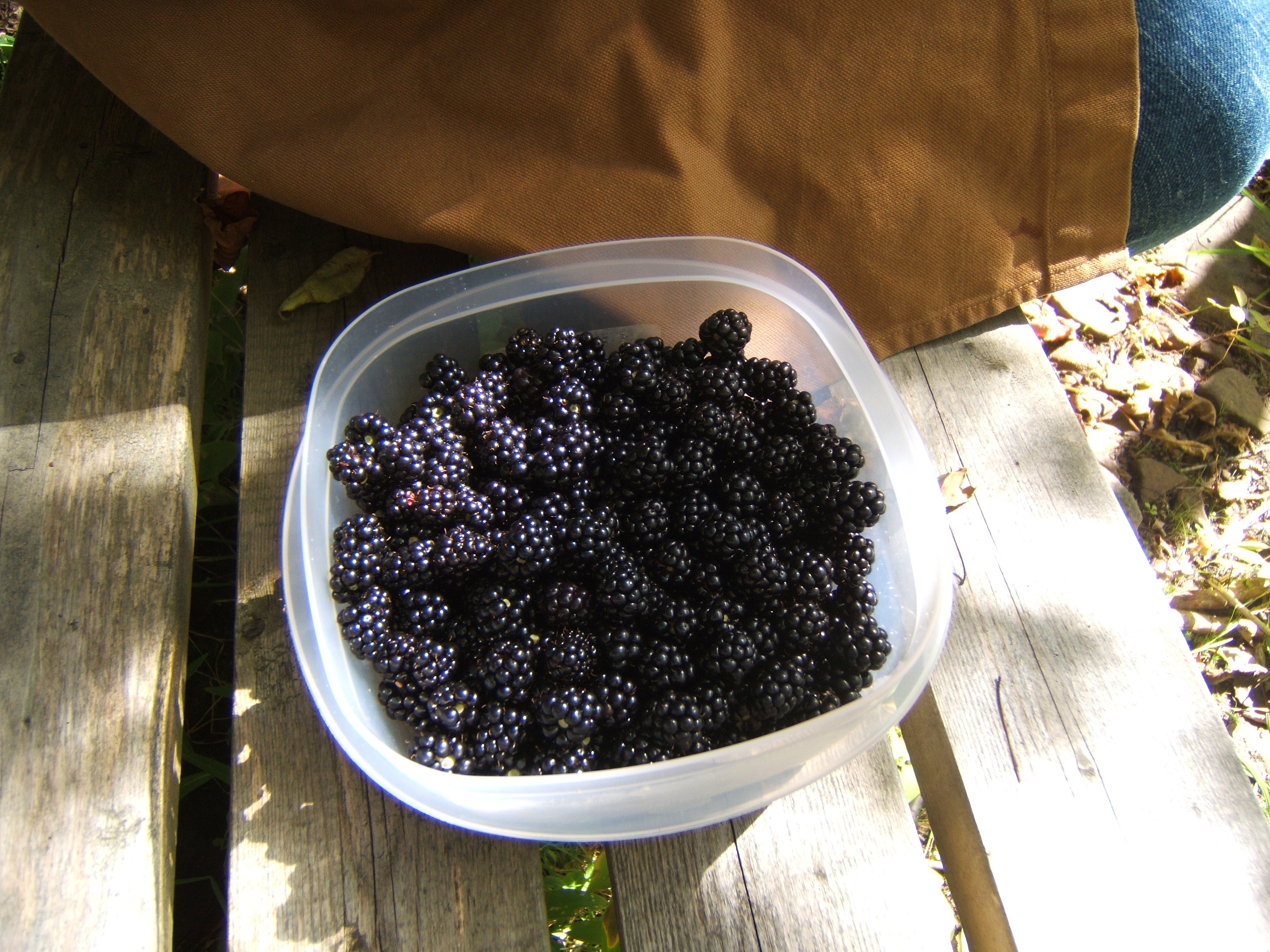
the results of an hour of blackberry picking with my husband
~ competition (for example, trying to get those hazelnuts before the squirrels)
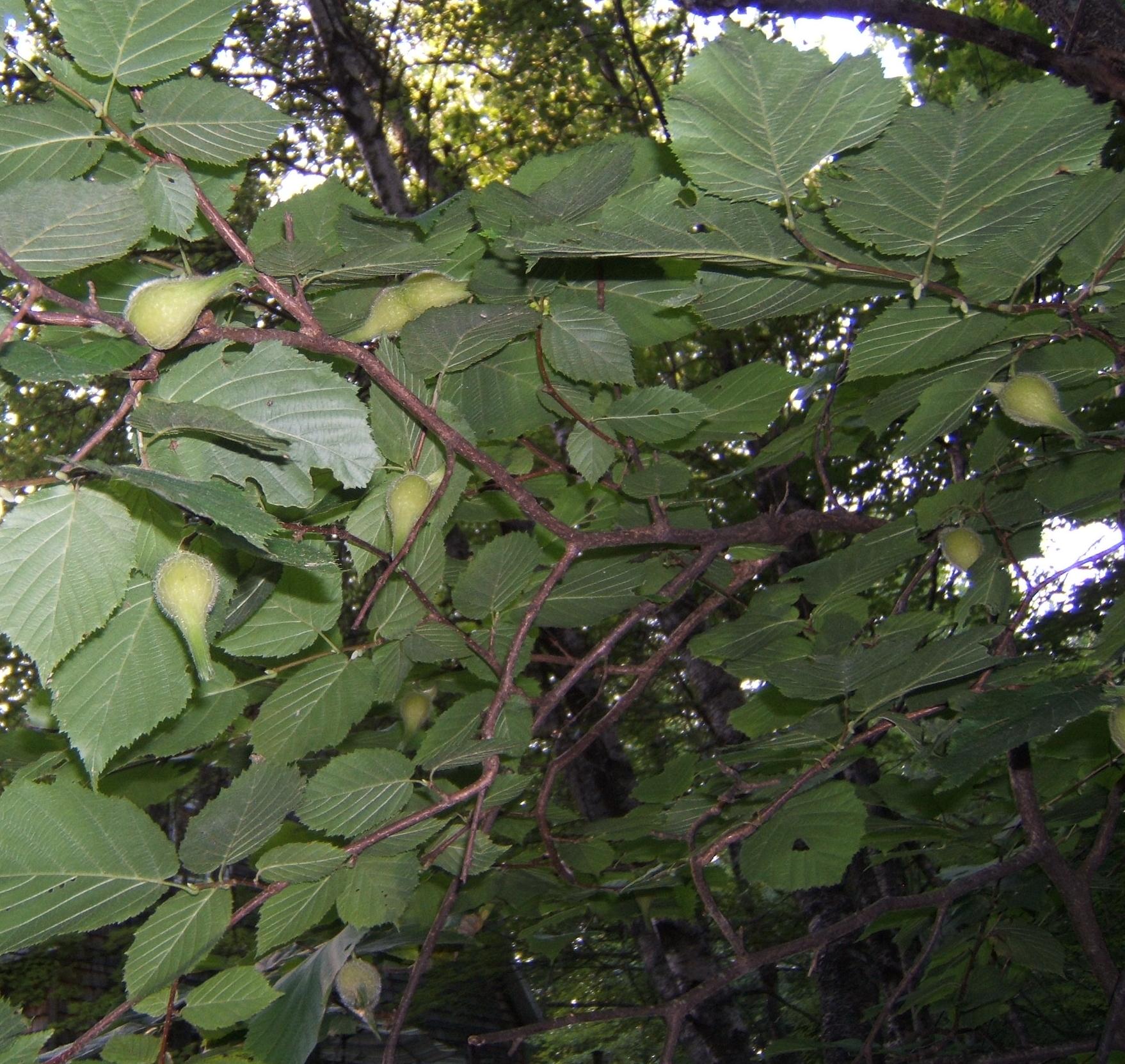
hazelnuts on the tree…almost ripe…who will get them, the squirrels or me?
~ time (this includes historical uses of wild edibles, as well as seasonal and lifetime components of eating local)

a ‘graveyard’ of old apple trees
~ ethics (this includes ecosystem concerns about eating wild plants when they are struggling to survive in reduced habitat)

a patch of Trout Lily in the hardwoods… edible… but should I harvest when this type of habitat is disappearing?
~ barriers to gathering local foods (for example, why do I buy bags of salad greens when Dandelion greens, Violet leaves and Wood-sorrel grow right outside my door?)

a salad of Dandelion greens and Purple Violets
In my upcoming posts, I want to explore each of these themes.
~
~
berry picking
~
fingers stain indigo
berry juice as blood
withdrawn by eager
thorns
~
berry picking sticks
to me, burrs
and brambles
hooks and eyes
inseparable as
contentment and picking berries
~
even as I struggle
berries ripen
shake free
fall to ground
~
~
© Jane Tims 2012
Warning: 1. never eat any plant if you are not absolutely certain of the identification; 2. never eat any plant if you have personal sensitivities, including allergies, to certain plants or their derivatives; 3. never eat any plant unless you have checked several sources to verify the edibility of the plant.





 nichepoetryandprose