Posts Tagged ‘Mavis Mills’
a spring drive
My husband and I love to go exploring the New Brunswick countryside. We have been on most roads in southern New Brunswick. Mud is no barrier, because we have a Toyota Tacoma as transportation.
~
Our purposes for these drives are many. Time together is the main goal. I am interested in waterways and botany. My husband is interested in woodlands, exercise, and collecting recyclable bottles and cans from the ditches.
~
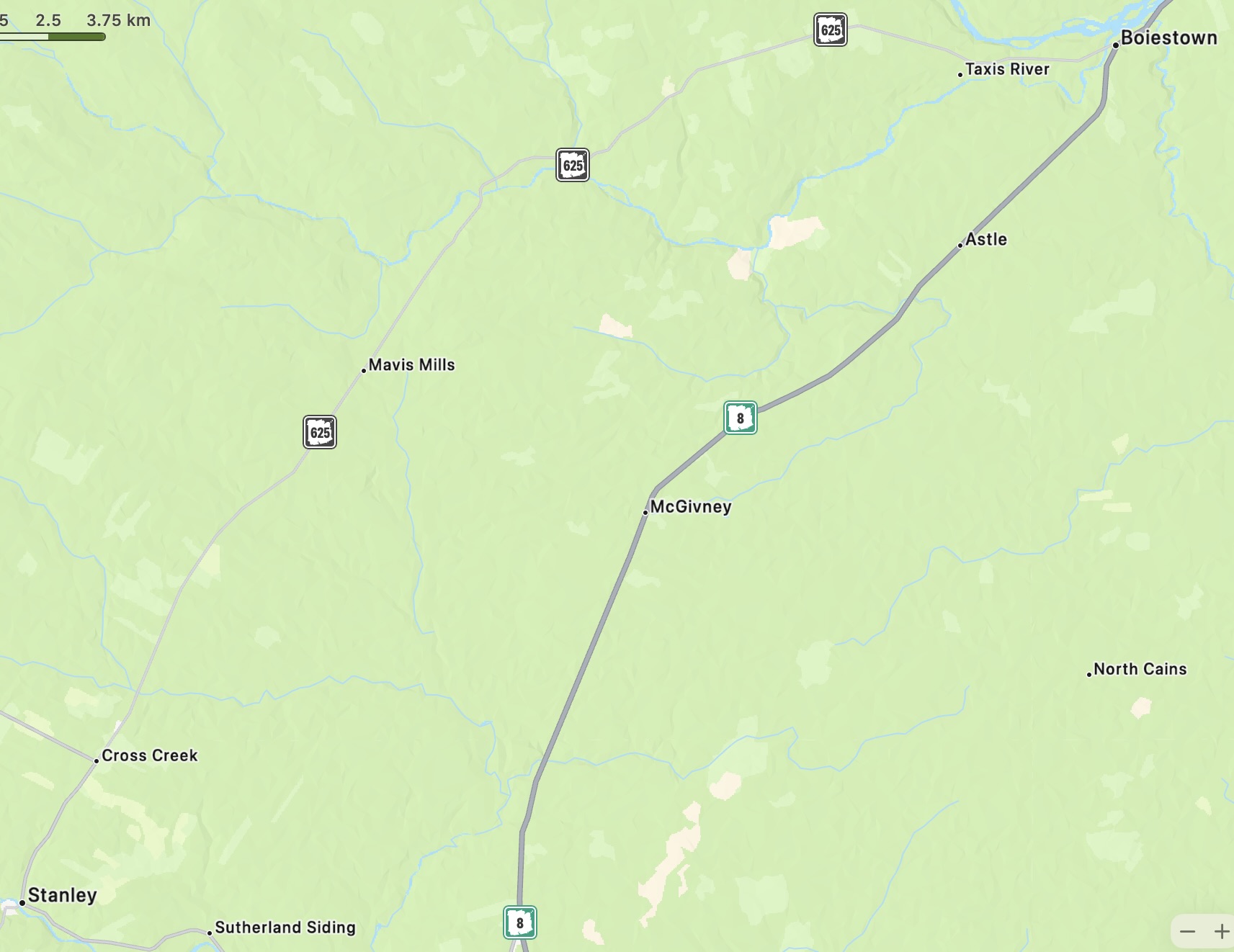
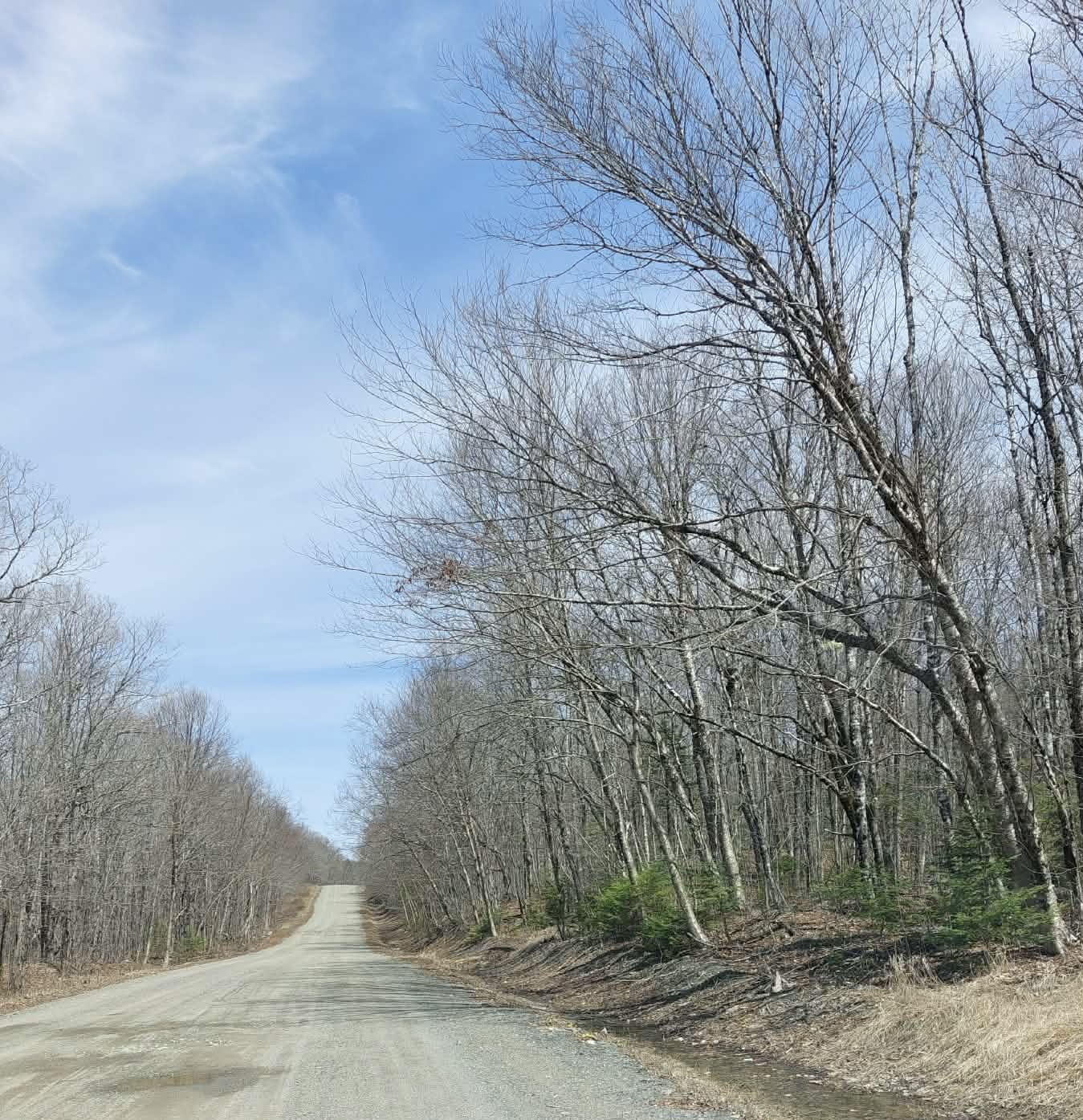
Our drive last week was on Highway 625 from Cross Creek (near Stanley) to Boisetown. This is a rough gravelled road, marked as ‘Closed to Through Traffic’ this time of year, due to water and mud on the road.
~
~
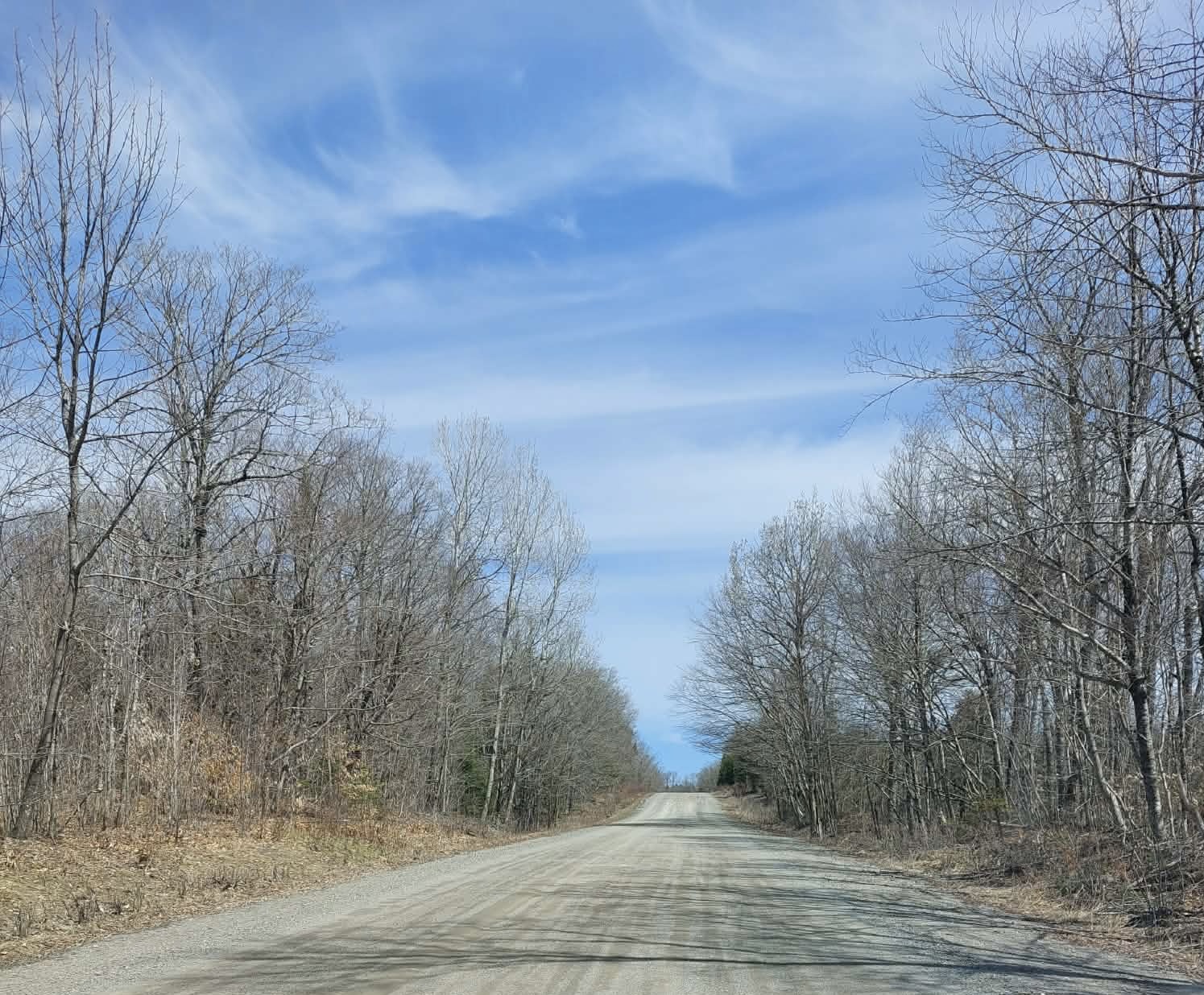
The road is through woods, mostly hardwood, and features the now abandoned community of Mavis Mills.
~
~
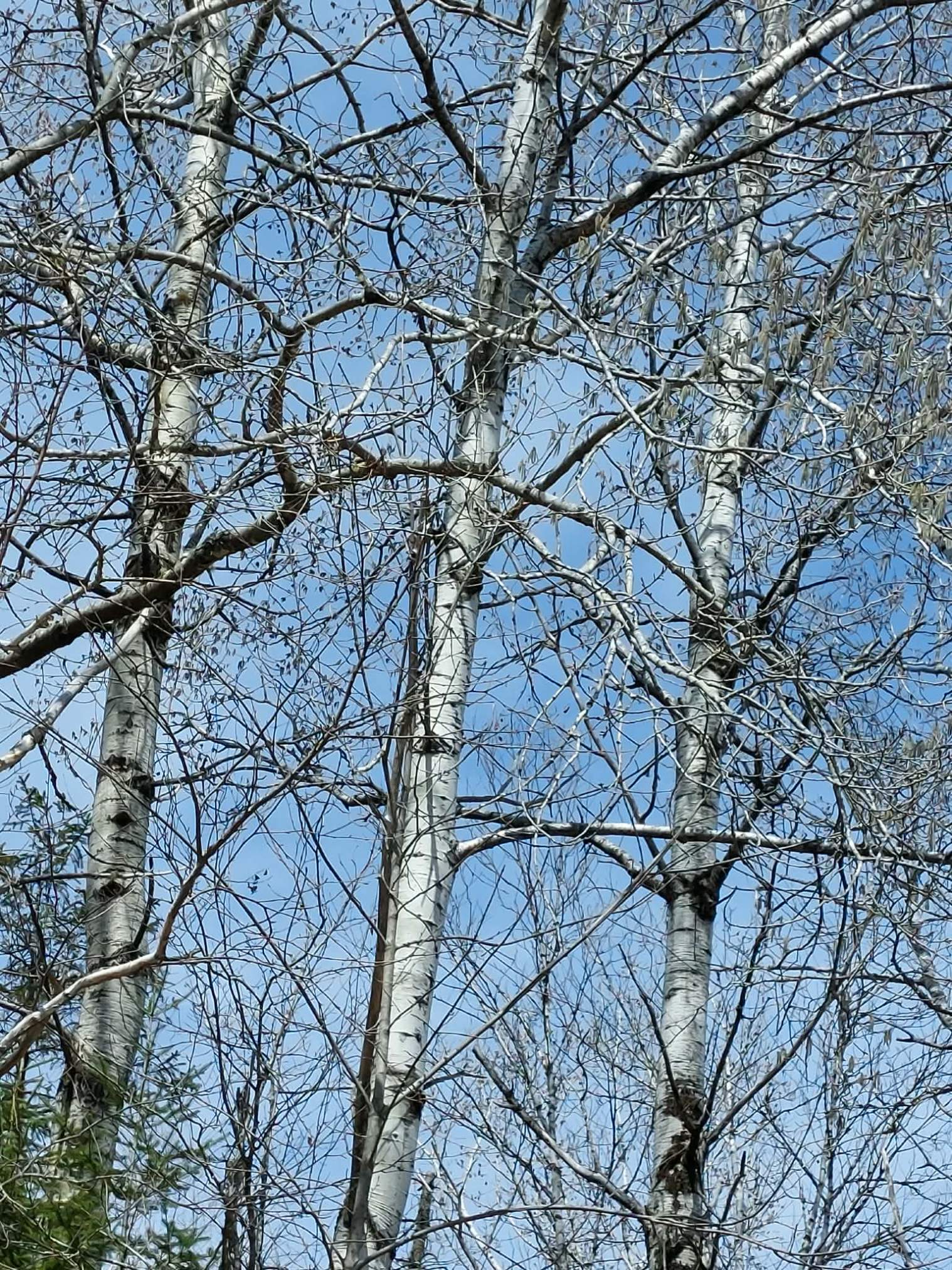
Among the various hardwood species present are yellow and white birch, red and sugar maple, ash, and poplar. The poplar were flowering and hanging with catkins, much to the dismay of my nasal passages (I am allergic to certain plant pollens).
~
~
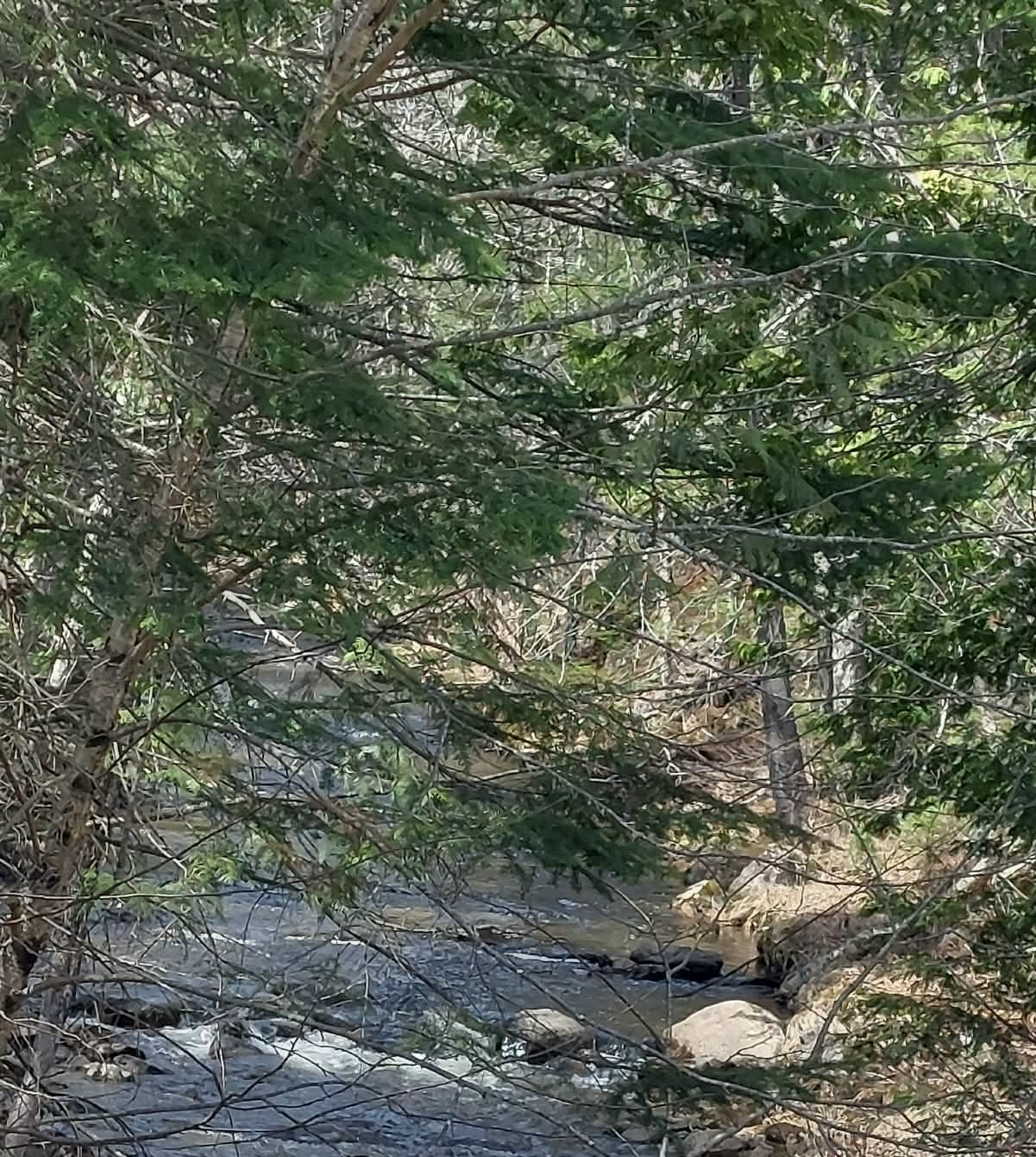
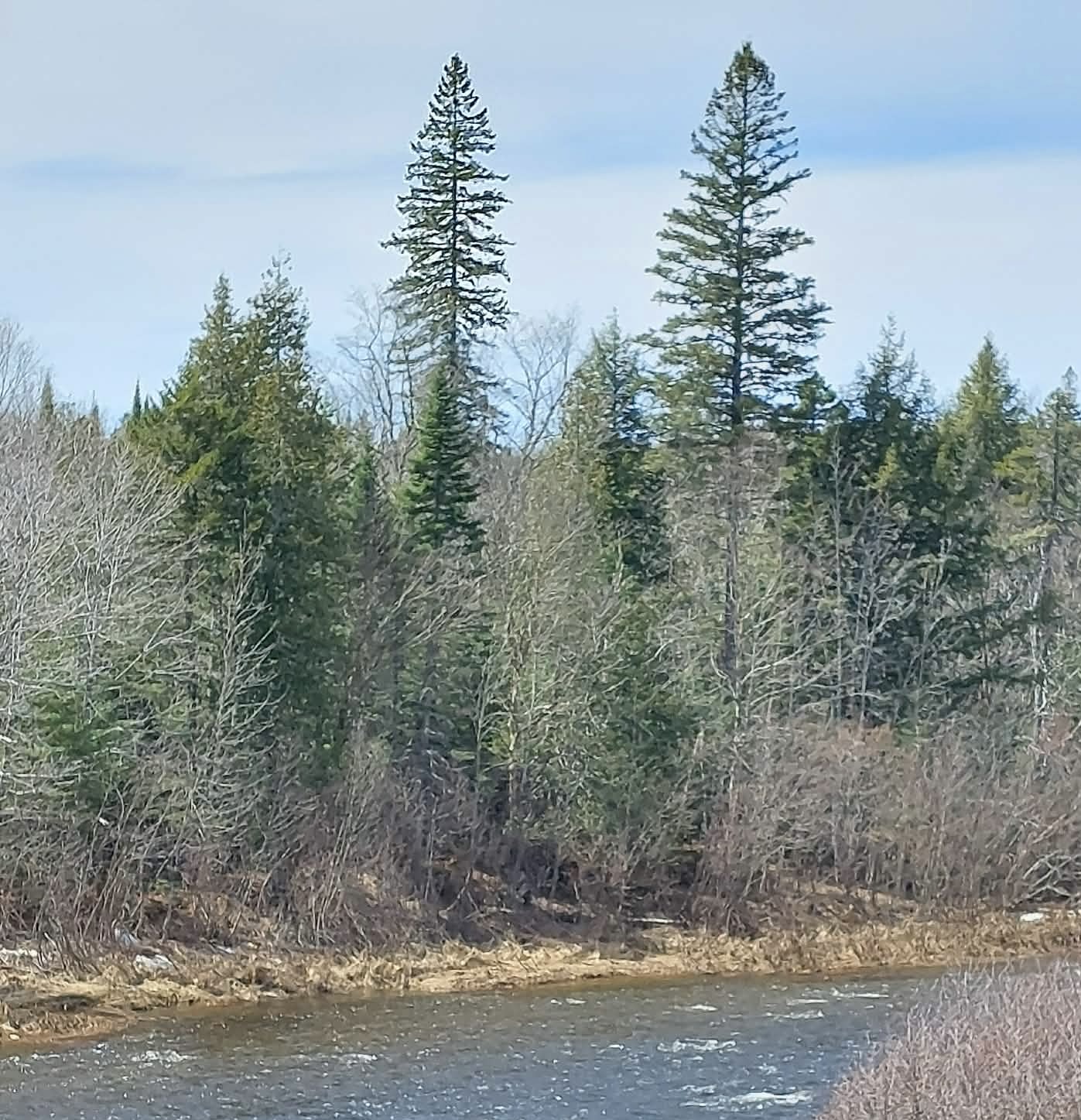
The road crosses a few large streams and the Taxis River.
~
~
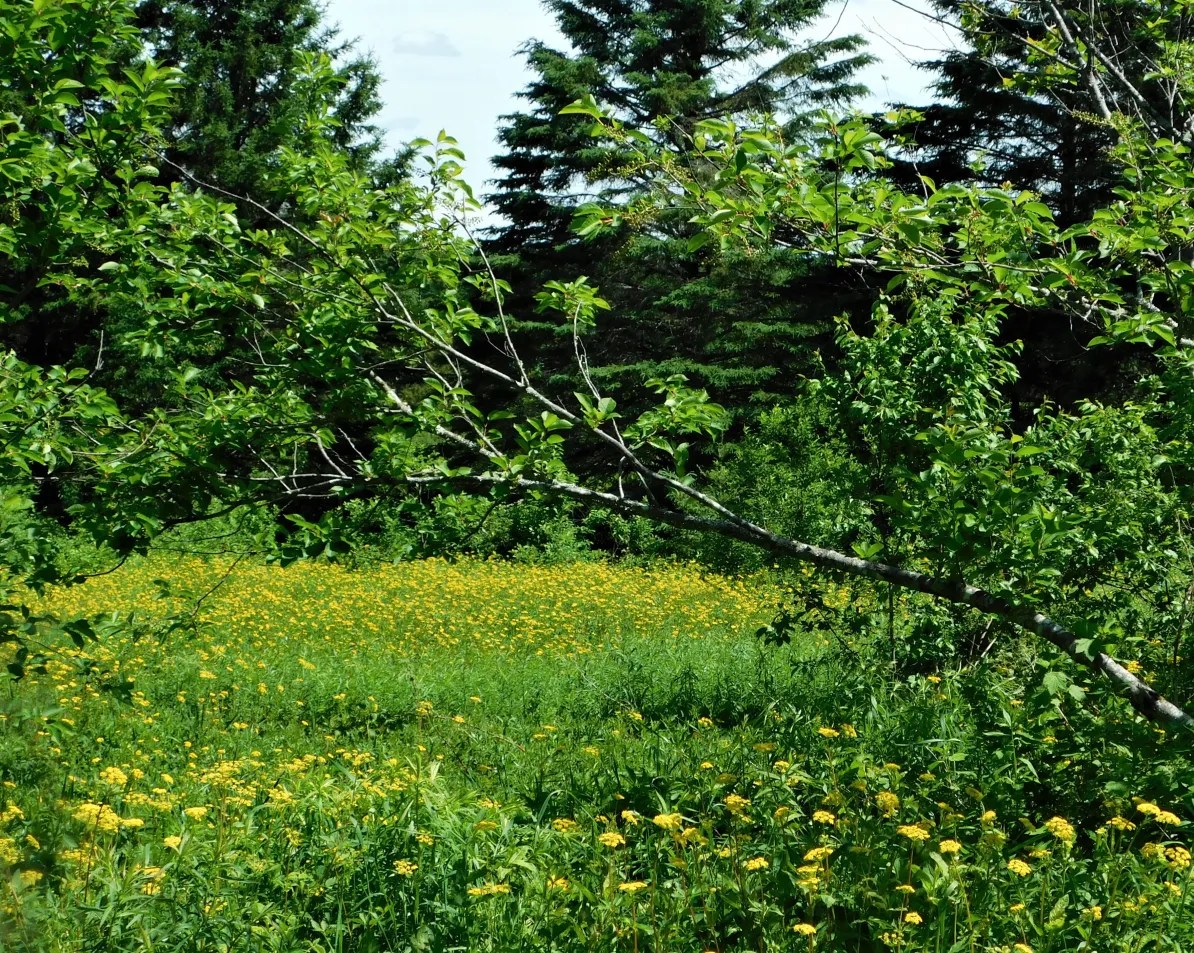
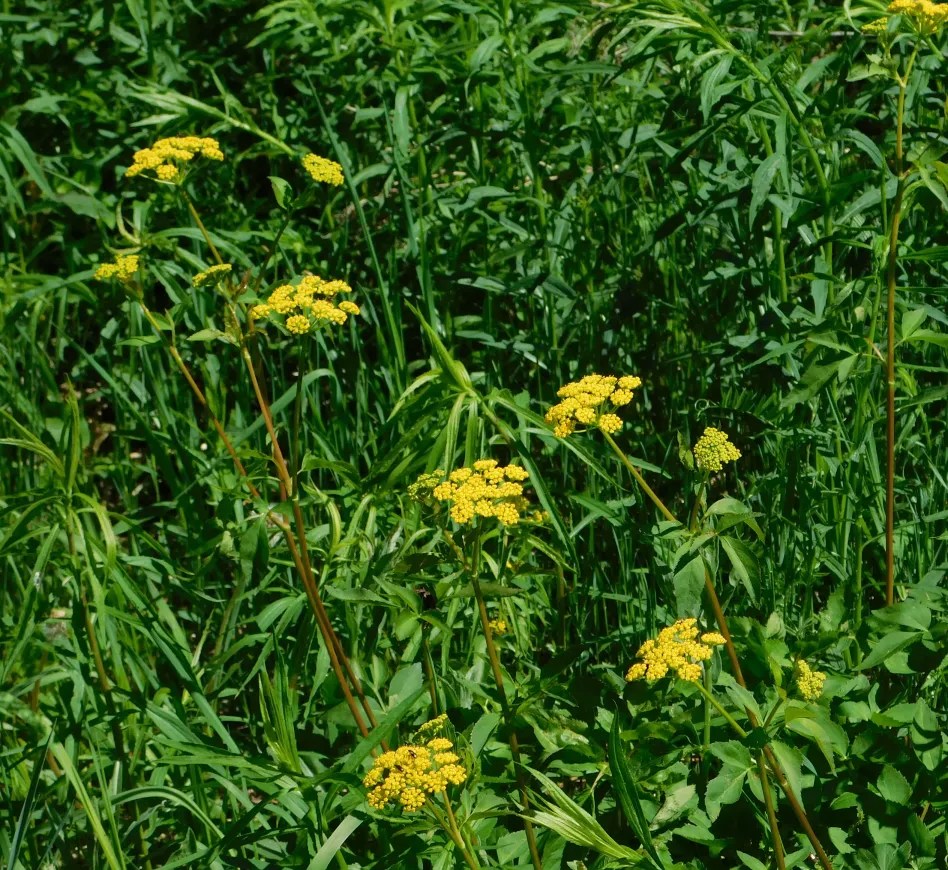
The community of Mavis Mills once included a lumber mill and camp, a post office and a train stop. The community was named by a lumberman for his daughter, Mavis Mobbs. The community had a post office from 1922 to 1928. The 1921 Census shows a boarder and miller, John Mobbs, in Stanley Parish and below his name a mill camp with 31 men. Every evidence of the community is now gone, except a two-track road and remnants of a one-time flower garden. We visited there in the summer of 2020 when I was working on my poetry collection about abandoned communities and the remains of their flower gardens. The garden we found here has a healthy population of golden Alexanders, Zizia aurea, and other flowers. For a glimpse of the other garden plants and more of Mavis Mills’ history, see my post by searching the term ‘Mavis Mills.’
~
~
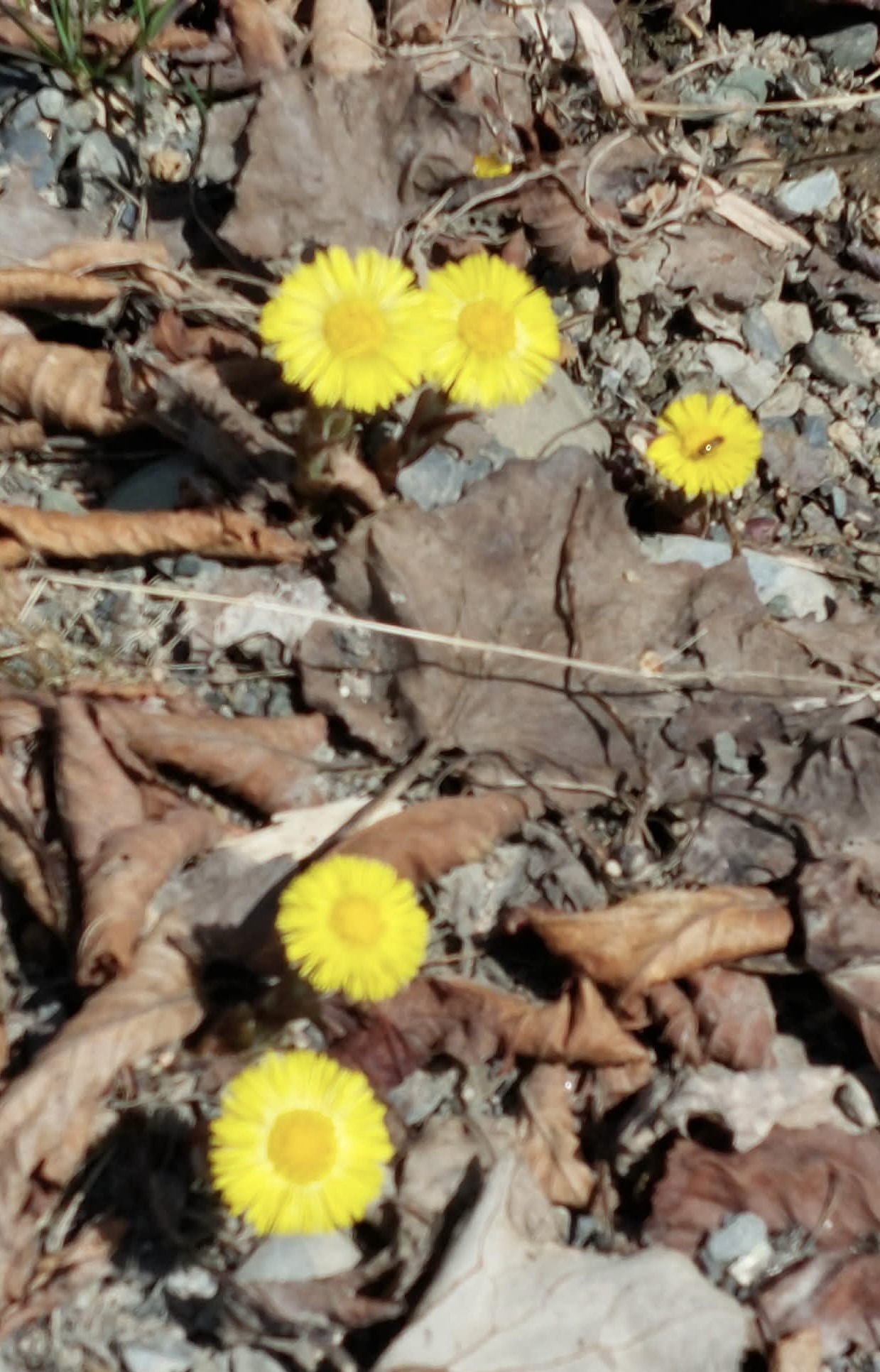
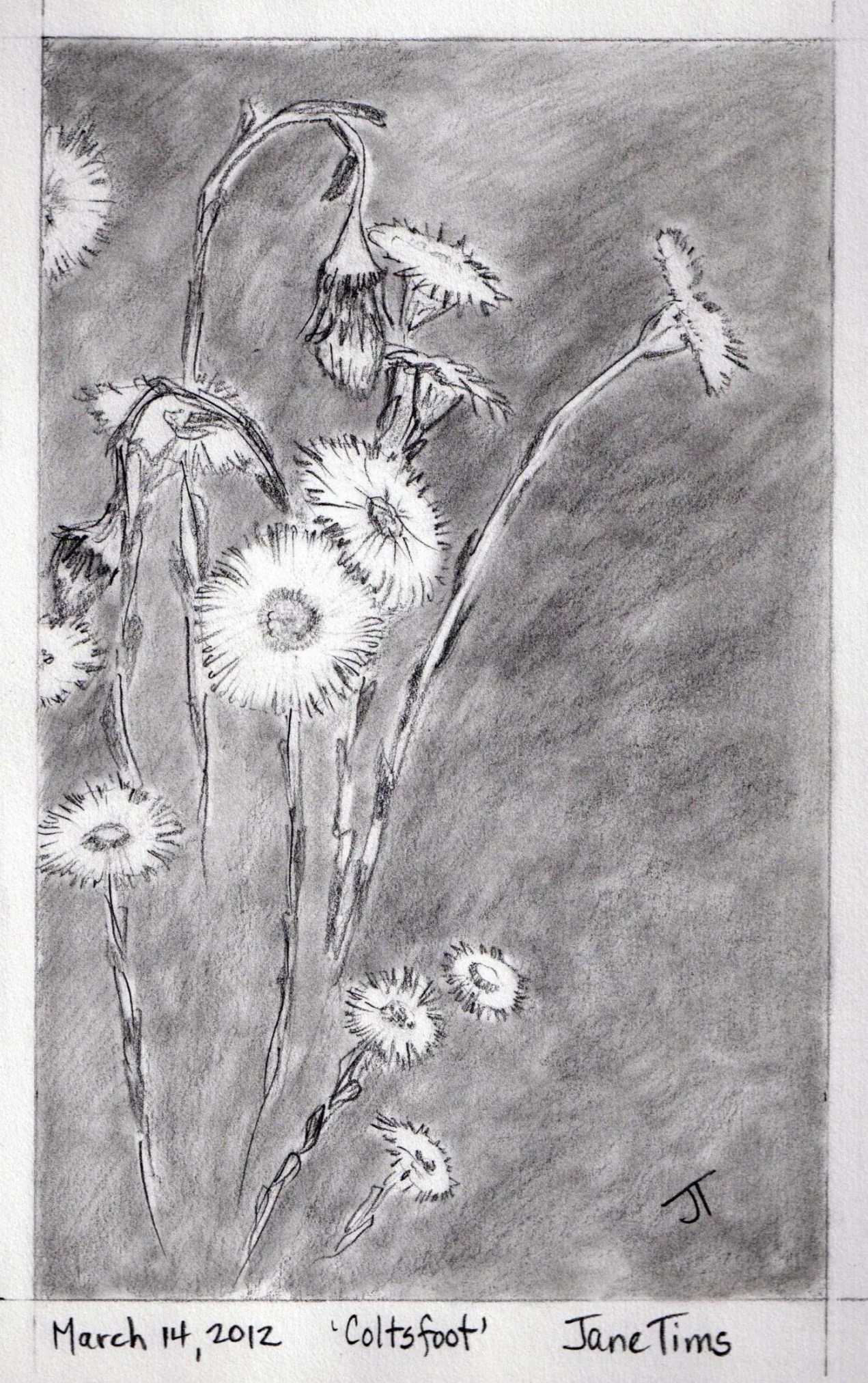
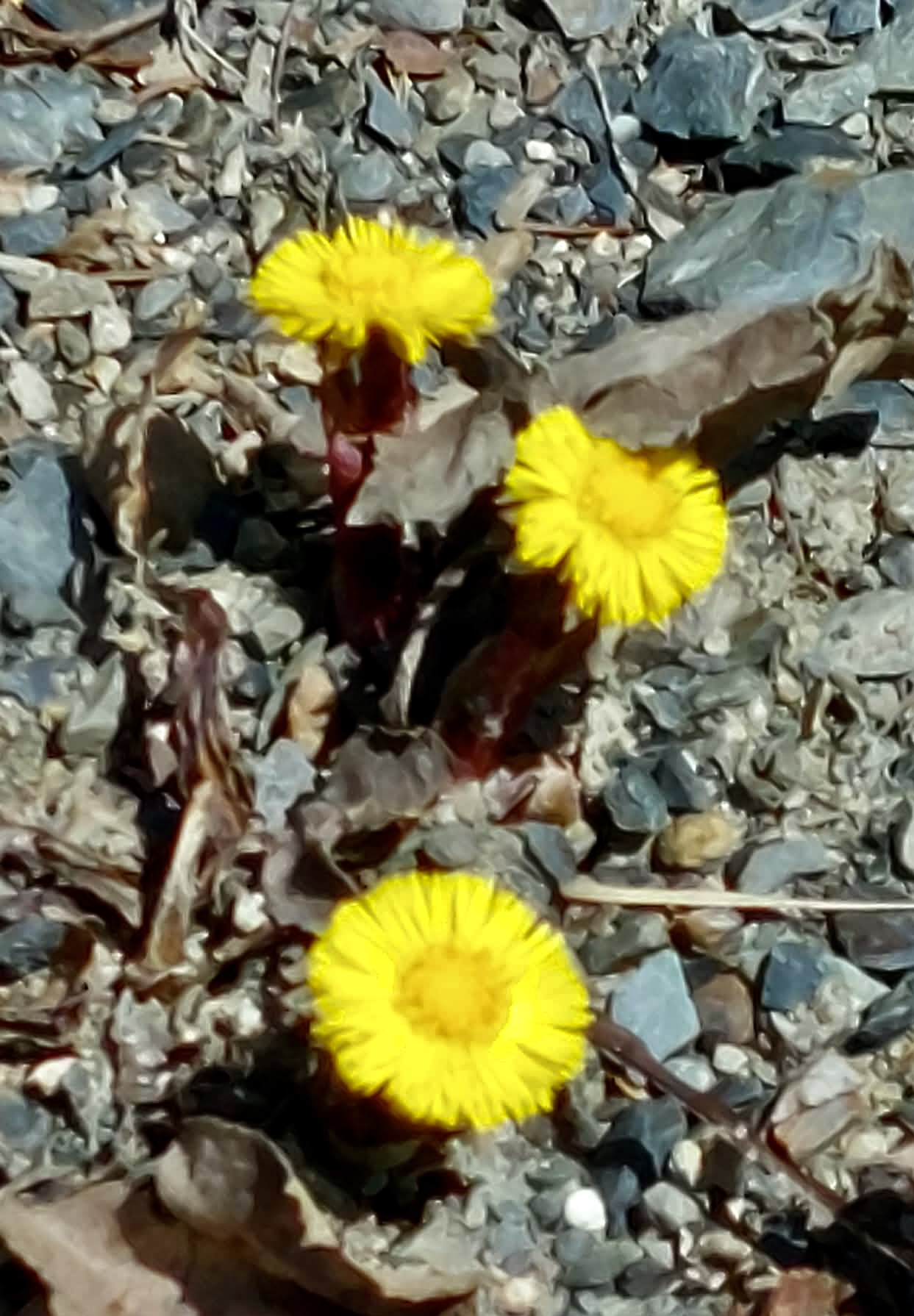
On our April drive I only photographed one herbaceous flowering plant, coltsfoot, Tussilago farfara. It fills some roadside ditches in early spring and many people confuse it with dandelion. Unlike dandelion, coltsfoot blooms before its leaves appear and has scaly, leafless stems. For more about coltsfoot and my poem about the plant, see https://janetims.com/?s=coltsfoot
~
~
The best part of our drive was our picnic beside a small stream. We had cheddar cheese, smoked turkey sandwiches, and ginger snaps. The sound of water over stones was our dinner music.
Hope you go on some explorations of your own this spring and summer.
~
All my best,
Jane
garden escapes: learning something new
The poems I am writing have two dimensions:
- consideration of the plant, its names and characteristics, and its tendency to die, persist or escape when a garden is abandoned
- consideration of the community or area where the plant occurs
~
For the botany, I have my floras: Hal Hinds ‘Flora of New Brunswick‘ (2002), Roland and Smith’s ‘Flora of Nova Scotia’ (1969) and others. During the project so far, I have learned about three new-to-me flowers: golden alexander (Zizia aurea), dropwort (Filipendula vulgaris) and narrow-leaved everlasting pea (Lathyrus sylvestris).
~


For the history, I have the New Brunswick Archives site ‘Where is Home?’ which tells when the community was first settled, what the population of the community was in certain years and so on. I also have the Canada Census for various decades and some excellent local histories lent to me by a very good friend.
~
For example, one of the abandoned communities we visited was Mavis Mills, north of Stanley. The community of Mavis Mills included a lumber mill and camp, post office and train stop. The community was named by a lumberman for his daughter, Mavis Mobbs. The community had a post office from 1922 to 1928. The 1921 Census shows a boarder and miller, John Mobbs, in Stanley Parish and below his name a mill camp with 31 men.
~
Something that puzzled me was the entry of ‘last lumberman’ under occupation, beside each of the 31 names. At first I thought it was a mis-spelling of ‘lath.’ Then I read more about the mill, in Velma Kelly’s book ‘The Village in the Valley: A History of Stanley and Vicinity‘ (1983). After World War I, metal was in short supply. So in 1919, the Mavis Timber Company was contracted to make ‘last blocks’ from rock maple.
~

a screen capture of part of the Canada Census for 1921 … under ‘Occupation’, the Census lists ‘Last lumber for each worker in the mill …
~
I had no idea what ‘last blocks’ were, so went on a Google hunt. ‘Last blocks’ were used to make the wooden shoe forms used by shoe makers. From 1919 to 1924, the Mavis Lumbering Company made five million ‘last blocks,’ to be shipped to England.
~

an empty lot in a place in the community where Mavis Mills once stood … the lot is filled with golden alexanders
~
Such is the learning from a project such as mine. The phrase ‘never stop learning’ comes to mind.
~
Have you ever heard of a ‘last block?’ My great-grandfather, Josiah Hawk, who was a shoemaker in Pennsylvania, would be puzzled about the lack of knowledge of his great-granddaughter!
~

shoemaker’s lasts (Source: Wikipedia)
~
Note that this project ‘garden escapes’ is funded under a Creations Grant from artsnb (the New Brunswick Arts Board).
~
All my best,
staying in as much as possible and staying safe,
Jane