Posts Tagged ‘barriers to gathering wild food’
growing and gathering – barriers to eating wild foods
One of the themes in the poems I have written for my manuscript on ‘growing and gathering’ local foods concerns the ‘barriers’ to eating local foods, especially wild local foods. Edible wild plants are everywhere around us… why don’t people make more use of them?
The barriers to gathering and eating wild foods are:
1. knowledge – although most people can recognise and even name a few plants, only a few can identify and name every plant they see with certainty. It you eat a plant, you need to know you won’t be the victim of mistaken identity. Sometimes very closely related plants are quite different when it comes to their edibility. A simple example is the Tomato: the species we eat is Solanum lycopersicum Lam.; a plant from the same genus is the poisonous Common Nightshade (Solanum ptychanthum L.). The fear of mis-identification and poisoning oneself is a barrier to eating local wild plants. Also, people can vary greatly in their sensitivity. One person can eat a plant without effect while another cannot because arthritis is aggravated.

berries of Common Nightshade are poisonous… later in the season, they are red and quite beautiful… children should be warned that all red berries are NOT good to eat
2. access – in order to eat wild plants, you have to know where they grow, you have to be able to go there, and you must have access. Many people live in urban or sub-urban areas where some species of wild plants just aren’t found. Even if you have transportation or live in a rural area, access may be a problem. There may be a lush field of raspberries just up the road, but if there is a locked gate, better get permission!

3. peril – sometimes picking wild plants for food has an unpleasant or dangerous side. Some plants are poisonous. Picking berries may mean avoiding sharp thorns! Sometimes berry picking takes you on a heads-down journey far from the point where you began… you may get lost! You can look up and not recognise where you are or how to return to your point of origin!

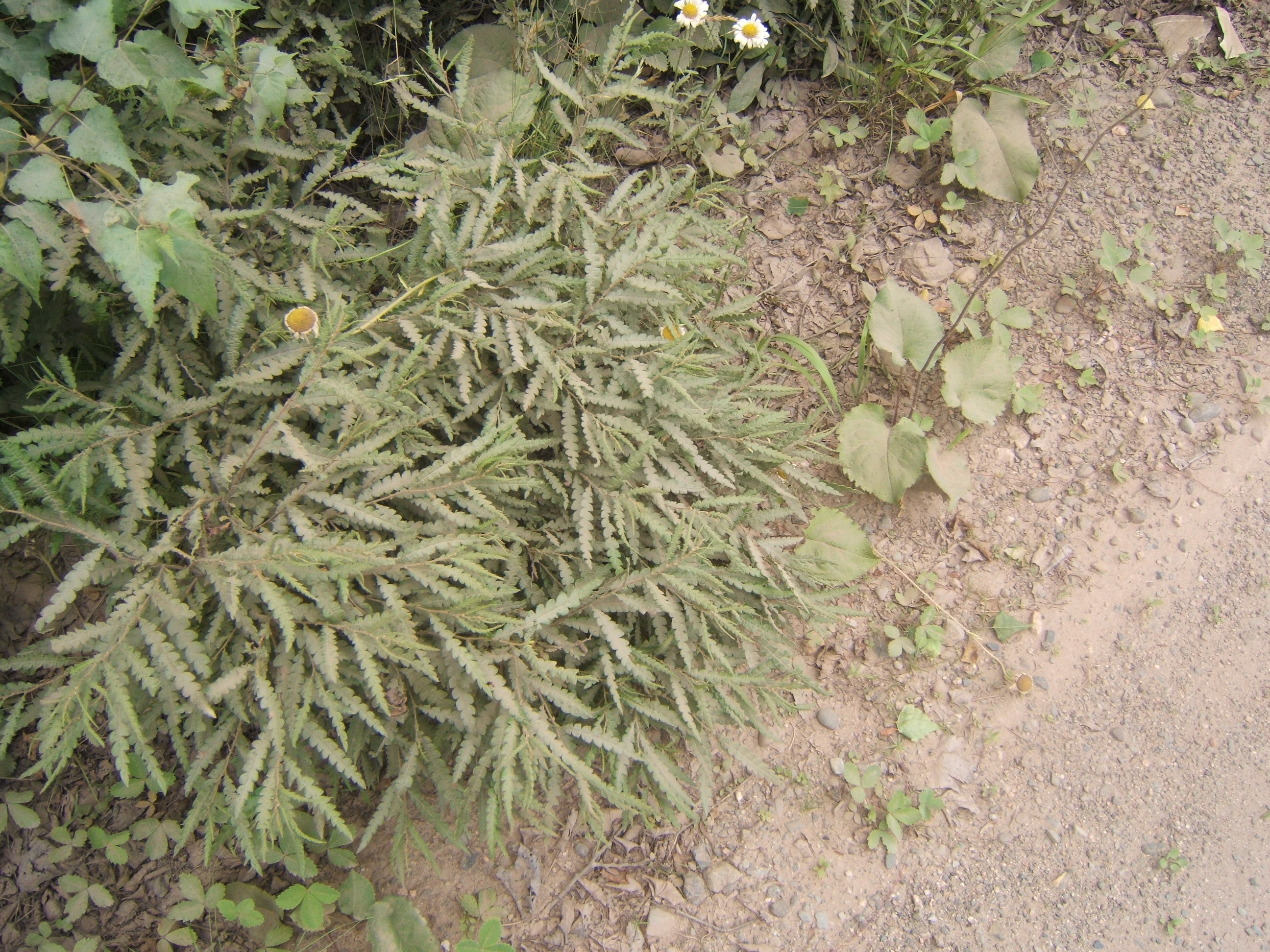
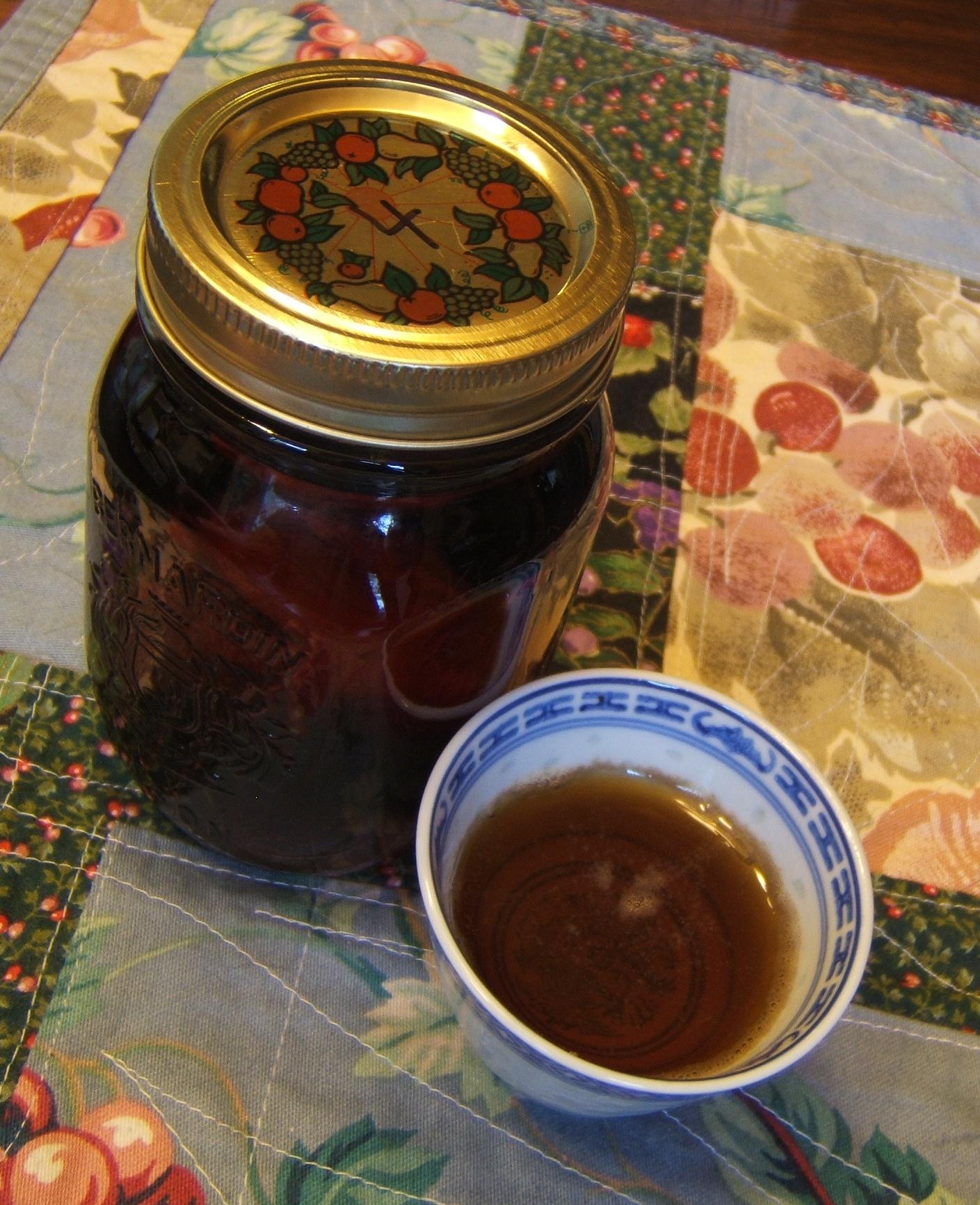
4. contaminants – some locations may not be suitable for collecting and eating wild plants. For example, plants along busy highways may have high levels of some contaminants. Berries or other plants growing along the roadside may carry a burden of dust, making them unpalatable. I wouldn’t make a cup of Sweet Fern tea from the dusty leaves in this photo!
5. convenience – Sometimes gathering or producing wild foods is too demanding of time and energy. I love collecting maple sap and boiling maple syrup each spring, but it is hard work and takes days to accomplish. Sometimes you know there is a patch of berries just down the road, but other demands on time take precedence.
6. competition – Wild animals also like edible wild plants. You may run into a bear while picking berries, or face a moral dilemma when you realise you are keeping the squirrels from a food source! My garden is always under attack and the battle often seems to outweigh the benefits of having a garden. This year the enemies are slugs, bunny rabbits and shadows (too much shade).

7. complacency – Sometimes I think, most of the barriers I’ve listed above could be overcome. But a barrier not so easy to negotiate is one of separation from nature and the associated complacency. It has become normal not to seek our food in the natural spaces around us. We go to the grocery store, pick up what we need, and take the easiest route in our exhausted lives. Even gardens are not as common as they once were. In my mother’s generation, gardens were the norm. This partly came from long traditions of growing food, but also from the concept of the ‘Victory Garden’, begun during World War II in order to conserve resources and boost morale.

World War II poster promoting the Victory Garden (Source: Wikimedia Commons, original art by Morley)
~
The only way I know to return to a simpler life is to take small steps and take them often, so they become habit. Here are some suggestions:
- visit the Farmers Market in your community, to obtain fresh produce and to know the history of your food;
- stop at those market stands along the road and buy produce in season. In our area, vendors sell lobster, smelt, fiddleheads, strawberries and apples this way;
- if you have an apple tree in your yard, or wild raspberries in a field nearby, pick them and enjoy;
- if your apple tree needs pruning and some TLC, talk to a knowledgable person and find out how to return it to production;
- dig the fishing tackle from the garage and take the kids fishing;
- grow a pot of fresh herbs on your back deck;
- learn about one wild plant, find a place where it grows, be certain of the identification, and use it! Then find another!




 nichepoetryandprose